by A1 WorldWide Logistics | Jul 18, 2024 | Economic trends, Shipping Logistics, Transportation
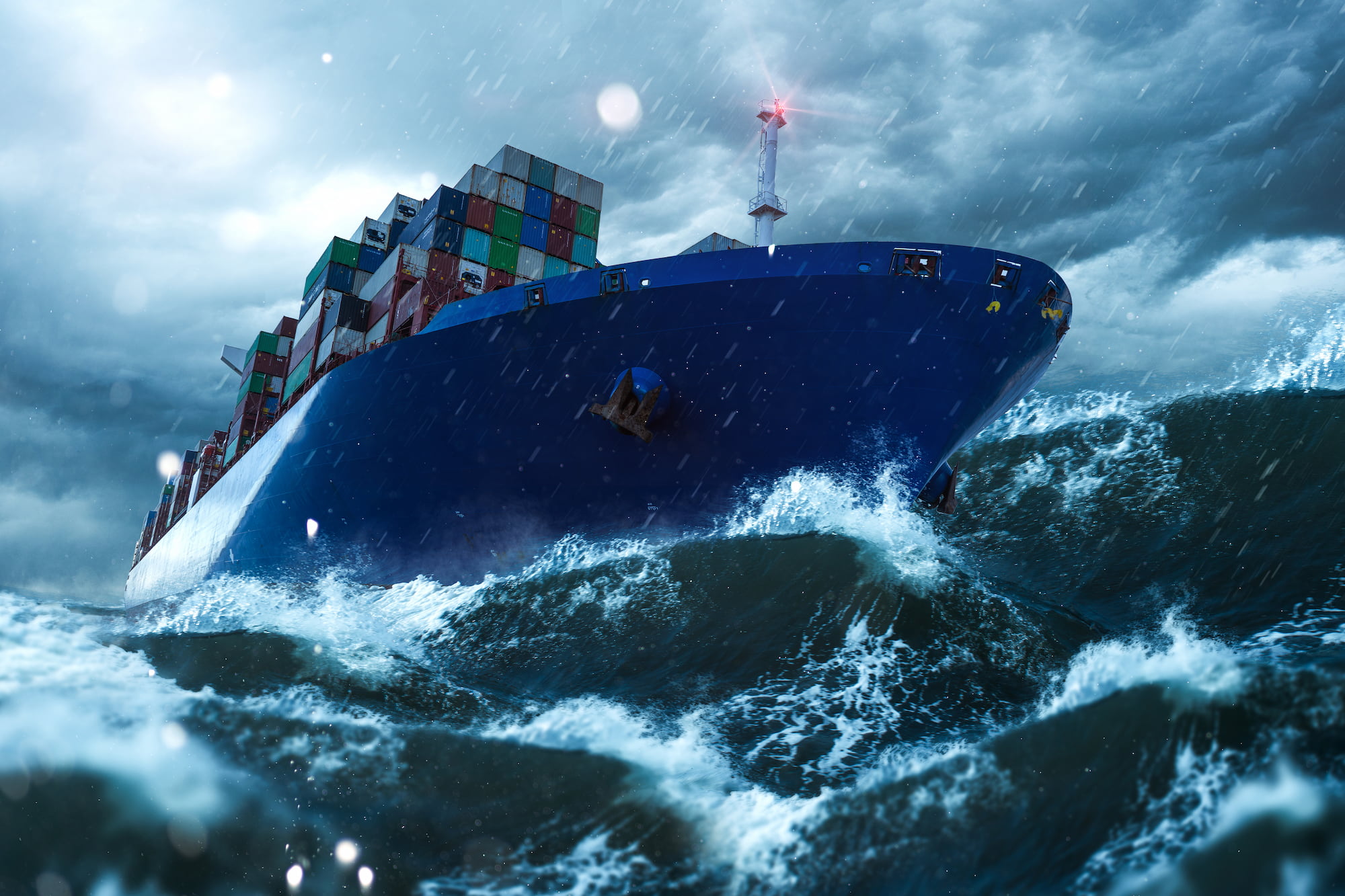
Severe weather over the last week has resulted in harsh shipping around Africa. Containerships are halting their journeys around the Cape of Good Hope due to the current conditions. Vessels are currently seeking shelter from more than 30-foot-high waves and high-speed winds. The storms are due to a cyclone that passed through the region over the last few days. Weather reports indicate another hurricane will pass through South Africa later this week. There are reportedly over 600 containerships currently routing around the location that may feel the impact. The amount of traffic, which is still growing, will directly impact international cargo movement.
Why Has The Cape Of Good Hope Increased Traffic?
Since the beginning of 2024, vessels that pass The Cape of Good Hope have been rising. Compared to the 1,800 ships that passed through the location in December of 2023, that number was 2,728 by February. By May 2024, maritime trade around the region increased by over 125%. The reason for the surge is due to the ongoing Israel-Hamas conflict that has been present over the last year. Nearby Houthi attacks around the Red Sea are causing ships to reroute their directions from the Suez Canal. Since approximately 30% of the world’s container volume passes through the Suez Canal, rerouting sends massive traffic to other locations.
One of the central locations that the ships rerouted to is the Cape of Good Hope. While longer and more costly, this route had more significant perceived safety advantages for shippers. Particularly for shipping between ports in Europe, Asia, and the U.S. East Coast. This was before the extreme weather, which had already taken its toll on vessels passing through. Along with ships having to halt, dozens of containers are falling overboard and damaged by the storms. Transits across the cape have returned on July 10th after a three-day pause from July 7th to July 9th.
What Can Harsh Shipping Around Africa Mean For Shippers?
The high volume of cargo vessels has switched to Africa, which can have significant implications for shippers. A primary concern is that shipping delays will persist. When carriers originating rerouted ships from the Suez Canal, they added an extra 14% days to the journey for some shipments. Having to halt due to a storm can add more delays to the cargo transport. Further congestion from vessel stoppage also adds to transportation time. Adding nearly 3,500 nautical miles on a trip also requires almost $1 million in extra fuel, which may lead to higher costs for the shipper. If the exporter is a business with customers, delays and price increases can look unfavorable to the company.
While the current conditions may seem daunting, they should not stop you from shipping your goods. A shipper should take the necessary steps, however, to prevent any issues like delays from arising. It is essential to be current with any situations that can affect your supply chain and act accordingly. An ideal way to ensure the success of your shipment is by using a freight forwarder. They coordinate the transportation process for the shipper while educating them on the best course of action to take. Reach A1 Worldwide Logistics at 305-440-5156 to speak with a freight forwarder and get assistance moving your cargo internationally.
by A1 WorldWide Logistics | Jul 16, 2024 | 3PL, Air Freight, Customs Broker, Customs Clearance, Importing, Shipping Logistics
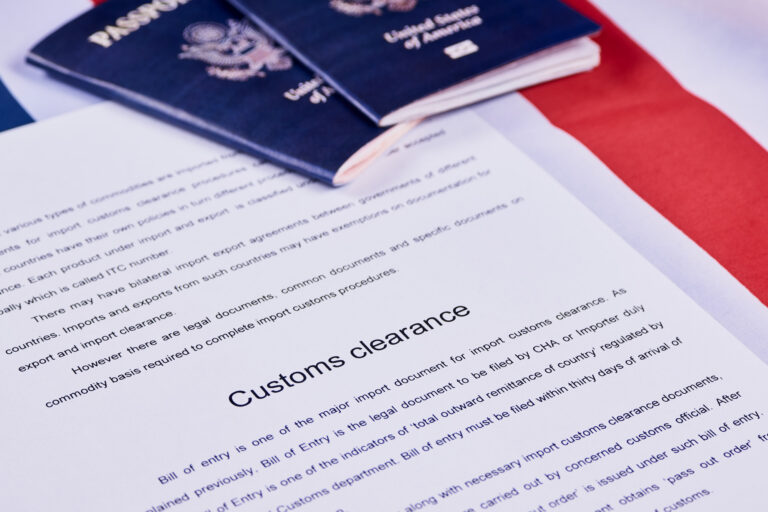
Una de las cosas más esenciales que el remitente debe conocer antes de enviar carga internacionalmente son los documentos necesarios para la liberación aduanal. La liberación aduanal es el procedimiento de declarar mercancías a las autoridades aduaneras al ingresarlas a un país. En Estados Unidos, estas autoridades son la Aduana y Protección Fronteriza (CBP, Customs Border Protection). Saber qué documentos proporcionar puede simplificar el proceso de transporte y prevenir retrasos. Puede haber diferentes documentos requeridos dependiendo del tipo de mercancía que se esté importando o exportando. Este artículo explicará los tipos más comunes, aunque se recomienda hablar con un agente aduanal para obtener una explicación detallada.
¿Por qué es importante entender los documentos en el despacho aduanero?
Al traer envíos a Estados Unidos, contar con la documentación correcta puede ahorrar tiempo y dinero. Documentos incorrectos o faltantes pueden llevar a que la aduana retenga su envío. Esto afecta la reputación de un negocio si no realiza la entrega de sus productos a tiempo. Además, la mercancía retenida por la aduana puede generar cargos por almacenaje en el puerto, lo cual es desfavorable para el remitente.
Documentos para el despacho aduanero
- Factura comercial: Este documento se presenta a los funcionarios de aduanas para evaluar el valor de la carga. También se utiliza para determinar los impuestos y aranceles que se aplicarán al remitente. Puede incluir la descripción de la carga, información sobre el comprador y vendedor, detalles del envío, entre otros.
- Guía de Embarque (BL/ Bill of Lading) o Guía Aérea (Airway Bill): Cuando las importaciones entran a un país, el remitente presenta el BL/Guía Aérea a la aduana. El conocimiento del embarque se requiere cuando las mercancías llegan por barco, y la guía aérea cuando llegan por avión. Estos documentos no solo son un recibo de lo que el remitente está enviando, sino que también proporcionan información de seguimiento. Además, son necesarios para el reembolso en caso de pérdida o daño de la carga.
- Certificado de origen: La aduana utiliza este certificado para verificar el país de origen de la exportación. Esto puede ser necesario por diversas razones, incluyendo aspectos políticos o leyes específicas. Consulte con la cámara de comercio de su país para determinar si este documento es necesario para su envío.
- Lista de empaque: Describe físicamente lo que el remitente está enviando e incluye dimensiones, peso e información de contacto. Aunque es similar a la factura comercial, no cubre los costos asociados con la carga, pero debe coincidir con los detalles en la factura.
- Aviso de llegada: Cuando las mercancías llegan al país de destino, el remitente envía este aviso al consignatario o receptor. Esto permite al consignatario conocer los detalles de ubicación del envío. Sin embargo, el aviso de llegada por sí solo no significa que las mercancías estén disponibles para su liberación; es necesario hacer arreglos para el despacho aduanero. Los agentes aduanales luego proporcionan los documentos necesarios para la liberación de las mercancías.
Contactar a un Agente Aduanal
Además de los documentos mencionados en este artículo, la aduana puede requerir otros adicionales dependiendo del tipo de envío. Por ejemplo, importar armas de fuego, productos químicos o plantas requiere licencias específicas. Dado que tener la documentación correcta puede ser intimidante para remitentes sin experiencia, estos suelen contratar a un agente aduanal para manejar el proceso. Si planea traer carga a Estados Unidos, comuníquese con A1 Worldwide Logistics al 305-425-9752 para comenzar. Además de ayudar con la documentación, nuestros agentes aduanales ofrecen diversas soluciones para asegurar el despacho de su mercancía.

by A1 WorldWide Logistics | Jun 27, 2024 | Freight Forwarding, Shipping Logistics, Supply Chain
Technological advancements have led to a recent growth in shipping perishables by sea. Perishables can spoil or decay if not transported by the carrier under a specific temperature and time. This can include cargo like fresh produce, dairy, pharmaceuticals, meat, flowers, and more. When people think about how perishables are transported internationally, air is the first thing they tend to imagine. The reason is the airplanes’ quickness to move freight internationally. Despite this, transporting these shipment types by sea has grown due to its advantages. Understanding the shipping process is crucial to the shipment’s success when moving perishables by the ocean.
What Is The Difference Between Shipping Perishables By Sea Vs Air?
Despite sea and air being standard conveyance methods for shipping perishables internationally, they have distinct differences. A common difference is the time it can take for the carrier to make the delivery. While sea freight may take a few days to weeks, air freight takes a few hours to a few days. An effect is that air freight usually has more significant costs due to quickness and higher fuel prices. Another difference is the capacity of cargo that can move in a trip. With air carriers being significantly smaller than a containership, the cargo volume is much less. The average vessel can carry 3,000 to 20,000 TEUs (Twenty-foot equivalent), depending on its size.
Choosing between air or ocean usually depends on perishable type, size, and urgency. For example, goods with short shelf life, like certain pharmaceuticals, tend to benefit from air transport. The speed also allows for greater flexibility since the departures are more frequent. Shippers of bulk perishable shipments usually use containerships due to their transport volume. Another difference is the environmental impact between the two conveyances. Flights have a higher carbon footprint, emitting nearly 500 grams of CO2, while vessels emit 10 to 40 grams. Despite the difference, both methods are essential in international shipping, with sea recently gaining traction.
The Process Of Shipping Perishables By Sea.
Before starting to ship perishables by sea, an exporter must understand that various precautions and regulations are involved. Depending on the type of perishable, specific packaging with insulation or moisture control should be used for the shipment. When the shipper is ready to ship the cargo, they must find a reliable carrier experienced in perishable shipping. The goods must stay in specialized containers during the journey to prevent damage and spoiling. This can include ventilated, insulated, or refrigerated containers (reefers). The shipper must ensure that all the necessary documentation is correct and correct before reaching the designated port. Some of the paperwork needed for the exportation include:
- Bill of Lading
- Packing List
- Commercial Invoice
- Certificate of Origin
Once customs releases the shipment, the shipper may have a truck transport it to the final destination. Shipping perishables by sea can seem challenging for inexperienced shippers due to the various components. Along with the information in the article, you must understand other parts, such as labeling and insurance. You can use the help of the help of a freight forwarder to simplify the process. Forwarders coordinate the cargo movement and handle all of the requirements on behalf of the exporter. Reach A1 Worldwide Logistics at 305-425-9752 regarding speaking to our forwarders about transporting perishables by air or sea internationally.
by A1 WorldWide Logistics | Jun 20, 2024 | 3PL, Economic trends, Shipping Logistics
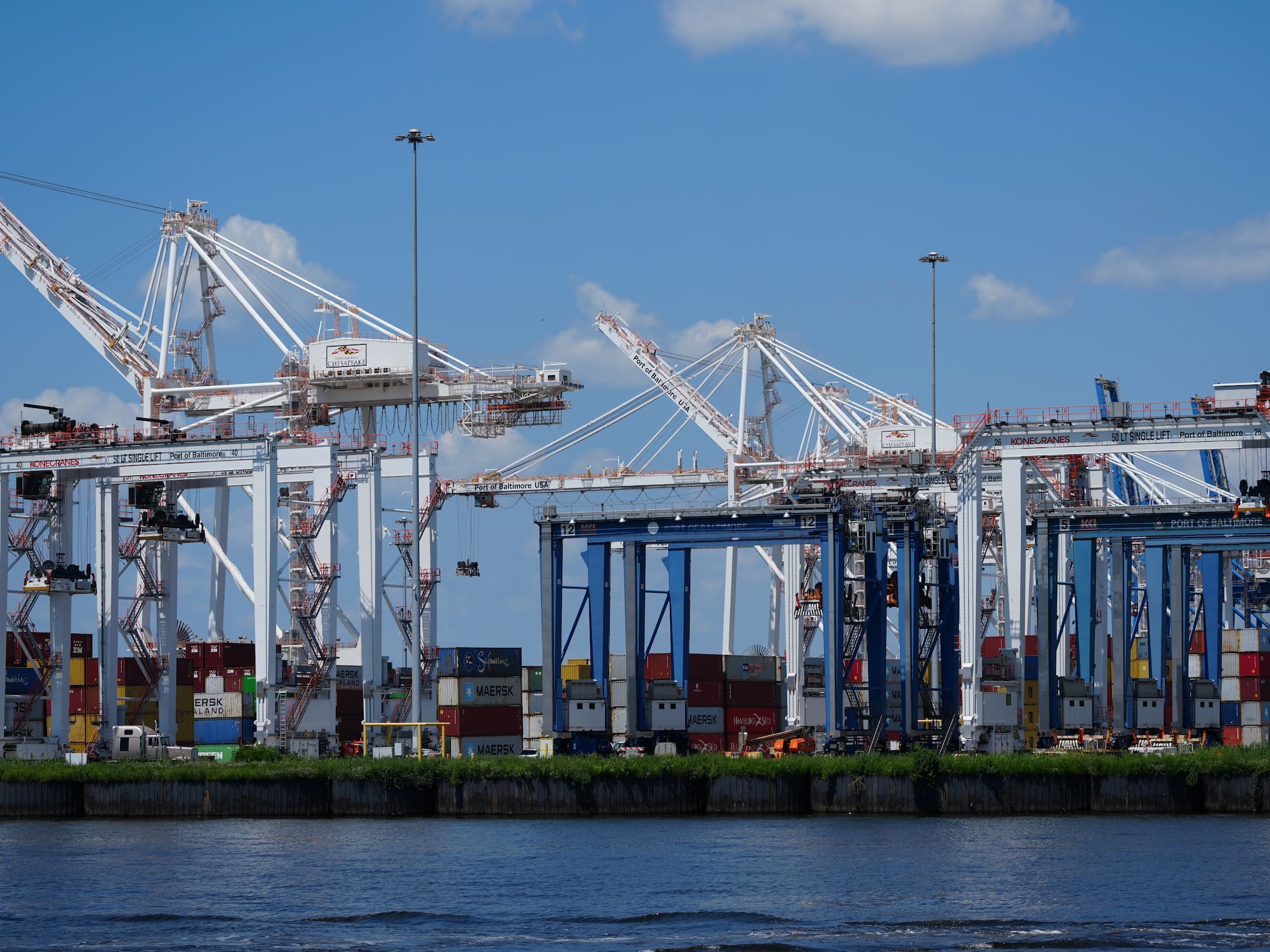
On Wednesday, June 12th, the Port of Baltimore reopened after nearly three months of working at limited capacity. A containership struck the Francis Scott Key Bridge on March 26th, collapsing into the Patapsco River. The bridge collapse resulted in the deaths of six workers and cut off vessel access to the port. Port officials responded by opening temporary alternative channels only for essential vessels and direct responders. Traffic in and out of the main channel was put on halt. The closure of the port led to logistics disruptions for many supply chains. Eleven weeks after the accident, the Fort McHenry channel is now back in regular operations.
How Did The Closing of The Port Affect Shipping?
The Port of Baltimore is known in international shipping as the busiest port in the U.S. in terms of vehicle imports. Along with automobiles, the port is famous for handling sugar, gypsum, construction machinery, and other commodities. Importers and exporters immediately began rerouting their cargo to nearby ports, causing bottlenecks in supply chains. Redirecting shipments also increased delivery time, which was unfavorable for shippers who had to move goods promptly. Congestion in the nearby ports like Savannah, Charleston, and Norfolk also increased due to the traffic moving their way. Some importers have also switched their shipments to West Coast ports, which has posed logistics challenges.
Domestic shipping was also affected by the collapse, with the port being a significant location for RoRo (Roll-On/Roll-Off) operations. Before the accident, approximately 3600 trucks crossed the Francis Scott Key Bridge daily, nearly 1.3 million yearly. Land congestion grew, with the area around the bridge being a significant trade region. This created delays for domestic shipping as well. Along with the cargo movement, the halting of operations also affected the regional economy. Thousands of longshoremen and small businesses have felt the impact of the port closure and bridge collapse. With the port opening up, longshore workers will return to their jobs as operations pick up.
Are Shippers Returning With The Port Of Baltimore Reopened?
When the Baltimore port closed, many regular shippers sought alternative seaports to import their cargo. The monthly general cargo went from almost one million tons in January 2024 to 1,822 tons in April. No importers have reported plans to modify their supply long-term from the closure. The rerouting was more of a short-term plan until operations returned to normal. Shippers that used the Port of Baltimore did so due to its many advantages. Along with its capability to handle numerous cargo types, it’s one of the closest East Coast seaports to Midwestern markets. Traffic has already started to pick up with vessels returning to the port.
Shippers should be aware of many considerations when beginning to move goods internationally. Situations like port closures and other scenarios can deter the shipping process and be unfavorable for the shipper. An ideal way to prepare against any scenario is by getting the assistance of a 3PL (Third Party Logistics) provider. 3PLs offer numerous services for transporting cargo while determining the best course of action for the shipper. Contact A1 Worldwide Logistics at 305-425-9456 or info@a1wwl.com to get started on your shipping journey. Whether it’s the Port of Baltimore or any other port, we help import and export your shipment anywhere globally.
by A1 WorldWide Logistics | Jun 18, 2024 | Customs Broker, Economic trends, Shipping Logistics, Supply Chain
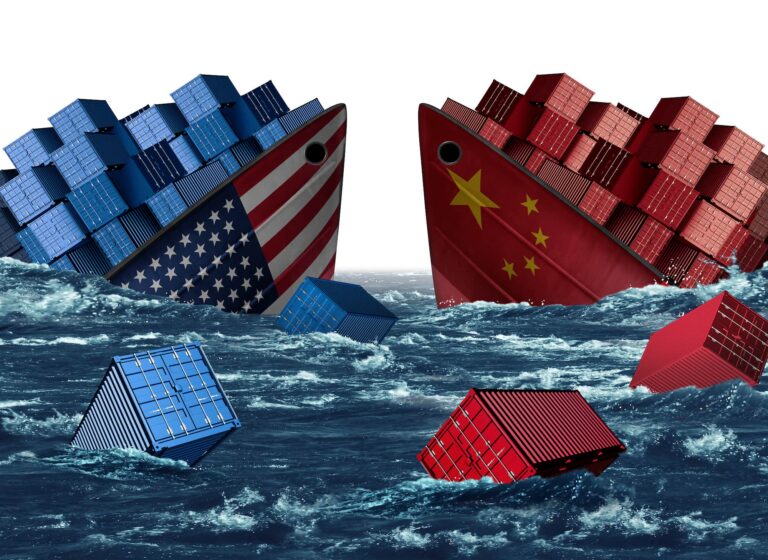
Recientemente, muchas empresas estadounidenses han estado discutiendo sobre otras alternativas de abastecimiento en lugar de China, haciendo que algunos se pregunten: “¿Están disminuyendo las importaciones de China?” Durante más de un siglo, la mayoría de las etiquetas en los productos en los EE. UU. han tenido “Hecho en China” escrito en ellas. La importación de un solo proveedor siempre ha tenido sus beneficios y desventajas. Los riesgos de la importación de un solo proveedor desde China se hicieron más evidentes hace poco.
¿Por qué están disminuyendo las importaciones de China?
El coronavirus aceleró los riesgos actuales y perturbó las cadenas de suministro de numerosos importadores de China. Los puertos en toda China estuvieron cerrados o funcionando a capacidad limitada debido a la pandemia. Esto creó un retraso en el envío de carga y desafíos para los remitentes y sus clientes. Años antes de la presencia del coronavirus, las importaciones de China ya estaban disminuyendo por varias razones. Un ejemplo de esto fue cuando los costos de los aranceles que los importadores tenían que pagar aumentaron a más del 20%.
Las empresas que fabricaban productos en China también tuvieron problemas de robo de propiedad intelectual. Esto es el robo de los productos y las ideas de una empresa para su uso. Además, el impacto ambiental de la importación desde China fue otro factor que las empresas consideraron. Los productores en China utilizan métodos de producción específicos que los EE. UU. prohíben. Esto significa que el impacto ambiental puede ser mayor cuando las empresas fabrican productos en China en lugar de en los EE. UU.
Otras alternativas
A medida que las empresas buscaban otras opciones de abastecimiento, países como Vietnam se volvieron atractivos. El país es políticamente estable y tiene varias industrias en crecimiento, como la automotriz y la electrónica. Los costos laborales también son relativamente bajos, lo que lo convierte en un candidato ideal para que las empresas manufactureras se muden allí. En los últimos años, las importaciones de Vietnam y otros países asiáticos han aumentado considerablemente. Sin embargo, los riesgos, como la infraestructura y la preocupación por los derechos humanos, permanecieron.
En lugar de subcontratar las importaciones desde Asia, otra alternativa es subcontratar desde algún lugar más cercano, como México o América Latina. México ya es uno de los mayores países comerciales con los EE. UU. La proximidad también es un gran beneficio para las empresas que dependen de las importaciones. Los camiones pueden convertirse en un método de transporte cada vez más popular para las importaciones que ingresan a los EE. UU.
¿Puede volverse más común la relocalización a los EE. UU.?
Una de las muchas soluciones fue traer la fabricación de productos de regreso a los Estados Unidos. Hay varias ventajas y desventajas asociadas con trasladar la fabricación de China a los EE. UU. Uno de los principales beneficios es que los tiempos de transporte se vuelven significativamente más cortos. Los remitentes no necesitan importar a los EE. UU. desde países que pueden estar lejos. Además, si los fabricantes producen los bienes en los EE. UU., no se deben pagar aranceles de importación.
A pesar de esto, la relocalización a los EE. UU. puede ser una tarea difícil. Esto se debe a que muchas empresas que subcontratan a diferentes países lo han hecho durante décadas. Retroceder en una cadena de suministro con el mismo proceso durante décadas lleva tiempo. La deslocalización de la fabricación a países extranjeros también tiende a proporcionar costos de producción más bajos, lo que puede beneficiar a las empresas en lugar de la relocalización.
A1 Worldwide Logistics
Aunque las ubicaciones donde los remitentes traen carga pueden volverse más diversas, el número de importaciones de los EE. UU. sigue aumentando. Si planea enviar hacia y desde los EE. UU., A1 Worldwide Logistics está aquí para ayudar. Tenemos servicios de transporte de carga tanto para importaciones como para exportaciones. Llámenos al 305-425-9513 para obtener una cotización para su envío.
by A1 WorldWide Logistics | Jun 6, 2024 | Economic trends, Shipping Logistics, Supply Chain
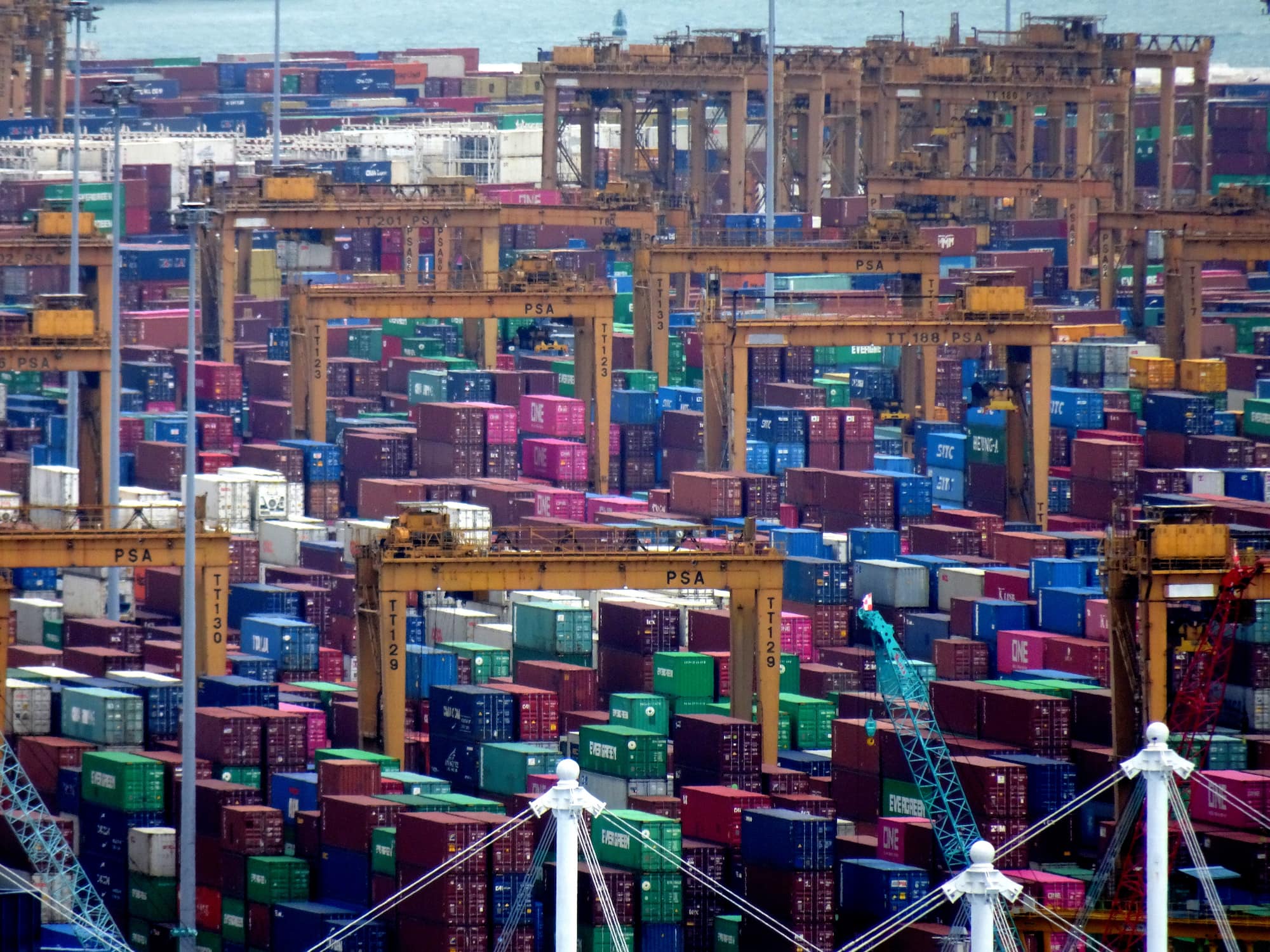
Over the last few weeks, an increase in container volumes has resulted in growing Singapore port congestion. The Port of Singapore is the 2nd largest seaport internationally, handling over 591.7 million tons of freight in 2023. Various international shipping circumstances have recently caused global backlogs across ports, with the Singapore port being an epicenter. A market intelligence firm report noted that nearly 450,000 TEU (Twenty-foot equivalents) are in the queue. For reference, this is a greater volume than the coronavirus pandemic. Shipping delays in the port have also doubled nearly in May, with vessels waiting almost seven days for a berth. What can the congestion mean for shipping as the peak season quickly approaches?
What Is Causing The Growing Singapore Port Congestion?
While different contributors are resulting in current port congestion, the Red Sea Crisis is one of the primary issues. In 2023, the Iseral-Hamas conflict in Gaza made its way to the Red Sea as militants struck multiple vessels. The sea connects to the Suez Canal, one of the significant artificial pathways for international shipping responsible for nearly 30% of the world’s container volume. As a result, containerships began rerouting to locations, such as the Cape of Good Hope in South Africa. A side effect of the conflict was an increase in off-schedule arrivals to ports like the Port of Singapore. When carriers arrive off-schedule, at the same time, it creates a vessel-bunching effect.
As more containerships remain outside the Port of Singapore, berth wait times increase. Vessels typically wait around half a day to dock at the port but currently take up to seven days. As a result, several ships have canceled their shipment to the port. However, that may create congestion for nearby ports. The Singapore port has responded to the jam with plans to open three additional berths later this year. Congestion has become a growing concern globally, with Asian and Mediterranean ports feeling a significant strain. The market intelligence firm also notes that nearly seven percent of global port capacity is currently congested. Usually, the number is between two to four percent.
What Will This Mean For International Shipping?
Geopolitical events like the Red Sea crisis have significantly affected shippers’ supply chains that move goods internationally. Along with rising transit times, another effect is that freight rates have increased over the last few months. The global container freight index has risen over 30% in May 2024 alone. Asia-North America West Coast spot rates have increased by over 70% since the end of April. If the existing trend continues, container rates could reach over $15,000 by the end of the year. Other situations affecting the rising prices include sudden demand increases, capacity constraints, equipment shortages, and rising fuel prices.
Although the current situation can seem intimidating, it should not stop the movement of cargo internationally. It is, however, essential that you are informed and protect your supply chain. Using the assistance of a 3PL (Third Party Logistics) provider is an ideal way to begin. 3PLs handle various parts of a shipper’s supply chain, including international and domestic shipping, storing, customs brokering, etc. 3PLs also offer consulting services to ensure you take the best actions for your supply chain. Reach A1 Worldwide Logistics at 305-425-9513 to find out about our numerous solutions for moving your shipment. We help you navigate the shipping world and move your goods to the final destination.

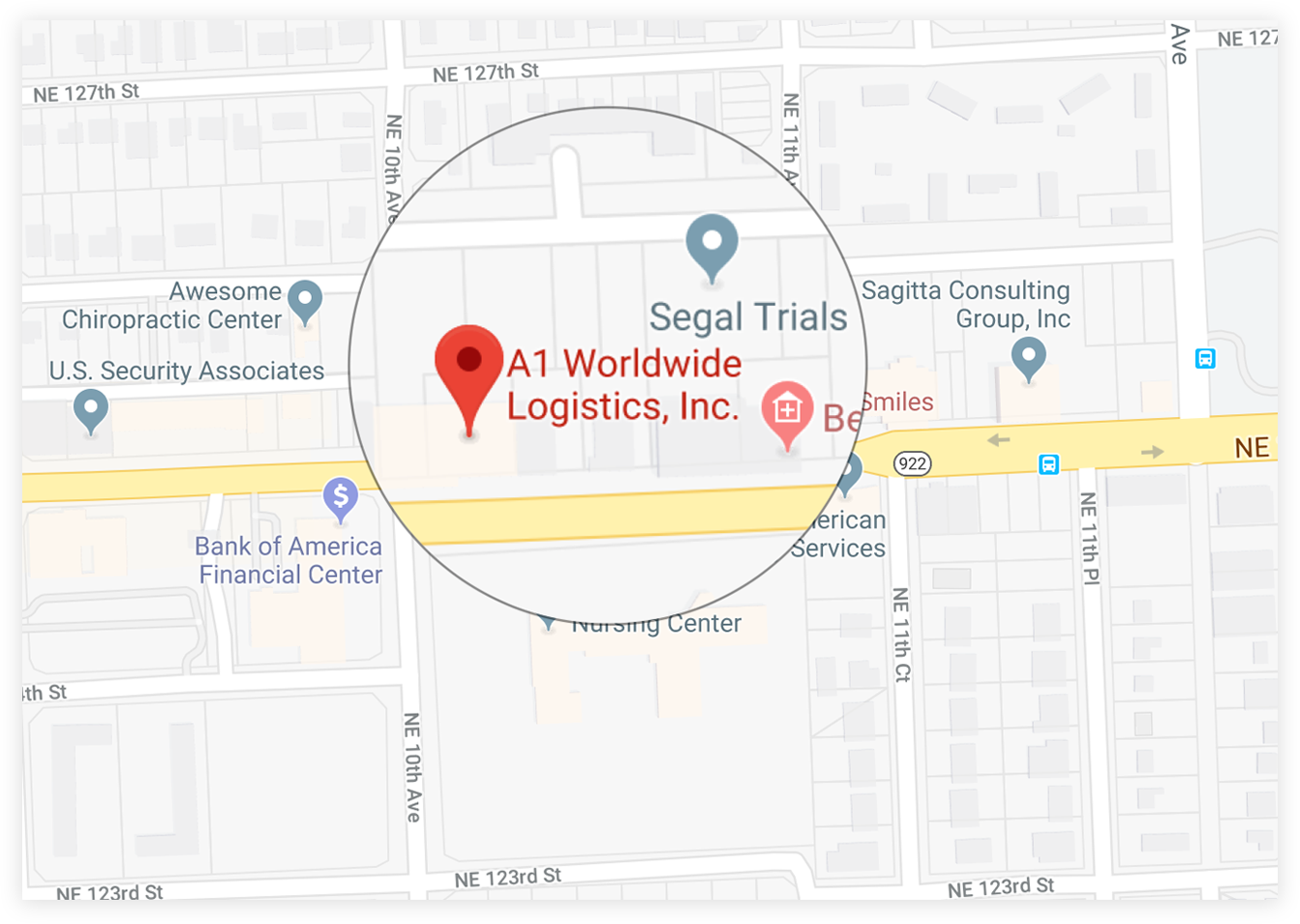
 1035 NE 125th St Suite #320, North Miami, FL 33161.
 a1worldwidelogistics.com
 (305) 821-8995
 Hours: 8AM - 5PM