
by A1 WorldWide Logistics | Aug 12, 2025 | Shipping Logistics, Supply Chain, Transportation
Una consideración esencial que un remitente debe tener en cuenta al mover carga sensible a la temperatura es comprender la logística de transporte en cadena de frío. La cadena de frío es una cadena de suministro para transportar mercancías que deben mantenerse bajo una temperatura específica para evitar daños. Estos bienes incluyen alimentos perecederos, bebidas, productos farmacéuticos, flores, químicos, cosméticos, entre otros. El proceso incluye las mismas partes de una cadena de suministro regular, como transporte y almacenamiento, pero con la condición de que la temperatura debe permanecer constante. Las cadenas de frío existen desde hace cientos de años, pero los avances tecnológicos han optimizado y ampliado sus capacidades. Aunque este artículo se centra en envíos internacionales, la cadena de frío también puede incluir transporte de carga domestica.
¿Cuáles son los principales retos de la logística en cadena de frío?
Existen diversos retos y aspectos que los remitentes deben considerar al iniciar una cadena de frío, debido a la gran cantidad de componentes involucrados.
Un reto común es que la carga debe mantenerse a la misma temperatura durante todo el trayecto. Incluso una mínima fluctuación decimal puede causar deterioro. Las variaciones pueden deberse a errores humanos o fallas en los equipos. Otro desafío es que existen múltiples normas y regulaciones que los remitentes deben cumplir en una cadena de frío. Organismos como la FDA (Administración de Alimentos y Medicamentos de EE. UU.), el DOT (Departamento de Transporte), la IATA (Asociación Internacional de Transporte Aéreo) y la Aduana de EE. UU. establecen los requisitos.
Algunos requisitos incluyen embalaje, estabilidad del producto, control de temperatura durante el transporte y más. La falta de documentación adecuada es otro problema a tener en cuenta. Según el tipo de envío, el remitente debe registrar datos como la temperatura y condiciones de almacenamiento para evitar errores. También se requiere la documentación necesaria para la importación y exportación. No presentar los documentos correctos puede provocar retrasos en el proceso de envío por retenciones en aduanas, lo que es especialmente perjudicial en cadenas de frío, donde tecnologías como el hielo seco son sensibles a la temperatura.
¿Cuál es el proceso de la cadena de frío?
El proceso comienza mucho antes de que la carga salga de su lugar de origen. Antes de la exportación, la carga puede almacenarse en una bodega a la temperatura adecuada para evitar su deterioro. Lo mismo aplica para el embalaje, que debe preservar la calidad y evitar la contaminación antes del transporte. Los refrigerantes pueden incluir hielo seco, gel packs, paneles de EPS (poliestireno expandido), entre otros.
Se pueden usar distintos medios de transporte —barcos, aviones o camiones— siempre que cuenten con sistemas de control de temperatura. Ejemplos de ello son los reefers (contenedores refrigerados) que mantienen los productos a la temperatura correcta durante todo el viaje.
Al llegar al puerto de destino, la documentación debe estar en regla para evitar demoras. Una vez liberada la carga por la aduana, un transportista la lleva a un almacén o al destino final manteniendo la temperatura adecuada.
A pesar de los múltiples componentes de la logística en frío, ofrece grandes beneficios para empresas y remitentes particulares. La mejor forma de asegurar el éxito de una cadena de frío es con el apoyo de un 3PL (proveedor de logística de terceros), que gestiona transporte, almacenamiento y coordinación en nombre del remitente.

by A1 WorldWide Logistics | Jul 24, 2025 | Economic trends, Shipping Logistics, Tariffs
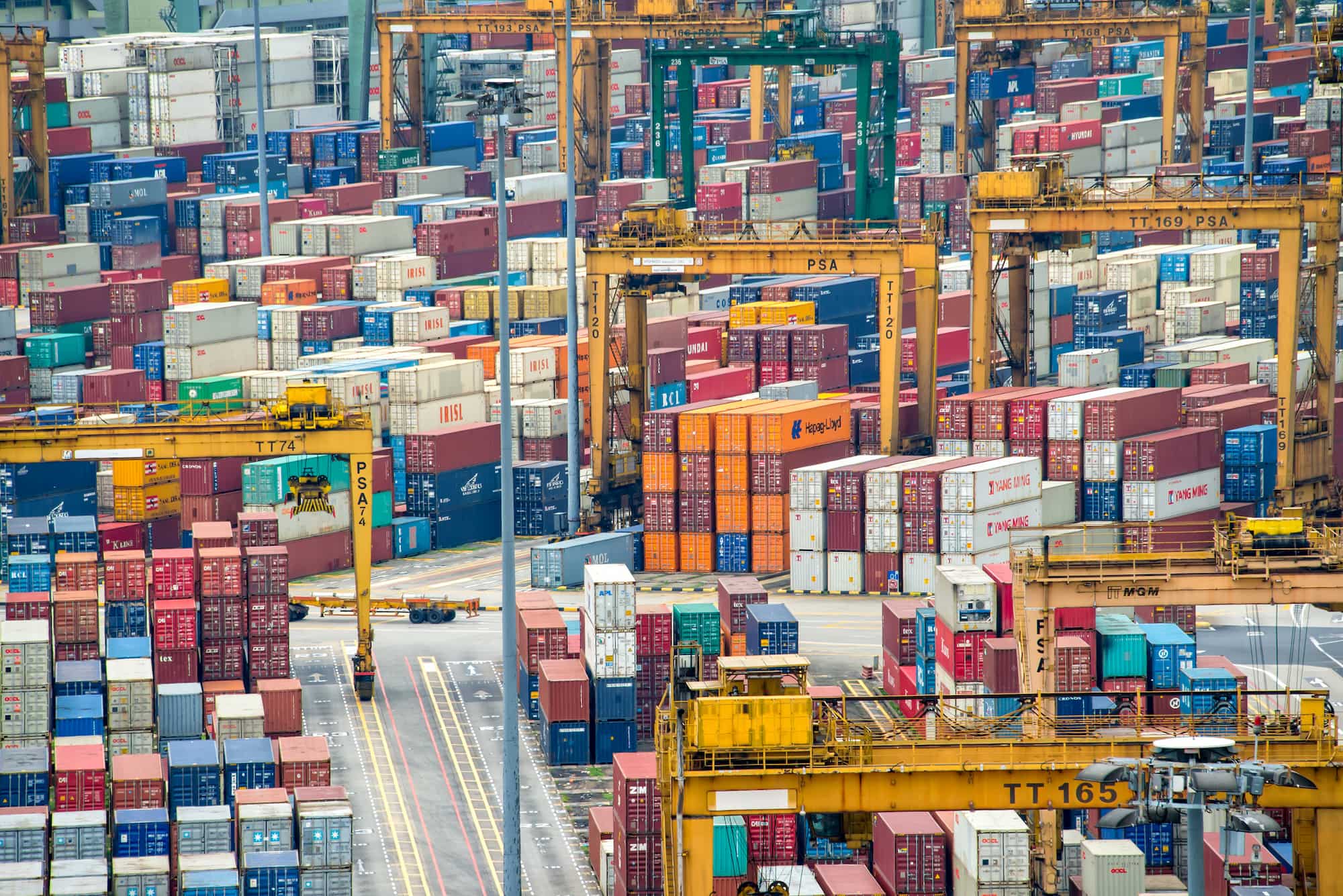
A tariff war continues with the US proposing a 93.5% tariff on graphite imports from China. On July 17, the US Department of Commerce (DOC) announced plans to implement the levies after an anti-dumping duty investigation. The DOC notes that they will make the final amount determinations from the investigation on December 5. Along with the previous tariffs Trump issued for Chinese imports, the 93.5% will bring the total rate to 160%. The DOC has also proposed countervailing duties on graphite importations up to 721%. With the amount of graphite that comes into the US from China, this can significantly impact international shipping.
Why Is The US Proposing A 93.5% Tariff On Graphite Imports?
The Trump Administration has proposed tariffs on Chinese graphite imports for various reasons, including anti-dumping and subsidy claims. Dumping is when manufacturers in one country export goods to another country at a lower price than they usually charge in their own country. An anti-dumping duty is a tariff that a country of import places on goods to raise the price. This gives domestic companies producing the same product a chance to compete. The Chinese graphite is an example of dumping that undercuts American battery producers. Another goal behind the tariffs is to bring manufacturing and businesses like graphite production back to the U.S. Trump believes that will stimulate the economy and create jobs.
Economists believe that it will have a reverse effect by hurting supply chains and causing inflation. Along with supporting domestic graphite production, the tariffs address unfair trade practices. Trump has already imposed or announced potential tariffs on other Chinese imports like semiconductors, solar technologies, critical minerals, etc. On May 12, the US and China agreed to slash tariffs that would reach over 100%. Trump recently said, “They charge the U.S. tax or tariff, and we will charge them the exact tax and tariff.” The president has also announced that reciprocal levies on dozens of countries are set to begin on August 1.
What Could The Graphite Tariffs Mean For The Shipping Industry?
In 2024, the US imported approximately $375.1 million in graphite from China. Due to the graphite’s importance in various industries, the tariff will directly impact international shipping. A primary sector that would be affected by the levies is the automotive industry, particularly in graphite production. Graphite is vital for EVs and lithium-ion batteries, and China is responsible for approximately 92% of graphite production. Higher taxes would immediately raise the cost of importing and raise battery costs by 200% per EV. Levies would also increase costs for other supply chain parts, including domestic shipping to the final destination.
Although tariffs can seem alarming, they should not stop you from moving your shipment. You should, however, take the appropriate steps to avoid disruptions. Being unprepared can lead to delays, monetary loss, and cargo loss. Shippers must be current with any regulations that may impact their shipments. Another way to ensure a successful shipment is to contact a freight forwarder. Forwarders are intermediaries between the shipper and the carrier and coordinate freight movement globally. They also determine the total transport cost, provide the paperwork, coordinate the cargo movement, and provide other solutions. Reach A1 Worldwide Logistics at 305-425-9513 or info@a1wwl.com to speak to a forwarder about shipping your goods internationally.
by A1 WorldWide Logistics | Jul 17, 2025 | Shipping Logistics, Supply Chain, Transportation
As August rolls around, it is essential to understand what to expect when shipping during the peak season. The peak season is a time when the demand to ship cargo surges. In the US, it usually starts around mid-August and goes to the end of Autumn. Scenarios like the back-to-school rush and stocking up for the holidays happen during this time. In particular, ocean freight in the Trans-Pacific and Asia-Europe trade lanes has a significantly high traffic volume. Due to the high demand for shipping, shippers can face various challenges during peak season. This article will explain what happens during this period and how to protect your shipment.
What Can You Expect When Shipping During The Peak Season?
Due to the high demand for shipping, shippers can face various disruptions during the peak season, including higher shipping costs. As the freight rates rise as the demand to ship cargo internationally rises, so can the freight rates. Carriers also implement other fees like PSSs (Peak Season Surcharges) and GRIs (General Rate Increases) to compensate. Another challenge from shippers importing and exporting higher cargo volumes is capacity constraints. When the number of shipments increases, carriers can rapidly reach full capacity. Overcapacity can result in overbooking and lead to ships rolling the freight to a later sailing. Being forced to wait longer to ship can be detrimental if the shipper has customers expecting their goods promptly.
Delays can also result from port congestion caused by a high volume of imports. As the containers entering the port begin to surge, wait times for unloading start to increase. In turn, this increases the chances of demurrage charges. Demurrage is a fee that seaport officials place on cargo that stays at a terminal past the last free date. Congestion can also lead to container shortages, particularly in high-demand and inland areas. This could lead to longer shipping times, more expensive repository fees, and booking delays. Along with impacting shippers, the demand for last-mile delivery services puts extra strain on truckers.
How Can You Prepare?
With the peak season potentially impacting international shipping, a shipper must know how to prepare. Preparation can include securing carrier space in advance to guarantee successful delivery and prevent delays. It is also beneficial to ship early to decrease the likelihood of peak season challenges and extra costs. Shipping beforehand may also include stocking up on items to prevent the risk of shortages. Shippers can benefit from diversifying shipping routes and transportation modes to avoid port congestion. For routes, this can include transporting your shipment through ports with less volume to prevent bottlenecks and delays. Moving goods using modes other than sea, such as air, and if possible, land, can also prevent unexpected interruptions.
Although the peak season can be a time of pressure for shippers, it should not stop cargo movement. However, the shipper should take the proper steps to avoid supply chain disruptions. Another way to prepare is to work with a 3PL (Third-Party Logistics) provider like A1 Worldwide Logistics. 3PLs are service providers that offer various services for a shipper’s supply chain. These include international and domestic shipping, warehousing, customs clearance, and more. 3PLs also provide consultation on the best action to protect your cargo during peak season. Speak to us at info@a1wwl.com or 305-425-9752 to learn about our 3PL solutions for ensuring a successful shipment.
by A1 WorldWide Logistics | Jul 10, 2025 | Economic trends, Shipping Logistics, Tariffs
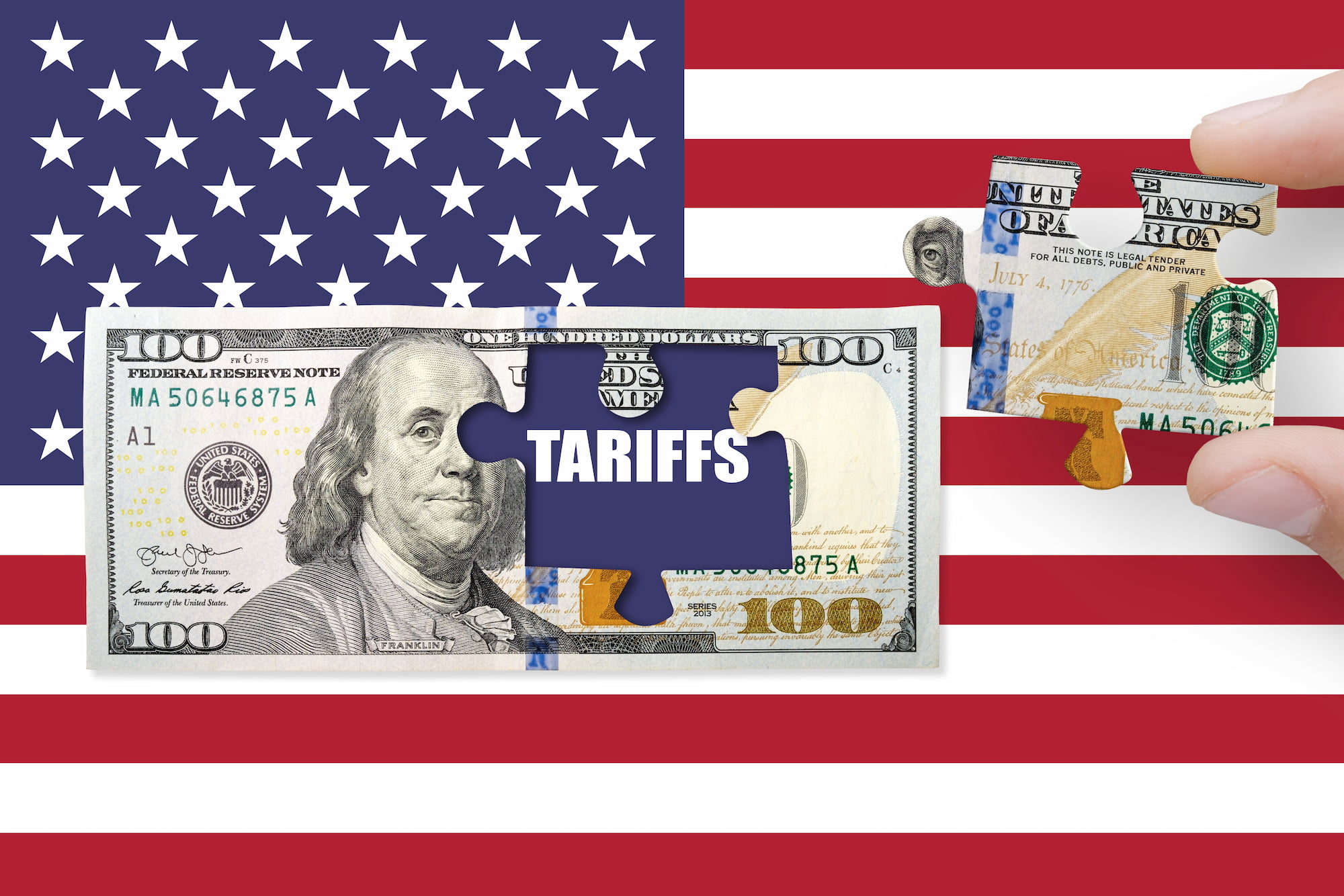
On Monday, July 7, President Trump announced new tariffs for imports into the US after signing an executive order. In identical letters sent to various countries, Trump revealed that reciprocal tariffs would have varying amounts from the original numbers. The executive order will also extend the 90-day extension deadline from July 9 to August 1. Some countries, like Japan and Malaysia, will see an increase in rates from 24% to 25%. Other countries will see a decrease, like Laos, from 48% to 40%, and others, like Thailand, will remain the same. This article will explain the goal behind the tariff changes and what it could mean for US imports.
Why Trump Announced New Tariffs For Imports
President Trump’s goal in extending the tariff deadline is to give trading partners time to negotiate deals. The new rates are to maintain negotiating leverage by pressuring importing countries to finalize talks. Multiple reasons have been given for issuing the reciprocal tariffs, including addressing unfair trade practices. Trump wants to “level the field” by reducing the trade deficit with the US’s most significant trading partners. Another goal of the taxes is to bring manufacturing back to the US and strengthen the economy. Economists believe this may have the opposite effect and hurt the economy by creating inflation. The tariffs also penalize countries with critical supply chains in China.
Most countries affected by the tariffs have responded by strongly opposing them. While some countries are preparing to make new deals with the US, others are preparing for retaliation. South Korea’s finance ministry said the government would immediately act if fluctuations become excessive. Trump also stated that the US would match any reciprocal tariffs with hikes in addition to the rate. In the letters, Trump noted, “These Tariffs may be modified, upward or downward, depending on our relationship with your country.” The 10% baseline tax for importation is still in place despite the extension of the reciprocal tariffs.
What Can This Mean For Shipping?
The new tariffs will significantly impact international shipping due to the amount of goods that countries import into the US. Immediately, costs could rise for different parts of a supply chain and even fall on the customer. Other countries may also impose their retaliatory levies, which could also raise the cost of exporting. Shippers might begin rerouting production to other countries that are not affected by the tariffs or bring it back domestically to compensate. If manufacturing returns to the US, a higher volume of cargo needing to be transported could benefit domestic shipping.
Importing goods during higher tariffs can be stressful for the shipper, but it should not stop cargo movement. You should, however, know the costs and what it can mean for your shipment. A way to understand what to expect and how to prepare is to use a customs broker. Brokers are the middleman between the importer and the CBP (Customs and Border Protection) and assist with customs clearance. They do this by offering various solutions like paperwork, filing entries, and calculating duties. Brokers also ensure that your cargo follows regulatory compliance and does not get stuck at customs. Contact A1 Worldwide Logistics at 305-425-9513 or info@a1wwl.com to speak to a customs broker about ensuring a successful importation.
by A1 WorldWide Logistics | Jul 8, 2025 | Air Freight, Freight Forwarding, Shipping Logistics, Supply Chain
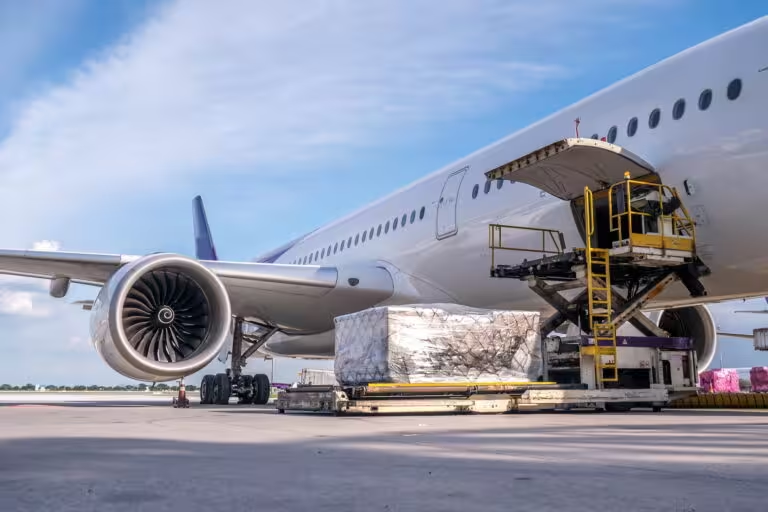
Ahorrar costos en el transporte aéreo puede ser valioso al enviar carga internacional por avión. Aunque mover mercancías por aire es uno de los métodos más convenientes de transporte, también puede resultar costoso. En la última década, la demanda por este medio ha aumentado considerablemente. La pandemia de coronavirus incrementó aún más esta demanda, ya que los consumidores comenzaron a comprar más productos en línea y se elevaron las importaciones. Gastos como los precios del combustible y otros costos operativos han elevado aún más las tarifas. Por esto, los remitentes han encontrado cada vez más beneficios en buscar estrategias para aumentar sus ahorros. En este artículo explicamos los distintos costos asociados al transporte aéreo de carga y cómo puedes ahorrar desde el inicio.
Comprender los costos involucrados en el envío de carga por vía aérea
Debido a los numerosos componentes que intervienen en el envío internacional, existen diferentes costos que el remitente debe tener en cuenta. Antes de que la aerolínea transporte la carga, normalmente se requiere transporte terrestre para llevarla hasta el puerto de carga. Esto significa que el transporte doméstico puede sumar al costo total del envío aéreo. Otros costos incluyen la tarifa base, que cubre los gastos operativos de la aerolínea. Esta tarifa varía según factores como el volumen, la ruta, el peso, la temporada, entre otros. También hay costos asociados al control de seguridad, la nacionalización, recargos por temporada alta, etc. Los recargos por combustible son tarifas que se incluyen en el transporte aéreo y pueden representar más del 30 % del costo total.
¿Cuáles son las formas más comunes para ahorrar en transporte aéreo?
Algunas de las formas más comunes en las que los remitentes pueden ahorrar en envíos por aire incluyen:
- Consolidación de envíos – La consolidación es un proceso mediante el cual un transportista agrupa varios envíos pequeños en uno solo. Para el transporte aéreo, esto puede reducir significativamente los costos al pagar únicamente por el espacio utilizado. Otros cargos, como los de manipulación, también disminuyen al agrupar la carga. Además, la consolidación permite tiempos de tránsito más rápidos.
- Enviar en temporadas bajas – La demanda para el transporte internacional de carga influye en el costo del envío. La temporada alta es cuando la demanda es mayor. En este período, los precios tienden a aumentar debido a factores como la capacidad limitada. Enviar carga durante momentos de baja demanda puede traducirse en tarifas más bajas y operaciones más fluidas.
- Optimización del embalaje: Una forma de ahorrar en transporte aéreo que muchos remitentes pasan por alto es el uso de empaques eficientes. Dado que los aviones tienen menos espacio que los buques, las aerolíneas cobran tarifas adicionales por el peso volumétrico y el espacio ocupado. Por ello, es clave optimizar el empaque eliminando materiales innecesarios o utilizando cajas distintas que reduzcan el volumen.
- Preparación correcta de la documentación: Contar con la documentación adecuada es un factor determinante para el éxito del envío. Documentos con errores pueden causar retenciones de la carga en aduanas. Estas demoras pueden generar cargos adicionales, como recargos por detención, que afectan aún más la cadena de suministro.
Uso de un agente de carga
Otra forma de ahorrar al enviar carga por aire es utilizar un agente de carga. Los agentes de carga actúan como intermediarios entre el remitente y el transportista. Además de coordinar el movimiento de la mercancía, se encargan de garantizar el éxito del envío mientras encuentran soluciones para reducir costos. Por ejemplo, pueden ofrecer las distintas estrategias de ahorro mencionadas en este artículo. También mantienen relaciones establecidas con las aerolíneas y pueden negociar tarifas en nombre del remitente.
Llama a A1 Worldwide Logistics al 305-425-9456 para hablar con uno de nuestros expertos en logística sobre el éxito de tu envío. Ya sea por aire, tierra o mar, te ayudamos a agilizar el proceso de transporte.
by A1 WorldWide Logistics | Jul 3, 2025 | Economic trends, Importing, Shipping Logistics
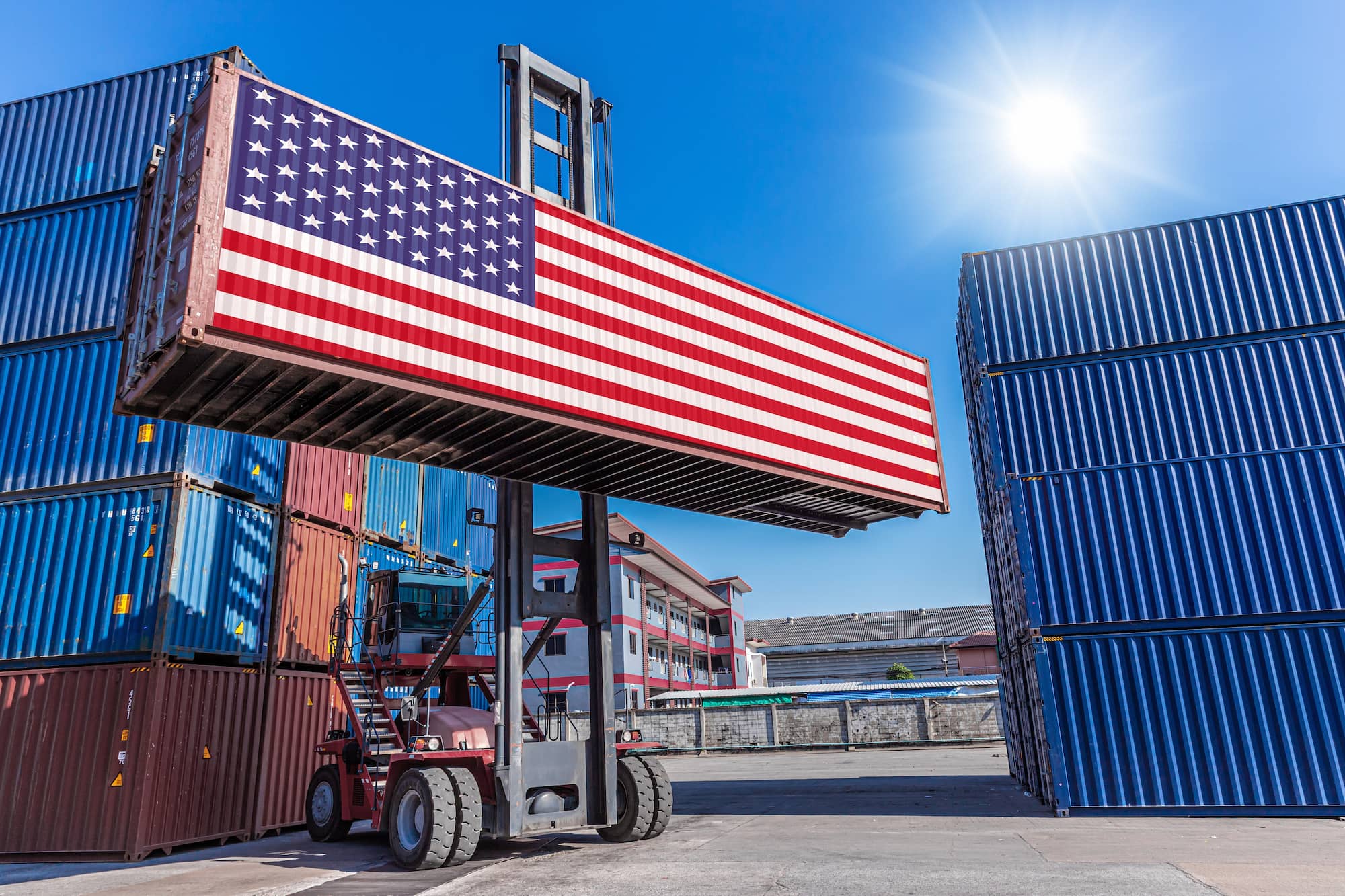
Importers and retailers predict that US imports could soon surge over the next few weeks. Following a 90-day break in the tariff war between the US and China, retailers expect to resume importing. Data from the NRF’s (National Retail Federation) Global Port Tracker recently showed that retailers have been frontloading imports. Along with the temporary reduction on Chinese goods, other scenarios, such as a hold on reciprocal tariffs, have also contributed. Due to the high volume of exports from China, a surge could substantially impact the international shipping industry. This article will explain the reason behind the predicted surge, which could impact importing cargo to the US.
Why Are Retailers Forecasting That US Imports Could Surge Soon?
The potential surge in US imports comes from a slashing of tariffs that would have reached over 100%. In particular, the US lowered taxes on Chinese imports from 145% to 30%, and China reduced tariffs on US imports from 125% to 10%. The reason behind the high levies was due to a trade war between the two countries. When the Trump administration entered office, it began imposing taxes on Chinese goods, citing unfair trade practices. Another goal was to stop the flow of fentanyl into the US. China responded by imposing its taxes, and after several back-and-forth levies, the tariffs rose over 100% for both countries.
The high tariffs resulted in retailers halting and reducing orders. Once President Trump announced an agreement to pause the levies, retailers were motivated to import their paused shipments. With reciprocal tariffs beginning on July 9, shippers have also been importing to avoid the taxes. The surge has also been driven by the peak season for back-to-school shipping and an earlier peak for winter holidays. Despite the potential surge in imports, many believe imports could slow down in the long term. Booking data notes that US imports decreased approximately 22% year-over-year, with Asian lanes falling nearly 44%. The drop in volume could be a response to the reciprocal tariffs.
What Could An Import Surge Mean For The Shipping Industry?
China is the world’s largest shipper and the US’s most significant trading partner. Despite the advantages that an import surge can have for retailers, like avoiding shortages, it can adversely impact international shipping. For example, a higher volume of imports could increase the likelihood of port congestion. Congestion could lead to container backlogs and longer wait times, which increases the chances of demurrage/detention charges. To combat this, importers could begin shipping as soon as possible or switch to land or air conveyance methods. Imports into the US could benefit domestic shipping since there would be a greater need for drayage services.
While lower tariffs can benefit shipping, shippers still must be prepared when moving goods internationally. This can mean looking at news that may impact your shipment and planning beforehand. Failure to prepare can result in delays and financial losses. When importing or exporting from the US, an ideal way to prepare is to contact a freight forwarder. Forwarders are persons or individuals who coordinate freight movement on behalf of the shipper. They achieve this by offering various solutions, including documentation, customs clearance, cargo transport, warehousing, and more. Reach A1 Worldwide Logistics at info@a1wwl.com or 305-425-9752 to speak to a freight forwarder regarding shipping internationally.

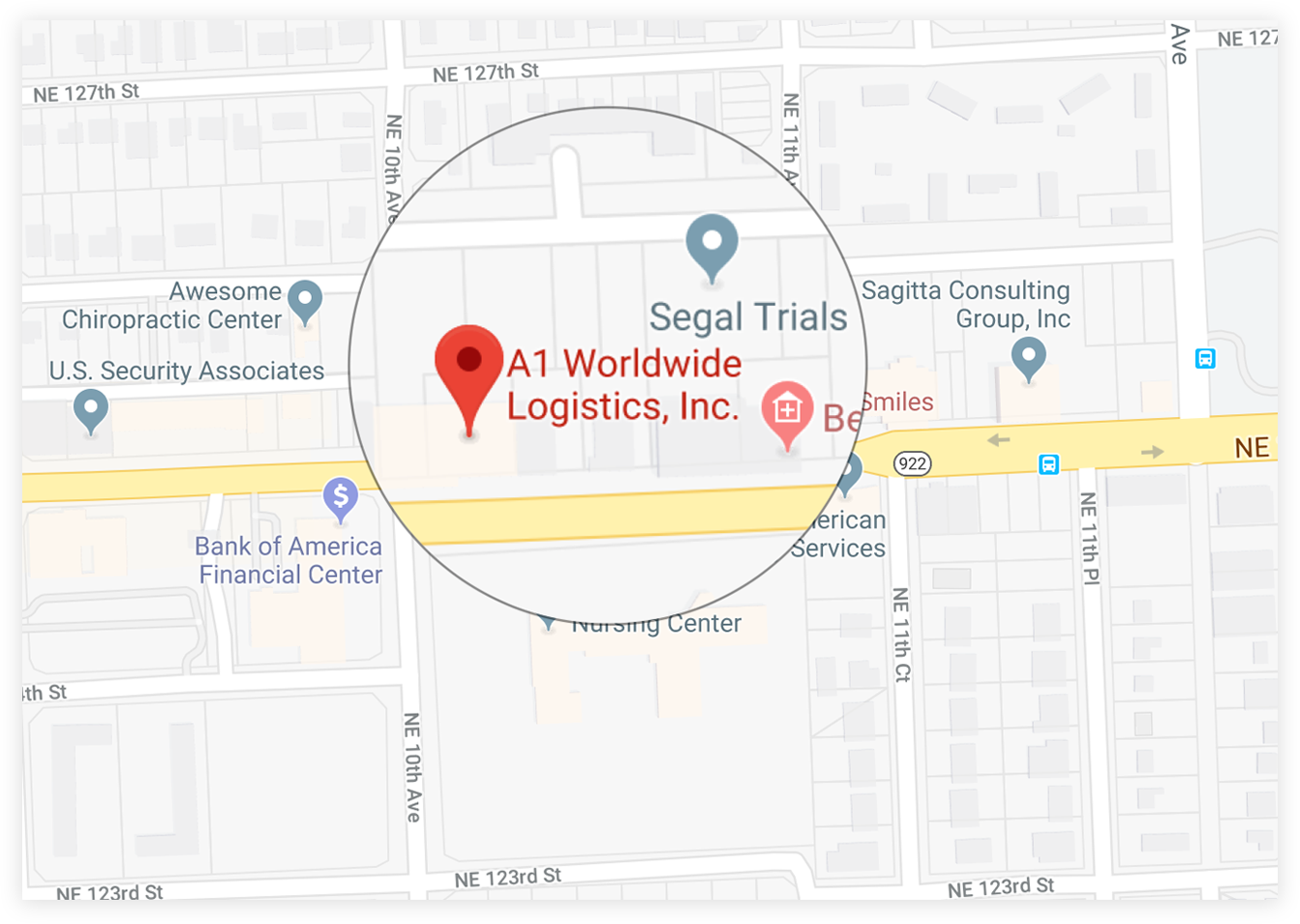
 1035 NE 125th St Suite #320, North Miami, FL 33161.
 a1worldwidelogistics.com
 (305) 821-8995
 Hours: 8AM - 5PM