by A1 WorldWide Logistics | Jun 25, 2025 | Economic trends, Shipping Logistics, Supply Chain
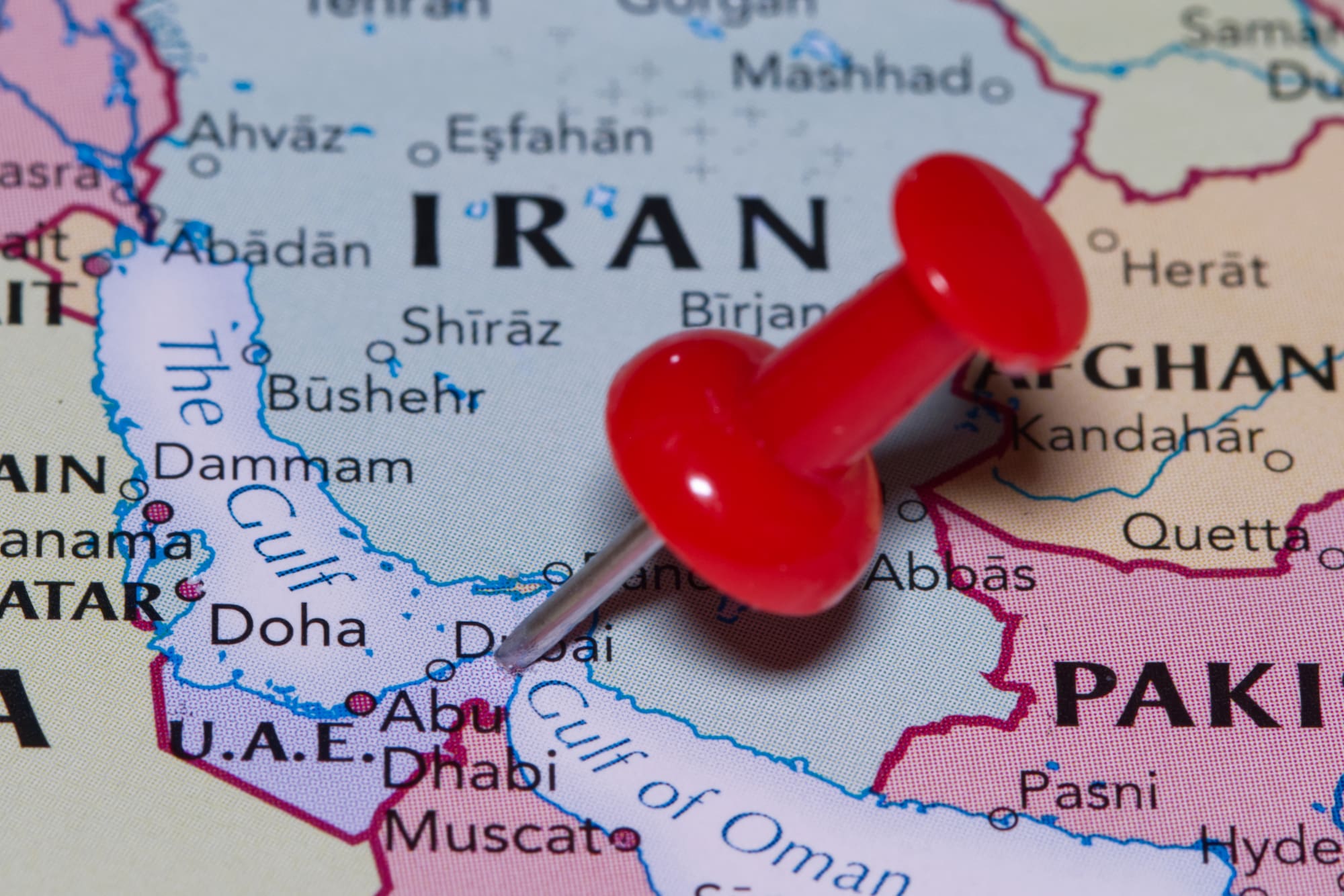
As tensions continue in the Israel-Iran conflict, there have been talks that Iran may close the Strait of Hormuz. The Strait of Hormuz is a key waterway for the shipping of oil and gas. Nearly 20% of the world’s liquefied Natural gas and a quarter of the world’s oil pass through yearly. Shippers from numerous countries use it as a shortcut for oil importing and exporting. On June 22, the Iranian Parliament voted to close the Strait due to US airstrikes. Despite the vote, the Strait remains open, with Iran’s Supreme National Security Council to make the final decision. As the waterway is a central trade lane in international shipping, its closure could have significant global consequences.
Why Iran May Close The Strait of Hormuz, And What Can This Mean For Shipping?
Israel and Iran have been in tension and have been in conflict for decades following the 1979 Iranian revolution. The conflict escalated into a war on June 13 when Israel launched a surprise attack on Iranian nuclear facilities. As the war persisted, the Iranian Parliament voted to close the Strait of Hormuz in response to military strikes from Israel and the US. This is a common counterattack that Iran does when the US imposes sanctions limiting Iran’s oil exports. Despite threats, maritime experts believe that closing the passage is unlikely due to the impact it will have on Iran. Closure would harm relations with various trading partners, including China, which receives the majority of Iran’s oil.
Due to the large amount of oil that passes through annually, the closure of the passage would hurt global trade. The price of a barrel of oil would immediately skyrocket from its current level of around $75 to nearly $120. Higher prices could impact the cost of shipping internationally, which may be passed on to customers. With the waterway being a shortcut for shippers, closure could result in a rerouting through the Cape of Good Hope. This would add weeks to deliveries and further increase the costs. The added time may also lead to supply shortages for industries that depend on the Strait for gas and oil.
What Is The Global Response?
A closure of the Strait of Hormuz would have an immediate response from Iran’s largest trade partners. There could be an immediate military reaction from the US. US Secretary of State Marco Rubio noted, “It’s economic suicide for them if they do it. And we retain options to deal with that.” Economies from countries such as China, India, and the European Union (EU) would also experience strong ripple effects. China’s Foreign Ministry spokesperson, Guo Jiakin, described China’s request for other countries to step up de-escalation efforts. Other trading partners expressed concern that closure would not be suitable for all parties involved, including Iran.
While the current conflict can seem daunting, it should not stop you from transporting your cargo globally. The shipper should, however, take the proper steps to protect their cargo. An ideal way to prepare is to speak with a freight forwarder. Forwarders serve as intermediaries between the shipper and the carrier, coordinating cargo movement on behalf of the shipper. They achieve this by offering numerous solutions, including providing paperwork, finding international and domestic carriers, warehousing, negotiating rates, and more. Forwarders also negotiate the best course of action to take for protecting your shipment during situations like conflict. Reach A1 Worldwide Logistics at info@a1wwl.com or 305-425-9752 to speak with our forwarders about shipping anywhere internationally.

by A1 WorldWide Logistics | Jun 19, 2025 | Importing, Shipping Logistics, Supply Chain
Due to the limited shelf life, a shipper should be aware of common mistakes when importing perishables. Perishable cargo refers to any item that can spoil, deteriorate, or lose quality if not shipped under proper conditions. Some examples include fresh produce, such as fruits and vegetables, meat, dairy products, bakery items, and frozen items. Along with foods, it can also include pharmaceuticals, chemicals, cosmetics, and flowers. Due to the cargo type, they must be stored, handled, and transported with temperature and time sensitivity in mind. Along with importing, this can also include domestic shipping. This article will explain the top mistakes shippers face when importing perishables and how to prevent them from occurring.
What Are Common Mistakes Made By Shippers That Import Perishables?
As previously mentioned, the shipper must handle perishables properly throughout the entire shipping process. One of the biggest mistakes importers make is not having proper cold chain management. From the start of the journey to the final delivery, it is crucial that the cargo remains at a continuous, suitable temperature. Even brief periods away from the optimal temperature can result in spoilage or contamination. Spoilage can be particularly detrimental if the importer is a business with a large customer base. Not only can it lead to monetary loss, but it also looks bad on the importer. Another common mistake shippers face when importing perishables is failing to understand its time-sensitive nature.
Perishables are goods that have a limited and specified shelf life, depending on the item. After the date passes, they become unsuitable for consumption or use. Importers tend to underestimate transit time by choosing cheaper routes, which can extend the importation time. The extension can come from port congestion, leading to delays. In turn, the delays can reduce the shelf life and make the product unusable. Another common mistake shippers can face when importing perishables is having incorrect documentation. Due to the nature of this cargo type, specific documents may be required, such as import permits, health certificates, and FDA prior notices. Failure to provide them can result in fines, customs delays, and even the confiscation of the shipment.
How To Prevent These Mistakes When Importing Perishables?
With the various ways that mistakes can negatively impact perishable imports, there are methods to prevent them from occurring. To ensure proper temperature control throughout the journey, the shipper should use trusted carriers that specialize in this cargo type. Using reefer containers with temperature monitoring devices is also essential in preventing spoilage. Shippers must also be aware of the shelf life of their cargo and plan their supply chains accordingly. The importation routes should be speedy, reliable, and factor in wait time for customs clearance. Along with understanding the regulations and paperwork for importing specific perishable the shipper munt ensure that the packaging is correct.
When importing perishables into the US, shippers must understand what can go wrong to mitigate potential problems. Failing to prepare correctly can lead to significant disruptions in the supply chain. Another way to avoid making mistakes when importing perishables is to consult a customs broker. Brokers act as intermediaries between the importer and the customs of the country to which they are importing. In the US, it’s CBP (Customs and Border Protection), and brokers help with clearing goods from customs. They achieve this by offering solutions such as filing entries, calculating duties, and providing paperwork, among others. Contact A1 Worldwide Logistics at 305-425-9752 or info@a1wwl.com to speak with a broker about the success of your shipment.

by A1 WorldWide Logistics | Jun 12, 2025 | Economic trends, Shipping Logistics, Tariffs
On May 26, the Trump Administration revealed that Trump is delaying EU tariffs until July 9. Initially, the implementation of a 50% tariff on EU (European Union) imports was set to start at the beginning of June. A phone call between Trump and European Commission President Ursula von der Leyen resulted in the new deadline. Previously, Trump planned to impose 20% levies on EU imports, but then he paused it for 90 days in April. The president then halved it to 10% while also threatening a 200% tariff on wine and other EU alcohol imports. These were scraped with Trump then announcing a 50% tariff on EU goods. With the tariffs still in place for July, this could have a significant impact on international shipping.
Why Is Trump Delaying EU Tariffs?
Trump is delaying tariffs on the EU after Ursula von der Leyen requested extra time for negotiations following a phone call. The time is to create a trade agreement that will prevent a significant escalation in transatlantic trade tensions. Trump initially proposed a 50% tariff on the EU due to longstanding grievances like unfair trade practices. In particular, he highlighted a trade deficit of $235.57 billion between the US and the EU in 2024. Trump recently stated, “They charge the U.S. tax, and we will charge them the exact tax and tariff.” The EU has been planning its countermeasure to the US’s duties, including targeting US imports worth approximately $107 billion.
Along with addressing unfair trade practices, Trump’s proposed 50% tariff is to combat the EU’s non-trade barriers. An example is the EU’s VAT (Value-Added Tax), which Trump believes is a disadvantage to US exporters. VAT is a consumption tax on goods and services in the EU. Trump notes that it is more punitive than a tariff and a non-tariff barrier. Other non-trade barriers include the EU’s stringent food safety regulations and subsidies for EU agricultural products. Another goal behind Trump’s imposing tariffs on the EU and other countries is to bring manufacturing back to the US. In turn, this will stimulate the economy by creating jobs and also stop the inflow of drugs to the US.
What Can The Tariffs Mean For Shipping?
The EU and the US are some of the largest trade partners globally in terms of volume. Due to the amount of imports and exports, a 50% tariff would have had a significant impact on international shipping. The postponement of the tariffs could lead to increased imports from the EU. If no agreement is in place by June 9, this may lead to higher importation costs. The costs would impact other parts of supply chains, including domestic shipping for picking up cargo from ports. Shippers may begin looking for countries outside the EU to bring in goods or bring production back to the US.
Importing cargo into the US during a time of tariff increases can be demanding for shippers. Although tariffs should not stop you from importing, the shipper should take the proper steps to protect their cargo. Failure to prepare correctly can result in monetary loss, delays, and loss of cargo. A great way to start is by contacting a customs brokerage, such as A1 Worldwide Logistics. Customs brokers coordinate the clearance of cargo entering the US. They do this by offering various solutions, such as providing documentation, calculating duties, filing entries, and more. Speak to our brokers at info@a1wwl.com or 305-425-9752 for assistance with the importation process.
by A1 WorldWide Logistics | May 13, 2025 | Freight Forwarding, Shipping Logistics, Supply Chain, Transportation
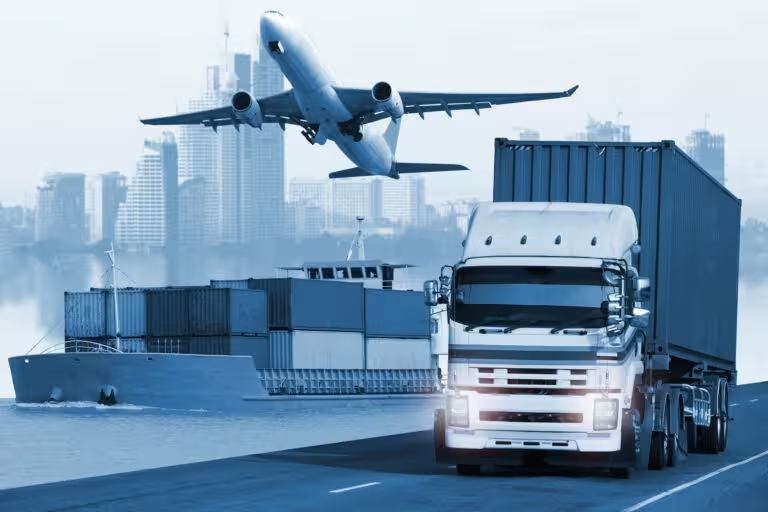
Cuando se envía mercancía internacionalmente, puede ser muy beneficioso entender qué es el transporte multimodal. El transporte multimodal utiliza varios medios de transporte para mover la carga desde el origen hasta el destino final. Por ejemplo, esto puede incluir un envío que se mueve por barco a un país antes de que un camión lo transporte a nivel nacional. El transporte puede consistir en aéreo, marítimo, por carretera y ferrocarril; sin embargo, un remitente utiliza un único contrato y un conocimiento de embarque matriz. Un único Operador de Transporte Multimodal (OTM) gestiona todo el trayecto a pesar de los múltiples métodos de transporte que el remitente puede involucrar. Este artículo explicará los beneficios del transporte multimodal y en qué se diferencia del transporte intermodal.
¿Por qué es esencial saber qué es el transporte multimodal?
Debido a los componentes involucrados en el movimiento de mercancías a nivel internacional, comprender el transporte multimodal puede beneficiar al remitente de numerosas maneras. Una ventaja significativa es la mayor flexibilidad en toda la cadena de suministro. El transporte marítimo internacional tiende a ser volátil, con circunstancias cambiantes como la demanda y las interrupciones que influyen en el movimiento de la carga. Tener diferentes medios de transporte permite la adaptabilidad cuando surgen situaciones. Por ejemplo, si un envío se vuelve urgente, un remitente puede cambiar rápidamente a un transporte como el aéreo. La adaptabilidad de varios métodos de transporte también es eficaz para las entregas a tiempo, ya que los remitentes pueden evitar situaciones como la congestión. Esto es cada vez más esencial para las empresas que deben enviar productos a sus clientes.
Otro beneficio del transporte multimodal es que puede disminuir los costos generales del proceso de transporte. Dado que el remitente utiliza un único contrato con múltiples métodos de transporte, el precio tiende a ser menor que el uso de varios acuerdos. El OTM puede encontrar la solución menos costosa para el remitente. Reducir el costo del envío de mercancías a nivel internacional se vuelve beneficioso al mover grandes volúmenes de envíos constantemente. Puede simplificar el proceso logístico para empresas con cadenas de suministro complejas que requieren la gestión de múltiples cadenas de suministro. Dado que un único OTM gestiona todo el proceso, la responsabilidad por daños y retrasos recae en el operador.
¿En qué se diferencia el multimodal del transporte intermodal?
Si bien el transporte multimodal e intermodal utiliza múltiples métodos de transporte, difieren en varios aspectos. Debido a las diferencias, los agentes de carga desempeñan un papel diferente según el tipo de envío. El transporte intermodal es el movimiento de mercancías a su destino final utilizando varios modos de transporte con múltiples contratos. Por ejemplo, un transportista por camión, barco y ferrocarril tiene sus propios contratistas y emite conocimientos de embarque separados. Debido a las diferencias, estos dos métodos de transporte pueden tener ventajas separadas según las necesidades del remitente. El transporte intermodal permite al remitente elegir los transportistas que se ajusten a sus gastos y objetivos. Aunque el transporte multimodal puede disminuir la libertad de elección, alivia la responsabilidad y puede simplificar la programación.
A1 Worldwide Logistics
Dado que el transporte multimodal utiliza múltiples medios de transporte para el envío, un aspecto clave es el transporte de carga. Los agentes de carga coordinan el movimiento de mercancías para el remitente contratando a uno o más transportistas. Actúan como intermediarios entre remitentes y transportistas, asegurando que la carga llegue a su destino final. A1 Worldwide Logistics cuenta con agentes de carga que pueden proporcionar servicios de transporte multimodal para el movimiento de envíos a nivel internacional y nacional. Para obtener ayuda con el transporte de carga a nivel internacional, comuníquese con A1 Worldwide Logistics a info@a1wwl.com o al 305-425-9752. Tenemos soluciones como el transporte de carga, el despacho de aduanas, el almacenamiento y más para garantizar el éxito de su cadena de suministro.

by A1 WorldWide Logistics | May 6, 2025 | Customs Broker, Economic trends, Shipping Logistics, Transportation
Analistas han reportado recientemente una tendencia continua de las tarifas de flete de GNL (Gas Natural Licuado) desplomándose a mínimos históricos. Las tarifas de GNL para las cuencas del Atlántico y el Pacífico cayeron $20,750 y $36,000 diarios el viernes 25 de octubre del 2024. Como referencia, este es el nivel más bajo para este período, con tarifas que han bajado un 87% en el Atlántico y un 78% en el Pacífico desde 2019. Las agencias de precios de GNL han notado que las tarifas para los buques tanque de GNL podrían permanecer bajas hasta finales de 2025. Los precios al contado del índice UP World LNG Shipping Index (UPI) cayeron un 3.54% la semana pasada. ¿Qué está causando la fuerte caída en las tarifas y cómo podría esto afectar el transporte marítimo internacional?
¿Por qué están cayendo las tarifas de flete de GNL a mínimos históricos?
La reciente caída en las tarifas de flete se debe al número de nuevos buques tanque que están entrando en el mercado. A principios de octubre 2024, hubo 45 entregas de nuevos buques tanque, y llegarán más en los próximos meses. Aproximadamente 70 nuevos buques metaneros se unirán a la flota global de 800 para finales del 2024. Una agencia de precios de GNL señaló: “No vemos que este ritmo de adiciones se desacelere significativamente hasta mediados de 2026”. El problema es que los fabricantes están produciendo buques tanque a un ritmo más rápido que la producción de GNL. A medida que la cantidad de capacidad de transporte marítimo continúa aumentando, la demanda de exportaciones de GNL se mantiene estancada. Las condiciones climáticas más suaves en todo el mundo también contribuyen a la menor demanda a medida que se acerca el invierno.
La producción de GNL ha crecido lentamente debido a la escasez de mano de obra y equipos, lo que ha provocado retrasos. En 2022, los suministros de GNL de Rusia se desplomaron debido al conflicto con Ucrania. Siendo Rusia uno de los mayores productores y transportistas de gas natural a nivel mundial, el mercado sintió el impacto. Como resultado, los transportistas comenzaron a buscar otros países como Estados Unidos para las exportaciones de GNL. En anticipación al aumento de las exportaciones, los fabricantes comenzaron a construir buques tanque rápidamente, más de lo que la demanda para el transporte internacional requería. En lugar de un aumento en el transporte marítimo internacional, los clientes comenzaron a obtener GNL localmente, lo que redujo las tarifas de flete. Los comerciantes tampoco tienen incentivos para almacenar GNL en buques, lo que ayuda a reducir el número de buques tanque en el mercado.
¿Qué puede significar esto para el comercio internacional?
Cuando las tarifas de GNL disminuyen, puede tener un impacto significativo en el comercio internacional, incluido el mercado energético mundial. Para los importadores, esto puede generar mayores ahorros y hacer que el GNL sea más atractivo que otros combustibles. Como resultado, los mercados sensibles a los precios, como el sudeste asiático, podrían experimentar una creciente demanda de este combustible. Si bien las tarifas de GNL más bajas pueden beneficiar a los compradores, los productores pueden sentir bajos márgenes de ganancia debido a la caída de las tarifas. Los armadores también sentirán el impacto de las menores ganancias. Para compensar, podrían retrasar las expansiones de la flota e invertir en infraestructura de GNL. Según las condiciones del mercado, los productores podrían cambiar los destinos de exportación a mercados de altos precios o vender más a precios más competitivos.
Si bien el mercado de GNL puede ser cíclico, es esencial mantenerse al día con cualquier situación que afecte al transporte marítimo. Junto con el gas natural, esto puede incluir cualquier carga, y los remitentes pueden hacerlo hablando con un agente de carga. Los agentes de carga actúan como intermediarios entre el remitente y el transportista y coordinan el movimiento de la carga. También les dan a los remitentes una idea de qué esperar durante el viaje del envío y ofrecen otras soluciones. Póngase en contacto con A1 Worldwide Logistics al 305-425-9752 o info@a1wwl.com para envíos hacia y desde los EE. UU. Ya sea que necesite enviar GNL o cualquier otra carga internacionalmente, nuestros agentes de carga pueden guiarlo a través del proceso.
by A1 WorldWide Logistics | Apr 24, 2025 | Economic trends, Importing, Shipping Logistics
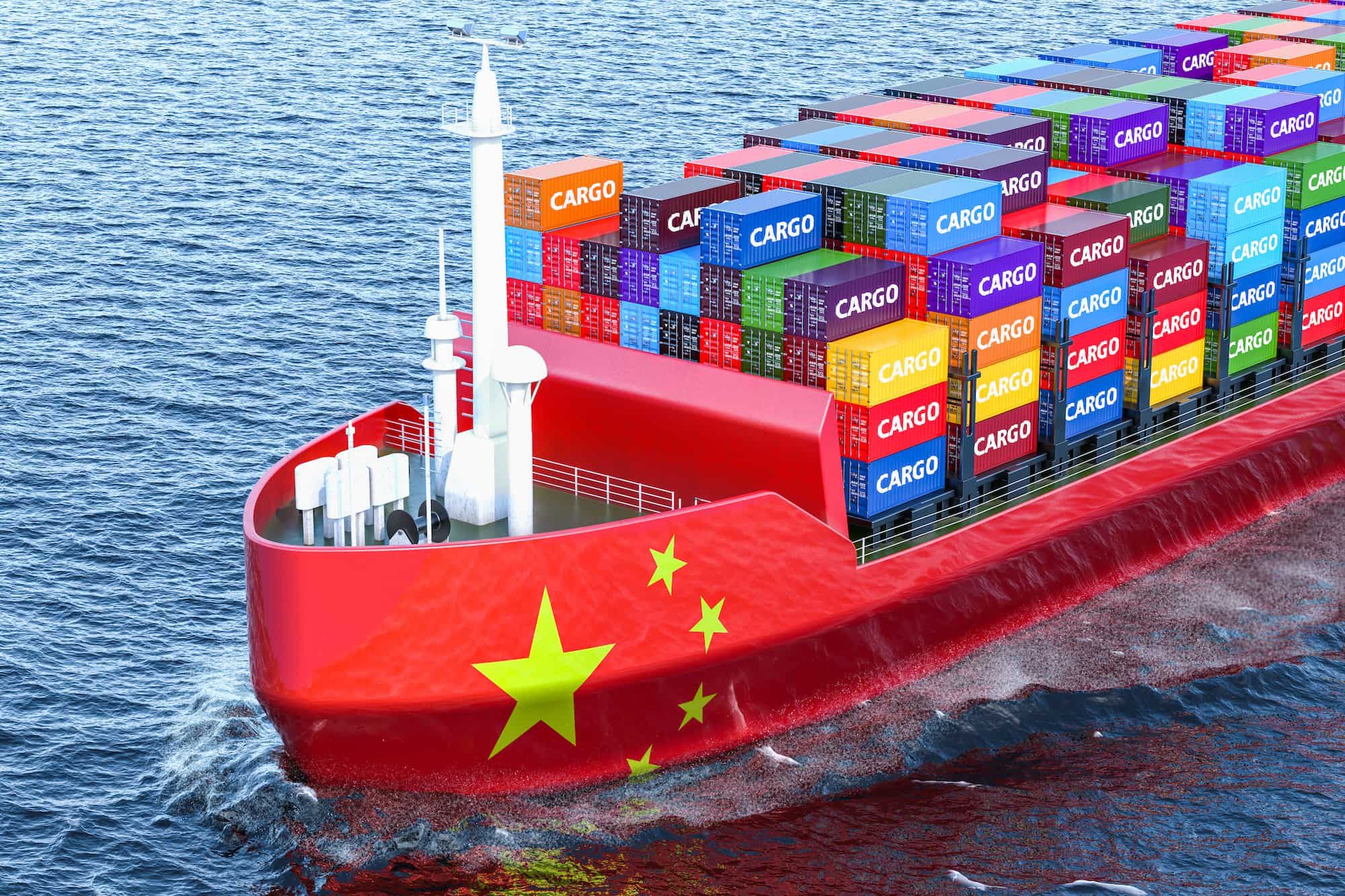
An ongoing trade war remains, with the U.S. imposing fees on Chinese ships docked at U.S. ports. On April 17, the Trump administration announced a long-term multi-phase plan to increase charges on China-built vessels. The USTR (United States Trade Representative) gave a guideline that will start in 180 days from April 17. Afterward, the charge will be $50 per net ton per U.S. voyage. The charge will increase incrementally to five times yearly and be $140 by April 17, 2028. More specifically, Chinese-built carriers will see:
- A fee of $50% per net ton on October 14, 2025.
- A fee of $80% per net ton on April 17, 2026.
- A fee of $110% per net ton on April 17, 2027.
- A fee of $140% per net ton on April 17, 2028.
Why Is the U.S. Imposing Fees on Chinese Ships?
The proposed fees aim to address China’s dominance in global shipbuilding and boost the U.S. maritime industry. While China builds approximately 1,700 commercial ships yearly, the U.S. only builds around five. USTR Ambassador Jamieson Greer noted, “The Trump administration’s actions will begin to reverse Chinese dominance, address threats to the U.S. supply chain, and send a demand signal for U.S.-built ships.” The increase in U.S. vessel building is part of a bigger goal to bring manufacturing back domestically. Similarly, Trump recently released various tariffs to bring production to the U.S. and boost the economy. Similar to the tariffs, the Chinese ship fees have had a backlash from major players in the international shipping industry.
U.S. shippers and importers expressed concerns that the Chinese ship fees would have devastating consequences. Vice president of the AAFA (American Apparel and Footwear Association), Nate Herman, stated, “These measures are driving up shipping costs, shrinking GDP, and reducing U.S. exports.” Initially, the proposal was up to $1.5 million per port call for China-built vessels; however, industry backlash resulted in adjustments. The USTR will phase in these changes over time and consider concerns from shippers and port operators. Specific China-built ships, including ones carrying U.S. government cargo, will be exempted from the fees.
What Can This Mean For International Shipping?
The fees will significantly impact international shipping due to the goods imported into the U.S. from China-built carriers. In 2024, the U.S. imported approximately 13.4% of all imports from China, totaling $438.9 billion. As previously mentioned, shippers could soon see the U.S. import cost rise from the vessel fees. The cost of importing goods into the U.S. has risen due to the tariffs enforced by the Trump administration. Shippers may begin rerouting their supply chains and importing from less costly countries like Japan and Taiwan. Players in the domestic shipping industry believe these fees could disrupt freight markets and lead to operational challenges for trucking.
When shipping cargo internationally, different scenarios can arise that can affect your shipment’s success. Situations like cost increases and tariffs may impact several parts of a supply chain and cause other problems. An ideal way for a shipper to protect their cargo is by speaking to a 3PL (third-party logistics) provider. 3PLs are service providers that offer various services like freight forwarding, customs clearance, domestic shipping, warehousing, and more. They also stay with you throughout the transportation journey until the goods reach their destination. Reach A1 Worldwide Logistics at info@a1wwl.com or 305-425-9513 to learn about our numerous 3PL solutions for your supply chain.

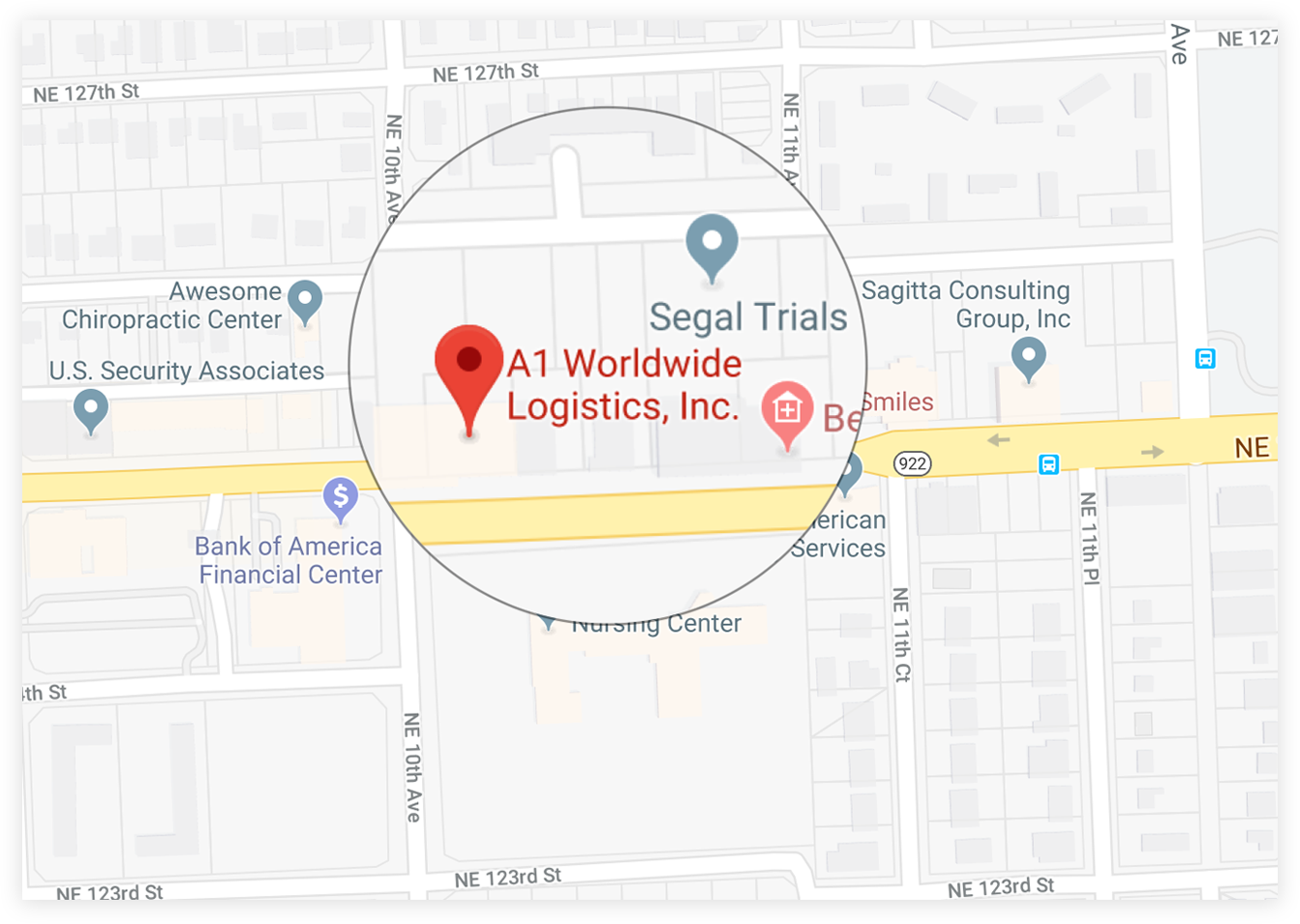
 1035 NE 125th St Suite #320, North Miami, FL 33161.
 a1worldwidelogistics.com
 (305) 821-8995
 Hours: 8AM - 5PM