by A1 WorldWide Logistics | Jul 11, 2024 | 3PL, Supply Chain, Transportation
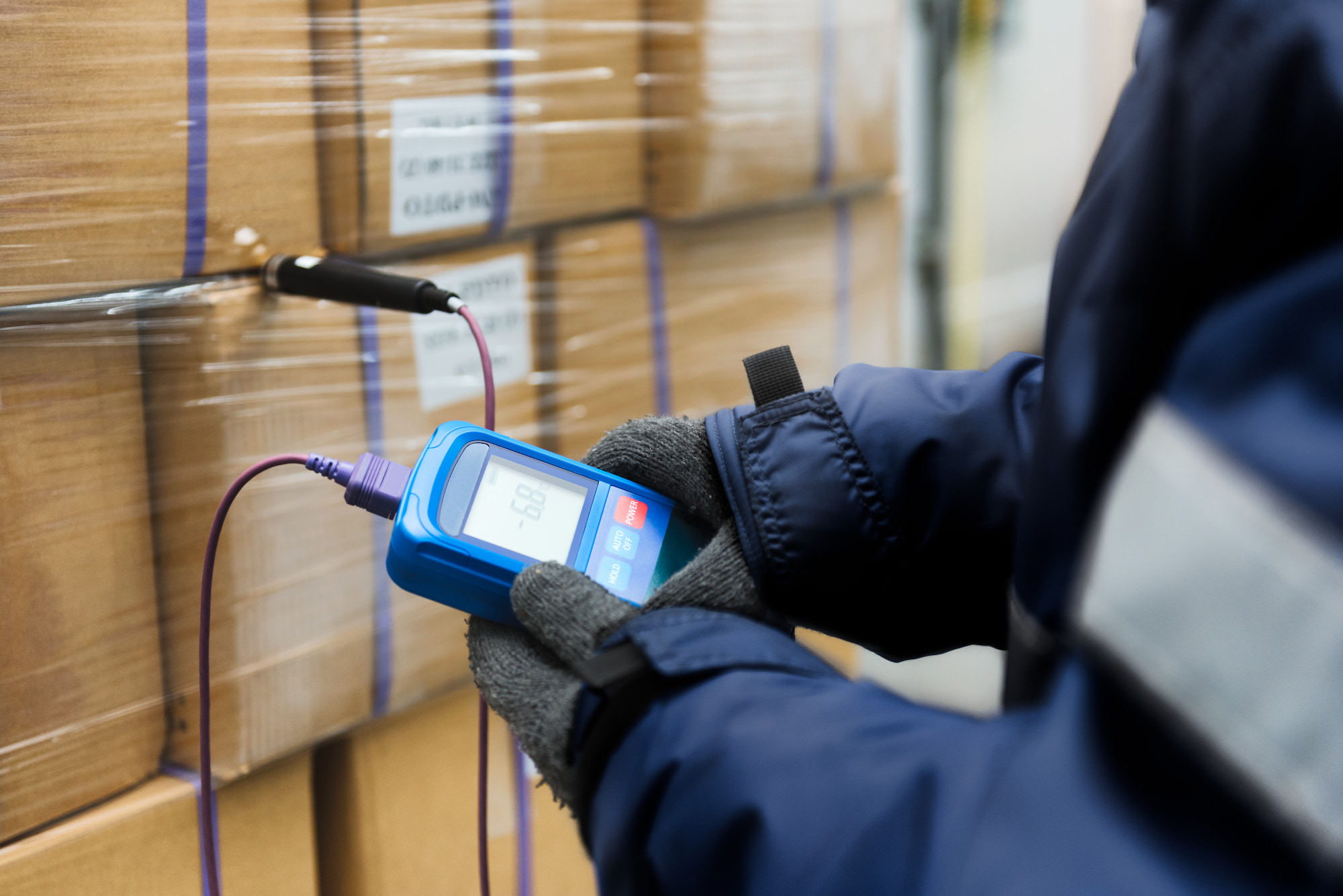
An essential consideration a shipper should make when moving temperature-sensitive cargo is understanding cold chain shipping logistics. A cold chain is a supply chain for transporting freight that has to remain under a specific temperature to prevent damage. These goods include perishable foods, beverages, pharmaceuticals, flowers, chemicals, cosmetics, etc. The process has the parts of a regular supply chain, like transportation and warehousing, but the temperature must remain constant. Cold chains have existed for hundreds of years, but technological advancements helped streamline the potential for more capabilities. While this article will focus on moving shipments internationally, the cold chain can also include domestic cargo transport.
What Are The Main Challenges To Cold Chain Shipping Logistics?
There can be various challenges and things that shippers should be aware of when starting a cold chain. This is due to the numerous components involved in the process. A common challenge is that the cargo has to remain at the same temperature throughout the journey. Even a tiny decimal point fluctuation in temperature can result in spoilage. Fluctuations can be the result of human error or equipment failure. Another challenge is that there are multiple standards and regulations that shippers have to adhere to in a cold chain. Regulators like the Federal Drug and Food Administration (FDA), the Department of Transportation (DOT), the International Air Transport Association, and U.S. Customs set the requirements.
Some regularity requirements include packaging, product stability, temperature transportation, and more. A lack of proper documentation is another issue that the shipper should be aware of. Depending on the type of shipment, the shipper must document data like storage temperature and conditions to prevent errors. Documents also include the paperwork needed for import and export. Failure to provide the correct papers can lead to delays in the shipping process due to holdups at customs. Delays are unfavorable for cold chains, with technologies like dry ice being temperature-sensitive.
What Is The Cold Chain Supply Chain Process?
The cold chain process starts long before the cargo leaves the location of origin. Before exportation, the cargo may be stored in a warehouse facility at the correct temperature to prevent spoilage. The same rule applies to the packaging, which should maintain the quality and prevent contamination before going on the carrier. Refrigerants can include dry ice, gel packs, EPS (expanded polystyrene) panels, and more. Shippers can use various methods of conveyance, like ships, airplanes, and trucks, to move the shipment. However, the transportation method has temperature-controlled systems. Examples include reefers (refrigerated containers) that keep the goods at the correct coldness during the journey.
When the cargo enters the destination port, the paperwork must be correct to prevent holdups. Once customs releases the shipment, a carrier delivers it to a warehouse or another location at the appropriate temperature. Despite the multiple components involved with transporting cold cargo, there can be numerous benefits for businesses and individual shippers. You can ensure the success of your cold chain by starting with the help of a 3PL (Third-party logistics) provider. 3PLs handle various parts of a supply chain, such as transporting, warehousing, and brokering, on behalf of the shipper. Contact A1 Worldwide Logistics at 305-821-8995 or info@a1wwl.com to speak to a 3PL provider regarding your cargo shipment.
by A1 WorldWide Logistics | Jul 3, 2024 | Agricultural imports, Importing, Supply Chain
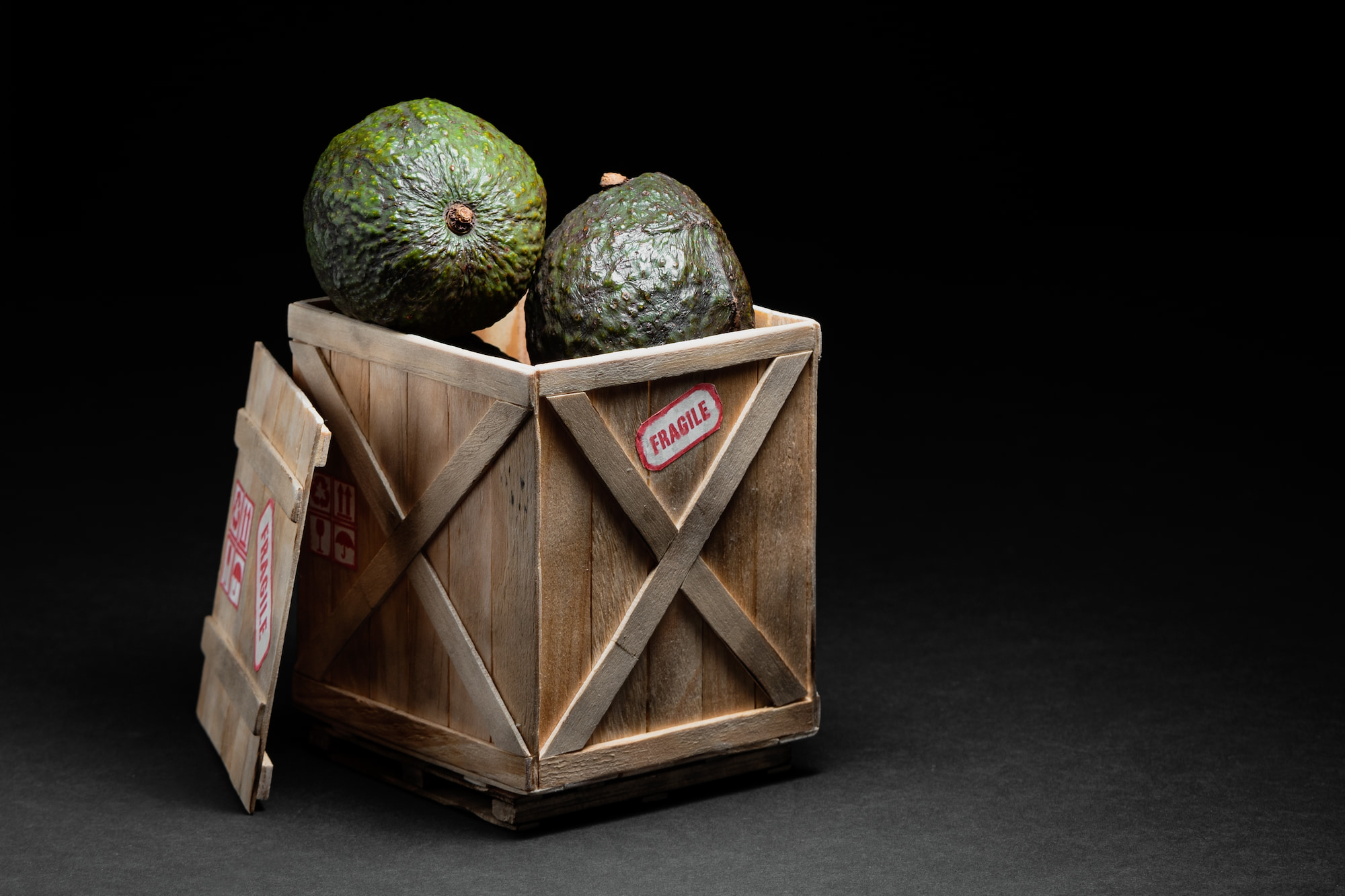
Businesses and individual shippers can benefit from understanding the process for importing avocados into the U.S. Avocados are the most imported fruit in the U.S., making up over 14% of all fruit imports in 2023. Nearly 90% of the avocado imports come from Mexico. However, Peru, Chile, and Colombia are popular alternatives. Approximately 80% of the Mexican avocado imports from the U.S. are from Michoacan. This is because Michoacan is the only region that can export the fruit to the U.S. Despite its popularity, avocados can be challenging to import since they’re perishable. This article will introduce the importation process and what to expect when starting.
What To Know Before Importing Avocados into the U.S.?
Before bringing avocados into the U.S., a shipper must understand that they must follow various rules and regulations. The U.S. Department of Agriculture (USDA) Fruit and Vegetable Division regulates avocado imports and has its smaller departments. For example, the Animal and Plant Health Inspection (APHIS) regulates plant imports to prevent the introduction of diseases and pests. For avocados, they enforce the phytosanitary requirements. All avocado shipments more significant than 55 lbs. must be inspected by the USDA for grade and maturity. The USDA requires that all avocados be grade two before coming in, which has its varietal characteristic. There are also maturity requirements like color, weight, and size to be aware of.
It is essential to understand the risks associated with shipping avocados and how to avoid them. Since avocados are a perishable fruit, they are susceptible to spoiling. Before leaving the place of origin, the exporter should package correctly to prevent exposure to heat or moisture. Packing crates and clean boxes are typically used by shippers to avoid damage and expose them to air. The shipper must set the entire avocado supply chain at a specific temperature before leaving the storage facility and afterward. It is also crucial to understand that there are duties for importing to the U.S. For avocados, the amount is 11.2 cents per kilogram.
What Is The Process?
When the shipper is ready to transport the avocados, they should use a refrigerated carrier to keep them from spoiling. Various methods of conveyance, like air, land, and sea, can bring avocados into the U.S.; however, the temperature must be correct. This is done by using a reefer container for shipping internationally. Paperwork should also be prepared beforehand by the importer. Examples of documentation are:
- Commercial Invoice
- Phytosanitary Certificate
- Bill of Lading or Airway Bill
- Certification of Origin
Once the avocados arrive at the port of entry, CBP and APHIS officials will inspect the shipment to ensure compliance. A customs broker can help in the clearance process by guaranteeing the shipper meets federal requirements. Brokers also provide other services like preparing documentation, paying duties, and classifying products. When customs clears the shipment, the shipper may use a carrier to move the avocados to their final destination.
With all the rules and regulations the U.S. requires for importing avocados, the process can be challenging for inexperienced shippers. Shippers typically use a freight forwarder to handle the shipment. Forwarders are the intermediaries between the shipper and the shipping company coordinating the cargo movement. They make sure that the carrier efficiently transports the avocados. Speak to a freight forwarder and customs broker at 305-425-9456 or info@a1wwl.com to begin importing into the U.S.
by A1 WorldWide Logistics | Jul 2, 2024 | Customs Broker, Customs Clearance, Supply Chain
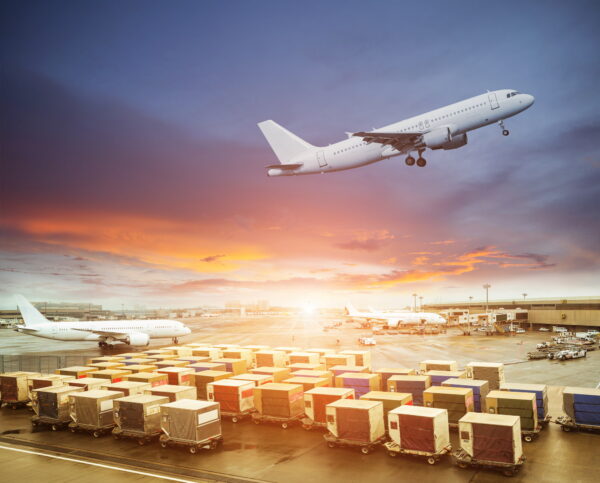
A pesar de las ventajas de los envíos de artículos perecederos por aire, algunos remitentes podrían no entender del todo el proceso. Conocer el procedimiento puede ayudar a ahorrar tiempo y dinero, evitando errores. La empresa de transporte debe hacer la entrega de los bienes rápidamente para mantener la efectividad y calidad. Algunos ejemplos de artículos perecederos son las frutas, los vegetales, las carnes y los productos lácteos. Productos farmacéuticos, cosméticos y plantas también entran en esta categoría. Cada producto tiene sus propios requerimientos específicos de transporte. Por ejemplo, ciertos artículos tienen mayor o menor periodo de conservación que otros.
¿Cuál es el proceso?
Antes de embarcar artículos perecederos internacionalmente, un remitente debe entender las regulaciones de envío. Estas regulaciones pueden varias, no solo por el tipo de carga, sino por el país al cual se envía. Cada país tiene sus leyes de importación e incumplir con las mismas puede resultar en la pérdida del envío. Por ejemplo, es ilegal importar queso no pasteurizado hacia los Estados Unidos debido a las preocupaciones sanitarias. Dado que un país puede tener una amplia cantidad de regulaciones, los remitentes usualmente contratan agentes aduanales que importen por ellos. Otro asunto a considerar por parte de los remitentes es el tipo de empaque que se usa para transportar carga.
A diferencia del cargo no perecedero, los artículos perecederos tienen el riesgo de dañarse después de un tiempo específico, el cual puede aumentar dependiendo de la temperatura. El empaque debe ser capaz de mantener los artículos a temperaturas apropiadas durante su viaje. Además, el empaque debe estar etiquetado como perecedero. Una vez que el remitente está listo para exportar, puede buscar una empresa de transporte que haga el envío. Ya que el tiempo es determinante, el mejor método de envío es por aire. En el proceso de buscar una empresa de envíos aéreos, contratar una agencia de transporte puede acelerar el proceso. No solo la agencia coordina el envío, sino que encuentra las mejores tarifas para el exportador.
¿Qué documentos se requieren para el envío?
Lo más importante a considerar cuando se realiza un envío por aire es la documentación. Aunque la documentación puede cambiar basado en el cargo, algunos documentos generales son:
- Factura comercial: el documento que el exportador presenta para pasar el cargo por liberación aduanal y ayuda a las autoridades de aduana a determinar los aranceles.
- Guía aérea: Esta es una versión de cargo aéreo del Bill of Lading (conocimiento de embarque) que la agencia entrega como recibo de los bienes.
- Lista de empaque: este documento contiene información crucial del cargo, como peso, dimensiones, descripción y contenido.
- Certificado de origen: esta muestra el país donde fue manufacturado el cargo.
La carga perecedera puede requerir documentación adicional como un certificado fitosanitario, que verifica que productos agrícolas son libres de pestes y enfermedades. Los documentos deben estar correctos para prevenir retrasos en el envío. En artículos perecederos el tiempo es apremiante y los retrasos pueden arruinar el envío completo.
¿Cómo empezar el envío de artículos perecederos por aire?
Aunque pueda parecer complejo para exportadores inexpertos, contar con asistencia especializada es crucial. Consultar con una agencia de envíos y un agente aduanal puede agilizar el proceso de transporte y asegurar un envío exitoso. Contacte a A1 Worldwide Logistics al 305-425-9513 para comenzar el envío de sus artículos perecederos a nivel internacional y doméstico. Además de transportes aéreos, proporcionamos soluciones terrestres y marítimas para asegurar la movilidad eficiente de tu carga.
by A1 WorldWide Logistics | Jun 27, 2024 | Freight Forwarding, Shipping Logistics, Supply Chain
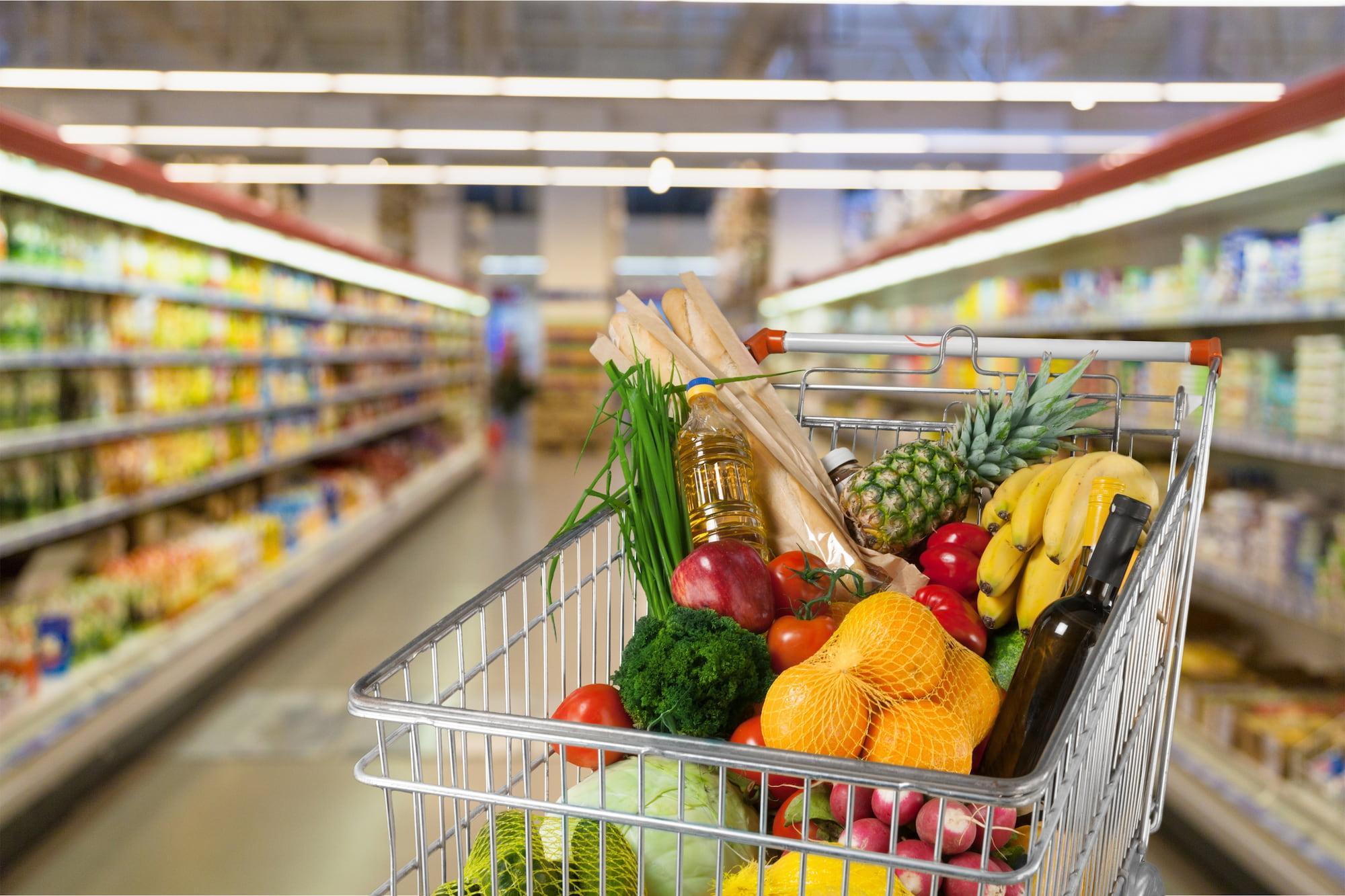
Technological advancements have led to a recent growth in shipping perishables by sea. Perishables can spoil or decay if not transported by the carrier under a specific temperature and time. This can include cargo like fresh produce, dairy, pharmaceuticals, meat, flowers, and more. When people think about how perishables are transported internationally, air is the first thing they tend to imagine. The reason is the airplanes’ quickness to move freight internationally. Despite this, transporting these shipment types by sea has grown due to its advantages. Understanding the shipping process is crucial to the shipment’s success when moving perishables by the ocean.
What Is The Difference Between Shipping Perishables By Sea Vs Air?
Despite sea and air being standard conveyance methods for shipping perishables internationally, they have distinct differences. A common difference is the time it can take for the carrier to make the delivery. While sea freight may take a few days to weeks, air freight takes a few hours to a few days. An effect is that air freight usually has more significant costs due to quickness and higher fuel prices. Another difference is the capacity of cargo that can move in a trip. With air carriers being significantly smaller than a containership, the cargo volume is much less. The average vessel can carry 3,000 to 20,000 TEUs (Twenty-foot equivalent), depending on its size.
Choosing between air or ocean usually depends on perishable type, size, and urgency. For example, goods with short shelf life, like certain pharmaceuticals, tend to benefit from air transport. The speed also allows for greater flexibility since the departures are more frequent. Shippers of bulk perishable shipments usually use containerships due to their transport volume. Another difference is the environmental impact between the two conveyances. Flights have a higher carbon footprint, emitting nearly 500 grams of CO2, while vessels emit 10 to 40 grams. Despite the difference, both methods are essential in international shipping, with sea recently gaining traction.
The Process Of Shipping Perishables By Sea.
Before starting to ship perishables by sea, an exporter must understand that various precautions and regulations are involved. Depending on the type of perishable, specific packaging with insulation or moisture control should be used for the shipment. When the shipper is ready to ship the cargo, they must find a reliable carrier experienced in perishable shipping. The goods must stay in specialized containers during the journey to prevent damage and spoiling. This can include ventilated, insulated, or refrigerated containers (reefers). The shipper must ensure that all the necessary documentation is correct and correct before reaching the designated port. Some of the paperwork needed for the exportation include:
- Bill of Lading
- Packing List
- Commercial Invoice
- Certificate of Origin
Once customs releases the shipment, the shipper may have a truck transport it to the final destination. Shipping perishables by sea can seem challenging for inexperienced shippers due to the various components. Along with the information in the article, you must understand other parts, such as labeling and insurance. You can use the help of the help of a freight forwarder to simplify the process. Forwarders coordinate the cargo movement and handle all of the requirements on behalf of the exporter. Reach A1 Worldwide Logistics at 305-425-9752 regarding speaking to our forwarders about transporting perishables by air or sea internationally.
by A1 WorldWide Logistics | Jun 18, 2024 | Customs Broker, Economic trends, Shipping Logistics, Supply Chain
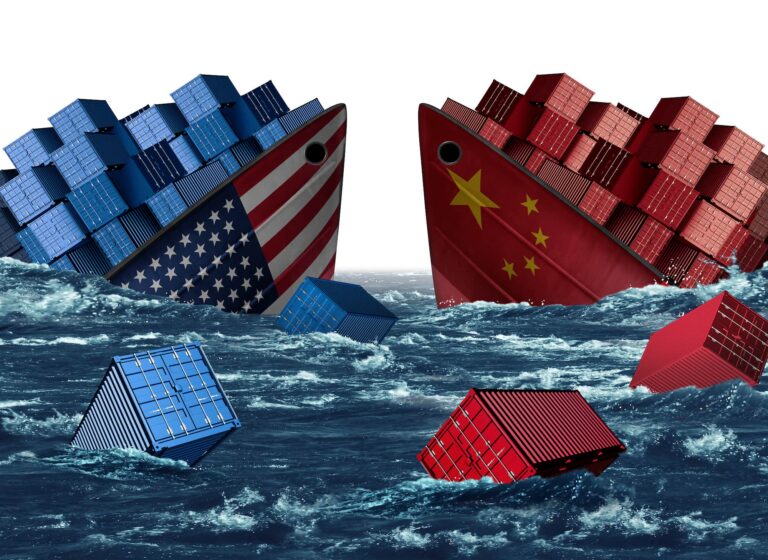
Recientemente, muchas empresas estadounidenses han estado discutiendo sobre otras alternativas de abastecimiento en lugar de China, haciendo que algunos se pregunten: “¿Están disminuyendo las importaciones de China?” Durante más de un siglo, la mayoría de las etiquetas en los productos en los EE. UU. han tenido “Hecho en China” escrito en ellas. La importación de un solo proveedor siempre ha tenido sus beneficios y desventajas. Los riesgos de la importación de un solo proveedor desde China se hicieron más evidentes hace poco.
¿Por qué están disminuyendo las importaciones de China?
El coronavirus aceleró los riesgos actuales y perturbó las cadenas de suministro de numerosos importadores de China. Los puertos en toda China estuvieron cerrados o funcionando a capacidad limitada debido a la pandemia. Esto creó un retraso en el envío de carga y desafíos para los remitentes y sus clientes. Años antes de la presencia del coronavirus, las importaciones de China ya estaban disminuyendo por varias razones. Un ejemplo de esto fue cuando los costos de los aranceles que los importadores tenían que pagar aumentaron a más del 20%.
Las empresas que fabricaban productos en China también tuvieron problemas de robo de propiedad intelectual. Esto es el robo de los productos y las ideas de una empresa para su uso. Además, el impacto ambiental de la importación desde China fue otro factor que las empresas consideraron. Los productores en China utilizan métodos de producción específicos que los EE. UU. prohíben. Esto significa que el impacto ambiental puede ser mayor cuando las empresas fabrican productos en China en lugar de en los EE. UU.
Otras alternativas
A medida que las empresas buscaban otras opciones de abastecimiento, países como Vietnam se volvieron atractivos. El país es políticamente estable y tiene varias industrias en crecimiento, como la automotriz y la electrónica. Los costos laborales también son relativamente bajos, lo que lo convierte en un candidato ideal para que las empresas manufactureras se muden allí. En los últimos años, las importaciones de Vietnam y otros países asiáticos han aumentado considerablemente. Sin embargo, los riesgos, como la infraestructura y la preocupación por los derechos humanos, permanecieron.
En lugar de subcontratar las importaciones desde Asia, otra alternativa es subcontratar desde algún lugar más cercano, como México o América Latina. México ya es uno de los mayores países comerciales con los EE. UU. La proximidad también es un gran beneficio para las empresas que dependen de las importaciones. Los camiones pueden convertirse en un método de transporte cada vez más popular para las importaciones que ingresan a los EE. UU.
¿Puede volverse más común la relocalización a los EE. UU.?
Una de las muchas soluciones fue traer la fabricación de productos de regreso a los Estados Unidos. Hay varias ventajas y desventajas asociadas con trasladar la fabricación de China a los EE. UU. Uno de los principales beneficios es que los tiempos de transporte se vuelven significativamente más cortos. Los remitentes no necesitan importar a los EE. UU. desde países que pueden estar lejos. Además, si los fabricantes producen los bienes en los EE. UU., no se deben pagar aranceles de importación.
A pesar de esto, la relocalización a los EE. UU. puede ser una tarea difícil. Esto se debe a que muchas empresas que subcontratan a diferentes países lo han hecho durante décadas. Retroceder en una cadena de suministro con el mismo proceso durante décadas lleva tiempo. La deslocalización de la fabricación a países extranjeros también tiende a proporcionar costos de producción más bajos, lo que puede beneficiar a las empresas en lugar de la relocalización.
A1 Worldwide Logistics
Aunque las ubicaciones donde los remitentes traen carga pueden volverse más diversas, el número de importaciones de los EE. UU. sigue aumentando. Si planea enviar hacia y desde los EE. UU., A1 Worldwide Logistics está aquí para ayudar. Tenemos servicios de transporte de carga tanto para importaciones como para exportaciones. Llámenos al 305-425-9513 para obtener una cotización para su envío.
by A1 WorldWide Logistics | Jun 6, 2024 | Economic trends, Shipping Logistics, Supply Chain
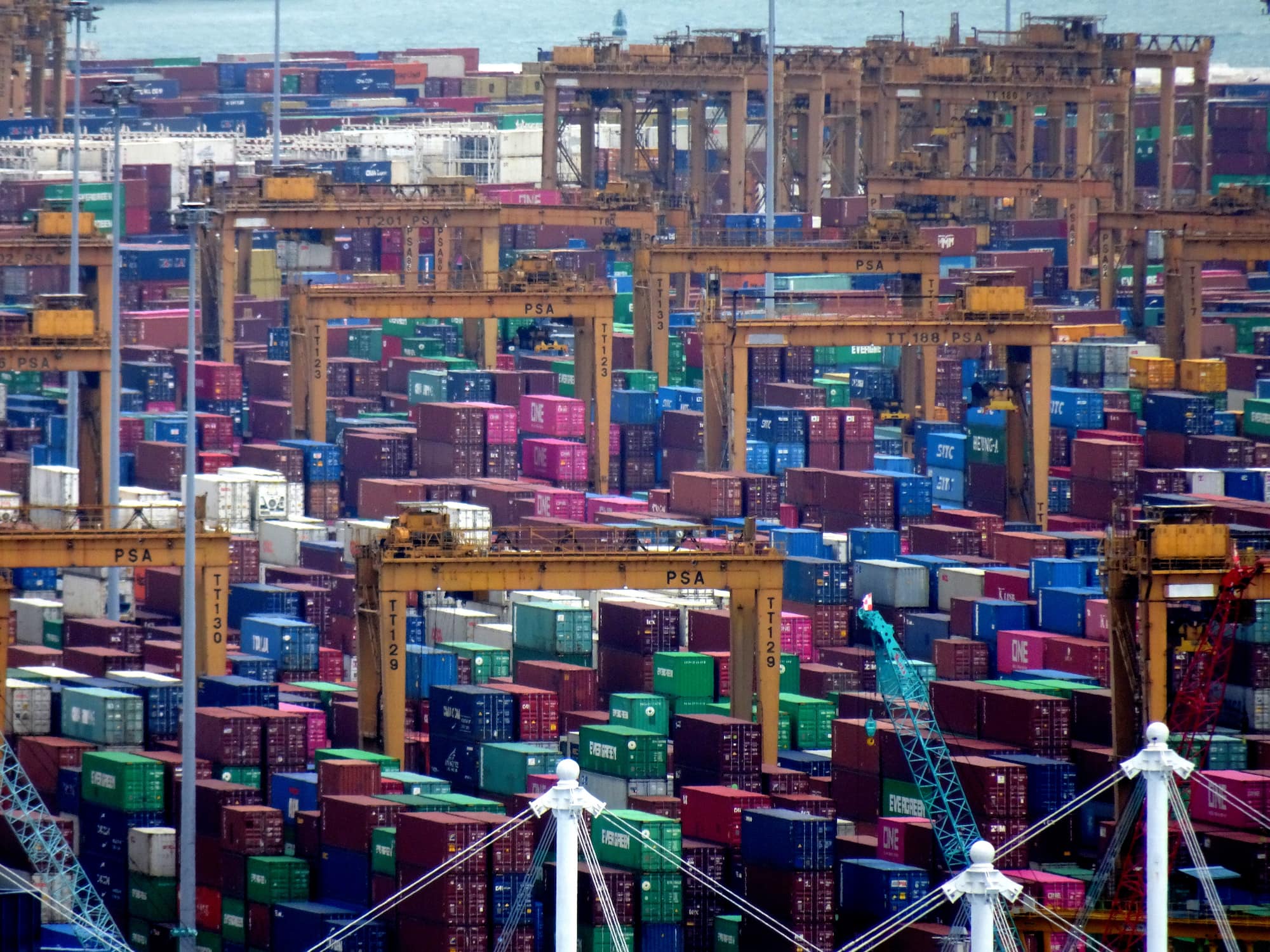
Over the last few weeks, an increase in container volumes has resulted in growing Singapore port congestion. The Port of Singapore is the 2nd largest seaport internationally, handling over 591.7 million tons of freight in 2023. Various international shipping circumstances have recently caused global backlogs across ports, with the Singapore port being an epicenter. A market intelligence firm report noted that nearly 450,000 TEU (Twenty-foot equivalents) are in the queue. For reference, this is a greater volume than the coronavirus pandemic. Shipping delays in the port have also doubled nearly in May, with vessels waiting almost seven days for a berth. What can the congestion mean for shipping as the peak season quickly approaches?
What Is Causing The Growing Singapore Port Congestion?
While different contributors are resulting in current port congestion, the Red Sea Crisis is one of the primary issues. In 2023, the Iseral-Hamas conflict in Gaza made its way to the Red Sea as militants struck multiple vessels. The sea connects to the Suez Canal, one of the significant artificial pathways for international shipping responsible for nearly 30% of the world’s container volume. As a result, containerships began rerouting to locations, such as the Cape of Good Hope in South Africa. A side effect of the conflict was an increase in off-schedule arrivals to ports like the Port of Singapore. When carriers arrive off-schedule, at the same time, it creates a vessel-bunching effect.
As more containerships remain outside the Port of Singapore, berth wait times increase. Vessels typically wait around half a day to dock at the port but currently take up to seven days. As a result, several ships have canceled their shipment to the port. However, that may create congestion for nearby ports. The Singapore port has responded to the jam with plans to open three additional berths later this year. Congestion has become a growing concern globally, with Asian and Mediterranean ports feeling a significant strain. The market intelligence firm also notes that nearly seven percent of global port capacity is currently congested. Usually, the number is between two to four percent.
What Will This Mean For International Shipping?
Geopolitical events like the Red Sea crisis have significantly affected shippers’ supply chains that move goods internationally. Along with rising transit times, another effect is that freight rates have increased over the last few months. The global container freight index has risen over 30% in May 2024 alone. Asia-North America West Coast spot rates have increased by over 70% since the end of April. If the existing trend continues, container rates could reach over $15,000 by the end of the year. Other situations affecting the rising prices include sudden demand increases, capacity constraints, equipment shortages, and rising fuel prices.
Although the current situation can seem intimidating, it should not stop the movement of cargo internationally. It is, however, essential that you are informed and protect your supply chain. Using the assistance of a 3PL (Third Party Logistics) provider is an ideal way to begin. 3PLs handle various parts of a shipper’s supply chain, including international and domestic shipping, storing, customs brokering, etc. 3PLs also offer consulting services to ensure you take the best actions for your supply chain. Reach A1 Worldwide Logistics at 305-425-9513 to find out about our numerous solutions for moving your shipment. We help you navigate the shipping world and move your goods to the final destination.

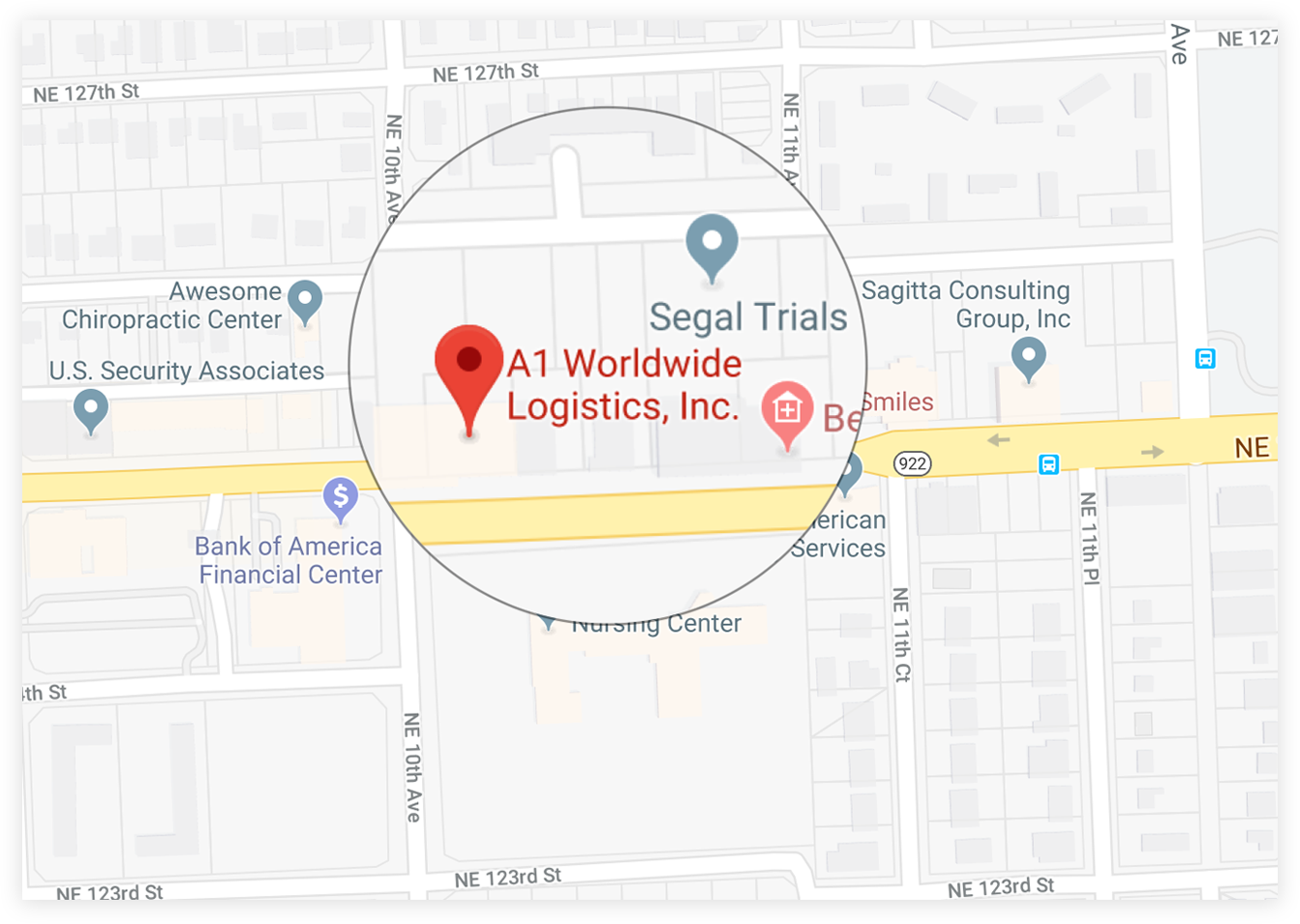
 1035 NE 125th St Suite #320, North Miami, FL 33161.
 a1worldwidelogistics.com
 (305) 821-8995
 Hours: 8AM - 5PM