by A1 WorldWide Logistics | Jun 4, 2024 | 3PL, Order Fulfillment, Supply Chain
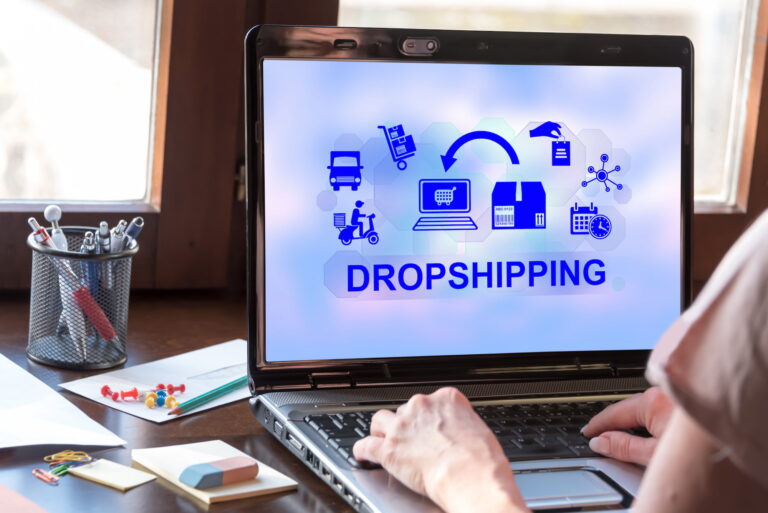
En un mundo de comercio electrónico en constante crecimiento, saber qué es el dropshipping puede hacer maravillas para tu negocio. El proceso comenzó a finales de la década de 1920, pero perdió relevancia debido a la Gran Depresión. Sin embargo, el dropshipping resurgió en la década de 1950 gracias a los catálogos de pedidos por revista o correo. Estas publicaciones contenían una lista de productos de una empresa que los clientes podían ordenar y recibir directamente en sus hogares. No fue hasta la década de 1990, con el auge de Internet, que el dropshipping alcanzó una popularidad internacional. Los compradores comenzaron a hacer la transición del comercio tradicional a las tiendas en línea. A medida que los clientes empezaron a comprar productos en línea, los vendedores comenzaron a ver las ventajas de utilizar el dropshipping para su empresa.
¿Qué es el dropshipping y cómo es el proceso?
El dropshipping es un modelo de negocio donde los minoristas pueden vender sus productos sin mantener inventario. El vendedor cuenta con un proveedor de logística de terceros (3PL) que se encarga del proceso de envío de pedidos por ellos. Los proveedores 3PL mantienen el inventario para el vendedor y pueden tener depósitos para almacenar y mover los productos hasta el cliente. Aunque el dropshipping ha existido desde antes de los años 90, el comercio electrónico ha cambiado la forma en que los vendedores ven esta estrategia de negocio. Las empresas aumentaron su base de clientes de otros países y expandieron sus cadenas de suministro internacionalmente.
El proceso general del cumplimiento de dropshipping comienza después de que un vendedor crea una tienda en línea. Una vez que un cliente ordena un producto, la tienda envía un mensaje al proveedor de dropshipping. El proveedor es el depósito 3PL, que almacena el producto, preparará los bienes para su envío. Una vez listos, el proveedor enviará el producto directamente al cliente. Durante el trayecto, el vendedor puede proporcionar información de seguimiento para que el cliente pueda rastrear el envío.
Beneficios y desafíos del dropshipping
La razón por la que el dropshipping ha crecido en los últimos años es debido a los beneficios que tiene en una cadena de suministro. Una ventaja significativa es el bajo costo inicial que un vendedor puede tener al utilizar el dropshipping. Los minoristas o individuos generalmente tienen que pagar muchas inversiones iniciales y tener capital para depósitos de almacenamiento de inventario. Si el vendedor utiliza dropshipping para una tienda en línea, no hay limitaciones de ubicación y el proveedor puede enviar internacionalmente. El vendedor puede ofrecer una variedad de productos gracias a las capacidades de cumplimiento de un almacén. La escalabilidad también se vuelve más fácil, ya que los proveedores pueden acomodar el aumento de pedidos.
Aunque el dropshipping tiene muchos beneficios, también pueden surgir desafíos al utilizar este modelo de negocio. Un inconveniente común es que los problemas de inventario son más probables cuando se abastecen de un almacén. Rastrear qué artículos están disponibles y cuáles no se vuelven más complicados. También pueden ocurrir errores del proveedor, por los cuales los clientes responsabilizarán al vendedor. Un ejemplo es si los productos se dañan durante el trayecto hacia el destino final. Es crucial elegir un proveedor confiable al comenzar con el dropshipping.
A1 Worldwide Logistics
Habla con un proveedor 3PL como A1 Worldwide Logistics para aprender más sobre el dropshipping. Además de cumplir con tus pedidos para tus clientes, contamos con un depósito aduanero para almacenar tus productos. Un depósito aduanero es una instalación donde los importadores pueden almacenar mercancías hasta por 5 años sin el pago de derechos. Esto permite al importador ahorrar dinero y buscar clientes antes de tener que pagar impuestos por el envío. Contacta a A1 Worldwide Logistics al 305-425-9456 para conocer nuestras muchas soluciones para tu cadena de suministro. Además del almacenamiento, transportamos tus productos hacia y desde nuestra instalación hasta el destino final.
by A1 WorldWide Logistics | May 30, 2024 | Shipping Logistics, Supply Chain, Transportation
A vital consideration a shipper must make when transporting goods internationally is reducing ocean freight costs. Shipping by sea is the most common way cargo moves globally, accounting for over 90% of international trade. Despite its popularity, there can be numerous expenses that may confuse even the experienced shipper. While certain fees are unavoidable, there are specific ways that shippers can reduce the overall price of transporting by sea. Whether you are shipping as an individual or from a company, this can benefit your supply chain. Saving costs is especially important with recent market conditions and the rise in container rates. This article will explain the best ways to lower expenses.
How Do Carriers Calculate Shipping Costs?
Ocean carriers that move freight internationally have different ways of calculating costs. It is crucial to note that cargo has base rates that depend on the shipment type. Other volumes include the weight, volume, distance, origin, and more. The mode of transport is also a crucial consideration. For example, containerships transport sea freight in different ways, including FCL (full container load), LCL (less than container Load), and RoRo (roll-on/roll-off). There are also additional fees like fuel and special handling surcharges. When importing into a country, there are also port terminal handling charges and customs duties a shipper should know. Shipments can also have optional insurance costs for cargo damage or loss.
What Are The Most Effective Ways of Reducing Ocean Freight Costs?
While there are numerous ways to save on ocean freight costs, the most popular ways that shippers use include the following:
- Consolidating Shipments – Consolidation is a method of shipping where a shipper combines multiple orders into one shipment. The shippers share the transportation cost by fitting various shipments into one container. This can reduce costs, and consolidation can speed up the delivery and customs clearance process.
- Negotiate With Multiple Carriers – Since countless carriers move cargo internationally, each has its shipping rates. A shipper can negotiate these rates and get the best quote amongst the transporters. Having solid relationships with steamship lines is critical in negotiating prices. Using online freight marketplaces to compare quotes is also ideal for finding cost-effective options.
- Optimize Shipping Routes – A carrier’s route to transport freight directly impacts the cost. Shorter, more direct lanes are less costly than more extended ones. Avoiding routes with high congestion is also helpful, as it can increase costs and lead to other issues.
- Pay Attention To Cargo Packaging – A way to optimize costs that shippers tend to overlook is to optimize packaging. Not packing cargo optimally can add extra volume and space, raising costs.
- Ship Off Peak Season – Peak season is when shipping demand is high. This season usually starts in mid-August, goes to the end of October, and sometimes extends to November. An effect is that the cost of shipping internationally tends to rise. Deciding to ship before that period can help in saving costs.
Using The Help of a Freight Forwarder
Finding the best cost to transport your goods can be crucial for individual and business shippers. Another way to reduce ocean freight costs is to use the assistance of a freight forwarder to ship internationally. Forwarders are connected to a network of carriers and can negotiate the best rate to move your shipment. Contact A1 Worldwide Logistics at 305-821-8995 to discuss your cargo’s movement with our forwarders.
by A1 WorldWide Logistics | May 15, 2024 | Economic trends, Shipping Logistics, Supply Chain
On May 14th, 2024, the USTR Announced strategic adjustments to Section 301 tariffs following a four-year review. U.S. trade representative Katherine Tai initially backed the retention of the Section 301 tariffs for Chinese products. However, there has been a recent strain on U.S. commerce. Due to this, President Biden supervised Tai in either revising or introducing new tariffs. The revisions are a way to counteract the current policy changes introduced by the People’s Republic of China (PRC). China has given signals that it will soon retaliate against the tariff adjustments. The Chinese government stated that the tariff changes will, “seriously affect the atmosphere of bilateral cooperation.”
The key commodities affected by the changes include:
Battery part – Rate increase to 25% in 2024
Electric Vehicles – Rate increase to 100% in 2024
Facemasks – Rate increase to 25% in 2024
Lithium-ion Electrical Vehicle Batteries – Rate increase to 25% in 2024
Lithium-ion Non Electrical Vehicle Batteries – Rate increase to 25% in 2026
Medical Gloves – Rate increase to 25% in 2026
Natural Graphite – Rate increase to 25% in 2026
Other Critical Minerals – Rate increase to 25% in 2026
Permanent Magnets – Rate increase to 25% in 2026
Semiconductors – Rate increase to 50% in 2025
Ship to Shore Cranes – Rate increase to 25% in 2024
Solar Cells (Whether or Not Assembled Into Modules) – Rate increase to 50% in 2024
Steel and Aluminum Products – Rate increase to 25% in 2024
Syringes and Needles – Rate increase to 50% in 2024
The USTR will issue a Federal Register notice regarding the adjustments that will outline the exclusion process and give the protocol for public comments on the tariff adjustments. A1 Worldwide Logistics is closely monitoring the changes and is prepared to guide you through the current situation. We offer solutions for adapting to the tariff increase and ensure the best course of action for the shipment. Contact A1 Worldwide Logistics at 305-425-9456 to navigate the current circumstances and ship your cargo internationally.
by María Fernanda Cárdenas | May 7, 2024 | Customs Clearance, Order Fulfillment, Supply Chain
Una pregunta común que suelen hacerse los nuevos comerciantes al comenzar es qué son las zonas de libre comercio (FTZ). Las FTZ son ubicaciones especializadas donde las empresas pueden importar, reexportar, fabricar y almacenar envíos con una participación limitada de las agencias aduaneras. Las FTZ también tienen grandes instalaciones de fabricación donde las empresas importan materias primas en lugar de enviar productos terminados. Estas zonas suelen estar cerca de puertos principales, aeropuertos o áreas con ventajas geográficas para el comercio. Por ejemplo, la Zona Libre de Colón está cerca del Canal de Panamá y es la FTZ más grande del hemisferio occidental. Aunque existen áreas similares a nivel mundial, este artículo se centrará en las zonas de libre comercio de Estados Unidos conocidas como zonas de comercio exterior.
En EE. UU, las FTZ comenzaron con la Ley de Zonas de Comercio Exterior de 1934, que ayudó a fomentar el comercio exterior. La Oficina de Aduanas y Protección Fronteriza de EE. UU. (CBP) hace cumplir las leyes de importación y monitorea las actividades de la zona. Hoy en día, hay 298 FTZ ubicadas en todo el país. Estados Unidos, además, divide las áreas en dos tipos: zonas de uso general y subzonas. Una zona de uso general es una ubicación como un puerto o parque industrial disponible para el público en general. Las subzonas son sitios privados que una empresa utiliza para un propósito específico. En comparación con las zonas de uso general, todas las responsabilidades financieras recaen en la empresa individual que tenga el permiso.
¿Cómo puede beneficiarse una empresa de las zonas de libre comercio?
Las FTZ tienen numerosas ventajas al importar mercancías a EE. UU. Uno de los beneficios más significativos es el ahorro de costos que puede tener la empresa. Cuando la mercancía está en la zona, está exenta de aranceles aduaneros e impuestos especiales. Los aranceles solo deben pagarse por el importador cuando la carga sale y entra al mercado local. Tampoco se necesitan pagos de aranceles si el comerciante envía el producto en la zona de libre comercio. Las FTZ también permiten reducir costos al disminuir las tazas de procesamiento de mercancías y las tarifas invertidas. Una tarifa invertida es cuando las materias primas tienen una tasa de arancel más alta que el producto terminado. En las FTZ, se puede pagar la tasa más baja.
Una FTZ tiene muchos beneficios logísticos para una cadena de suministro. Dado que la Oficina de Aduanas y Protección Fronteriza de Estados Unidos (CBP) no somete a las FTZ a aranceles, los importadores pueden usarlas para reparar, inspeccionar y retirar productos defectuosos. Las empresas que importan y exportan grandes cantidades de productos se benefician considerablemente del ahorro de costos. Las zonas de libre comercio también pueden ayudar a optimizar las cadenas de suministro al permitir la entrega directa. La entrega directa es cuando una importación puede ir directamente al lugar en la FTZ sin aprobación aduanera. Las empresas con un gran número de envíos a menudo utilizan esto por rapidez. El transporte de envíos de zona a zona también es posible sin pagos de aranceles aduaneros, ya que la carga se mueve “en tránsito”.
Depósito Aduanero
Cuando se envían mercancías internacionalmente, es esencial tomar las precauciones adecuadas para garantizar el éxito de un envío. Junto con las FTZ, las empresas también se han beneficiado significativamente del uso de un depósito aduanero, ya que permite el almacenamiento de carga sin pagar impuestos durante un máximo de cinco años desde la fecha de importación. Esto permite al importador buscar clientes y ahorrar dinero antes de tener que pagar impuestos por el envío. También se puede reexportar la carga sin pagos de impuestos durante ese tiempo. Comuníquese con A1 Worldwide Logistics al 305-425-9513 o info@a1wwl.com para conocer nuestras instalaciones aduaneras.
by A1 WorldWide Logistics | Apr 18, 2024 | 3PL, Import and Export Experts, Supply Chain
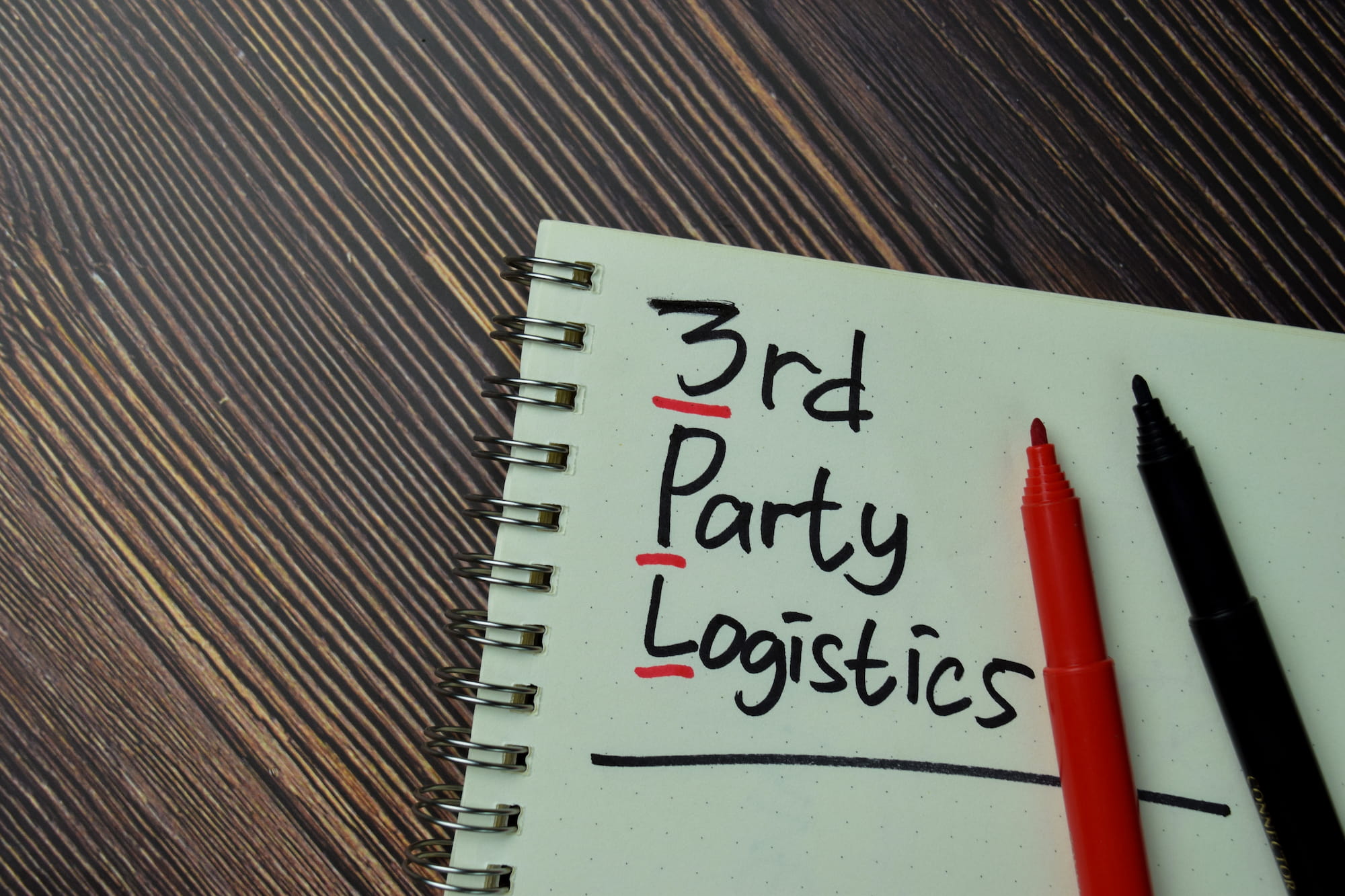
One of the most important considerations an individual or company can make is choosing a good 3PL. A 3PL (Third-Party Logistics) company is a service provider that handles numerous parts of a business’s supply chain. Some services include cargo transport, freight forwarding warehousing, customs clearance, distribution, etc. Starting in the 1980s, the Motor Carrier Act grew the 3PL industry to unprecedented levels. The act deregulated trucking and grew the number of carriers from 20,000 to the 1.2 million it is today. Other supply chain parts began to expand along with freight movement, leading to the expansion of 3PLs. This article will explain what to look for when deciding on a 3PL.
When Are 3PLs Used
Companies in an extensive number of industries like retail, manufacturing, medical, restaurant, and more rely on 3PLs. The majority of Fortune 500 companies use these types of services. The primary reason why businesses utilize 3PL providers is due to the value they offer. Along with more giant corporations, more minor to mid-sized entities use 3PLs because it allows for growth and expansion. Another typical business that uses 3PL services is e-commerce. The surge of the internet over the last few decades has allowed online shopping to become popular. Many of the solutions that 3PLs provide are particularly beneficial for web-based sellers that don’t have physical fulfillment centers.
What Qualities Should You Be Aware Of Choosing A Good 3PL
While partnering with a 3PL can be a game changer for your business, choosing the right company is essential. Some of the primary qualities you should look for when deciding on a 3PL provider include:
- Customer Service – Finding a 3PL provider with a direct focus on the customer is critical for a company’s success. Indicators of good customer service can include responsiveness and communication ability. 3PLs must promptly identify issues for their clients and resolve them in a timely manner.
- Capability – A good 3PL company should offer numerous logistics solutions for a client’s supply chain. These include international and domestic shipping, fulfillment, storage, customs clearance, etc.
- Scalability – The primary reason smaller-sized companies use 3PLs is because of the room for scalability. 3PLs allow businesses to meet increasing demand without paying for equipment and extra labor. When deciding on a logistics company, it is crucial to determine how much inventory a 3PL provider can handle.
- Security – The level of protection a 3PL provider has when handling cargo can make or break your supply chain. Workers and partners must have the appropriate training and compliance certifications, such as FDA, DEA, and HAZMAT. For 3PLs that outsource trucks, the carrier company must have a satisfactory DOT rating. This rating indicates accident history, driver qualifications, and financial responsibility.
- Reputation – One of the most significant indicators of an exceptional 3PL company is its reputation in the industry. Over time, a 3PL builds a reputation with happy customers, carriers, employees, etc. New businesses with little experience can look at a 3PL’s standing in the industry to find the right one.
A1 Worldwide Logistics
Finding a 3PL provider can have countless benefits for your company or shipment and help scale your business. Reach A1 Worldwide Logistics at 305-821-8995 to learn about our numerous solutions for simplifying your logistics process. We provide various services like customs brokering and warehouse services to ensure the success of your supply chain.
by A1 WorldWide Logistics | Apr 11, 2024 | Economic trends, Importing, Supply Chain
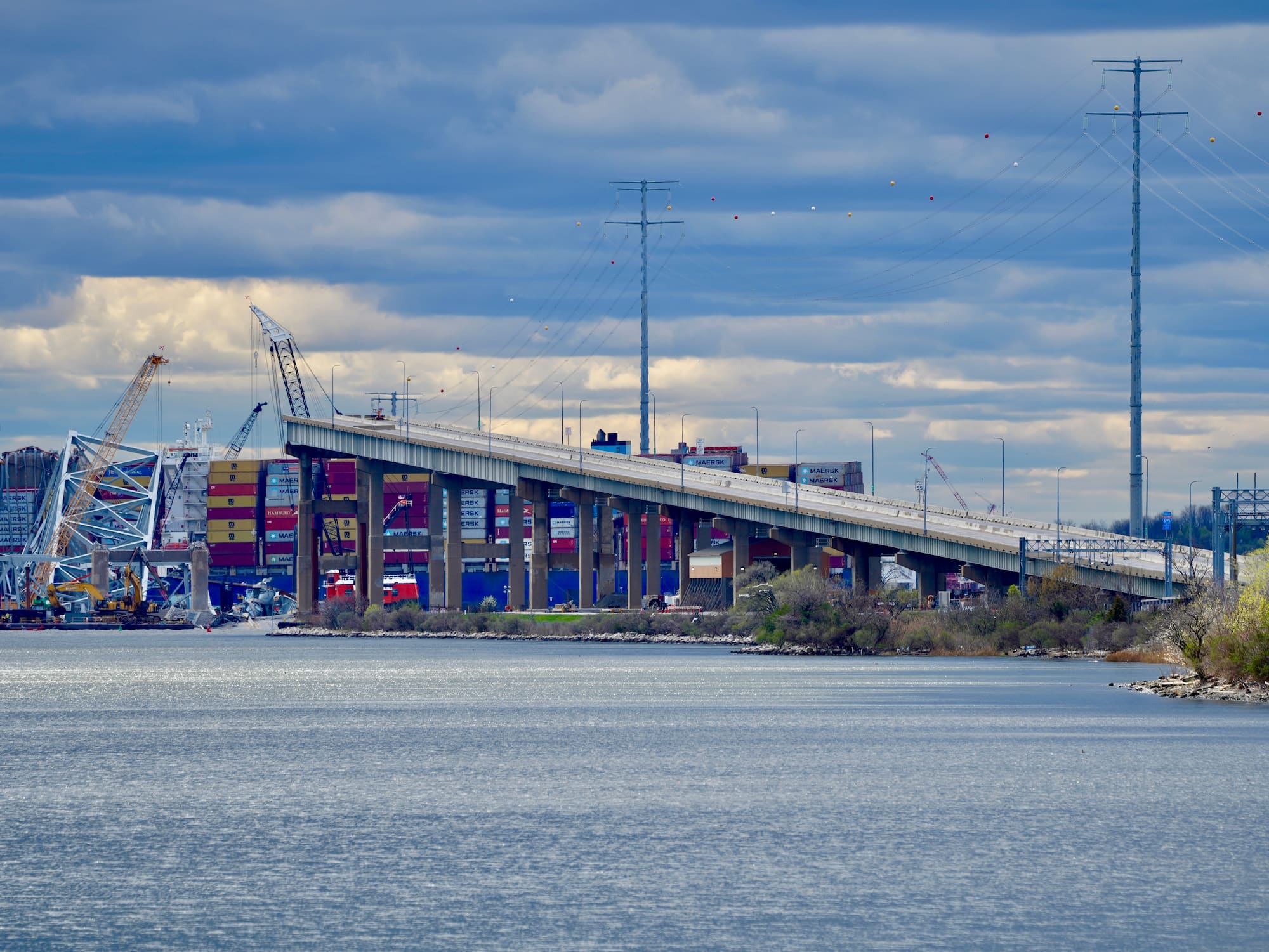
Over a week after the Baltimore Key Bridge collapse, federal regulators have been fearing incoming container fee disputes. On March 26th, a containership struck the Francis Scott Key Bridge, causing it to fall into the Patapsco River. The passageway is one of the main connectors to the Port of Baltimore, a significant hub for automobile shipments. Port operations have halted due to the incident, causing containerships to reroute. As carriers gradually cancel routes, the FMC expects conflict over increasing container costs. The FMC (Federal Maritime Commission) is a regulatory agency that oversees the U.S. international ocean transport system. One of its duties is to resolve shipping issues related to maritime cargo transport.
Why Does The FMC Fear Incoming Container Fee Disputes?
The FMC is expecting a surge in container disputes due to the rerouting of shipments to other ports. Shippers that rely on the Port of Baltimore will soon have to pay extra to have their imports enter through different ports. Canceling inland transport by large ocean carrier companies will also add to the disputes. Increasing costs can also come from ships carrying containers rerouting to ports with limited chassis. With Inadequate chassis, shippers may start to see issues with container pickups and returns, increasing the chances of extra charges. For example, demurrage and detention fees happen when containers remain in or out of the port after a specific time.
Is More Transparency Needed In International Shipping
Different players of the international shipping industry have recently pushed towards greater information sharing. The Baltimore bridge collapse was an event that recently increased those talks. Along with the collapse of the bridge, the Panama Canal drought and Red Sea attacks have disrupted supply chains. In 2021, the FMC created the Maritime Transportation Data Initiative (MTDI) to produce more fluid data transparency and sharing. MTDI will necessitate carriers to have scheduling information available at all container ports. Many still believe that there needs to be more data-sharing initiatives for carriers and shippers. The FMC will continue to take in recommendations from the public and collect data with the goal of creating visibility.
What Can You Do To Avoid Disruptions
As the Baltimore bridge collapse continues to impact international and domestic shipping, so may the disruptions. Along with the potential extra costs from routing cancelations, rerouting can also lead to time loss for shippers. Furthermore, other parts of supply chains may become disrupted by the incident. For example, the closure of the Port of Baltimore means that trucking to and from the port is severely affected. The region could soon see a slowdown in shipping and an increase in transportation rates. Along with rerouting shipments to different East Coast ports, importers and exporters should be up-to-date with the current news.
Another way that shippers can avoid disruptions is by using the help of a freight forwarder. Forwarders coordinate cargo movement on behalf of the shipper and guide you through the process. They can be essential during scenarios like a bridge collapse or port shutdown. Being prepared to overcome any situation that may arise is critical to the movement of your shipment. Call A1 Worldwide Logistics at 305-821-8995 to speak to a professional about importing or exporting to and from the U.S. We understand the importance of transparency when assisting your supply chain.

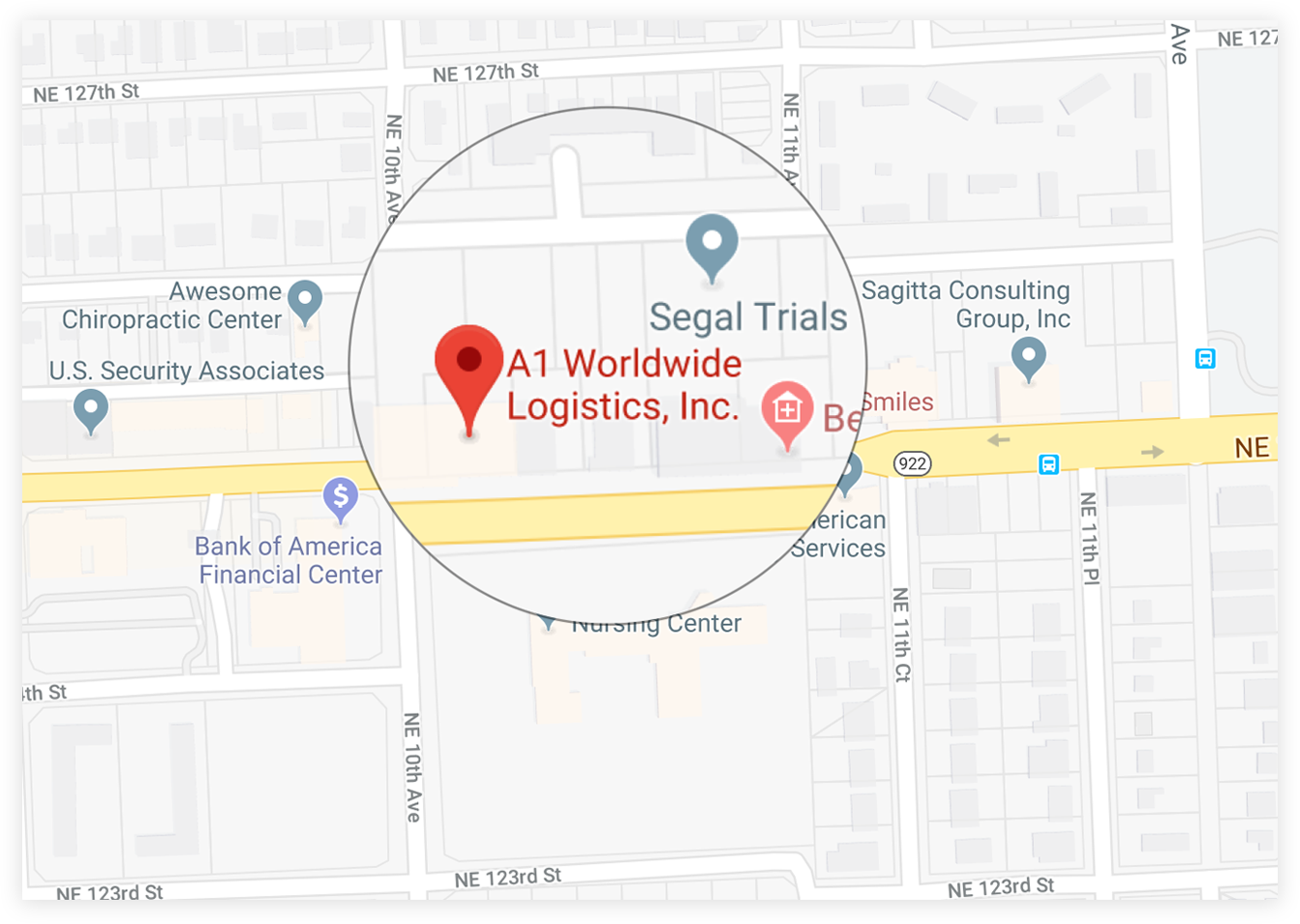
 1035 NE 125th St Suite #320, North Miami, FL 33161.
 a1worldwidelogistics.com
 (305) 821-8995
 Hours: 8AM - 5PM