by A1 WorldWide Logistics | Dec 21, 2023 | Order Fulfillment, Shipping Logistics, Supply Chain, Warehousing
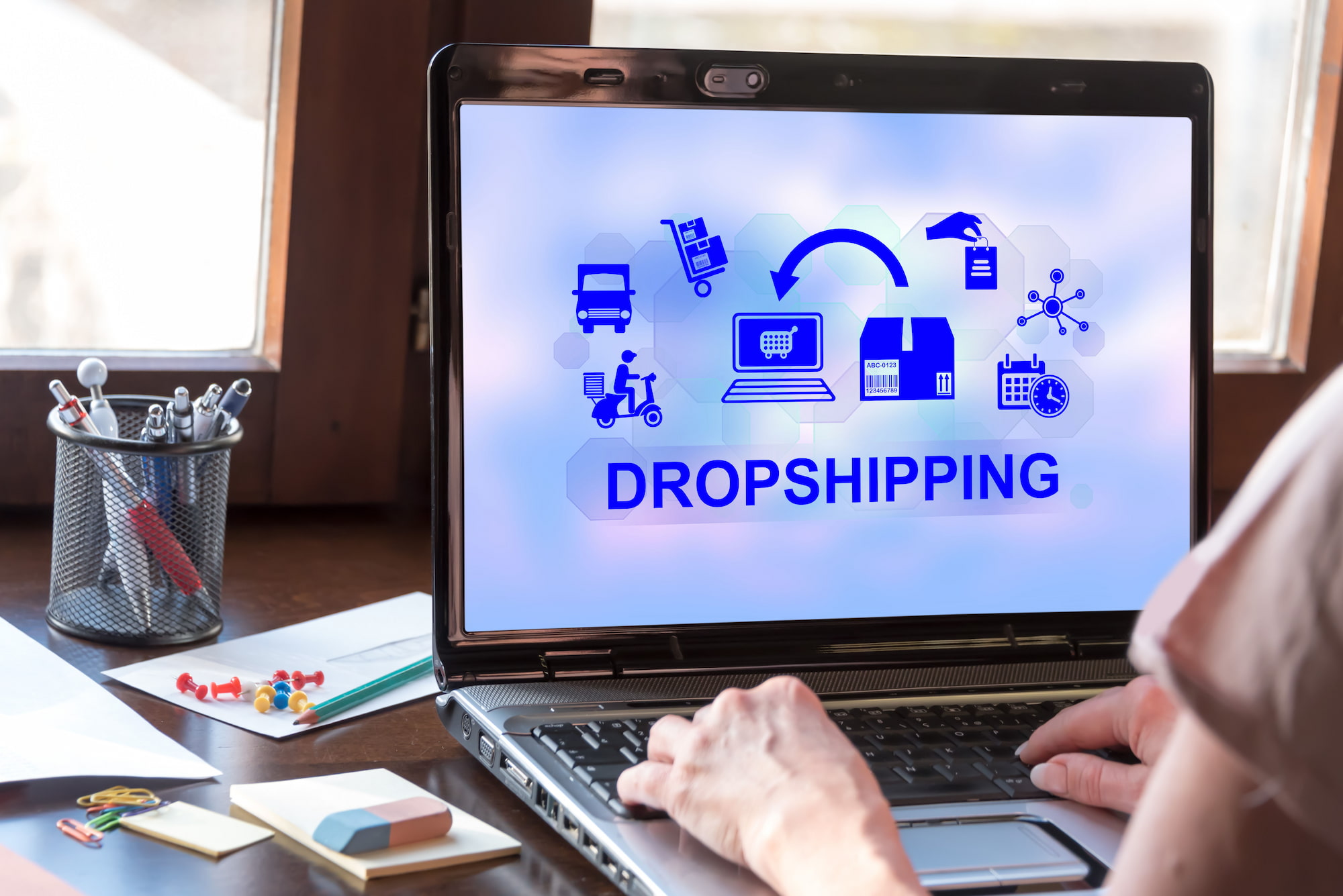
In a world of growing e-commerce, knowing what is dropshipping fulfillment can work wonders for your business. The process began in the late 1920s but became less prominent due to the great depression. Dropshipping then saw a resurgence in the 1950’s due to mail-order catalogues. These publications contained a list of a company’s products that customers could order from and ship directly to them. It wasn’t until the 1990s that the internet boom led to international popularity in dropshipping fulfillment. Buyers transitioned to e-commerce from traditional brick-and-mortar stores. As customers started to purchase goods online, sellers began seeing the advantages of using dropshipping for their company.
What is Dropshipping Fulfillment, and What is the Process?
Dropshipping fulfillment is a business model where retailers can sell their products without keeping inventory. The seller has a 3PL (third-party logistics) provider that handles the process of order fulfillment for them. 3PLs maintain the inventory for the seller and may have warehouses for storing and moving the goods to the customer. While dropshipping has been around for longer than the 1990s, e-commerce has changed how sellers view this business strategy. Businesses had an increase in customers from other countries and grew their supply chains internationally.
The overall process of dropshipping fulfillment starts after a seller creates an online store. Once a customer orders a product, the store sends a message to the dropshipping supplier. The supplier is the 3PL warehouse storing the product and will prepare the goods for shipping. Once ready, the supplier will ship the product directly to the customer. During the journey, the seller may provide tracking information so the customer can track the shipment.
Benefits and Challenges of Dropshipping Fulfillment
The reason why dropshipping has grown in recent years is due to the benefits it has on a supply chain. A significant advantage is the low startup cost that a seller can have when using dropshipping fulfillment. Retailers or individuals usually have to pay a lot of upfront investments and have capital for inventory-storing warehouses. If the seller uses dropshipping for an online store, there are no location limitations, and the supplier can ship internationally. The seller can offer a variety of products due to the fulfillment capabilities of a warehouse. Scalability also becomes easier since suppliers can accommodate increasing orders.
While dropshipping has many benefits, there can also be challenges when using this business model. A common drawback is that inventory issues are more likely to happen when sourcing from a warehouse. Tracking which items are in and out of stock becomes more challenging. Supplier errors may also occur, for which the customers will hold the seller responsible. An example is if the products get damaged during the journey to the final destination. It is crucial to choose a trustworthy supplier when starting dropshipping fulfillment.
A1 Worldwide Logistics
Talk to a 3PL provider like A1 Worldwide Logistics to learn more about dropship fulfillment. Along with fulfilling your orders for your customers, we have a customs-bonded warehouse to house your products. A bonded warehouse is a facility where importers can store freight for up to 5 years without payment of duties. This allows the importer to save money and look for customers before they have to pay taxes for the shipment. Contact A1 Worldwide Logistics at 305-821-8995 to learn about our many solutions for your supply chain. Along with warehousing, we transport your goods to and from our facility to the final destination.
by A1 WorldWide Logistics | Dec 7, 2023 | Importing, Shipping Logistics, Supply Chain
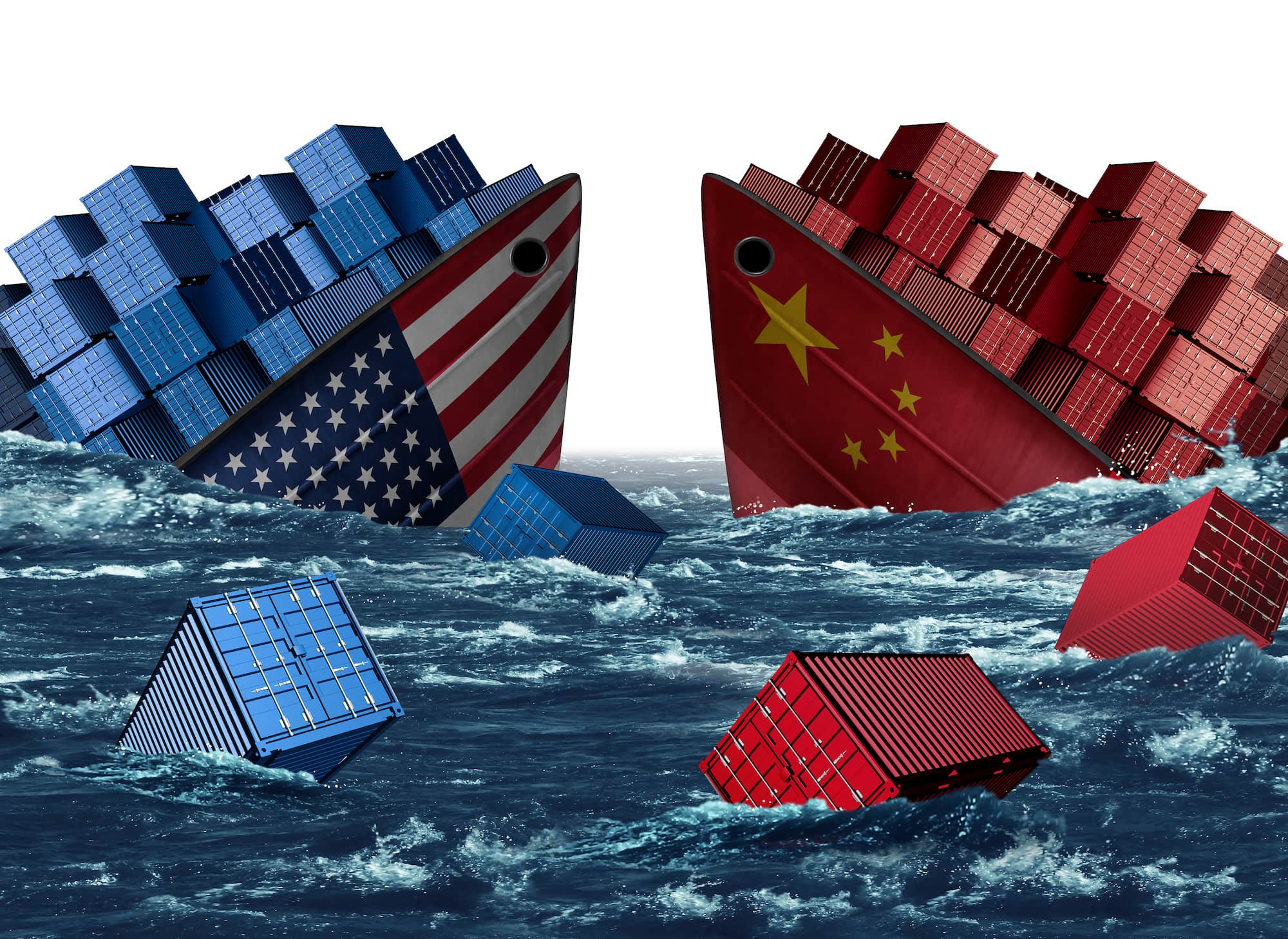
Recently, many U.S. companies have been discussing other sourcing alternatives instead of China, making some ask, “Are China Imports Declining?” For over a century, most labels on goods in the U.S. have had “Made in China” written on them. Single-sourcing imports have always had their benefits and drawbacks. The risks of single-sourcing from China had become more apparent not long ago.
Why Are China Imports Declining?
The coronavirus accelerated present risks and disrupted the supply chains of numerous importers from China. Ports all over China were closed or working at limited capacity due to the pandemic. This created a backlog in freight shipping and challenges for shippers and their customers. Years before the coronavirus was present, the imports from China were already lessening for several reasons. An example of a reason was that the tariff costs that importers had to pay rose to over 20%.
Companies that manufactured goods in China also had intellectual property theft issues. This is the robbery of a company’s products and ideas for their usage. The environmental impact of importing from China was another factor that companies looked at. Producers in China use specific production methods that the U.S. prohibits. This means the environmental effect may be more significant when companies manufacture goods in China instead of the U.S.
Other Alternatives
As companies looked at other options for sourcing, countries like Vietnam became attractive. The country is politically stable and has various growing industries, such as automotive and electronics. The labor costs are also relatively low, making it an ideal candidate for manufacturing companies to move to. Over the past few years, imports from Vietnam and other Asian countries have risen considerably. However, the risks, such as infrastructure and the worry for human rights, remained.
Instead of outsourcing the imports from Asia, another substitute is outsourcing from somewhere closer, like Mexico or Latin America. Mexico is already one of the biggest trading countries with the U.S. The proximity is also a huge benefit for companies that rely on imports. Trucks may become an increasingly popular conveyance method for imports entering the U.S.
Can Reshoring Back to the U.S. Become More Common?
One of the many solutions was to bring the manufacturing of goods back to the United States. There are various advantages and disadvantages associated with moving manufacturing from China to the U.S. One of the main benefits is that the transport times become significantly shorter. Shippers do not need to import into the U.S. from countries that may be far away. Also, if manufacturers make the goods in the U.S., no duties for imports have to be paid.
Despite this, reshoring back to the U.S. may be a difficult task. This is because many companies that outsource to different countries have done so for decades. Going backward on a supply chain with the same process for decades takes time. Offshoring manufacturing to foreign countries also tends to provide cheaper production costs, which can benefit companies instead of reshoring.
A1 Worldwide Logistics
Although the locations where shippers bring in freight may become more diverse, the number of U.S. imports is still increasing. If you plan to ship to and from the U.S., A1 Worldwide Logistics is here to help. We have freight forwarding services for both imports and exports. Call us at 305-821-8995 to get a quote for your shipment.

by A1 WorldWide Logistics | Oct 26, 2023 | 3PL, Shipping Logistics, Supply Chain
Recent U.S. Department of Commerce restrictions have resulted in China limiting graphite exports. Graphite is a mineral that manufacturers use to create pencils, brushes, arc lamps, and batteries for electric vehicles (EVs). China is the world’s most significant graphite producer, producing over 65% natural graphite globally. Starting December 1st, foreign companies will require stricter permits for shipping raw and synthetic graphite out of China. The announcement comes after the U.S. blocked China from importing specific computer chips. The U.S. restrictions aim to prevent China’s access to semiconductors that can fuel breakthroughs in artificial intelligence.
What Does China Limiting Graphite Exports Mean for Shipping?
A decline in graphite exports out of China can negatively impact supply chains globally. Automakers that rely on this mineral to create EV Batteries may feel the main impact of the restrictions. In recent years, the customer demand for EVs has grown, and many are switching to cleaner energy technologies. The World Bank Predicts that graphite demand will rise 500% over the next three decades. Since China makes over 65% of the world’s graphite, EV makers that ship from the country may soon have to look for other alternatives. This can mean importing the mineral from other countries or insourcing the production and buying of graphite in the U.S.
Many EV manufacturers are already importing graphite from countries like Mozambique, which is the 2nd largest producer of graphite. This option may have separate issues because of recent regional labor strikes. Another concern from shippers is that the average price of graphite will spike in the near future. This is due to the demand becoming higher than the supply. The Russia-Ukraine adds to the price since Russia is a significant supplier of the world’s graphite. Manufacturers also have used substances like silicon instead of graphite to create batteries. However, technology for that material is not commercially available.
How Has the U.S. Responded?
The global graphite supply was a concern for the U.S. years before China’s announcement to limit exports. Last year, the U.S. government signed the Inflation Reduction Act into law. This law gives a 10% tax credit to domestic producers of graphite and similar minerals. In February of 2023, the Biden administration gave $3 billion in funding for battery supply chains that use graphite. The goal is to bring more graphite production to the U.S., starting with a processing plant in Alabama. In August, the U.S., South Korea, and Japan met and launched a supply chain early warning system (EWS). This program will share information on disruptions to crucial supply chains like graphite and EV batteries.
When shipping freight internationally, it is essential to be up-to-date with any laws and regulations that arise. Failure to do so can delay shipment and disrupt your supply chain. The best way to prepare is by talking to a freight forwarder or customs broker regarding your cargo’s movement. Forwarders coordinate the transport of your goods, and brokers clear the import once it reaches the destination country. Contact A1 Worldwide Logistics at 305-821-8995 for assistance with your supply chain needs. We help by guiding you through the world of international shipping by providing solutions for reaching your goals.

by A1 WorldWide Logistics | Oct 19, 2023 | Economic trends, Shipping Logistics, Supply Chain
International freight exporters and exporters may have to take caution soon with the Israel conflict affecting shipping in various ways. The Israel-Hamas war has intensified over the last week, and the maritime industry is now monitoring the situation. While shippers have not felt significant effects on international cargo movement, analysts believe this could change if the conflict continues. Israel is a significant importer/exporter of different commodities for countries like China, the U.S., and Switzerland. With Israel being a critical trade region, this war may impact numerous supply chains. This article will explain how the situation will affect container, gas, and oil shipping markets.
How Will The Israel Conflict Affecting Shipping?
While container shipping has yet to see the effects, that can change if the war expands beyond the country’s borders. Two critical locations for global freight movement are nearby: the Suez Canal and the Strait of Hormuz. The Suez Canal is a crucial waterway for container carriers connecting the Mediterranean and Red seas. The Strait of Hormuz is a pivotal oil and gas shipping channel connecting the Persian Gulf to the Gulf of Oman. One of the main predictions if the conflict expands is that delays and bottlenecks will grow.
Shippers that need to move shipments internationally use these waterways as shortcuts. Having to reroute can result in longer delivery times and higher shipping rates. Another effect is that imports/exports to and from Israel will reduce. Various regional ports are experiencing closure and cancellations, also leading to traffic. An indirect consequence affecting container and dry bulk shipping is the global economy. The continuing war can damage the economy, affecting the costs and amount of freight shippers move.
Crude Oil, LNG, And LPG Shipping
Crude oil and gas shipping could have a more substantial impact from the war than container transport. The greatest prediction is that crude oil, LPG, and LNG rates will rise rapidly. A reason is due to the significance of the Strait of Hormuz. Nearly 20% of the world’s oil supply flows through this waterway. It Is also impossible to navigate without creating disruption compared to the Suez Canal. If the conflict expands to nearby regions, the straight will close, and shipments will backlog.
Since there is a sizable demand to ship oil and gas internationally, a stop can negatively affect supply chains. An increase in petroleum prices can result in higher operational costs for carriers, increasing customer costs. Markets are already reacting, with futures for crude oil rising 5.5% from last Thursday to Friday. Crude oil LNG and LPG rates felt a similar trend during COVID-19 and Russia’s invasion of Ukraine.
What Can I Do To Prevent Supply Chain Disruptions?
It may be too soon to determine the impact of the Israel-Hamas conflict on cargo movement. While alarming, this situation should not stop you from moving your goods. However, you should take necessary precautions to prevent supply chain disruptions and delays. Contact A1 Worldwide Logistics at 305-821-8995 for assistance with your supply chain needs. We help you navigate the world of international shipping by offering services like freight forwarding and customs clearance. We also inform you what to expect and provide solutions to ensure the logistics process goes smoothly.
by A1 WorldWide Logistics | Oct 5, 2023 | Freight Forwarding, Shipping Logistics, Supply Chain
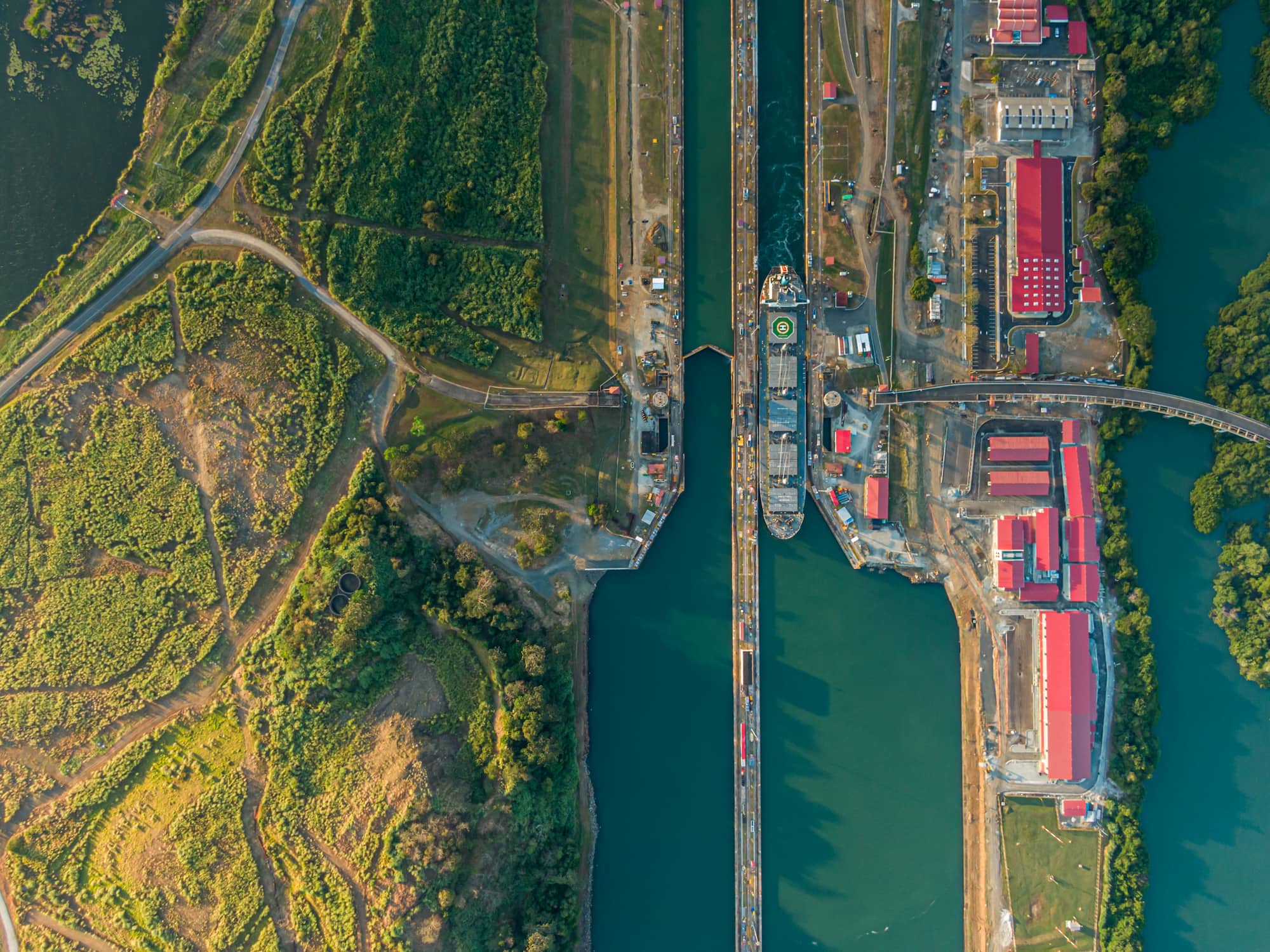
A persistent drought is leading to the Panama Canal transits lowering even further. In June of this year, the Panama Canal Authority (ACP) set various restrictions on carriers passing through the canal. The limitations are due to a drought that the waterway is currently facing. The Panama Canal relies on rainwater to move vessels across; however, the region has been experiencing a lack of rainfall. An ocean warming event known as El Nino further causes water scarcity, leading to an emergency. With the Panama Canal being one of the most important trade routes in international shipping, limitations have a considerable impact.
A few months ago, the ACP put limits on the drafts and the daily transits of vessels passing through. A draft limit is the distance from the lowest point of the boat and the waterline. On June 5th, the ACP cut the limit to 44.5ft (13.65m) from 50ft (15.24). It then went down to 43.5ft (13.26) on June 25th. The ACP also reduced the daily transits or the number of boats that pass through the canal. Usually, that number averages from 36 to 38, but it went to 31 from 32 in August. The newer Neopanamax locks will handle nine ships daily, while the older locks will have 22 pass through.
What Can This Mean For Shipping?
The decrease in the daily transits and the other limitations can negatively impact international shipping. With the Panama Canal being able to cut trade routes by miles, the most significant shippers rely on it. Around 13,000 to 15,000 vessels pass through the passageway yearly, meaning restrictions affect many supply chains. For example, loaders will put fewer containers on a ship to drop the weight when a draft limit lowers. An effect is that a shipper may move fewer containers internationally, which is unfavorable for business shipping to customers. Reducing the number of ships allowed to pass through daily can result in delays.
Will The Panama Canal Transits Lowering Delay My Shipment?
As previously mentioned, the number of vessels passing through the Panama Canal a day is 31. A decrease in daily transits causes a bottleneck where ships must wait outside longer than usual before entering. In August, the backlog peaked at over 160 boats waiting for entry. While that number is lower, it is still over 100 and may rise in the coming months. The main concern for many shippers is that their shipments will experience delays. The ACP notes that wait times for southbound transit rose from 5.56 to 8.85 days in August. Northbound transits went from 6.55 to 9.44 days.
While the restrictions may lead to delays in shipping, this should not stop you from exporting internationally. However, shippers must take steps beforehand to protect their supply chains. An example can be finding alternative routes to transport your cargo. The best way to prevent delays is to talk to a freight forwarder regarding your shipment. A freight forwarder is in charge of arranging the transportation of goods on behalf of the importer and exporter. Contact A1 Worldwide Logistics at 305-821-8995 to speak to our forwarder and ensure the safe movement of your cargo.
by A1 WorldWide Logistics | Sep 27, 2023 | Freight, Supply Chain, Warehousing
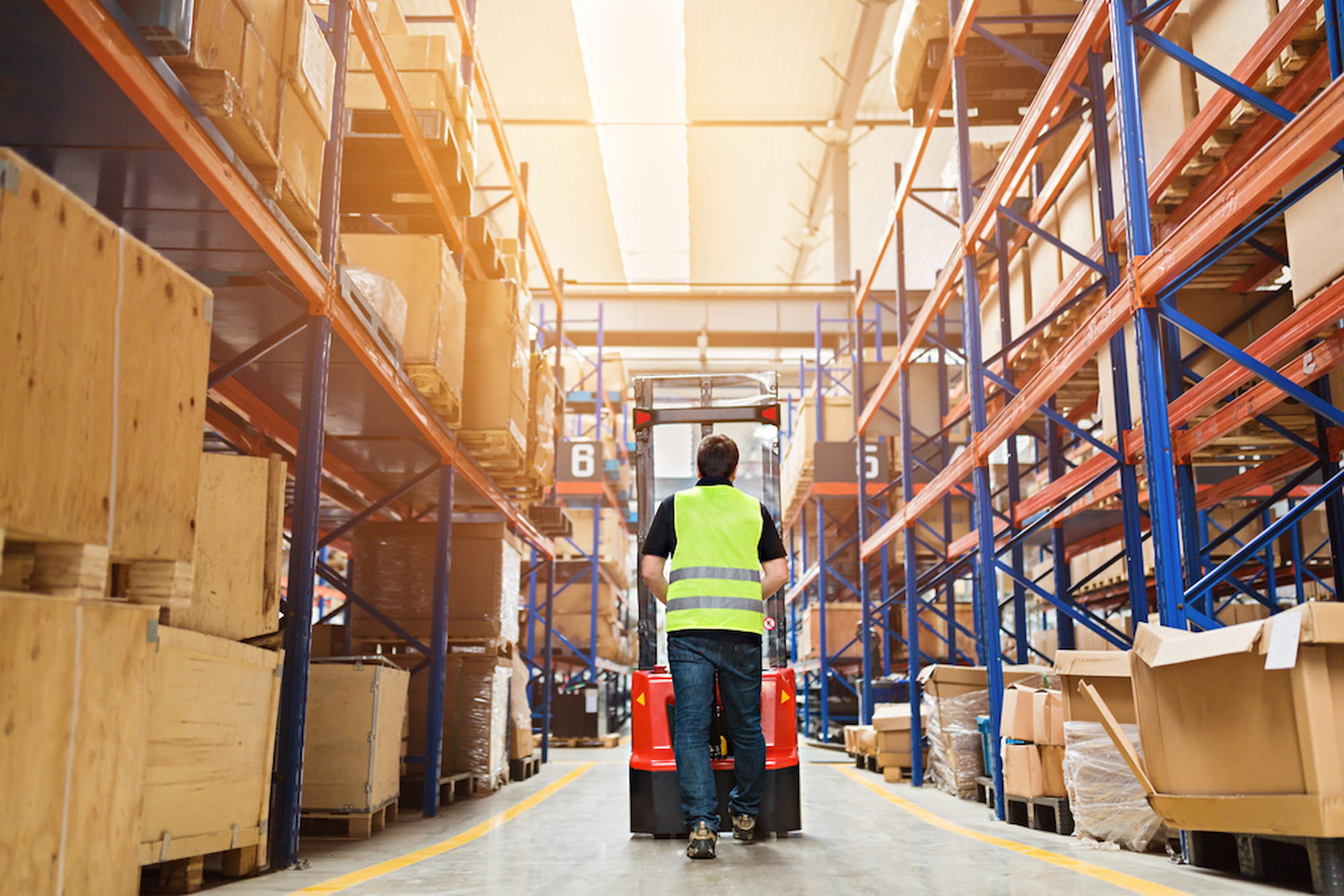
Over the last few years, the shipping industry has seen a trend of on-demand warehousing growing. The coronavirus pandemic led to a surge in this type of warehousing for retailers. On-demand is a type of warehousing in which services are readily available to the customer when needed. They provide flexibility and swiftness to supply chains and do not require long-term commitment. In 2022, an on-demand logistics company reported that its customers grew by roughly 128% in 2020 compared to 2019. The company even built facilities across North America to accommodate the freight.
What Led to On-Demand Warehousing Growing
In early 2020, when the pandemic began in the U.S., many speedy fulfillment companies like Amazon temporarily limited operations. The main products that came into the fulfillment centers were essential freight needing to move out urgently. This resulted in the inability of a substantial number of sellers to use the warehousing services to move their goods to their customers. Many sellers immediately searched for other substitutes to store and move their goods out quickly. This led to the growth of on-demand warehousing providers. The recent surge in e-commerce also created a need for on-demand warehouses.
On-Demand Warehousing VS Traditional 3PL
3PL or third-party logistics is the use of a separate third party to provide services. This can include the shipping of freight and warehousing for a business. Despite the boom in on-demand warehousing, some believe that traditional 3PL warehousing is the better solution. Traditional 3PLs offer a range of services for long-term relationships. Conventional warehousing companies have more excellent knowledge and experience because of their long-term relationships.
One of the main differences between on-demand warehousing and the traditional 3PL model is their method of offering warehouse space. With traditional 3PL, warehousing tends to be in one or a few centralized locations. They may have more direct, longer-lasting relationships with their clients. On-demand warehousing where the 3PL is the middleman between a business looking for a warehouse and the actual facility. While less direct than traditional 3PL, this is ideal for short-term fulfillment. Even with the differences, these warehousing solutions are equally crucial for extensive supply chains.
A1 Worldwide Logistics
Logistics is the organizing and executing of a complex task or operation. This can involve several different components that work together to produce a result. When moving freight internationally, warehousing is a typical part of the supply chain and logistics aspect. Once cargo enters the U.S., taxes and duties must be paid before the freight reaches the importer. If the importer does not plan on receiving their shipment or paying duties at a specific time, they can keep their imports in a customs-bonded warehouse.
A customs-bonded warehouse is a facility where a shipper can keep imports without paying taxes and duties for up to 5 years. A1 Worldwide Logistics provides a custom bonded facility to store your cargo before you are required to pay taxes or duties. This is ideal if you plan to save money and find customers for your goods. Contact us at 305-821-8995 to learn more about our various supply chain solutions. Along with warehousing, we provide freight forwarding, customs clearance, trucking, and more.

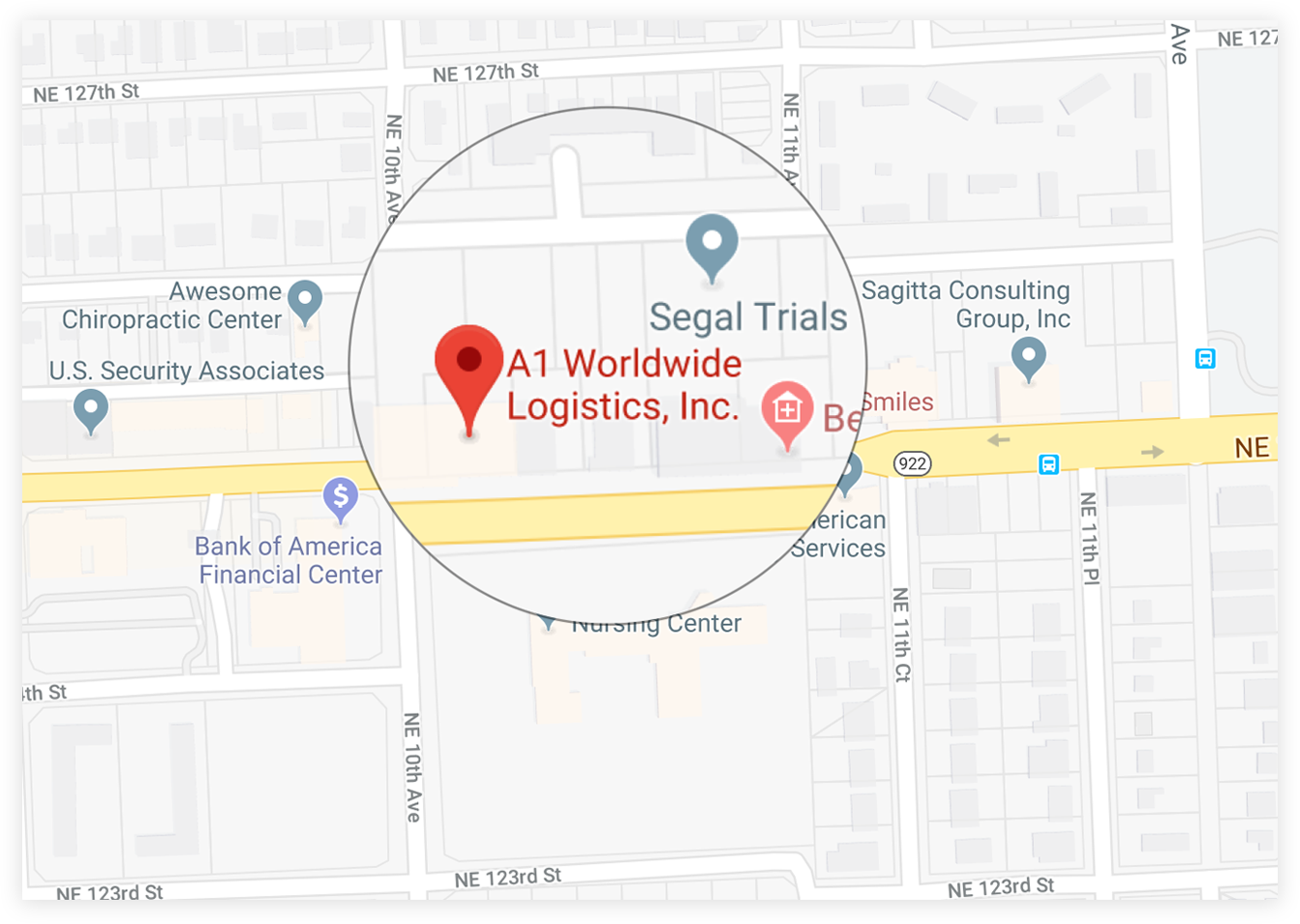
 1035 NE 125th St Suite #320, North Miami, FL 33161.
 a1worldwidelogistics.com
 (305) 821-8995
 Hours: 8AM - 5PM