by A1 WorldWide Logistics | Feb 20, 2025 | Economic trends, Shipping Logistics, Supply Chain
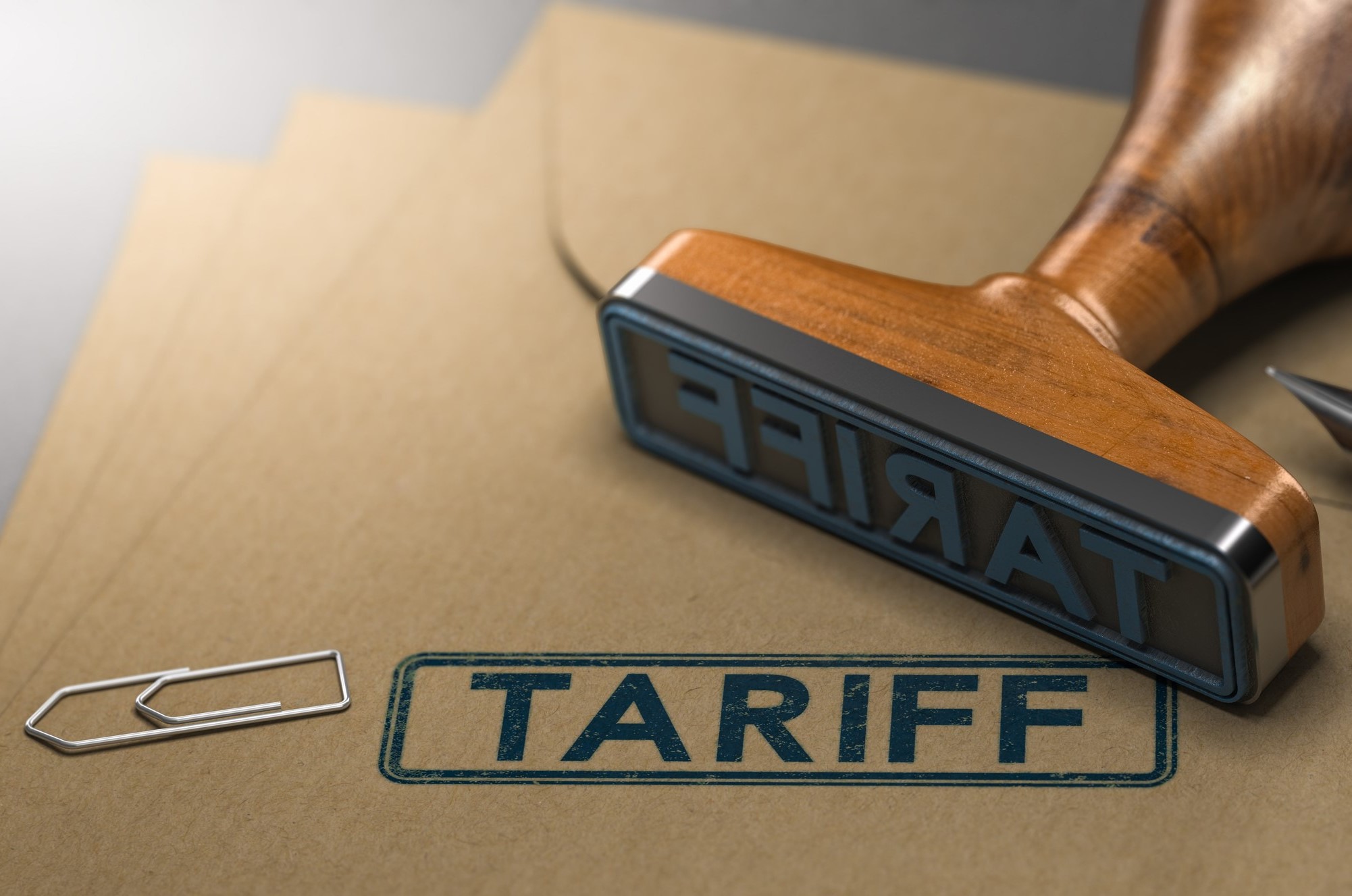
After signing an executive order last Thursday, President Trump announced reciprocal tariffs for all U.S. trade partners. These tariffs are separate from the previous ones Trump proposed for imports from specific countries and steel and aluminum imports. The reason behind the taxes is to match the rates that other nations place on imports from the U.S. Trump stated, “They charge the US tax or tariff, and we will charge them the exact tax and tariff, very simple.” A memo released by the White House explains that the policy will target unfair limitations on market access. While the administration argues that these measures will provide trade fairness, many believe it will negatively impact international shipping.
How Will Countries Respond After Trump Announced Reciprocal Tariffs?
When Trump announced reciprocal tariffs, many countries didn’t immediately respond. However, it could soon negatively impact trade relations. Countries that impose higher average tariff rates on the U.S. than vice-versa will mainly feel the effect. An example is India, which charges an average rate of 9.5% on U.S. goods, while the U.S. places a 3% rate on Indian freight. When Trump imposed tariffs on Chinese imports, China responded by levying reciprocal tariffs on various U.S. imports. Other countries like Canada and Mexico reacted by calling recently announced steel and aluminum tariffs unjust. Various U.S. industries, like the automotive sector, will also feel the strain of tax hikes raising manufacturing costs.
While Trump has not signaled any country in particular, the reciprocal tariffs may target the European Union’s VAT system. The VAT (value-added tax) is a consumption tax on goods and services in the European Union. It also includes imports from non-EU countries like the U.S. On social media, Trump noted that the VAT system is more punitive than a tariff and a nontariff barrier. The EU has not responded to the reciprocal tariff, which could strain relations with the U.S. Before Trump enforces the tariffs, cabinet members will assess country-by-country remedies to ensure reciprocal trade relations. The cabinet will also submit a report evaluating the fiscal impact of the tariffs.
Could These Tariffs Affect International Shipping?
The implementation of the reciprocal tariffs can also impact shippers that move cargo internationally. A significant concern for importers is that the tariffs may raise costs for the entire supply chain. Not only in terms of import fees but also the fees that the importer passes on to the customer. Import volumes may also reduce as customers and businesses seek cheaper domestic products. Importers could relocate production or find new suppliers to avoid higher costs, leading to potential supply chain disruptions. Another fear is that the tariff hikes could lead to inflation. Despite this, the Trump administration believes that it is necessary to ratify trade disparities and grow the U.S. economy.
Whether the reciprocal tariffs pass or not should not deter you from shipping internationally. However, you must take the necessary steps to protect your shipment from extra costs and other disruptions. An ideal way to begin is to get assistance from a 3PL (third-party logistics) company. 3PLs are service providers that handle multiple supply chain components, including freight forwarding, customs clearances, warehousing, and more. Reach A1 Worldwide Logistics at info@a1wwl.com or 305-435-9456 to speak to a 3PL provider regarding your shipment’s success.

by A1 WorldWide Logistics | Feb 18, 2025 | Customs Broker, Freight Forwarding, Supply Chain
Existen numerosas consideraciones que los remitentes deben tener en cuenta al enviar productos químicos internacionalmente. Los productos químicos son cualquier sustancia con una composición definida, como ácidos, fertilizantes, disolventes, etc. Estos tipos de sustancias pueden ser peligrosas o no peligrosas, y son utilizadas por numerosas industrias. Por ejemplo, la adenosina es un producto químico no peligroso que los médicos usan para tratar trastornos del ritmo cardíaco en la industria de la salud. Debido a la singularidad de este tipo de carga, existen numerosas regulaciones, reglas y consideraciones de seguridad que deben ser tomadas en cuenta. El incumplimiento de las directrices puede resultar en retrasos y multas monetarias. También puede provocar la pérdida de un envío, interrumpiendo toda la cadena de suministro.
¿Qué debes saber antes de enviar productos químicos internacionalmente?
Antes de que comience el proceso de envío internacional, debes comprender las regulaciones que debes seguir. El país de destino o de origen puede determinar las reglas y garantizar que los permisos adecuados estén en su lugar. Un ejemplo de una regulación global principal es el Sistema Globalmente Armonizado (SGA) de Clasificación y Etiquetado de Productos Químicos. Las pautas para el envío de productos químicos también dependen del método de transporte. Por ejemplo, el envío por mar sigue el Código Internacional de Mercancías Peligrosas por Mar (IMDG), mientras que el envío aéreo sigue la Asociación Internacional de Transporte Aéreo (IATA). También es crucial que el remitente utilice el etiquetado y embalaje adecuado antes de transportar las mercancías. Las etiquetas deben ser claras y cumplir con las regulaciones de etiquetado.
¿Cuál es el proceso?
Una medida a tomar por un remitente antes de enviar productos químicos es revisar la Hoja de Datos de Seguridad del Material (MSDS). La MSDS es la hoja de datos de seguridad que detalla la clasificación del envío, los requisitos de manejo, etiquetado y transporte. Es importante clasificar correctamente productos, como el flúor o el dióxido de azufre químicos, ya que se encuentran en la categoría de peligrosos (HAZMAT). También es vital tener toda la documentación de la carga y asegurarse de que esté correcta. Ejemplos de documentos requeridos incluyen el Conocimiento de Embarque, la Lista de Empaque, la Factura Comercial, etc. Al seleccionar el método de transporte, debes entender que el transporte internacional involucra varios métodos.
Por ejemplo, el envío internacional puede requerir un camión para trasladar la mercancía al puerto en vez de un barco o aerolínea. Dado que la carga son productos químicos, el método de transporte puede ser especializado e incluir cisternas. También es vital cumplir con los requisitos de manejo y almacenamiento. Debe haber controles de temperatura y ventilación adecuados para evitar daños. El transporte de varios productos químicos a la vez también debe requerir segregación para evitar reacciones. Una vez que las mercancías lleguen al país de destino, las aduanas de EE.UU. requerirán el despacho aduanero antes de llegar a su destino final. Utilizar un agente aduanal es ideal para garantizar un proceso de liberación fluido. Cuando las aduanas despachen la carga, un camión cisterna podrá trasladarla a la ubicación final.
A1 Worldwide Logistics
El envío de productos químicos internacionalmente puede ser un desafío para los remitentes inexpertos e incluso para los remitentes regulares debido a los pasos involucrados en el proceso. Puede ser útil hablar con un agente aduanal antes de comenzar. Los agentes de carga son el intermediario entre el remitente y el transportista, y coordinan el transporte de mercancías internacionalmente. También te educan sobre las regulaciones, el proceso y lo que puedes esperar al transportar. Contacta a A1 Worldwide Logistics para asegurar el transporte exitoso de productos químicos o cualquier otra carga internacionalmente. Ya sea que estés exportando o importando desde o hacia los EE. UU., estamos contigo durante todo el proceso.
by A1 WorldWide Logistics | Feb 4, 2025 | Customs Broker, Customs Broker Miami, Supply Chain
¿Por qué Trump quiere el Canal de Panamá?
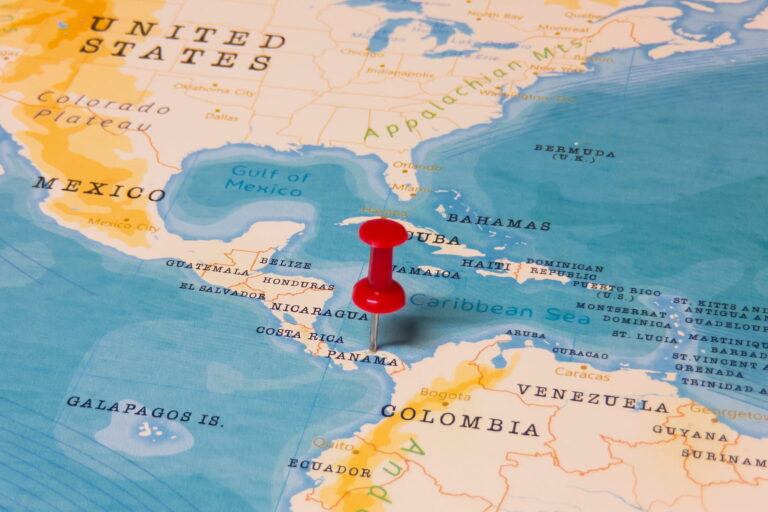
En publicaciones recientes en redes sociales, ha quedado claro que el presidente, electo para el 2025, Donald Trump quiere el Canal de Panamá. Trump anunció que exigirá que Panamá entregue su canal a los EE. UU. debido a las tarifas “ridículas”. Las tarifas para los buques que pasan por el canal han aumentado recientemente, impulsadas por una grave sequía. Dado que EE. UU. es el principal usuario del canal, han enfrentado el impacto más significativo. Originalmente un territorio de EE. UU. hasta 1999, la entrega fue una señal de la soberanía de Panamá y un símbolo económico vital. Las amenazas de apoderarse del canal podrían generar conflictos entre los dos países y alteraciones en el comercio global.
¿Por qué Trump quiere el Canal de Panamá?
Una de las principales razones por las que Trump quiere el canal es por las tarifas que Panamá está cobrando. Él cree que el país impone tarifas excesivas para que los buques de EE. UU. puedan pasar. Además de los costos, Trump también ha expresado preocupaciones sobre la gestión del canal y su importancia para los EE. UU. También ha habido preocupaciones crecientes sobre que Panamá permita que soldados chinos tomen el control del canal. China es el segundo mayor usuario del canal después de EE. UU., y Trump cree que el país quiere tener más influencia. Uno de los temores es que China pueda integrar vigilancia en la infraestructura del canal, proporcionando información crucial sobre la logística de EE. UU.
En una conferencia, el presidente de Panamá, José Raúl Mulino, señaló que el canal pertenece a su país. Mulino reprendió las afirmaciones de Trump, declarando que la soberanía e independencia de Panamá no son negociables. En la conferencia de prensa, respondió: “No hay chinos ni ninguna otra potencia mundial en el canal”. Mulino afirmó que los expertos consideran factores como la oferta y la demanda al determinar las tarifas para los buques. A pesar de las amenazas de recuperar el canal, existen varios obstáculos legales que podrían impedirlo. Por ejemplo, el Tratado de Neutralidad establece que un movimiento para tomar el control del canal violaría la ley internacional y dañaría las relaciones de EE. UU. con América Latina.
La importancia del canal para el comercio internacional
La industria del transporte marítimo internacional considera al Canal de Panamá una piedra angular crítica para el movimiento global de carga. Representa el 6% del comercio marítimo mundial y el 40% del tráfico anual de contenedores de EE. UU. Debido a su ubicación estratégica, es ideal para conectar los principales mercados globales entre Europa, Asia y América. Antes del canal, los envíos realizaban viajes más largos por la punta sur de Sudamérica en lugar de tomar el atajo. Con su importancia, Trump considera el canal un activo nacional crítico para los EE. UU. El canal impacta la economía de EE. UU., con numerosas industrias que dependen de él para rutas rápidas y rentables de envío de mercancías.

by A1 WorldWide Logistics | Jan 28, 2025 | Shipping Logistics, Supply Chain, Transportation
Shipping during China’s New Year can have numerous challenges you should know when starting. The Chinese New Year (or Spring Festival) is a 15-day celebration of the new year in the lunisolar Chinese calendar. In 2025, the holiday will begin on January 29th and conclude with the Lantern Festival on February 12th. The first seven days are holidays in China. During this time, shipping companies, ports, and factories shut down or limit operations. As a result, shippers that move cargo internationally feel the effects of the shutdowns. This article will explain how the Chinese New Year impacts shipping and how to prepare when moving cargo.
What Should You Know When Shipping During China’s New Year?
In international shipping, China is considered one of the biggest global exporters, responsible for nearly 14% of the world’s exports. Due to widespread shutdowns during this period, supply chain disruptions can grow during the Chinese New Year. Along with production and port halts, workers tend to go on vacation to visit families during this period. A significant impact for U.S. importers is that port congestion has become more common. Before the holiday begins and factories close, there is a massive import surge from China. As a result, ports in the U.S. can become congested due to higher volumes, which can also lead to delays. Port congestion can also impact domestic shipping, causing delays in transporting goods to the final location.
As a result of the congestion, shippers may have to pay higher rates due to limited capacity. A higher volume of containers at the port can also increase the likelihood of demurrage and detention charges. Higher costs for the shipper and carrier also fall directly on the customer. Delays come from ports in factories in China working at limited capacity and workers going on vacation. Longer wait times look unfavorable to shipping companies and businesses that deliver products under a specific timeframe. The recovery period after the Chinese New Year can also take a while, meaning a gradual recovery for supply chains.
How Can You Prepare?
With the Chinese New Year’s disruptions in supply chains, shippers should prepare beforehand to mitigate any disturbances. You must understand what to expect and plan to avoid delays. This can include booking container space beforehand and rerouting to different ports in the U.S. If possible, this can mean importing from countries other than China and diversifying suppliers to reduce vulnerability. Switching the conveyance method to air is beneficial for shipments that must move under a specific timeframe. Having extra stock in a company or third-party warehouse in the U.S. can also help in case of delays.
Despite a holiday potentially causing disruptions to supply chains, it should not stop cargo movement internationally. However, shippers should take the necessary steps to prevent disruption. An ideal way to navigate scenarios like the Chinese New Year is by using the assistance of a logistics provider. Logistics providers like A1 Worldwide Logistics have various solutions for shipping goods into and out of the U.S. These services include transportation, customs clearance, warehousing, and much more. They also explain the best steps to mitigate supply chain disruptions. Contact us at info@a1wwl.com or 305-440-5150 to speak to a freight forwarder or customs broker regarding your shipment’s success.

by A1 WorldWide Logistics | Jan 21, 2025 | Economic trends, Importing, Supply Chain
President Trump announced that he will impose a 25% tariff on February 1st for imports from Canada and Mexico. Last year, Trump revealed that he would implement the tariff hike during his first day in office. The president postponed the date to create an “External Revenue Service to collect tariffs and identify unfair practices. Along with the two countries, there are plans to implement tariffs of 10% to 60% for goods from China. Trump also raised the idea of a “universal tariff” but noted that the U.S. was not ready yet. With the countries impacted by the taxes bringing in hundreds of billions yearly, a tax increase can significantly affect trade.
Why Is Trump Imposing 25% Tariffs On February 1st?
Trump noted that he would implement tariffs on the imports for reasons including illegal immigration and drugs entering the U.S. In 2024, the president stated, “As everyone is aware, thousands of people are pouring through Mexico and Canada, bringing crime and drugs at levels never seen before.” China is also the most popular illegal importer of fentanyl into the U.S. Another reason for the tariff increase is to increase domestic manufacturing by making importation more costly. Trump believes creating new jobs in the U.S. will reduce the federal deficit and lower food prices.
While Trump believes the tariffs will benefit the U.S., it has faced backlash from the countries impacted. The biggest trade war in decades could be possible with approximately 75% of Canada’s imports going to the U.S. Canada’s prime minister noted, “If the president does choose to proceed with tariffs, Canada will respond – and everything is on the table.” The countries affected by the taxes may impose their retaliatory tariff. Trump’s proposed hikes could also face legal challenges from existing trade agreements like the USMCA (United States-Mexico-Canada Agreement). Signed into effect in 2020 by Trump, he will have the opportunity to renegotiate the deal in 2026.
How Will The Tariff Hikes Impact International Shipping?
Mexico, Canada, and China are the U.S.’s biggest importers, meaning a tariff hike can significantly impact international shipping. Higher tariffs could increase shipping costs and disrupt supply chains. Companies from industries like the automotive industry rely on importation, and sourcing production back to the U.S. can be challenging. Economists argue that increasing import taxes could lead to inflation and job loss. While the increase will affect moving cargo internationally, it will also impact domestic shipping. Drayage services that transport port imports could see a decline in volume, resulting in led business. To combat the tariff increases, U.S. importers may begin outsourcing to different countries. Various companies have already considered relocating production to the U.S. in response to the tariffs.
With the rise in tariffs potentially affecting both the shipper and businesses, you must take steps to mitigate disruptions. Failure to take the correct steps can lead to delays, monetary loss, and cargo loss. An ideal solution is to consider partnering with a trusted third-party logistics (3PL) provider. 3PLs offer solutions for navigating the complexity of international shipping and ensuring a successful shipment. These solutions include freight forwarding, warehousing, customs brokerage, and supply chain management. Reach A1 Worldwide Logistics at 305-425-9456 or info@a1wwl.com to speak to an expert regarding your cargo’s movement.

by A1 WorldWide Logistics | Dec 19, 2024 | Shipping Logistics, Supply Chain, Transportation
There are numerous considerations that shippers should be aware of when shipping chemicals internationally. Chemicals are any substance with a defined composition, such as acids, fertilizers, solvents, etc. These types of substances can be hazardous or non-hazardous, and numerous industries use them. For example, adenosine is a non-hazardous chemical doctors use to treat heart rhythm disorders in the health industry. Due to the uniqueness of this cargo type, there are numerous regulations, rules, and safety considerations to be aware of. Failure to comply with guidelines can result in delays and monetary fines. It could also result in a shipment loss, disrupting the entire supply chain.
What Should You Know Before Shipping Chemicals Internationally?
Before the international shipping process begins, you should understand the regulations you must follow. The country of destination or origin can determine the rules and ensure proper permits are in place. An example of a primary global regulation is the Globally Harmonized System (GHS) of Classification and Labeling of Chemicals. The guidelines for shipping chemicals also depend on the method of conveyance. For example, shipping by sea follows the International Maritime Dangerous Goods (IMDG) Code, while air shipping follows the International Air Transport Association (IATA). It is also crucial that the shipper uses proper labeling and packaging before transporting the goods. The labels should be clear and comply with labeling regulations.
What Is The Process
Another precautionary step that a shipper should take before shipping chemicals is to review the Material Safety Data Sheet (MSDS). The MSDS is the safety data sheet that details the shipment’s classification, handling, labeling, and transportation requirements. Since specific chemicals are HAZMAT, like fluorine or sulfur dioxide, the shipper must classify them correctly. It is also vital that you have all of the cargo’s documentation, and it is correct. Examples of required documents include the Bill of Lading, Packing List, Commercial Invoice, etc. When selecting the conveyance method, you must understand that international transport involves various methods.
For example, international shipping can require a truck to move the goods to the port before a vessel or air carrier ships it internationally. Since the cargo is chemicals, the transport method can be specialized and include tankers. It is also vital that you adhere to handling and storage requirements. There should be adequate temperature controls and ventilation to prevent damage. Transporting several chemicals at once must also require segregation to avoid reactions. Once the goods reach the destination country, U.S. customs will require customs clearance before reaching its final destination. Using a customs broker is ideal for ensuring a smooth clearance process. When customs clears the freight, a tanker truck can move it to the final location.
A1 Worldwide Logistics
Shipping chemicals internationally can be challenging for inexperienced and even regular shippers due to the steps involved in the process. It can be beneficial to speak to a freight forwarder before starting. Forwarders are the middleman between the shipper and carrier and coordinate the transport of goods internationally. They also educate you on the regulations, process, and what to expect when transporting. Reach A1 Worldwide Logistics to ensure the successful transport of chemicals or any other cargo internationally. Whether you are exporting or importing from or to the U.S., we are with you through the journey.

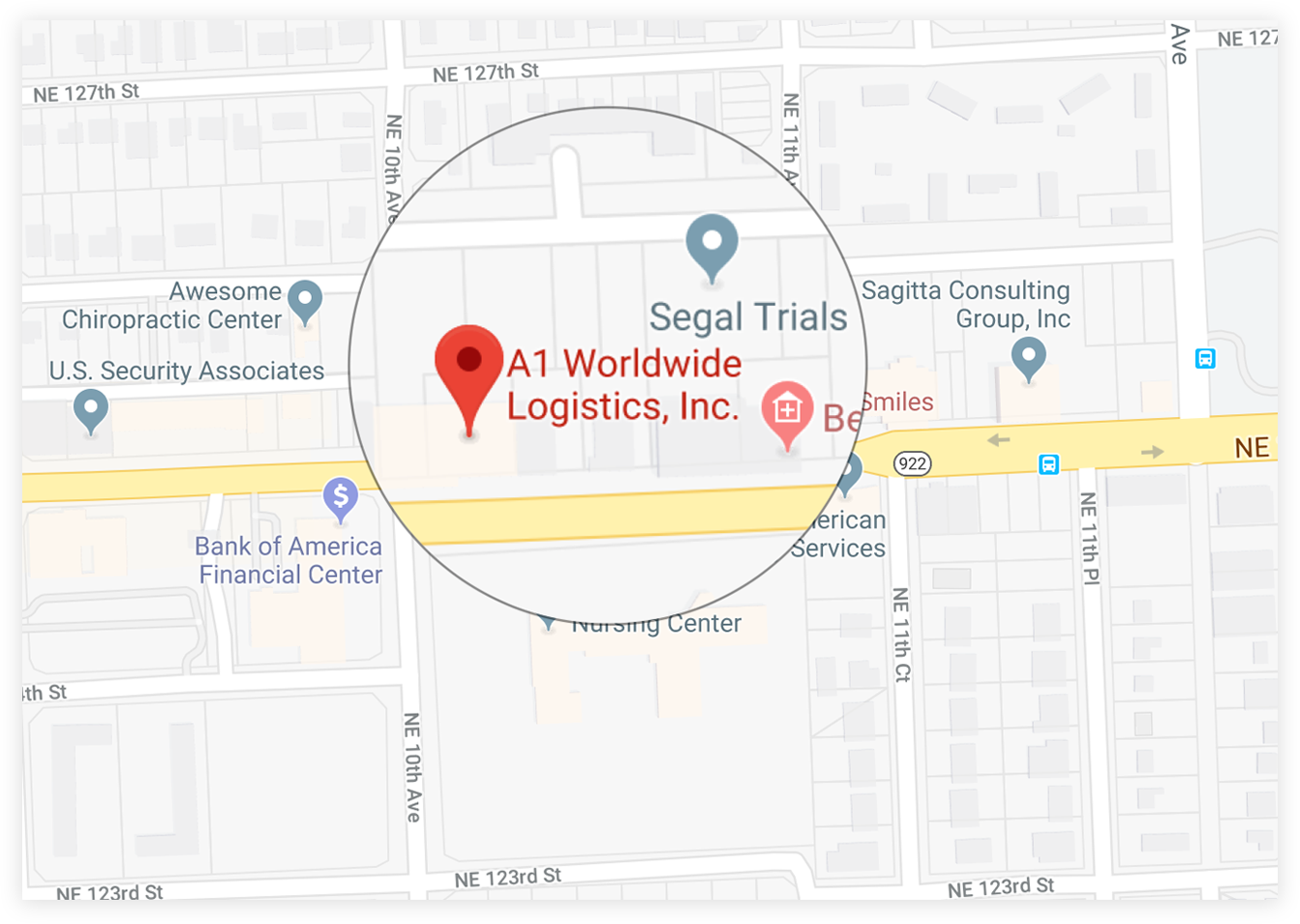
 1035 NE 125th St Suite #320, North Miami, FL 33161.
 a1worldwidelogistics.com
 (305) 821-8995
 Hours: 8AM - 5PM