
by A1 WorldWide Logistics | Jun 29, 2023 | Importing, Shipping Logistics, Supply Chain
U.S. short-sea shipping is one of the trends in cargo movement that has recently surged. Short-sea shipping is a method of cargo movement involving maritime transportation over short distances instead of between continents. An example is using a west coastline to ship from the Port of Seattle to the Port of Long Beach. This can also mean transporting goods to different countries; however, the method involves small inland waterways and coastlines. While shippers did this practice since ancient times, the last few centuries saw a gain in traction in Europe. Today, the EU (European Union) moves nearly 40% of all freight utilizing short-sea shipping.
Benefits from U.S. Short Sea Shipping
Similar to Europe in the past, the U.S. has recently been growing its dependence on short-sea shipping. The shift to waterborne shipping in the U.S. has not been as quick. This is because most of the U.S. is not economically accessible by water compared to Europe. Despite this, shippers have made steps towards short sea shipping. Many advantages have become evident as shippers and carriers have jumped on the trend. The main benefit is that transportation time decreases drastically. The U.S. has nearly 20,000 navigable channels like canals, rivers, and coastal regions that vessels can pass through. Compared to moving goods by truck, shipping through waterways can bypass highway traffic.
This can mean that potential delays become avoided when reaching the final destination. “Sea motorways” in the U.S. have sped up delivery times and may help lower the crowded capacity in trucking. Another advantage of short-sea shipping is the cost savings that can be possible. Moving goods by sea tends to be less expensive than other conveyance methods. This is especially true for moving large volumes of cargo like containers. Fewer CO2 emissions per ton carried also mean that it is an environmentally friendlier alternative compared to inland transportation. With the shipping industry pushing toward an eco-friendlier environment, inland shipping is beneficial in reducing the ecological footprint.
Trade Between the U.S. and Canada Benefit
Canada is known as the U.S.’s largest trade partner, with trade valued at nearly $794 billion in 2022. A recent study analyzed the potential benefit if both countries increased their short-sea shipping capabilities. The analysis examined the cross-border trade relationships between Canada and the U.S. in the Great Lakes. Short-sea shipping in the Great Lakes region can have significant advantages with the volume of freight that passes through. The main advantage is that the amount of shipments made at a time increases drastically. On average, one marine vessel can carry a cargo capacity of over 900 Trucks.
With increased freight in the Great Lakes, carriers can elevate bottlenecks and decrease air pollution. Short-sea shipping may also solve rising fuel costs and delays. While it is a while until short-sea shipping becomes more common in the U.S., shippers still need to move cargo. If you plan on importing or exporting out of the U.S., contact A1 Worldwide Logistics at 305-821-8995 for assistance. Along with transporting your goods by sea, we provide other conveyance methods like land and air to move your shipment.

by A1 WorldWide Logistics | May 4, 2023 | Freight Forwarding, Supply Chain, Transportation
In shipping, words such as NVOCC and Freight Forwarders continuously pop up. For shippers beginning their exporting/importing journey, this could be the first time seeing these terms. While forwarders and NVOCC are commonly mistaken to be the same, they are different services. Knowing how they differ is ideal for choosing the best option to streamline your supply chain. This article will help you understand the difference between the two terminologies and describe the pros and cons of each. For a more in-depth explanation, contact A1 Worldwide Logistics at 305-425-9456. We have freight forwarding services with various means of conveyance for transporting cargo.
What are NVOCCs?
NVOCC, or Non-Vessel Operating Common Carrier, is an ocean carrier that moves cargo without owning a vessel. This is accomplished by paying steamship lines to lease container space, making them the “carrier.” The NVOCC then sells the space to shippers that want to ship their goods. Despite not operating a containership, NVOCC accomplishes all the functions and responsibilities that a regular carrier would. The two parties enter a contract where the NVOCC issues its own HBL (House Bill of Lading). Companies use this transporter type because of the personalized attention to customers compared to larger carriers.
Other functions of NVOCC can include:
- Negotiating contracts and freight rates with steamship lines for the exporter.
- Handling different transport documents that the shipper must give the carrier.
- Consolidation and Deconsolidation services for containers by the use of a third party.
- Transportation services from port to port or to the final destination.
What are Freight Forwarders?
Freight forwarders are supply chain specialists focusing on moving a shipper’s cargo. Forwarders are intermediaries between the cargo’s shipper and the good’s final destination. They are valuable players in logistics because of the number of services they offer. Although freight forwarders usually are not carriers, they coordinate with a network of transporters to move goods. The methods of conveyance can include vessels, planes, trucks, and rail. Since there are many steps in the shipping journey, they assist by taking the process off the shipper’s hands. Specific forwarders also offer customs clearance services for shipments entering a country.
Along with the services mentioned, freight forwarders also:
- Arrange the freight shipment from the origin facility to port-to-port and the final destination.
- Explain the different shipping costs and offer cargo insurance to protect the shipper.
- Provide short-term and long-term warehousing and other storage services.
- Constant updates on the status and location of shipments.
Which is Better?
While NVOCCs and freight forwarders both have their benefits, the answer depends on the shipment being made by the shipper. The most significant distinction is that NVOCCs are only for maritime shipping, while forwarders move cargo differently. If a business moves goods by the ocean, NVOCCs can provide personalized services and help shippers avoid the intermediary fee. This is because they are independent carriers instead of agents. Forwarders benefit from allowing different ways to transport goods. Businesses with international supply chains can take advantage of having their entire freight journey handled. Forwarders also have extra services not provided by NVOCCs, such as warehousing and customs clearance.

by A1 WorldWide Logistics | Nov 6, 2022 | Economic trends, Import and Export Experts
Over the last year, the value of the U.S. dollar has climbed to unprecedented levels. In September 2022, the dollar went to a two-decade high while other currencies reached record lows. Especially in emerging markets where currencies like the Turkish Lira have lost much of their value compared to the dollar. More common coins have also seen a discrepancy, such as a euro, with one euro buying around 0.97 dollars today. The value disparity compares to the same amount of euros buying $1.17 a year ago. The dollar’s strengthening is due to the Federal Reserve’s hike in interest rates.
The hike attempts to repress inflation rates which are also soaring. Recent figures have shown the cost of buying everyday items like food has risen over 10% compared to last year. When interest rates rise, foreign investment becomes more popular, increasing the demand for a currency and its value. While many advantages arise from a strong currency, there may also be disadvantages. A drawback is that U.S. companies may have difficulty selling their goods overseas because it is more expensive. The surge has also had a massive effect on international shipping to and from the U.S.
How is Importing and Exporting from the U.S. Impacted
A strong dollar directly impacts global trade, and the amount of cargo moved into and out of the U.S. As previously mentioned, the increase in interest rates heightened the dollar’s value. When a currency strengthens, the imports into the country of the currency increase. The cargo brought in rises because the cost of importing goods decreases. This is ideal for businesses in the U.S. that buy goods from other countries and ship them over. Another benefit of lowering imported goods’ prices is that it can control domestic inflation. Inflation slows down because every dollar may be able to purchase more goods.
While the dollar’s rising value can increase imports into the U.S., the number of exports can decrease. This is due to the growing cost that an importer from another country must pay for a U.S. good. An example can be a company in India buying several products in the U.S. worth $1000. If the dollar’s value rises to a certain amount, that $1000 will equal fewer products. The number of products may lower even further since the value of other currencies, such as the rupee, is decreasing. On a large scale, this can reduce the number of exports from the U.S., considering the depreciation of other currencies.
With the dollar currently at solid levels, it may be a perfect time for U.S. shippers to import goods. However, the shipping process is complex and may confuse first-time shippers. A third-party logistics company can help because they handle the shipment for the shipper. Contact A1 Worldwide logistics at 305-821-8995 for assistance with shipping your freight. We have freight forwarders for cargo transportation and customs brokers that assist with the clearance of goods entering the U.S. Whether you are importing or exporting to and from the U.S., we find the best quote for moving your shipment.
by A1 WorldWide Logistics | Oct 25, 2022 | Shipping Logistics
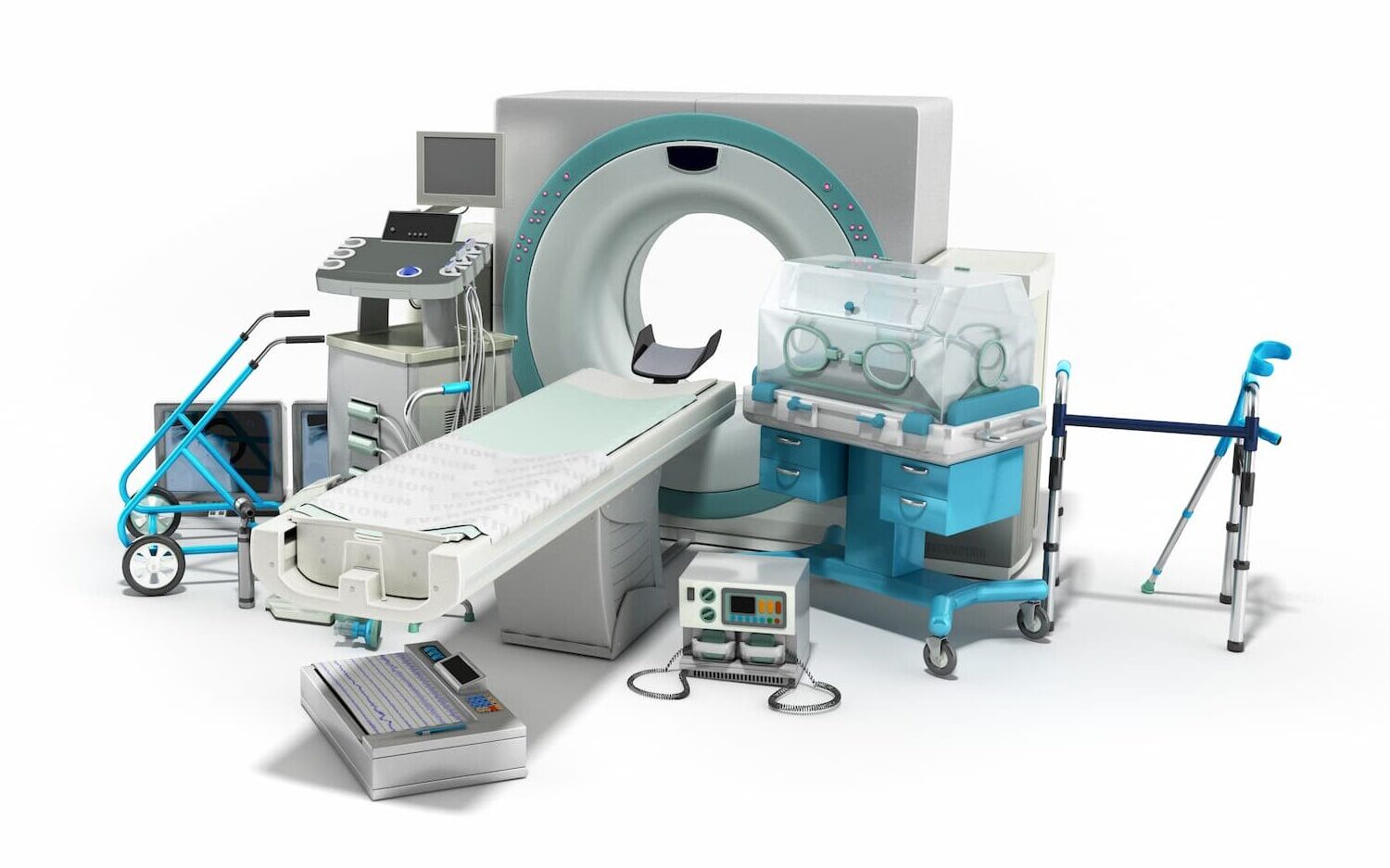
The U.S. is known as one of the world’s leading countries in terms of medical innovation. Medical advances in the last 30 years have increased life expectancy by five years and decreased heart attack fatalities by more than half. There are currently over 1.9 million jobs in the U.S medical industry, of which small businesses are the leading creator. Due to the industry’s size, countries worldwide rely on the U.S. for their exported medical devices. Global reliance on medical equipment is also perfect for small companies planning to grow their business (some of the most widely exported medical devices are X-ray equipment and MRI systems). This article will explain what you will expect and how to prepare for exporting to other countries from the U.S.
Before shipping, it is essential to understand the regulations for transporting medical equipment outside the U.S. For example, any medical device a company wants to export must have prior Food and Drug Administration FDA approval. The FDA regulates the sale and safety of any medical device sold in the U.S. If the FDA has cleared a device, it can be sold and exported anywhere in the world. In the scenario of non-clearance in the U.S, devices must follow export provisions of the FD&C Act.
It is also crucial to know the policies that the country of destination follows. Contact a customs broker for information on the guidelines and required documents. Once meeting the policies, the shipper must find carriers to take the shipment to a port and export it internationally. The means of conveyance that the devices are transported can include planes, vessels, and trucks for countries connected by land. Different countries may also have specific tariffs that shippers must pay for imported medical devices.
The Documents Needed
When exporting, the shipper must have the correct paperwork available to prevent issues in the shipping process. This list is a summary; however, the documents may depend on the type of medical device. For more information, contact a freight forwarder. The documents can include the following:
- Certificate of Exportability 801(e)(1)
- Certificate of Exportability 801
- Non-Clinical Research Use Only Certificate
- Certificate to Foreign Government
- Simple Notifications
- Export Permit Letters
The Center for Devices and Radiological Health (CDRH) issues export certificates at the shipper’s request. The cost to issue a certificate is $175 for the first one and $85 for each successive certificate in the same request. A certificate is limited to 25 pages, and requesting a copy of the same certificate is $175 per 25-page increment. For a detailed explanation, visit the FDA Website. Permit letters and simple notifications do not require a fee to acquire.
The global medical device market is currently an estimated $536 billion industry. Over $159 billion is projected to come from the U.S. by the end of 2022. The exporting of medical equipment is in high demand and can help a business expand in many ways. Due to the requirements and logistics involved in the exportation process, it is ideal to find a customs broker to assist. If you plan on exporting medical devices to any country internationally, contact A1 Worldwide Logistics at 305-821-8995. Our experienced freight forwarders will guide you through the exportation process and provide open communication every step of the way.
by A1 WorldWide Logistics | Jul 20, 2022 | Customs Broker, Freight Forwarding, Import and Export Experts
Clear and Move your Merchandise with A1 Worldwide Logistics. We have a team of experts ready to guide you through the import process.
We can help with:
Custom Clearance – Prepare all the necessary documentation and have your merchandise released.
Freight Forwarding – Move your cargo. We offer air freight, ocean freight, and inland freight.
Warehousing – Warehouse your good if needed.
Call now and get the best rates and the most efficient service. Attention in English and Spanish.
Tel: 305-821-8995 email: info@a1wwl.com // paula@a1wwl.com

 1035 NE 125th St Suite #320, North Miami, FL 33161.
 a1worldwidelogistics.com
 (305) 821-8995
 Hours: 8AM - 5PM