by Rob Simmons | Jul 30, 2021 | Freight Forwarding, Shipping Logistics, Supply Chain, Technology, Transportation
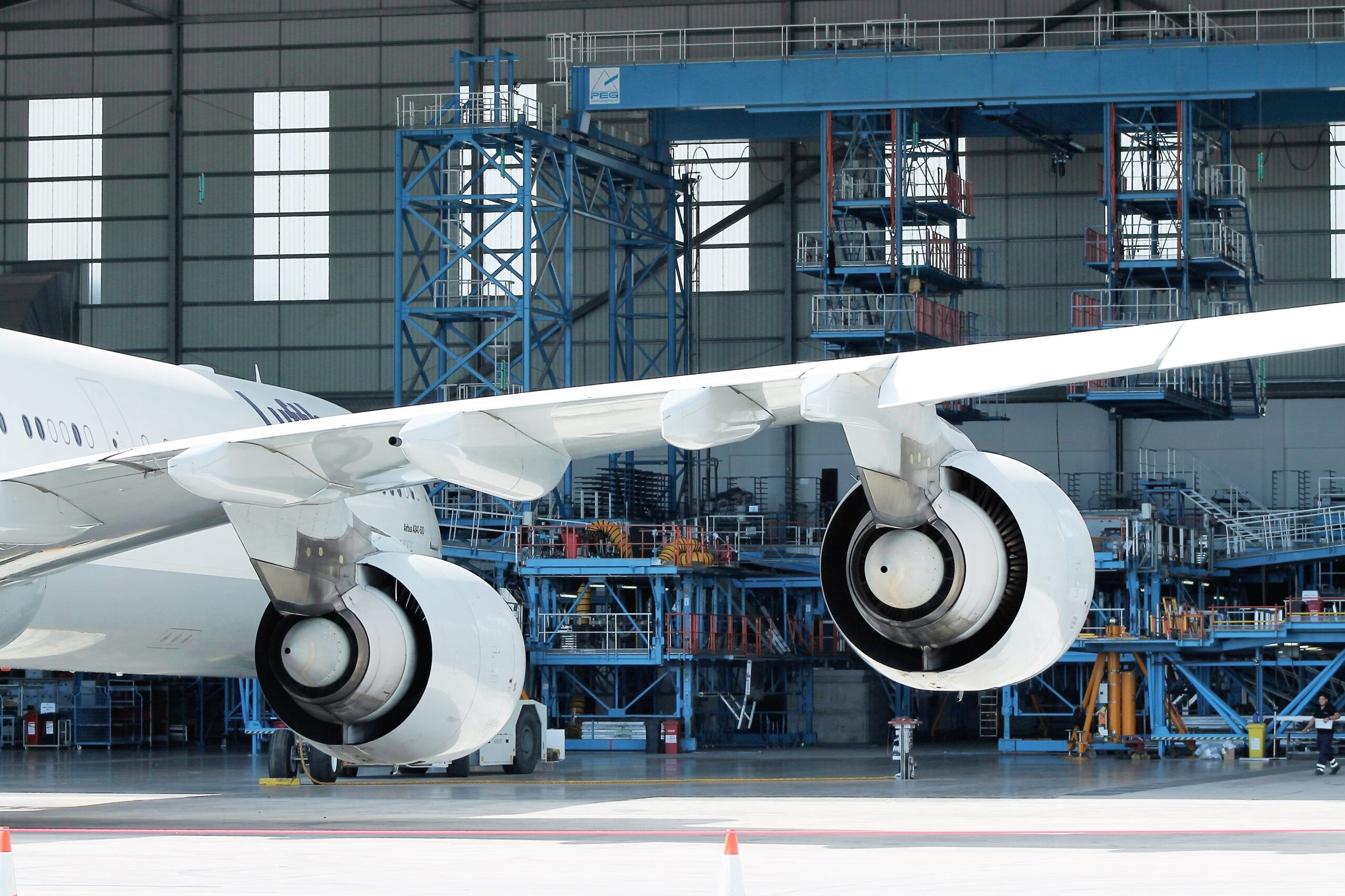
The John F. Kennedy International Airport plans on upgrading its air freight facility to keep up with the current times. This will be done by tearing down two vacant cargo buildings to make room for the new one. With the current volume of freight shipments rising, renovations to the airport facility are being made to handle the load. Aeroterm, a distributor of different services to airports nationwide such as development and capital will be in charge of this project.
The JFK airport is known for being one of the busiest airports in the U.S in terms of freight operations. Despite this, the airport has seen a steady decline in terms of position in the market and freight volume. In 2017, Gov. Andrew Cuomo made the project to modernize the JFK airport public. After a few years of waiting for approval from the stakeholders, the project is finally coming to fruition. The plan is to have this project finished near the end of 2023 with the demolishing of the two vacant freight facilities starting in September 2021.
How Will the new facility be different?
The new facility will have a greater emphasis on more advanced, autonomous technology. This includes an autonomous racking system that moves and stores pallets vertically instead of just on the floor. More storage space is created since upright space is being used along with the ground. Not only will it be better for storing freight, but pharmaceutical friendly as well. The facility will include a temperature-regulated region with the purpose of handling pharmaceuticals.
This facility will also be larger than the two facilities that are planned to be demolished. This means that larger volumes of freight may be more manageable than in the past. With JFK airport already having access to most of the big international airport hubs, the new freight facility may improve the links between other airports. New jobs will arise from the remodeling of the JFK airport’s freight facility, which will help raise the local economy.
The Focus will be on Freight.
The goal behind the whole project is to modernize the airport facility and make it a “world-class airport.” The Aeroterm project is part of a bigger modernization project that will have more than one part. The next part of the project is to open 16 acres of land to create another freight facility for JFK airport. This facility is planned to manage an extra 200,000 tons of freight. A new area for truck pickups and docking will also be added, which may help ease airport traffic. However, like the first part of the project, it could be a while before the second part can begin because of approval from stakeholders and other circumstances.
A1 Worldwide Logistics
Plan on shipping or moving freight internationally and need help with the logistics? Contact us at 305-821-8995. Not only do we have freight forwarders to assist with finding a carrier to ship and deliver your freight, but we have customs brokers to make your import abides by customs regulations.
by Rob Simmons | Jul 26, 2021 | Freight Forwarding, Import and Export Experts, Shipping Logistics
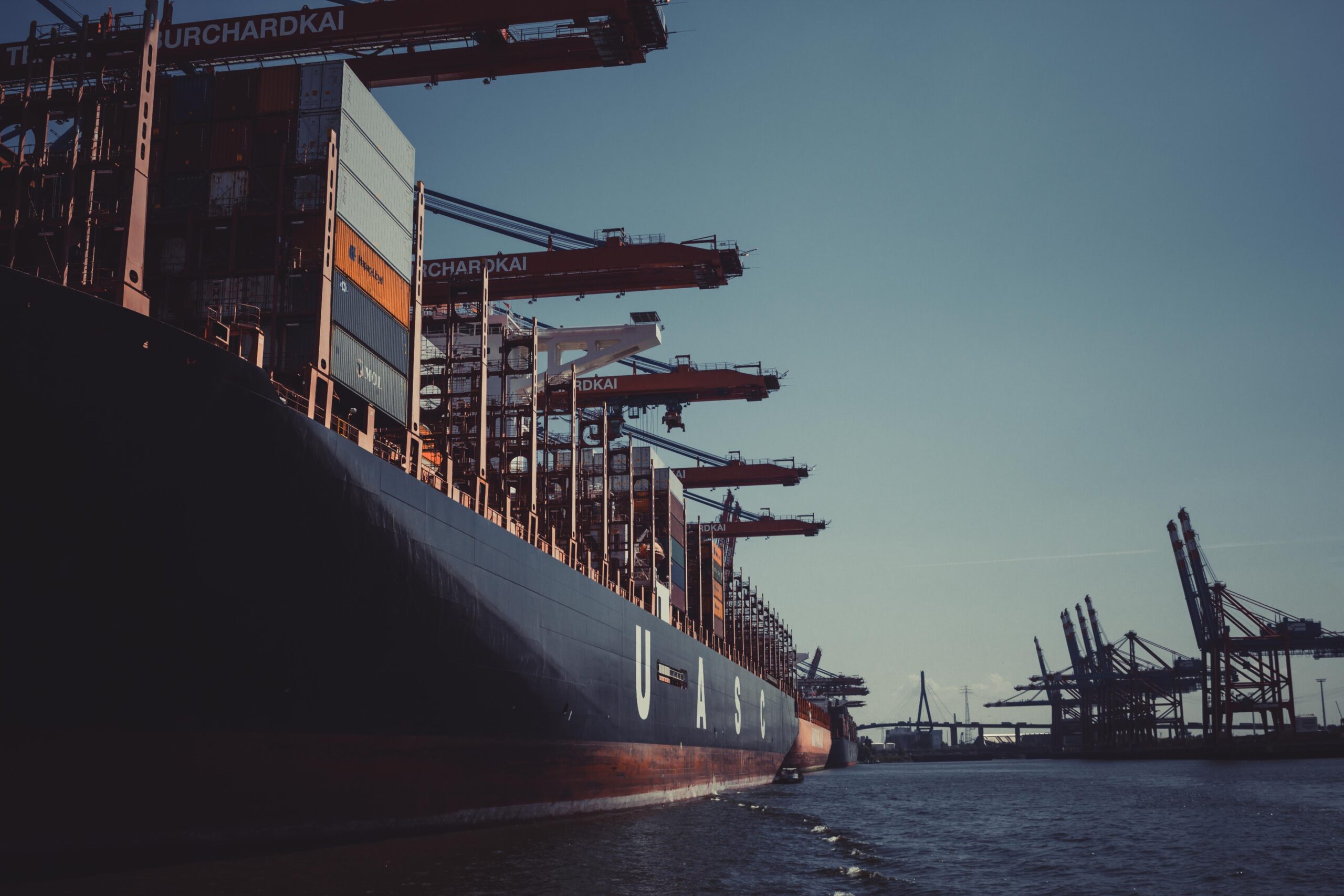
Over the last year, the freight shipping industry has seen various of unfavorable circumstances like rising spot rates and port delays. Other Events, such as a global pandemic and the Ever Given being stuck in the Suez Canal caused difficulties in the shipping industry as well. The Yantian Port, which is part of one of the busiest ports in the world (Shenzhen) has also seen a fair amount of issues.
From delays, congestion, not enough equipment, and port delays, each problem corresponds with another. This is not only limited to the Yantian port but seaports around the world as well. The peak shipping season is said to be between the middle of August the mid-October. As these months quickly approach, there is a concern as to the effect these months will have on the current backlog. Companies that normally rely on shipping have even started using air transport as a method to get their freight across.
What is Causing the Yantian Port Delays?
There are many different factors contributing to the Yantian port situation such as container shortages and a reduced amount of vessels. However, the issues link to a sudden outbreak of coronavirus cases. The number of positive coronavirus cases has recently been growing in Shenzhen China where the Yantian port is located. In late May, the rising coronavirus cases resulted in a 5-day pause for incoming shipments. This added to the already prominent congestion and supply chain disruptions.
The Effects on the Spot Rates
In shipping, a spot rate is a price that is paid to transfer freight to a certain destination. There are many different factors that determine the rate but the higher the rate, the more it will cost to move freight. Over the last few months, spot rates worldwide including the trans-Pacific region have risen to record heights. A potential cause of this may be a large number of delays in the current market.
When a container ship is delayed it means that the vessel is unavailable for usage to ship freight. When the current number of ships goes down, the demand for a ship goes up, and with it, the spot rate. Also, the decrease in available ships leads to a decrease in available containers, hiking the price of a single container.
How Long will this Persist?
The current situation has had an impact on not only the freight forwarding industry but on supply chains globally. The Yantian port connects importers and exporters from China to the rest of the world. Some shippers have even resorted to offering extra on their contracts for containers space to get their goods out on time. With the holiday season quickly approaching, the delays may persist until next year. At the end of the day, only time will tell how long this continues.
If you want to know more about the shipping industry or plan on moving freight and want to be prepared, contact us at 305-821-8995. We at A1 Worldwide logistics are dedicated to helping you navigate the shipping world.

by Rob Simmons | May 21, 2021 | Freight Forwarding, Technology, Transportation
On March 3, 2021 freight delivery franchise FedEx revealed its plan to go completely carbon neutral by 2040. This is part of a global trend where companies that produce carbon dioxide and other greenhouse gasses are becoming greener. With FedEx being such an immense company with a far reach globally, reducing its carbon emissions will have a major effect on the environment.
What is carbon neutrality?
Carbon dioxide is a natural gas that is found in the atmosphere. It is not harmful in small quantities itself but when in a large concentration may cause precarious effects such as global warming by trapping the sun’s energy in the earth’s atmosphere. Companies like FedEx that deliver freight tend to have a large fleet of vehicles that release carbon in the air. Carbon neutrality means reducing the amount of carbon that we emit into the atmosphere. This is basically having a net quantity of carbon emitted that is eliminated.
How will this be done?
$2 billion was announced as the initial investment for this project and it will take multiple steps to accomplish. By 2025 FedEx intends to have 50% of its express pickup vehicles to be fully electric and 100% fully electric by 2030. FedEx also announced that it plans on investing $100 million at Yale University to create the Yale Center for Natural Carbon Capture in hopes of finding methods to remove and reserve excess carbon dioxide.
What may be more difficult is reducing the carbon emissions from the air fleet. Compared to land vehicles that can be replaced with electric vehicles and be carbon neutral, it is much more complex to be accomplished with air vehicles. However, FedEx’s Fuel Sense initiative has cut over 1 billion gallons of jet fuel lowering the carbon emissions that FedEx’s jets discharged since 2012.
Why is it important for the future?
FedEx is one of the many freight and logistics companies making the switch to non-carbon emitting vehicles. Companies such as Lyft and Uber have similarly planned on going fully carbon-neutral in a few decades or earlier. In a time period of expanding e-commerce where goods that are ordered online are delivered straight to your home or facility, it may be especially crucial to reduce carbon emissions. The reason being is because delivery companies are becoming increasingly popular, which means more vehicles on the road. This may not be a simple task but the potential reward to our planet is valuable.

by Rob Simmons | May 14, 2021 | Customs Broker, Customs Broker Miami, Customs Clearance, Freight Forwarding, Technology
Since its start in the early 1800s freight forwarding has developed into a whole industry. As logistics and technology have evolved over the years, so has freight forwarding. Innovations in forwarding have led to goods being moved around further distances faster. Supply chains also grew to be more well-built and resilient. Recently, a common trend that we may be seeing more of is freight forwarding companies becoming more digitalized. These digitalized forwarding companies have also seen increasing collaborations with TMS providers to enhance their capabilities.
The Benefits of more Digitalized Forwarding
The process of freight forwarding is intricate with many different components involved. If one thing goes wrong, it may harm the whole process. For example, If the paperwork is incorrect at the start, the freight may not be allowed to reach the final destination. Digitalized forwarding allows simple mistakes to be avoided. When the paperwork is transferred into a system, errors can be checked for much easier and in a timely manner. Also, the documents can be re-examined conveniently since they up uploaded and viewable at any time.
Another important benefit is that the tracking of the freight is much more possible. This is because real-time tracing allows for constant updates of your shipment. The date that the freight will reach its final destination may also be predicted much easier. The quotation process may also become more accurate. Although it may be costly to transition into a more digitalized system the benefits can outweigh the costs. One way many companies are doing this is by adopting a TMS platform.
What is a TMS?
A transportation management system (TMS) is software that provides a clear view of the operations of the freight shipping process. This is by having digital access to information such as the coordination and movement of freight. It also assists with planning and record-keeping of the freight. When a freight forwarding company partners with a TMS like Descartes or BluJay, the supply chain processes become more efficient. Over the next few years, a large number of freight forwarding companies could transition into becoming paperless and using TMS software.
A1Worldwide Logistics
if you are looking for a freight forwarder to move your goods internationally, were here to help. We organize the transport of freight by various ways such as ocean and air. We also assist with drayage services. If you are looking for a free quote, call us at 305-821-8995 or email us at info@a1wwl.com.

by Rob Simmons | May 10, 2021 | Freight Forwarding, Supply Chain, Transportation
Last year there were reports of a global freight container shortage. This shortage has continued on to this year. The demand for containers greatly outnumbers the number of containers available. With the current state, the shortage may continue until the end of 2021 and even into 2022.
When did this Shortage Begin?
The start of this shortage was believed to happen in mid to early 2020 during the coronavirus lockdowns. With the pandemic establishing quarantine worldwide, people resorted online to purchase their goods. Freight that is purchased online tends to be imported internationally. In 2020, Ports in the U.S. saw an overwhelming number of ships carrying freight arrive at their terminals. This large volume led to congestion across the nation, and we may be still seeing the side effects today.
Why is the Shortage Persisting?
There are many reports as to why there may be a lack of freight containers. One explanation previously mentioned is that a large number of ports have not recovered from the blockage. The number of new containers being sold has also remained sluggish. This may be because the cost of a container has risen greatly in a year. In 2020 the cost of a new container was around $1800. In a year, the cost rose to $3500. Combine the increasing price with the lack of inventory and it creates an unfavorable situation.
Another reason could be the Suarez Canal blockage. This added to the situation because of the large number of ships that were blocked. Over 350 ships carrying thousands of containers were delayed. The Ever Given itself can hold over 20,000 containers of freight. The blockage also led to ships taking the longer route through the Cape of Good Hope, resulting in long delays. Also, Chinese ships that were planning to go through the Suarez Canal are turning around at such a rapid rate that they are dropping empty containers behind. Adding to the scarcity.
Is There an End
As everything recovers from the hectic year of 2020, there may be light at the end of the tunnel sooner than later. The manufacture of freight containers has gone up in 2021 compared to last year. Although this production is still not enough to overcome the current shortage, it may be a sign of things to come. As the economy steadily returns to pre-coronavirus, more freight may start to be shipped globally. This could result in the need for more containers and more production, along with the end of the shortage.
A1WWL
If you are looking to import or export freight internationally and need a quote, call us at 305-821-8995 or email us at info@a1wwl.com. We provide hands-on service with your freight all the way to its final destination.

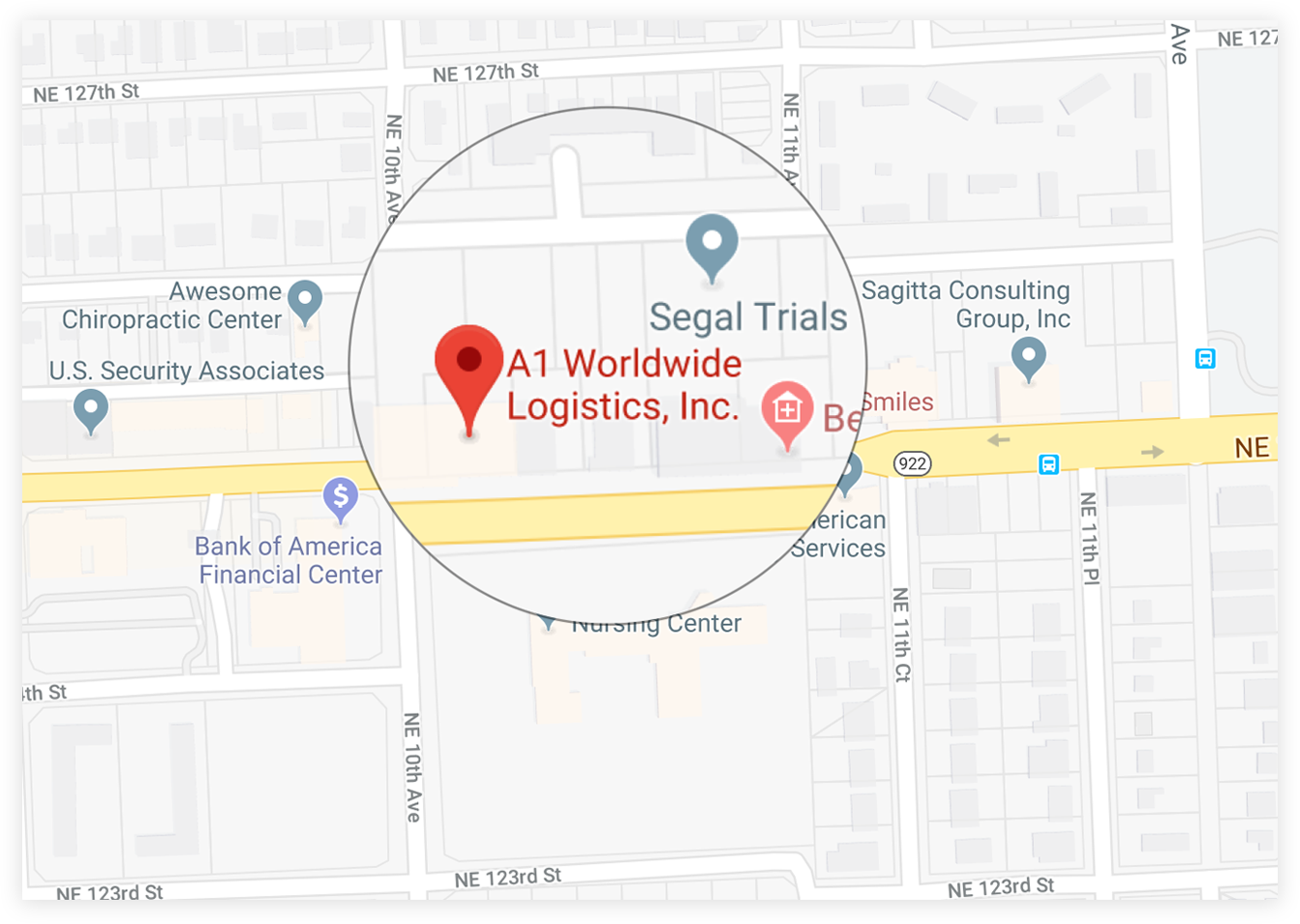
 1035 NE 125th St Suite #320, North Miami, FL 33161.
 a1worldwidelogistics.com
 (305) 821-8995
 Hours: 8AM - 5PM