
by A1 WorldWide Logistics | Apr 15, 2025 | Customs Clearance, Freight Forwarding, Importing
Siendo la industria de los artículos electrónicos una importación popular en los Estados Unidos, optimizar la logística para las importaciones de electrónicos puede ser una excelente oportunidad para los agentes de carga. En 2023, EE. UU. importó aproximadamente $463.36 mil millones en bienes eléctricos y electrónicos. Dada la alta demanda de este tipo de productos, puede resultar atractivo para los importadores. Sin embargo, hay muchos pasos que un transportista debe tener en cuenta. No prepararse correctamente puede generar interrupciones, lo que resulta en retrasos y pérdidas monetarias. Comprender la logística de envío es especialmente crucial para las empresas que envían grandes volúmenes de electrónicos anualmente. Este artículo explicará qué esperar al importar electrónicos y cómo mejorar el proceso de importación.
¿Qué debe saber antes de importar artículos electrónicos a los EE. UU.?
Antes de importar electrónicos, es esencial comprender que existen diversas leyes y regulaciones. Organizaciones como la Oficina de Aduanas y Protección Fronteriza (CBP) y la Declaración Federal de Conformidad (FCC) determinan los requisitos para la importación. La Administración de Alimentos y Medicamentos (FDA) regula todos los dispositivos emisores de radiación que utilizan los humanos. Cada organización puede tener sus propios requisitos para la importación. Por ejemplo, la CBP exige documentación específica para los bienes que ingresan a los Estados Unidos. Estos documentos incluyen una factura comercial, una tarifa aduanera, un conocimiento de embarque, etc. También es esencial tener en cuenta que las regulaciones pueden depender del tipo de electrónico. “Electrónicos” es un término amplio que incluye productos de consumo, equipos médicos, tecnología digital, etc.
Clasificar el tipo de electrónico es necesario para determinar el código HTS del producto. El código HTS (Lista Arancelaria Armonizada) es un número de 10 dígitos que define los aranceles que el importador debe pagar. Clasificar incorrectamente los bienes puede resultar en sanciones por incumplimiento, retrasos y confiscación del producto. Comprender el tipo de electrónicos también es vital para conocer el proceso de registro. Antes de comenzar la importación de dispositivos médicos, el transportista debe registrarse en la FDA. La FDA también exige la inclusión del dispositivo junto con la notificación y aprobación previas a la comercialización. De manera similar, la importación de productos como televisores, radios o teléfonos requiere el registro ante la FCC mediante una Declaración de Conformidad o certificación.
¿Cómo puede optimizar la logística para las importaciones de electrónicos?
Una vez que esté listo para enviar sus electrónicos, optimizar la logística para la importación puede ser ventajoso para su cadena de suministro. Existen varias formas de optimizar, como elegir el método de transporte adecuado. Si el transportista desea mover sus productos rápidamente, el envío aéreo podría ser ideal. Del mismo modo, el transporte marítimo sería adecuado si el transportista desea mover grandes cantidades a una tarifa más baja. Los remitentes pueden hablar con un transitario o un agente de aduanas para completar la documentación y cumplir con las regulaciones. Un agente de carga coordina el movimiento del envío, mientras que un agente garantiza el cumplimiento de la CBP.
Para las cadenas de suministro regulares, la logística para la importación de electrónicos continúa después de que llegan a los EE. UU. Los importadores suelen buscar almacenes para almacenar su carga, y los almacenes aduaneros son una opción ideal. Un almacén aduanero es una instalación donde los importadores pueden almacenar mercancías hasta por 5 años sin pagar aranceles. Esto permite al importador ahorrar dinero y encontrar clientes antes de tener que pagar impuestos por el envío. A1 Worldwide Logistics tiene un almacén aduanero y numerosas otras soluciones de optimización. Contáctenos en info@a1wwl.com o al 305-425-9456 para obtener más información sobre nuestras soluciones de almacenamiento aduanero. También contamos con agentes de carga y agentes de aduanas para garantizar el éxito de su envío.

by A1 WorldWide Logistics | Nov 14, 2024 | Shipping Logistics, Supply Chain, Transportation
With electronics being a popular U.S. import, optimizing logistics for electronics imports can be an excellent opportunity for shippers. In 2023, the U.S. brought approximately $463.36 billion in electrical and electronic goods. Since there is such a high demand for these types of goods, it may be attractive to importers. However, there are many steps that a shipper should be aware of. Failure to prepare correctly can lead to disruptions, which result in delays and monetary loss. Understanding shipping logistics is especially crucial for businesses that ship large volumes of electronics yearly. This article will explain what to expect when bringing in electronics and how to improve the importation process.
What Should You Know Before Importing Electronics Into The U.S.?
Before importing electronics, it is essential to understand that there are various laws and regulations. Organizations such as the Customs and Border Protection (CBP) and the Federal Declaration of Conformity (FCC) determine the requirements for importation. The Food and Drug Administration (FDA) regulates all radiation-emitting devices humans use. Each organization can have its requirements for importation. For example, the CBP requires specific paperwork for goods entering the U.S. These documents include a commercial invoice, customs bond, bill of lading, etc. It is also essential to note the regulations can depend on the type of electronic. Electronics is a broad term that includes consumer products, medical equipment, digital technology, etc.
Classifying the type of electronic is necessary to determine the product’s HTS code. The HTS (Harmonized Tariff Schedule) code is a 10-digit number that defines the duties that the importer has to pay. Classifying the goods incorrectly can result in non-compliance penalties, delays, and product seizure. Understanding the type of electronics is also vital for knowing the registration process. Before beginning the importation of medical devices, the shipper must register with the FDA. The FDA also requires listing the device along with the premarket notification and approval. Similarly, importing products like televisions, radios, or telephones requires registration with the FCC by a Declaration of Conformity or certification.
How Can You Optimize Logistics For Electronics Imports?
Once you are ready to ship your electronics, optimizing logistics for importation can be advantageous for your supply chain. There are various ways to optimize, such as choosing the appropriate conveyance method. If the shipper wants to move their products quickly, shipping by air could be ideal. Likewise, sea transport would be suitable if the shipper wants to move large quantities at a lower rate. Shippers can talk to a freight forwarder or customs broker to complete paperwork and comply with regulations. A forwarder coordinates the shipment’s movement while a broker ensures compliance with the CBP.
For regular supply chains, the logistics for importing electronics continue after they reach the U.S. Importers typically look for warehousing to store their cargo, and customs-bonded warehouses are an ideal choice. A bonded warehouse is a facility where importers can store freight for up to 5 years without payment of duties. This allows the importer to save money and find customers before they must pay taxes for the shipment. A1 Worldwide Logistics has a bonded warehouse and numerous other optimization solutions. Reach us at info@a1wwl.com or 305-425-9513 to learn more about our custom bonded warehousing solutions. We also have freight forwarders and customs brokers to ensure your shipment’s success.

by A1 WorldWide Logistics | Nov 12, 2024 | Customs Broker, Customs Clearance, Importing
Si bien es una excelente oportunidad para los exportadores, hay varias consideraciones que debes entender antes de importar té a Estados Unidos. El té es una de las bebidas más consumidas en este país, y más de 159 millones de estadounidenses lo beben a diario. Casi el 80% de los hogares estadounidenses tienen productos de té. A pesar de que es algo común, traer té a Estados Unidos implica muchas regulaciones y pasos que los importadores deben conocer. No cumplir con estas pautas puede resultar en que la aduana retenga tus mercancías o que pierdas la carga. Este artículo explicará lo que debes tener en cuenta de antemano y qué esperar durante el proceso de importación.
¿Qué debes saber antes de importar té a Estados Unidos?
Antes de decidir importar té a los Estados Unidos, es esencial entender las regulaciones involucradas. La Administración de Alimentos y Medicamentos (FDA, por sus siglas en inglés) es la agencia federal principal que regula la importación de té. Al importar, la FDA establece normas específicas de seguridad alimentaria que debes seguir antes de traer el té al país. Según la FDA, todas las instalaciones que manejan alimentos deben registrarse y proporcionar un aviso previo al departamento antes de importar té. La Ley de Modernización de la Seguridad Alimentaria (FSMA, por sus siglas en inglés) establece además que las instalaciones que fabrican procesan o empaquetan alimentos como el té deben enviar información adicional y permitir que la FDA inspeccione las instalaciones registradas. Las instalaciones productoras de té deben renovar su registro ante la FDA cada dos años.
Además de presentar un aviso a la FDA antes de la importación, el té debe tener el etiquetado adecuado antes de ser importado. La Ley de Etiquetado Nutricional y Educación (NLEA, por sus siglas en inglés) establece qué información debe contener la etiqueta del paquete según la FDA. Algunos de los datos incluyen el nombre del té, la cantidad, la información nutricional, la declaración de ingredientes, la declaración de alérgenos, etc. Para ayudar a la FDA a determinar si tu producto cumple con los requisitos, los exportadores pueden proporcionar los Códigos de Afirmación de Cumplimiento (A of C). Aunque no son necesarios para la importación, proporcionar estos códigos puede acelerar el proceso de inspección.
Documentos requeridos para la importación
Para toda carga que llegue a los EE. UU., el exportador debe proporcionar la documentación necesaria a la Oficina de Aduanas y Protección Fronteriza (CBP, por sus siglas en inglés). No presentar la documentación correctamente puede generar retrasos y sanciones financieras para el importador. Algunos de los documentos que la CBP requiere para la importación incluyen:
- Conocimiento de Embarque (Bill of Lading)
- Factura Comercial
- Lista de Empaque
- Certificado de Origen
Los envíos que lleguen a los EE. UU. por vía marítima también deben presentar una Declaración de Seguridad de Importación (ISF, por sus siglas en inglés). La ISF explica el contenido de la carga, quién la está importando, el producto, y más. Además de tener la documentación correcta, el exportador debe contar con el código HTS adecuado. Un código de la Tarifa Armonizada (HTS) determina la tasa de arancel correspondiente para la carga. El té tiene códigos específicos dependiendo del paquete, tipo, origen y uso previsto. Puedes encontrar el código HTS correcto utilizando una herramienta de búsqueda en línea o consultando con un corredor de aduanas.
¿Cómo empezar?
Una vez que el té llegue a Estados Unidos, también puede ser importante organizar el transporte y almacenamiento dentro del país. Todos los requisitos para importar té a los EE. UU., pueden ser un desafío para los importadores inexpertos. Una manera ideal de comenzar es utilizando la ayuda de un agente aduanal. Un agente aduanal es una empresa o individuo que gestiona el despacho de mercancías que ingresan a un país en nombre de un importador. Lo hacen asegurándose de que el envío cumpla con las regulaciones, preparando la documentación, calculando los aranceles, etc. Ponte en contacto con A1 Worldwide Logistics al 305-425-9456 o por correo electrónico a info@a1wwl.com para hablar con un corredor de aduanas sobre la importación.

by A1 WorldWide Logistics | Nov 7, 2024 | Importing, Shipping Logistics, Transportation
While it is an excellent opportunity for shippers, there are numerous considerations to understand before importing tea into the U.S. Tea is one of the most commonly consumed beverages in the U.S., and over 159 million Americans drink it daily. Nearly 80% of all American households have tea products. While typical, bringing tea to the U.S. has many regulations and steps importers should know. Failure to comply with these guidelines can result in customs holding your goods and cargo loss. This article will explain what to be aware of beforehand and what to expect during the importation process.
What Should You Know Before Importing Tea Into The U.S.
Before deciding to import tea into the U.S., it is essential to understand the regulations involved. The Food and Drug Administration (FDA) is the primary federal agency that regulates tea importation. When importing, it gives specific food safety standards you must follow before bringing it to the U.S. According to the FDA, all food facilities must register and provide advanced notice to the department before importing tea. The Food Safety Modernization Act (FSMA) further states that facilities that manufacture, process, or pack foods like tea must submit additional information and allow the FDA to inspect registered facilities. Tea-producing facilities must renew registration with the FDA every other year.
Along with filing a notice to the FDA before importation, tea must have proper labeling before importing. The Nutrition Labeling and Education Act (NLEA) provides information on what the FDA package label should contain. Some of the info includes the tea name, quantity, nutrition facts, ingredient statement, allergen declaration, etc. To assist the FDA in determining if your tea abides by requirements, shippers can provide Affirmation of Compliance Codes. While not necessary for importation, providing A of C codes can help quicken the screening process.
Documents Required For Importation
For all cargo coming into the U.S., a shipper must provide necessary documentation to the Customs and Border Protection (CBP). Not filing the paperwork correctly can lead to delays and financial penalties for the importer. Some of the documents that the CBP requires for importation include:
- Bill of Lading
- Commercial Invoice
- Packing List
- Certificate of Origin
Shipments arriving in the U.S. by ocean must also submit an Import Security Filing (ISF). The ISF explains the content of the cargo, who is importing it, the product, and more. Along with having the proper documentation, the shipper must have the correct HTS Code. A Harmonized Tariff Schedule (HTS) code determines the appropriate duty rate for the cargo. Tea has specific codes depending on the package, type, origin, and intended use. You can find the proper HTS code using an online lookup tool or speaking to a customs broker.
How To Start?
Once the tea arrives in the U.S., it may also be vital to arrange domestic shipping and warehousing. With all the requirements to bring tea into the U.S., it can be challenging for inexperienced importers. An ideal way to begin is by using the assistance of a customs broker. A broker is a company or individual that clears goods that enter a country on behalf of an importer. They do this by ensuring the shipment complies with regulations, preparing documentation, calculating duties, etc. Reach A1 Worldwide Logistics at 305-425-9456 or info@a1wwl.com to speak to a customs broker regarding importation.
by A1 WorldWide Logistics | Oct 10, 2024 | Customs Broker, Importing, Supply Chain
Recent noncompliance has the CBP enforcing cargo descriptions more strictly. The CBP (U.S. Customs Borders and Protection) is an agency in charge of facilitating lawful international trade in the U.S. One of its responsibilities is managing the flow of goods coming in and out of U.S. borders. Recently, the CBP has become more stringent in how shippers describe the merchandise they are importing. On April 1st, CBP announced implementing cargo messages for vague, noncompliant cargo descriptions for entry filings.
In particular, the CBP notes in the message, “Carriers and other parties electing to file electronic cargo information data to CBP are required to provide a precise description of the cargo.” More recently, the CBP released a list of acceptable and unacceptable import cargo descriptions. The list is on the CBP webpage and will continue to expand as they add more descriptions.
Why is the CHB Enforcing Cargo Descriptions?
The CBP has become stricter on cargo descriptions to ensure precision when describing the cargo. This helps identify the cargo’s physical characteristics like shape, size, and packaging. Proper descriptions ensure compliance with CBP regulations and create a smoother customs clearance process. It also helps find the freight’s correct HTS (harmonized Tariff Schedule) code. The HTS code is a 10-digit number that identifies and classifies goods that importers bring into the U.S. Customs use it to determine the duties and fees associated with the import. Correct descriptions also prevent illegal goods from entering the U.S.
Consequences Of Not Having The Correct Cargo Description
Due to the CBP’s strict nature of monitoring imports and exports, incorrect cargo descriptions have various consequences. Unacceptable or “vague” cargo descriptions can result in the CBP rejecting the submission and pausing shipment movement. If customs hold the shipment, it can result in delays in the supply chain. Delays may look unfavorable for importers that have customers expecting a product. Other consequences include fines, cargo seizures, and, in some cases, criminal penalties.
Unacceptable VS Unacceptable Descriptions
Some of the examples of acceptable vs unacceptable descriptions that the CBP mentions in the list include:
- Just brand names themselves are unacceptable. An example of an acceptable description is “Bubbles Brand” Laundry detergent.
- The word “Appliances” by itself is unacceptable. Describing the appliances like stoves, ovens, or coffee machines is acceptable.
- “Auto Parts” is an unacceptable description. The importer must describe the actual part, such as Automotive Brakes or Automotive Windshield Wipers.
- “Electronic Goods” is an unacceptable description. The importer must specify the goods, for example, Computers, Telephones, Televisions, Video Game Consoles, etc.
- The word “Metal” by itself is an unacceptable description. The importer must describe the metal more specifically. For example, Plates (of metal), Pipes (of metal), Sheets (of metal), and Expanded metal are acceptable descriptions.
To see the complete list, visit the webpage here: https://www.cbp.gov/trade/basic-import-export/e-commerce/examples-unacceptable-vs-acceptable-cargo-descriptions.
While the list explains how to describe imports, specific descriptions may confuse shippers. Contact a customs broker for a clear idea of what to expect when bringing goods into the U.S. Brokers handle the importation process for the shipper while educating them along the way. They offer solutions like preparing documentation, processing payments, and ensuring importers comply with regulations. For assistance clearing your goods through customs, please contact our customs brokers at 305-425-9513 or info@a1wwl.com.

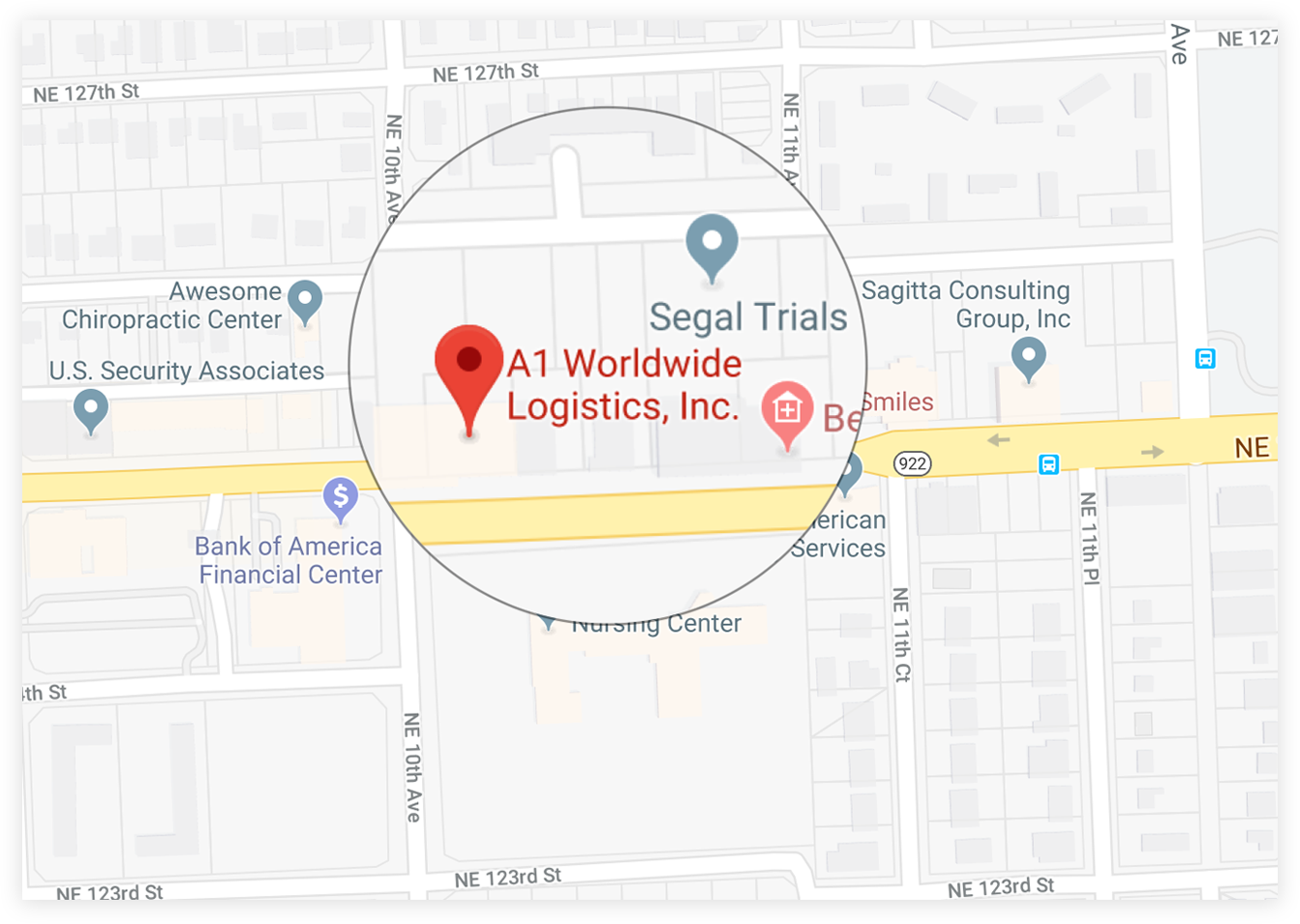
 1035 NE 125th St Suite #320, North Miami, FL 33161.
 a1worldwidelogistics.com
 (305) 821-8995
 Hours: 8AM - 5PM