
by A1 WorldWide Logistics | May 4, 2023 | Freight Forwarding, Supply Chain, Transportation
In shipping, words such as NVOCC and Freight Forwarders continuously pop up. For shippers beginning their exporting/importing journey, this could be the first time seeing these terms. While forwarders and NVOCC are commonly mistaken to be the same, they are different services. Knowing how they differ is ideal for choosing the best option to streamline your supply chain. This article will help you understand the difference between the two terminologies and describe the pros and cons of each. For a more in-depth explanation, contact A1 Worldwide Logistics at 305-425-9456. We have freight forwarding services with various means of conveyance for transporting cargo.
What are NVOCCs?
NVOCC, or Non-Vessel Operating Common Carrier, is an ocean carrier that moves cargo without owning a vessel. This is accomplished by paying steamship lines to lease container space, making them the “carrier.” The NVOCC then sells the space to shippers that want to ship their goods. Despite not operating a containership, NVOCC accomplishes all the functions and responsibilities that a regular carrier would. The two parties enter a contract where the NVOCC issues its own HBL (House Bill of Lading). Companies use this transporter type because of the personalized attention to customers compared to larger carriers.
Other functions of NVOCC can include:
- Negotiating contracts and freight rates with steamship lines for the exporter.
- Handling different transport documents that the shipper must give the carrier.
- Consolidation and Deconsolidation services for containers by the use of a third party.
- Transportation services from port to port or to the final destination.
What are Freight Forwarders?
Freight forwarders are supply chain specialists focusing on moving a shipper’s cargo. Forwarders are intermediaries between the cargo’s shipper and the good’s final destination. They are valuable players in logistics because of the number of services they offer. Although freight forwarders usually are not carriers, they coordinate with a network of transporters to move goods. The methods of conveyance can include vessels, planes, trucks, and rail. Since there are many steps in the shipping journey, they assist by taking the process off the shipper’s hands. Specific forwarders also offer customs clearance services for shipments entering a country.
Along with the services mentioned, freight forwarders also:
- Arrange the freight shipment from the origin facility to port-to-port and the final destination.
- Explain the different shipping costs and offer cargo insurance to protect the shipper.
- Provide short-term and long-term warehousing and other storage services.
- Constant updates on the status and location of shipments.
Which is Better?
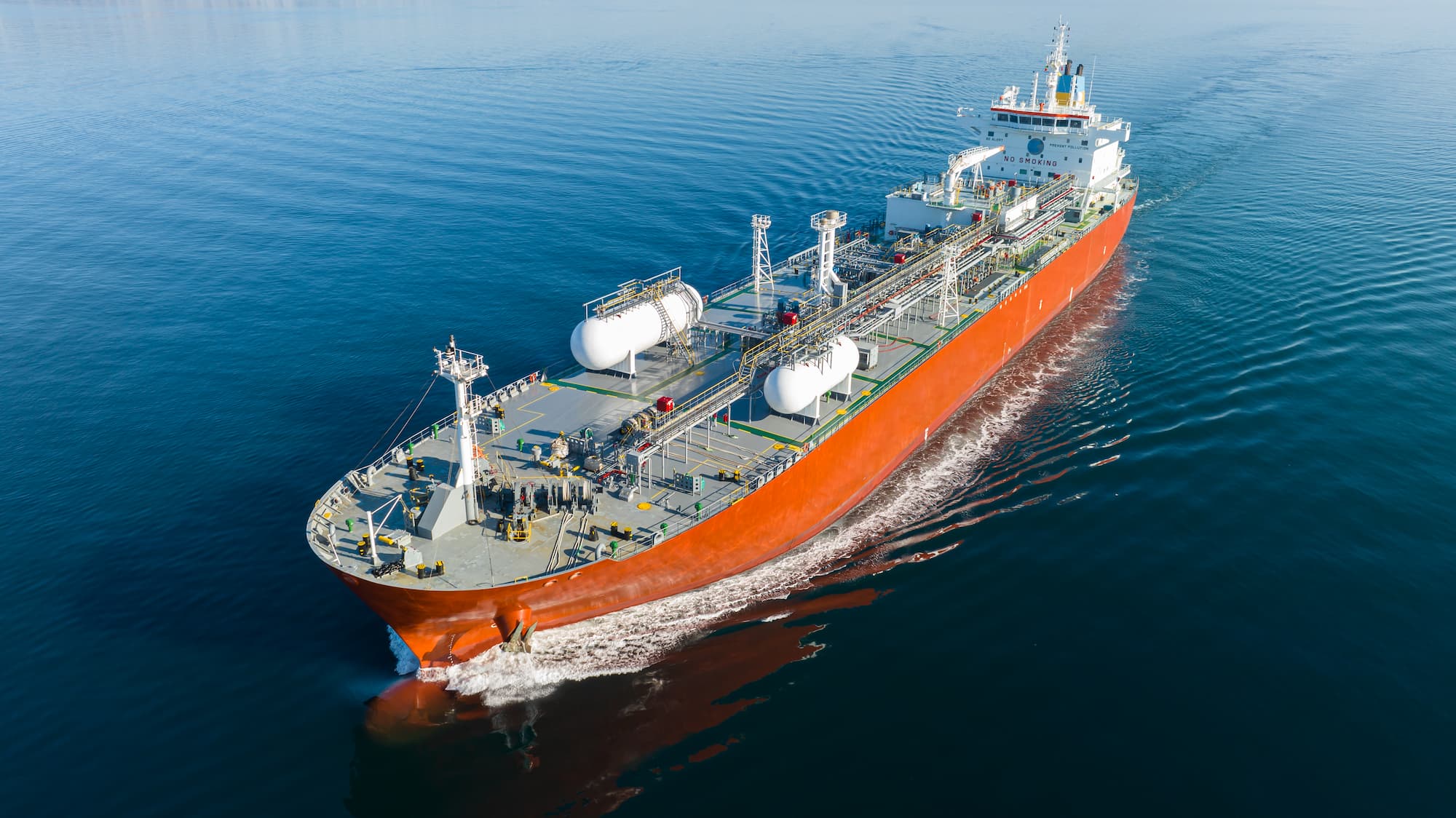
While NVOCCs and freight forwarders both have their benefits, the answer depends on the shipment being made by the shipper. The most significant distinction is that NVOCCs are only for maritime shipping, while forwarders move cargo differently. If a business moves goods by the ocean, NVOCCs can provide personalized services and help shippers avoid the intermediary fee. This is because they are independent carriers instead of agents. Forwarders benefit from allowing different ways to transport goods. Businesses with international supply chains can take advantage of having their entire freight journey handled. Forwarders also have extra services not provided by NVOCCs, such as warehousing and customs clearance.
by A1 WorldWide Logistics | Apr 19, 2023 | Shipping Logistics
In February 2022, Russia invaded Ukraine, accelerating a war between the two countries that began in 2014. One of the consequences was that shipping fuel costs rose to unprecedented levels. Global market crude oil prices rose from $75 in January 2022 to over $110 per barrel by March 2022. Fast forward to April 2023, and the shipping fuel costs have fallen 46% from their peak in 2022. A standard oil used by commercial vessels to ship freight, VSLFO, has similarly seen a decrease in cost. Very low sulfur oil (VSLFO) was $608 per ton in late March 2023 compared to its all-time high of $1,125.50 in June 2022.
High sulfur fuel oil (HSFO) has also seen a 38% decline from its peak in May 2022. The decrease in HSFO has been incredibly beneficial for containerships with built-in scrubbers compared to vessels that use VSLFO. Scrubbers are gas cleaning systems used in ships for removing harmful and polluting particles from exhaust steams. Since HSFO costs are lower than VLSFO, ships with HSFO can have higher net spot earnings and time-charter rates. A VLSFO-HSFO spread reported a difference of $420.5 per ton in July 2022 compared to $132 registered in February 2023. The narrowing of the spread indicates that VLSFO prices are decreasing faster than HSFO.
Green Methanol and LNG Costs Still High
While fuel prices have decreased over the last year, Liquid Natural Gas (LNG) and green methanol remained expensive. This is unfavorable to carriers and shippers pushing to make shipping oil more eco-friendly. Last Thursday, LNG was reportedly 62% more costly than HSFO. Despite the LNG price following the trend of lowering, it still could be too high for shippers to consider. Vessel owners and operators are not the ones paying for costly oil; shippers are. While LNG costs more than regular oil, it is currently cheaper than green methanol, which can be 350% more expensive.
The reason why green methanol is costly compared to other oils is due to limited technologies and feedstock. Feedstock is the raw material used to produce a finished product, like green methanol from renewable sources. Despite this, container shipping companies are pushing for cleaner oil and ordering methanol-fueled vessels. The issue is that many customers may be unwilling to pay the high premium. There is a belief that if these fuels are to become popular, there should be the right government incentives. Government support for the development of green fuels like methanol is also necessary.
Prices for several different fuels are close to half last year’s peak and may decrease further in the second quarter. This means that shippers can benefit from saving if they decide on shipping now or in the near future. Greater savings can be made if they find a logistics company to do the process for them. If you plan on moving cargo internationally, contact A1 worldwide logistics at 305-821-8995 or info@a1wwl.com to get started. We are in touch with many carriers with the best rates for transporting your goods. A1WWL also provides warehousing and customs clearance for freight entering the U.S.

by A1 WorldWide Logistics | Mar 24, 2023 | Freight Forwarding, Shipping Logistics, Supply Chain
In international trade, freight forwarders are the intermediaries that handle the logistics of getting your goods to the final destination. Forwarders coordinate with carriers and warehouses to find the best routes for cargo transportation. When choosing a forwarder, the customer should be mindful of how much effort the forwarder is willing to put into having a solid and long-lasting relationship. When examining how much the forwarding agent values their bonds with customers, there are specific indicators to look for. Some of the qualities are the following:
Having Open Communication
One of the most significant parts of a relationship is the ability to communicate when needed. Regardless of the conveyance method of the shipment, the customer should be updated on the location when needed. Diligent freight forwarders have close contact with their customers and constantly provide updates on shipments. A1 Worldwide logistics ensures our clients have instant contact with us during shipping. We achieve this by having open lines of communication such as phone calls, emails, and our website.
Being Dependable
Customers must rely on their forwarder to keep any promises they guarantee. Dependability is a direct reflection of how a business runs and how it cares about its customers. It’s different for a company to say they provide the highest quality customer service and deliver on that promise. This is especially true in international shipping, where supply chain logistics constantly change.
Having Experience
Experience can indicate that a forwarder values customer relationships. This is because of the longevity involved in gaining experience. Forwarders with many clients have expertise from countless years of working with customers. A side effect is that the freight forwarder also learns the importance of customer relationships from working with many clients.
Dealing with Uncertainty
In forwarding, getting your goods to their endpoint may sometimes go differently than planned. Sometimes unpredictable events occur in the supply chain that interrupts the journey. For example, there could be an issue with manufacturing or warehouse placement. Shipping delays can also happen during the trip. A forwarder must be prepared for any circumstance and be able to explain the situation to the customer.
Taking the Extra Step
This means that the forwarder goes above and beyond to calibrate and communicate with the client during the cargo’s journey. It shows how the freight forwarder values the customer and their commitment to keeping the relationship. The extra step can also mean coordinating with the carrier for the client. This can entail that certain adjustments must be made to make the shipping process as effective as possible.
Keeping the Relationship
A forwarder’s key to keeping its clients is consistency and competence. The client must trust that they can depend on their freight forwarder to transport an item internationally. This trust comes from previous experiences where the forwarder demonstrated proficiency at their job. If you want a committed forwarder to building a long-lasting relationship, contact A1 Worldwide Logistics at 305-821-8995. A1WWL aims to provide the best customer service by being accountable and transparent in everything we do. We also assist with customs brokerage to ensure your shipment complies with government regulations when entering a country.

by A1 WorldWide Logistics | Mar 24, 2023 | Warehousing
A common topic brought up when discussing supply chain warehousing is distribution. Distribution is transporting stored products or goods to a location for order fulfillment. While specific distribution centers exist, standard warehouses may also provide this solution. The reason why distribution services are so vital to supply chains is the value they add. Some of the solutions include:
One of the main differences between regular warehouses and facilities that provide distribution is the time inventory is stored. Standard warehouses are designed to house goods for more extended time frames. Since the key purpose of distribution centers is order fulfillment, cargo tends to stay for shorter periods. A warehouse that provides distribution services can include short-term and long-term storage times and order fulfillment.
How do Businesses Benefit from Distribution?
Medium-sized businesses that sell products to customers are one of the primary users of warehouse distribution services. This is due to the work and costs of having your own distributing facilities. Outsourcing the services to a 3PL warehouse can help the business save money and focus on other parts of the company. Distribution warehousing can also be ideal for businesses that want to maintain strong customer relationships. One of the main ways to maintain a solid customer relationship is by having efficient and consistent distribution.
Another type of business that benefits significantly from distribution warehousing is e-commerce. As buying goods products online grew, especially in the last few years, so did the need for order fulfillment services. Companies that relied on e-commerce quickly saw how distribution warehouses could fulfill customer orders. Online purchases are instantly sent to the warehouse, where the order is processed and picked from stock. Then the goods are packaged and prepared to be transported out of the facility. The freight may then be moved to a department store or directly to the customer.
Many warehouses that provide distribution services are also customs bonded. This is a secured building where imported goods could be held for five years without paying taxes. Importers can benefit from storing their goods while they make the capital to pay for the cargo. Businesses can also store freight while they look for customers for their freight.
If you are looking for a warehouse, contact A1 Worldwide Logistics at 305-821-8995. Along with distribution services, our bonded facility will allow you to store your cargo without the payment of duties.

by A1 WorldWide Logistics | Mar 2, 2023 | Warehousing
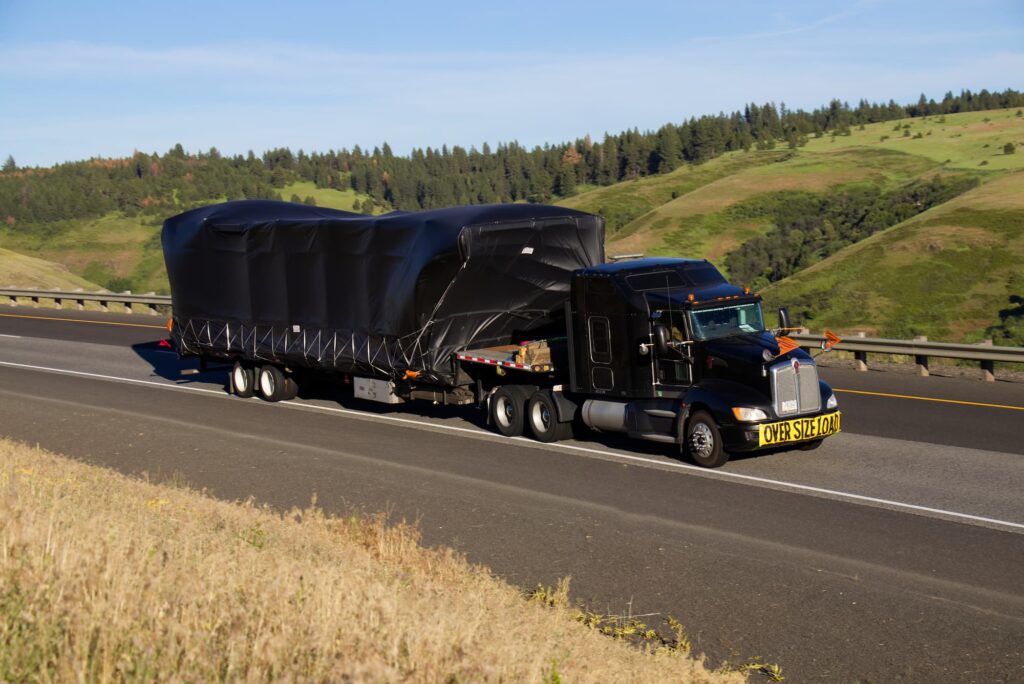
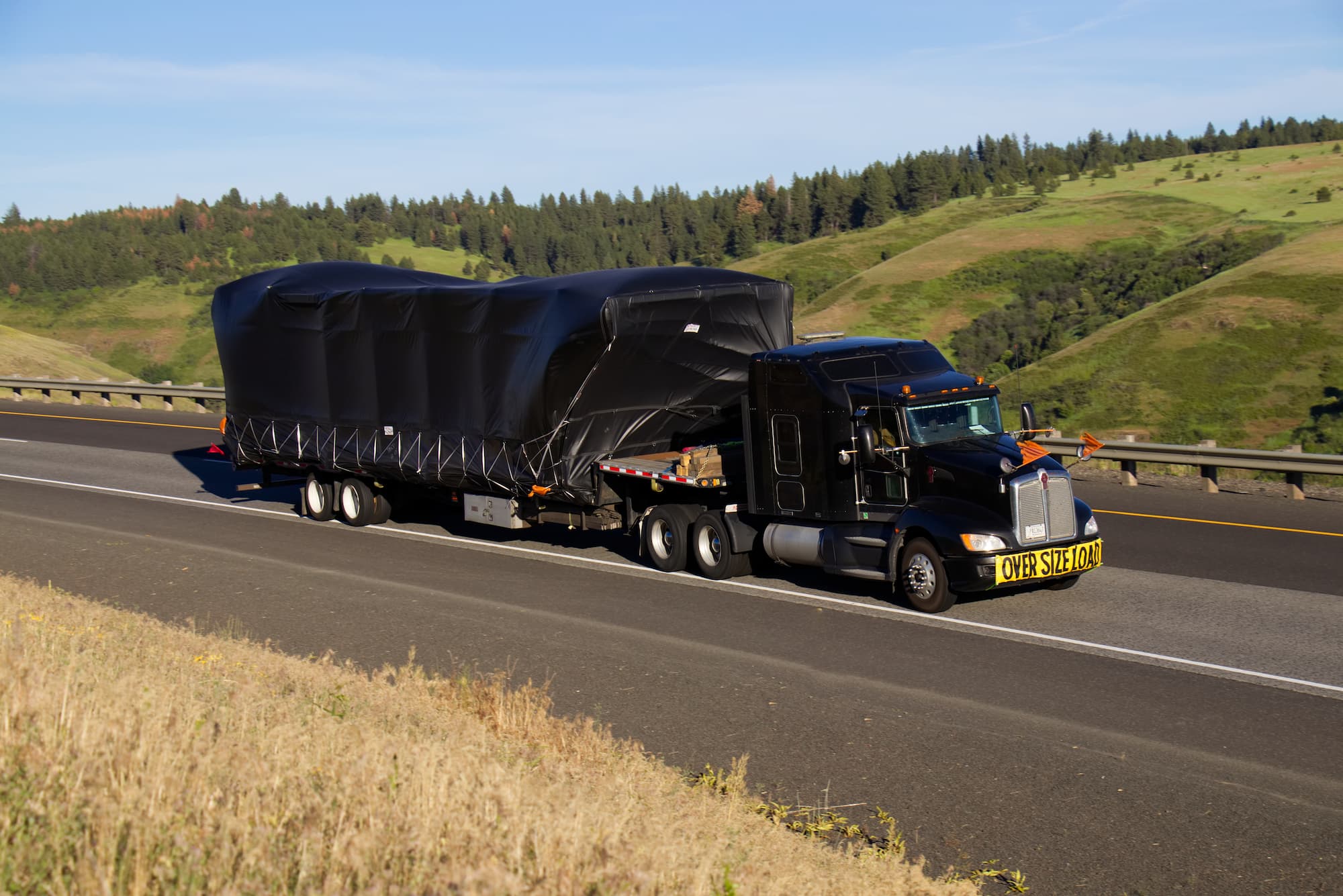
Oversized cargo is a shipment that exceeds the weight or size allowed for conventional transportation. An example of oversized cargo could be large equipment like construction beams and machinery like tractors. Because of the dimensions, specific regulations and guidelines are required to call a cargo oversized. The policies for this type of cargo vary per state; however, shippers follow general guidelines. Some of the general guidelines for qualifying a shipment as oversized are:
- A weight of over 80,000lbs.
- A height of around 13.6ft.
- A width greater than 8.6ft.
- Goods that are longer than 53 feet.
How to Warehouse Oversized Cargo?
Due to the cargo size, workers should take special precautions when storing it in a warehouse. Before entering the facility, specialized equipment like lift loaders assists in bringing the oversized freight off the truck. Specific warehouses even have conveyor systems to move large cargo quickly and easily. A particular location where a warehouse stores large equipment is on the floor under a pallet rack. It tends not to be raised on the shelf due to challenges such as unbalancing the forklift. A common alternative is a cantilever rack if a bulky item is placed on a shelf.
Facilities that store cargo like large machinery may have reinforced floors due to the weight. Also, most warehouses with frequent requests for bulky cargo have an empty section for storage. If you have plans to warehouse heavy or oversized freight, contact A1 Worldwide Logistics at 305-821-8995. We understand the specialized treatment required for large goods and provide short and long-term storage for cargo from numerous industries.

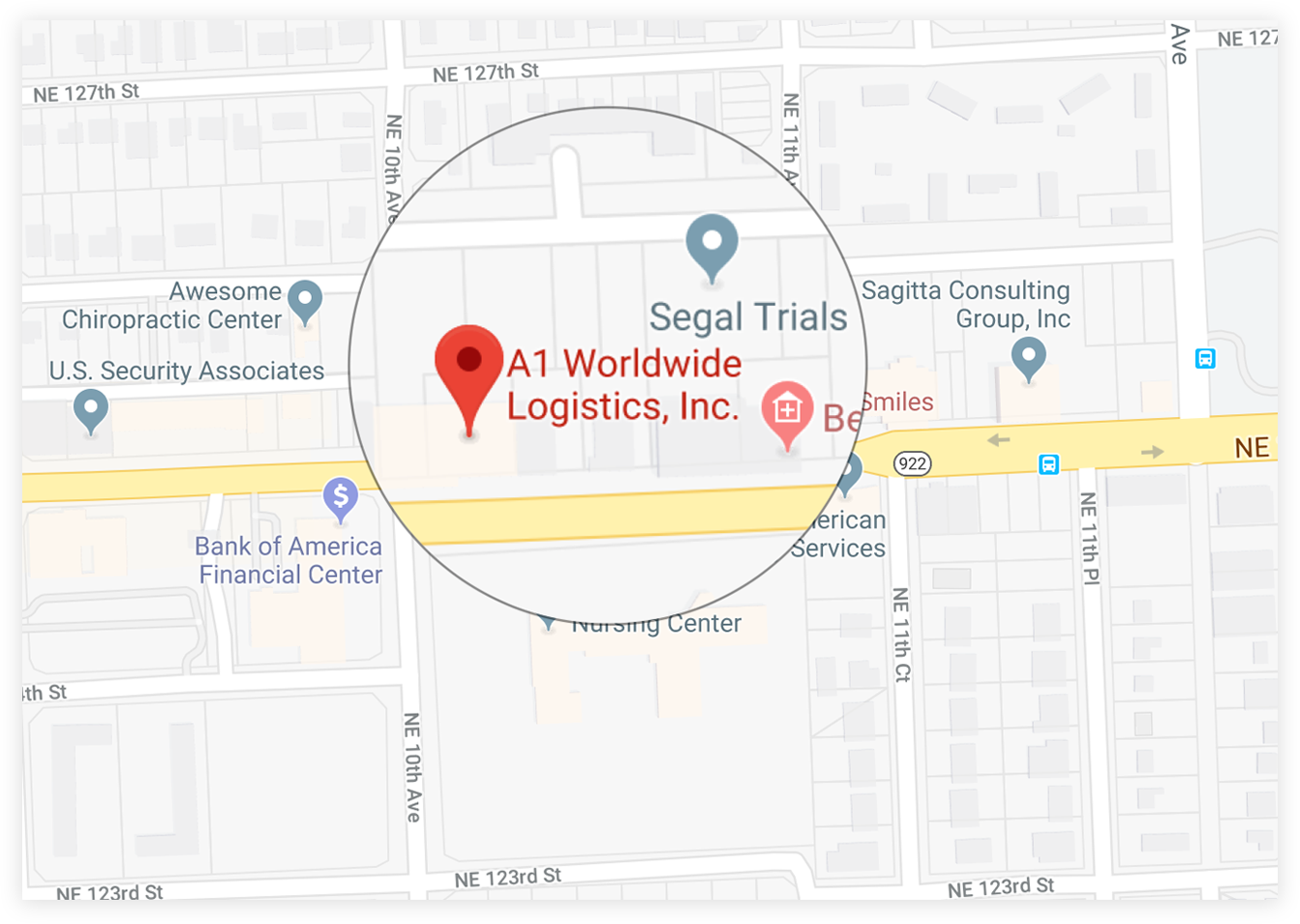
 1035 NE 125th St Suite #320, North Miami, FL 33161.
 a1worldwidelogistics.com
 (305) 821-8995
 Hours: 8AM - 5PM