¿Cómo almacenar carga sobredimensionada?

¿Cómo almacenar carga sobredimensionada?

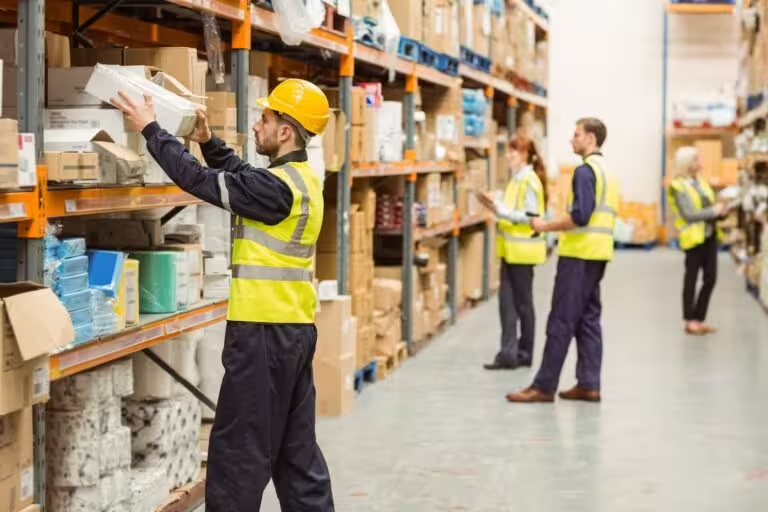
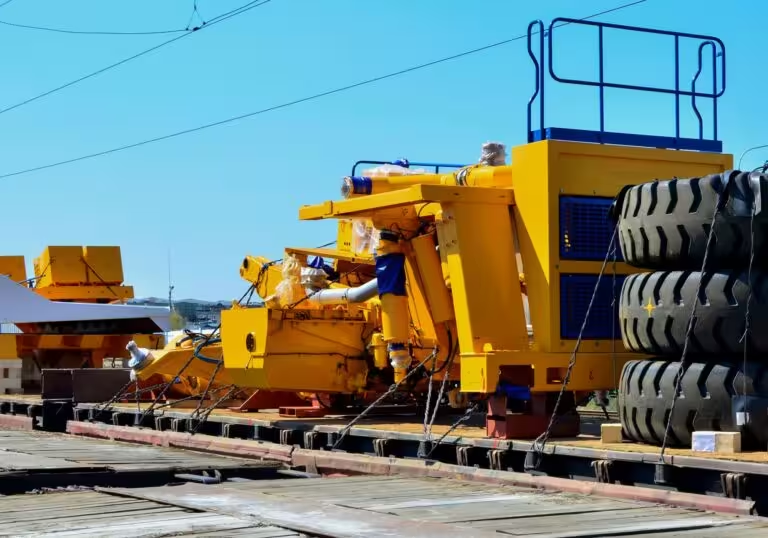
  La carga sobredimensionada es un producto que excede el peso o las dimensiones permitidas para el transporte convencional. Un ejemplo de carga sobredimensionada podría ser equipos grandes como vigas de construcción y maquinaria como tractores. Debido a las...

¿Qué es la distribución en almacenes?

¿Qué es la distribución en almacenes?

  Un tema común al discutir sobre el almacenamiento en la cadena de suministro es la distribución. Esta consiste en transportar productos o mercancías almacenadas a un lugar para cumplir con los pedidos. Si bien existen centros de distribución específicos, los...

Sustainability In Warehousing

Sustainability In Warehousing

  The logistics industry has seen growing sustainability in warehousing operations in recent years. As the e-commerce business grows, so does the number of warehouses across the U.S. As a result, warehousing activities now contribute to nearly 11% of greenhouse...

Distribución directa e indirecta

Distribución directa e indirecta

  Con el aumento del comercio electrónico en las últimas décadas, también ha crecido la distribución directa (DTC o D2C) e indirecta (3PL). La distribución directa es cuando un negocio vende paquetes de productos y envía los bienes directamente al cliente. A...

What is Warehouse Distribution?

Share This Article


A common topic brought up when discussing supply chain warehousing is distribution. Distribution is transporting stored products or goods to a location for order fulfillment. While specific distribution centers exist, standard warehouses may also provide this solution. The reason why distribution services are so vital to supply chains is the value they add. Some of the solutions include:

One of the main differences between regular warehouses and facilities that provide distribution is the time inventory is stored. Standard warehouses are designed to house goods for more extended time frames. Since the key purpose of distribution centers is order fulfillment, cargo tends to stay for shorter periods. A warehouse that provides distribution services can include short-term and long-term storage times and order fulfillment.

How do Businesses Benefit from Distribution?

Medium-sized businesses that sell products to customers are one of the primary users of warehouse distribution services. This is due to the work and costs of having your own distributing facilities. Outsourcing the services to a 3PL warehouse can help the business save money and focus on other parts of the company. Distribution warehousing can also be ideal for businesses that want to maintain strong customer relationships. One of the main ways to maintain a solid customer relationship is by having efficient and consistent distribution.

Another type of business that benefits significantly from distribution warehousing is e-commerce. As buying goods products online grew, especially in the last few years, so did the need for order fulfillment services. Companies that relied on e-commerce quickly saw how distribution warehouses could fulfill customer orders. Online purchases are instantly sent to the warehouse, where the order is processed and picked from stock. Then the goods are packaged and prepared to be transported out of the facility. The freight may then be moved to a department store or directly to the customer.

Many warehouses that provide distribution services are also customs bonded. This is a secured building where imported goods could be held for five years without paying taxes. Importers can benefit from storing their goods while they make the capital to pay for the cargo. Businesses can also store freight while they look for customers for their freight.

If you are looking for a warehouse, contact A1 Worldwide Logistics at 305-821-8995. Along with distribution services, our bonded facility will allow you to store your cargo without the payment of duties.

A1 Worldwide Logistics, Inc.

📍1035 NE 125th St #320, North Miami, FL 33161, USA

🌍 a1worldwidelogistics.com

📞 305-821-8995

🕒 Hours: 8AM – 5PM

Send your request

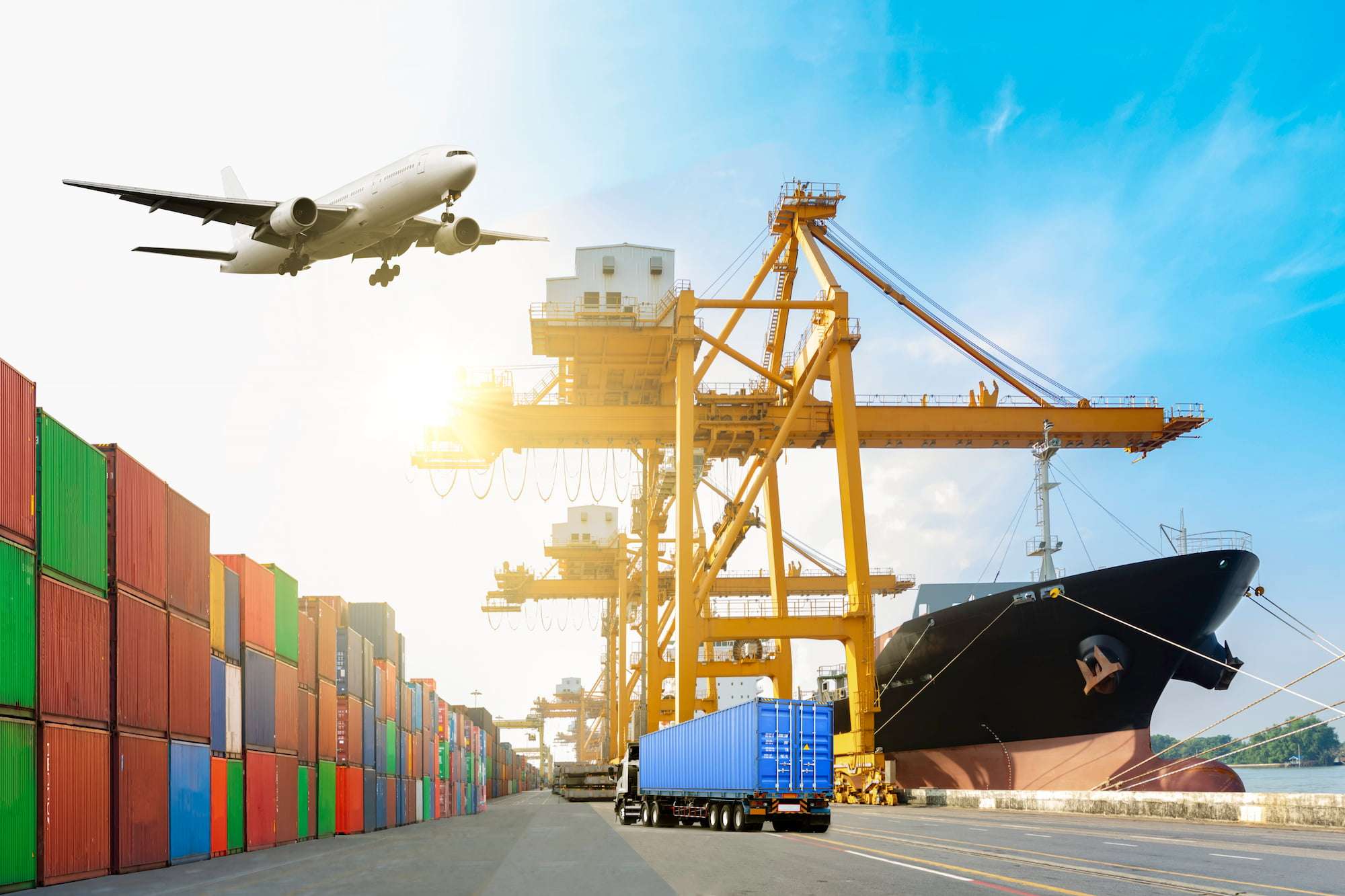
This is a guide on how to ship goods internationally.

How to Ship Goods Internationally: A Guide for Businesses

Commercial international shipping can involve freight transportation, carrier bookings, complex documentation, customs requirements, and much more. 🚢✈️ Understanding these steps can help you avoid delays, unexpected costs, and compliance issues.

There are many qualities to look for when choosing a freight forwarder, this will be a guide for making a decision.

How to Choose a Freight Forwarder

Choosing a freight forwarder should involve more than simply comparing rates. The right company can help coordinate bookings, manage documents, arrange international transport, assist with clearance, and move your cargo toward its final destination.

There are numerous qualities to look for when choosing a customs broker.

How to Choose the Right Customs Broker

Choosing the right customs broker can make a major difference when importing goods into the U.S. From classifying and calculating duties to managing documentation and communicating with CBP, a knowledgeable broker can prevent costly surprises.

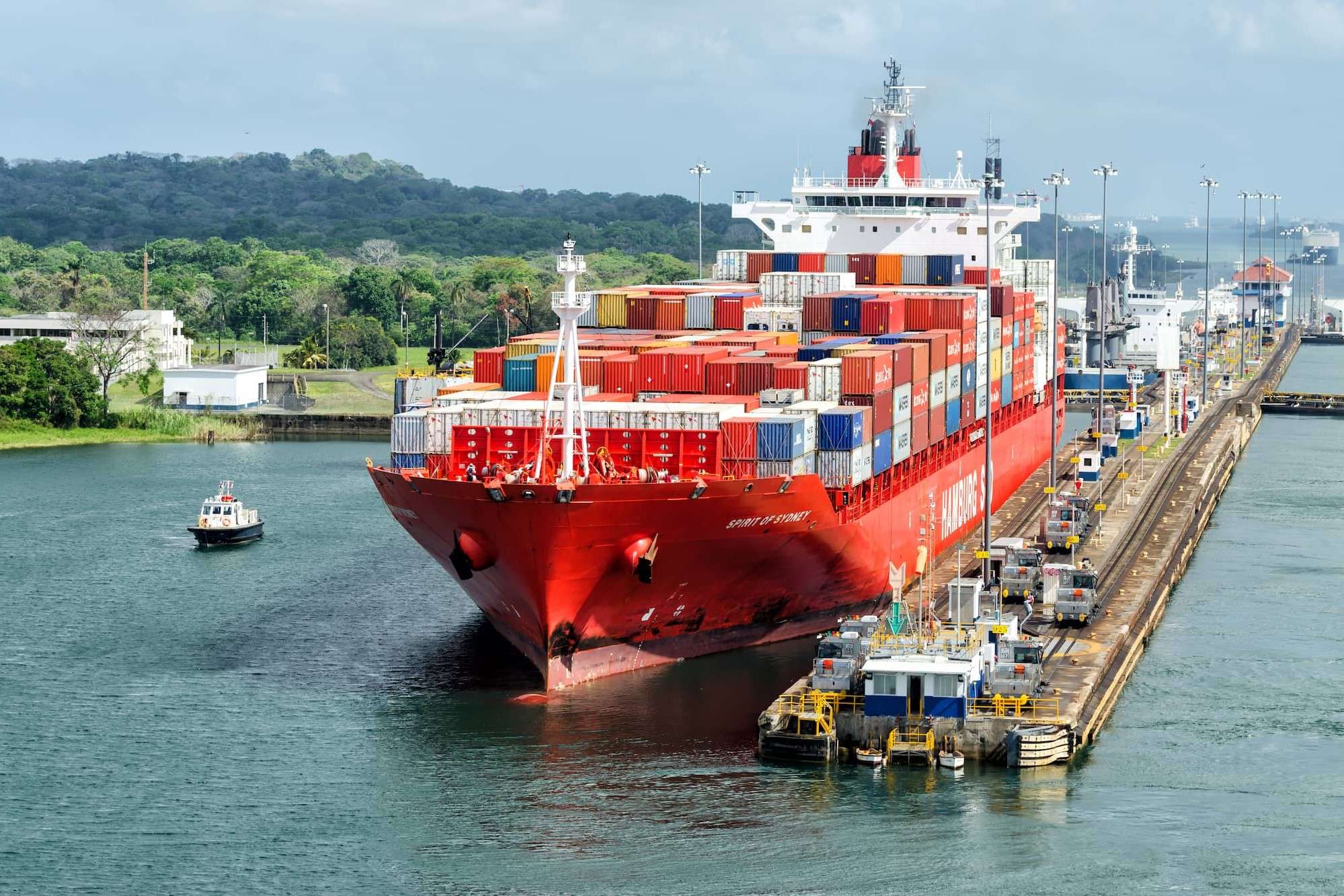
What can shippers expect as as the fees to cross the Panama Canal continue to rise.

Panama Canal Fees Continue To Rise

Panama Canal costs are rising—and shippers may soon feel the impact. Higher transit fees, carrier surcharges climbing from $100 to nearly $150, and auction prices exceeding $2 million for a single crossing are putting pressure on shipping costs.

President Trump is continuing to impose tariffs on various nations.

Trump Continuing To Impose Tariffs

Global trade is facing another wave of tariff changes. The Trump Administration has announced new 25% tariffs on numerous imports from Brazil and 50% tariffs on certain Canadian imports.