by A1 WorldWide Logistics | Sep 27, 2023 | Freight, Supply Chain, Warehousing
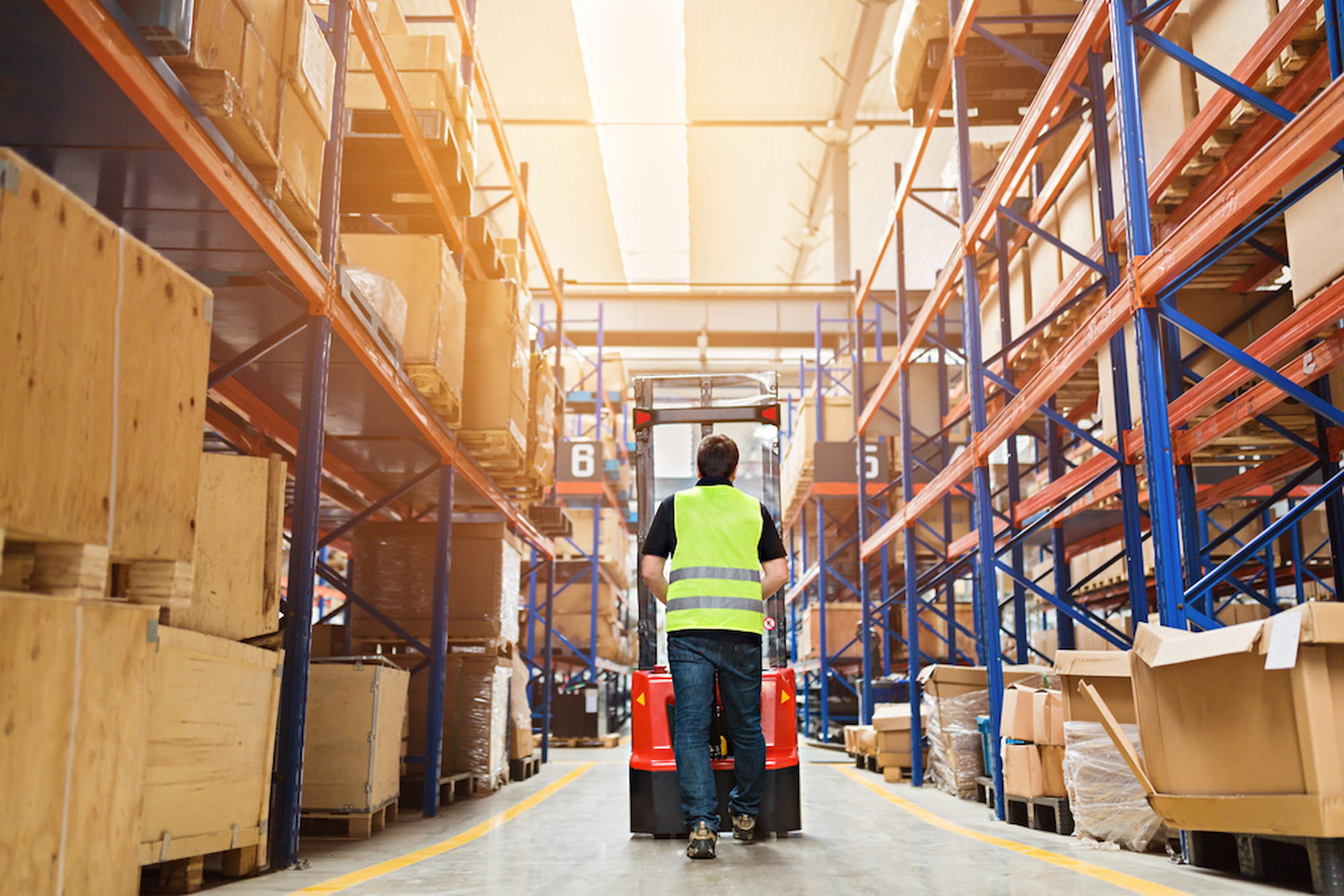
Over the last few years, the shipping industry has seen a trend of on-demand warehousing growing. The coronavirus pandemic led to a surge in this type of warehousing for retailers. On-demand is a type of warehousing in which services are readily available to the customer when needed. They provide flexibility and swiftness to supply chains and do not require long-term commitment. In 2022, an on-demand logistics company reported that its customers grew by roughly 128% in 2020 compared to 2019. The company even built facilities across North America to accommodate the freight.
What Led to On-Demand Warehousing Growing
In early 2020, when the pandemic began in the U.S., many speedy fulfillment companies like Amazon temporarily limited operations. The main products that came into the fulfillment centers were essential freight needing to move out urgently. This resulted in the inability of a substantial number of sellers to use the warehousing services to move their goods to their customers. Many sellers immediately searched for other substitutes to store and move their goods out quickly. This led to the growth of on-demand warehousing providers. The recent surge in e-commerce also created a need for on-demand warehouses.
On-Demand Warehousing VS Traditional 3PL
3PL or third-party logistics is the use of a separate third party to provide services. This can include the shipping of freight and warehousing for a business. Despite the boom in on-demand warehousing, some believe that traditional 3PL warehousing is the better solution. Traditional 3PLs offer a range of services for long-term relationships. Conventional warehousing companies have more excellent knowledge and experience because of their long-term relationships.
One of the main differences between on-demand warehousing and the traditional 3PL model is their method of offering warehouse space. With traditional 3PL, warehousing tends to be in one or a few centralized locations. They may have more direct, longer-lasting relationships with their clients. On-demand warehousing where the 3PL is the middleman between a business looking for a warehouse and the actual facility. While less direct than traditional 3PL, this is ideal for short-term fulfillment. Even with the differences, these warehousing solutions are equally crucial for extensive supply chains.
A1 Worldwide Logistics
Logistics is the organizing and executing of a complex task or operation. This can involve several different components that work together to produce a result. When moving freight internationally, warehousing is a typical part of the supply chain and logistics aspect. Once cargo enters the U.S., taxes and duties must be paid before the freight reaches the importer. If the importer does not plan on receiving their shipment or paying duties at a specific time, they can keep their imports in a customs-bonded warehouse.
A customs-bonded warehouse is a facility where a shipper can keep imports without paying taxes and duties for up to 5 years. A1 Worldwide Logistics provides a custom bonded facility to store your cargo before you are required to pay taxes or duties. This is ideal if you plan to save money and find customers for your goods. Contact us at 305-821-8995 to learn more about our various supply chain solutions. Along with warehousing, we provide freight forwarding, customs clearance, trucking, and more.
by A1 WorldWide Logistics | Aug 31, 2023 | Freight Forwarding, Shipping Logistics, Supply Chain
Shippers should always take precautions when moving goods internationally, which can mainly be true when shipping during the Hurricane season. The Atlantic hurricane season is a time from June to November when more hurricanes appear in the Atlantic Ocean. This period coincides with the peak shipping season when exporters move the most cargo domestically and internationally. The need for supply chains to run smoothly increases with the amount of freight that is moving. The hurricane season may affect the supply chain process and disrupt freight movement. This article will explain what could happen when shipping internationally during a hurricane and how a shipper can prepare.
What Can Happen When Shipping During The Hurricane Season
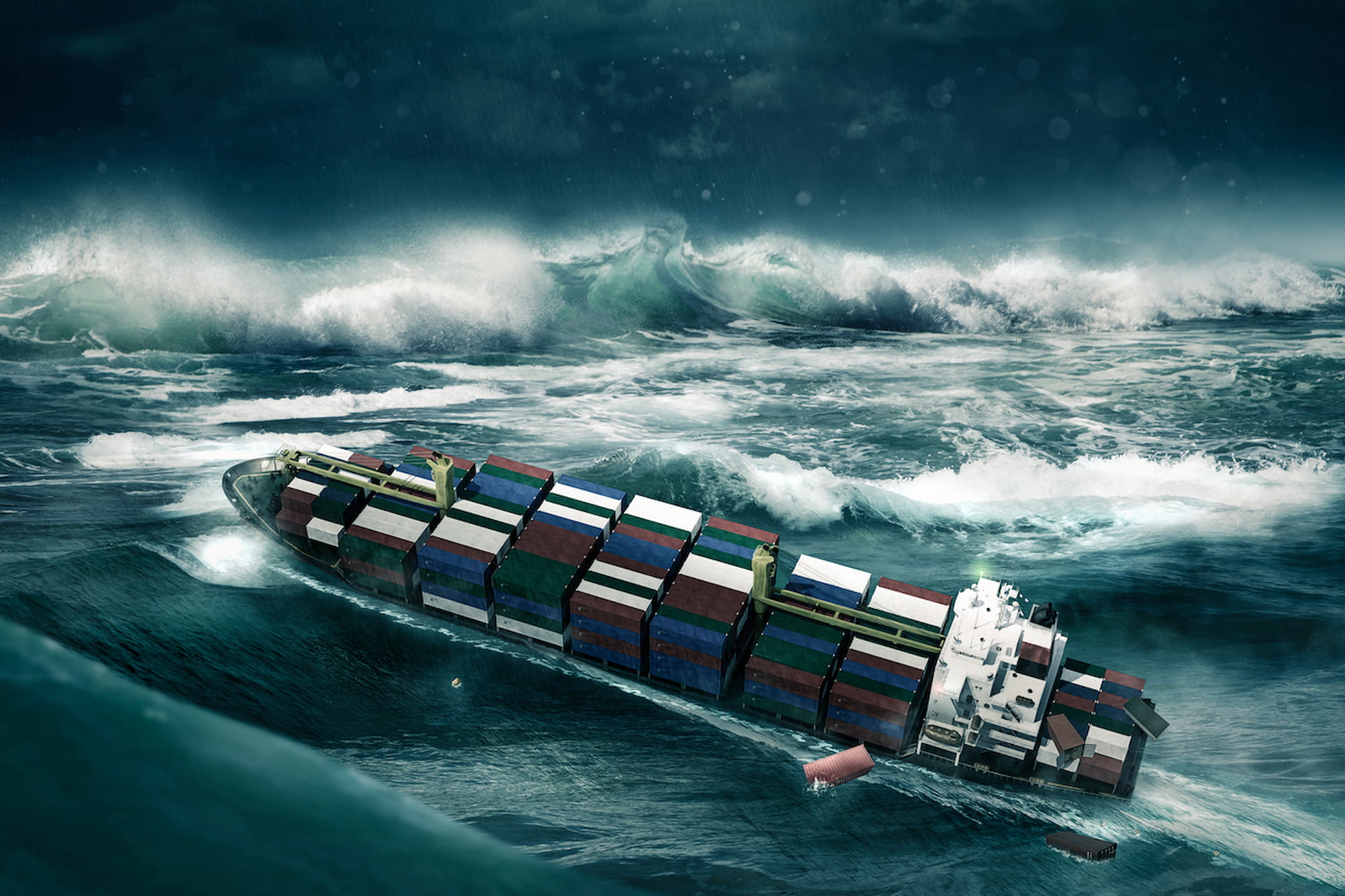
The most significant impact a hurricane can have, directly and indirectly, is freight movement. For example, shipping by sea during a storm can result in the disappearance of cargo. In 2012, Hurricane Sandy reportedly caused a loss of over 15,000 containers at sea. While containers can withstand severe weather conditions, strong winds can still damage them. For a supply chain, this can mean significant monetary loss. Containership companies use a standard method to protect cargo by making ships heavier. Carriers do this by adding more containers to the vessel to protect against storm waves.
Indirectly, carriers reroute to prevent being in a storm’s path. Rerouting may cause delays in the shipping process, resulting in a loss of money from extra charges. An example is an increase in fuel costs. Along with loss and physical damage to cargo, power outages can also disrupt a supply chain during a hurricane. Power outages in ports may halt operations and slow down the shipping process. Specific ports may even close for a few days, impacting transportation routes globally. Another impact is that the demand for various items increases during hurricane season. The shipping of commodities like groceries and home repair items increased during this period.
How To Prepare
While uncontrollable situations can happen when shipping during the hurricane season, there are ways a shipper can prepare. One of the ways to protect yourself from freight loss is by getting cargo insurance. This insurance protects the value of a shipment stolen, damaged, or lost in transit. The shipper pays a small premium covering the amount specified in the carrier’s insurance policy. Another way to prepare is to plan ahead before moving goods internationally. An example is using the weather forecast to determine the transportation route to avoid weather disturbances. Planning also includes looking for alternative ports when a hurricane causes a port closure or delay.
While shipping during a time with many hurricanes may be daunting, It should not stop you from moving your freight. Companies still require the success of their supply chains when moving goods to their final destinations. However, a shipper must make all of the necessary preparations before starting. Another way to prepare is by finding a freight forwarder to coordinate the movement of your shipment for you. Forwarders ensure the delivery of your cargo while guiding you through the process. They also explain the best steps to take when shipping during events like a hurricane. To speak to a freight forwarder, contact A1 Worldwide Logistics at 305-821-8995.

by A1 WorldWide Logistics | Aug 23, 2023 | Freight Forwarding, Shipping Logistics, Supply Chain
Weeks of drought have resulted in congestion in the Panama Canal for carriers passing through. Many consider this backlog the “world’s worst traffic jam,” with over 125 ships currently waiting outside. The numbers reportedly reached a height of 200+ in the last few days. The Panama Canal is a significant shortcut in international trade for the Atlantic and Pacific oceans. Yearly, the Panama Canal generates nearly $2 billion in revenue and close to $800 million for Panama’s economy. Certain shippers save billions a year using the canal instead of taking a longer route. With the amount of importers and exporters that rely on the passageway, a drought significantly impacts cargo movement.
Canal Authority Responds to Drought by Placing Restrictions
Although different factors led to a traffic jam in the Panama Canal, the leading cause is a recent drought. The drought is due to a weather phenomenon called El Niño, which lower the rainfall for various locations. This year, in particular, Panama has seen a more substantial decrease in rain than usual. Along with El Niño, the rainy season in Panama has been less than average in the last few years. The issue is that the canal relies on rainwater to transport containerships between the two oceans. To combat the problem, canal authorities have recently placed restrictions on the number of ships that go through at a time.
Last week, the authorities lowered the range of daily containerships passing through to 32 from an average of 36 ships. Other restrictions include a reduction of the draft limit of the canal from 50ft to 44ft. The draft is the distance between a boat’s waterline and the deepest point of the ship. A vessel must reduce the number of containers on board to meet the limit. As a result, larger containerships and dry bulk carriers experience longer wait times. The factors mentioned combine to create a significant traffic jam in the canal. Along with affecting Panama’s economy, it substantially affects the global economy.
How Are Shippers Affected by the Congestion in the Panama Canal?
The importance of the Panama Canal is shown by the extensive number of supply chains that rely on it. With the number of ships stuck in the traffic jam, the main impact is shipping delays. This is especially true with the number of containerships still sailing to the canal. With the holiday season quickly approaching, this amount may soon grow. A consequence of the wait times is that the costs incurred are also rising for the shipper. Supply chain disruptions may reportedly increase prices for goods like imported groceries in the near future. Panama Canal authorities have already placed higher premiums for larger vessels that must pass through.
When disruptions like a canal backlog typically occur, shippers tend to look for alternative routes to move their cargo. This may lead to an increase in transport times and costs. Talking to a freight forwarder is an ideal way to protect your supply chain. They help by finding the best solutions for transporting your goods. Contact A1 Worldwide Logistics at 305-821-8995 to speak to a forwarder regarding the movement of your shipment internationally. Whether there is a backlog or other issues that may arise, we help you navigate the world of shipping.
by A1 WorldWide Logistics | Aug 3, 2023 | Customs Broker, Shipping Logistics, Supply Chain
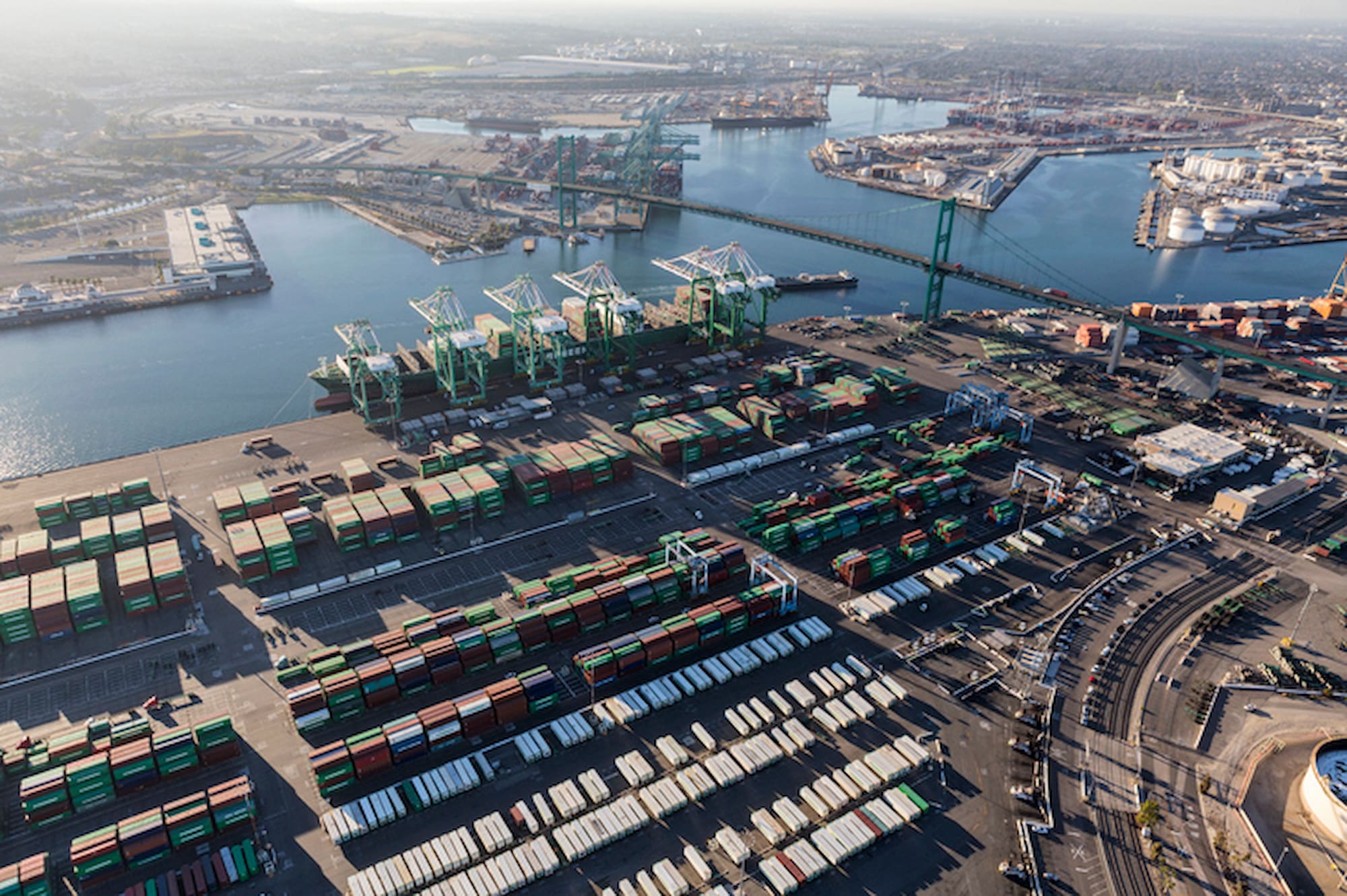
Last year, The California government had a report regarding California ports receiving $1.2 billion in federal grants. California Governor Gavin Newsom officially announced the grants on July 6, 2023. Capital will be put aside for multiple projects in Los Angeles, Long Beach, and Oakland ports. The purpose of the grants is for an overall improvement of port systems while creating zero-emission infrastructure to lower pollution. Newsom noted, “These investments will modernize our ports, reduce pollution, eliminate bottlenecks, and create a more dynamic distribution network.” Along with port upgrades, these investments will create over 20,000 jobs in the three ports.
Why are the California Ports Receiving $1.2 Billion in Grants?
During the coronavirus pandemic, the California ports’ cargo volumes grew to record levels. This resulted in congestion, delays, and equipment shortages and revealed several weak links in the ports. The state of California acted by issuing grants to fund development and modernization. While the goal is to build a more effective system for freight movement, various projects will help achieve this. One of the most significant projects is to enlarge the Maritime Support Facility. The Maritime Support facility is in charge of providing chassis and extra storage for all of the terminals in the Los Angeles and Long Beach ports. Bottlenecks in the past years led to overflowing containers and a limited amount of chassis to move the containers.
Along with growing infrastructure, the projects also include improving port roads. In the port of Los Angles, State Route 47 meets Navy Way and Seaside Avenue. These routes tend to get congested, leading to delays for shipments inside and out of the port. The California government will award $41.79 million in grant money to renovate the route to reduce collisions and lower traffic. A two-lane road by the port of Los Angeles is being made to cut traffic. Other grants include hundreds of millions to develop zero-emission cargo handling equipment in the Ports of Oakland and Long Beach. The plans mentioned are some of the 15 projects to improve and develop the ports’ capabilities.
How Will Shippers Benefit?
The Port of Los Angeles is known as the biggest seaport in the U.S., with the other ports following closely. With the amount of cargo moved through the ports yearly, renovations will significantly impact international shipping. In the past few years, the coronavirus pandemic grew the amount of goods bought online. This increased imports from countries like China. A side effect was a shipment surge resulting in port congestion and delays. The port improvement projects are a significant step towards fixing the challenges and keeping up with the demand. Shippers will benefit by decreasing the number of supply chain disruptions for them and their clients.
Port infrastructure upgrades not only benefit regular shippers but first-time shippers as well. However, it may not be enough to ensure the entire freight movement process runs smoothly. It is crucial to talk to a customs broker and freight forwarder to guarantee the moving of your cargo. Contact A1 Worldwide Logistics at 305-821-8995 for customs clearance and assistance in getting your goods to the final destination. Whether you are importing into or out of the U.S., we will guide you through the shipping process.

by A1 WorldWide Logistics | Jul 28, 2023 | Importing, Shipping Logistics, Transportation
A confusing process for many beginner shippers is understanding how to import construction materials into the U.S. Examples of this material include steel, concrete, wood, and other substances used for building structures. Nearly 32% of all building goods used in the U.S. come from various countries. The reason is due to the costs saved from offshoring goods from a country like China, nearly 50 percent. While importing may seem attractive, there are many precautions that the shipper must take beforehand. This article will be a brief introduction to bringing construction cargo to the U.S. For more information on starting, contact A1 Worldwide Logistics at 305-425-9513 to speak to a freight forwarder.
Why is Understanding How to Import Construction Materials Complex?
Shippers must follow various laws and regulations when importing goods from different countries. Most building supplies brought into the U.S. come from China, so China will be the country of focus. An example of a regulation is banning imports coming into the U.S. from China’s Xinjiang region. This is due to reported forced labor of the Uyghur Muslims used for product production. Understanding the laws and guidelines is the first step of the importation process.
Along with the regulations of the exporting country, it is essential to know the importing country’s laws. In the U.S., Customs and Border Protection (CBP) oversees imported freight. Construction materials like granite and sand require permits from regulatory agencies before U.S. entry. When choosing a supplier, it is vital to use a trustworthy source to ensure quality materials. Before importing freight, another consideration is the paperwork that CBP requires. Different types of goods can require specific documents, but the general paperwork includes:
- Arrival Notice
- Bill of Lading/Airway Bill
- Commercial Invoice
- Importer Security Filing (ISF)
- Packing List
Since construction materials tend to ship in large quantities, the import may be costly. Shipments valued at or over $2500 require a customs bond. It is crucial to note that the shipper should submit the documents to customs days before leaving the origin country.
The Importation Process
Once the materials are ready to be imported to the U.S., they will be moved to a port in the origin country. Two of the most common methods of conveyance used in freight movement are transportation by air or sea. Containerships frequently move construction supplies due to the number of goods carried at a time. When the cargo first reaches the U.S. from an international country, they are subjected to import duties. Duties are tax payments required by the CBP, and shippers calculate them using the Harmonized Tariff Schedule.
Any cargo entering the U.S. risks being held up at customs before being released. This can be due to many reasons, such as poorly completed paperwork and unpaid duties. If the shipment goes smoothly and the filing is correct, customs will release the goods to the importer. While the import process may be complex, hiring a customs broker streamlines the process. A broker coordinates with U.S. customs to ensure the release of your cargo. To speak to one of our experienced customs brokers, contact a1 worldwide logistics at 305-821-8995.

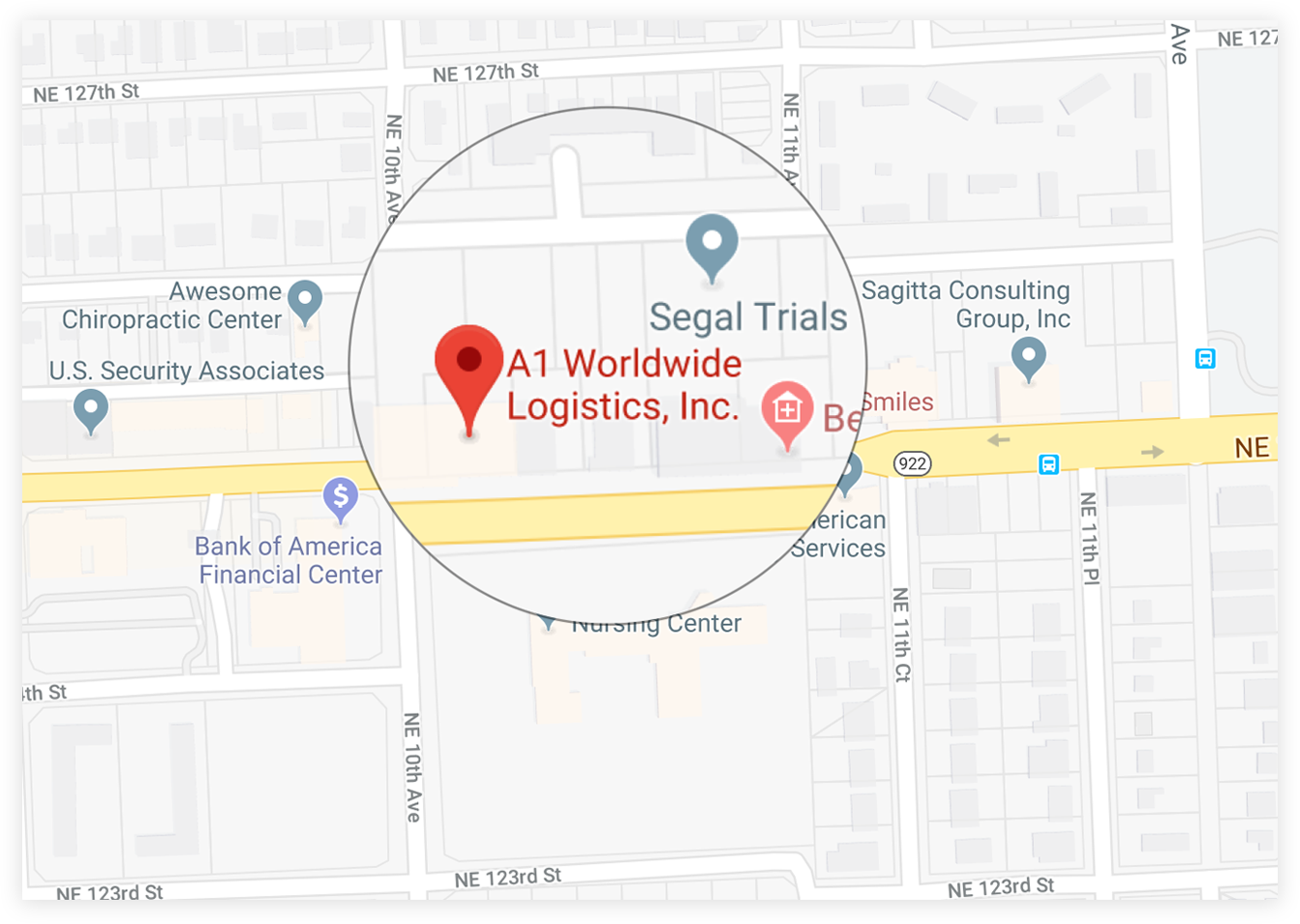
 1035 NE 125th St Suite #320, North Miami, FL 33161.
 a1worldwidelogistics.com
 (305) 821-8995
 Hours: 8AM - 5PM