by Rob Simmons | Apr 22, 2021 | Customs Broker, Freight Forwarding, Import and Export Experts, Shipping Logistics, Supply Chain, Technology, Transportation
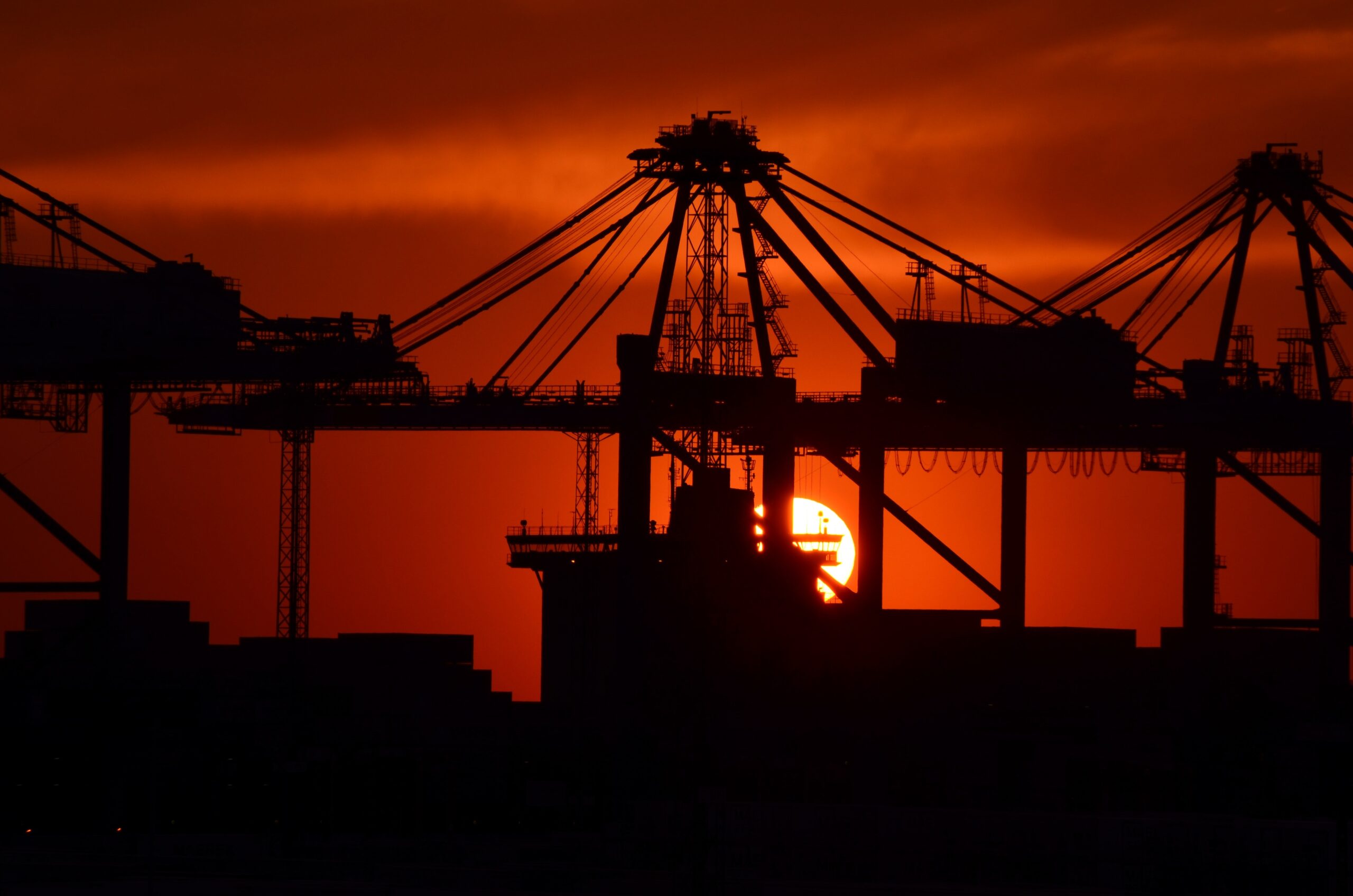
French company Compagnie Fluviale de Transport (CFT) plans on launching the first hydrogen-powered freight vessel later this year. This vessel will solely be for inland use and run fully on hydrogen fuel cells. Pallets and containers will be used to carry the freight on the boat, and it will go through the Seine river. This is all part of the Flagships project, which goal is to reduce toxic gas emissions from freight ships. Five million EUR has been given to the Flagships program for the creation of two hydrogen-powered freight vessels. One of which is currently scheduled to be released in September 2021.
Why Hydrogen-Powered?
Since the development of cargo ships, they have been a huge resource for moving freight internationally. The issue arises when it comes to the pollution that cargo ships generate. Not only may the ocean be polluted during the journey, but greenhouse gases are also being emitted into the air. Add to that the number of cargo ships in the ocean today and it can be a source of concern. Hydrogen is a perfect solution because it does not create the waste that bunker fuel does.
Bunker fuel is currently the main type of fuel oil vessel that carries freight internationally use. This type of fuel is dangerous for the environment and is known as the second leading contributor to global warming. Also, it is predicted that the wells that provide oil will dry up and be unusable in around four decades. Because of this, new energy sources like hydrogen and other renewable energy are an ideal replacement.
What can this mean for the Future?
At the current moment, the plan for the vessel is to just carry freight through the city by inland water channels. If this is successful it may open the gateway for creating hydrogen vessels for the ocean. However, developing a larger hydrogen-powered cargo vessel for the ocean may be a difficult task. This is because Hydrogen is not easily storable. The cost of producing hydrogen is also expensive compared to fossil fuels. Plus, refueling stops for hydrogen-powered ships will also have to be built, costing more money. Despite this the potential benefits of hydrogen as a widely used fuel in the future are grand.
This may be an example for not only freight-carrying vessels but other sources of climate change as well. Car companies may follow along and hydrogen-powered vehicle production may become more common. Hydrogen vessels could be the start of a greater push to a more environmentally friendly future. If international emission reduction goals are to be met worldwide, freight shipping is an important factor.
A1WWL
If you plan on exporting/importing freight, feel free to contact us at 305-821-8995. We have freight forwarders who specialize in getting your goods to the final destination. Along with forwarding by air or ocean, we also provide drayage services.
by Rob Simmons | Apr 20, 2021 | Delivery, Shipping Logistics, Supply Chain, Transportation, Warehousing
How has the creation of its first automated warehouse led to the growth of Chewy’s warehousing logistics? Chewy is a company that has used its extensive supply chain to deliver pet products across the U.S. At a time where there is a high reliance on e-commerce, Chewy has stepped the warehouse logistics up to meet the needs of customers.
What is Warehousing Logistics?
The definition of logistics itself is the comprehensive planning and execution of a complex process. Warehousing logistics is the moving of goods in and out of a warehouse and everything in between. This may include order picking, storing goods for a period of time, sorting the goods, and other intricate practices.
Different types of warehouses like fulfillment centers, Storage centers, and distribution centers have specific logistics in place. The difference between automated fulfillment centers and regular fulfillment centers is how the goods are processed. Automated facilities rely more on technology to process and move the goods.
Chewy Creates Its First Automated Warehouse.
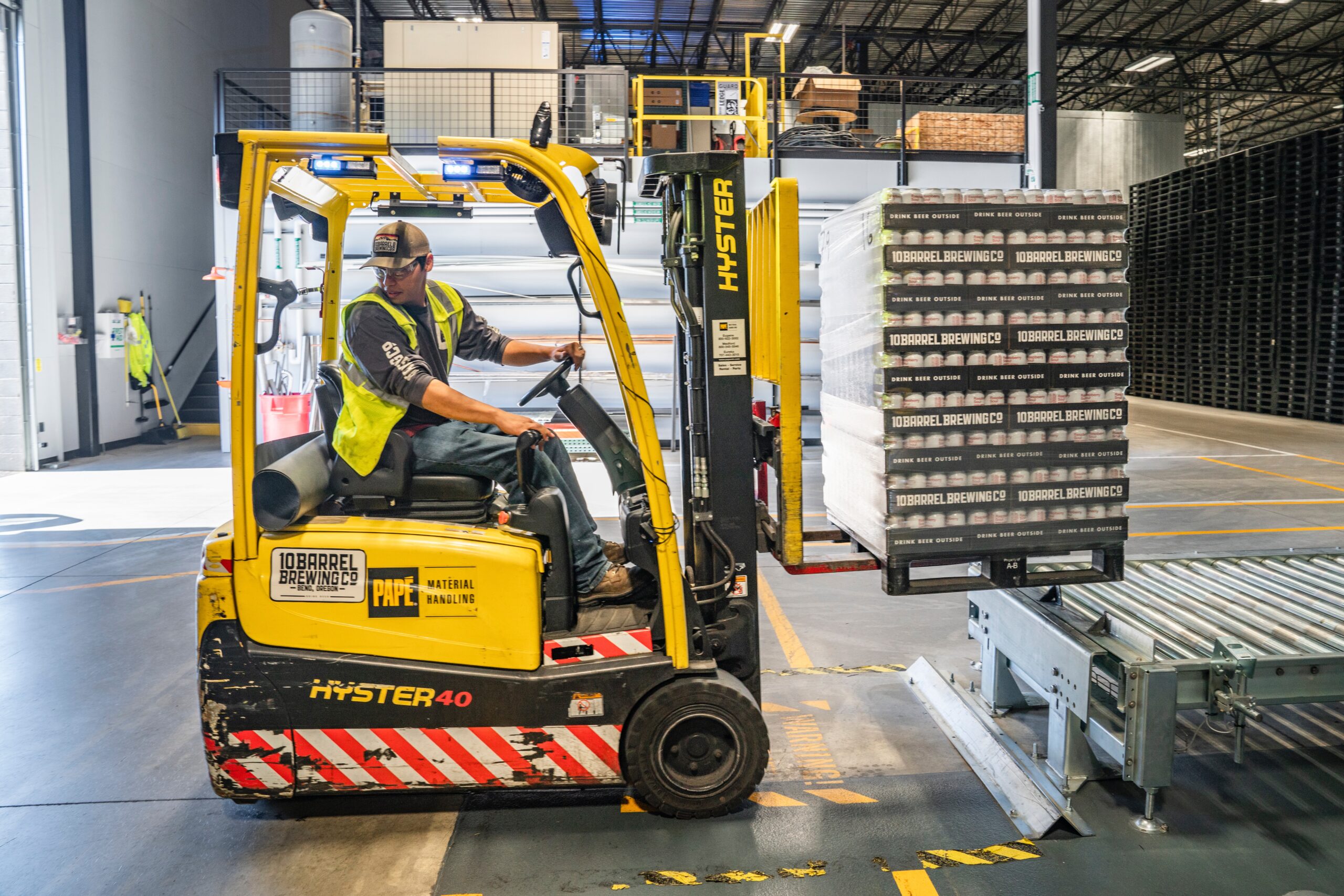
In October of 2020, Chewy opened its first automated fulfillment center after years of planning. This warehouse is different from Chewy’s previous fulfillment centers in terms of logistics. In the past, workers would manually pick, move, and store the items in the facility. The automated warehouse allows for conveyor belts to move the goods. This saves time and energy. The storage of the goods has also been redesigned for easier access.
The idea behind this automated facility is to quicken delivery and fulfillment while improving worker safety and logistics. The amount of money saved by automation is also an advantage. Chewy’s warehouse system management team is currently examining and analyzing this first automated warehouse in hopes of producing more in the future.
What can this mean for the Future of Warehousing Logistics?
Warehousing tends to be an important part of many supply chains. With Chewy developing its warehousing operations, other companies and corporations may join in on the trend. United Natural Foods has announced that it anticipates that its new automated facility will double picking time. Big lots have also created 2 warehouses that focus solely on the processing of bulky and heavy inventory.
One of the main goals in 2020 for many companies was to protect and strengthen their supply chains. Many companies including Chewy have developed innovative ways to protect against economic downturns. This can include changing their warehousing logistics. If you are looking for a warehouse to store your imported goods and assist with your company’s logistics, call us at 305-821-8995. We have a bonded warehouse facility where your imports can be stored for 5 years without payment of duties.
by Rob Simmons | Apr 6, 2021 | Delivery, Freight Forwarding, Shipping Logistics, Supply Chain, Transportation
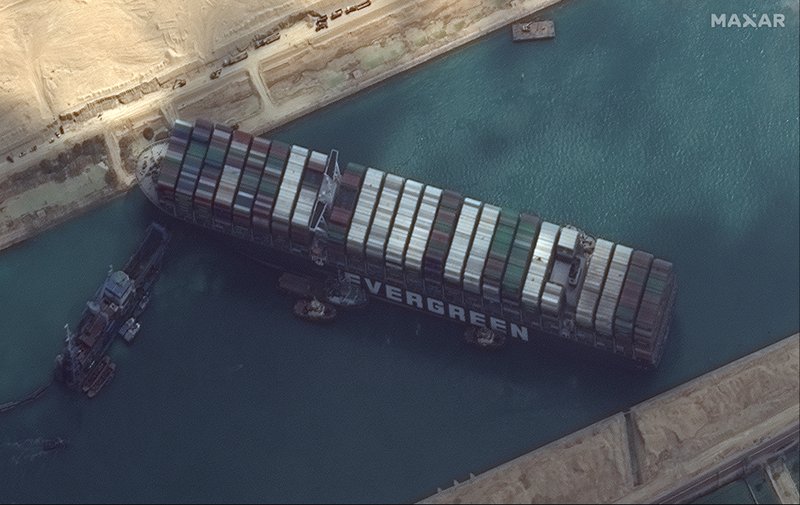
How does the Suez Canal Congestion affect the ships carrying freight and supply chains? During a journey through the canal, the Ever-Given container ship was moving through a sandstorm. The rough winds turned the ship sideways and lodged it in the canal. This created a domino effect that has lasted a few days and may continue on for much longer. Although the ship has been successfully released, there may still be an aftereffect.
The Importance of the Suez Canal.
Created over a century ago, the Suez Canal is known as one of the most important passageways for shipping freight globally. After many attempts to connect the Red Sea to the Mediterranean Sea spanning thousands of years, the first successful completion happened in 1869. Freight vessels have been using the canal as a shortcut from Asia to Europe and vice-versa ever since. Today, the canal is used as a convenient shortcut sailing by South Africa. Around 50 ships pass through the Suez Canal on a daily basis.
The Chain Effect of the Trapped Vessel on Supply Chains.
When freight is moved internationally, there can be many components that contribute to the distribution of the freight. When one component is disrupted, it may trickle down to other parts of the supply chain. In the case of the Suez Canal, the Ever Given vessel blockage resulted in over 300 ships being restrained by Sunday. This means that the ships may not make it to their ports in time which means that the freight may not reach the endpoint in time. Which can look unfavorable to the companies distributing the goods.
The Ships that were impacted contained thousands of containers each. Companies like Ikea and Walmart also depend on the Suez Canal when moving their freight. The total monetary cost of this incident is yet to be determined. This may be extensive nonetheless, depending on how much the supply chains are strained.
Now that the Ship is Freed, what is next?
On Monday, the Ever Given ship was released and allowed for the resuming of Vessel activity. But with the delay already creating a large backup, it can take a while to clear. The vessel itself will first be sent to Great Bitter Lake for damage examination. With the canal still backed up, freight forwarders and shippers are looking for other passageways to move their freight. Some carriers are taking a lengthier route and going through the Cape of Good Hope in South Africa Instead.
As of today, the ports that the ships were on their way to have not been affected greatly. This is because the vessels that were blocked by the canal were planned to arrive on a later date. The ports may see an increase in volume in the coming weeks, however, it may be too soon.
A1 Worldwide Logistics
Are you planning on moving freight and need a forwarder to aid you? Feel free to contact us at 305-821-8995 . We also provide customs clearance services to clear your freight when it enters the country.
by Rob Simmons | Feb 26, 2021 | Customs Broker, Customs Broker Miami, Customs Clearance, Delivery, Freight Forwarding, Shipping Logistics, Supply Chain, Transportation
Sometimes referred to as hazmat, a shipping hazardous material can be described as any material that may pose a potential threat to safety, health, and the environment. Because of this, there are specific regulations that have to follow when shipping these types of goods. The rules may differ relative to the method of conveyance, but we will focus on air and ocean freight.
Shipping by Ocean
The International Maritime Organization sets the safety and security measures for international freight moving across the ocean. The IMO categorizes hazardous goods into various classes and some of the classes are grouped further into divisions with the class. For example, class 2 contains dangerous gasses and division 2.2 contains non-flammable gasses. Along with the typical documents that are required when shipping freight internationally, additional information such as the declaration of hazard goods, classification, and emergency phone numbers are needed for shipping HAZMAT.
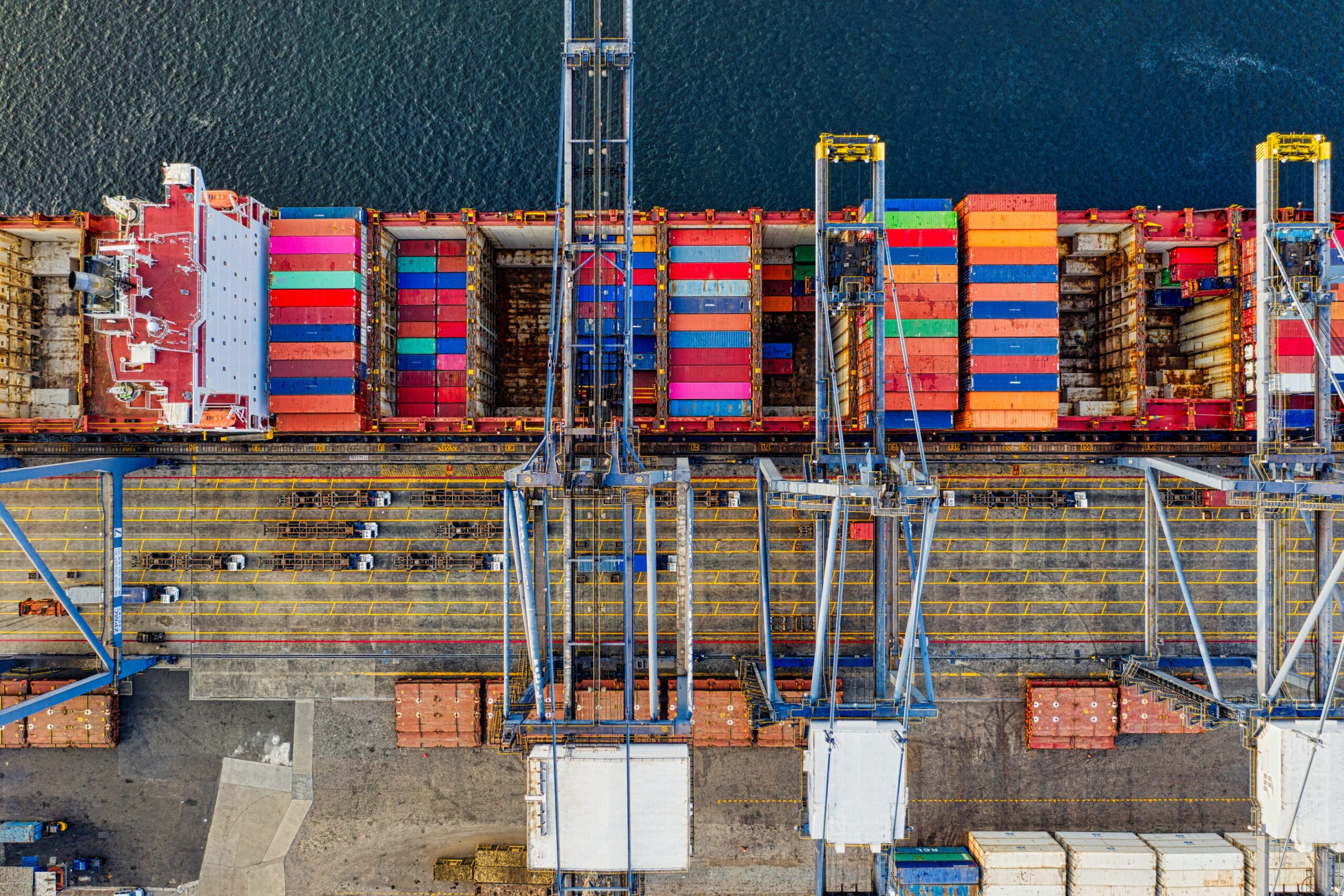
When the hazardous freight is transported on the ocean, it may be in a large bulk which requires that the handling of the freight is very distinct. This can mean that that the HAZMAT cargo is separated from the rest of the cargo. The workers on the ship may have to report the details of the goods to the maritime authorities before entering the destined port.
Shipping by Air
The International Air Transport Association is responsible for setting the regulations for safety for transporting goods by air and similar to the IMO, has classifications that the hazardous goods being transported fall into. To verify if your freight is hazardous acquire a Safety Data Sheet (SDS) which can usually be obtained by the manufacturer of the goods being shipped.
When transporting, the packing is set into various groups from 1-3 depending on how much packaging is required with 1 being the highest amount. Supplementary info is also needed for hazardous airfreight and the goods may not be allowed on the aircraft if the authorities do not have proper documentation.
A1 Worldwide Logistics
Navigating the world of international freight may sometimes be challenging, even more so if you plan on transporting hazardous goods. If you want to understand the necessary requirements or are planning on shipping materials that would be considered hazardous, contact us at 305-821-8995 to help you out.
by Rob Simmons | Feb 24, 2021 | Customs Broker, Customs Broker Miami, Customs Clearance, Delivery, Freight Forwarding, Shipping Logistics, Supply Chain, Transportation
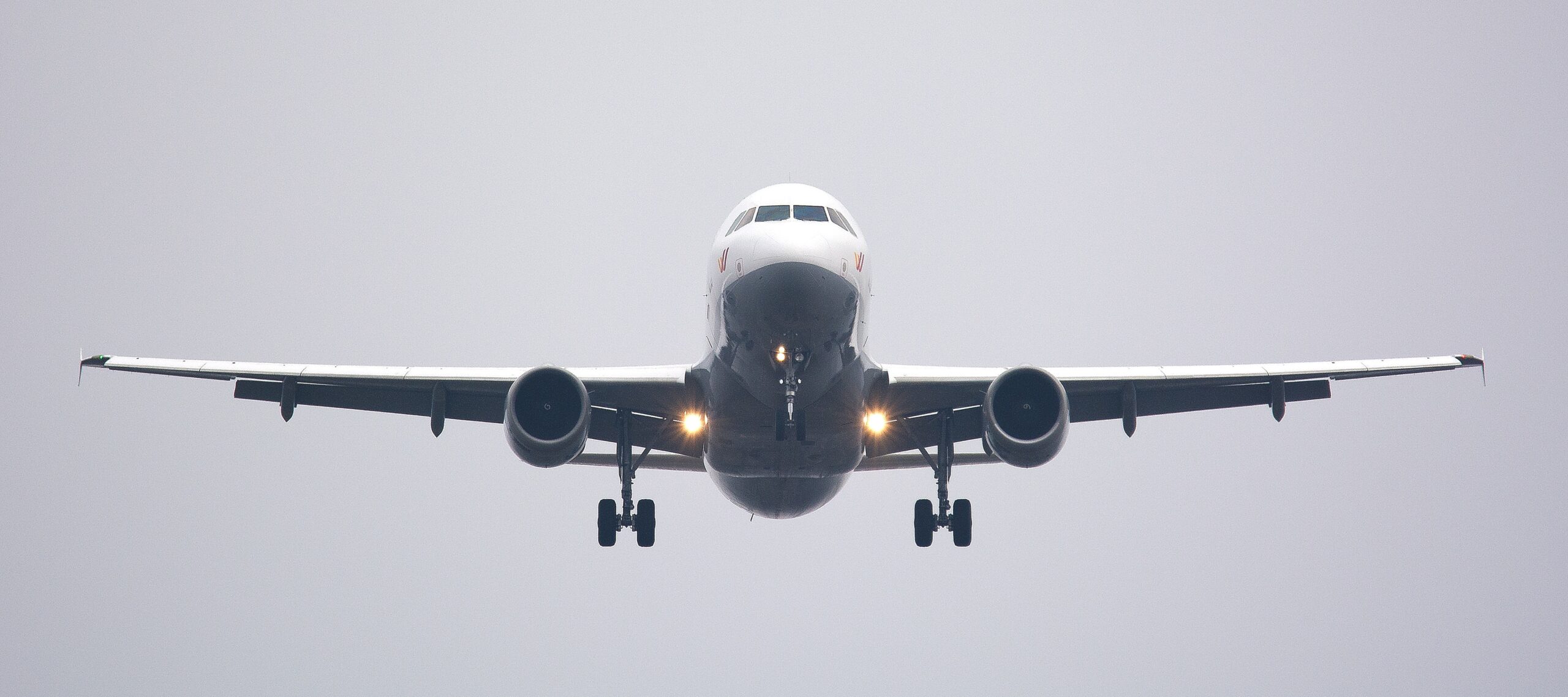
CMA CGM is known as one of the leading shipping companies which ship to 420 different ports around the world. Recently with the purchase of four A300-200F freighter aircraft, CMA CGM will begin the launch of its air cargo division. This acquisition will add to CMA CGM’s already wide reach by providing transferring of goods by air. In a time where businesses are looking for suitable and more accommodating approaches for moving goods around, this branch will offer an answer to many challenges in freight forwarding.
CMA CGM
Since its beginnings, CMA CGM has always been known as a company that moved freight by ocean and land. It soon became world-renowned for its shipping services and is currently the fourth largest shipping company in the world. In 2020 it was announced that CMA CGM bought a 30% stake in DUBREUIL Aero which is an airline company located in France. The reason being was to create a working relationship between the two companies and to give CMA CGM entry into the air freight sector.
When the buying of the four Airbus A330-200F aircraft was revealed, it was simultaneously made public that CMA CGM would create an air cargo division. The addition of its air division and its partnerships with several airlines will lead to the cultivation of a new area of logistics for the company.
Why Air Cargo?
Air Cargo can be considered a convenient method of conveyance for moving freight because of the quickness of time that it takes to transfer the good to the allocated location. Also, when cargo is transported by air there is a wide range of locations that it can be delivered to. With the increasing need for quick and easy logistics solutions by clients, CMA CGM understood that it needed to grow to meet the needs of its customers.
What does this mean?
Importantly, it paves the way the way for potential growth of not only the company but the industry as a whole. In January of 2021, Amazon bought its first aircrafts after leasing them since 2016. Currently, Amazon plans on having a fleet of over 70 by the end of 2021. Although CMA CGM never leased an aircraft, this purchase can be the beginning of a larger expansion and may possibly resemble Amazon’s fleet one day. With the world becoming more interconnected, many other shipping companies may follow along and open the door to a possibility of new alternatives to moving freight around the globe.
by Rob Simmons | Feb 18, 2021 | Customs Broker, Freight Forwarding, Shipping Logistics, Supply Chain, Transportation
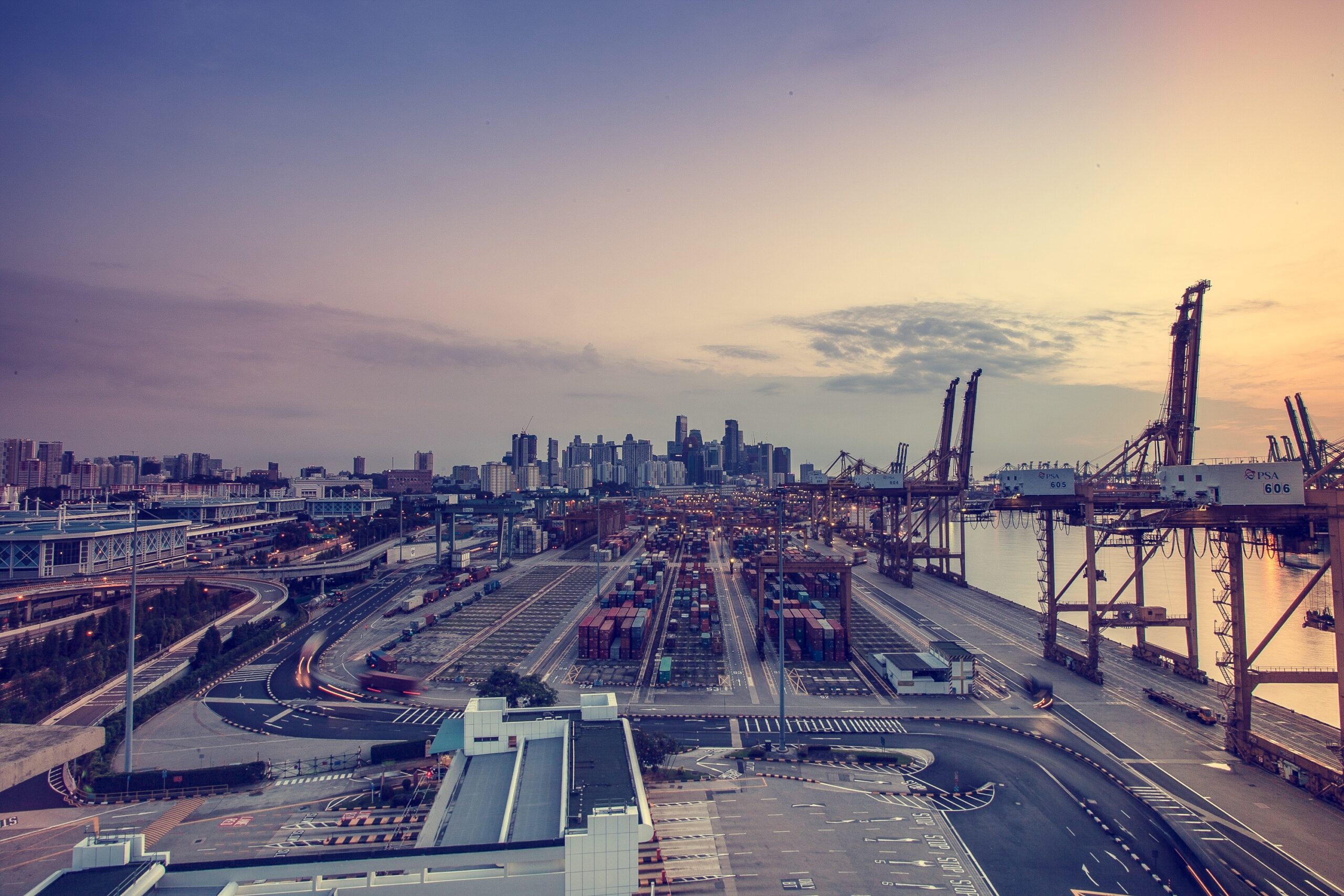
When discussing the aspects of the supply chain, the final mile commonly tends to appear in the conversation. What may be talked about less but is equally as important is the first mile. This can be described as the goods being moved from the producer or wholesaler to the courier. The courier is the carrier or the method of conveyance that transports the freight to the designated location. There are different components of the first mile to be mindful of when transferring goods in a supply chain.
Importance of the first mile
The first mile is usually known as the initial 120 days and sets the tone for the rest of the supply chain. Without proper attention to issues in the first mile, the issues may have a snowball effect and become larger problems for the rest of the supply chain. Before the goods even leave the original facility, the sellers should make sure that there are enough materials in the facility to create the necessary amount of goods to be sent to the customers.
Challenges in the first mile
Like other parts of the supply chain, there can be obstacles to be aware of. When cargo is transported out of the facility of origin, the packaging that is used must be strong enough to withstand long distances. This helps prevent the chances of your customers receiving damaged goods.
If your cargo is being transferred internationally, the correct paperwork needs to be sent to the customs of another country, usually done by a customs broker. Not sending the correct paperwork initially can lead to the freight being detained in customs for a certain period of time drawing out the later parts of the supply chain. That may look unfavorable to the customers of your company and lead to potential monetary loss.
How to have a strong first mile
One of the most crucial aspects of the first mile is having strong communication between all of the parts. This could include having a digital transmitting of all the required documentation to have quicker contact and to spot any issues in real-time. Planning ahead can also help lessen problems such as traffic and congestion. Having the correct labeling with all the required information on the packages being delivered to the courier can help lower delays as well.
It is important that the first mile is valued as much as the last mile and every other part of the supply chain. If you need assistance with any part of your supply chain including the first mile, contact us at 305-821-8995.

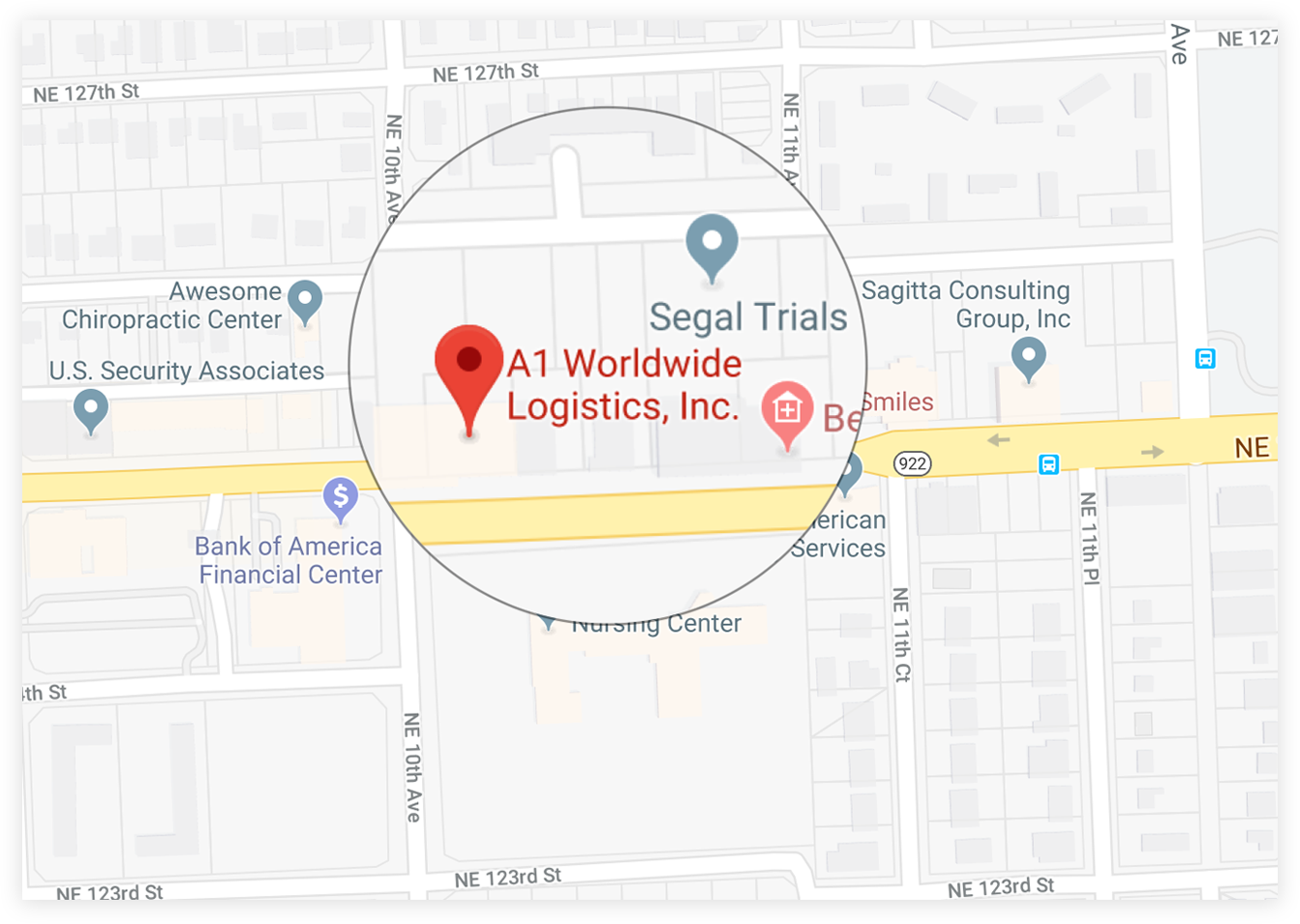
 1035 NE 125th St Suite #320, North Miami, FL 33161.
 a1worldwidelogistics.com
 (305) 821-8995
 Hours: 8AM - 5PM