
by A1 WorldWide Logistics | Oct 10, 2024 | Customs Broker, Importing, Supply Chain
Recent noncompliance has the CBP enforcing cargo descriptions more strictly. The CBP (U.S. Customs Borders and Protection) is an agency in charge of facilitating lawful international trade in the U.S. One of its responsibilities is managing the flow of goods coming in and out of U.S. borders. Recently, the CBP has become more stringent in how shippers describe the merchandise they are importing. On April 1st, CBP announced implementing cargo messages for vague, noncompliant cargo descriptions for entry filings.
In particular, the CBP notes in the message, “Carriers and other parties electing to file electronic cargo information data to CBP are required to provide a precise description of the cargo.” More recently, the CBP released a list of acceptable and unacceptable import cargo descriptions. The list is on the CBP webpage and will continue to expand as they add more descriptions.
Why is the CHB Enforcing Cargo Descriptions?
The CBP has become stricter on cargo descriptions to ensure precision when describing the cargo. This helps identify the cargo’s physical characteristics like shape, size, and packaging. Proper descriptions ensure compliance with CBP regulations and create a smoother customs clearance process. It also helps find the freight’s correct HTS (harmonized Tariff Schedule) code. The HTS code is a 10-digit number that identifies and classifies goods that importers bring into the U.S. Customs use it to determine the duties and fees associated with the import. Correct descriptions also prevent illegal goods from entering the U.S.
Consequences Of Not Having The Correct Cargo Description
Due to the CBP’s strict nature of monitoring imports and exports, incorrect cargo descriptions have various consequences. Unacceptable or “vague” cargo descriptions can result in the CBP rejecting the submission and pausing shipment movement. If customs hold the shipment, it can result in delays in the supply chain. Delays may look unfavorable for importers that have customers expecting a product. Other consequences include fines, cargo seizures, and, in some cases, criminal penalties.
Unacceptable VS Unacceptable Descriptions
Some of the examples of acceptable vs unacceptable descriptions that the CBP mentions in the list include:
- Just brand names themselves are unacceptable. An example of an acceptable description is “Bubbles Brand” Laundry detergent.
- The word “Appliances” by itself is unacceptable. Describing the appliances like stoves, ovens, or coffee machines is acceptable.
- “Auto Parts” is an unacceptable description. The importer must describe the actual part, such as Automotive Brakes or Automotive Windshield Wipers.
- “Electronic Goods” is an unacceptable description. The importer must specify the goods, for example, Computers, Telephones, Televisions, Video Game Consoles, etc.
- The word “Metal” by itself is an unacceptable description. The importer must describe the metal more specifically. For example, Plates (of metal), Pipes (of metal), Sheets (of metal), and Expanded metal are acceptable descriptions.
To see the complete list, visit the webpage here: https://www.cbp.gov/trade/basic-import-export/e-commerce/examples-unacceptable-vs-acceptable-cargo-descriptions.
While the list explains how to describe imports, specific descriptions may confuse shippers. Contact a customs broker for a clear idea of what to expect when bringing goods into the U.S. Brokers handle the importation process for the shipper while educating them along the way. They offer solutions like preparing documentation, processing payments, and ensuring importers comply with regulations. For assistance clearing your goods through customs, please contact our customs brokers at 305-425-9513 or info@a1wwl.com.
by A1 WorldWide Logistics | Sep 3, 2024 | Customs Broker, Customs Clearance, Shipping Logistics
Un mensaje que indica que tu envío está retenido en la aduana es la última respuesta que un remitente quiere recibir. Esto es especialmente cierto para cargas que son urgentes, como productos perecederos o mercancías destinadas a la venta. La Oficina de Aduanas y Protección Fronteriza de Estados Unidos (CBP) es responsable de proteger el país contra la importación de bienes peligrosos. Su objetivo principal es facilitar el comercio internacional legal y prevenir que terroristas y sus armas entren al país. CBP debe revisar cuidadosamente la carga al ingresar al país y, a veces, puede poner el envío en pausa. Aunque hay muchas razones por las cuales la aduana puede detener tus bienes, existen maneras de prevenir que esto ocurra.
Razones por las cuales tu envío está retenido en la aduana
Como se mencionó anteriormente, CBP debe prevenir la importación de bienes que Estados Unidos prohíbe. Debido a esto, una razón común por la cual los bienes pueden estar atascados en la aduana es porque son ilegales. Ejemplos incluyen la absenta (alcohol), carne de caza, juguetes peligrosos, pieles de perro/gato, etc. La aduana también puede retener otros artículos como armas de fuego debido a las restricciones que el país impone sobre ellas. Los importadores de armas y municiones requieren una licencia federal de armas de fuego (FFL) antes de enviarlas a Estados Unidos. Otra razón por la cual la aduana puede retener tu carga es por un precio incorrecto. El valor aduanero es el monto total monetario del envío traído a un país.
La aduana se encarga de valorar los bienes que el importador trae al Estados Unidos desde otros países. Si la carga que el remitente importa no tiene el valor correcto, la aduana la retendrá para su aclaración. Esto puede incluir una reevaluación de los impuestos basados en su precio. Otra causa común de que la aduana retenga tu carga es un código HTS incorrecto. El sistema armonizado de tarifas (HTS) es un sistema utilizado para determinar las tasas de derechos para las importaciones a EE. UU. Cada artículo tiene un código específico para clasificarlo, y un número incorrecto puede complicar la documentación.
Ejemplos de documentos comerciales
Otra razón por la cual la aduana podría retener tus bienes es la falta o error en la documentación. Algunos de los documentos que un remitente requiere al importar a EE. UU. incluyen:
- Conocimiento de Embarque
- Notificación de llegada
- Factura comercial
- Certificado de Origen
- Lista de empaque
Los documentos enumerados son algunos de los pocos que un remitente requiere para la importación; sin embargo, el tipo de carga determina los formularios adicionales. Por ejemplo, un vehículo puede tener documentación diferente a los materiales de construcción. Por lo tanto, es esencial que no haya errores en la documentación y que el remitente complete todo correctamente.
Habla con un agente aduanal
Aunque este artículo explica por qué la aduana puede retener tu carga, existen otras razones. La cantidad de regulaciones para la entrada puede confundir a los principiantes e incluso a los remitentes habituales. La mejor manera de evitar que tus bienes se queden retenidos en la aduana es tener un agente de aduanas que maneje el proceso de liberación. Los agentes de aduanas guían a los remitentes a través del proceso de importación y aseguran que el importador cumpla con todos los requisitos. También presentan toda la documentación en nombre del remitente. Contacta a A1 Worldwide Logistics al 305-425-9513 para hablar con nuestros agentes experimentados. También ofrecemos otras soluciones logísticas, como servicios de transporte de carga, para mover tus bienes al destino final una vez lleguen.
by A1 WorldWide Logistics | Aug 29, 2024 | Freight, Shipping Logistics, Technology
Understanding the actual cost of freight is a vital consideration when shipping internationally. The actual cost is the total amount the shipper pays to ship goods from one location to another. CBP describes it as the amount that goes to the international carrier, freight forwarder, insurance company, and other service providers. Failure to find the correct total can impact the supply chain in numerous ways. For example, underpaying an import that must go through customs can result in a cargo hold at customs. This article will describe what goes into determining the cost and the documents shippers can use as evidence.
What Determines The Actual Cost of Freight?
Due to the numerous factors involved with shipping cargo internationally, many components can determine freight costs. These include outside considerations along with the shipment itself. The type of goods that a carrier is moving is a primary basis for the shipment. For example, freight can be fragile, hazardous, or perishable and require special handling, which may lead to higher pricing. Valuable goods like jewelry are expensive to ship due to their high monetary value. Weight and volume are other determinants of freight costs. Heavier shipments typically cost more than lighter ones. Oversized cargo, like large machinery, may also have higher costs due to the handling.
Along with the freight that the shipper is moving, outside factors like the method of conveyance can determine the costs. Despite the benefits of transportation by air or sea, airfreight tends to be more expensive. The distance of cargo transport also influences costs, with longer distances costing more. Other determinates include fuel costs and additional services like handling, domestic shipping, and tracking. Shipments can also have insurance, which goes to the total freight cost. When goods enter the designated port, they must pay other charges like duties or taxes before customs releases them.
Where To Find The Actual Freight Cost?
Some of the documents that the shipper can use to find evidence of actual freight costs include:
Commercial Invoice – A commercial invoice is a document that acts as a transaction record between the exporter (seller) and importer (buyer). Customs officials use it to assess import duties and taxes; it is also evidence of sale for the shipper.
Bill of Lading – The bill of lading is a legal document between the shipper and carrier that describes what the shipper is shipping. It acts as a receipt for the cargo and provides vital information such as freight charges.
Proof of Payment – This document confirms a transaction between two parties. Examples include checks, bank statements, and letters of credit.
Freight Contracts and Agreements – These agreements between shippers and carriers outline the agreed-upon terms and conditions. They establish the parties’ responsibilities and can provide evidence of the actual cost.
It is essential to note that customs officials have the discretion to accept a document as evidence.
Although the documents described in the article can help find the actual freight cost, they may still confuse shippers. Due to the different fees involved in shipping internationally, inexperienced shippers can have difficulty determining the price. A way to find the total cost is by using the help of a freight forwarder. Forwarders are third-party companies that act as the middlemen between the shipper and the carrier transporting the goods. They determine the total transport cost, provide the paperwork, coordinate the cargo movement, and provide other solutions. Contact A1 Worldwide Logistics at 305-425-9752 or info@a1wwl.com to speak to a forwarder regarding the success of your shipment.
by A1 WorldWide Logistics | Jul 16, 2024 | 3PL, Air Freight, Customs Broker, Customs Clearance, Importing, Shipping Logistics
Una de las cosas más esenciales que el remitente debe conocer antes de enviar carga internacionalmente son los documentos necesarios para la liberación aduanal. La liberación aduanal es el procedimiento de declarar mercancías a las autoridades aduaneras al ingresarlas a un país. En Estados Unidos, estas autoridades son la Aduana y Protección Fronteriza (CBP, Customs Border Protection). Saber qué documentos proporcionar puede simplificar el proceso de transporte y prevenir retrasos. Puede haber diferentes documentos requeridos dependiendo del tipo de mercancía que se esté importando o exportando. Este artículo explicará los tipos más comunes, aunque se recomienda hablar con un agente aduanal para obtener una explicación detallada.
¿Por qué es importante entender los documentos en el despacho aduanero?
Al traer envíos a Estados Unidos, contar con la documentación correcta puede ahorrar tiempo y dinero. Documentos incorrectos o faltantes pueden llevar a que la aduana retenga su envío. Esto afecta la reputación de un negocio si no realiza la entrega de sus productos a tiempo. Además, la mercancía retenida por la aduana puede generar cargos por almacenaje en el puerto, lo cual es desfavorable para el remitente.
Documentos para el despacho aduanero
- Factura comercial: Este documento se presenta a los funcionarios de aduanas para evaluar el valor de la carga. También se utiliza para determinar los impuestos y aranceles que se aplicarán al remitente. Puede incluir la descripción de la carga, información sobre el comprador y vendedor, detalles del envío, entre otros.
- Guía de Embarque (BL/ Bill of Lading) o Guía Aérea (Airway Bill): Cuando las importaciones entran a un país, el remitente presenta el BL/Guía Aérea a la aduana. El conocimiento del embarque se requiere cuando las mercancías llegan por barco, y la guía aérea cuando llegan por avión. Estos documentos no solo son un recibo de lo que el remitente está enviando, sino que también proporcionan información de seguimiento. Además, son necesarios para el reembolso en caso de pérdida o daño de la carga.
- Certificado de origen: La aduana utiliza este certificado para verificar el país de origen de la exportación. Esto puede ser necesario por diversas razones, incluyendo aspectos políticos o leyes específicas. Consulte con la cámara de comercio de su país para determinar si este documento es necesario para su envío.
- Lista de empaque: Describe físicamente lo que el remitente está enviando e incluye dimensiones, peso e información de contacto. Aunque es similar a la factura comercial, no cubre los costos asociados con la carga, pero debe coincidir con los detalles en la factura.
- Aviso de llegada: Cuando las mercancías llegan al país de destino, el remitente envía este aviso al consignatario o receptor. Esto permite al consignatario conocer los detalles de ubicación del envío. Sin embargo, el aviso de llegada por sí solo no significa que las mercancías estén disponibles para su liberación; es necesario hacer arreglos para el despacho aduanero. Los agentes aduanales luego proporcionan los documentos necesarios para la liberación de las mercancías.
Contactar a un Agente Aduanal
Además de los documentos mencionados en este artículo, la aduana puede requerir otros adicionales dependiendo del tipo de envío. Por ejemplo, importar armas de fuego, productos químicos o plantas requiere licencias específicas. Dado que tener la documentación correcta puede ser intimidante para remitentes sin experiencia, estos suelen contratar a un agente aduanal para manejar el proceso. Si planea traer carga a Estados Unidos, comuníquese con A1 Worldwide Logistics al 305-425-9752 para comenzar. Además de ayudar con la documentación, nuestros agentes aduanales ofrecen diversas soluciones para asegurar el despacho de su mercancía.

by A1 WorldWide Logistics | Jul 3, 2024 | Agricultural imports, Importing, Supply Chain
Businesses and individual shippers can benefit from understanding the process for importing avocados into the U.S. Avocados are the most imported fruit in the U.S., making up over 14% of all fruit imports in 2023. Nearly 90% of the avocado imports come from Mexico. However, Peru, Chile, and Colombia are popular alternatives. Approximately 80% of the Mexican avocado imports from the U.S. are from Michoacan. This is because Michoacan is the only region that can export the fruit to the U.S. Despite its popularity, avocados can be challenging to import since they’re perishable. This article will introduce the importation process and what to expect when starting.
What To Know Before Importing Avocados into the U.S.?
Before bringing avocados into the U.S., a shipper must understand that they must follow various rules and regulations. The U.S. Department of Agriculture (USDA) Fruit and Vegetable Division regulates avocado imports and has its smaller departments. For example, the Animal and Plant Health Inspection (APHIS) regulates plant imports to prevent the introduction of diseases and pests. For avocados, they enforce the phytosanitary requirements. All avocado shipments more significant than 55 lbs. must be inspected by the USDA for grade and maturity. The USDA requires that all avocados be grade two before coming in, which has its varietal characteristic. There are also maturity requirements like color, weight, and size to be aware of.
It is essential to understand the risks associated with shipping avocados and how to avoid them. Since avocados are a perishable fruit, they are susceptible to spoiling. Before leaving the place of origin, the exporter should package correctly to prevent exposure to heat or moisture. Packing crates and clean boxes are typically used by shippers to avoid damage and expose them to air. The shipper must set the entire avocado supply chain at a specific temperature before leaving the storage facility and afterward. It is also crucial to understand that there are duties for importing to the U.S. For avocados, the amount is 11.2 cents per kilogram.
What Is The Process?
When the shipper is ready to transport the avocados, they should use a refrigerated carrier to keep them from spoiling. Various methods of conveyance, like air, land, and sea, can bring avocados into the U.S.; however, the temperature must be correct. This is done by using a reefer container for shipping internationally. Paperwork should also be prepared beforehand by the importer. Examples of documentation are:
- Commercial Invoice
- Phytosanitary Certificate
- Bill of Lading or Airway Bill
- Certification of Origin
Once the avocados arrive at the port of entry, CBP and APHIS officials will inspect the shipment to ensure compliance. A customs broker can help in the clearance process by guaranteeing the shipper meets federal requirements. Brokers also provide other services like preparing documentation, paying duties, and classifying products. When customs clears the shipment, the shipper may use a carrier to move the avocados to their final destination.
With all the rules and regulations the U.S. requires for importing avocados, the process can be challenging for inexperienced shippers. Shippers typically use a freight forwarder to handle the shipment. Forwarders are the intermediaries between the shipper and the shipping company coordinating the cargo movement. They make sure that the carrier efficiently transports the avocados. Speak to a freight forwarder and customs broker at 305-425-9456 or info@a1wwl.com to begin importing into the U.S.

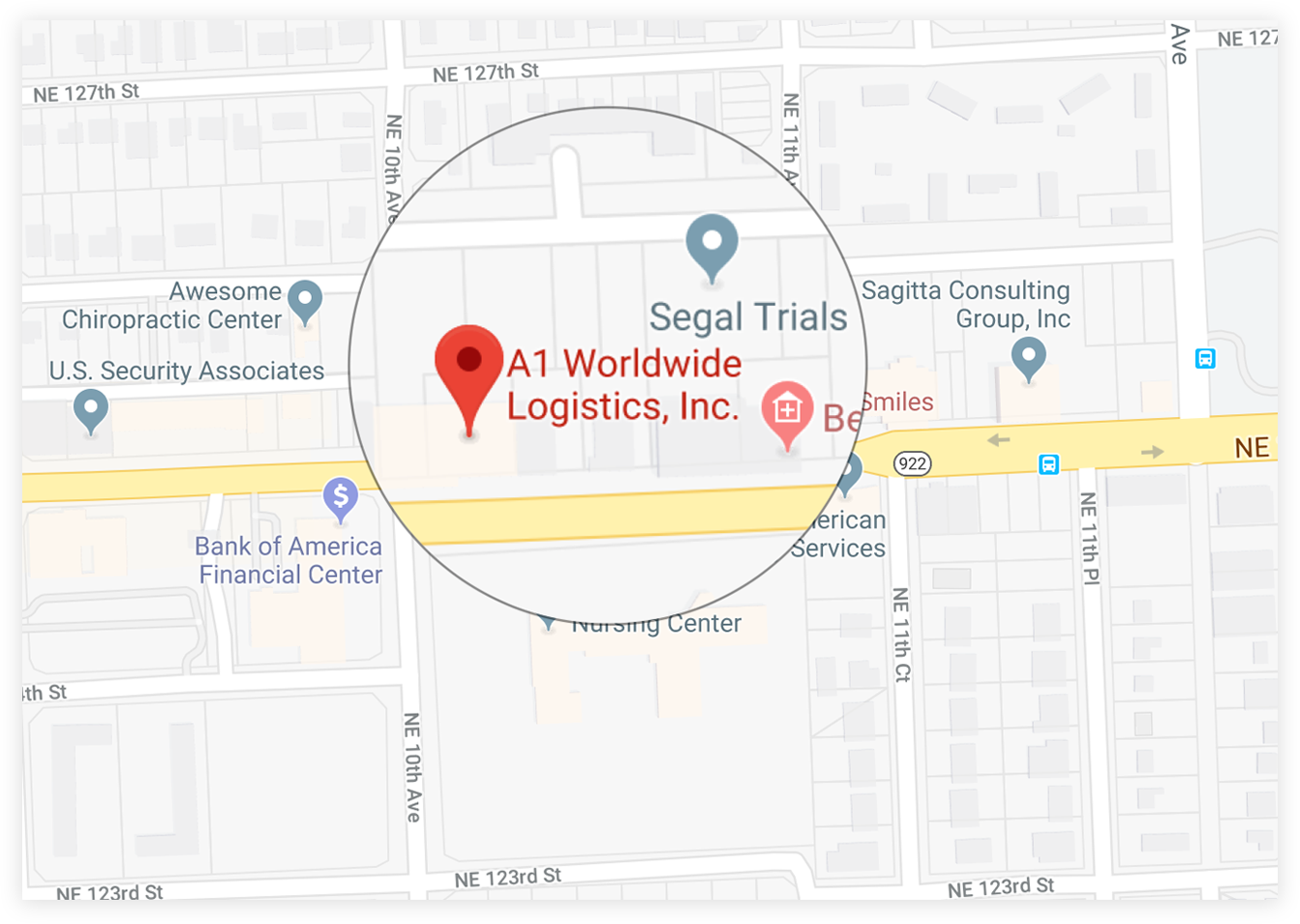
 1035 NE 125th St Suite #320, North Miami, FL 33161.
 a1worldwidelogistics.com
 (305) 821-8995
 Hours: 8AM - 5PM