by A1 WorldWide Logistics | Dec 28, 2022 | Customs Clearance, Import and Export Experts, Shipping Logistics
A customs declaration is one of the primary forms required when shipping cargo into or out of a country. This document gives details of what is being imported/exported. When moving your freight internationally, you must be aware that you need to declare goods correctly. The reasoning behind a declaration is to let customs authorities monitor what is going through a country. This way, they can protect a country against potentially dangerous goods entering or leaving.
Declaring Hazardous Materials
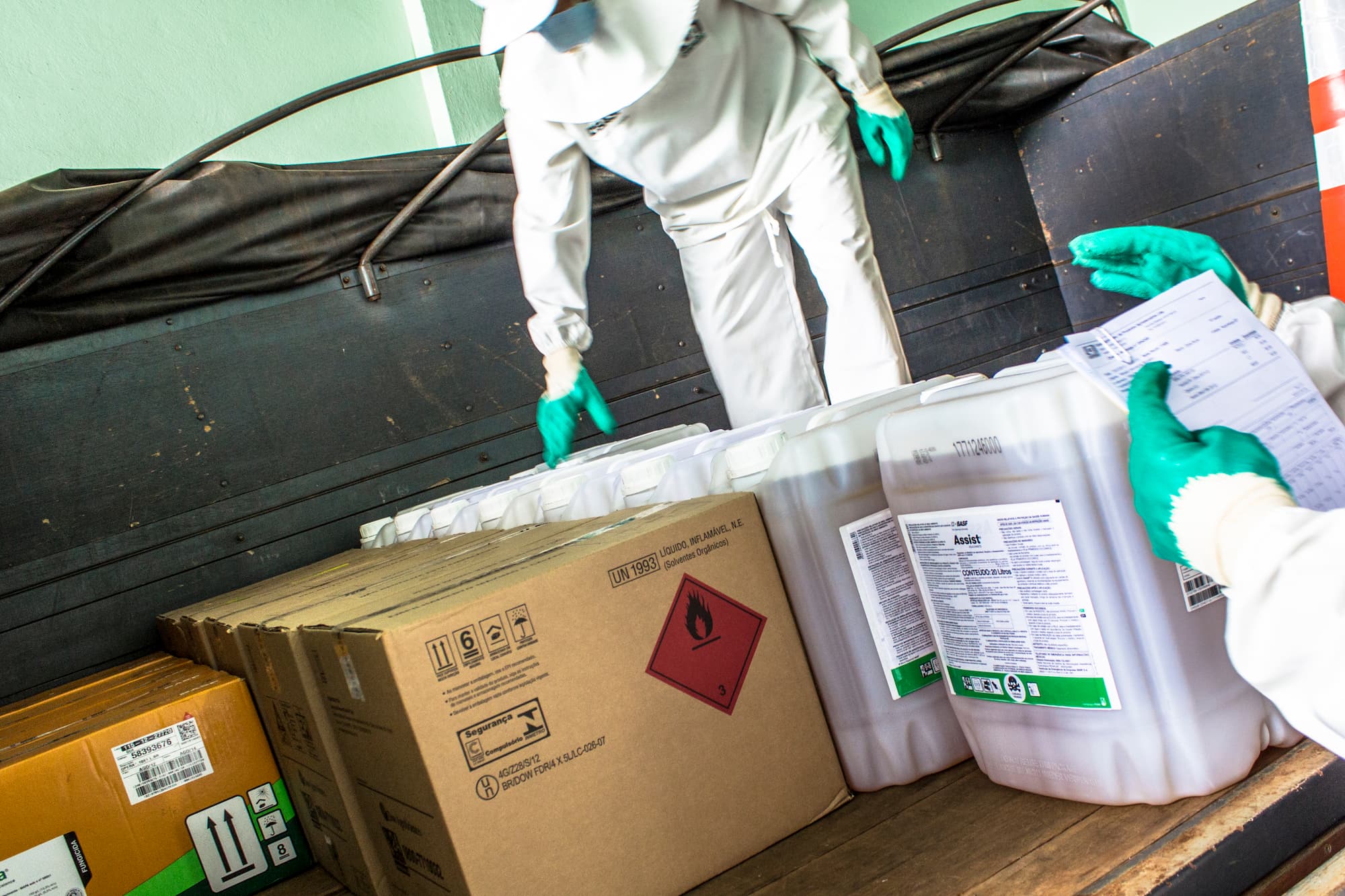
A hazmat is an abbreviation for a hazardous material that may risk the environment, property, or a person’s health. Freight considered hazmat is toxic or easily flammable when released into the air or dangerous when spilled into the ocean. Examples of these types of goods include:
- Radioactive materials.
- Explosives like ammunition and gunpowder.
- Pest control and insecticide products.
- Flammable liquids like paint and alcohol.
These goods follow unique precautionary methods when being handled. A shipper must fill out the dangerous goods declaration form before the goods leave the country. It is also crucial to research if the specific freight shipped is allowed entry into the destination country.
What to Know Before Shipping Hazmat
Before shipping Hazmat, it is crucial to classify the freight according to the IMDG code. The International Maritime Dangerous Goods Code, or IMDG, is an international guide for classifying dangerous goods. The IMDG segregates cargo into nine different classes according to its risk type. For example, class 1 is explosives, and class 8 is corrosives. The nine classes each have their subdivisions grouping the substances. Classification is further separated into packing groups, UN Numbers, and shipping names.
A Packing group is the grouping by the level of risk and ranges from group one being the most dangerous to three being the least. When packing the hazmat, it is essential to understand the correct way to fill it. This can vary depending on the type of freight. The labeling of the class should be accurate and visible on the packing. Loaders should follow particular guidelines when loading the goods unto the container. Certain hazmat can be segregated from the rest of the freight, and the carrier places it under specific temperature requirements.
The Consequences of not Declaring or Labeling Correctly
Not declaring or labeling a shipment properly may result in a monetary penalty or repossession. More importantly, it can lead to putting others at risk. If a Hazmat goes unnoticed when packing, it may not get administered the proper handling. Without the correct handling, leakage or deterioration could occur. In a worst-case scenario, it may even explode and cause harm.
In most cases, when freight goes through customs, the authority will not open the package to check what is inside. They will go by the documentation and labels on the packaging. If you need assistance declaring goods or importing into the U.S., contact A1 Worldwide Logistics at 305-821-8995. We have customs brokers ready to guide you through the shipping process and ensure that you label cargo correctly.


by A1 WorldWide Logistics | Nov 6, 2022 | Economic trends, Import and Export Experts
Over the last year, the value of the U.S. dollar has climbed to unprecedented levels. In September 2022, the dollar went to a two-decade high while other currencies reached record lows. Especially in emerging markets where currencies like the Turkish Lira have lost much of their value compared to the dollar. More common coins have also seen a discrepancy, such as a euro, with one euro buying around 0.97 dollars today. The value disparity compares to the same amount of euros buying $1.17 a year ago. The dollar’s strengthening is due to the Federal Reserve’s hike in interest rates.
The hike attempts to repress inflation rates which are also soaring. Recent figures have shown the cost of buying everyday items like food has risen over 10% compared to last year. When interest rates rise, foreign investment becomes more popular, increasing the demand for a currency and its value. While many advantages arise from a strong currency, there may also be disadvantages. A drawback is that U.S. companies may have difficulty selling their goods overseas because it is more expensive. The surge has also had a massive effect on international shipping to and from the U.S.
How is Importing and Exporting from the U.S. Impacted
A strong dollar directly impacts global trade, and the amount of cargo moved into and out of the U.S. As previously mentioned, the increase in interest rates heightened the dollar’s value. When a currency strengthens, the imports into the country of the currency increase. The cargo brought in rises because the cost of importing goods decreases. This is ideal for businesses in the U.S. that buy goods from other countries and ship them over. Another benefit of lowering imported goods’ prices is that it can control domestic inflation. Inflation slows down because every dollar may be able to purchase more goods.
While the dollar’s rising value can increase imports into the U.S., the number of exports can decrease. This is due to the growing cost that an importer from another country must pay for a U.S. good. An example can be a company in India buying several products in the U.S. worth $1000. If the dollar’s value rises to a certain amount, that $1000 will equal fewer products. The number of products may lower even further since the value of other currencies, such as the rupee, is decreasing. On a large scale, this can reduce the number of exports from the U.S., considering the depreciation of other currencies.
With the dollar currently at solid levels, it may be a perfect time for U.S. shippers to import goods. However, the shipping process is complex and may confuse first-time shippers. A third-party logistics company can help because they handle the shipment for the shipper. Contact A1 Worldwide logistics at 305-821-8995 for assistance with shipping your freight. We have freight forwarders for cargo transportation and customs brokers that assist with the clearance of goods entering the U.S. Whether you are importing or exporting to and from the U.S., we find the best quote for moving your shipment.
by A1 WorldWide Logistics | Jul 20, 2022 | Customs Broker, Freight Forwarding, Import and Export Experts
Clear and Move your Merchandise with A1 Worldwide Logistics. We have a team of experts ready to guide you through the import process.
We can help with:
Custom Clearance – Prepare all the necessary documentation and have your merchandise released.
Freight Forwarding – Move your cargo. We offer air freight, ocean freight, and inland freight.
Warehousing – Warehouse your good if needed.
Call now and get the best rates and the most efficient service. Attention in English and Spanish.
Tel: 305-821-8995 email: info@a1wwl.com // paula@a1wwl.com

by A1 WorldWide Logistics | Jun 15, 2022 | Agricultural imports, Customs Broker, Customs Broker Miami, Customs Clearance, Freight Forwarding
One of the first things that millions of Americans do when they wake up is have their morning coffee. 64% of Americans drink coffee daily. It is a routine and a necessity for many as they start their workday. Bringing in an estimated $6.9 billion of coffee in 2021, the United States is the world’s biggest importer of coffee. For reference, this is about 19.2% of the amount of coffee imported globally. Americans drink approximately 400 million cups of coffee daily and 146 billion cups a year. With over $1 billion in coffee exported to the U.S. each year, Colombia is the largest exporter.
Coffee rose to one of the most popular beverages after the Tea Act of 1773. The Tea Act imposed taxes on various imports, including tea, the most consumed drink at the time. The Americans protested against the tariffs by switching to coffee instead of tea; the rest is history. Only two states are legally allowed to grow coffee for commercial purposes, meaning that shippers import most coffee from elsewhere. If you plan to import coffee into the U.S., this article provides a summary of what to expect. Contact a customs broker for a detailed explanation and to be fully prepared.
Beginning the importation Process
To begin the import process, the shipper understands the requirements. It is vital to ensure that the import complies with the requirements of governing agencies such as the CBP, FDA, and USDA. Each agency has specific documents to be submitted and requirements, for example:
- US. Customs and Border Protection (CBP): The CBP requires any import valued at over $2500 to have a customs bond.
- Food and Drug Administration (FDA): The FDA requires import registration and a Prior Notice Filing with important information about the shipment. Contact a customs broker for a list of what is needed for the filing and assistance with completion.
- United States Department of Agriculture (USDA): The USDA requires an application for a permit to import plant products like coffee beans.
The FDA also requires you to appropriately label every bag imported into the U.S. This includes the ingredients, content, net weight, and more.
In the shipment arrangement, select the conveyance method that corresponds to the shipment type. For example, a load of 24 pallets of coffee beans would benefit from an FTL sea freight container. Shipments that aren’t too large and need to be moved quickly should go on an airfreight aircraft. It is also crucial to understand the different costs associated with your shipment. For example, the CBP requires a Harbor Maintenance Fee for any shipment entering the U.S. by ocean. A Merchandise Processing Fee is a processing payment required for most imports into the U.S.
Whether you’re a first-time importer of coffee beans or a business that continuously imports, it is essential to prepare. If you plan to import coffee or other goods, contact A1 Worldwide Logistics at 305-821-8995 to get started. Our freight forwarders will move your cargo anywhere inside or out of the U.S. Our licensed customs brokers will coordinate with U.S. customs to clear your shipment and simplify your shipping process.


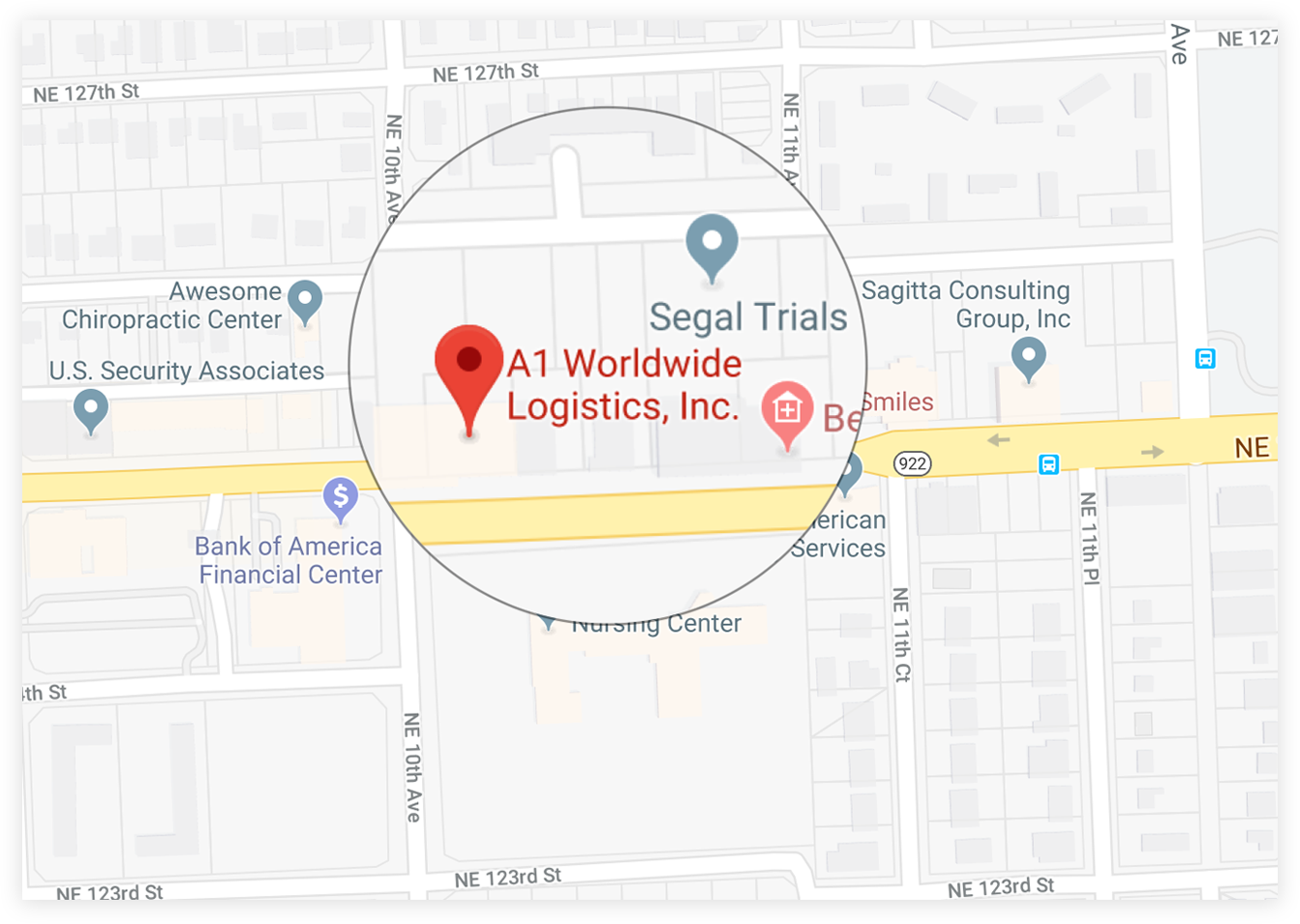
 1035 NE 125th St Suite #320, North Miami, FL 33161.
 a1worldwidelogistics.com
 (305) 821-8995
 Hours: 8AM - 5PM