by A1 WorldWide Logistics | Mar 10, 2023 | Freight Forwarding, Import and Export Experts, Shipping Logistics
Technological advancements have led to new possibilities in the international shipping industry for centuries. The shipping industry has constantly evolved from the invention of large cargo ships to the creation of containers in the 1950s. Paperless shipping has recently surged in popularity, and many top carriers have followed the trend. Nine of the largest ocean carrier companies have even committed to a fully electronic bill of lading by 2030. The bill of lading, or BL, is traditionally a document that a carrier issues on physical paper. A completely 100% electronic BL is a milestone in shipping and can lead to a fully digital supply chain in the future.
During the coronavirus pandemic, digitalization became increasingly necessary for shipping companies. This is due to how supply chains were affected by Covid-19. When lockdowns happened in countries globally, carriers packed ports with thousands of containers. The reason behind the crowding was the cancellation of countless flights carrying BL documents. BLs are necessary to release the containers from ports, and Covid-19 limited the amount of BLs sent, causing a backlog.
A record number of international shipments from Covid-19 further increased the backlog. The effects of the containers stranded in ports were incurring demurrage charges, lost sales, and higher working capital for shippers. With the time spent sending a physical BL document, a digital BL could have alleviated many issues. A study reported that stakeholders could have saved $6.5 billion in costs and allowed for $40 billion in international trade.
Modern-Day Benefits of Electronic Bill of Ladings

The most prominent carriers are transitioning to paperless BLs because of the benefits offered. As previously described, sending physical documents to ports and customs may be time-consuming. One of the main advantages is that digitalization allows for the immediate transmission of documents such as the BL. An increase in one of the supply chain parts can mean the entire supply chain becomes quicker. Speed is also one of the critical factors that a shipper looks for when deciding on a freight forwarder.
Another benefit of digital BLs is the enhanced level of security. Various electronic BLs are stored and transferred over blockchain platforms and cloud storage, which are protected. The high security also lowers the chances of fraud since the documents are secured by blockchain technology and signed electronically. Digitization also allows for fewer mistakes because autocomplete functions and form fields are possible when using digital programs. Eliminating errors, reducing paper usage, and removing BL transportation are cost-effective benefits for businesses.
As the world of international shipping continuously evolves and changes, the shipper needs to be up to date with the industry. Understanding the best alternatives for transporting goods can provide supply chain delays and help businesses keep clients. Contact A1 Worldwide Logistics at 305-821-8995 or info@a1wwl.com for a quote to move your freight internationally. Our digitalized freight forwarding process helps streamline your cargo’s transport time. We also provide solutions like warehousing and domestic transportation to assist with your shipping needs.

by A1 WorldWide Logistics | Jan 30, 2023 | Agricultural imports, Customs Broker Miami, Freight Forwarding, Supply Chain
Celebrated February 14th, Valentine’s Day is known as a celebration of love and romance. Goods such as chocolates, candy, and perfumes are imported into and out of the U.S. from different countries. Another typical shipment moved globally for Valentine’s Day celebrations is flowers. Over 1.1 billion flowers are imported into the U.S. and inspected annually by customs. Out of all the imports, most are roses produced and transported from farms in Colombia. Several trade agreements have resulted in more than 62% of the total rose imports into the U.S. coming from Colombia.
Miami International Airport receives an estimated 91% of all the flower imports that come into the U.S. 23% of these imports happen between January and February in preparation for Valentine’s Day. While the importance of shipping flowers internationally is known, the process of moving the goods to their final destination is not. This article will give a background of how flowers are imported into the U.S. and explain how to begin. For more information, talk to one of our customs brokers at 305-425-9752 to understand the shipping process.
The Logistics Behind Importing Flowers into the U.S.
Since most rose imports into the U.S. come from Colombia, shipping from this country will be an example. The supply chain begins at the farms in Colombia, where producers grow the flowers and prepare them for shipping. When a wholesale company or independent shipper places an order, the flowers are packed into a refrigerated plane and transported. The method of conveyance is generally an airplane because the flowers have to be transported from Colombia to the U.S. in a speedy manner. Nevertheless, in some cases, boats are also used to transport flowers. Once they reach the U.S., Customs and Border Protection inspect the flowers for insects or diseases.
Customs’ purpose is to ensure that anything imported or exported from a country complies with the laws and regulations. Since there are an extensive amount of guidelines that require compliance, many importers hire a customs broker. A broker acts as an intermediary between the shipper and customs for the release of a shipment. They do this by providing the correct documents, filing customs entries, and paying the duties of the importer.
When customs clears the flowers, a refrigerated truck transports them to their final destination. A shipper who wants to begin importing flowers into the U.S. should start by understanding the necessary documents for importation. Customs brokers also help educate shippers to understand that and to provide the paperwork. The importer should also talk to a freight forwarder to find a carrier to move the shipment. Forwarders find the best transportation prices for conveyances such as boats, planes, rail, and trucks.
Give flowers!
Valentine’s day is a time of showing that special someone admiration and appreciation. A conventional way is by giving presents like flowers and other gifts such as jewelry or chocolates. If you plan on shipping cargo for this coming Valentine’s Day, contact A1 Worldwide Logistics at 305-821-8995 to get started. Our company has freight forwarders and customs brokers prepared to handle your cargo. We will ensure your and your customers’ satisfaction with the secure movement of your shipment.

by Rob Simmons | Sep 8, 2021 | Customs Clearance, Freight Forwarding, Import and Export Experts, Shipping Logistics, Transportation
The current international freight shipping market is seeing a sizeable distribution of spot prices. When shipping containers, a spot price is a cost for moving freight shipments to a certain destination. Earlier this year there was a report that spot prices were high compared to last year, but they still are growing in the present moment. With spot rates growing for certain freight shippers, other shippers are finding a decrease in spot rates, and this can create an unbalanced spread.
The reason that the spread is so wide may be attributed to the current market. Situations such as port congestion and a scarcity of containers created a high demand in the market. The demand in trucking and warehousing has also risen compared to the capacity. Plus, with the holiday season quickly approaching, the demand may increase. This has led to a high push for shippers to get space on a freight vessel, rising the spot rates.
Why are Some of the larger Customers Getting the Leverage?
The trend in the spot rates may be more favorable for larger shippers than mom-and-pop shippers. The larger or more attractive shippers tend to pay fewer spot rates than smaller importers. This is because compared to a smaller shipper, larger freight shippers may offer more benefits for the carrier. Larger freight volumes from big shippers can be attractive to the carriers. Larger shippers may also provide the carrier with lengthy contracts and tend to have an already established relation to the carrier.
Xeneta, a shipping index and a benchmark for comparing ocean freight rates recently did an analysis of the market rates for the China-Los Angeles ports. They reported the short-term market rates had a high and low difference of around $1200 a few months ago. At the same time last year, the China-Los Angeles ports had a high and low difference of only $150. If this trend continues, there is a fear that smaller shippers may not be able to compete in the freight shipping market.
The Dependance on Location
One of the main contributors to the spot prices is where the freight leaves from and the final destination of the shipment. The trans-Pacific is the region in the Pacific Ocean where several countries cross over to do trade. Because of the vast number of countries doing trade in the trans-Pacific market, different countries may have their own market. This also can mean that they have their own spot prices.
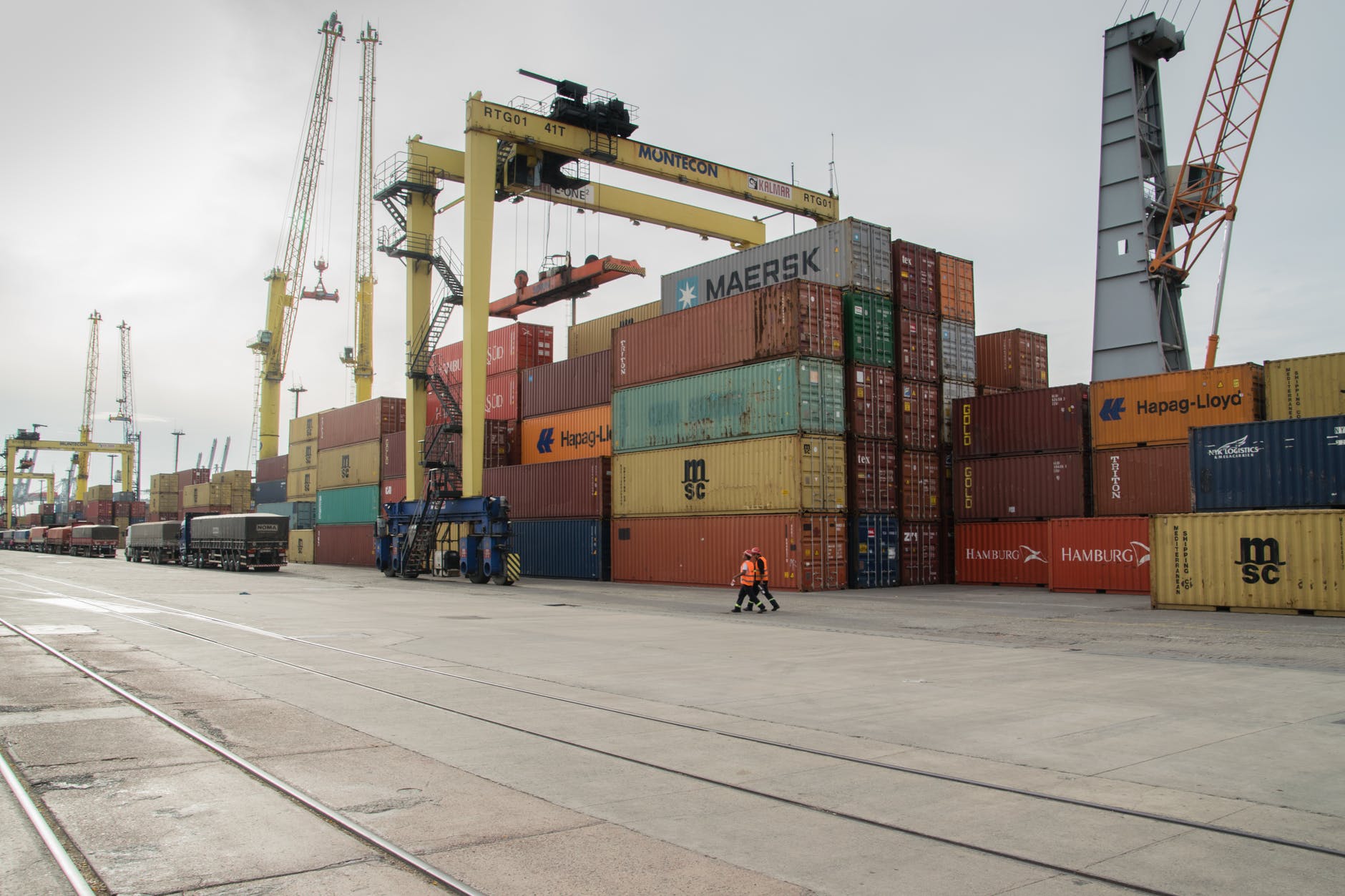
For example, shipping from China may be cheaper than shipping from Japan. This is because China has some of the largest container ports in the world and may be able to move more freight in a certain time period. This high volume of freight that is able to be moved can lead to higher profits for carriers.
The destination of the freight being moved may also affect the spot price. The port of Los Angeles has experienced an immense amount of congestion in the past year. Even at the present moment, there are freight container vessels waiting to be unloaded. If a shopper plans on moving their freight through this port, short-term rates may be high due to waiting times. Now compare the situation to the Port of Hueneme a few miles away. With less congestion and traffic, the shipping rates per container may be less.
A1 Worldwide Logistics
Knowledge of the international freight shipping market is important when you plan on moving freight. Particularly in the current market, it is critical that you are getting a fair and understandable quote for your shipments. Contact us at 305-821-8995 or at info@a1wwl.com to get a quote on your shipment. Our freight forwarders look for the best quote prices for moving your shipments domestically and globally.
by Rob Simmons | May 14, 2021 | Customs Broker, Customs Broker Miami, Customs Clearance, Freight Forwarding, Technology
Since its start in the early 1800s freight forwarding has developed into a whole industry. As logistics and technology have evolved over the years, so has freight forwarding. Innovations in forwarding have led to goods being moved around further distances faster. Supply chains also grew to be more well-built and resilient. Recently, a common trend that we may be seeing more of is freight forwarding companies becoming more digitalized. These digitalized forwarding companies have also seen increasing collaborations with TMS providers to enhance their capabilities.
The Benefits of more Digitalized Forwarding
The process of freight forwarding is intricate with many different components involved. If one thing goes wrong, it may harm the whole process. For example, If the paperwork is incorrect at the start, the freight may not be allowed to reach the final destination. Digitalized forwarding allows simple mistakes to be avoided. When the paperwork is transferred into a system, errors can be checked for much easier and in a timely manner. Also, the documents can be re-examined conveniently since they up uploaded and viewable at any time.
Another important benefit is that the tracking of the freight is much more possible. This is because real-time tracing allows for constant updates of your shipment. The date that the freight will reach its final destination may also be predicted much easier. The quotation process may also become more accurate. Although it may be costly to transition into a more digitalized system the benefits can outweigh the costs. One way many companies are doing this is by adopting a TMS platform.
What is a TMS?
A transportation management system (TMS) is software that provides a clear view of the operations of the freight shipping process. This is by having digital access to information such as the coordination and movement of freight. It also assists with planning and record-keeping of the freight. When a freight forwarding company partners with a TMS like Descartes or BluJay, the supply chain processes become more efficient. Over the next few years, a large number of freight forwarding companies could transition into becoming paperless and using TMS software.
A1Worldwide Logistics
if you are looking for a freight forwarder to move your goods internationally, were here to help. We organize the transport of freight by various ways such as ocean and air. We also assist with drayage services. If you are looking for a free quote, call us at 305-821-8995 or email us at info@a1wwl.com.

by Rob Simmons | May 10, 2021 | Freight Forwarding, Supply Chain, Transportation
Last year there were reports of a global freight container shortage. This shortage has continued on to this year. The demand for containers greatly outnumbers the number of containers available. With the current state, the shortage may continue until the end of 2021 and even into 2022.
When did this Shortage Begin?
The start of this shortage was believed to happen in mid to early 2020 during the coronavirus lockdowns. With the pandemic establishing quarantine worldwide, people resorted online to purchase their goods. Freight that is purchased online tends to be imported internationally. In 2020, Ports in the U.S. saw an overwhelming number of ships carrying freight arrive at their terminals. This large volume led to congestion across the nation, and we may be still seeing the side effects today.
Why is the Shortage Persisting?
There are many reports as to why there may be a lack of freight containers. One explanation previously mentioned is that a large number of ports have not recovered from the blockage. The number of new containers being sold has also remained sluggish. This may be because the cost of a container has risen greatly in a year. In 2020 the cost of a new container was around $1800. In a year, the cost rose to $3500. Combine the increasing price with the lack of inventory and it creates an unfavorable situation.
Another reason could be the Suarez Canal blockage. This added to the situation because of the large number of ships that were blocked. Over 350 ships carrying thousands of containers were delayed. The Ever Given itself can hold over 20,000 containers of freight. The blockage also led to ships taking the longer route through the Cape of Good Hope, resulting in long delays. Also, Chinese ships that were planning to go through the Suarez Canal are turning around at such a rapid rate that they are dropping empty containers behind. Adding to the scarcity.
Is There an End
As everything recovers from the hectic year of 2020, there may be light at the end of the tunnel sooner than later. The manufacture of freight containers has gone up in 2021 compared to last year. Although this production is still not enough to overcome the current shortage, it may be a sign of things to come. As the economy steadily returns to pre-coronavirus, more freight may start to be shipped globally. This could result in the need for more containers and more production, along with the end of the shortage.
A1WWL
If you are looking to import or export freight internationally and need a quote, call us at 305-821-8995 or email us at info@a1wwl.com. We provide hands-on service with your freight all the way to its final destination.




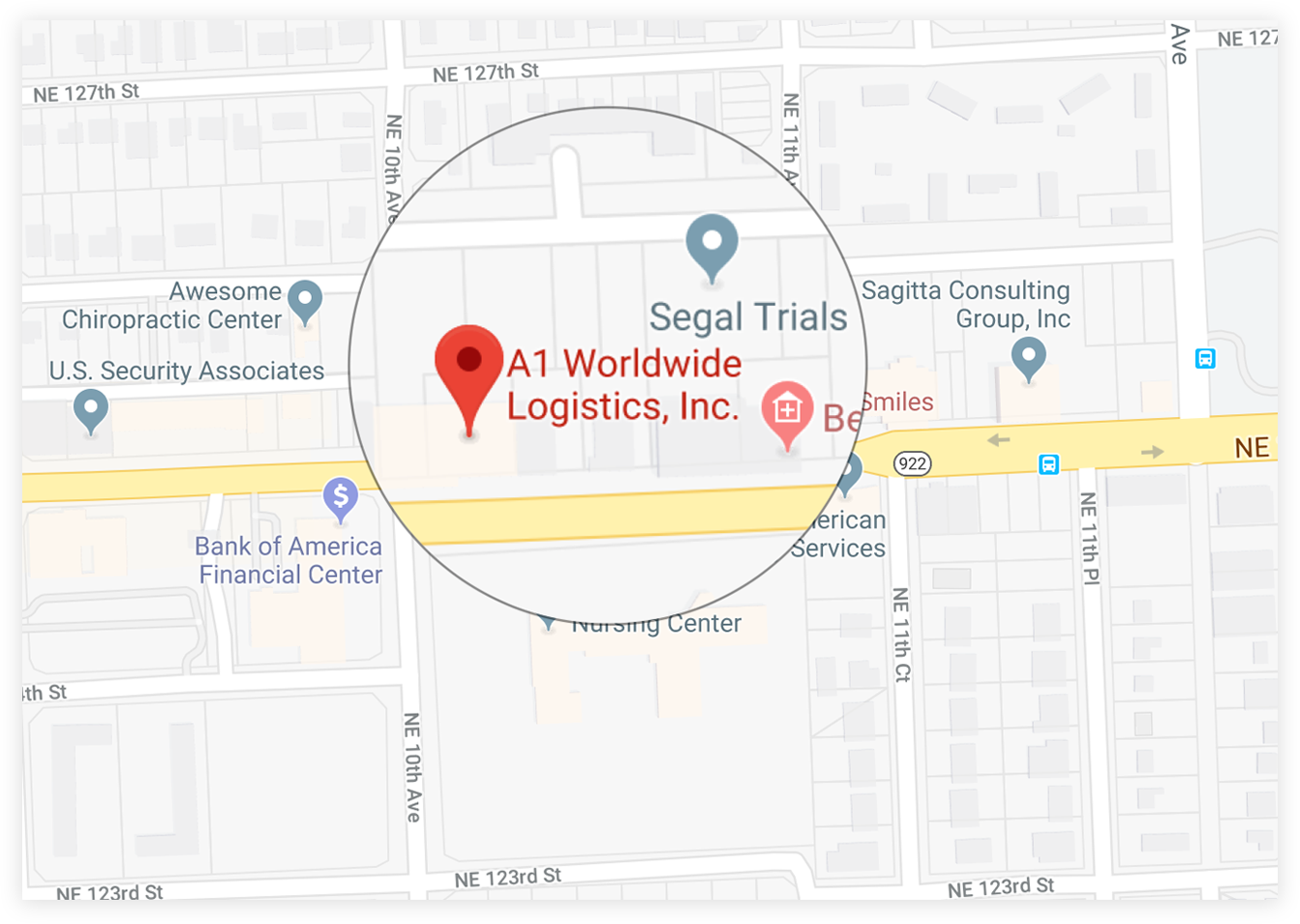
 1035 NE 125th St Suite #320, North Miami, FL 33161.
 a1worldwidelogistics.com
 (305) 821-8995
 Hours: 8AM - 5PM