by A1 WorldWide Logistics | Dec 7, 2023 | Importing, Shipping Logistics, Supply Chain
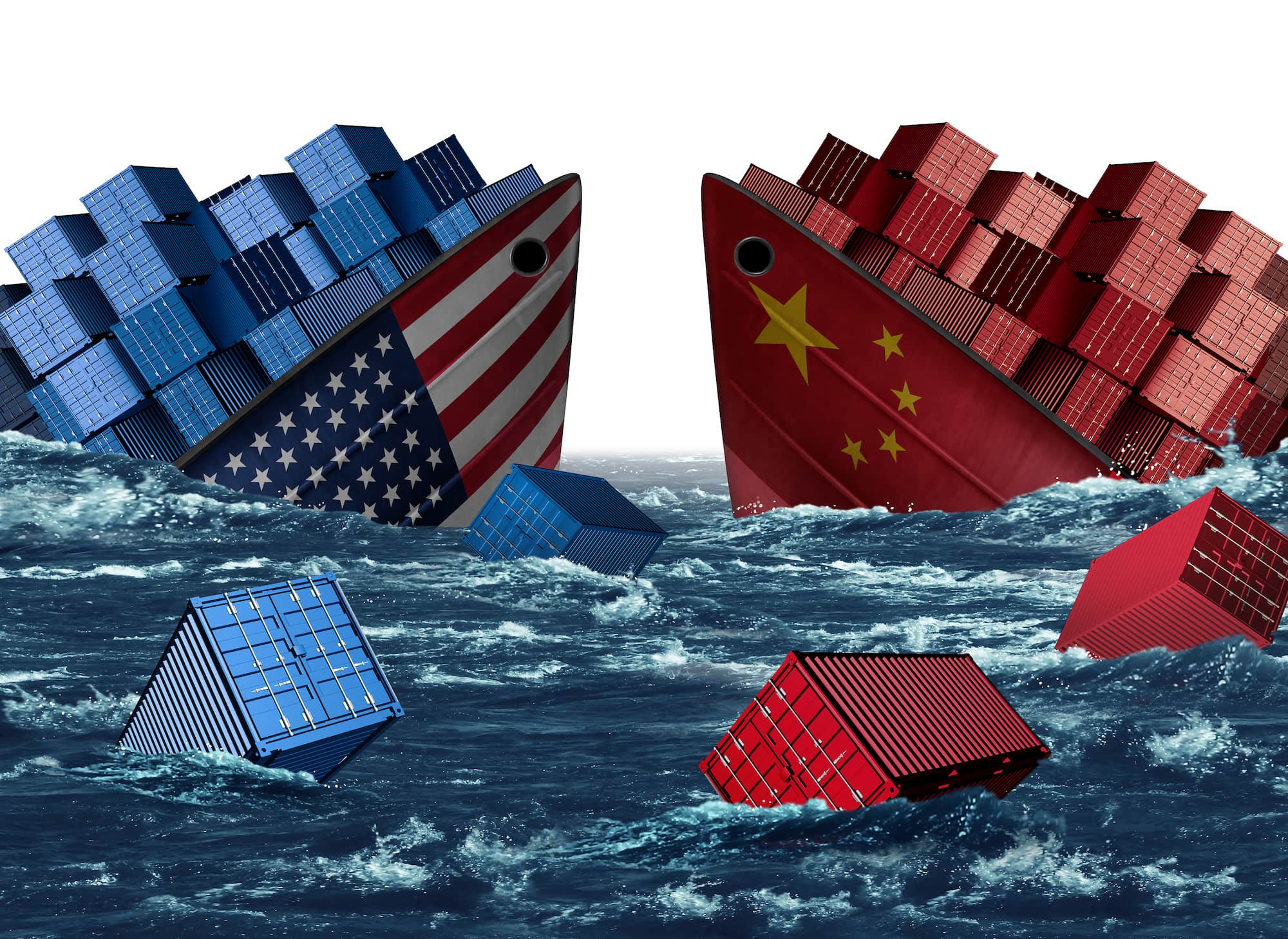
Recently, many U.S. companies have been discussing other sourcing alternatives instead of China, making some ask, “Are China Imports Declining?” For over a century, most labels on goods in the U.S. have had “Made in China” written on them. Single-sourcing imports have always had their benefits and drawbacks. The risks of single-sourcing from China had become more apparent not long ago.
Why Are China Imports Declining?
The coronavirus accelerated present risks and disrupted the supply chains of numerous importers from China. Ports all over China were closed or working at limited capacity due to the pandemic. This created a backlog in freight shipping and challenges for shippers and their customers. Years before the coronavirus was present, the imports from China were already lessening for several reasons. An example of a reason was that the tariff costs that importers had to pay rose to over 20%.
Companies that manufactured goods in China also had intellectual property theft issues. This is the robbery of a company’s products and ideas for their usage. The environmental impact of importing from China was another factor that companies looked at. Producers in China use specific production methods that the U.S. prohibits. This means the environmental effect may be more significant when companies manufacture goods in China instead of the U.S.
Other Alternatives
As companies looked at other options for sourcing, countries like Vietnam became attractive. The country is politically stable and has various growing industries, such as automotive and electronics. The labor costs are also relatively low, making it an ideal candidate for manufacturing companies to move to. Over the past few years, imports from Vietnam and other Asian countries have risen considerably. However, the risks, such as infrastructure and the worry for human rights, remained.
Instead of outsourcing the imports from Asia, another substitute is outsourcing from somewhere closer, like Mexico or Latin America. Mexico is already one of the biggest trading countries with the U.S. The proximity is also a huge benefit for companies that rely on imports. Trucks may become an increasingly popular conveyance method for imports entering the U.S.
Can Reshoring Back to the U.S. Become More Common?
One of the many solutions was to bring the manufacturing of goods back to the United States. There are various advantages and disadvantages associated with moving manufacturing from China to the U.S. One of the main benefits is that the transport times become significantly shorter. Shippers do not need to import into the U.S. from countries that may be far away. Also, if manufacturers make the goods in the U.S., no duties for imports have to be paid.
Despite this, reshoring back to the U.S. may be a difficult task. This is because many companies that outsource to different countries have done so for decades. Going backward on a supply chain with the same process for decades takes time. Offshoring manufacturing to foreign countries also tends to provide cheaper production costs, which can benefit companies instead of reshoring.
A1 Worldwide Logistics
Although the locations where shippers bring in freight may become more diverse, the number of U.S. imports is still increasing. If you plan to ship to and from the U.S., A1 Worldwide Logistics is here to help. We have freight forwarding services for both imports and exports. Call us at 305-821-8995 to get a quote for your shipment.

by A1 WorldWide Logistics | Aug 23, 2023 | Freight Forwarding, Shipping Logistics, Supply Chain
Weeks of drought have resulted in congestion in the Panama Canal for carriers passing through. Many consider this backlog the “world’s worst traffic jam,” with over 125 ships currently waiting outside. The numbers reportedly reached a height of 200+ in the last few days. The Panama Canal is a significant shortcut in international trade for the Atlantic and Pacific oceans. Yearly, the Panama Canal generates nearly $2 billion in revenue and close to $800 million for Panama’s economy. Certain shippers save billions a year using the canal instead of taking a longer route. With the amount of importers and exporters that rely on the passageway, a drought significantly impacts cargo movement.
Canal Authority Responds to Drought by Placing Restrictions
Although different factors led to a traffic jam in the Panama Canal, the leading cause is a recent drought. The drought is due to a weather phenomenon called El Niño, which lower the rainfall for various locations. This year, in particular, Panama has seen a more substantial decrease in rain than usual. Along with El Niño, the rainy season in Panama has been less than average in the last few years. The issue is that the canal relies on rainwater to transport containerships between the two oceans. To combat the problem, canal authorities have recently placed restrictions on the number of ships that go through at a time.
Last week, the authorities lowered the range of daily containerships passing through to 32 from an average of 36 ships. Other restrictions include a reduction of the draft limit of the canal from 50ft to 44ft. The draft is the distance between a boat’s waterline and the deepest point of the ship. A vessel must reduce the number of containers on board to meet the limit. As a result, larger containerships and dry bulk carriers experience longer wait times. The factors mentioned combine to create a significant traffic jam in the canal. Along with affecting Panama’s economy, it substantially affects the global economy.
How Are Shippers Affected by the Congestion in the Panama Canal?
The importance of the Panama Canal is shown by the extensive number of supply chains that rely on it. With the number of ships stuck in the traffic jam, the main impact is shipping delays. This is especially true with the number of containerships still sailing to the canal. With the holiday season quickly approaching, this amount may soon grow. A consequence of the wait times is that the costs incurred are also rising for the shipper. Supply chain disruptions may reportedly increase prices for goods like imported groceries in the near future. Panama Canal authorities have already placed higher premiums for larger vessels that must pass through.
When disruptions like a canal backlog typically occur, shippers tend to look for alternative routes to move their cargo. This may lead to an increase in transport times and costs. Talking to a freight forwarder is an ideal way to protect your supply chain. They help by finding the best solutions for transporting your goods. Contact A1 Worldwide Logistics at 305-821-8995 to speak to a forwarder regarding the movement of your shipment internationally. Whether there is a backlog or other issues that may arise, we help you navigate the world of shipping.

by A1 WorldWide Logistics | Mar 24, 2023 | Freight Forwarding, Shipping Logistics, Supply Chain
In international trade, freight forwarders are the intermediaries that handle the logistics of getting your goods to the final destination. Forwarders coordinate with carriers and warehouses to find the best routes for cargo transportation. When choosing a forwarder, the customer should be mindful of how much effort the forwarder is willing to put into having a solid and long-lasting relationship. When examining how much the forwarding agent values their bonds with customers, there are specific indicators to look for. Some of the qualities are the following:
Having Open Communication
One of the most significant parts of a relationship is the ability to communicate when needed. Regardless of the conveyance method of the shipment, the customer should be updated on the location when needed. Diligent freight forwarders have close contact with their customers and constantly provide updates on shipments. A1 Worldwide logistics ensures our clients have instant contact with us during shipping. We achieve this by having open lines of communication such as phone calls, emails, and our website.
Being Dependable
Customers must rely on their forwarder to keep any promises they guarantee. Dependability is a direct reflection of how a business runs and how it cares about its customers. It’s different for a company to say they provide the highest quality customer service and deliver on that promise. This is especially true in international shipping, where supply chain logistics constantly change.
Having Experience
Experience can indicate that a forwarder values customer relationships. This is because of the longevity involved in gaining experience. Forwarders with many clients have expertise from countless years of working with customers. A side effect is that the freight forwarder also learns the importance of customer relationships from working with many clients.
Dealing with Uncertainty
In forwarding, getting your goods to their endpoint may sometimes go differently than planned. Sometimes unpredictable events occur in the supply chain that interrupts the journey. For example, there could be an issue with manufacturing or warehouse placement. Shipping delays can also happen during the trip. A forwarder must be prepared for any circumstance and be able to explain the situation to the customer.
Taking the Extra Step
This means that the forwarder goes above and beyond to calibrate and communicate with the client during the cargo’s journey. It shows how the freight forwarder values the customer and their commitment to keeping the relationship. The extra step can also mean coordinating with the carrier for the client. This can entail that certain adjustments must be made to make the shipping process as effective as possible.
Keeping the Relationship
A forwarder’s key to keeping its clients is consistency and competence. The client must trust that they can depend on their freight forwarder to transport an item internationally. This trust comes from previous experiences where the forwarder demonstrated proficiency at their job. If you want a committed forwarder to building a long-lasting relationship, contact A1 Worldwide Logistics at 305-821-8995. A1WWL aims to provide the best customer service by being accountable and transparent in everything we do. We also assist with customs brokerage to ensure your shipment complies with government regulations when entering a country.
by A1 WorldWide Logistics | Feb 20, 2023 | Customs Broker Miami, Freight Forwarding
While being known for beautiful beaches and warm weather, Florida is also known as a gateway to international markets. Florida’s location is not only ideal for trade with South America and the Caribbean but for Asia as well. The Panama Canal is situated at a distance that shortcuts the time that global shipments reach Florida. In 2016 the Neopanamax locks opened, meaning that larger ships and vessels from distant locations like Asia could pass through. China, being the world’s biggest exporting country, has also benefited from Florida’s location. An estimated $55.5 billion in cargo was shipped out of the state in 2021.
The freight forwarding industry in Florida has thrived due to the many conveyance methods available for moving shipments. Florida boasts 19 commercial airports, 21 foreign trade zones, 15 seaports, and various railroads located throughout the state. In 2019, Florida moved 912 million tons of freight valued at over $1.1 trillion in its freight system. The state’s positioning benefits freight forwarders and shippers by allowing solutions to streamline supply chains. Florida’s growing population has increased the volume of cargo moved in and out every year.
The Port of Miami and Miami International Airport
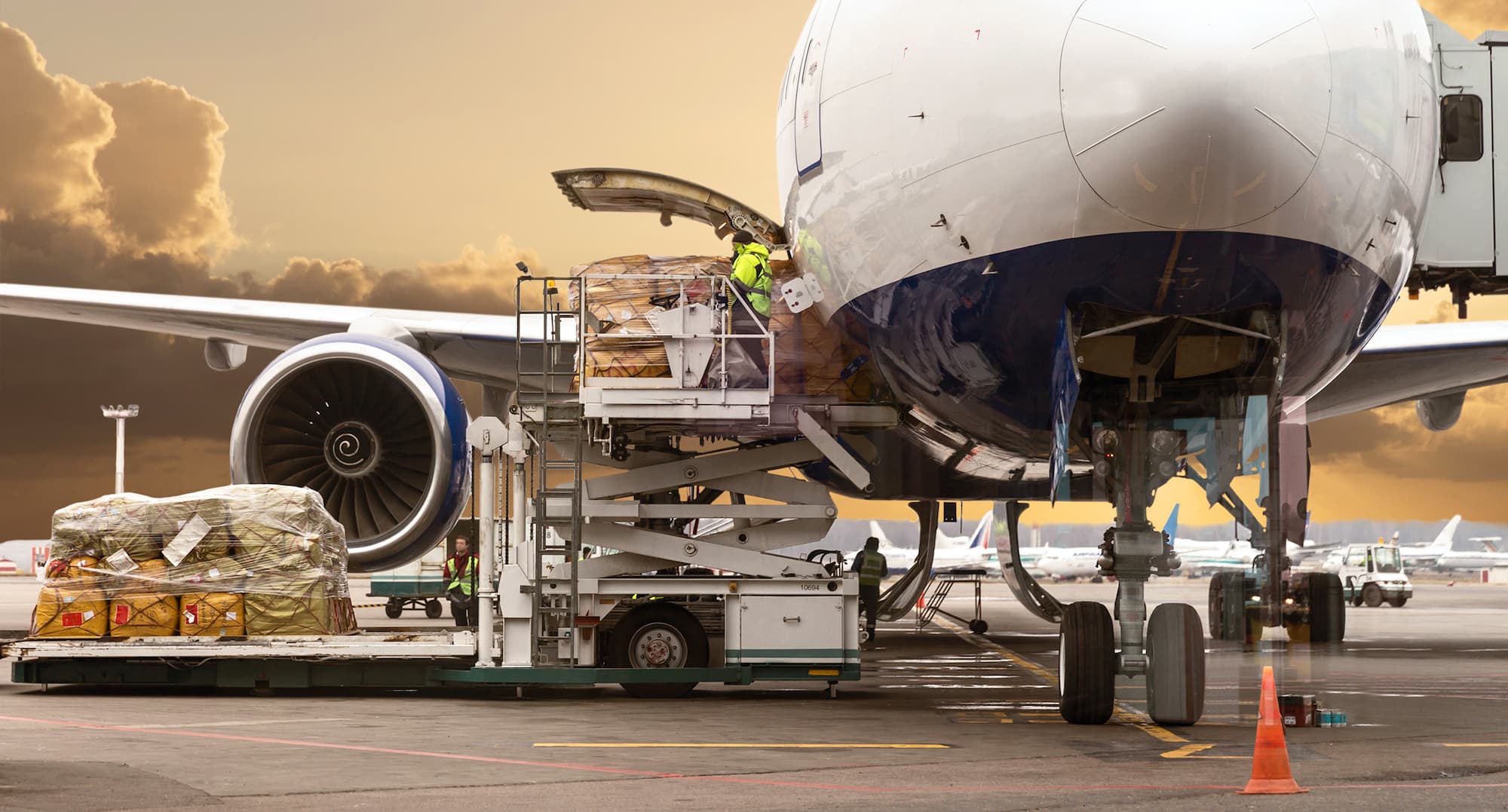
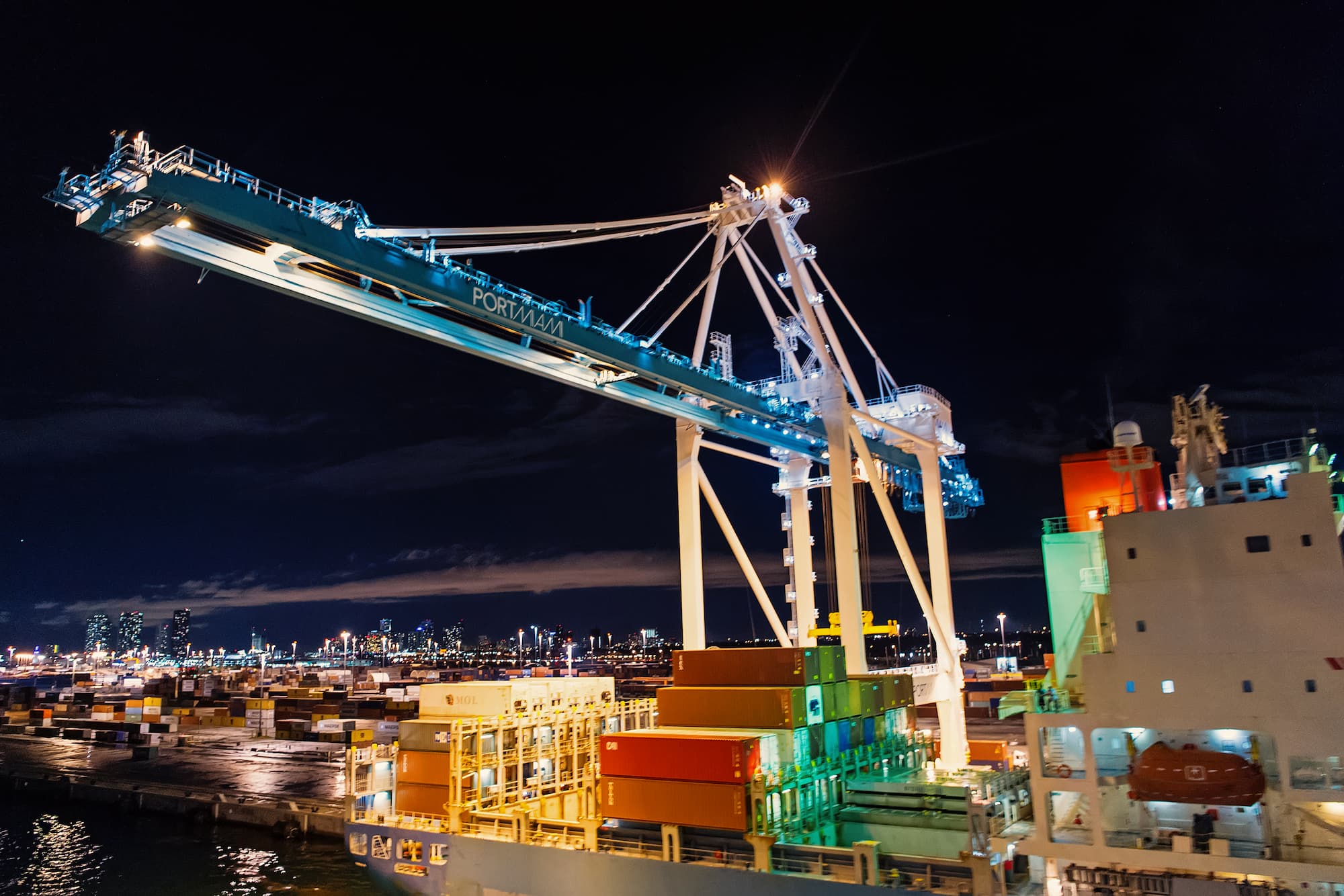
Miami is one of the most significant cities in Florida for shipping freight by air and sea. Two powerhouses contributing to Miami’s freight forwarding success are the Port of Miami and the Miami International Airport. With a TEU capacity of 1,220,000, the Port of Miami is one of the ten largest ports in the U.S. For reference, a TEU (twenty-foot equivalent) is a unit of measurement for the cargo capacity of a twenty-foot container. The Port of Miami is also the only southern-eastern port that allows post-Neopanamax vessels to pass through. The most common types of freight exported include citrus fruit juices, grapefruit, dairy products, and cognac brandy.
Miami moving imports and exports
The Miami International Airport is one of the busiest airports in the U.S. in terms of cargo movement. In 2021 the airport moved over 11 billion pounds of cargo. Nearly 70% of all perishable airfreight entering the U.S. comes through the Miami International Airport. This includes over 90% of flower imports. Once passed through the airport, the goods are transported throughout the U.S. Items such as computers, cellphones, and aircraft components are standard exports out of the facility. The high volume of cargo results from the port’s location, making it a perfect gateway to Latin America and the rest of the world.
Shipping internationally can be beneficial for the growth of a business. However, the actual process may be complex, especially for first-time shippers. Each country has its own rules and guidelines; not understanding the regulations can result in the loss of your shipment. It is highly beneficial to contact a freight forwarder to coordinate the movement of your cargo. If you are looking for a Freight Forwarder in Florida, contact A1 Worldwide Logistics at 305-821-8995 or info@a1wwl.com. We also have customs clearance services to clear your goods when they arrive in the U.S.
ASSISTANCE ALSO IN SPANISH!
by A1 WorldWide Logistics | Jan 12, 2023 | Warehousing
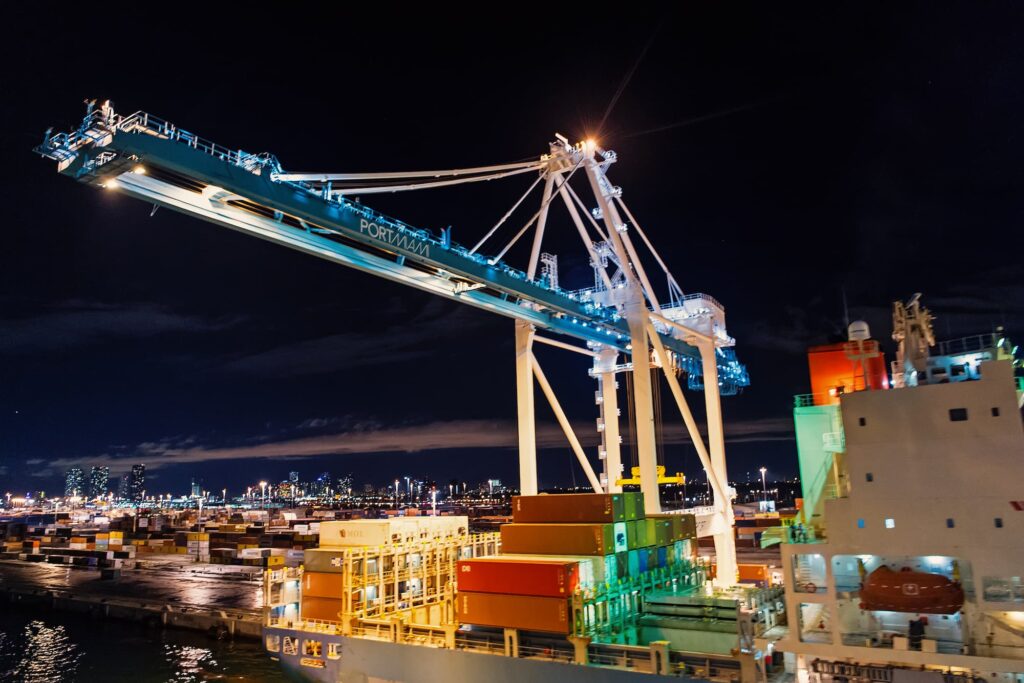
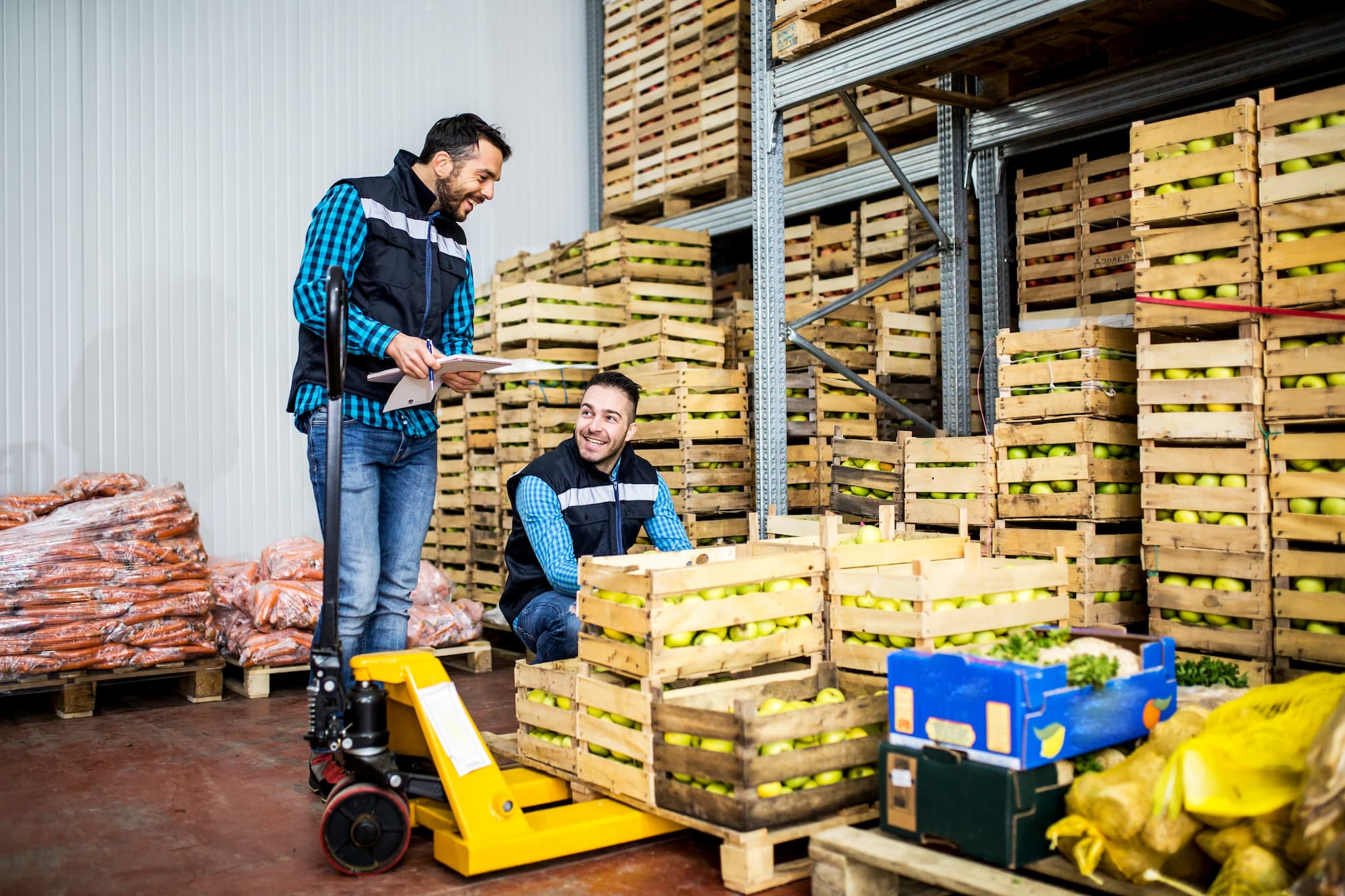
In shipping, packing is taking an item from a warehouse and putting it inside a packaging material. The good is then loaded into a truck or a courier and transported to the next destination. Packing may begin when a warehouse gets an order from a business to ship a product to a client. A worker inside the warehouse will then find the correct cargo and prepare it for transportation to the customer. Before going into the truck, the freight may be wrapped, packaged, and put on a pallet. A common type of packaging used for packing is crating.
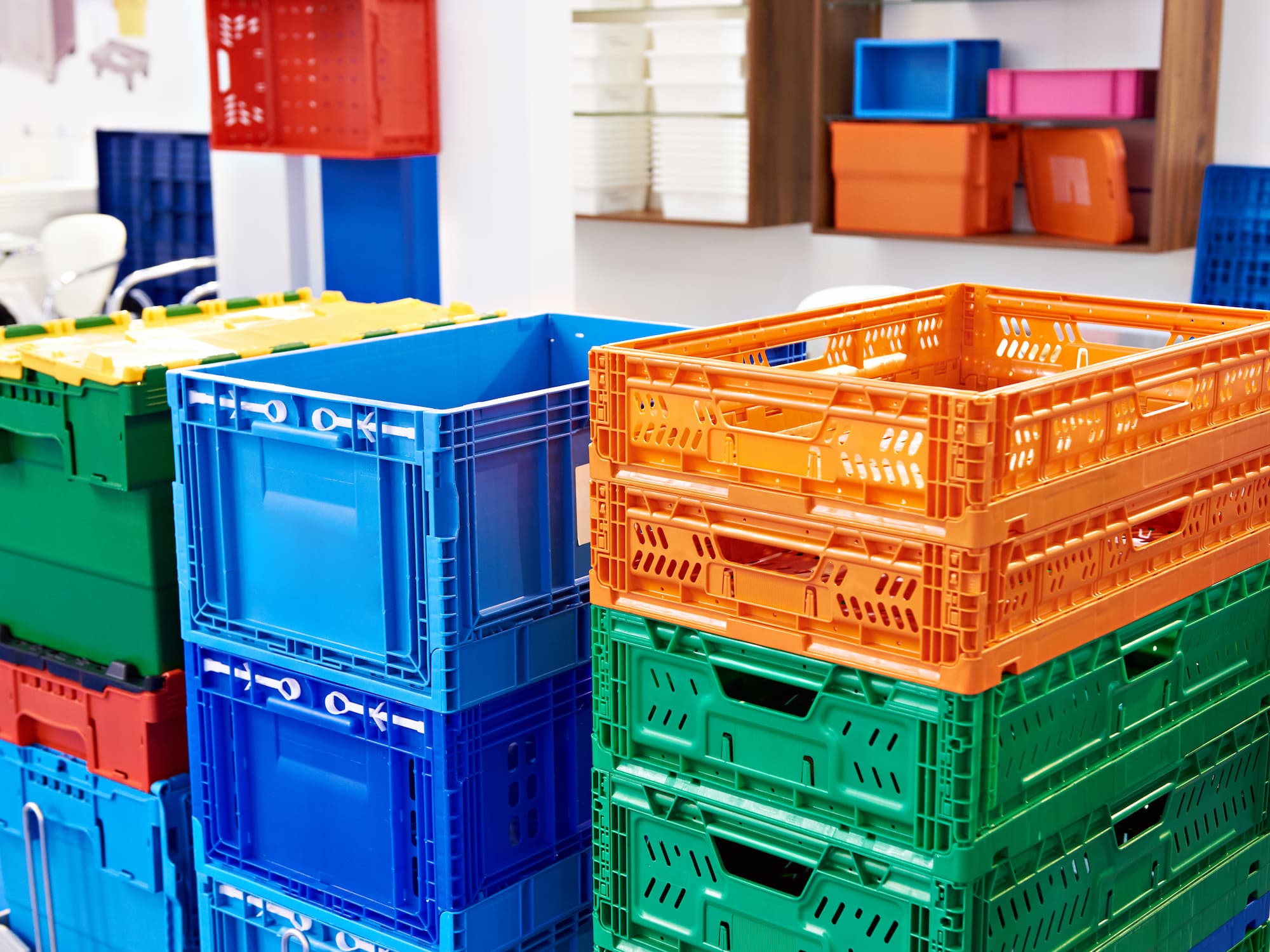
A crate is a four-sided shipping box made from various materials, including metal, plastic, and, most commonly, wood. Cargo that is fragile, easily breakable, or heavy use crates as packaging material to prevent damages. During the shipping process, bumps and bruises may naturally happen to a shipment. Trucks also tend to be loaded to total capacity, meaning the chances of heavy material damaging goods increase.
What are the P ros and Cons of Shipping Cargo in a Crate
One of the main reasons why crates are an ideal solution is because of the protection that they provide. They can withstand a large amount of weight and are difficult to break. The shape also allows for stability, which is helpful for storage and transportation. There may be downsides with crating, such as the cost. Certain types of wood may be expensive, and crates can be more costly than other packaging. Wood that is low quality also may contain toxins that might harm the goods being shipped. The supplier will disinfect and spray chemicals on the crates before usage.
Crates can also take up more space in a container than conventional packaging. Despite the cons, crating is still one of the best alternatives for packing sensitive and heavy cargo. Find a warehouse that offers this service to learn about the benefits of crating goods for a supply chain. Contact A1 Worldwide Logistics at 305-821-8995 for a quote to store your freight in our warehouse. We provide packing and crating solutions for your shipments and transport the load in and out of our facility.

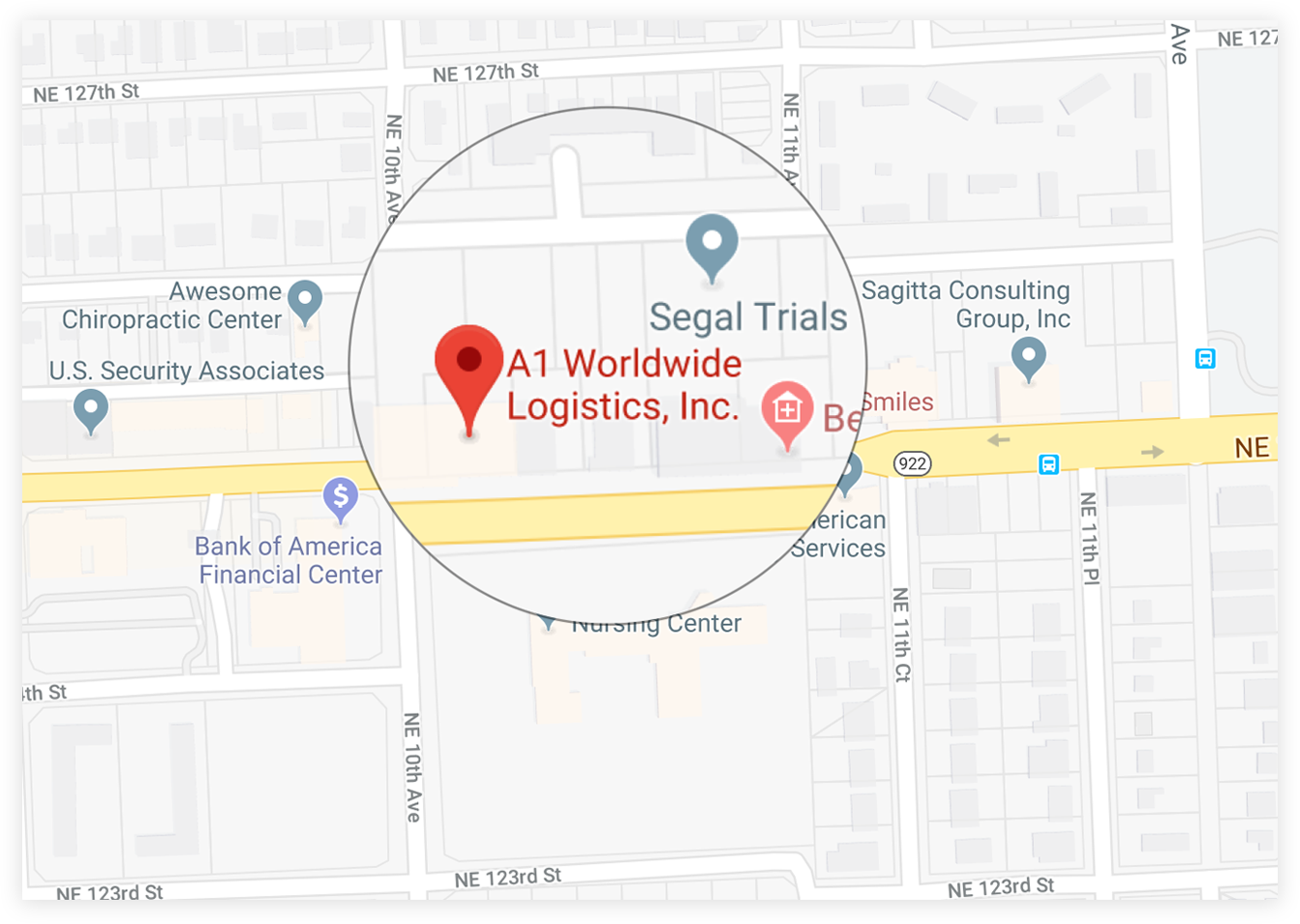
 1035 NE 125th St Suite #320, North Miami, FL 33161.
 a1worldwidelogistics.com
 (305) 821-8995
 Hours: 8AM - 5PM