by A1 WorldWide Logistics | Aug 3, 2023 | Customs Broker, Shipping Logistics, Supply Chain
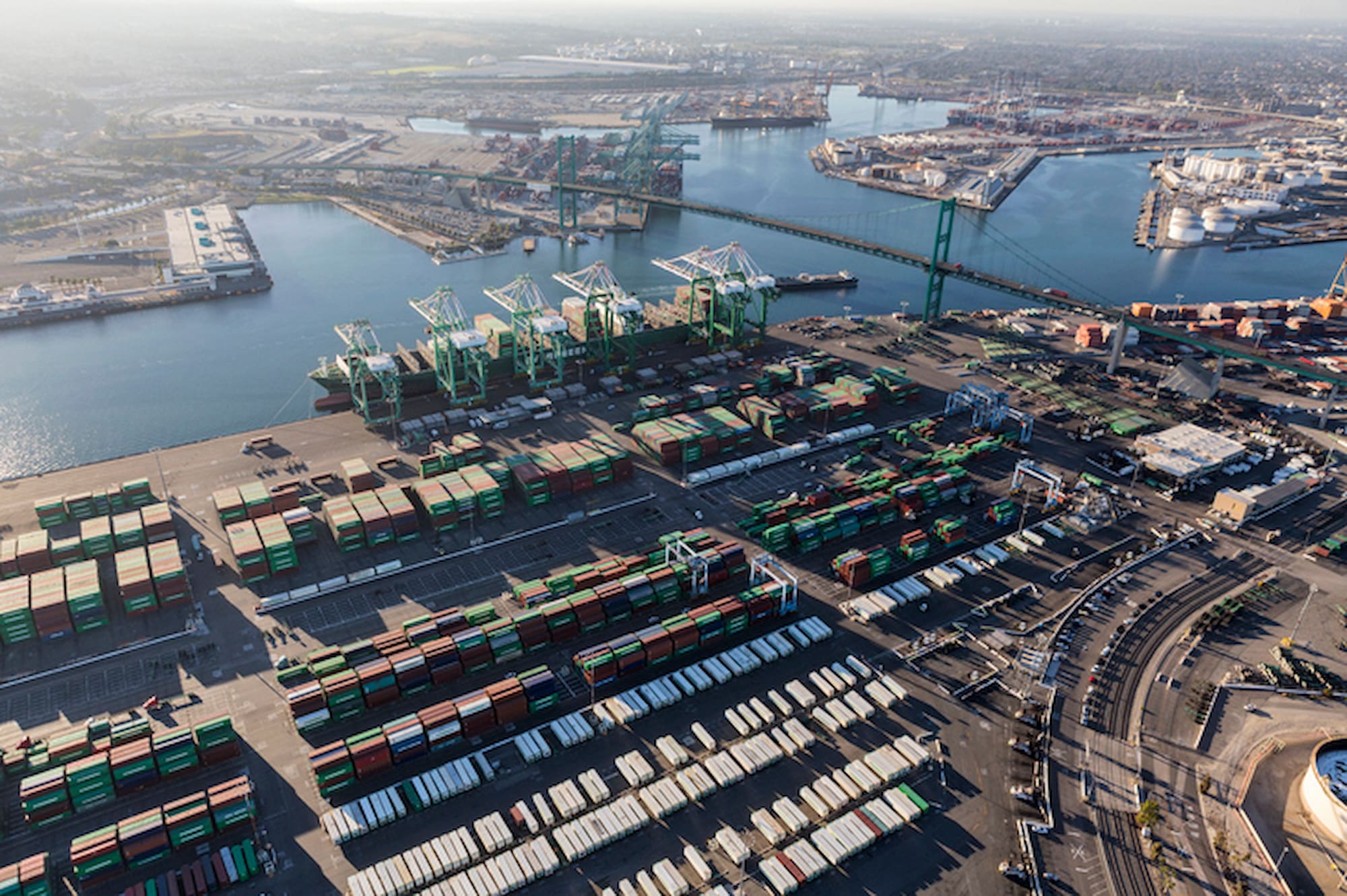
Last year, The California government had a report regarding California ports receiving $1.2 billion in federal grants. California Governor Gavin Newsom officially announced the grants on July 6, 2023. Capital will be put aside for multiple projects in Los Angeles, Long Beach, and Oakland ports. The purpose of the grants is for an overall improvement of port systems while creating zero-emission infrastructure to lower pollution. Newsom noted, “These investments will modernize our ports, reduce pollution, eliminate bottlenecks, and create a more dynamic distribution network.” Along with port upgrades, these investments will create over 20,000 jobs in the three ports.
Why are the California Ports Receiving $1.2 Billion in Grants?
During the coronavirus pandemic, the California ports’ cargo volumes grew to record levels. This resulted in congestion, delays, and equipment shortages and revealed several weak links in the ports. The state of California acted by issuing grants to fund development and modernization. While the goal is to build a more effective system for freight movement, various projects will help achieve this. One of the most significant projects is to enlarge the Maritime Support Facility. The Maritime Support facility is in charge of providing chassis and extra storage for all of the terminals in the Los Angeles and Long Beach ports. Bottlenecks in the past years led to overflowing containers and a limited amount of chassis to move the containers.
Along with growing infrastructure, the projects also include improving port roads. In the port of Los Angles, State Route 47 meets Navy Way and Seaside Avenue. These routes tend to get congested, leading to delays for shipments inside and out of the port. The California government will award $41.79 million in grant money to renovate the route to reduce collisions and lower traffic. A two-lane road by the port of Los Angeles is being made to cut traffic. Other grants include hundreds of millions to develop zero-emission cargo handling equipment in the Ports of Oakland and Long Beach. The plans mentioned are some of the 15 projects to improve and develop the ports’ capabilities.
How Will Shippers Benefit?
The Port of Los Angeles is known as the biggest seaport in the U.S., with the other ports following closely. With the amount of cargo moved through the ports yearly, renovations will significantly impact international shipping. In the past few years, the coronavirus pandemic grew the amount of goods bought online. This increased imports from countries like China. A side effect was a shipment surge resulting in port congestion and delays. The port improvement projects are a significant step towards fixing the challenges and keeping up with the demand. Shippers will benefit by decreasing the number of supply chain disruptions for them and their clients.
Port infrastructure upgrades not only benefit regular shippers but first-time shippers as well. However, it may not be enough to ensure the entire freight movement process runs smoothly. It is crucial to talk to a customs broker and freight forwarder to guarantee the moving of your cargo. Contact A1 Worldwide Logistics at 305-821-8995 for customs clearance and assistance in getting your goods to the final destination. Whether you are importing into or out of the U.S., we will guide you through the shipping process.

by A1 WorldWide Logistics | Jul 28, 2023 | Importing, Shipping Logistics, Transportation
A confusing process for many beginner shippers is understanding how to import construction materials into the U.S. Examples of this material include steel, concrete, wood, and other substances used for building structures. Nearly 32% of all building goods used in the U.S. come from various countries. The reason is due to the costs saved from offshoring goods from a country like China, nearly 50 percent. While importing may seem attractive, there are many precautions that the shipper must take beforehand. This article will be a brief introduction to bringing construction cargo to the U.S. For more information on starting, contact A1 Worldwide Logistics at 305-425-9513 to speak to a freight forwarder.
Why is Understanding How to Import Construction Materials Complex?
Shippers must follow various laws and regulations when importing goods from different countries. Most building supplies brought into the U.S. come from China, so China will be the country of focus. An example of a regulation is banning imports coming into the U.S. from China’s Xinjiang region. This is due to reported forced labor of the Uyghur Muslims used for product production. Understanding the laws and guidelines is the first step of the importation process.
Along with the regulations of the exporting country, it is essential to know the importing country’s laws. In the U.S., Customs and Border Protection (CBP) oversees imported freight. Construction materials like granite and sand require permits from regulatory agencies before U.S. entry. When choosing a supplier, it is vital to use a trustworthy source to ensure quality materials. Before importing freight, another consideration is the paperwork that CBP requires. Different types of goods can require specific documents, but the general paperwork includes:
- Arrival Notice
- Bill of Lading/Airway Bill
- Commercial Invoice
- Importer Security Filing (ISF)
- Packing List
Since construction materials tend to ship in large quantities, the import may be costly. Shipments valued at or over $2500 require a customs bond. It is crucial to note that the shipper should submit the documents to customs days before leaving the origin country.
The Importation Process
Once the materials are ready to be imported to the U.S., they will be moved to a port in the origin country. Two of the most common methods of conveyance used in freight movement are transportation by air or sea. Containerships frequently move construction supplies due to the number of goods carried at a time. When the cargo first reaches the U.S. from an international country, they are subjected to import duties. Duties are tax payments required by the CBP, and shippers calculate them using the Harmonized Tariff Schedule.
Any cargo entering the U.S. risks being held up at customs before being released. This can be due to many reasons, such as poorly completed paperwork and unpaid duties. If the shipment goes smoothly and the filing is correct, customs will release the goods to the importer. While the import process may be complex, hiring a customs broker streamlines the process. A broker coordinates with U.S. customs to ensure the release of your cargo. To speak to one of our experienced customs brokers, contact a1 worldwide logistics at 305-821-8995.

by A1 WorldWide Logistics | Jun 29, 2023 | Importing, Shipping Logistics, Supply Chain
U.S. short-sea shipping is one of the trends in cargo movement that has recently surged. Short-sea shipping is a method of cargo movement involving maritime transportation over short distances instead of between continents. An example is using a west coastline to ship from the Port of Seattle to the Port of Long Beach. This can also mean transporting goods to different countries; however, the method involves small inland waterways and coastlines. While shippers did this practice since ancient times, the last few centuries saw a gain in traction in Europe. Today, the EU (European Union) moves nearly 40% of all freight utilizing short-sea shipping.
Benefits from U.S. Short Sea Shipping
Similar to Europe in the past, the U.S. has recently been growing its dependence on short-sea shipping. The shift to waterborne shipping in the U.S. has not been as quick. This is because most of the U.S. is not economically accessible by water compared to Europe. Despite this, shippers have made steps towards short sea shipping. Many advantages have become evident as shippers and carriers have jumped on the trend. The main benefit is that transportation time decreases drastically. The U.S. has nearly 20,000 navigable channels like canals, rivers, and coastal regions that vessels can pass through. Compared to moving goods by truck, shipping through waterways can bypass highway traffic.
This can mean that potential delays become avoided when reaching the final destination. “Sea motorways” in the U.S. have sped up delivery times and may help lower the crowded capacity in trucking. Another advantage of short-sea shipping is the cost savings that can be possible. Moving goods by sea tends to be less expensive than other conveyance methods. This is especially true for moving large volumes of cargo like containers. Fewer CO2 emissions per ton carried also mean that it is an environmentally friendlier alternative compared to inland transportation. With the shipping industry pushing toward an eco-friendlier environment, inland shipping is beneficial in reducing the ecological footprint.
Trade Between the U.S. and Canada Benefit
Canada is known as the U.S.’s largest trade partner, with trade valued at nearly $794 billion in 2022. A recent study analyzed the potential benefit if both countries increased their short-sea shipping capabilities. The analysis examined the cross-border trade relationships between Canada and the U.S. in the Great Lakes. Short-sea shipping in the Great Lakes region can have significant advantages with the volume of freight that passes through. The main advantage is that the amount of shipments made at a time increases drastically. On average, one marine vessel can carry a cargo capacity of over 900 Trucks.
With increased freight in the Great Lakes, carriers can elevate bottlenecks and decrease air pollution. Short-sea shipping may also solve rising fuel costs and delays. While it is a while until short-sea shipping becomes more common in the U.S., shippers still need to move cargo. If you plan on importing or exporting out of the U.S., contact A1 Worldwide Logistics at 305-821-8995 for assistance. Along with transporting your goods by sea, we provide other conveyance methods like land and air to move your shipment.

by A1 WorldWide Logistics | Mar 24, 2023 | Warehousing
A common topic brought up when discussing supply chain warehousing is distribution. Distribution is transporting stored products or goods to a location for order fulfillment. While specific distribution centers exist, standard warehouses may also provide this solution. The reason why distribution services are so vital to supply chains is the value they add. Some of the solutions include:
One of the main differences between regular warehouses and facilities that provide distribution is the time inventory is stored. Standard warehouses are designed to house goods for more extended time frames. Since the key purpose of distribution centers is order fulfillment, cargo tends to stay for shorter periods. A warehouse that provides distribution services can include short-term and long-term storage times and order fulfillment.
How do Businesses Benefit from Distribution?
Medium-sized businesses that sell products to customers are one of the primary users of warehouse distribution services. This is due to the work and costs of having your own distributing facilities. Outsourcing the services to a 3PL warehouse can help the business save money and focus on other parts of the company. Distribution warehousing can also be ideal for businesses that want to maintain strong customer relationships. One of the main ways to maintain a solid customer relationship is by having efficient and consistent distribution.
Another type of business that benefits significantly from distribution warehousing is e-commerce. As buying goods products online grew, especially in the last few years, so did the need for order fulfillment services. Companies that relied on e-commerce quickly saw how distribution warehouses could fulfill customer orders. Online purchases are instantly sent to the warehouse, where the order is processed and picked from stock. Then the goods are packaged and prepared to be transported out of the facility. The freight may then be moved to a department store or directly to the customer.
Many warehouses that provide distribution services are also customs bonded. This is a secured building where imported goods could be held for five years without paying taxes. Importers can benefit from storing their goods while they make the capital to pay for the cargo. Businesses can also store freight while they look for customers for their freight.
If you are looking for a warehouse, contact A1 Worldwide Logistics at 305-821-8995. Along with distribution services, our bonded facility will allow you to store your cargo without the payment of duties.

by A1 WorldWide Logistics | Sep 28, 2022 | Freight Forwarding, Supply Chain, Transportation, Warehousing
Warehousing services have evolved over the past decades to meet the customer’s needs. Two solutions that have grown into essential pieces of the supply chain puzzle are cross-docking and trans-loading. Both of these services help streamline supply chains and reduce costs; however, they differ in how they accomplish this. Here you will learn which one is best for your shipping goals.
Cross-docking
When containerized cargo reaches a warehouse, cross-docking is the unloading of the shipment from one truck to another. When the lumper unloads the freight, it is not stored away or re-palletized and stays briefly before being loaded onto another truck. Speed is a critical factor since customers expect their goods on time. An example of a cross-docking user is a smaller-sized company that wants to have leverage on a larger company. Another significant usage of cross-docking services is to move perishable goods like meat and fruits in a quick manner.
There are many benefits to cross-docking, and one of the most important is saving time. Since the goods are already palletized, they may be immediately transferred to a truck and moved to the next destination. This removes the requirement of storage space which also helps the shipper save time and money. Transport costs are saved by having an FTL shipment arrive at a facility and broken down into smaller LTL shipments. Reduced handling times help lower the chances of damage and theft.
Trans-loading
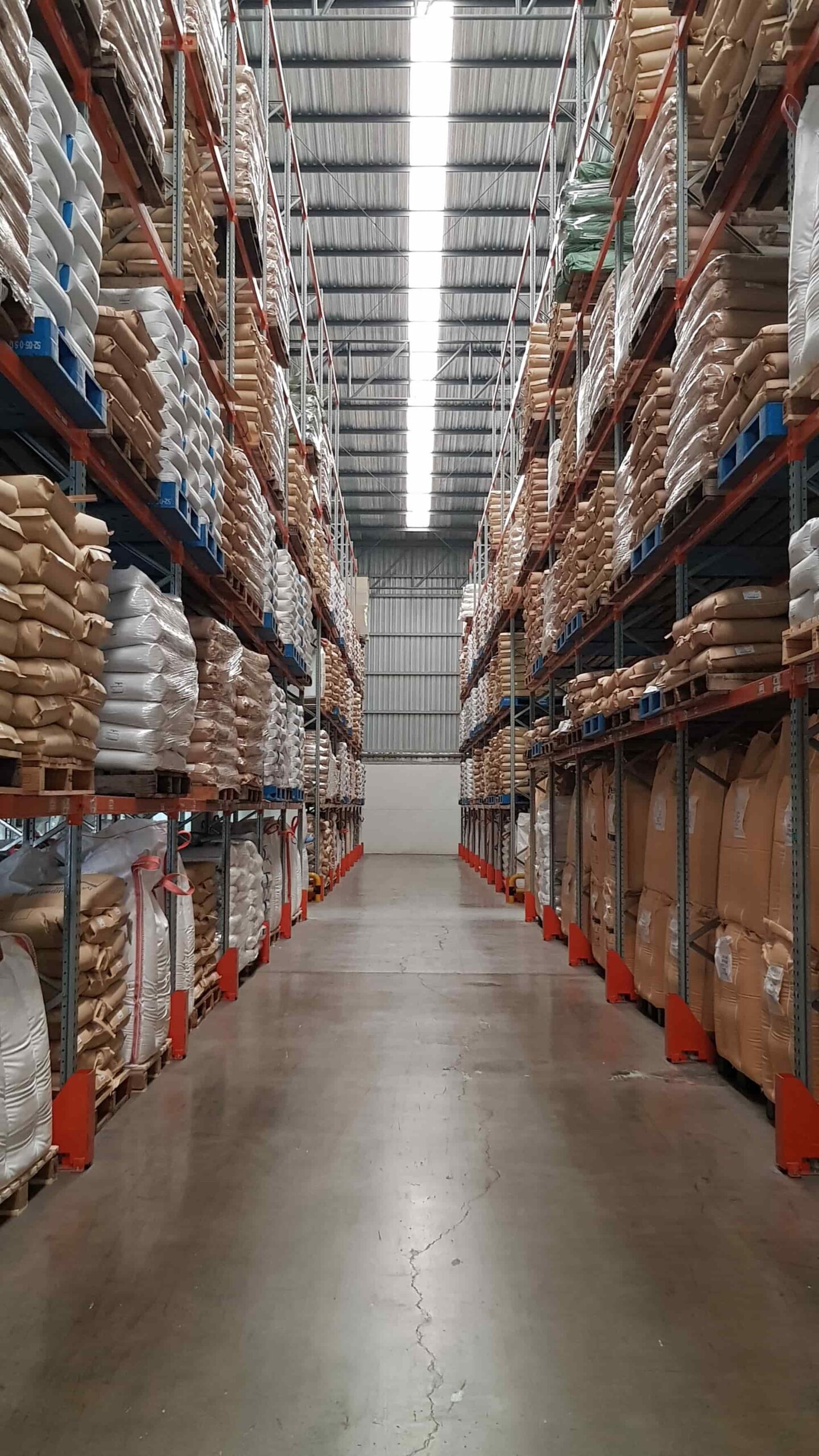
 Trans-loading is moving freight from one mode of transportation to another. Unlike cross-docking, which is only truck to truck, trans-loading is transporting cargo between trucks, rail, ships, or planes. An example can be when a containership arrives at a port and is moved to a warehouse by truck. The warehouse is the trans-loader that may sort, pack, and palletize the freight before being reloaded and moved again. Trans-loading differs from intermodal transport since the cargo does not stay in the same container the entire journey.
Trans-loading uses more modes of transport than cross-docking, and freight may be re-palletized and stored, unlike cross-docking. It also has several benefits in a supply chain. A shipper saves transport costs since multiple smaller shipments are consolidated into one trailer and have a single journey. Warehouses that offer trans-loading services also usually have storage space for cargo. If the shipper plans to sell the goods, they may store them away until they find a customer. The overall supply chain is also streamlined since the trans-loading facility breaks down and delivers the goods on-site.
Having the trans-loading activities for multiple shipments done on-site is quicker than going to a separate distribution facility. Along with cross-docking and trans-loading, A1 Worldwide Logistics offers various other solutions for your warehousing needs.
Contact us at 305-821-8995 or write to info@a1wwl.com for a free quote and to enhance your supply chain.

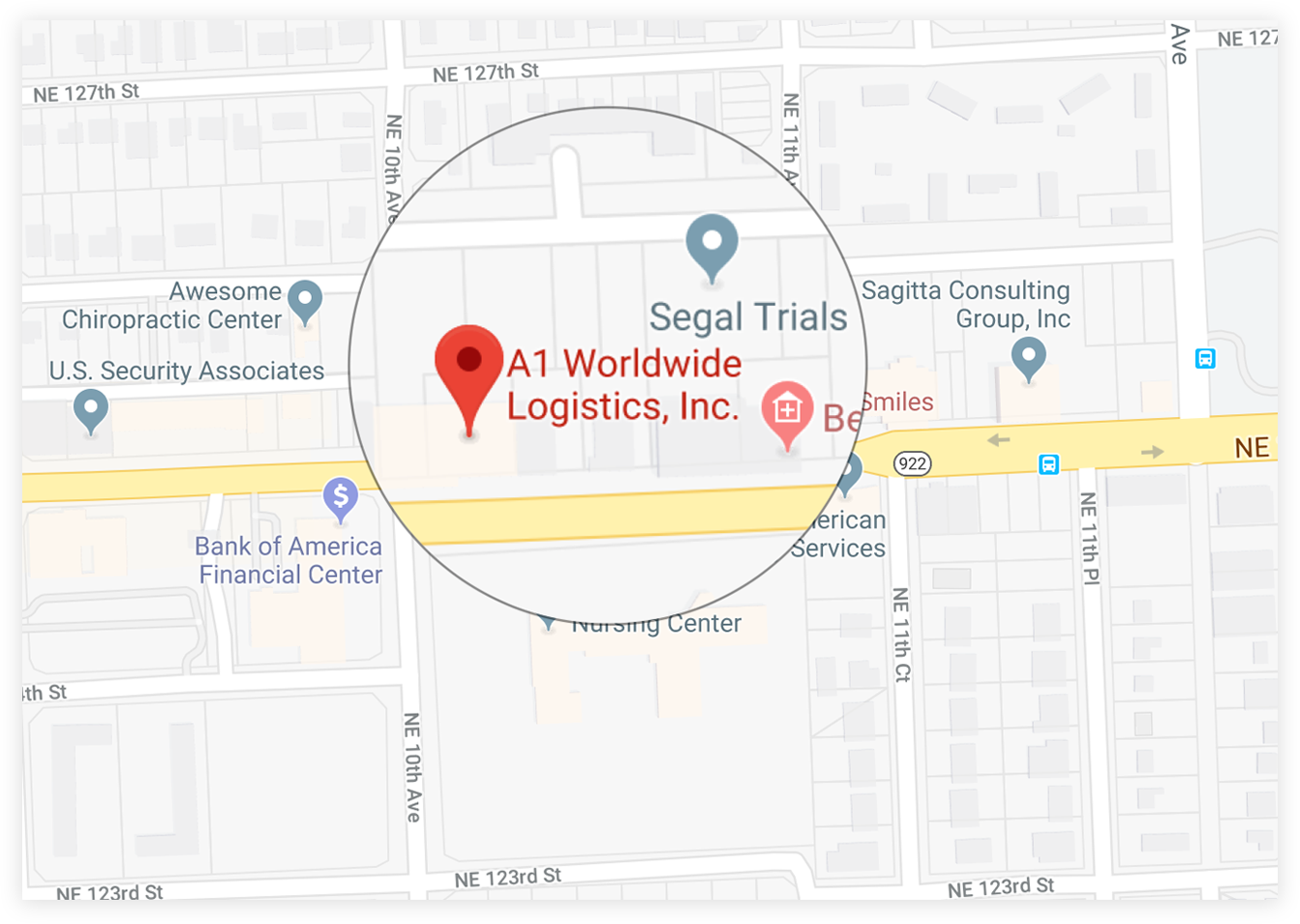
 1035 NE 125th St Suite #320, North Miami, FL 33161.
 a1worldwidelogistics.com
 (305) 821-8995
 Hours: 8AM - 5PM