by A1 WorldWide Logistics | Dec 7, 2023 | Importing, Shipping Logistics, Supply Chain
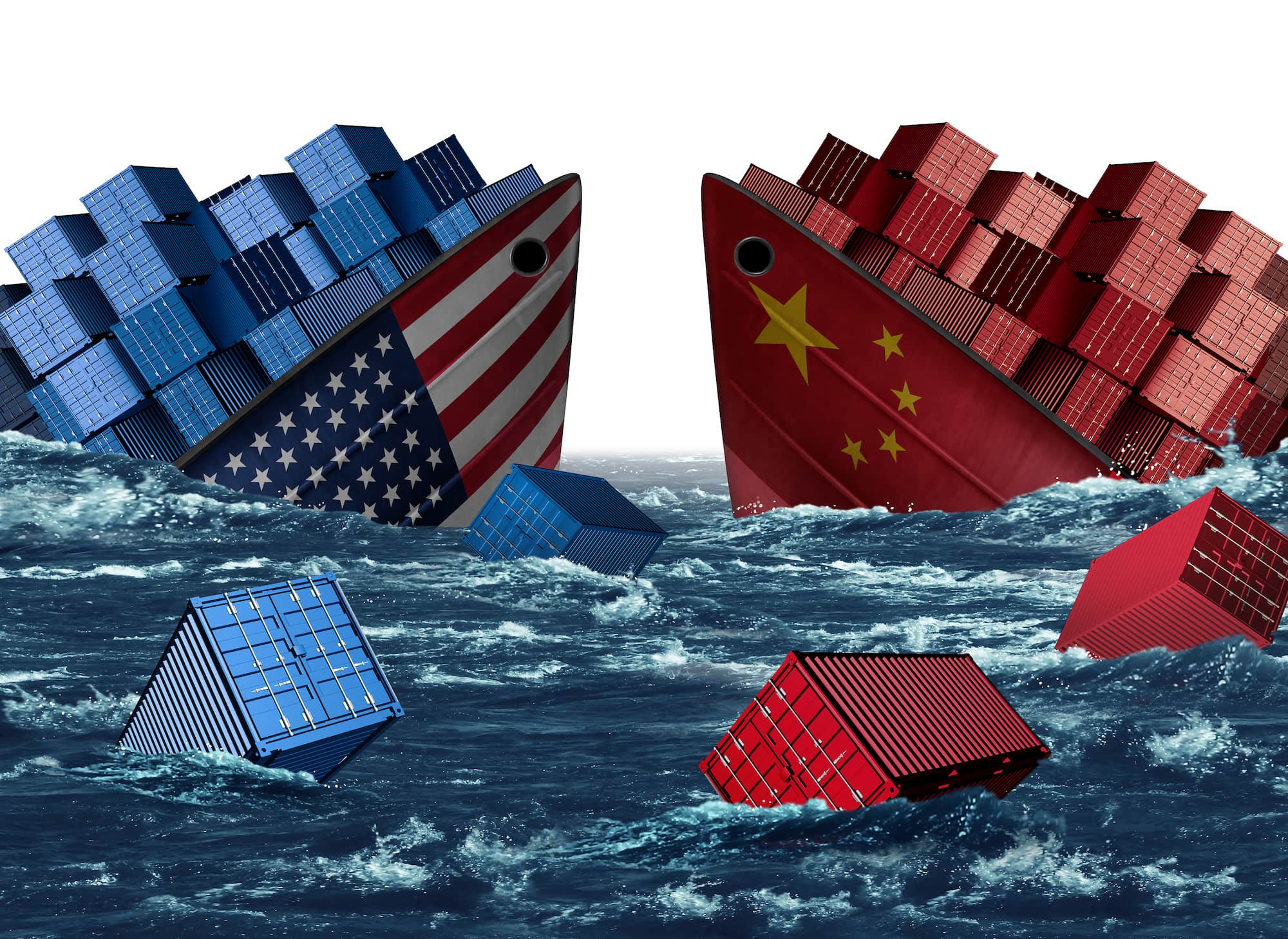
Recently, many U.S. companies have been discussing other sourcing alternatives instead of China, making some ask, “Are China Imports Declining?” For over a century, most labels on goods in the U.S. have had “Made in China” written on them. Single-sourcing imports have always had their benefits and drawbacks. The risks of single-sourcing from China had become more apparent not long ago.
Why Are China Imports Declining?
The coronavirus accelerated present risks and disrupted the supply chains of numerous importers from China. Ports all over China were closed or working at limited capacity due to the pandemic. This created a backlog in freight shipping and challenges for shippers and their customers. Years before the coronavirus was present, the imports from China were already lessening for several reasons. An example of a reason was that the tariff costs that importers had to pay rose to over 20%.
Companies that manufactured goods in China also had intellectual property theft issues. This is the robbery of a company’s products and ideas for their usage. The environmental impact of importing from China was another factor that companies looked at. Producers in China use specific production methods that the U.S. prohibits. This means the environmental effect may be more significant when companies manufacture goods in China instead of the U.S.
Other Alternatives
As companies looked at other options for sourcing, countries like Vietnam became attractive. The country is politically stable and has various growing industries, such as automotive and electronics. The labor costs are also relatively low, making it an ideal candidate for manufacturing companies to move to. Over the past few years, imports from Vietnam and other Asian countries have risen considerably. However, the risks, such as infrastructure and the worry for human rights, remained.
Instead of outsourcing the imports from Asia, another substitute is outsourcing from somewhere closer, like Mexico or Latin America. Mexico is already one of the biggest trading countries with the U.S. The proximity is also a huge benefit for companies that rely on imports. Trucks may become an increasingly popular conveyance method for imports entering the U.S.
Can Reshoring Back to the U.S. Become More Common?
One of the many solutions was to bring the manufacturing of goods back to the United States. There are various advantages and disadvantages associated with moving manufacturing from China to the U.S. One of the main benefits is that the transport times become significantly shorter. Shippers do not need to import into the U.S. from countries that may be far away. Also, if manufacturers make the goods in the U.S., no duties for imports have to be paid.
Despite this, reshoring back to the U.S. may be a difficult task. This is because many companies that outsource to different countries have done so for decades. Going backward on a supply chain with the same process for decades takes time. Offshoring manufacturing to foreign countries also tends to provide cheaper production costs, which can benefit companies instead of reshoring.
A1 Worldwide Logistics
Although the locations where shippers bring in freight may become more diverse, the number of U.S. imports is still increasing. If you plan to ship to and from the U.S., A1 Worldwide Logistics is here to help. We have freight forwarding services for both imports and exports. Call us at 305-821-8995 to get a quote for your shipment.

by A1 WorldWide Logistics | Nov 30, 2023 | Air Freight, Import and Export Experts, Shipping Logistics
Despite the advantages of shipping perishables by air, shippers may not fully understand the process. Knowing the procedure can help you save time and money by avoiding mistakes. In international transport, perishables are any shipment that can damage or spoil after a specific time. The carrier must deliver the goods quickly to maintain quality and effectiveness. Examples of perishables include foods like fruits, vegetables, meats, and dairy products. Pharmaceuticals, cosmetics, and plants also fall into the category. Each good can have its specific requirement when transporting. For example, certain products may have a longer or shorter shelf life than others.
What Is The Process?
Before transporting perishables internationally, a shipper must understand the regulations for shipping. The regulations vary not only by cargo type but also by country that the perishable is shipping to. Each country has its laws for importation, and failure to comply can result in freight loss. For example, it is illegal for a shipper to import unpasteurized cheese into the U.S. due to health risks. Since a country may have extensive regulations, shippers usually hire customs brokers to import for them. Another crucial consideration that a shipper should be aware of is the type of packaging used to ship.
Unlike nonperishable cargo, perishables risk spoiling after a specific time, which can increase based on the temperature. Packaging must be capable of keeping the goods at the appropriate temperatures during the journey. The packaging should also have the correct labeling to show that it is perishable. Once the shipper is ready to export, they can start by looking for a carrier to ship the freight. Since time is significant, the most ideal method of conveyance is by air. When looking for an air carrier, hiring a freight forwarder can help streamline the process. Not only does a forwarder coordinate the shipment, but they also find the best rates on behalf of the exporter.
What Are The Documents Needed for Shipping?
The most important consideration when shipping internationally by air is the documentation. While the paperwork may vary based on the shipment, some of the general documents include:
- Commercial Invoice – A document the exporter issues to get the cargo through customs and helps customs authorities determine duties.
- Airway Bill – This is an air cargo version of a Bill of Lading the carrier issues as a receipt for the goods.
- Packing List – The packing list contains crucial information about the cargo, like the weight, dimensions, descriptions, and contents.
- Certificate of Origin – A certificate of origin declares the country that manufactures the cargo.
Perishable cargo may require extra documentation like a phytosanitary certificate, which verifies agricultural products are pest and disease-free. The documents must be correct to prevent lag in shipping. With perishables, time is urgent, and delays can ruin the entire shipment.
How Can You Begin Shipping Perishables By Air?
While shipping perishables may seem complex to inexperienced exporters, having assistance is an ideal way to begin. Talking to a freight forwarder and customs broker can help streamline the transport process and ensure the shipment’s success. Contact A1 Worldwide Logistics at 305-821-8995 to begin shipping your perishables internationally or domestically. Along with air, we provide other methods of conveyance, like land and sea, to ensure the movement of your shipment.
by A1 WorldWide Logistics | Nov 2, 2023 | Customs Broker, Customs Clearance, Freight
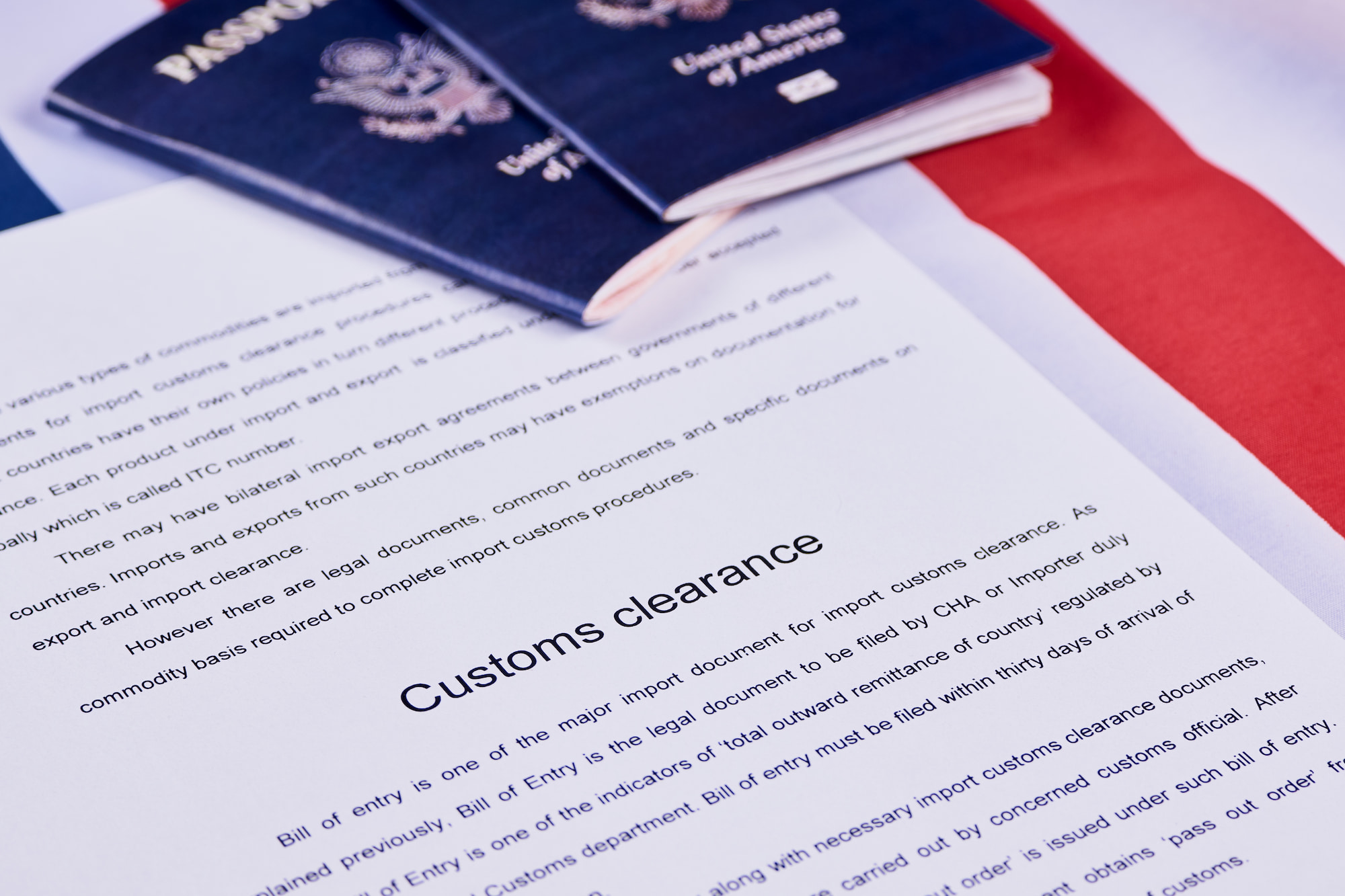
One of the most essential things a shipper should know before shipping freight internationally is the documents in customs clearance. Customs clearance is the procedure of declaring goods to customs authorities when bringing them into a country. In The U.S., they are the Customs Borders and Protection (CBP). Knowing what paperwork to provide can help simplify the transportation process and help prevent delays. There may be different documentation that a shipment needs depending on the commodity that is being imported/exported. This article will explain the more common types, and you should speak to a customs broker for a detailed explanation.
Why Is Understanding The Documents In Customs Clearance Important?
When bringing shipments into the U.S., having the correct documentation can save time and money. Incorrect or missing paperwork can result in customs placing a hold on your shipment. A business with customers can look bad if they cannot deliver their products on time. Freight that customs don’t release may also start collecting storage fees at the port, which is unfavorable for the shipper.
Documents for Clearing Customs
Commercial Invoice – This document is given to the customs officials to evaluate the value of the cargo. Customs also use the commercial invoice to determine the duties and tariffs they will assess to the shipper. It may include the freight description, information about the buyer and seller, shipment details, etc.
Bill of Lading or Airway Bill – When imports enter a country, the carrier gives the BL/AWB to customs. Customs require a bill of lading when goods enter the country using an ocean vessel, and they need an airway when an air carrier is the method. These documents are not only a receipt for what the shipper is transporting but also provide tracking information. Also, if the goods are lost or damaged, these forms are necessary for reimbursement.
Certificate of Origin – Customs use the certificate of origin to verify the country in which the export is taking place. This can be for various reasons, including political or if specific laws are in place. Check with your country’s chamber of commerce to see if it is a necessary document for your shipment.
Packing List – This is the physical description of what the shipper is transporting. It may include the dimensions, weight, and contact info. Although it is like the commercial invoice, it does not cover the fees associated with the cargo. It should, however, match the details on the invoice.
Arrival Notice – When the goods enter the destination country, the carrier sends the arrival notice to the consignee or receiver. This lets the consignee know the location details of the shipment. The arrival notice itself does not mean that the goods are available for release and allows for customs clearance arrangements. Custom brokers then provide the required documents for the release of the goods.
Contacting a Customs Broker
Along with the documents in this article, customs may require additional depending on the shipment. For example, importing firearms, chemicals, and plants requires different licenses. Since having correct paperwork can be intimidating for inexperienced shippers, they usually hire a customs broker to handle the process. If you plan on bringing cargo into the U.S., contact A1 Worldwide Logistics at 305-821-8995 to start. Along with assisting with documentation, our customs brokers offer various solutions to ensure the clearance of your goods.

by A1 WorldWide Logistics | Oct 26, 2023 | 3PL, Shipping Logistics, Supply Chain
Recent U.S. Department of Commerce restrictions have resulted in China limiting graphite exports. Graphite is a mineral that manufacturers use to create pencils, brushes, arc lamps, and batteries for electric vehicles (EVs). China is the world’s most significant graphite producer, producing over 65% natural graphite globally. Starting December 1st, foreign companies will require stricter permits for shipping raw and synthetic graphite out of China. The announcement comes after the U.S. blocked China from importing specific computer chips. The U.S. restrictions aim to prevent China’s access to semiconductors that can fuel breakthroughs in artificial intelligence.
What Does China Limiting Graphite Exports Mean for Shipping?
A decline in graphite exports out of China can negatively impact supply chains globally. Automakers that rely on this mineral to create EV Batteries may feel the main impact of the restrictions. In recent years, the customer demand for EVs has grown, and many are switching to cleaner energy technologies. The World Bank Predicts that graphite demand will rise 500% over the next three decades. Since China makes over 65% of the world’s graphite, EV makers that ship from the country may soon have to look for other alternatives. This can mean importing the mineral from other countries or insourcing the production and buying of graphite in the U.S.
Many EV manufacturers are already importing graphite from countries like Mozambique, which is the 2nd largest producer of graphite. This option may have separate issues because of recent regional labor strikes. Another concern from shippers is that the average price of graphite will spike in the near future. This is due to the demand becoming higher than the supply. The Russia-Ukraine adds to the price since Russia is a significant supplier of the world’s graphite. Manufacturers also have used substances like silicon instead of graphite to create batteries. However, technology for that material is not commercially available.
How Has the U.S. Responded?
The global graphite supply was a concern for the U.S. years before China’s announcement to limit exports. Last year, the U.S. government signed the Inflation Reduction Act into law. This law gives a 10% tax credit to domestic producers of graphite and similar minerals. In February of 2023, the Biden administration gave $3 billion in funding for battery supply chains that use graphite. The goal is to bring more graphite production to the U.S., starting with a processing plant in Alabama. In August, the U.S., South Korea, and Japan met and launched a supply chain early warning system (EWS). This program will share information on disruptions to crucial supply chains like graphite and EV batteries.
When shipping freight internationally, it is essential to be up-to-date with any laws and regulations that arise. Failure to do so can delay shipment and disrupt your supply chain. The best way to prepare is by talking to a freight forwarder or customs broker regarding your cargo’s movement. Forwarders coordinate the transport of your goods, and brokers clear the import once it reaches the destination country. Contact A1 Worldwide Logistics at 305-821-8995 for assistance with your supply chain needs. We help by guiding you through the world of international shipping by providing solutions for reaching your goals.
by A1 WorldWide Logistics | Oct 12, 2023 | Customs Clearance, Freight Forwarding, Shipping Logistics
While the term demurrage may seem unfamiliar to new shippers, knowing how to avoid demurrage charges is essential when shipping. Demurrage is a fee that port officials place on cargo that overstays its time at a terminal. Also known as the last free date (LFD), this period is the final day that goods have free storage time. LFD can depend on various factors, such as a vessel’s arrival time at a port. Demurrage differs from detention charges when the importer exceeds the time for using the container outside the port terminal. This article will explain the causes of demurrage costs and how shippers can avoid these fees when moving goods internationally.
What are the Causes of Demurrage
Several situations can lead to cargo getting stuck at a port. One of the most common reasons this happens is because of documentation issues. If the paperwork is incorrect or missing, the shipment must stay on hold and may collect demurrage charges. An example is a Bill of Lading (BOL) with incorrect cargo or address data. The documents must also reach the receiver on time, meaning the shipper must gather the paperwork in advance. If an original BOL is lost, a shipper must take several recovery steps, which can take several days.
Another scenario that can lead to demurrage charges is a delay due to cargo inspection. Once the shipment reaches the port of import, customs checks it before clearance. If customs notices an incorrect HS code, they will place the goods on hold. A Harmonized System (HS) code is a number that customs use to classify cargo for tariff payments. Other occurrences unrelated to the shipper, such as labor strikes and bad weather, can also cause goods to remain at ports. Importers must also pay late invoice payments to prevent more costs from racking up. While several scenarios can lead to demurrage, the shipper can avoid and avert most.
How To Avoid Demurrage Charges
Although avoiding demurrage charges from situations like a labor strike is impossible, shippers can still prevent it from happening. Knowing the dos and don’ts of importing goods into the U.S. is essential. The importer should do the paperwork correctly, entirely, and on time. Before shipping, you should know the free days in your shipment contract and plan accordingly. Understanding the customs clearance process and what can go wrong is also essential. The regulations for importing can vary based on the port and the type of goods brought in. Drayage to a less costly off-port storage is ideal if your facility is not ready to receive the cargo.
Hiring a Freight Forwarder
The amount of information in this article may be confusing for first-time shippers. One of the most efficient ways to avoid demurrage charges is by having the help of a freight forwarder. A freight forwarder is an intermediary between the shipper and the final destination. They specialize in arranging cargo movement on behalf of the shipper and handle the logistics of your shipment. Along with educating you on preventing demurrage, they coordinate with the ports to ensure it doesn’t happen. Contact A1 Worldwide Logistics at 305-821-8995 to speak to one of our forwarders regarding starting your transport journey. We also have customs brokers to clear your shipment once it enters the U.S.

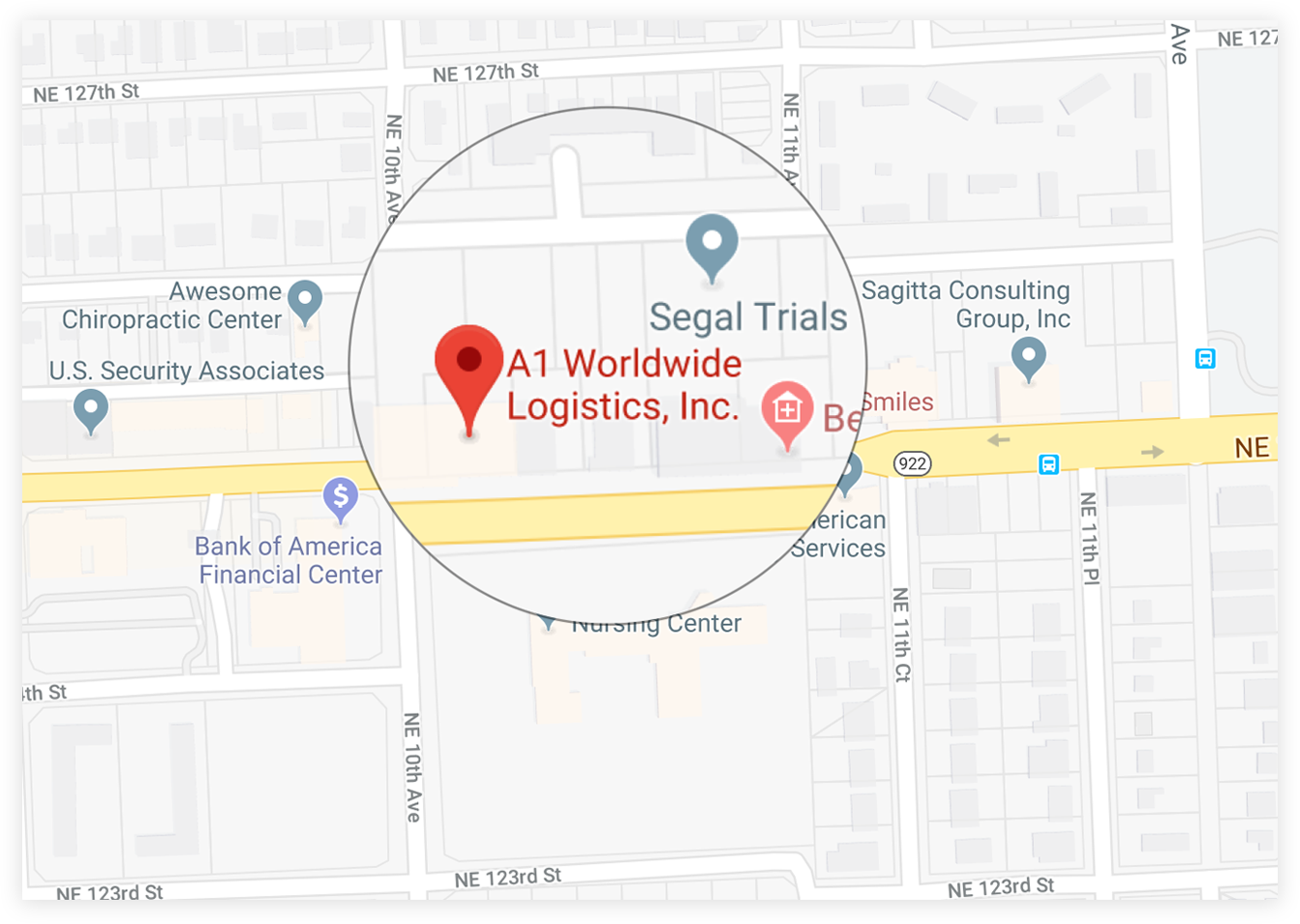
 1035 NE 125th St Suite #320, North Miami, FL 33161.
 a1worldwidelogistics.com
 (305) 821-8995
 Hours: 8AM - 5PM