by A1 WorldWide Logistics | Apr 18, 2024 | 3PL, Import and Export Experts, Supply Chain
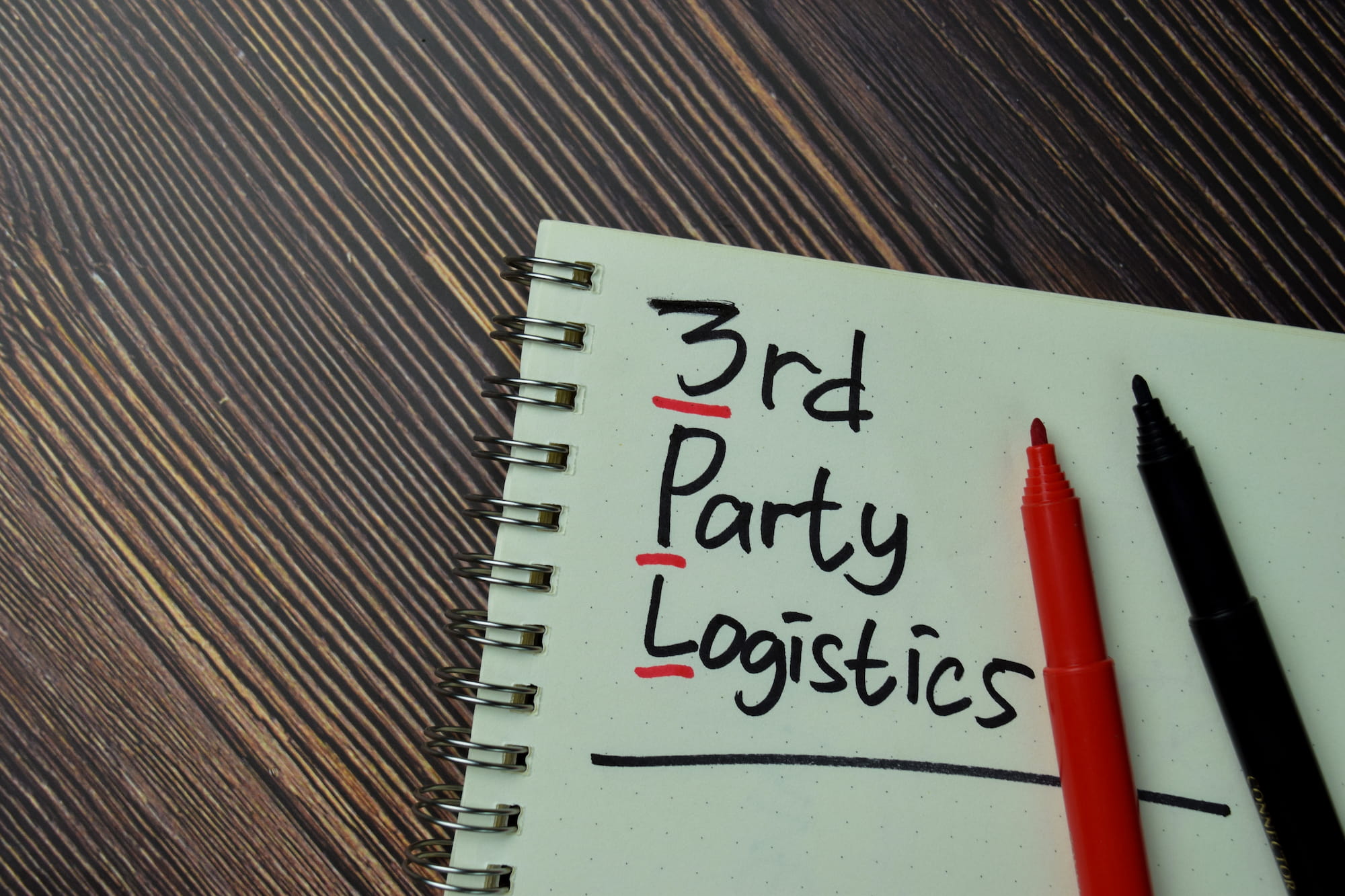
One of the most important considerations an individual or company can make is choosing a good 3PL. A 3PL (Third-Party Logistics) company is a service provider that handles numerous parts of a business’s supply chain. Some services include cargo transport, freight forwarding warehousing, customs clearance, distribution, etc. Starting in the 1980s, the Motor Carrier Act grew the 3PL industry to unprecedented levels. The act deregulated trucking and grew the number of carriers from 20,000 to the 1.2 million it is today. Other supply chain parts began to expand along with freight movement, leading to the expansion of 3PLs. This article will explain what to look for when deciding on a 3PL.
When Are 3PLs Used
Companies in an extensive number of industries like retail, manufacturing, medical, restaurant, and more rely on 3PLs. The majority of Fortune 500 companies use these types of services. The primary reason why businesses utilize 3PL providers is due to the value they offer. Along with more giant corporations, more minor to mid-sized entities use 3PLs because it allows for growth and expansion. Another typical business that uses 3PL services is e-commerce. The surge of the internet over the last few decades has allowed online shopping to become popular. Many of the solutions that 3PLs provide are particularly beneficial for web-based sellers that don’t have physical fulfillment centers.
What Qualities Should You Be Aware Of Choosing A Good 3PL
While partnering with a 3PL can be a game changer for your business, choosing the right company is essential. Some of the primary qualities you should look for when deciding on a 3PL provider include:
- Customer Service – Finding a 3PL provider with a direct focus on the customer is critical for a company’s success. Indicators of good customer service can include responsiveness and communication ability. 3PLs must promptly identify issues for their clients and resolve them in a timely manner.
- Capability – A good 3PL company should offer numerous logistics solutions for a client’s supply chain. These include international and domestic shipping, fulfillment, storage, customs clearance, etc.
- Scalability – The primary reason smaller-sized companies use 3PLs is because of the room for scalability. 3PLs allow businesses to meet increasing demand without paying for equipment and extra labor. When deciding on a logistics company, it is crucial to determine how much inventory a 3PL provider can handle.
- Security – The level of protection a 3PL provider has when handling cargo can make or break your supply chain. Workers and partners must have the appropriate training and compliance certifications, such as FDA, DEA, and HAZMAT. For 3PLs that outsource trucks, the carrier company must have a satisfactory DOT rating. This rating indicates accident history, driver qualifications, and financial responsibility.
- Reputation – One of the most significant indicators of an exceptional 3PL company is its reputation in the industry. Over time, a 3PL builds a reputation with happy customers, carriers, employees, etc. New businesses with little experience can look at a 3PL’s standing in the industry to find the right one.
A1 Worldwide Logistics
Finding a 3PL provider can have countless benefits for your company or shipment and help scale your business. Reach A1 Worldwide Logistics at 305-821-8995 to learn about our numerous solutions for simplifying your logistics process. We provide various services like customs brokering and warehouse services to ensure the success of your supply chain.
by Jontrey Aimes | Apr 4, 2024 | Importing, Shipping Logistics, Transportation
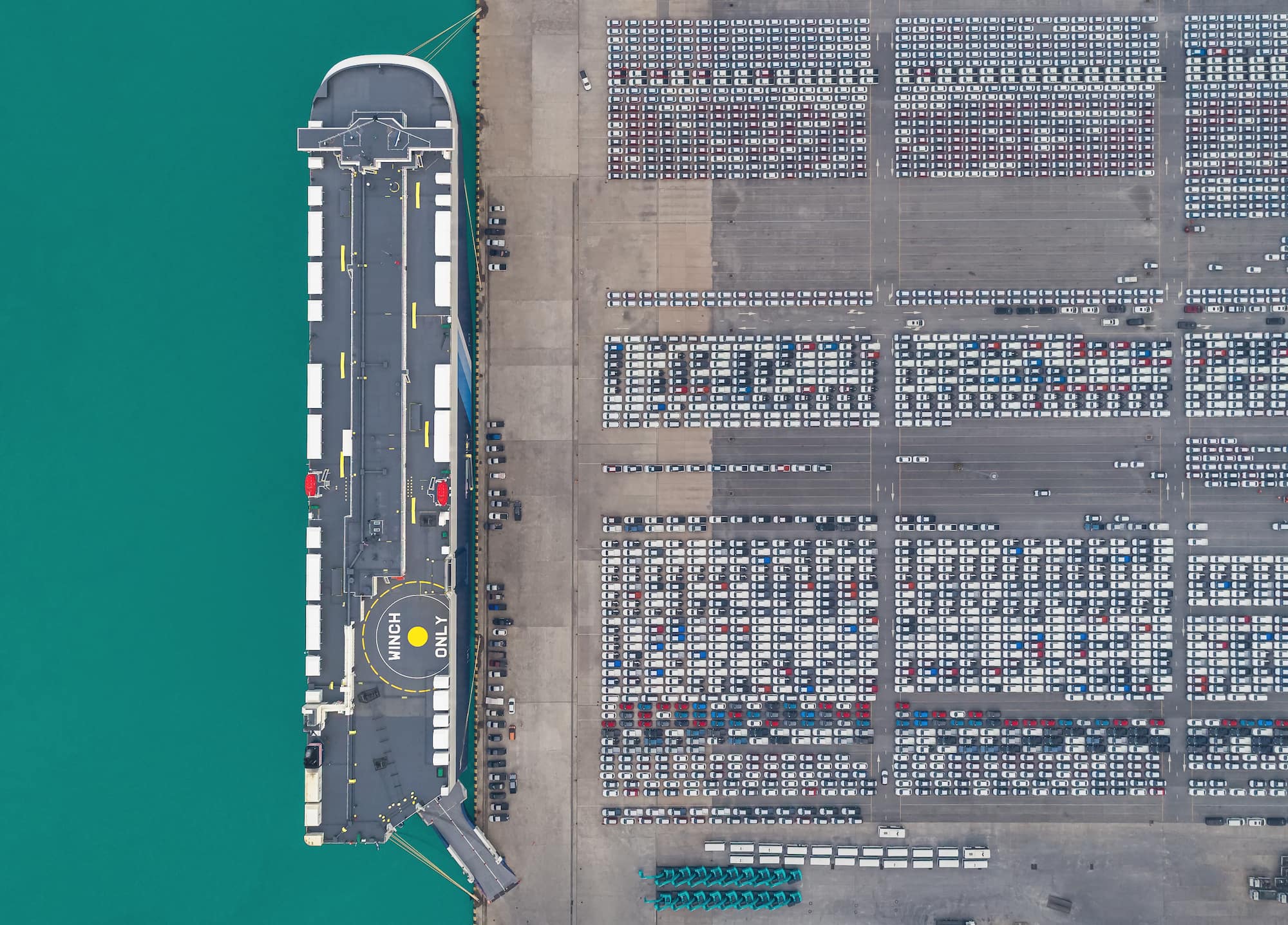
Although importing cars from Japan can bring numerous benefits for importers, it can be challenging initially. Importers must follow many laws and regulations, and failure to do so can result in monetary loss. In particular cases, it may also result in shipment loss. Despite this, shippers consider Japan one of the biggest importers of cars internationally. In 2023, the Japan Automobile Manufacturers Association (JAMA) reported nearly 4.42 million vehicle exports from the country. In the same year, Japan brought over 1.2 million into the U.S. This article will introduce how to start the importation process.
What To Know Before Importing Cars From Japan?
Understanding the regulations for bringing Japanese cars into the U.S. is essential. For example, almost all 1997 or newer Japanese Domestic Market (JDM) cars are illegal to import into the U.S. JDMS are vehicles designed for the Japanese market. These types of cars are prohibited because they do not meet U.S. emission control and safety standards. There are ways to bypass these laws legally. It is also crucial that the importer prepares the car before shipping it. The U.S. Department of Agriculture requires that the undercarriage be sprayed and cleaned thoroughly before entering the country. The reason is that the undercarriage may contain foreign soil, which can contain dangerous pests.
Before importing cars from Japan, shippers should understand the costs involved. The shipping price usually starts around $1895; however, this number can increase based on the make and model. Other considerations include your shipping destination, transportation method, and departure port. Foreign-made automobiles are also subjected to 2.5% dutiable entry charges, whether new or used. All commercial imports into the U.S. require customs bonds valued at $2500 or more, including duty-free items. Importers should also know fees like storage, cleaning, and vendor costs.
What Is The Process For Importation?
When shippers are ready to import, they arrange transportation by contacting individual carriers or freight forwarders. Forwarders coordinate the movement of your shipment by finding ideal rates from a network of carriers. A standard method is by RoRo, a vessel that rolls cars on and off. The timeframe to transport a vehicle from Japan is roughly 4 to 6 miles, depending on various factors. Before the import reaches the U.S., the shipper must send the appropriate paperwork to the CBP. Some of the standard documents required for importation into the U.S. include:
- Bill of Lading
- Packing List
- Commercial Invoice
- Customs Bond
- ISF Filing
Other documents specific to vehicles include the EPA Form 3520-1 and the NHTSA Form HS-7. Since paperwork tends to be one of the most challenging parts of the process, shippers usually hire a customs broker. Customs brokers coordinate with CBP and provide documentation, payments, and other transactions on your behalf. Once customs releases the vehicle, the importer can use a freight broker’s assistance to transport it to the final destination.
While importing cars from Japan may seem attractive for companies and individual importers, things can still go wrong when starting. For example, not filing an ISF or filing it late can result in a $5000 fine per violation. There are also situations like congestion and cargo damage that are out of your control. Having assistance from a forwarder or broker is the best way to ensure the success of your shipment. Contact A1 Worldwide Logistics at info@a1wwl.com or 305-821-8995 to speak to our freight forwarders and customs brokers when beginning.

by A1 WorldWide Logistics | Mar 14, 2024 | Air Freight, Shipping Logistics, Supply Chain
Fast fashion logistics are becoming a prominent part of the supply chains of the biggest retailers in the fashion industry. Fast fashion is the quick production and transport of inexpensive clothes items on a mass scale. The clothing production follows what’s in style and the latest trends in the industry. In the 1970s, manufacturers began outsourcing production to countries, specifically in Asia. Exporting manufacturing to other countries meant that retailers could produce clothes cheaply. By the late 1990s, discretionary spending became popular, allowing fast fashion to take off. The growth of the internet and e-commerce helped expedite this business model to unprecedented levels.
What Are Fast Fashion Logistics?
Companies using a fast fashion business model tend to have specialized supply chains focusing on speed and efficiency. Initially, retailers would release new clothing collections around four times a year. However, recently, customer expectations caused that number to grow to 36 for some brands. The need for quickness has led companies to adopt a vertical integration supply chain model. Vertical Integration is when a company controls the various parts of a supply chain process. Faster production times, efficient turnarounds, flexibility, visibility, and more are possible with this model. From manufacturing in a different country to shipping, usually by air, the supply chain for fast fashion has become streamlined.
Benefits and Criticisms of Fast Fashion
Fast fashion has become so successful over the last few decades because of its numerous advantages. For retailers, new products attract customers to stores more often and become profitable. A side effect is that the company stays in business and creates jobs, impacting economic growth. Customers benefit from having easy access to stylish clothes that are trendy for a cheaper price. Individuals from diverse socioeconomic backgrounds could now buy the outfits they see on TV without spending too much. Despite the benefits that it can have for retailers and buyers, there have been major criticisms of this business model.
Since companies outsource manufacturing to locations in different countries, exploitative labor practices can be a concern. There have been complaints about working long hours in poor conditions for small wages. Another criticism is the major environmental impact that fast fashion has. Cheap materials and manufacturing methods contribute to pollution and improper waste. With the use of cheap textile dyes, fast fashion is one of the world’s most significant pollutants of clean water. Toxic chemicals and microfibers that seep into waterways also become harmful to animals. Using fossil fuels to create synthetic fabrics also contributes to global warming.
Shipping Cargo By Air Shipping
Transportation by air is a popular method of conveyance for moving cargo internationally. Along with clothes, other shipments travel by air due to the advantages. A reason why so many companies and shippers ship by air is due to the time it takes. Air shipping cuts a shipment that usually takes 20-30 days to 1-2 days. This is especially beneficial for time-sensitive cargo moving under a specific deadline. Another benefit is that air transport is highly reliable, and airlines can transport goods to almost any destination. To move your cargo internationally, contact A1 Freight Logistics at info@a1wwl.com or 305-821-8995. You can also reach us by WhatsApp.
by A1 WorldWide Logistics | Mar 7, 2024 | Order Fulfillment, Shipping Logistics, Supply Chain, Warehousing
As e-commerce has surged over the last few decades, so has direct and 3PL fulfillment. Direct fulfillment is when a business sells product packs and ships the goods directly to the customer. Often known as DTC or D2C, this is typically when a company has its online shop and warehouse. Direct fulfillment is the last part of a DTC supply chain. The 3PL (Third Party Logistics) Fulfillment is when a middleman handles the inventory management and shipping. An example is Fulfillment by Amazon (FBA), where Amazon handles the order processing, storing, and delivery of the orders. Both models have pros and cons when warehousing and moving the products to the customer.
What Are The Differences Between Direct And 3PL Fulfillment?
While Direct and 3PL are both models of customer fulfillment, the main difference is the process. The operation begins before the customer orders and starts at the company’s warehouse for direct fulfillment. This can include workers labeling, storing, and preparing the products for shipping. When the customer orders, the website sends the information to the warehouse, where the packing and picking begins. When ready, a truck or courier typically ships the freight to the final location. In 3PL models, once the client places an order on the e-commerce site, the info goes to a warehouse that a third-party company owns.
Unlike 3PL, direct fulfillment services do not have a middleman and are responsible for the entire supply chain. As online shopping rose in popularity, direct fulfillment became valuable to customers who wanted their products shipped directly. The coronavirus pandemic further grew this trend since driving to brick-and-mortar stores declined during that period. A company’s newness can also determine its model for storing and shipping cargo. E-commerce businesses typically start with their own DTC supply chain, but it becomes more challenging as a company grows. When monthly orders reach a certain amount, companies invest in more warehouse space or outsource operations to a 3PL provider.
Using A 3PL For Fulfillment
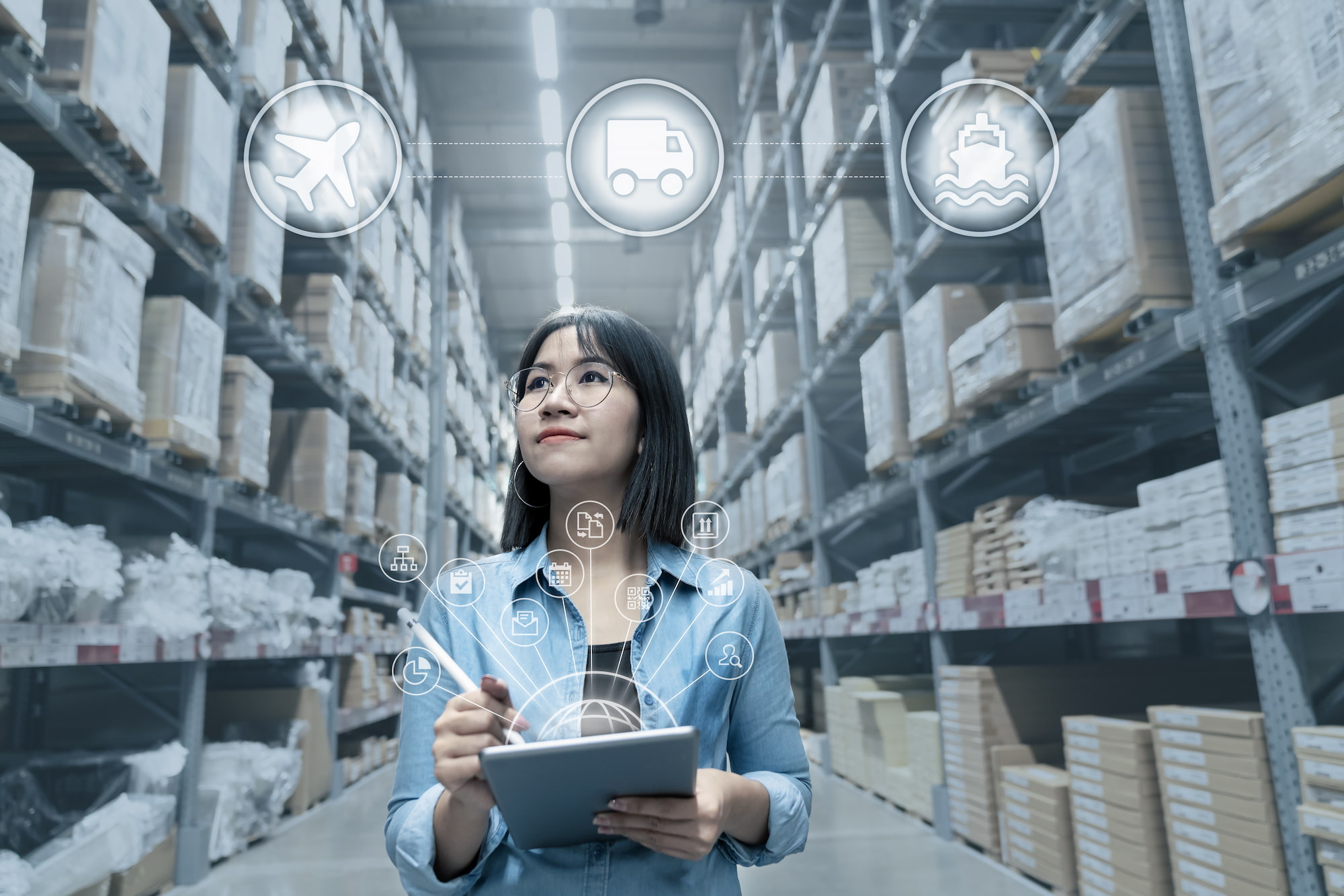
The main reason shippers and sellers use 3PL services is because of the numerous advantages this type of fulfillment has. Along with growing companies, this is ideal for smaller businesses or beginner importers if there is insufficient capital. You save money by not having to operate your fulfillment center and outing the shipping process. A 3PL specializing in warehousing and fulfillment may also have the technology to offer more solutions than smaller companies. Examples include quicker delivery, return processing, tracking and management resources, and greater room for scalability. International and domestic shippers can benefit from having a supply chain with more excellent warehouse capabilities.
Customs Bonded Warehouse
When cargo enters the U.S., it is subject to various duties and taxes. A common way that importers avoid these charges is by using a customs-bonded warehouse. Bonded warehouses allow the storing of cargo for up to 5 years without payment of duties from the import date. This will enable shippers to save money while they look for customers. Goods can also be re-exported without taxes if there are no buyers for the shipments. Reach A1 Worldwide Logistics at 305-821-8995 or info@a1wwl.com to learn more about our bonded facility. Along with storage, we have distribution, segregation, manipulation, packing, crating, and more services to streamline your supply chain.
by A1 WorldWide Logistics | Feb 22, 2024 | Importing, Shipping Logistics, Supply Chain
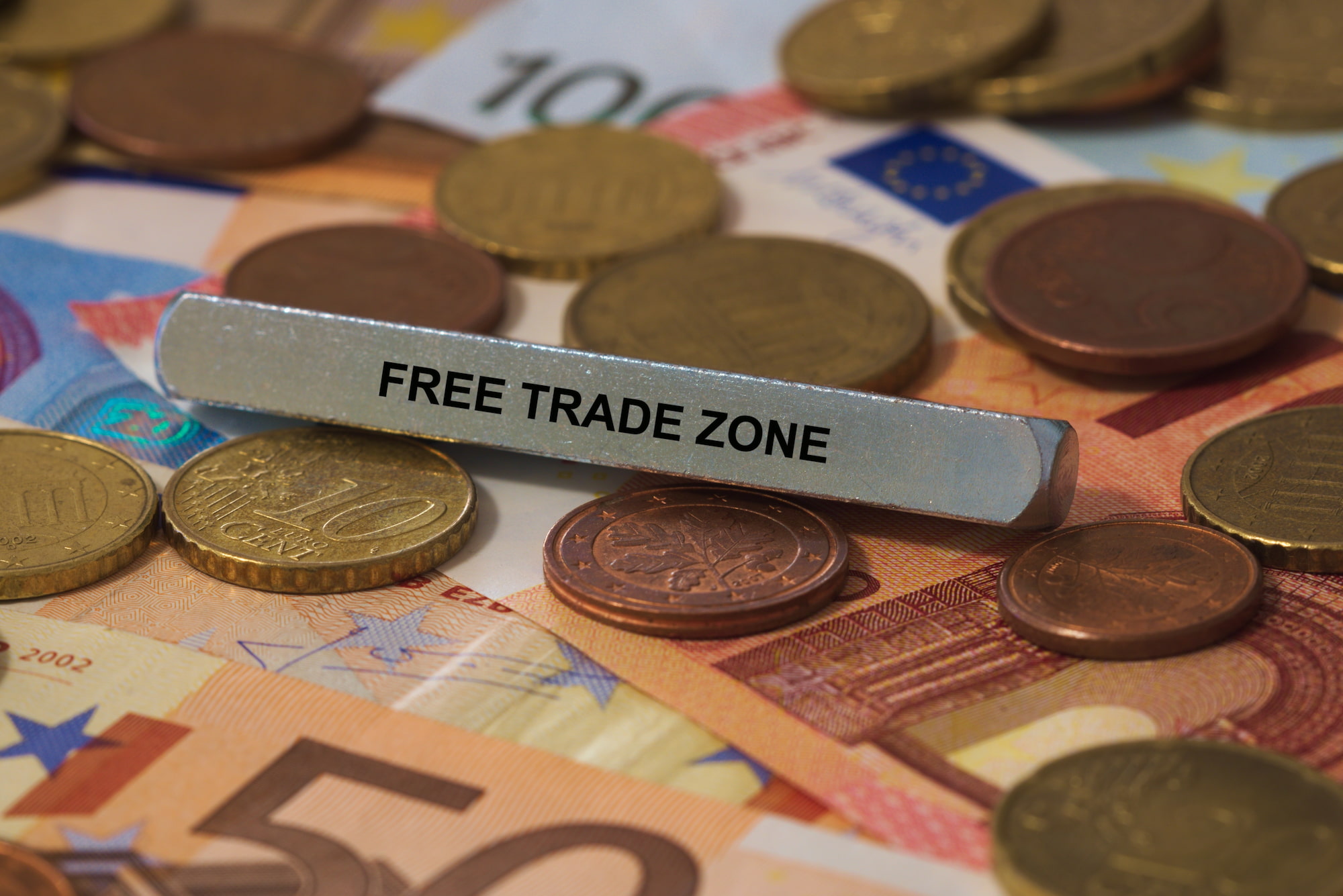
A common question that new shippers tend to ask themselves when starting is what are free trade zones (FTZs). FTZs are specialized locations where shippers can import, re-export, manufacture, and store shipments with limited involvement of customs agencies. FTZs may also have extensive manufacturing facilities where companies import raw materials rather than ship finished products. These zones are usually around major seaports, airports, or areas with geographical advantages to trade. For example, the Colon Free Zone is near the Panama Canal and is the largest FTZ in the Western Hemisphere. Although there are similar areas globally, this article will focus on U.S. FTZs, known as foreign-trade zones.
In the U.S., FTZs began with the Foreign-Trade Zones Act of 1934, which helped encourage foreign commerce. The U.S. Customs and Border Protection (CBP) enforces import laws and monitors zone activities. Today, there are 298 FTZs located near throughout the 50 states. The U.S. further breaks the areas down into two types: general-purpose zones and subzones. A general-purpose zone is a location like a port or industrial park available to the general public. Subzones are private sites that a single company uses for a specific purpose. Compared to General-Purpose Zones, all financial responsibilities go to the single company with the permit.
How Can A Shipper Benefit Knowing What Are Free Trade Zones?
FTZs have numerous advantages when importing goods into the U.S. One of the most significant benefits is the cost savings the shipper can have. When merchandise is in the zone, it is exempt from customs duties and exercise tax. Duties only have to be paid by the importer when the cargo leaves and enters the local market. No duty payments are also needed if the shipper exports the product in FTZ. FTZs also allow for cost reduction by reducing merchandise processing fees (MPF) and inverted tariffs. An inverted tariff is when raw materials have a higher duty rate than the finished product. In FTZs, you can pay the lower rate.
An FTZ has many logistics benefits for a supply chain. Since CBP does not subject FTZs to duties, importers can use them to repair, inspect, and remove defective products. Companies that import and export large amounts of products benefit considerably from cost savings. FTZs also can help streamline supply chains by allowing for direct delivery. Direct delivery is when an import can go directly to the location in the FTZ without customs approval. Businesses with a substantial number of shipments often use this for quickness. Zone-to-zone transport of shipments is also possible free of customs duty payments since the cargo moves “in-bond.”
Customs Bonded Warehouse
When shipping goods internationally, it is essential to take proper precautions to ensure the success of a shipment. Along with FTZs, shippers have significantly benefited from using a customs-bonded warehouse. A bonded warehouse allows freight storage without paying taxes for up to five years from the import date. This allows the importer to look for customers and save money before they have to pay taxes for the shipment. You can also re-export the shipment free of tax payments during that time. Contact A1 Worldwide Logistics at 305-821-8995 or info@a1wwl.com to learn about our bonded facility.

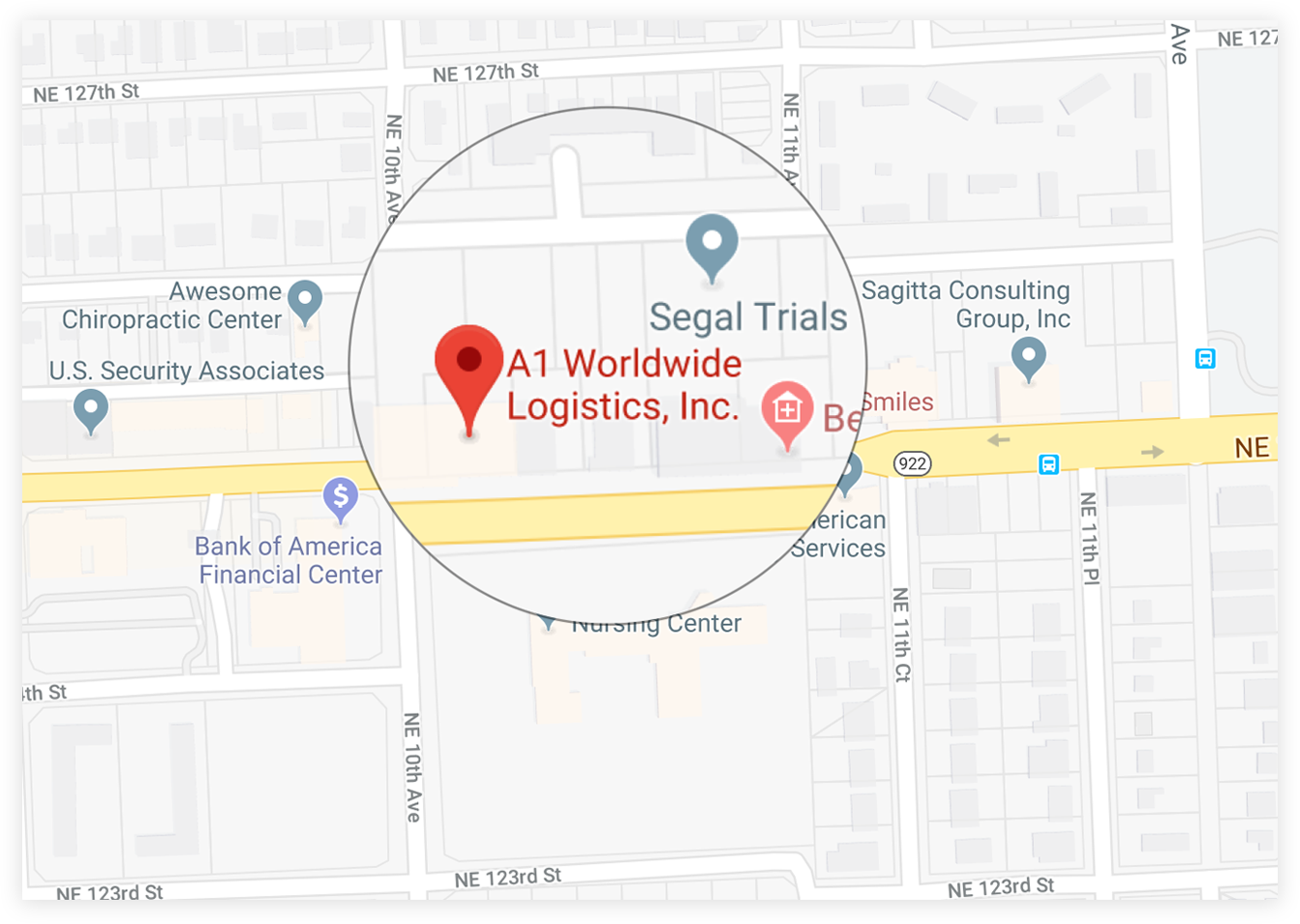
 1035 NE 125th St Suite #320, North Miami, FL 33161.
 a1worldwidelogistics.com
 (305) 821-8995
 Hours: 8AM - 5PM