
by A1 WorldWide Logistics | Dec 28, 2023 | Customs Broker, Customs Clearance, Importing, Shipping Logistics
In international shipping, not using a licensed CHB can adversely impact the shipper and customs brokerage. A licensed Customs Broker (CHB) is an individual or company that has acquired licensing from the U.S. Customs and Borders Protection (CBP). The licensing allows the individual or company to act as an intermediary between the importer and customs authorities. CHBs coordinate with customs to release the goods that a shipper imports into the U.S. Some of the tasks of a licensed CHB can include:
- Ensuring the clearing of goods from customs by ensuring that the imports comply with the laws and regulations of customs
- Preparing and Submitting the required paperwork for customs clearance to customs on behalf of the importer
- Acting as the middleman between the importer and customs authorities and assisting with any issues arising during the clearance process
- Determining the proper classification and valuation of the cargo for tax and customs purposes.
When importers decide to use a Customs Broker, the CHB they choose must run operations legally. For example, all customs businesses that a brokerage does must have the supervision of a licensed CHB. Customs business is any transaction with customs authorities regarding the entry of a shipment into a country. An example is data entry filings, in which the CBP prohibits filing from foreign service centers.
The Ramifications of Not Using a Licensed CHB
Customs Brokers who do not do all customs business under the supervision of a licensed CHB can risk potential repercussions. The consequences can range from monetary fines to termination of the brokerage. It can be helpful for the shipper to ask the broker where they do their work and entry filings. Along with the legal consequences of not doing customs business in the U.S., this can also impact the importer. If the CHB gets in trouble for using an outside source, customs can hold and seize the shipment. This can lead to monetary loss for the shipper and look unfavorable if the importer is a business with customers.
Looking For A Licensed Broker?
Due to the extensive regulations that the importers must follow, customs clearance can be a complex process for shippers. Not only must the documentation be correct, but shippers must also follow the laws and regulations for importation. It is essential to note that each country can have its individual regulations for customs. Failure to adhere to the guidelines can result in delays and extra charges. An ideal way to begin importing into the U.S. is by using a customs broker to coordinate the clearance process.
Although importing into the U.S. without a customs broker is possible, most successful importers utilize their assistance. Both new and experienced shippers use brokers due to the value that they offer. They ensure the successful clearing of cargo from customs and guide and educate you through the process. They also allow the company to focus on other aspects of their business while the broker handles the shipping. Contact A1 Worldwide Logistics at 305-821-8995 to speak to a licensed customs broker regarding bringing your shipment into the U.S. We also provide freight forwarding and trucking services for exporting your goods anywhere internationally.
by A1 WorldWide Logistics | Dec 21, 2023 | Order Fulfillment, Shipping Logistics, Supply Chain, Warehousing
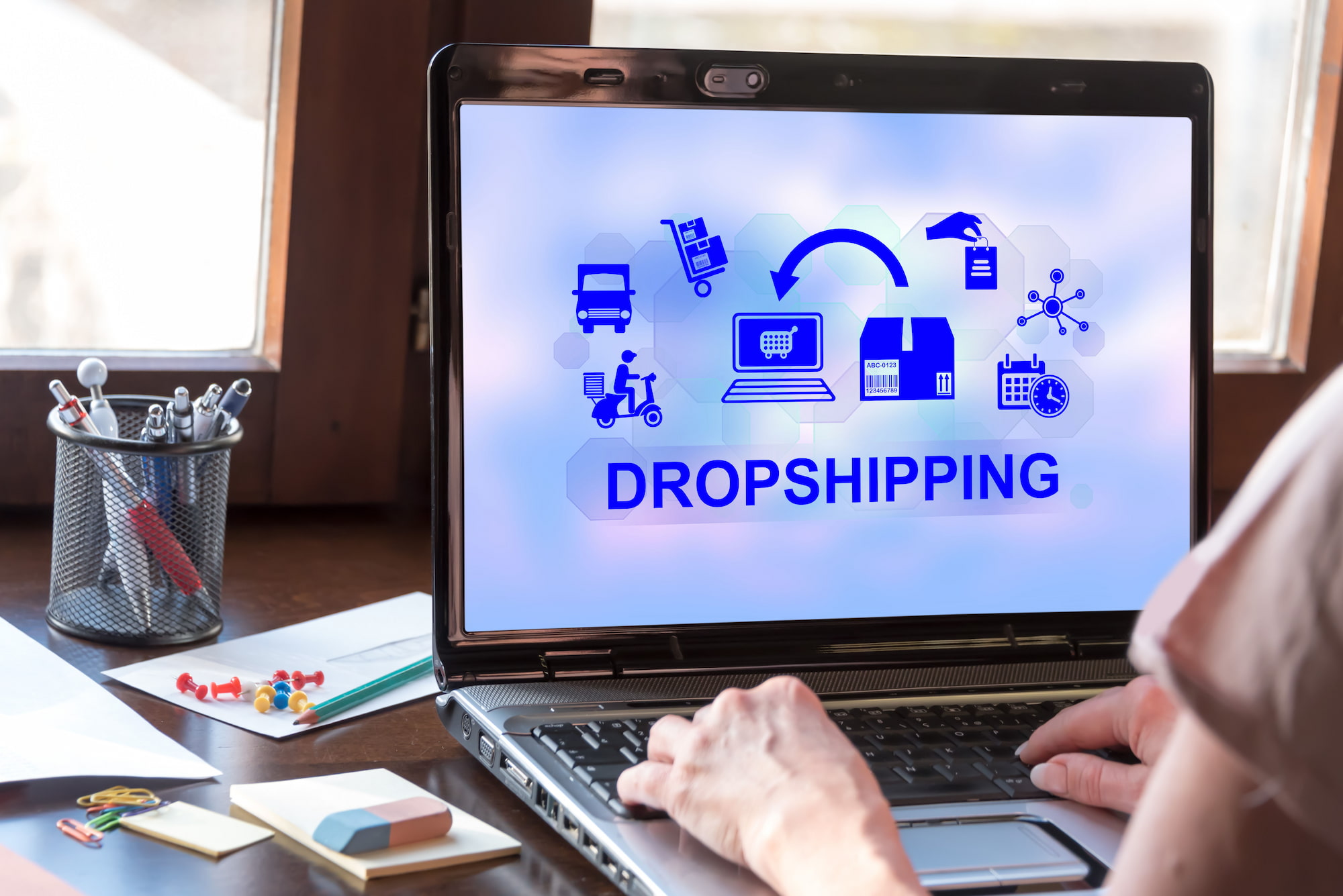
In a world of growing e-commerce, knowing what is dropshipping fulfillment can work wonders for your business. The process began in the late 1920s but became less prominent due to the great depression. Dropshipping then saw a resurgence in the 1950’s due to mail-order catalogues. These publications contained a list of a company’s products that customers could order from and ship directly to them. It wasn’t until the 1990s that the internet boom led to international popularity in dropshipping fulfillment. Buyers transitioned to e-commerce from traditional brick-and-mortar stores. As customers started to purchase goods online, sellers began seeing the advantages of using dropshipping for their company.
What is Dropshipping Fulfillment, and What is the Process?
Dropshipping fulfillment is a business model where retailers can sell their products without keeping inventory. The seller has a 3PL (third-party logistics) provider that handles the process of order fulfillment for them. 3PLs maintain the inventory for the seller and may have warehouses for storing and moving the goods to the customer. While dropshipping has been around for longer than the 1990s, e-commerce has changed how sellers view this business strategy. Businesses had an increase in customers from other countries and grew their supply chains internationally.
The overall process of dropshipping fulfillment starts after a seller creates an online store. Once a customer orders a product, the store sends a message to the dropshipping supplier. The supplier is the 3PL warehouse storing the product and will prepare the goods for shipping. Once ready, the supplier will ship the product directly to the customer. During the journey, the seller may provide tracking information so the customer can track the shipment.
Benefits and Challenges of Dropshipping Fulfillment
The reason why dropshipping has grown in recent years is due to the benefits it has on a supply chain. A significant advantage is the low startup cost that a seller can have when using dropshipping fulfillment. Retailers or individuals usually have to pay a lot of upfront investments and have capital for inventory-storing warehouses. If the seller uses dropshipping for an online store, there are no location limitations, and the supplier can ship internationally. The seller can offer a variety of products due to the fulfillment capabilities of a warehouse. Scalability also becomes easier since suppliers can accommodate increasing orders.
While dropshipping has many benefits, there can also be challenges when using this business model. A common drawback is that inventory issues are more likely to happen when sourcing from a warehouse. Tracking which items are in and out of stock becomes more challenging. Supplier errors may also occur, for which the customers will hold the seller responsible. An example is if the products get damaged during the journey to the final destination. It is crucial to choose a trustworthy supplier when starting dropshipping fulfillment.
A1 Worldwide Logistics
Talk to a 3PL provider like A1 Worldwide Logistics to learn more about dropship fulfillment. Along with fulfilling your orders for your customers, we have a customs-bonded warehouse to house your products. A bonded warehouse is a facility where importers can store freight for up to 5 years without payment of duties. This allows the importer to save money and look for customers before they have to pay taxes for the shipment. Contact A1 Worldwide Logistics at 305-821-8995 to learn about our many solutions for your supply chain. Along with warehousing, we transport your goods to and from our facility to the final destination.
by A1 WorldWide Logistics | Dec 7, 2023 | Importing, Shipping Logistics, Supply Chain
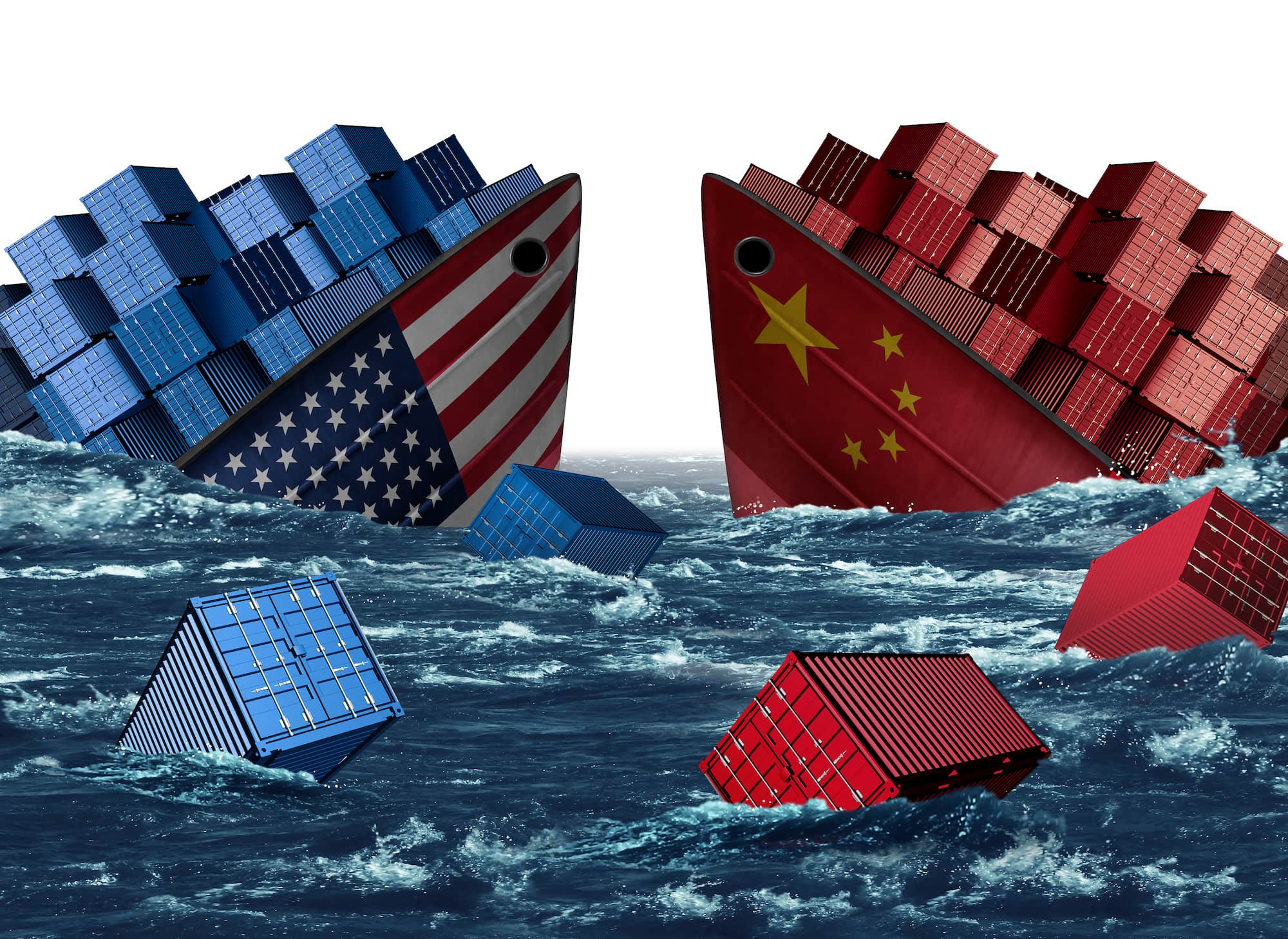
Recently, many U.S. companies have been discussing other sourcing alternatives instead of China, making some ask, “Are China Imports Declining?” For over a century, most labels on goods in the U.S. have had “Made in China” written on them. Single-sourcing imports have always had their benefits and drawbacks. The risks of single-sourcing from China had become more apparent not long ago.
Why Are China Imports Declining?
The coronavirus accelerated present risks and disrupted the supply chains of numerous importers from China. Ports all over China were closed or working at limited capacity due to the pandemic. This created a backlog in freight shipping and challenges for shippers and their customers. Years before the coronavirus was present, the imports from China were already lessening for several reasons. An example of a reason was that the tariff costs that importers had to pay rose to over 20%.
Companies that manufactured goods in China also had intellectual property theft issues. This is the robbery of a company’s products and ideas for their usage. The environmental impact of importing from China was another factor that companies looked at. Producers in China use specific production methods that the U.S. prohibits. This means the environmental effect may be more significant when companies manufacture goods in China instead of the U.S.
Other Alternatives
As companies looked at other options for sourcing, countries like Vietnam became attractive. The country is politically stable and has various growing industries, such as automotive and electronics. The labor costs are also relatively low, making it an ideal candidate for manufacturing companies to move to. Over the past few years, imports from Vietnam and other Asian countries have risen considerably. However, the risks, such as infrastructure and the worry for human rights, remained.
Instead of outsourcing the imports from Asia, another substitute is outsourcing from somewhere closer, like Mexico or Latin America. Mexico is already one of the biggest trading countries with the U.S. The proximity is also a huge benefit for companies that rely on imports. Trucks may become an increasingly popular conveyance method for imports entering the U.S.
Can Reshoring Back to the U.S. Become More Common?
One of the many solutions was to bring the manufacturing of goods back to the United States. There are various advantages and disadvantages associated with moving manufacturing from China to the U.S. One of the main benefits is that the transport times become significantly shorter. Shippers do not need to import into the U.S. from countries that may be far away. Also, if manufacturers make the goods in the U.S., no duties for imports have to be paid.
Despite this, reshoring back to the U.S. may be a difficult task. This is because many companies that outsource to different countries have done so for decades. Going backward on a supply chain with the same process for decades takes time. Offshoring manufacturing to foreign countries also tends to provide cheaper production costs, which can benefit companies instead of reshoring.
A1 Worldwide Logistics
Although the locations where shippers bring in freight may become more diverse, the number of U.S. imports is still increasing. If you plan to ship to and from the U.S., A1 Worldwide Logistics is here to help. We have freight forwarding services for both imports and exports. Call us at 305-821-8995 to get a quote for your shipment.

by A1 WorldWide Logistics | Nov 30, 2023 | Air Freight, Import and Export Experts, Shipping Logistics
Despite the advantages of shipping perishables by air, shippers may not fully understand the process. Knowing the procedure can help you save time and money by avoiding mistakes. In international transport, perishables are any shipment that can damage or spoil after a specific time. The carrier must deliver the goods quickly to maintain quality and effectiveness. Examples of perishables include foods like fruits, vegetables, meats, and dairy products. Pharmaceuticals, cosmetics, and plants also fall into the category. Each good can have its specific requirement when transporting. For example, certain products may have a longer or shorter shelf life than others.
What Is The Process?
Before transporting perishables internationally, a shipper must understand the regulations for shipping. The regulations vary not only by cargo type but also by country that the perishable is shipping to. Each country has its laws for importation, and failure to comply can result in freight loss. For example, it is illegal for a shipper to import unpasteurized cheese into the U.S. due to health risks. Since a country may have extensive regulations, shippers usually hire customs brokers to import for them. Another crucial consideration that a shipper should be aware of is the type of packaging used to ship.
Unlike nonperishable cargo, perishables risk spoiling after a specific time, which can increase based on the temperature. Packaging must be capable of keeping the goods at the appropriate temperatures during the journey. The packaging should also have the correct labeling to show that it is perishable. Once the shipper is ready to export, they can start by looking for a carrier to ship the freight. Since time is significant, the most ideal method of conveyance is by air. When looking for an air carrier, hiring a freight forwarder can help streamline the process. Not only does a forwarder coordinate the shipment, but they also find the best rates on behalf of the exporter.
What Are The Documents Needed for Shipping?
The most important consideration when shipping internationally by air is the documentation. While the paperwork may vary based on the shipment, some of the general documents include:
- Commercial Invoice – A document the exporter issues to get the cargo through customs and helps customs authorities determine duties.
- Airway Bill – This is an air cargo version of a Bill of Lading the carrier issues as a receipt for the goods.
- Packing List – The packing list contains crucial information about the cargo, like the weight, dimensions, descriptions, and contents.
- Certificate of Origin – A certificate of origin declares the country that manufactures the cargo.
Perishable cargo may require extra documentation like a phytosanitary certificate, which verifies agricultural products are pest and disease-free. The documents must be correct to prevent lag in shipping. With perishables, time is urgent, and delays can ruin the entire shipment.
How Can You Begin Shipping Perishables By Air?
While shipping perishables may seem complex to inexperienced exporters, having assistance is an ideal way to begin. Talking to a freight forwarder and customs broker can help streamline the transport process and ensure the shipment’s success. Contact A1 Worldwide Logistics at 305-821-8995 to begin shipping your perishables internationally or domestically. Along with air, we provide other methods of conveyance, like land and sea, to ensure the movement of your shipment.

by A1 WorldWide Logistics | Oct 26, 2023 | 3PL, Shipping Logistics, Supply Chain
Recent U.S. Department of Commerce restrictions have resulted in China limiting graphite exports. Graphite is a mineral that manufacturers use to create pencils, brushes, arc lamps, and batteries for electric vehicles (EVs). China is the world’s most significant graphite producer, producing over 65% natural graphite globally. Starting December 1st, foreign companies will require stricter permits for shipping raw and synthetic graphite out of China. The announcement comes after the U.S. blocked China from importing specific computer chips. The U.S. restrictions aim to prevent China’s access to semiconductors that can fuel breakthroughs in artificial intelligence.
What Does China Limiting Graphite Exports Mean for Shipping?
A decline in graphite exports out of China can negatively impact supply chains globally. Automakers that rely on this mineral to create EV Batteries may feel the main impact of the restrictions. In recent years, the customer demand for EVs has grown, and many are switching to cleaner energy technologies. The World Bank Predicts that graphite demand will rise 500% over the next three decades. Since China makes over 65% of the world’s graphite, EV makers that ship from the country may soon have to look for other alternatives. This can mean importing the mineral from other countries or insourcing the production and buying of graphite in the U.S.
Many EV manufacturers are already importing graphite from countries like Mozambique, which is the 2nd largest producer of graphite. This option may have separate issues because of recent regional labor strikes. Another concern from shippers is that the average price of graphite will spike in the near future. This is due to the demand becoming higher than the supply. The Russia-Ukraine adds to the price since Russia is a significant supplier of the world’s graphite. Manufacturers also have used substances like silicon instead of graphite to create batteries. However, technology for that material is not commercially available.
How Has the U.S. Responded?
The global graphite supply was a concern for the U.S. years before China’s announcement to limit exports. Last year, the U.S. government signed the Inflation Reduction Act into law. This law gives a 10% tax credit to domestic producers of graphite and similar minerals. In February of 2023, the Biden administration gave $3 billion in funding for battery supply chains that use graphite. The goal is to bring more graphite production to the U.S., starting with a processing plant in Alabama. In August, the U.S., South Korea, and Japan met and launched a supply chain early warning system (EWS). This program will share information on disruptions to crucial supply chains like graphite and EV batteries.
When shipping freight internationally, it is essential to be up-to-date with any laws and regulations that arise. Failure to do so can delay shipment and disrupt your supply chain. The best way to prepare is by talking to a freight forwarder or customs broker regarding your cargo’s movement. Forwarders coordinate the transport of your goods, and brokers clear the import once it reaches the destination country. Contact A1 Worldwide Logistics at 305-821-8995 for assistance with your supply chain needs. We help by guiding you through the world of international shipping by providing solutions for reaching your goals.

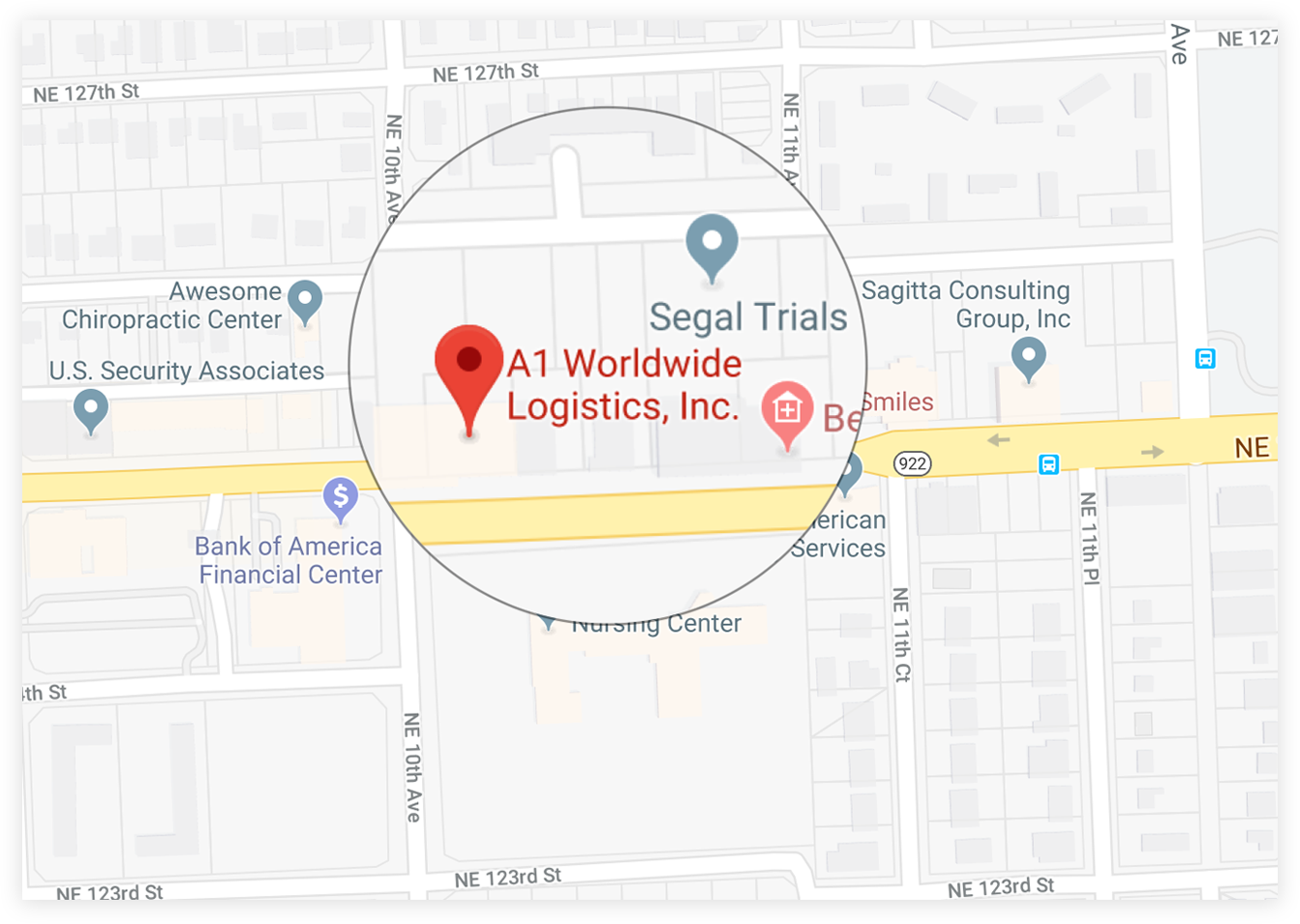
 1035 NE 125th St Suite #320, North Miami, FL 33161.
 a1worldwidelogistics.com
 (305) 821-8995
 Hours: 8AM - 5PM