by Rob Simmons | Sep 8, 2021 | Customs Clearance, Freight Forwarding, Import and Export Experts, Shipping Logistics, Transportation
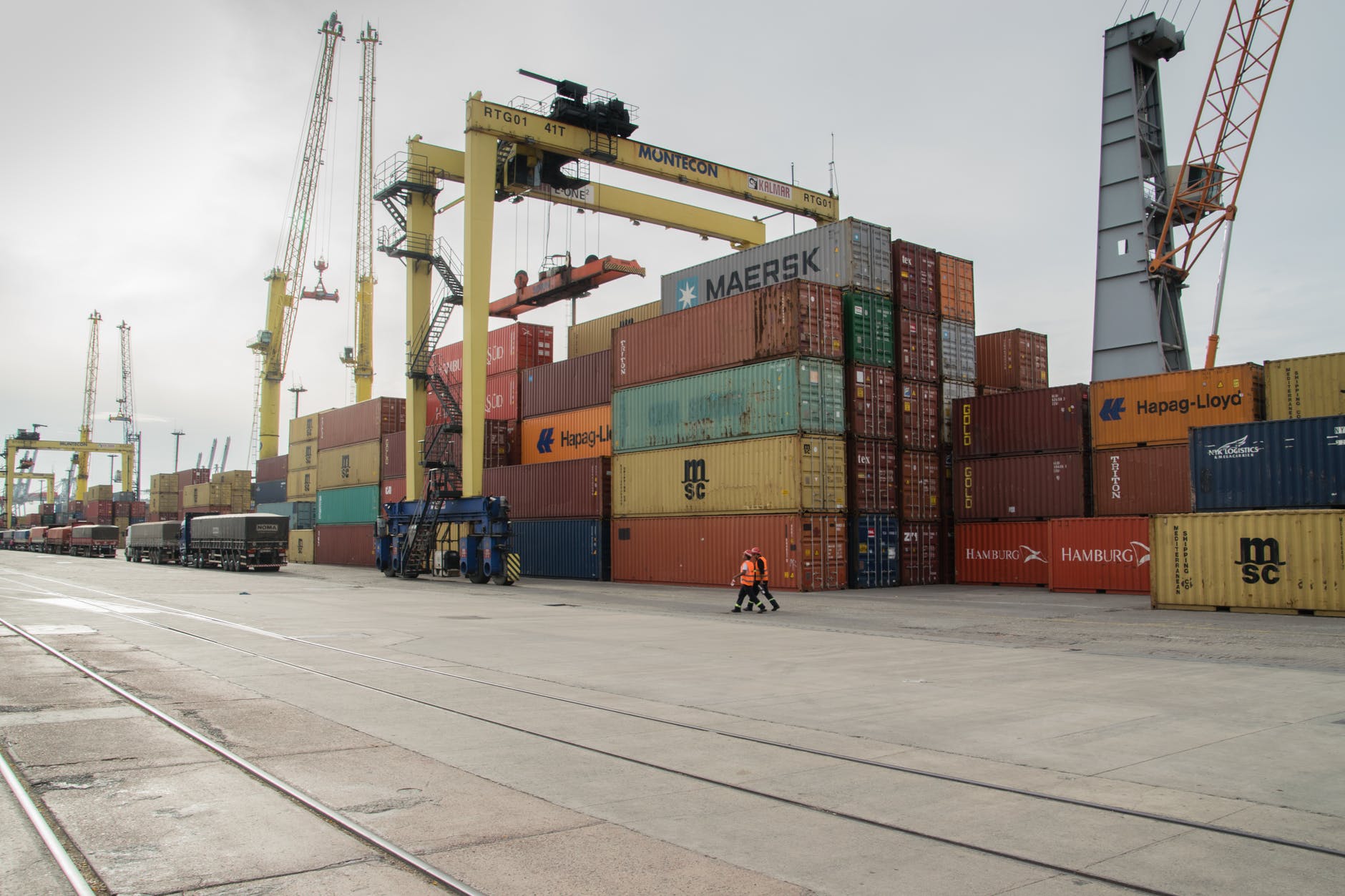
The current international freight shipping market is seeing a sizeable distribution of spot prices. When shipping containers, a spot price is a cost for moving freight shipments to a certain destination. Earlier this year there was a report that spot prices were high compared to last year, but they still are growing in the present moment. With spot rates growing for certain freight shippers, other shippers are finding a decrease in spot rates, and this can create an unbalanced spread.
The reason that the spread is so wide may be attributed to the current market. Situations such as port congestion and a scarcity of containers created a high demand in the market. The demand in trucking and warehousing has also risen compared to the capacity. Plus, with the holiday season quickly approaching, the demand may increase. This has led to a high push for shippers to get space on a freight vessel, rising the spot rates.
Why are Some of the larger Customers Getting the Leverage?
The trend in the spot rates may be more favorable for larger shippers than mom-and-pop shippers. The larger or more attractive shippers tend to pay fewer spot rates than smaller importers. This is because compared to a smaller shipper, larger freight shippers may offer more benefits for the carrier. Larger freight volumes from big shippers can be attractive to the carriers. Larger shippers may also provide the carrier with lengthy contracts and tend to have an already established relation to the carrier.
Xeneta, a shipping index and a benchmark for comparing ocean freight rates recently did an analysis of the market rates for the China-Los Angeles ports. They reported the short-term market rates had a high and low difference of around $1200 a few months ago. At the same time last year, the China-Los Angeles ports had a high and low difference of only $150. If this trend continues, there is a fear that smaller shippers may not be able to compete in the freight shipping market.
The Dependance on Location
One of the main contributors to the spot prices is where the freight leaves from and the final destination of the shipment. The trans-Pacific is the region in the Pacific Ocean where several countries cross over to do trade. Because of the vast number of countries doing trade in the trans-Pacific market, different countries may have their own market. This also can mean that they have their own spot prices.
For example, shipping from China may be cheaper than shipping from Japan. This is because China has some of the largest container ports in the world and may be able to move more freight in a certain time period. This high volume of freight that is able to be moved can lead to higher profits for carriers.
The destination of the freight being moved may also affect the spot price. The port of Los Angeles has experienced an immense amount of congestion in the past year. Even at the present moment, there are freight container vessels waiting to be unloaded. If a shopper plans on moving their freight through this port, short-term rates may be high due to waiting times. Now compare the situation to the Port of Hueneme a few miles away. With less congestion and traffic, the shipping rates per container may be less.
A1 Worldwide Logistics
Knowledge of the international freight shipping market is important when you plan on moving freight. Particularly in the current market, it is critical that you are getting a fair and understandable quote for your shipments. Contact us at 305-821-8995 or at info@a1wwl.com to get a quote on your shipment. Our freight forwarders look for the best quote prices for moving your shipments domestically and globally.
by Rob Simmons | Aug 23, 2021 | Freight Forwarding, Supply Chain, Technology
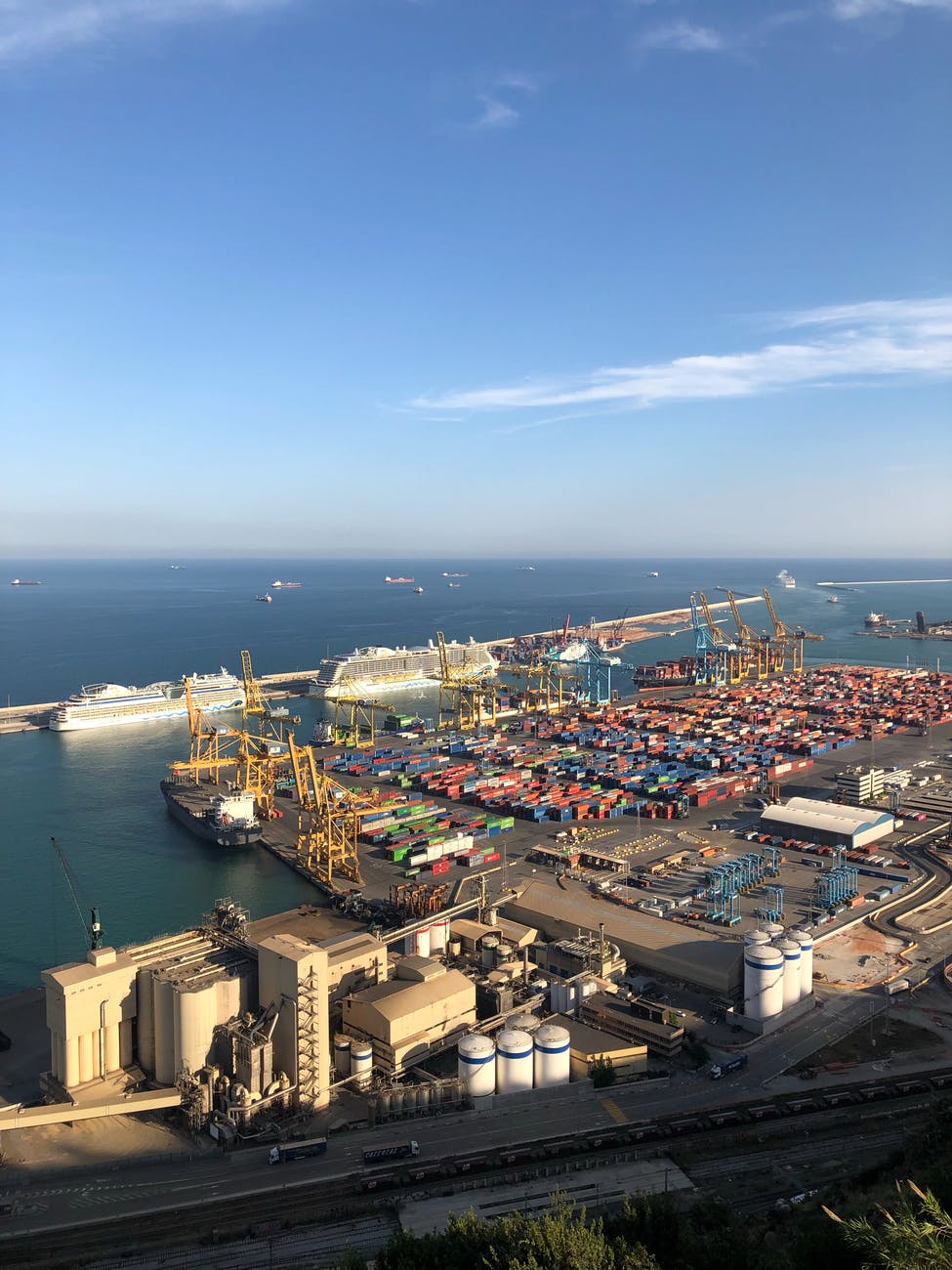
Released onto the world’s seas on July 30, 2021, the Ever Ace has officially named the largest freight container ship in the world. Costing over $150 million to create, The South Korean company, Samsung Heavy Industries started construction on this freight vessel in 2019. The Ever Ace arrived at the port of Taipei on August 8, 2021, after being released from the Qingdao port in Shanghai, China. It was carrying 6,200 TEU at the time and was greeted with a celebratory welcome when it arrived. The plan is for the Ever Ace to navigate through shipping routes between Northern Europe and Asia.
How Big is the Ever Ace?
The length of the Ever Ace is approximately 1312 feet long and can carry an estimated weight of around 225,000 tons. The widest point of the ship stretches more than 200 feet with a max speed of 22.6 knots or about 26 miles per hour. In terms of freight container capacity, this ship can carry 23,992 TEU. This is more than 3000 TEU’s greater than Evergreen’s Ever Given, the ship the got lodged in the Suez Canal in March of this year. For reference one TEU (Twenty-Foot Equivalent Unit) is a unit of measurement for one 20-foot container. The previous largest container ship, HMM Algeciras has a TEU of 23,964.
Evergreen has recently announced a project to bring 70 freight vessels into the shipping industry. The freight vessels themselves are planned to be of different sizes and carry different amounts of containers. The total amount of TEU’s that these vessels may be able to carry together is a massive 688,000 TEU’s. This amount will be added to the current number of TEU capacity of over 1.3 million TEU’s.
Why So Many Vessels?
The Ever Ace is part of a series of ULCC (Ultra-Large Crude Carriers) freight container ships ordered for Evergreen that is expected to be finished in the coming years. This series is going to feature 12 of the 70 vessels that were previously mentioned. However, this particular series of ULCC vessels being developed is planned to be roughly 20% bigger than Evergreen’s current biggest ships.
One of the main reasons Evergreen has ordered so many freight vessels is because of the current international shipping industry. There has been a shortage of freight containers over the past year and this could persist well into 2022. The coronavirus created a scenario where there are not enough workers to manage these containers, and this may create a backlog. Despite the shortage, the demand for shipping freight has risen considerably. Evergreen has been growing its vessel line to meet these demands. Evergreen also revealed last month that they plan on adding an additional 6,000 freight containers as a response to the shortage.
A way that Evergreen is attempting to have an advantage in the current market is by expanding its operations. For example, the Europe-Asia shipping route tends to only have 14,000 TEU vessels. Vessels with 20,000 TEUs and higher are being introduced in this route to boost shipping amounts. While the freight shipping industry has been facing unfavorable situations, Evergreen Corp has been having success in terms of business. It has made profits of over 3 billion U.S dollars in only the first half of 2021 alone.
A1WWL
Planning to move freight globally and need guidance on how to do so? Call us at 305-821-8995 or email us at info@a1wwl.com. We at A1 Worldwide Logistics assist with both imports and exports and are present throughout your freight’s whole journey. It is important to us that your freight reaches its final destination safely and in a timely manner. Feel free to contact us to find out about our various services.
by Rob Simmons | May 14, 2021 | Customs Broker, Customs Broker Miami, Customs Clearance, Freight Forwarding, Technology
Since its start in the early 1800s freight forwarding has developed into a whole industry. As logistics and technology have evolved over the years, so has freight forwarding. Innovations in forwarding have led to goods being moved around further distances faster. Supply chains also grew to be more well-built and resilient. Recently, a common trend that we may be seeing more of is freight forwarding companies becoming more digitalized. These digitalized forwarding companies have also seen increasing collaborations with TMS providers to enhance their capabilities.
The Benefits of more Digitalized Forwarding
The process of freight forwarding is intricate with many different components involved. If one thing goes wrong, it may harm the whole process. For example, If the paperwork is incorrect at the start, the freight may not be allowed to reach the final destination. Digitalized forwarding allows simple mistakes to be avoided. When the paperwork is transferred into a system, errors can be checked for much easier and in a timely manner. Also, the documents can be re-examined conveniently since they up uploaded and viewable at any time.
Another important benefit is that the tracking of the freight is much more possible. This is because real-time tracing allows for constant updates of your shipment. The date that the freight will reach its final destination may also be predicted much easier. The quotation process may also become more accurate. Although it may be costly to transition into a more digitalized system the benefits can outweigh the costs. One way many companies are doing this is by adopting a TMS platform.
What is a TMS?
A transportation management system (TMS) is software that provides a clear view of the operations of the freight shipping process. This is by having digital access to information such as the coordination and movement of freight. It also assists with planning and record-keeping of the freight. When a freight forwarding company partners with a TMS like Descartes or BluJay, the supply chain processes become more efficient. Over the next few years, a large number of freight forwarding companies could transition into becoming paperless and using TMS software.
A1Worldwide Logistics
if you are looking for a freight forwarder to move your goods internationally, were here to help. We organize the transport of freight by various ways such as ocean and air. We also assist with drayage services. If you are looking for a free quote, call us at 305-821-8995 or email us at info@a1wwl.com.

by Rob Simmons | May 10, 2021 | Freight Forwarding, Supply Chain, Transportation
Last year there were reports of a global freight container shortage. This shortage has continued on to this year. The demand for containers greatly outnumbers the number of containers available. With the current state, the shortage may continue until the end of 2021 and even into 2022.
When did this Shortage Begin?
The start of this shortage was believed to happen in mid to early 2020 during the coronavirus lockdowns. With the pandemic establishing quarantine worldwide, people resorted online to purchase their goods. Freight that is purchased online tends to be imported internationally. In 2020, Ports in the U.S. saw an overwhelming number of ships carrying freight arrive at their terminals. This large volume led to congestion across the nation, and we may be still seeing the side effects today.
Why is the Shortage Persisting?
There are many reports as to why there may be a lack of freight containers. One explanation previously mentioned is that a large number of ports have not recovered from the blockage. The number of new containers being sold has also remained sluggish. This may be because the cost of a container has risen greatly in a year. In 2020 the cost of a new container was around $1800. In a year, the cost rose to $3500. Combine the increasing price with the lack of inventory and it creates an unfavorable situation.
Another reason could be the Suarez Canal blockage. This added to the situation because of the large number of ships that were blocked. Over 350 ships carrying thousands of containers were delayed. The Ever Given itself can hold over 20,000 containers of freight. The blockage also led to ships taking the longer route through the Cape of Good Hope, resulting in long delays. Also, Chinese ships that were planning to go through the Suarez Canal are turning around at such a rapid rate that they are dropping empty containers behind. Adding to the scarcity.
Is There an End
As everything recovers from the hectic year of 2020, there may be light at the end of the tunnel sooner than later. The manufacture of freight containers has gone up in 2021 compared to last year. Although this production is still not enough to overcome the current shortage, it may be a sign of things to come. As the economy steadily returns to pre-coronavirus, more freight may start to be shipped globally. This could result in the need for more containers and more production, along with the end of the shortage.
A1WWL
If you are looking to import or export freight internationally and need a quote, call us at 305-821-8995 or email us at info@a1wwl.com. We provide hands-on service with your freight all the way to its final destination.

by Rob Simmons | May 5, 2021 | Customs Broker, Customs Broker Miami, Customs Clearance, Freight Forwarding, Shipping Logistics
With e-commerce becoming more common over the years there has been a stronger need for logistics than in the past. Especially with the coronavirus forcing many to purchase their goods online. In Amazon’s case, this led to an expansion of Amazon’s freight delivery stations. When customers purchase goods online, they tend to expect the goods to reach them in a timely manner. Amazon took note of this and created freight delivery stations all across the United States to meet customer needs. In 2021, the number of delivery stations is predicted to be over 500 by the end of the year.
What is a Delivery Station
To understand what a delivery station is, it is important to understand insourcing. Insourcing means using a company’s own resources to complete a job that was previously done by an outside source or a third party. In Amazon’s case, the delivery station acts similarly to the U.S. Postal Service. Once the freight reaches the postal service, they get prepared for final mile delivery. Instead of outsourcing for final mile delivery services, delivery stations give that task to Amazon.
The delivery station is just one of the many different ways that Amazon is expanding its logistics operations. With the growing demand from the customers, the delivery stations are improving Amazon’s supply chain. This is by widening their reach and having the customers get their freight in a swifter manner. Amazon’s Wagon Wheel program is also allowing for the development of delivery stations in rural, secluded areas. The plan is for amazon to one day have total coverage of the U.S.
Advancements in Logistics
Delivery stations are just one of many examples of how companies like Amazon are developing ways to meet the logistical needs of the customers. Before the goods even reach the delivery stations, they may have to go through the sorting centers or fulfillment centers. Fulfillment centers are where the items from orders are picked and moved to sort centers. Sorting centers are where these items are put together and then are moved to delivery stations. With more of these types of warehouses being built across the U.S., Amazon is demonstrating how the logistics process is growing and developing.
Other companies like FedEx and Home Depot have followed the trend as well. FedEx is currently creating warehouses solely for storing and moving large freight. Home Depot has also created centers such as last-mile centers similar to Amazon to deliver to the customers. With all of the recent growth, there can be no telling what lies in the future for the world of logistics.
A1 Worldwide Logistics
If you are looking for final mile delivery services such as local pick-ups and deliveries for your freight, call us at 305-821-8995. We make sure that your goods are handled with care throughout the whole journey up to the final destination.

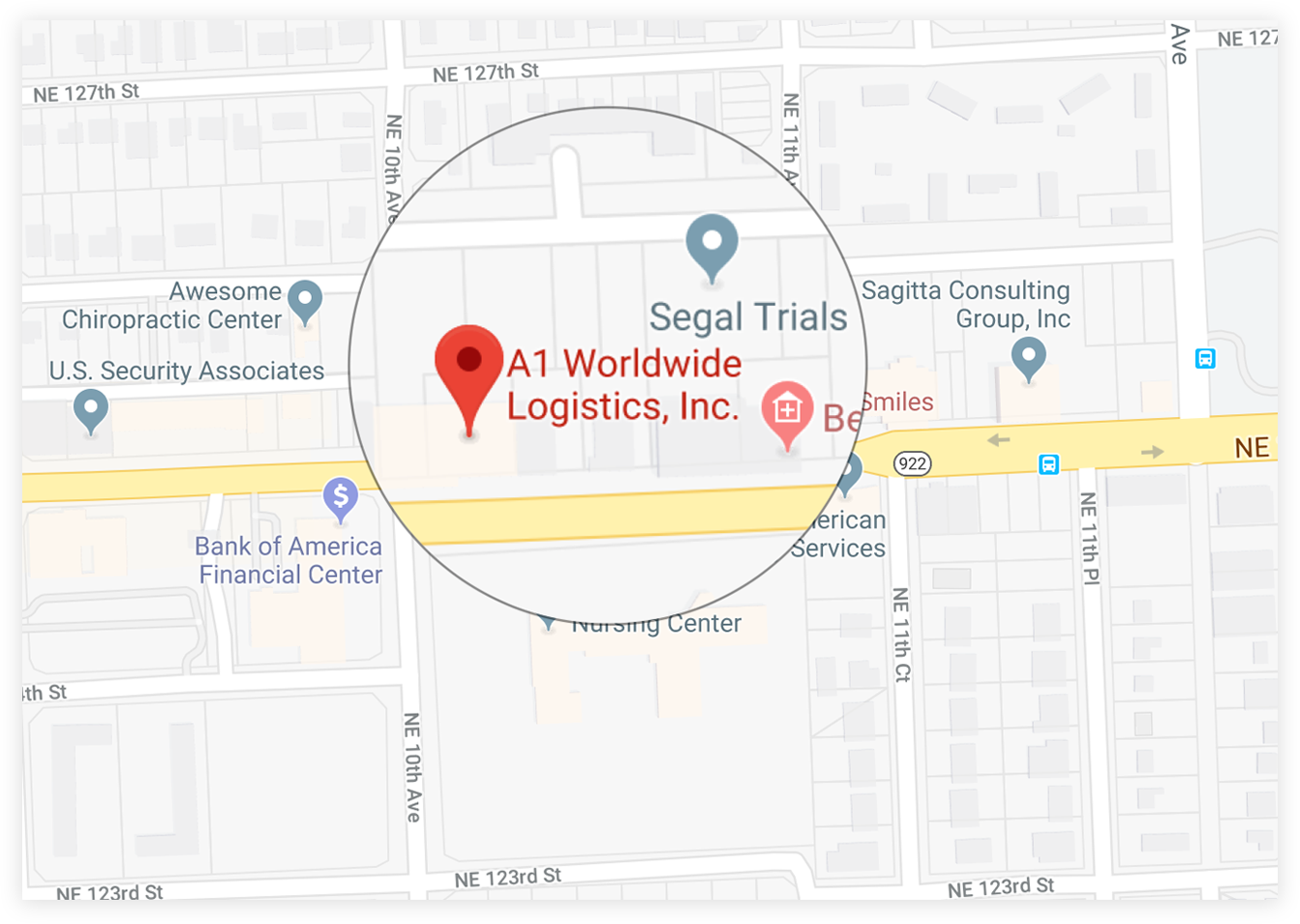
 1035 NE 125th St Suite #320, North Miami, FL 33161.
 a1worldwidelogistics.com
 (305) 821-8995
 Hours: 8AM - 5PM