by A1 WorldWide Logistics | Nov 12, 2025 | Air Freight, Economic trends, Importing
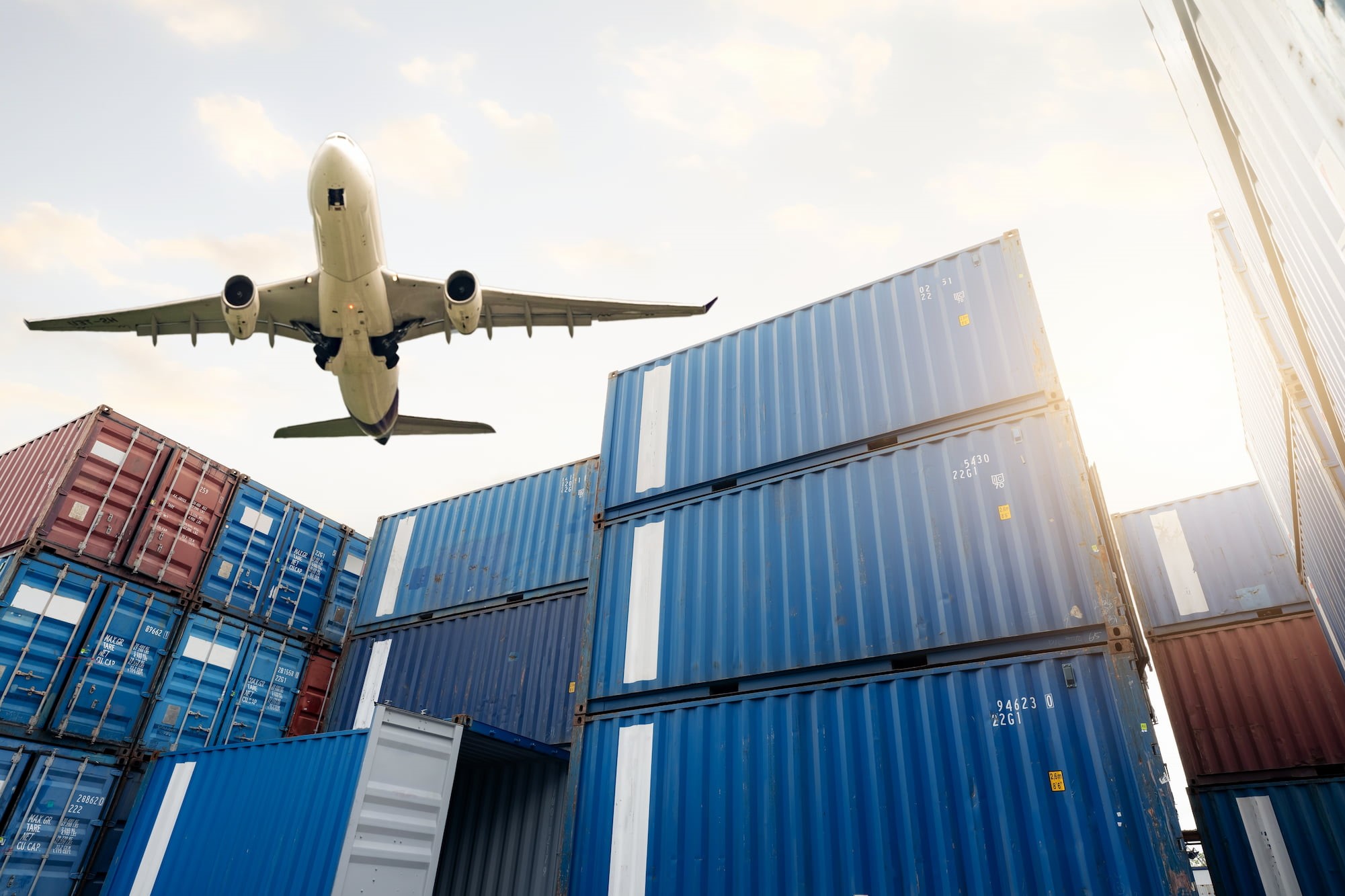
With the holiday season rapidly approaching, shippers could soon see the government shutdown impacting air imports. Since October 1, the US has been in a government shutdown that has currently reached 41 days. The shutdown occurred after Congress failed to pass the required appropriations bill for funding government operations. In particular, Senate Republicans blocked Democratic proposals for extending healthcare, while Democrats have rejected the GOP’s funding plan. Along with impacting sectors like the CBP (Customs and Border Protection), international shipping has also felt the shutdown. In addition to affecting various modes of transportation, such as sea and land, the shutdown has directly impacted air imports.
How Is The Government Shutdown Impacting Air Imports?
Soon after the government shutdown began, federal workers were furloughed and sent home without pay. Key partner agencies, including the CBP (Customs and Border Protection), EPA (Environmental Protection Agency), and the FDA (Food and Drug Administration), employed some of the workers. As a result of the agencies operating with limited staff, operations are also restricted. Inspections and certifications for imports arriving by air could be delayed, resulting in longer customs clearance times. On Friday, October 7, the FAA (Federal Aviation Administration) reduced travel capacity by 10% at 40 of the busiest airports. The reason was due to controller staffing shortages, which may soon intensify with the approaching holiday season.
A significant effect that the government shutdown could soon have on air cargo imports is longer lead times. This can be especially problematic if the goods are perishables or cargo that must be transported on an expedited schedule. The overall cost could also increase due to delays and potential rerouting to other airports. Demurrage costs resulting from an excessive backlog can further increase expenditures, which are spread across various supply chain components. In addition to impacting the shipper and carrier, the customer may also directly feel the effects of higher prices. In addition to having a ripple effect on supply chains, the shutdown could also strain economic growth.
How Can Shippers Protect Their Shipments?
Since the holiday season is a time of pressure for shippers, the government shutdown can add greater stress. Due to this, importers should take greater steps to protect their cargo during this time. To start, it is essential to book air cargo space in advance to avoid delays. Holidays like Christmas tend to lead to increased imports over usual, resulting in limited capacity. For less urgent freight, using alternative conveyance methods, such as ocean and land, can be beneficial. For potential delays, shippers can build buffers and plan for various scenarios, factoring them into their supply chain timelines. It is also essential that all documentation is correct to prevent delays during the customs clearance process.
Transporting freight during a government shutdown can seem daunting, but it should not stop the flow of goods. The shipper should, however, take the proper steps to prevent disruptions to their supply chains. Another way to protect your shipment during this time is by reaching out to a freight forwarder. Forwarders are individuals or companies that organize cargo movement on behalf of the shipper. They achieve this by offering a range of services, including international and domestic shipping, customs clearance, warehousing, document preparation, and additional support. A1 Worldwide Logistics offers forwarders and other solutions to ensure the success of your shipment. Speak to our forwarders at info@a1wwl.com or 305-425-9752 to begin moving goods into and out of the US.
by A1 WorldWide Logistics | Jul 8, 2025 | Air Freight, Freight Forwarding, Shipping Logistics, Supply Chain
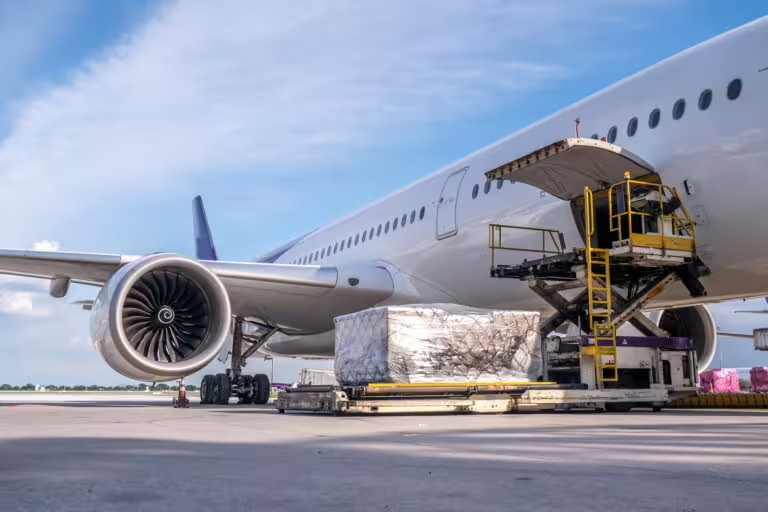
Ahorrar costos en el transporte aéreo puede ser valioso al enviar carga internacional por avión. Aunque mover mercancías por aire es uno de los métodos más convenientes de transporte, también puede resultar costoso. En la última década, la demanda por este medio ha aumentado considerablemente. La pandemia de coronavirus incrementó aún más esta demanda, ya que los consumidores comenzaron a comprar más productos en línea y se elevaron las importaciones. Gastos como los precios del combustible y otros costos operativos han elevado aún más las tarifas. Por esto, los remitentes han encontrado cada vez más beneficios en buscar estrategias para aumentar sus ahorros. En este artículo explicamos los distintos costos asociados al transporte aéreo de carga y cómo puedes ahorrar desde el inicio.
Comprender los costos involucrados en el envío de carga por vía aérea
Debido a los numerosos componentes que intervienen en el envío internacional, existen diferentes costos que el remitente debe tener en cuenta. Antes de que la aerolínea transporte la carga, normalmente se requiere transporte terrestre para llevarla hasta el puerto de carga. Esto significa que el transporte doméstico puede sumar al costo total del envío aéreo. Otros costos incluyen la tarifa base, que cubre los gastos operativos de la aerolínea. Esta tarifa varía según factores como el volumen, la ruta, el peso, la temporada, entre otros. También hay costos asociados al control de seguridad, la nacionalización, recargos por temporada alta, etc. Los recargos por combustible son tarifas que se incluyen en el transporte aéreo y pueden representar más del 30 % del costo total.
¿Cuáles son las formas más comunes para ahorrar en transporte aéreo?
Algunas de las formas más comunes en las que los remitentes pueden ahorrar en envíos por aire incluyen:
- Consolidación de envíos – La consolidación es un proceso mediante el cual un transportista agrupa varios envíos pequeños en uno solo. Para el transporte aéreo, esto puede reducir significativamente los costos al pagar únicamente por el espacio utilizado. Otros cargos, como los de manipulación, también disminuyen al agrupar la carga. Además, la consolidación permite tiempos de tránsito más rápidos.
- Enviar en temporadas bajas – La demanda para el transporte internacional de carga influye en el costo del envío. La temporada alta es cuando la demanda es mayor. En este período, los precios tienden a aumentar debido a factores como la capacidad limitada. Enviar carga durante momentos de baja demanda puede traducirse en tarifas más bajas y operaciones más fluidas.
- Optimización del embalaje: Una forma de ahorrar en transporte aéreo que muchos remitentes pasan por alto es el uso de empaques eficientes. Dado que los aviones tienen menos espacio que los buques, las aerolíneas cobran tarifas adicionales por el peso volumétrico y el espacio ocupado. Por ello, es clave optimizar el empaque eliminando materiales innecesarios o utilizando cajas distintas que reduzcan el volumen.
- Preparación correcta de la documentación: Contar con la documentación adecuada es un factor determinante para el éxito del envío. Documentos con errores pueden causar retenciones de la carga en aduanas. Estas demoras pueden generar cargos adicionales, como recargos por detención, que afectan aún más la cadena de suministro.
Uso de un agente de carga
Otra forma de ahorrar al enviar carga por aire es utilizar un agente de carga. Los agentes de carga actúan como intermediarios entre el remitente y el transportista. Además de coordinar el movimiento de la mercancía, se encargan de garantizar el éxito del envío mientras encuentran soluciones para reducir costos. Por ejemplo, pueden ofrecer las distintas estrategias de ahorro mencionadas en este artículo. También mantienen relaciones establecidas con las aerolíneas y pueden negociar tarifas en nombre del remitente.
Llama a A1 Worldwide Logistics al 305-425-9456 para hablar con uno de nuestros expertos en logística sobre el éxito de tu envío. Ya sea por aire, tierra o mar, te ayudamos a agilizar el proceso de transporte.

by A1 WorldWide Logistics | Dec 24, 2024 | Air Freight, Freight Forwarding, Shipping Logistics, Warehousing
La carga sobredimensionada es un producto que excede el peso o las dimensiones permitidas para el transporte convencional. Un ejemplo de carga sobredimensionada podría ser equipos grandes como vigas de construcción y maquinaria como tractores. Debido a las dimensiones, se requieren regulaciones y directrices específicas para clasificarla como sobredimensionada. Las políticas para este tipo de carga varían según el estado; sin embargo, los remitentes deben seguir directrices generales como:
- Peso superior a 80,000 libras.
- Altura de alrededor de 13.6 pies.
- Ancho superior a 8.6 pies.
- Mercancías que superan los 53 pies de longitud.
¿Cómo almacenar carga sobredimensionada?
Debido al tamaño de la carga, los trabajadores deben tomar precauciones especiales al almacenarla en una bodega. Por ejemplo, antes de ingresar a las instalaciones, los equipos especializados como el montacarga desocupan el contenido del camión. Algunos almacenes específicos incluso tienen sistemas de transporte para mover rápidamente y con facilidad la carga grande. Un lugar estratégico para almacenar equipos grandes es en el suelo, debajo de una estantería. Generalmente no se coloca en los estantes debido a desafíos como un desbalance del montacarga. Ahora bien, si un artículo voluminoso requiere de un estante, una alternativa común es una estantería de cantiléver.
Las instalaciones que almacenan mercancías como maquinaria pesada pueden tener pisos reforzados debido al peso. Además, la mayoría de los almacenes con solicitudes frecuentes de carga voluminosa tienen una sección vacía para este almacenamiento. Si tiene planes de almacenar carga pesada o sobredimensionada, comuníquese con A1 Worldwide Logistics al 305-425-9513. Entendemos el tratamiento especializado que requieren los bienes grandes y ofrecemos almacenamiento a corto y largo plazo para carga de diversas industrias.
by A1 WorldWide Logistics | Dec 5, 2024 | Air Freight, Shipping Logistics, Transportation
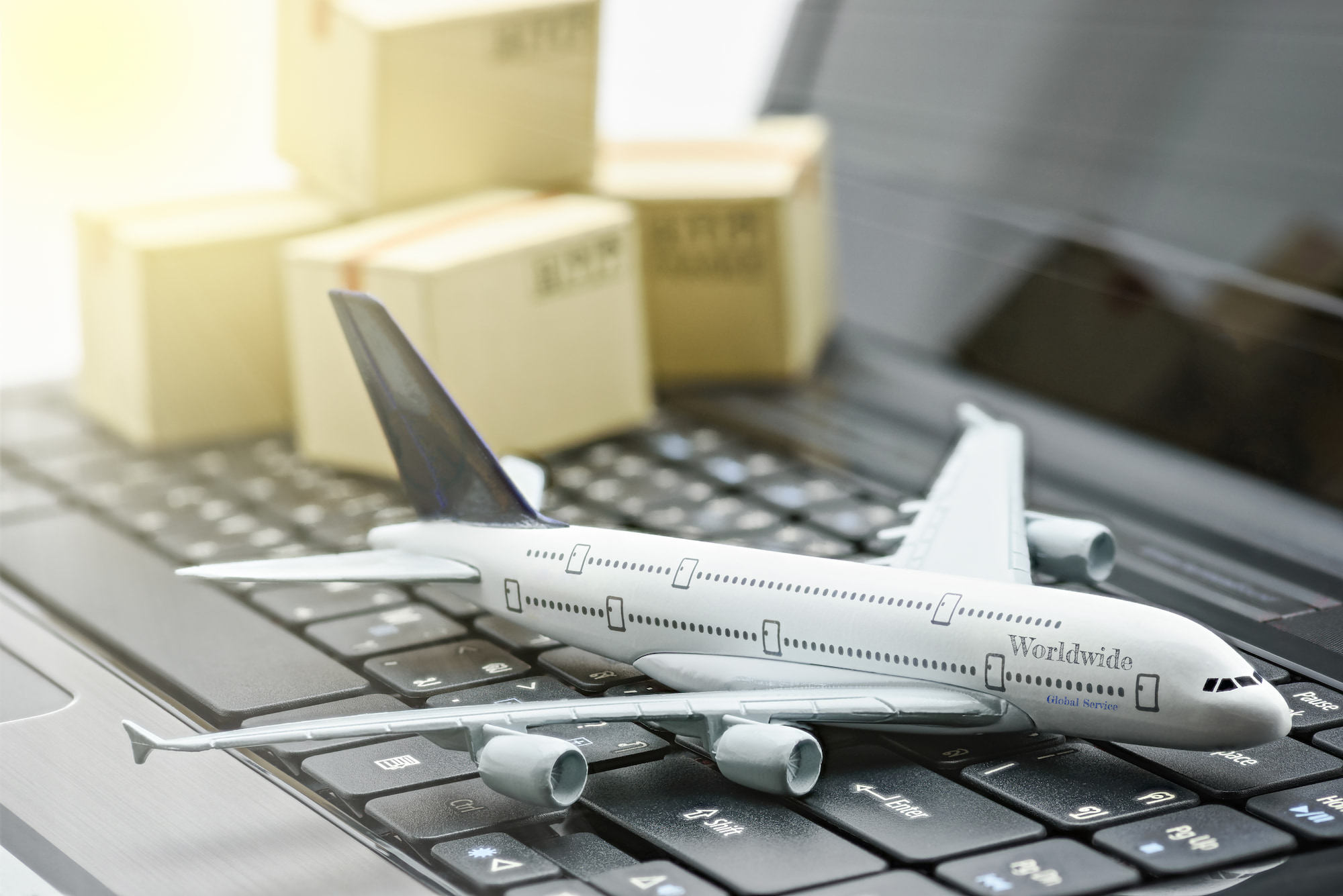
The Boeing aerospace company has released an outlook showing e-commerce growing express cargo in the future. By 2043, express cargo could outpace general cargo by approximately 33% based on an annual rate of 4%. The airfreight industry has nearly doubled over the last few decades and will continue to grow, with air traffic potentially doubling again in the next 20 years. Currently, express carriers account for nearly 45% of global air cargo revenues, while airlines focusing on general cargo generate 10%. Passenger airlines with carriers that can store freight and luggage generate another 10%. A primary reason behind the growth is the surge in demand for e-commerce over the last few decades.
What Is The Difference Between Express Cargo and General Cargo?
Air cargo shipping is the transportation of goods internationally using an air carrier. Two of the most common types of airfreight are general cargo and express shipments. The airfreight industry defines general cargo as more significant, bulkier shipments, while express cargo is smaller and focused on speed. Transportation by express has become popular due to its benefits on supply chains. While it can be costly compared to general cargo, many consider it a preferred choice due to its benefits. For example, it is the fastest transportation mode, allowing for global reach and reliable delivery times. Freight forwarders typically assist with both these transportation methods.
How Is E-commerce Growing Express Cargo?
As the e-commerce industry rose in popularity, so did the amount of businesses that sold goods internationally. Customers who purchased goods online began expecting quicker shipments, which resulted in a demand for express cargo. While e-commerce has grown the air cargo industry since its beginnings, the coronavirus pandemic helped expedite its growth. During that time, brick-and-mortar stores began declining, and there was a surge of goods brought online. Along with the surge was a demand for express cargo services, which has continued to grow since. Globalization and supply chains shifting to other countries besides China have expedited the demand. Today, e-commerce platforms normalize next-day and same-day deliveries.
Coinciding with the rise of express cargo, there has been an interest in factory-built cargo jets. There are currently many carriers that are under production to meet the shipping demand. Compared to regular passenger airlines that transport freight, these carriers allow for flexibility and more reliability. A significant portion of them will be solely for express services. Boeing predicts the global air cargo fleet to ride from 2,340 in 2023 to 3,900 units in 2043. The reason for the number of new carriers also depends on the region. For example, the majority of aircraft deliveries in North America will be to replace current aircraft.
A1 Worldwide Logistics
Deciding on shipping by air can be complicated for inexperienced shippers due to the process, which includes various parts. For example, importing into the U.S. requires customs clearance and regulatory compliance. Speaking to a freight forwarder when starting is ideal to avoid disruptions. Forwarders handle various aspects of a supply chain, including coordinating cargo movement. They also provide other solutions like handling documentation, warehousing, consolidation, customs compliance, etc. Contact A1 Worldwide Logistics at 305-440-5156 or info@a1wwl.com to talk to a freight forwarder about shipping your cargo internationally. Whether you are transporting goods by air, sea, or domestically, we ensure that you meet your goals.
by A1 WorldWide Logistics | Jul 25, 2024 | Air Freight, Importing, Shipping Logistics
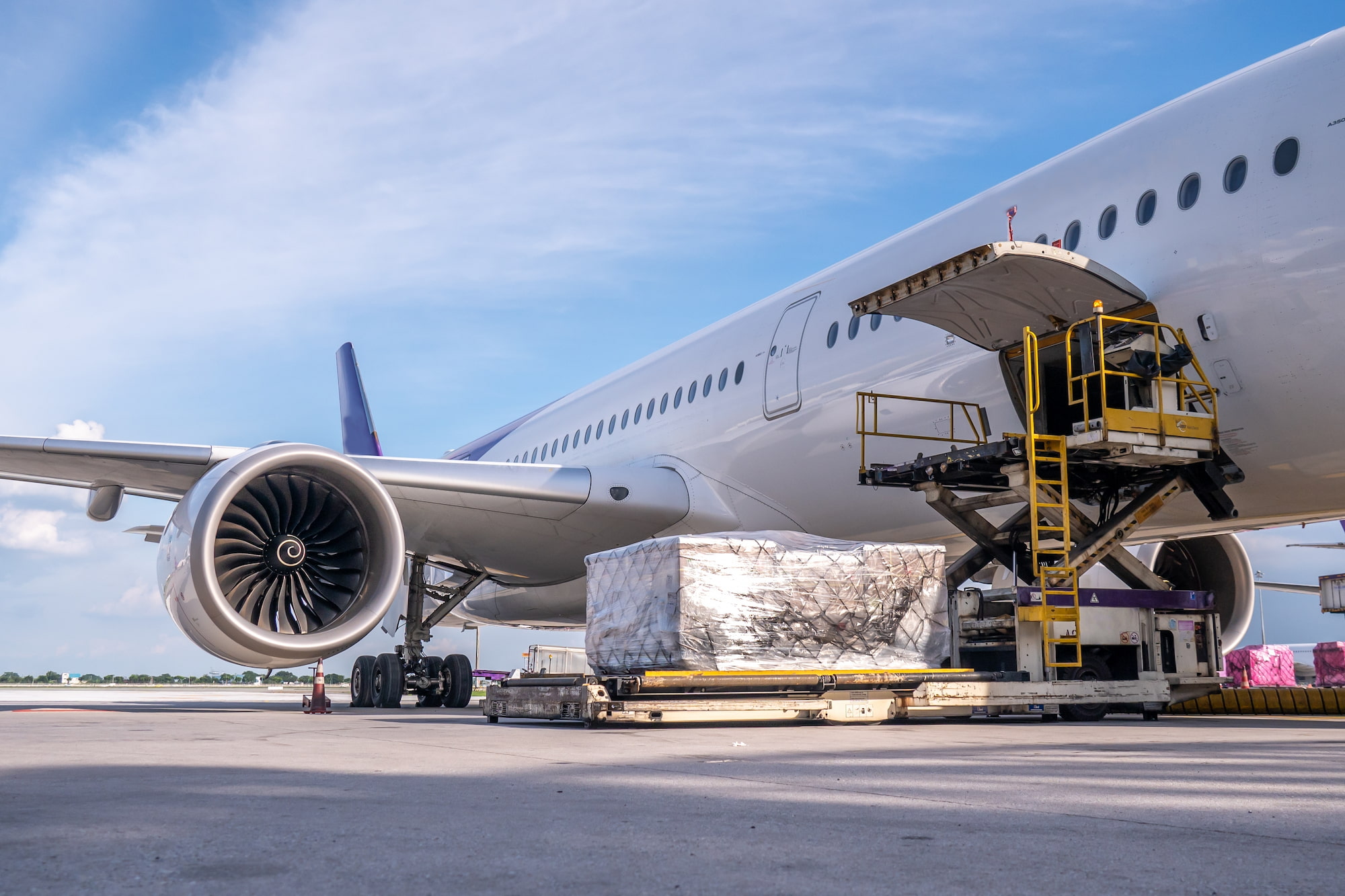
Saving costs on airfreight can be valuable when shipping cargo internationally by air. While moving goods by air is one of the most convenient methods of transport, it may be costly. Over the last decade, the demand for this method has skyrocketed. The coronavirus pandemic further increased demand since customers bought more products online and rose imports. Expenses like fuel prices and other expenditures have further raised costs. Because of this, Shippers have found it increasingly beneficial to find strategies to increase savings. This article will explain the various costs of transporting freight by air and how you can save when starting.
Understanding The Costs Involved In Shipping Cargo By Air
Due to the numerous components involved in international shipping, there are different costs a shipper should be aware of. Before the air carrier transports the cargo, trucks typically move it to the loading port. This means that domestic transport can add to the entire cost of an air shipment. Other costs include the base rate, which covers the airline’s operational fees. Various factors affect the base rate, including volume, route, weight, season, etc. Other costs include security screening, customs clearance, peak season surcharge, etc. Fuel surcharges are fees included in airfreight and can account for over 30% of the total rate.
What Are Common Ways That Shippers Are Saving Costs On Airfreight?
Some of the most common ways that shippers can save on air shipping include:
- Consolidating Shipments – Consolidation is a process where a carrier combines smaller shipments into a single shipment. For airfreight, this can considerably reduce costs for shippers by paying only for the space you use. Other fees like handling also decrease with the grouping of cargo. Consolidation allows for faster transit times, too.
- Shipping Off-Peak Times – Demand for transporting cargo internationally can determine the shipping cost. The peak season is when the demand for moving goods is at its highest. During this time, the price to ship tends to hike due to scenarios like limited capacity. Transporting freight during periods of low demand may result in lower rates and smoother operations.
- Optimizing Packaging – A way to save on airfreight that shippers tend to overlook is using efficient packaging. Since air carriers have less space than vessels, they charge extra on volumetric weigh and space. It can be critical to optimize packing by removing packaging materials or using different crating to minimize bulk.
Using A Freight Forwarder
Another way to save when shipping cargo by air is using a freight forwarder. Freight forwarders are the middleman between the shipper and the carrier. Along with coordinating the movement of goods, they ensure the success of the shipment while finding cost-saving solutions. For example, they can offer the various saving methods mentioned in the article. Forwarders also have established relationships with carriers and can negotiate rates on the shipper’s behalf. Call A1 Worldwide Logistics at 305-821-8995 to speak to our expert freight brokers regarding your shipment’s success. Whether the transport method is air, land, or sea, we help streamline the transportation process.
by A1 WorldWide Logistics | Jul 16, 2024 | 3PL, Air Freight, Customs Broker, Customs Clearance, Importing, Shipping Logistics
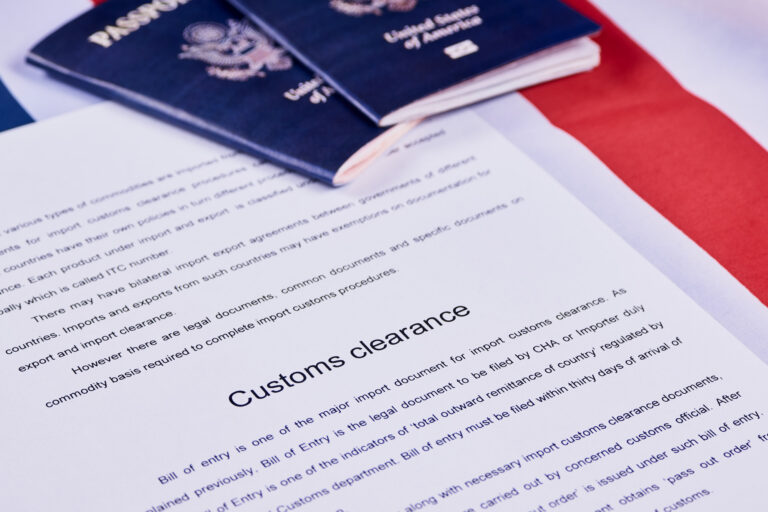
Una de las cosas más esenciales que el remitente debe conocer antes de enviar carga internacionalmente son los documentos necesarios para la liberación aduanal. La liberación aduanal es el procedimiento de declarar mercancías a las autoridades aduaneras al ingresarlas a un país. En Estados Unidos, estas autoridades son la Aduana y Protección Fronteriza (CBP, Customs Border Protection). Saber qué documentos proporcionar puede simplificar el proceso de transporte y prevenir retrasos. Puede haber diferentes documentos requeridos dependiendo del tipo de mercancía que se esté importando o exportando. Este artículo explicará los tipos más comunes, aunque se recomienda hablar con un agente aduanal para obtener una explicación detallada.
¿Por qué es importante entender los documentos en el despacho aduanero?
Al traer envíos a Estados Unidos, contar con la documentación correcta puede ahorrar tiempo y dinero. Documentos incorrectos o faltantes pueden llevar a que la aduana retenga su envío. Esto afecta la reputación de un negocio si no realiza la entrega de sus productos a tiempo. Además, la mercancía retenida por la aduana puede generar cargos por almacenaje en el puerto, lo cual es desfavorable para el remitente.
Documentos para el despacho aduanero
- Factura comercial: Este documento se presenta a los funcionarios de aduanas para evaluar el valor de la carga. También se utiliza para determinar los impuestos y aranceles que se aplicarán al remitente. Puede incluir la descripción de la carga, información sobre el comprador y vendedor, detalles del envío, entre otros.
- Guía de Embarque (BL/ Bill of Lading) o Guía Aérea (Airway Bill): Cuando las importaciones entran a un país, el remitente presenta el BL/Guía Aérea a la aduana. El conocimiento del embarque se requiere cuando las mercancías llegan por barco, y la guía aérea cuando llegan por avión. Estos documentos no solo son un recibo de lo que el remitente está enviando, sino que también proporcionan información de seguimiento. Además, son necesarios para el reembolso en caso de pérdida o daño de la carga.
- Certificado de origen: La aduana utiliza este certificado para verificar el país de origen de la exportación. Esto puede ser necesario por diversas razones, incluyendo aspectos políticos o leyes específicas. Consulte con la cámara de comercio de su país para determinar si este documento es necesario para su envío.
- Lista de empaque: Describe físicamente lo que el remitente está enviando e incluye dimensiones, peso e información de contacto. Aunque es similar a la factura comercial, no cubre los costos asociados con la carga, pero debe coincidir con los detalles en la factura.
- Aviso de llegada: Cuando las mercancías llegan al país de destino, el remitente envía este aviso al consignatario o receptor. Esto permite al consignatario conocer los detalles de ubicación del envío. Sin embargo, el aviso de llegada por sí solo no significa que las mercancías estén disponibles para su liberación; es necesario hacer arreglos para el despacho aduanero. Los agentes aduanales luego proporcionan los documentos necesarios para la liberación de las mercancías.
Contactar a un Agente Aduanal
Además de los documentos mencionados en este artículo, la aduana puede requerir otros adicionales dependiendo del tipo de envío. Por ejemplo, importar armas de fuego, productos químicos o plantas requiere licencias específicas. Dado que tener la documentación correcta puede ser intimidante para remitentes sin experiencia, estos suelen contratar a un agente aduanal para manejar el proceso. Si planea traer carga a Estados Unidos, comuníquese con A1 Worldwide Logistics al 305-425-9752 para comenzar. Además de ayudar con la documentación, nuestros agentes aduanales ofrecen diversas soluciones para asegurar el despacho de su mercancía.

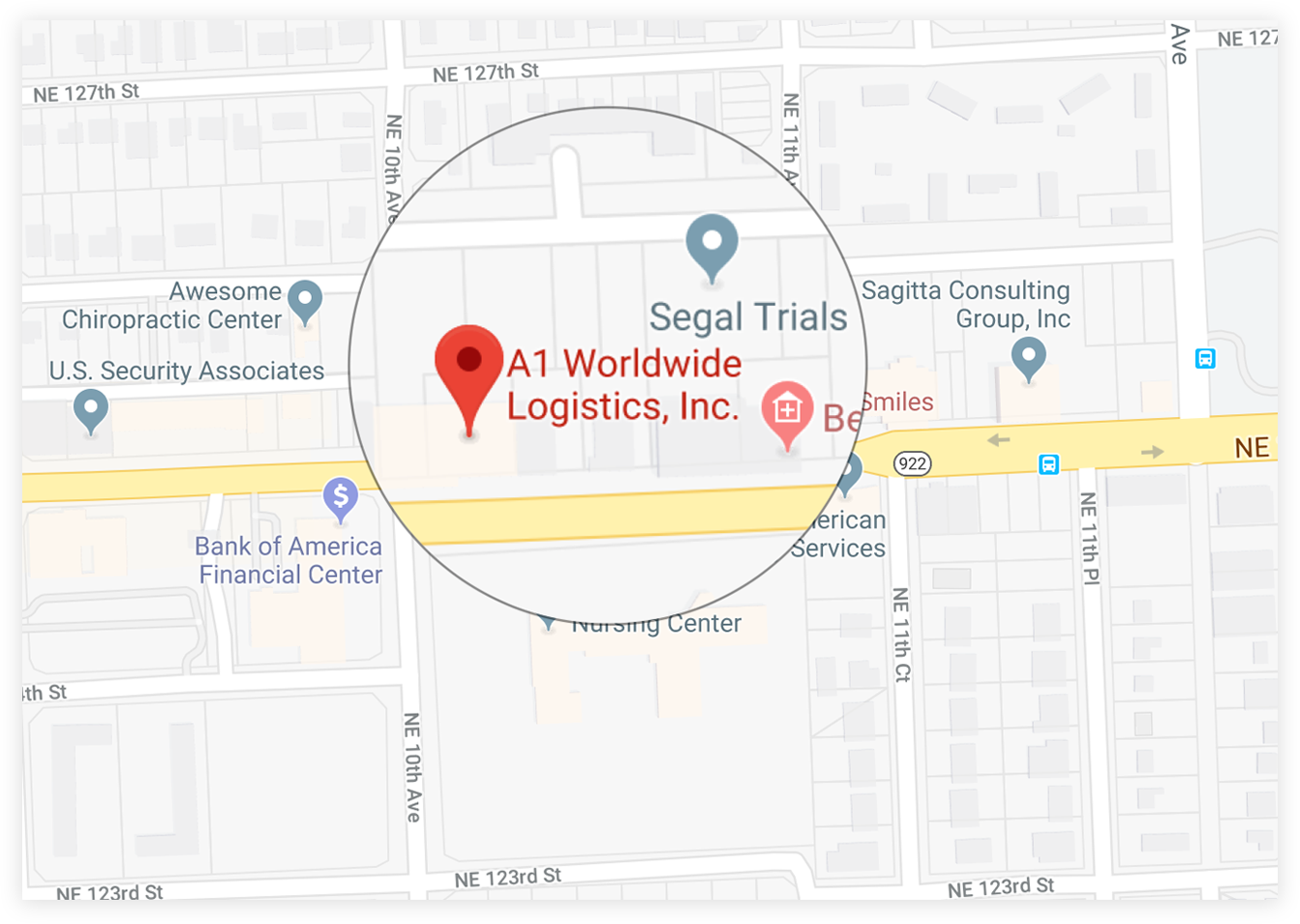
 1035 NE 125th St Suite #320, North Miami, FL 33161.
 a1worldwidelogistics.com
 (305) 821-8995
 Hours: 8AM - 5PM