by A1 WorldWide Logistics | May 2, 2024 | 3PL, Delivery, Shipping Logistics
An important consideration when shipping cargo internationally is understanding what are outsourcing logistics. Outsourcing is when a company or shipper uses an external provider to provide services typically done in-house. Although outsourcing can happen in the same country, it commonly occurs in outside countries. These services can include manufacturing, operations, shipping, and other tasks. While certain businesses delegate specific functions to external sources, others transfer the majority of processes. With e-commerce and globalization growing rapidly, the need for outsourcing has also risen. This article will explain the benefits and challenges of this logistics model and focus on international shipping.
What Are Outsourcing Logistics And Why Do Shippers Outsource?
While there are numerous reasons that a shipper outsources, a common purpose is to cut costs. For example, a company that makes and ships a large quantity of goods typically has many expenses. Workers in other countries can cut production costs, allowing the company to make more goods. When shipping the finished products internationally, outsourcing the process also has monetary advantages. Expenses from owning and maintaining a carrier pile up over time as shipments grow. Likewise, in domestic transport, using an outside trucking company is cheaper than maintaining a fleet of trucks. Another benefit of outsourcing is the potential for expandability and scalability.
One of a company’s main goals is expansion, and outsourcing is one of the best ways to achieve this. As the volume of shipments increases, the ability to meet the demand becomes more challenging. Using a separate logistics company that can meet customer requirements allows quick scalability. Utilizing a third-party fulfillment center with storage and last-mile delivery enables a company to scale. Along with scalability, flexibility becomes possible when a business can quickly downsize or upsize operations based on market conditions. There are also many regulations that shippers have to follow when bringing in goods from other countries. Outsourcing importation to customs brokers is ideal for simplifying the customs clearance process.
What Can Be Some Disadvantages Of Outsourcing?
While outsourcing has various advantages, this logistics model can also have challenges. A typical issue is the decrease in communication that can arise from many parties involved in a shipment. For example, using a carrier company to move your cargo means that the shipper has to contact the carrier when issues arise. Poor quality carriers can be challenging to reach, which can be a problem in an emergency. Outsourcing can also cause other issues, such as a loss of control. Part of a supply chain goes to another party; if a mistake happens, it goes directly to the shipper. In extreme cases, the third party can commit cargo theft or any other offense.
Despite the challenges, numerous businesses outsource due to the value it has. A shipper must ensure that they find qualified carriers to move their cargo. Shippers can do this with the help of a 3PL (third-party logistics) provider. 3PLs match the sender of a shipment to an ideal carrier that can complete the transport. They also provide other services like warehousing, order fulfillment, reverse logistics, etc. To begin outsourcing, contact A1 Worldwide Logistics at 305-821-8995 to speak to our 3PL exports regarding starting. Along with a focus on transparency and reliability, we have numerous solutions for your supply chain.
by María Fernanda Cárdenas | Apr 30, 2024 | 3PL, Delivery, Order Fulfillment, Warehousing
Con el aumento del comercio electrónico en las últimas décadas, también ha crecido la distribución directa (DTC o D2C) e indirecta (3PL). La distribución directa es cuando un negocio vende paquetes de productos y envía los bienes directamente al cliente. A menudo conocido como “Directo al Consumidor”, esto suele ocurrir cuando una empresa tiene su tienda en línea y su propio depósito. La distribución directa es la última parte de la cadena de suministro DTC. Por otro lado, la distribución indirecta (Third Party Logistics, 3PL) es cuando un intermediario se encarga de la gestión de inventario y envío. Un ejemplo es el FBA, Fulfillment by Amazon, donde Amazon se encarga del procesamiento de pedidos, almacenamiento y entrega de estos. Ambos modelos tienen ventajas y desventajas en el almacenamiento y envío de los productos al cliente.
¿Cuáles son las diferencias entre la distribución directa e indirecta?
Si bien la distribución DTC y la distribución 3PL son modelos de cumplimiento al cliente, la diferencia principal es el proceso. Para la distribución directa, la operación comienza en el almacén de la empresa, antes de que el cliente realice cualquier pedido. Esto puede incluir a trabajadores etiquetando, almacenando y preparando los productos para su envío. Cuando el cliente realiza un pedido, el sitio web envía la información al almacén, donde comienza el embalaje y la selección. Cuando está listo, un camión o mensajero usualmente envía la mercancía a la ubicación final. Sin embargo, en los modelos 3PL, una vez que el cliente realiza un pedido en el sitio de comercio electrónico, la información se envía a un almacén de propiedad de terceros.
A diferencia del 3PL, los servicios de distribución directa no tienen intermediarios y son responsables de toda la cadena de suministro. A medida que las compras en línea ganaron popularidad, el DTC se volvió valioso para los clientes que querían que sus productos se enviaran directamente. La pandemia de coronavirus aumentó aún más esta tendencia, ya que el dirigirse a tiendas físicas disminuyó durante ese período. La novedad de una empresa también puede determinar su modelo para almacenar y enviar carga. Las empresas de comercio electrónico típicamente comienzan con su propia cadena de suministro DTC, pero el proceso se vuelve más desafiante a medida que una empresa crece. Cuando los pedidos mensuales alcanzan cierta cantidad, las empresas invierten en más espacio de almacenamiento o externalizan las operaciones a un proveedor 3PL.
Uso de un 3PL para la distribución
La razón principal por la que los remitentes y vendedores utilizan servicios 3PL es debido a las numerosas ventajas que este tipo de distribución tiene. Para las empresas en crecimiento, esto es ideal para pequeñas empresas o importadores principiantes si hay capital insuficiente: ahorran dinero al no tener que operar tu propio centro de distribución. Un 3PL especializado en almacenamiento y distribución también puede tener la tecnología para ofrecer más soluciones que las empresas más pequeñas. Por ejemplo, entrega más rápida, procesamiento de devoluciones, recursos de seguimiento y gestión, y mayor capacidad de escalabilidad.
Depósito Aduanero
Cuando la carga entra en los Estados Unidos, está sujeta a varios aranceles e impuestos. Una forma común en que los importadores evitan estos cargos es utilizando un depósito aduanero. Estos permiten el almacenamiento de carga hasta por 5 años sin el pago de aranceles desde la fecha de importación. Así, los remitentes ahorrar dinero mientras buscan clientes. Los productos también pueden ser reexportados sin impuestos si no hay compradores para los envíos. Comuníquese con A1 Worldwide Logistics al 305-440-5156 o info@a1wwl.com para obtener más información sobre nuestras instalaciones aduaneras. Además del almacenamiento, ofrecemos distribución, separación, manipulación, embalaje, empaquetado y más servicios para optimizar su cadena de suministro.
by A1 WorldWide Logistics | Jul 3, 2023 | Delivery, Freight, Shipping Logistics
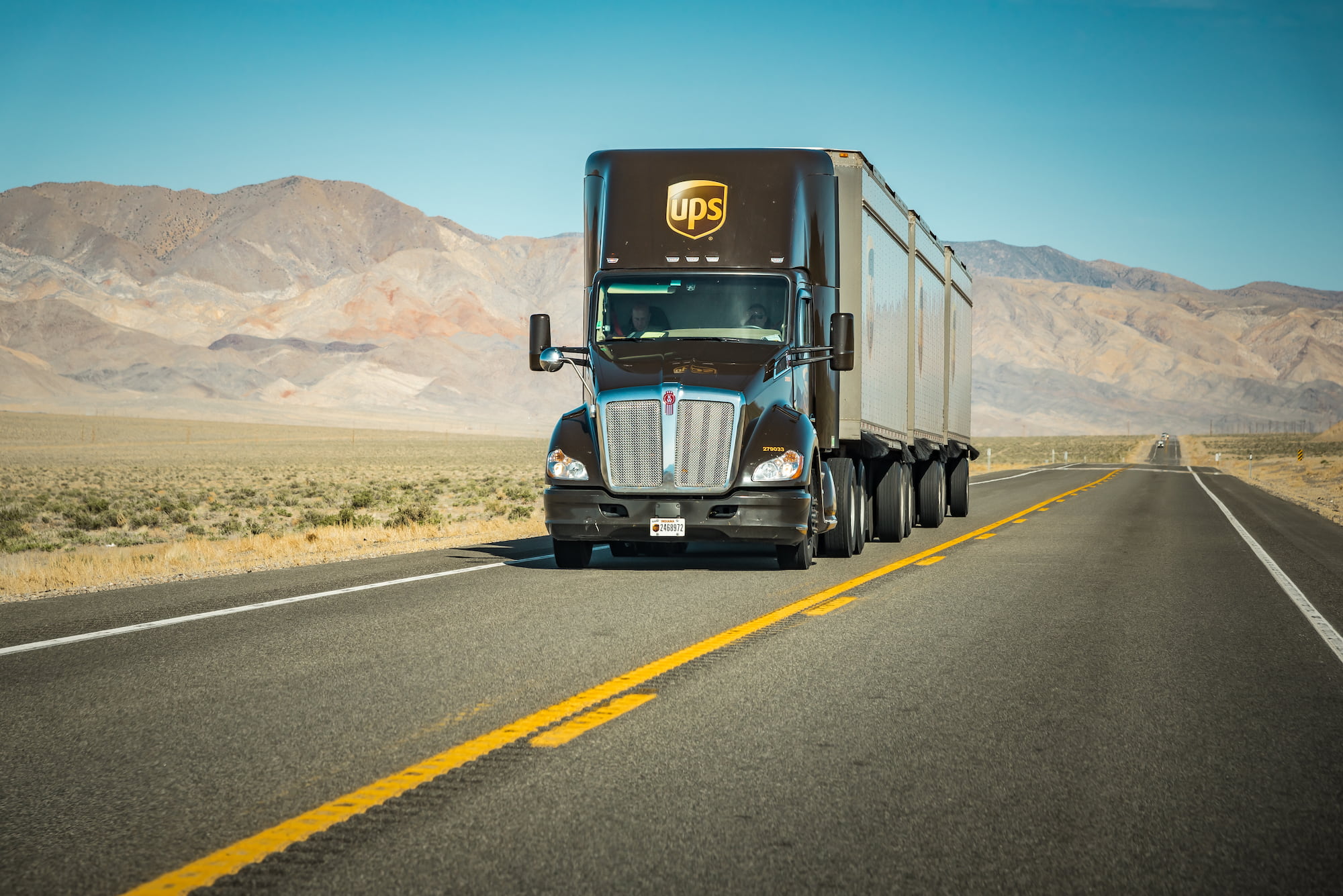
After months of back and forth, UPS vows to reach deal with Teamsters by July 5th. UPS (United Parcel Service) is the largest package shipping company in the U.S. in terms of volume. Recently unsatisfactory contract negotiations between UPS executives and workers have reached a point where a strike was looming. The workers are part of Teamsters, an extensive union of freight drivers and warehouse laborers in the U.S. More than 340,000 UPS employees comprising the Teamsters Union have been negotiating a contract reflecting their work. Last week, 97% of Teamster members voted to protest if UPS did not achieve a compromise.
With the amount of Teamsters workers in UPS, a walkout could be the largest single-company strike in U.S. history. The Teamsters General Secretary-Treasurer noted, “Our members are the backbone of UPS, and they are the reason this corporation hauled in more than $100 billion in revenue just last year.” Along with higher wages, the negotiated contract ended harassment from management and forced overtime. The conversations also brought up the elimination of a two-tier wage system and heat mitigation efforts for drivers. UPS vans that delivers drive do not come equipped with air conditioning, which Teamsters workers are demanding to install.
UPS Vows to Reach Deal by July 5th
One of the reasons why talks between the UPS and Teamsters have not gone so smoothly is due to contract ramifications. A new contract with higher employee pay can lead to UPS finding ways to offset the monetary losses incurred. This could mean looking for larger-sized clients like businesses compared to individuals. A slowing economy and recent inflation are also concerns for UPS if the parties ratify a new contract. With demand predicted to continue slowing throughout the end of 2023, deciding to charge higher rates can have negative effects. UPS’s competitor FedEx, which is currently taking out billions to potentially offer lower rates, may seem more attractive to customers.
On Friday, June 30th, Teamsters announced that UPS planned on reaching a contract agreement by July 5th. The announcement was made before the current 5-year national contract expires on July 31st. With the potential of a strike from Teamsters happening if no resolution is reached, this comes as positive news. A strike not only affects UPS, customers, and the economy feel the impact because of the size of UPS. Teamsters, however, noted that they will have a walkout on August 1st if UPS doesn’t reach an agreement by then.
What Can This Mean for Your Goods?
With over 17 million domestic packages delivered daily, a strike could drastically impact UPS’s customers. As mentioned, a new contract with higher labor costs leads to greater money loss for UPS. To compensate, UPS may begin charging higher rates and surcharges to their customers. A main concern is that UPS may lose customers if shipping becomes more expensive due to the current cost-sensitive market. Customers who ship globally could switch to alternatives like freight forwarders to ship their cargo. If you plan on exporting from the U.S. to anywhere internationally, contact A1 Worldwide Logistics at 305-821-8995 for assistance.
by Rob Simmons | Apr 26, 2021 | Customs Broker, Delivery, Freight Forwarding, Shipping Logistics, Supply Chain, Transportation
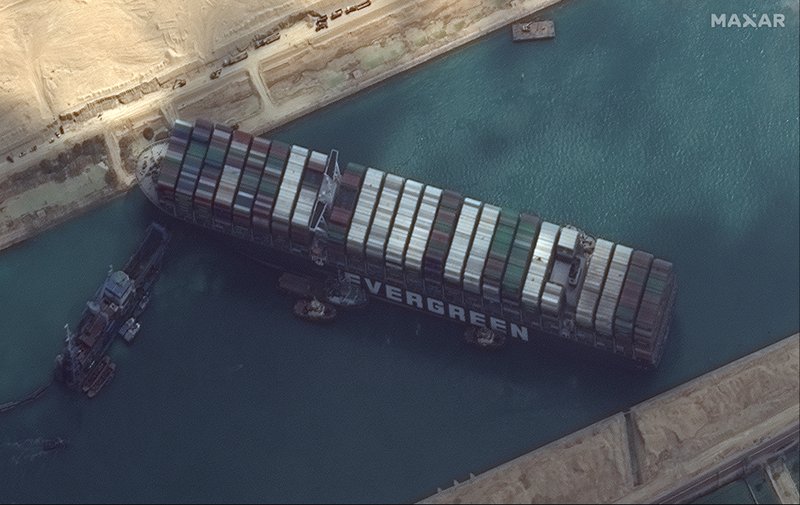
During late March, the freight carrying ship Ever Given got lodged in the Suez Canal for almost six days. With the vessel currently freed, Egypt is now requesting more than $1B for damages and losses. As the Suez Canal opens back up and traffic is cleared, the costs from the blockage may start to come in. The Ever given is currently being held at the Suez Canal for investigation and analysis.
The Suez Canal, known for being one of the businesses canals in the world is responsible for over a billion tons of freight a day. When the canal got blocked, it hinders global trade and created fears for potential shortages. Meanwhile, the world is still dealing with the effects of the corona pandemic; so more stress was added.
Where did the payment come from?
The $1 billion requested from Egypt is a payment for the monetary and substantial damages done because of the Ever Given. Lt. Gen. Ossama Rebei, head of the Suez Canal Authority stated that the payment would include the costs of digging out dirt for six days. It will also include the damages in the canal from dredging the boat and costs from transit fees. It will not cover the cost for the 400+ boats that were delayed for almost a week and costs for freight on the boat.
The owner of the ship, Shoei-Kisen stated that what may happen will be that the shippers will split the general average amongst themselves. This could be a complex situation because of the large number of freight shippers that the boat has. When a general average occurs, cargo insurance tends to pay. However, if the shipper does not have cargo insurance, the shipper may have to pay out of pocket.
Who is liable for litigation?
If legal action is required, it could be complicated to find out who is to blame. This is because of the various nationalities associated with the freight vessel. First, the flagging of Ever Given was done in Panama. This means that the boat is registered in Panama. The firm that owns the ship is Japanese and the operator of the ship is Taiwanese. When the vessel got lodged, two of the pilots on the ship were Egyptian.
As a preventive measure, Lt. Gen. Ossama explained plans to increase the number of ships that pass through the Suez Canal a day to 95. The current number of daily ships is around 50. More support boats will also be added. What may be an issue is that the equipment used to tow the large freight boats has not developed compared to the boats themselves. The freight boats grew in size over time while the equipment stayed the same.
by Rob Simmons | Apr 20, 2021 | Delivery, Shipping Logistics, Supply Chain, Transportation, Warehousing
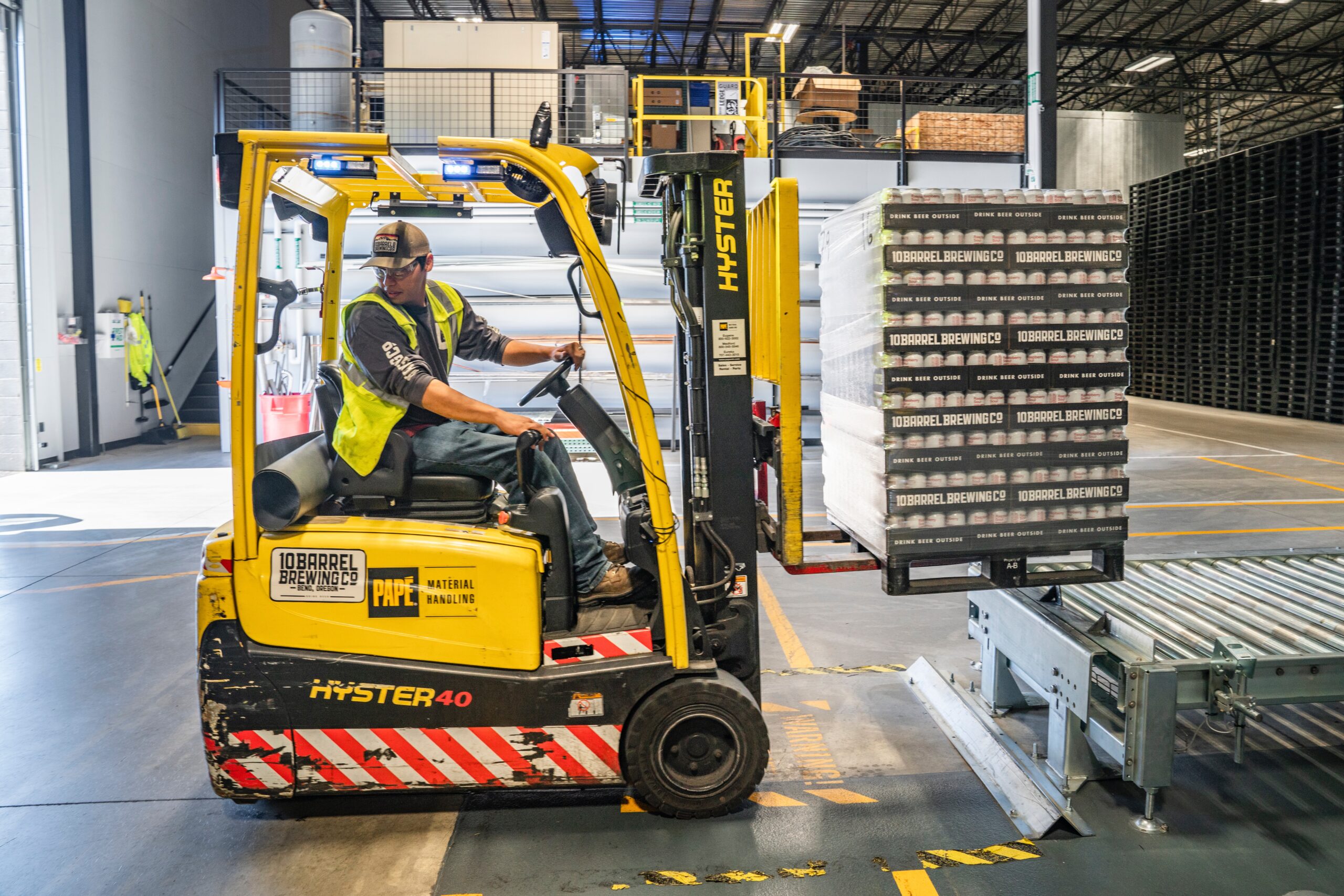
How has the creation of its first automated warehouse led to the growth of Chewy’s warehousing logistics? Chewy is a company that has used its extensive supply chain to deliver pet products across the U.S. At a time where there is a high reliance on e-commerce, Chewy has stepped the warehouse logistics up to meet the needs of customers.
What is Warehousing Logistics?
The definition of logistics itself is the comprehensive planning and execution of a complex process. Warehousing logistics is the moving of goods in and out of a warehouse and everything in between. This may include order picking, storing goods for a period of time, sorting the goods, and other intricate practices.
Different types of warehouses like fulfillment centers, Storage centers, and distribution centers have specific logistics in place. The difference between automated fulfillment centers and regular fulfillment centers is how the goods are processed. Automated facilities rely more on technology to process and move the goods.
Chewy Creates Its First Automated Warehouse.
In October of 2020, Chewy opened its first automated fulfillment center after years of planning. This warehouse is different from Chewy’s previous fulfillment centers in terms of logistics. In the past, workers would manually pick, move, and store the items in the facility. The automated warehouse allows for conveyor belts to move the goods. This saves time and energy. The storage of the goods has also been redesigned for easier access.
The idea behind this automated facility is to quicken delivery and fulfillment while improving worker safety and logistics. The amount of money saved by automation is also an advantage. Chewy’s warehouse system management team is currently examining and analyzing this first automated warehouse in hopes of producing more in the future.
What can this mean for the Future of Warehousing Logistics?
Warehousing tends to be an important part of many supply chains. With Chewy developing its warehousing operations, other companies and corporations may join in on the trend. United Natural Foods has announced that it anticipates that its new automated facility will double picking time. Big lots have also created 2 warehouses that focus solely on the processing of bulky and heavy inventory.
One of the main goals in 2020 for many companies was to protect and strengthen their supply chains. Many companies including Chewy have developed innovative ways to protect against economic downturns. This can include changing their warehousing logistics. If you are looking for a warehouse to store your imported goods and assist with your company’s logistics, call us at 305-821-8995. We have a bonded warehouse facility where your imports can be stored for 5 years without payment of duties.
by Rob Simmons | Apr 6, 2021 | Delivery, Freight Forwarding, Shipping Logistics, Supply Chain, Transportation
How does the Suez Canal Congestion affect the ships carrying freight and supply chains? During a journey through the canal, the Ever-Given container ship was moving through a sandstorm. The rough winds turned the ship sideways and lodged it in the canal. This created a domino effect that has lasted a few days and may continue on for much longer. Although the ship has been successfully released, there may still be an aftereffect.
The Importance of the Suez Canal.
Created over a century ago, the Suez Canal is known as one of the most important passageways for shipping freight globally. After many attempts to connect the Red Sea to the Mediterranean Sea spanning thousands of years, the first successful completion happened in 1869. Freight vessels have been using the canal as a shortcut from Asia to Europe and vice-versa ever since. Today, the canal is used as a convenient shortcut sailing by South Africa. Around 50 ships pass through the Suez Canal on a daily basis.
The Chain Effect of the Trapped Vessel on Supply Chains.
When freight is moved internationally, there can be many components that contribute to the distribution of the freight. When one component is disrupted, it may trickle down to other parts of the supply chain. In the case of the Suez Canal, the Ever Given vessel blockage resulted in over 300 ships being restrained by Sunday. This means that the ships may not make it to their ports in time which means that the freight may not reach the endpoint in time. Which can look unfavorable to the companies distributing the goods.
The Ships that were impacted contained thousands of containers each. Companies like Ikea and Walmart also depend on the Suez Canal when moving their freight. The total monetary cost of this incident is yet to be determined. This may be extensive nonetheless, depending on how much the supply chains are strained.
Now that the Ship is Freed, what is next?
On Monday, the Ever Given ship was released and allowed for the resuming of Vessel activity. But with the delay already creating a large backup, it can take a while to clear. The vessel itself will first be sent to Great Bitter Lake for damage examination. With the canal still backed up, freight forwarders and shippers are looking for other passageways to move their freight. Some carriers are taking a lengthier route and going through the Cape of Good Hope in South Africa Instead.
As of today, the ports that the ships were on their way to have not been affected greatly. This is because the vessels that were blocked by the canal were planned to arrive on a later date. The ports may see an increase in volume in the coming weeks, however, it may be too soon.
A1 Worldwide Logistics
Are you planning on moving freight and need a forwarder to aid you? Feel free to contact us at 305-821-8995 . We also provide customs clearance services to clear your freight when it enters the country.

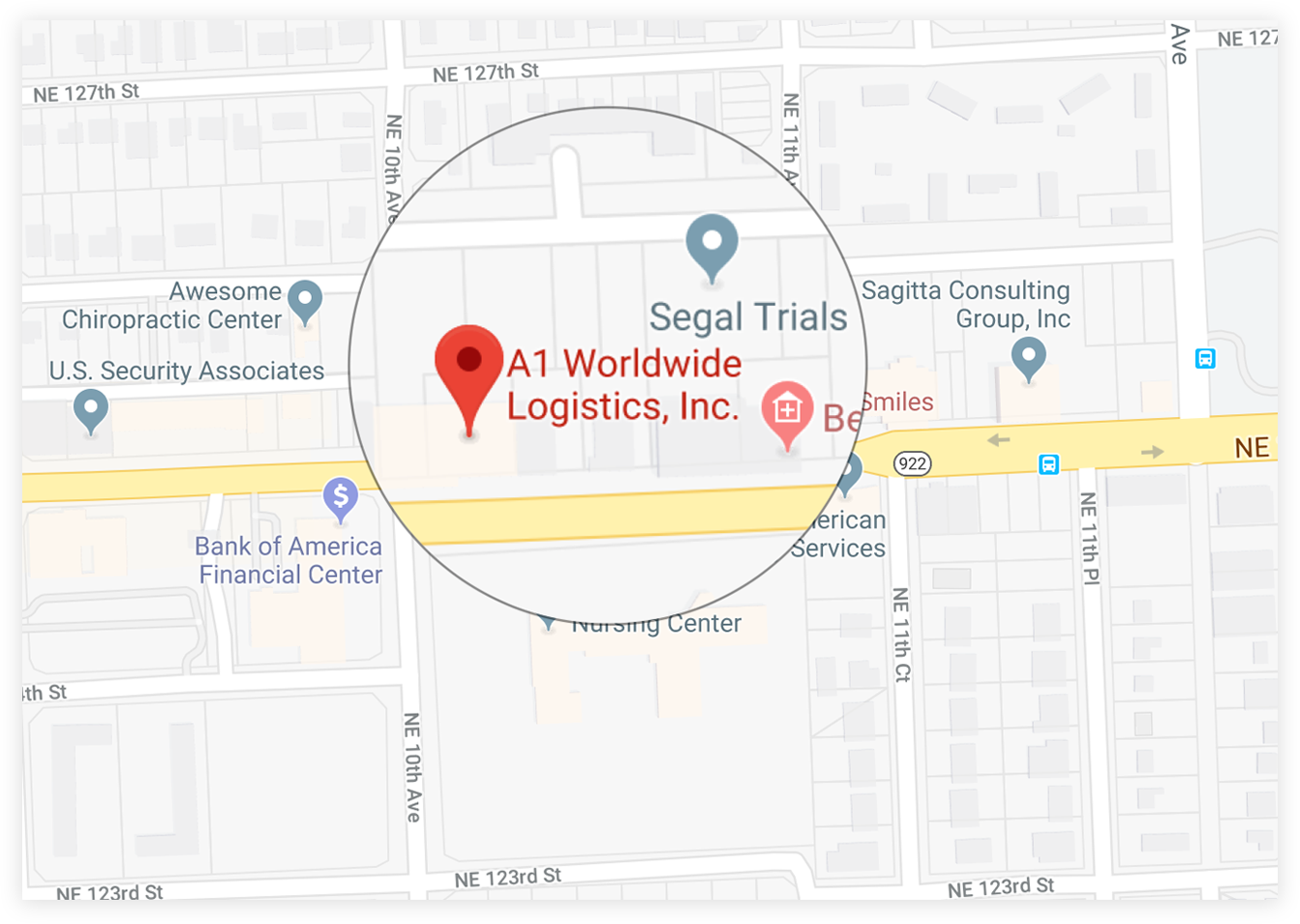
 1035 NE 125th St Suite #320, North Miami, FL 33161.
 a1worldwidelogistics.com
 (305) 821-8995
 Hours: 8AM - 5PM