by A1 WorldWide Logistics | Dec 24, 2024 | Air Freight, Freight Forwarding, Shipping Logistics, Warehousing
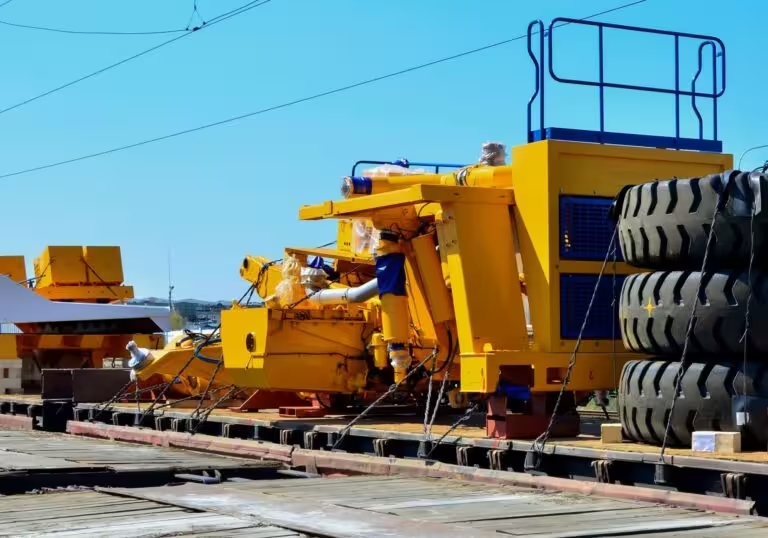
La carga sobredimensionada es un producto que excede el peso o las dimensiones permitidas para el transporte convencional. Un ejemplo de carga sobredimensionada podría ser equipos grandes como vigas de construcción y maquinaria como tractores. Debido a las dimensiones, se requieren regulaciones y directrices específicas para clasificarla como sobredimensionada. Las políticas para este tipo de carga varían según el estado; sin embargo, los remitentes deben seguir directrices generales como:
- Peso superior a 80,000 libras.
- Altura de alrededor de 13.6 pies.
- Ancho superior a 8.6 pies.
- Mercancías que superan los 53 pies de longitud.
¿Cómo almacenar carga sobredimensionada?
Debido al tamaño de la carga, los trabajadores deben tomar precauciones especiales al almacenarla en una bodega. Por ejemplo, antes de ingresar a las instalaciones, los equipos especializados como el montacarga desocupan el contenido del camión. Algunos almacenes específicos incluso tienen sistemas de transporte para mover rápidamente y con facilidad la carga grande. Un lugar estratégico para almacenar equipos grandes es en el suelo, debajo de una estantería. Generalmente no se coloca en los estantes debido a desafíos como un desbalance del montacarga. Ahora bien, si un artículo voluminoso requiere de un estante, una alternativa común es una estantería de cantiléver.
Las instalaciones que almacenan mercancías como maquinaria pesada pueden tener pisos reforzados debido al peso. Además, la mayoría de los almacenes con solicitudes frecuentes de carga voluminosa tienen una sección vacía para este almacenamiento. Si tiene planes de almacenar carga pesada o sobredimensionada, comuníquese con A1 Worldwide Logistics al 305-425-9513. Entendemos el tratamiento especializado que requieren los bienes grandes y ofrecemos almacenamiento a corto y largo plazo para carga de diversas industrias.

by A1 WorldWide Logistics | Dec 19, 2024 | Shipping Logistics, Supply Chain, Transportation
There are numerous considerations that shippers should be aware of when shipping chemicals internationally. Chemicals are any substance with a defined composition, such as acids, fertilizers, solvents, etc. These types of substances can be hazardous or non-hazardous, and numerous industries use them. For example, adenosine is a non-hazardous chemical doctors use to treat heart rhythm disorders in the health industry. Due to the uniqueness of this cargo type, there are numerous regulations, rules, and safety considerations to be aware of. Failure to comply with guidelines can result in delays and monetary fines. It could also result in a shipment loss, disrupting the entire supply chain.
What Should You Know Before Shipping Chemicals Internationally?
Before the international shipping process begins, you should understand the regulations you must follow. The country of destination or origin can determine the rules and ensure proper permits are in place. An example of a primary global regulation is the Globally Harmonized System (GHS) of Classification and Labeling of Chemicals. The guidelines for shipping chemicals also depend on the method of conveyance. For example, shipping by sea follows the International Maritime Dangerous Goods (IMDG) Code, while air shipping follows the International Air Transport Association (IATA). It is also crucial that the shipper uses proper labeling and packaging before transporting the goods. The labels should be clear and comply with labeling regulations.
What Is The Process
Another precautionary step that a shipper should take before shipping chemicals is to review the Material Safety Data Sheet (MSDS). The MSDS is the safety data sheet that details the shipment’s classification, handling, labeling, and transportation requirements. Since specific chemicals are HAZMAT, like fluorine or sulfur dioxide, the shipper must classify them correctly. It is also vital that you have all of the cargo’s documentation, and it is correct. Examples of required documents include the Bill of Lading, Packing List, Commercial Invoice, etc. When selecting the conveyance method, you must understand that international transport involves various methods.
For example, international shipping can require a truck to move the goods to the port before a vessel or air carrier ships it internationally. Since the cargo is chemicals, the transport method can be specialized and include tankers. It is also vital that you adhere to handling and storage requirements. There should be adequate temperature controls and ventilation to prevent damage. Transporting several chemicals at once must also require segregation to avoid reactions. Once the goods reach the destination country, U.S. customs will require customs clearance before reaching its final destination. Using a customs broker is ideal for ensuring a smooth clearance process. When customs clears the freight, a tanker truck can move it to the final location.
A1 Worldwide Logistics
Shipping chemicals internationally can be challenging for inexperienced and even regular shippers due to the steps involved in the process. It can be beneficial to speak to a freight forwarder before starting. Forwarders are the middleman between the shipper and carrier and coordinate the transport of goods internationally. They also educate you on the regulations, process, and what to expect when transporting. Reach A1 Worldwide Logistics to ensure the successful transport of chemicals or any other cargo internationally. Whether you are exporting or importing from or to the U.S., we are with you through the journey.
by A1 WorldWide Logistics | Dec 5, 2024 | Air Freight, Shipping Logistics, Transportation
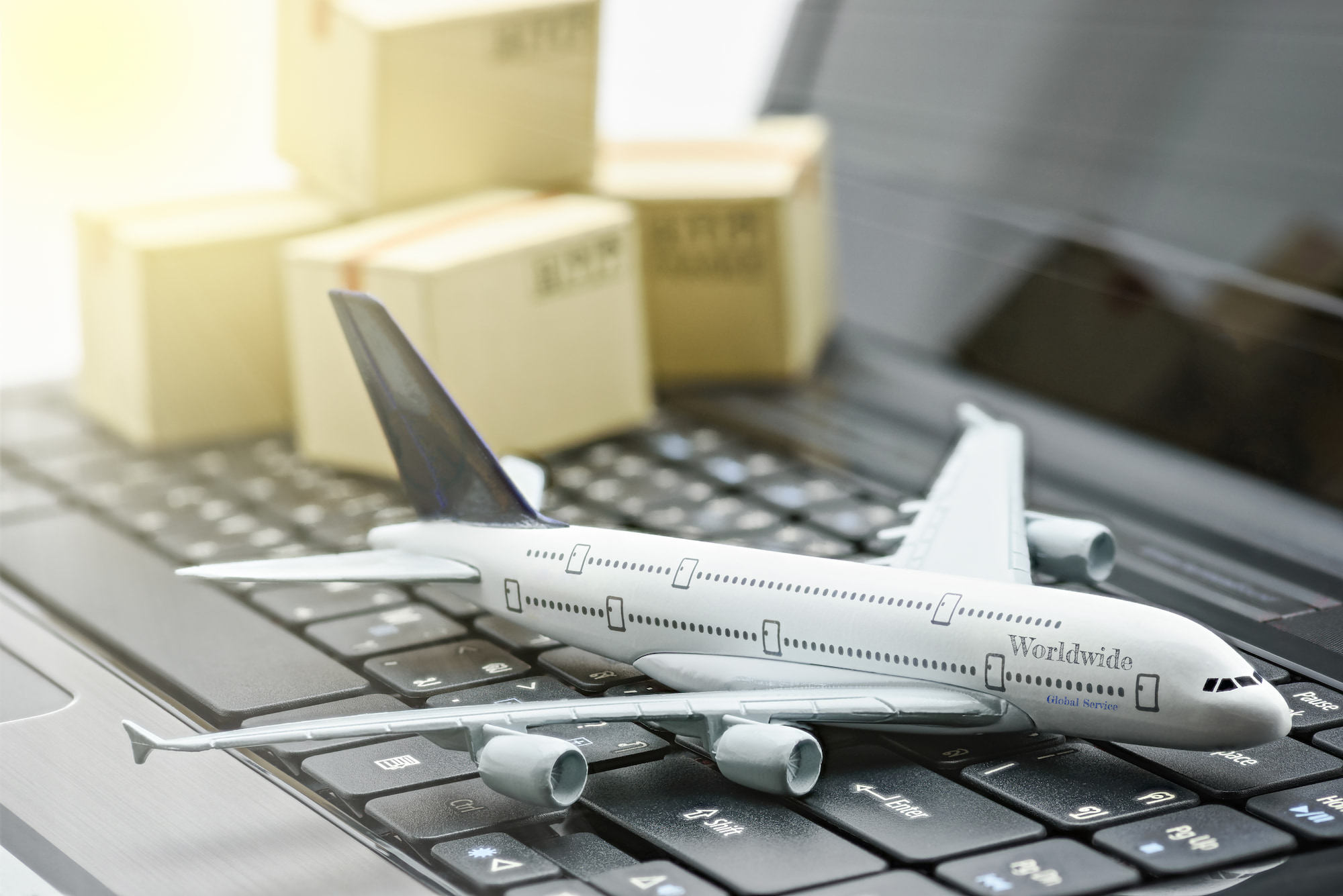
The Boeing aerospace company has released an outlook showing e-commerce growing express cargo in the future. By 2043, express cargo could outpace general cargo by approximately 33% based on an annual rate of 4%. The airfreight industry has nearly doubled over the last few decades and will continue to grow, with air traffic potentially doubling again in the next 20 years. Currently, express carriers account for nearly 45% of global air cargo revenues, while airlines focusing on general cargo generate 10%. Passenger airlines with carriers that can store freight and luggage generate another 10%. A primary reason behind the growth is the surge in demand for e-commerce over the last few decades.
What Is The Difference Between Express Cargo and General Cargo?
Air cargo shipping is the transportation of goods internationally using an air carrier. Two of the most common types of airfreight are general cargo and express shipments. The airfreight industry defines general cargo as more significant, bulkier shipments, while express cargo is smaller and focused on speed. Transportation by express has become popular due to its benefits on supply chains. While it can be costly compared to general cargo, many consider it a preferred choice due to its benefits. For example, it is the fastest transportation mode, allowing for global reach and reliable delivery times. Freight forwarders typically assist with both these transportation methods.
How Is E-commerce Growing Express Cargo?
As the e-commerce industry rose in popularity, so did the amount of businesses that sold goods internationally. Customers who purchased goods online began expecting quicker shipments, which resulted in a demand for express cargo. While e-commerce has grown the air cargo industry since its beginnings, the coronavirus pandemic helped expedite its growth. During that time, brick-and-mortar stores began declining, and there was a surge of goods brought online. Along with the surge was a demand for express cargo services, which has continued to grow since. Globalization and supply chains shifting to other countries besides China have expedited the demand. Today, e-commerce platforms normalize next-day and same-day deliveries.
Coinciding with the rise of express cargo, there has been an interest in factory-built cargo jets. There are currently many carriers that are under production to meet the shipping demand. Compared to regular passenger airlines that transport freight, these carriers allow for flexibility and more reliability. A significant portion of them will be solely for express services. Boeing predicts the global air cargo fleet to ride from 2,340 in 2023 to 3,900 units in 2043. The reason for the number of new carriers also depends on the region. For example, the majority of aircraft deliveries in North America will be to replace current aircraft.
A1 Worldwide Logistics
Deciding on shipping by air can be complicated for inexperienced shippers due to the process, which includes various parts. For example, importing into the U.S. requires customs clearance and regulatory compliance. Speaking to a freight forwarder when starting is ideal to avoid disruptions. Forwarders handle various aspects of a supply chain, including coordinating cargo movement. They also provide other solutions like handling documentation, warehousing, consolidation, customs compliance, etc. Contact A1 Worldwide Logistics at 305-440-5156 or info@a1wwl.com to talk to a freight forwarder about shipping your cargo internationally. Whether you are transporting goods by air, sea, or domestically, we ensure that you meet your goals.
by A1 WorldWide Logistics | Nov 27, 2024 | Economic trends, Importing, Shipping Logistics
A Monday announcement by the Trump administration revealed that President-elect Donald Trump is imposing tariff hikes on imports. On January 20th, Trump will impose a 25% tariff increase on all goods entering the U.S. from Canada and Mexico. The executive order also includes an additional 10% tariff on imports from China. Before the November 5th election, the Biden administration finalized a tax hike on China imports, which included:
- Steel and Aluminum – From 0 to 7.5% to 25% in 2024.
- Semiconductors – from 25% to 50% by 2025.
- Electric Vehicles (EVs) – from 25% to 100% in 2024.
- Batteries, Battery Components and Parts, and Critical Minerals – from 7.5%% to 25% in 2024
- Solar Cells – from 25% to 50% in 2024.
- Ship-to-Shore Cranes – from 0% to 25% in 2024.
- Medical Products – from 0% to 50% in 2024.
The Trump administration is potentially adding to the hike with talks of a 60% tariff hike for China-made imports. More recent tariffs for Mexico and Canada imports could result in a return to a trade war for the countries. During Trump’s first presidency, tensions were already high between the North American countries. In 2018, a USMCA trade agreement ended the past conflict. With Mexico and Canada being the two top trading partners, a tariff increase can significantly impact trade and resume tensions.
Why Is Trump Imposing Hikes On Tariffs?
The reason behind the sudden increase in tariffs is to stop drugs and illegal migrants into U.S. borders. “As everyone is aware, thousands of people are pouring through Mexico and Canada, bringing crime and drugs at levels never seen before.” The 10% China tariff increase is to stop the flow of fentanyl into the U.S. Another goal behind the rise is to have production come back to the U.S. By making imports more costly, customers may begin buying goods domestically. The president-elect believes creating new factory jobs will reduce the federal deficit and lower food prices. Economists have the opposite view, noting that tariffs are inefficient for the government in raising money.
What Can This Mean For International Shipping?
Due to the high traffic that the U.S. imports and exports from China and Mexico, tariffs will directly affect shipping. As previously mentioned, tensions from the trading partners may escalate and lead to other consequences. The Mexican president, Claudia Sheinbaum, said, “Trump’s threats to impose tariffs could generate inflation and job losses in both countries.” As a result of the hikes, the North American countries could soon make their retaliatory tariffs on U.S. exports. This may lead to shippers facing additional costs for importing and exporting internationally. Companies in the U.S. are already preparing for an increase in duties by reducing their sourcing from China.
Retailers and manufacturers in the U.S. that rely on outsourcing from foreign countries could soon be devastated by the hikes. Regular shippers may also feel the strain and should take preventive measures to protect their shipments. An ideal way to ensure their cargo ships internationally is by contacting a 3PL (third-party logistics) company. 3PLs provide various solutions for outsourcing a supply chain, like brokerage, freight forwarding, coordination, warehousing, and knowledge. A 3PL provider like A1 Worldwide Logistics understands what to expect when transporting cargo and guides you through the process. Reach us at 305-425-9456 or inf@a1wwl.com to determine the best course of action for your shipment’s success.

by A1 WorldWide Logistics | Nov 21, 2024 | Freight, Shipping Logistics, Supply Chain
An essential consideration for shippers of high-value items is understanding how to ship luxury goods internationally. Knowing the logistics for shipping this cargo type is necessary whether you are exporting or importing to the U.S. A general definition of luxury cargo is anything with significant monetary worth that requires secure and specialized handling during transport. Some examples can include jewelry like expensive watches, precious metals, rare artworks, exotic items, high-end vehicles, etc. Due to the value of these shipments, the transportation process must require careful planning, precision, and security. This article will explain what to expect when transporting luxury freight internationally and how to prevent disruptions from occurring.
The Importance Of Knowing How To Ship Luxury Goods.
It is crucial to know how to transport luxury goods because of the consequences of not shipping them correctly. The most significant consequence is the monetary risk taken by the shipper, carrier, and receiver. For carriers, damages can result in high claim payouts they must give the shipper. However, claim payouts to shippers may still not be enough to cover the cost of the cargo. If the exporter is a business with customers, damages or lost high-value goods look highly unfavorable to the company. The value of this type of shipment also makes it vulnerable to cargo theft. Another consequence of incorrect shipping is delays in transportation. If the item is a construction machine worth over $100,000, delays can stall the project.
What Is The Process?
The process begins before the luxury goods are in transit and starts with understanding the regulations for these cargo types. Due to the value of these shipments, they may have strict import rules. Before transporting, the shipper must also pay meticulous attention to the packaging to prevent damage. For items like expensive jewelry, discrete packaging reduces theft risk. The shippers must label the packages correctly and ensure they have the proper HS (Harmonized System) code. HS codes are used by customs to correctly identify and classify imports for taxation purposes. Incorrect codes can result in delays and customs seizing the luxury item.
When deciding on a carrier, the shipper must find one with experience and knowledge handling luxury goods. This can depend on the type of item and urgency of delivery. For example, trusted air carriers with high security can move rare paintings promptly, and vessels with experience, while qualified vessels with ro-ro services can handle expensive vehicles. It is also essential to have the proper insurance coverage to protect against damages or loss. The importer should have their paperwork prepared before the goods arrive at the port of entry to prevent delays. Speak to a customs broker to understand and provide the necessary documentation for customs clearance.
A1 Worldwide Logistics
Once the cargo reaches the destination country, the shipper must move it to the final destination. Choosing an ideal carrier that takes measured steps ensures a successful delivery. While shipping luxury items may seem daunting, shippers can provide the shipment’s success using a freight forwarder. Forwarders understand the importance of this cargo type and focus on utilizing the best practices throughout the supply chain. They also educate the shipper through the journey and connect them to trusted and vetted carriers. Contact A1 Worldwide Logistics at 305-440-5156 or info@a1wwl.com to speak to a broker regarding transporting your luxury goods internationally.

by A1 WorldWide Logistics | Nov 14, 2024 | Shipping Logistics, Supply Chain, Transportation
With electronics being a popular U.S. import, optimizing logistics for electronics imports can be an excellent opportunity for shippers. In 2023, the U.S. brought approximately $463.36 billion in electrical and electronic goods. Since there is such a high demand for these types of goods, it may be attractive to importers. However, there are many steps that a shipper should be aware of. Failure to prepare correctly can lead to disruptions, which result in delays and monetary loss. Understanding shipping logistics is especially crucial for businesses that ship large volumes of electronics yearly. This article will explain what to expect when bringing in electronics and how to improve the importation process.
What Should You Know Before Importing Electronics Into The U.S.?
Before importing electronics, it is essential to understand that there are various laws and regulations. Organizations such as the Customs and Border Protection (CBP) and the Federal Declaration of Conformity (FCC) determine the requirements for importation. The Food and Drug Administration (FDA) regulates all radiation-emitting devices humans use. Each organization can have its requirements for importation. For example, the CBP requires specific paperwork for goods entering the U.S. These documents include a commercial invoice, customs bond, bill of lading, etc. It is also essential to note the regulations can depend on the type of electronic. Electronics is a broad term that includes consumer products, medical equipment, digital technology, etc.
Classifying the type of electronic is necessary to determine the product’s HTS code. The HTS (Harmonized Tariff Schedule) code is a 10-digit number that defines the duties that the importer has to pay. Classifying the goods incorrectly can result in non-compliance penalties, delays, and product seizure. Understanding the type of electronics is also vital for knowing the registration process. Before beginning the importation of medical devices, the shipper must register with the FDA. The FDA also requires listing the device along with the premarket notification and approval. Similarly, importing products like televisions, radios, or telephones requires registration with the FCC by a Declaration of Conformity or certification.
How Can You Optimize Logistics For Electronics Imports?
Once you are ready to ship your electronics, optimizing logistics for importation can be advantageous for your supply chain. There are various ways to optimize, such as choosing the appropriate conveyance method. If the shipper wants to move their products quickly, shipping by air could be ideal. Likewise, sea transport would be suitable if the shipper wants to move large quantities at a lower rate. Shippers can talk to a freight forwarder or customs broker to complete paperwork and comply with regulations. A forwarder coordinates the shipment’s movement while a broker ensures compliance with the CBP.
For regular supply chains, the logistics for importing electronics continue after they reach the U.S. Importers typically look for warehousing to store their cargo, and customs-bonded warehouses are an ideal choice. A bonded warehouse is a facility where importers can store freight for up to 5 years without payment of duties. This allows the importer to save money and find customers before they must pay taxes for the shipment. A1 Worldwide Logistics has a bonded warehouse and numerous other optimization solutions. Reach us at info@a1wwl.com or 305-425-9513 to learn more about our custom bonded warehousing solutions. We also have freight forwarders and customs brokers to ensure your shipment’s success.

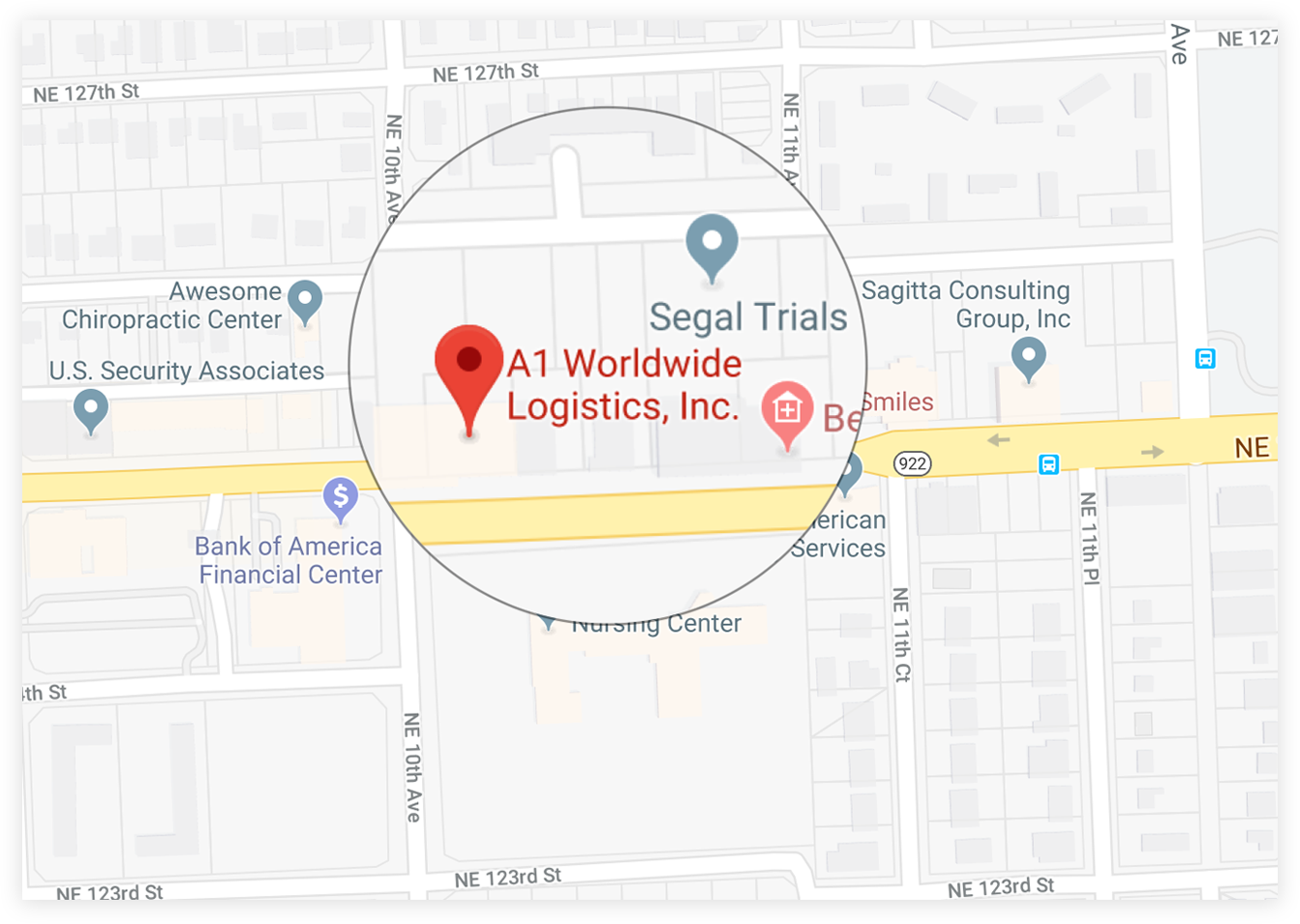
 1035 NE 125th St Suite #320, North Miami, FL 33161.
 a1worldwidelogistics.com
 (305) 821-8995
 Hours: 8AM - 5PM