
by A1 WorldWide Logistics | Mar 24, 2023 | Freight Forwarding, Shipping Logistics, Supply Chain
In international trade, freight forwarders are the intermediaries that handle the logistics of getting your goods to the final destination. Forwarders coordinate with carriers and warehouses to find the best routes for cargo transportation. When choosing a forwarder, the customer should be mindful of how much effort the forwarder is willing to put into having a solid and long-lasting relationship. When examining how much the forwarding agent values their bonds with customers, there are specific indicators to look for. Some of the qualities are the following:
Having Open Communication
One of the most significant parts of a relationship is the ability to communicate when needed. Regardless of the conveyance method of the shipment, the customer should be updated on the location when needed. Diligent freight forwarders have close contact with their customers and constantly provide updates on shipments. A1 Worldwide logistics ensures our clients have instant contact with us during shipping. We achieve this by having open lines of communication such as phone calls, emails, and our website.
Being Dependable
Customers must rely on their forwarder to keep any promises they guarantee. Dependability is a direct reflection of how a business runs and how it cares about its customers. It’s different for a company to say they provide the highest quality customer service and deliver on that promise. This is especially true in international shipping, where supply chain logistics constantly change.
Having Experience
Experience can indicate that a forwarder values customer relationships. This is because of the longevity involved in gaining experience. Forwarders with many clients have expertise from countless years of working with customers. A side effect is that the freight forwarder also learns the importance of customer relationships from working with many clients.
Dealing with Uncertainty
In forwarding, getting your goods to their endpoint may sometimes go differently than planned. Sometimes unpredictable events occur in the supply chain that interrupts the journey. For example, there could be an issue with manufacturing or warehouse placement. Shipping delays can also happen during the trip. A forwarder must be prepared for any circumstance and be able to explain the situation to the customer.
Taking the Extra Step
This means that the forwarder goes above and beyond to calibrate and communicate with the client during the cargo’s journey. It shows how the freight forwarder values the customer and their commitment to keeping the relationship. The extra step can also mean coordinating with the carrier for the client. This can entail that certain adjustments must be made to make the shipping process as effective as possible.
Keeping the Relationship
A forwarder’s key to keeping its clients is consistency and competence. The client must trust that they can depend on their freight forwarder to transport an item internationally. This trust comes from previous experiences where the forwarder demonstrated proficiency at their job. If you want a committed forwarder to building a long-lasting relationship, contact A1 Worldwide Logistics at 305-821-8995. A1WWL aims to provide the best customer service by being accountable and transparent in everything we do. We also assist with customs brokerage to ensure your shipment complies with government regulations when entering a country.

by A1 WorldWide Logistics | Jan 30, 2023 | Agricultural imports, Customs Broker Miami, Freight Forwarding, Supply Chain
Celebrated February 14th, Valentine’s Day is known as a celebration of love and romance. Goods such as chocolates, candy, and perfumes are imported into and out of the U.S. from different countries. Another typical shipment moved globally for Valentine’s Day celebrations is flowers. Over 1.1 billion flowers are imported into the U.S. and inspected annually by customs. Out of all the imports, most are roses produced and transported from farms in Colombia. Several trade agreements have resulted in more than 62% of the total rose imports into the U.S. coming from Colombia.
Miami International Airport receives an estimated 91% of all the flower imports that come into the U.S. 23% of these imports happen between January and February in preparation for Valentine’s Day. While the importance of shipping flowers internationally is known, the process of moving the goods to their final destination is not. This article will give a background of how flowers are imported into the U.S. and explain how to begin. For more information, talk to one of our customs brokers at 305-425-9752 to understand the shipping process.
The Logistics Behind Importing Flowers into the U.S.
Since most rose imports into the U.S. come from Colombia, shipping from this country will be an example. The supply chain begins at the farms in Colombia, where producers grow the flowers and prepare them for shipping. When a wholesale company or independent shipper places an order, the flowers are packed into a refrigerated plane and transported. The method of conveyance is generally an airplane because the flowers have to be transported from Colombia to the U.S. in a speedy manner. Nevertheless, in some cases, boats are also used to transport flowers. Once they reach the U.S., Customs and Border Protection inspect the flowers for insects or diseases.
Customs’ purpose is to ensure that anything imported or exported from a country complies with the laws and regulations. Since there are an extensive amount of guidelines that require compliance, many importers hire a customs broker. A broker acts as an intermediary between the shipper and customs for the release of a shipment. They do this by providing the correct documents, filing customs entries, and paying the duties of the importer.
When customs clears the flowers, a refrigerated truck transports them to their final destination. A shipper who wants to begin importing flowers into the U.S. should start by understanding the necessary documents for importation. Customs brokers also help educate shippers to understand that and to provide the paperwork. The importer should also talk to a freight forwarder to find a carrier to move the shipment. Forwarders find the best transportation prices for conveyances such as boats, planes, rail, and trucks.
Give flowers!
Valentine’s day is a time of showing that special someone admiration and appreciation. A conventional way is by giving presents like flowers and other gifts such as jewelry or chocolates. If you plan on shipping cargo for this coming Valentine’s Day, contact A1 Worldwide Logistics at 305-821-8995 to get started. Our company has freight forwarders and customs brokers prepared to handle your cargo. We will ensure your and your customers’ satisfaction with the secure movement of your shipment.

by A1 WorldWide Logistics | Nov 28, 2022 | Customs Broker, Freight Forwarding, Supply Chain, Warehousing
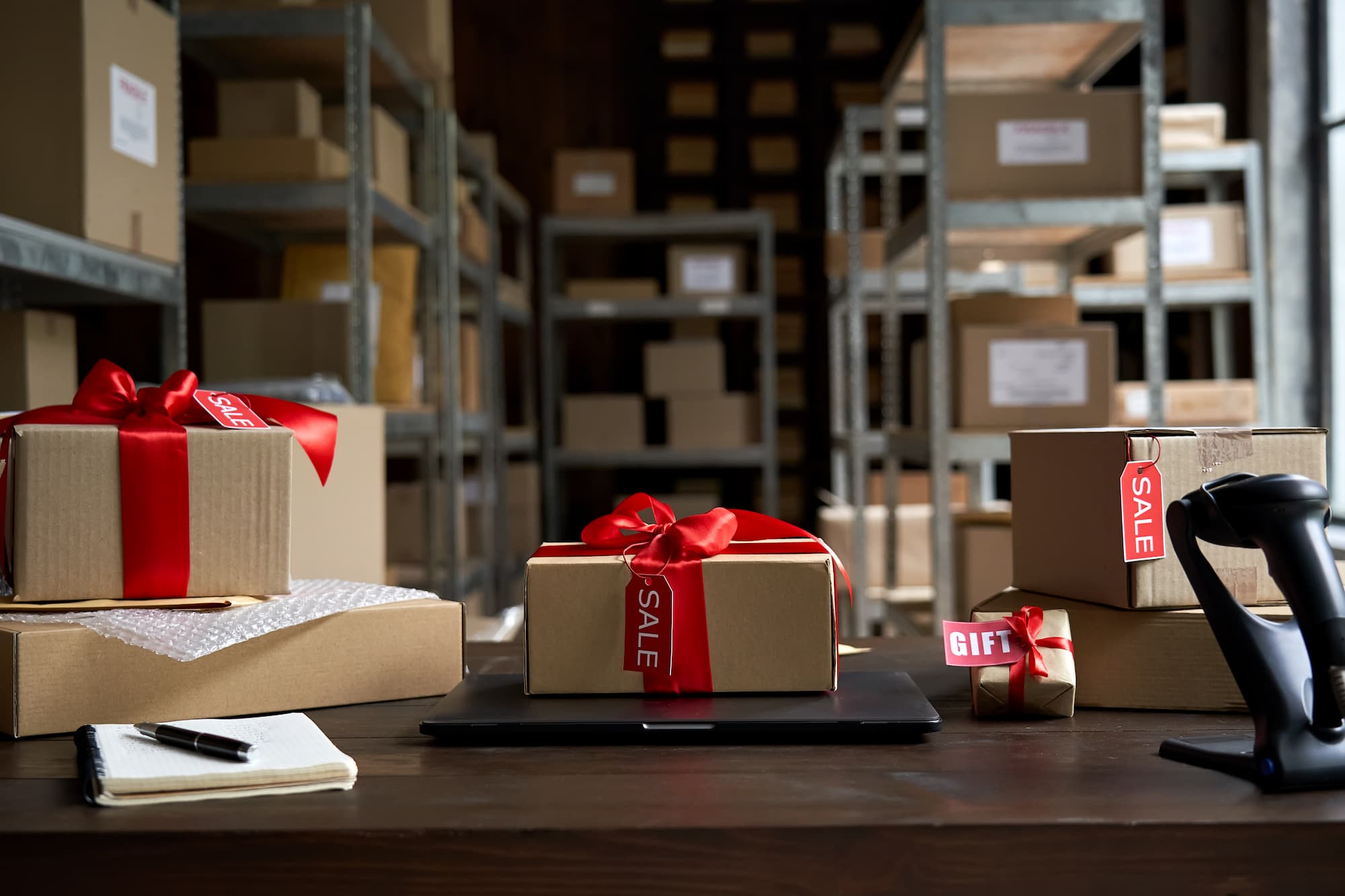
The holiday season may be a time for pressure on the logistics of large and small businesses. Constant news and reports of shipping delays have expedited this pressure globally. Smaller, more local companies are now carefully planning their logistics strategies to compete with larger companies. Although smaller businesses have a few logistics similarities to larger firms during the holiday season, many differences exist.
The Logistics of Larger Businesses During the Holiday Season
Large businesses tend to take a more tactical method when getting the goods to their customers. Since they have a broad reach, larger companies focus on getting their freight to their clients swiftly. Different approaches usually do this, and it’s possible due to the size of the companies. One-day and two-day shipping has raised customers’ confidence that they will receive their goods this holiday season.
Months before the holiday season began, certain companies started implementing a surcharge to combat the growing demand. As the number of shipments grew, the expenses to ship also rose. Since large companies are so widespread, they may be able to negotiate cooperation for the surcharge. Another logistics solution put into effect by bigger businesses was to increase capacity and inventory before the holiday season. An example is purchasing more freight aircraft to handle the load and adding more warehouse storage space.
How do Smaller Businesses Differ?
Many smaller businesses tend to have little capital to offer certain services compared to larger ones. Especially with the holiday season on the horizon, they have a different logistics approach. Supply chain issues, shipping costs, and delays can sometimes arise from the shipping logistics of larger businesses. Since smaller companies tend to be brick-and-mortar, their supply chains can be smaller and more streamlined.
Small-scale supply chains that smaller businesses have may make them more attractive to customers. The shipping delays that have been persistent over this year led shippers to switch to a local smaller business. Instead of dealing with possible delays from overseas shipments, a customer can drive somewhere close by for the same product. Larger companies have also noticed the benefits of brick-and-mortar stores and created more local stores. Instead of waiting for the goods to be delivered, customers can now drive to a local store to pick up the goods, just like brick-and-mortar stores.
A1 Worldwide Logistics
Regardless of your business size, there are different parts to shipping your goods to your customers. These crucial parts can affect the whole supply chain if one part goes wrong. This may be even more critical during this holiday season with increasing global demand to ship goods. The pressure to move freight has gone up over the last few years.
Contacting a logistics company can alleviate the pressure by handling the movement of your shipment for you. Give A1 Worldwide Logistics a call at 305-821-8995 to learn about the many logistics solutions we offer. From freight forwarding, customs clearance, warehousing, and more, we’re here to ensure the movement of your goods safely and promptly.
by A1 WorldWide Logistics | Nov 16, 2022 | Shipping Logistics, Supply Chain, Warehousing
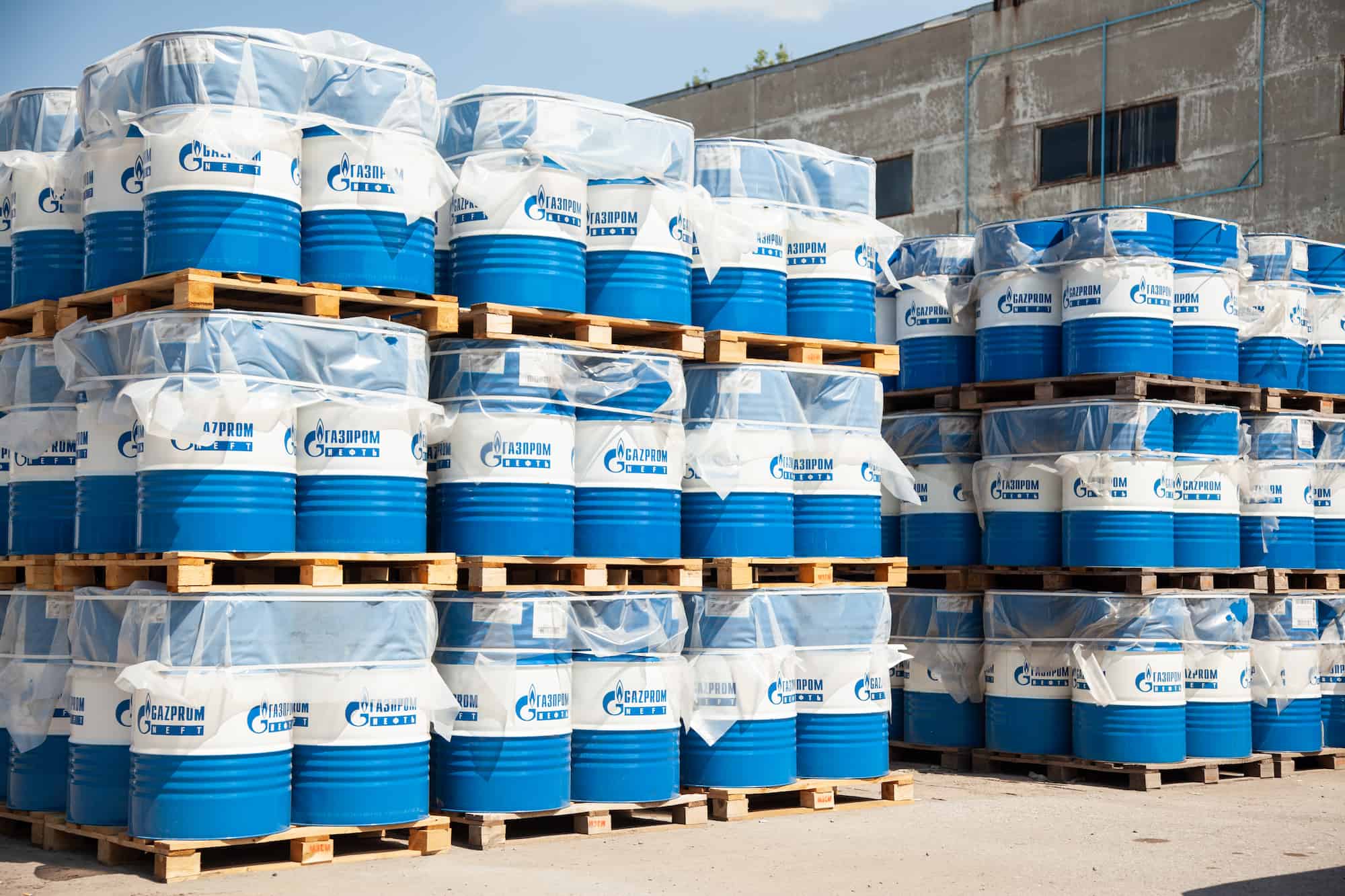
Warehousing is storing and handling various products for a specific period. A common item stored in warehouses is industrial products, goods used to produce a finished product. Unlike consumer goods which are finished products that are sold to customers, industrial products are not complete products. Manufacturing, retail, and other service businesses use warehouses to store industrial goods for future usage. These products include raw materials, accessory equipment, operating supplies, etc.
How Are Industrial Products Handled and Stored in a Warehouse?
Shippers must take special precautions to prevent damage when they move industrial goods to storage facilities. This is especially true since specific buyers need the goods to be in excellent condition to create the final product. Before entering the warehouse to be stored, specialized equipment transfers the material out of the containers. Hand trucks, pallet jacks, and walkie-stackers are all used to bring industrial goods out of the trucks and into the facility. Since industrial products tend to come in bulk, machinery such as conveyors, silos, and bucket elevators transfer the materials inside the warehouse for storage.
Since business store raw and unfinished materials, warehouses that house industrial products may have more services than the average warehouse. Additional areas like production locations, perimeter zones, and waste collection zones tend to be present. The production locations may be necessary when a company orders merchandise. This is common with parts that workers assemble into a final product. Industrial goods are frequent in Business to Business (B2B), and trucks may transport them from the warehouse without adjustments.
Plenty of Solutions
The amount of goods classified as industrial includes a vast range of items from petroleum and cement to car engines. They all have a commonality of being used to make and sell other goods. Due to the importance of industrial products in many businesses, warehouses are ideal for storing extra inventory. If you need to warehouse industrial products for short-term or long-term, contact A1 Worldwide Logistics at 305-821-8995. We also provide value-adding services like picking, packing, trans-loading, cross-docking, and much more.

by A1 WorldWide Logistics | Oct 20, 2022 | Supply Chain, Warehousing
In the last few decades, e-commerce has grown into a multi-trillion-dollar business. Instead of driving to the local brick-and-mortar store for goods, people began purchasing online, increasing the need for e-commerce. Similarly to large cooperations, smaller retailers began creating online stores due to growth opportunities. Shopping is now interconnected; a U.S. person can buy a good in China in the comfort of their home. Along with e-commerce, the need for warehousing cargo and moving goods internationally grew.
One of the many factors that helped warehousing grow was e-commerce due to the necessity for inventory storage. Since customers surged globally, sellers needed more inventory to accommodate the buyers. Online businesses began using warehouses to store their goods and extra merchandise. This was especially true for smaller companies that may not have enough capital to house goods. Along with storage, there are many value-adding services that a warehouse can have for an e-commerce business.
How do Warehouses Help in E-Commence Fulfillment
Warehouses are essential in many businesses’ supply chains, including online. Technological advances have led to warehouses becoming ideal for e-commerce fulfillment. The fulfillment process begins when a customer buys a product from a website. The site then sends information about the order to the warehouse. The order’s goods are located and then prepared to be sent to the customer. E-commerce is not limited to public warehouses and is also done in other types of warehouses like bonded, consolidated, smart, etc. Other services that warehouses provide for online businesses include:
- The performance of warehouse audits for inventory control.
- Forecasting the customer demand to determine which items are/aren’t selling.
- Delivering the product to the final destination or the customer.
- Packing and picking services for online orders.
The coronavirus pandemic has recently accelerated the growing e-commerce market. With an increased number of customers buying goods online, businesses may benefit from having extra inventory stored in a warehouse. If you have an online store and looking for a warehouse for your goods, contact A1 Worldwide Logistics at 305-440-5156. If you need a warehouse in Texas, call 305-821-8995. We will find the solution you need for your e-commerce business and a team of experts ready to guide you!
Assistance also in Spanish!
by A1 WorldWide Logistics | Oct 6, 2022 | Shipping Logistics, Supply Chain, Warehousing
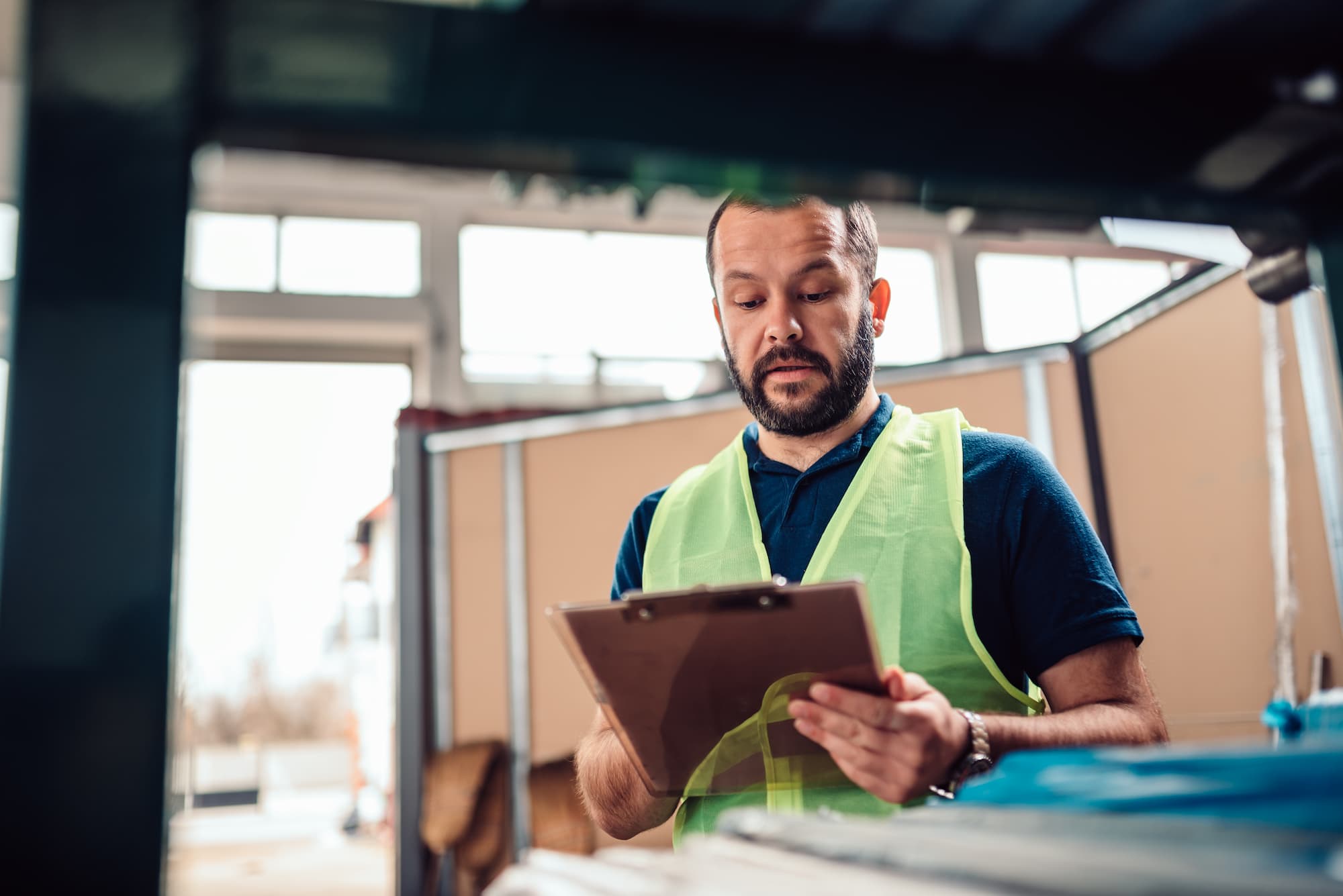
In the logistics of transporting products to clients, there are two common steps that nearly all businesses go through. These steps are picking and packing, and most companies that own or rent a warehouse do them. While the customer may not be familiar with these two processes, one mistake can affect the whole delivery unfavorably. Picking is when a warehouse worker takes a product from storage and transfers it for packing. Packing is when the picked item is sealed and labeled to be shipped by the warehouse to the client. An example to demonstrate when these processes take place is shopping in an e-commerce business.
After searching through a website, customers find something they like and buy the product. The website then sends the order to a warehouse or fulfillment center, usually in the form of a packing list. A warehouse worker then searches for the order in the inventory and brings it to a packing station. The order is packed and labeled in the station and then delivered to the customer. A different type of packing is crating, when workers pack goods into wooden crates. Crating is typically done for valuable goods that damage easily; the crates can also be metal or plastic.
What Can Go Wrong
Due to countless companies’ need for picking and packing, errors may sometimes occur. Since these processes are estimated at 45% of warehouse operating costs, a small mistake may broadly impact the supply chain. One of the more common mistakes is incorrect inventory. For example, an order is sent to a warehouse, and the warehouse’s stock records are inaccurate. The picking, packing, and delivery process can delay if the demand exceeds the stock. Missing details on inventory, such as weight and size, can also lead to unsecure packaging and damages.
A shipper usually outsources packing and picking to a third-party logistics warehouse due to the training and equipment purchasing involved. Contact A1 Worldwide Logistics at 305-821-8995 to find out how our warehousing solutions can streamline your supply chain. Along with packing and picking, we offer many other services like public warehousing, cross-docking, and trans-loading. Our warehouse is also insured and secured, meaning you can store your shipment for five years without paying taxes.



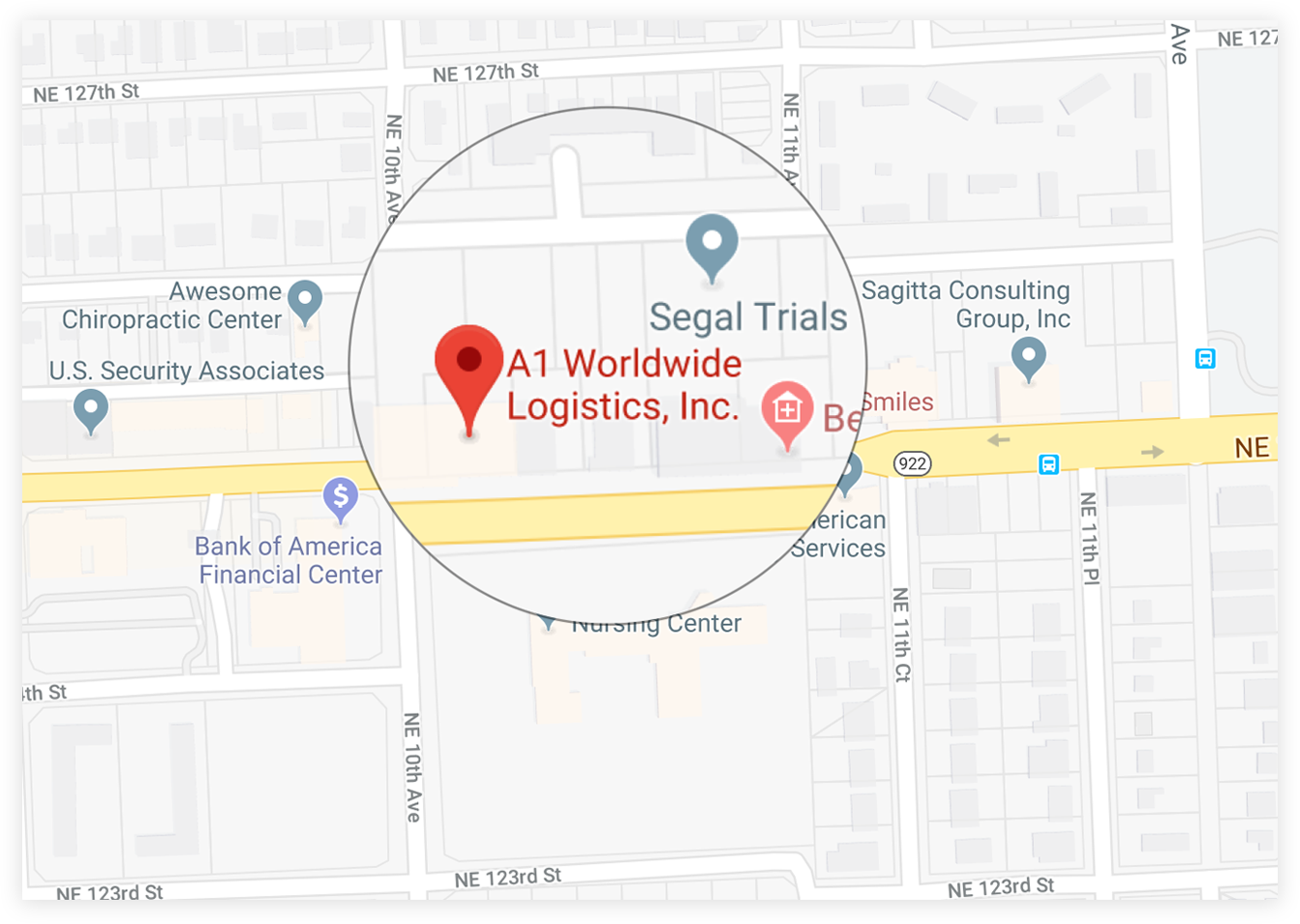
 1035 NE 125th St Suite #320, North Miami, FL 33161.
 a1worldwidelogistics.com
 (305) 821-8995
 Hours: 8AM - 5PM