by Rob Simmons | Sep 21, 2021 | Freight Forwarding, Supply Chain, Transportation
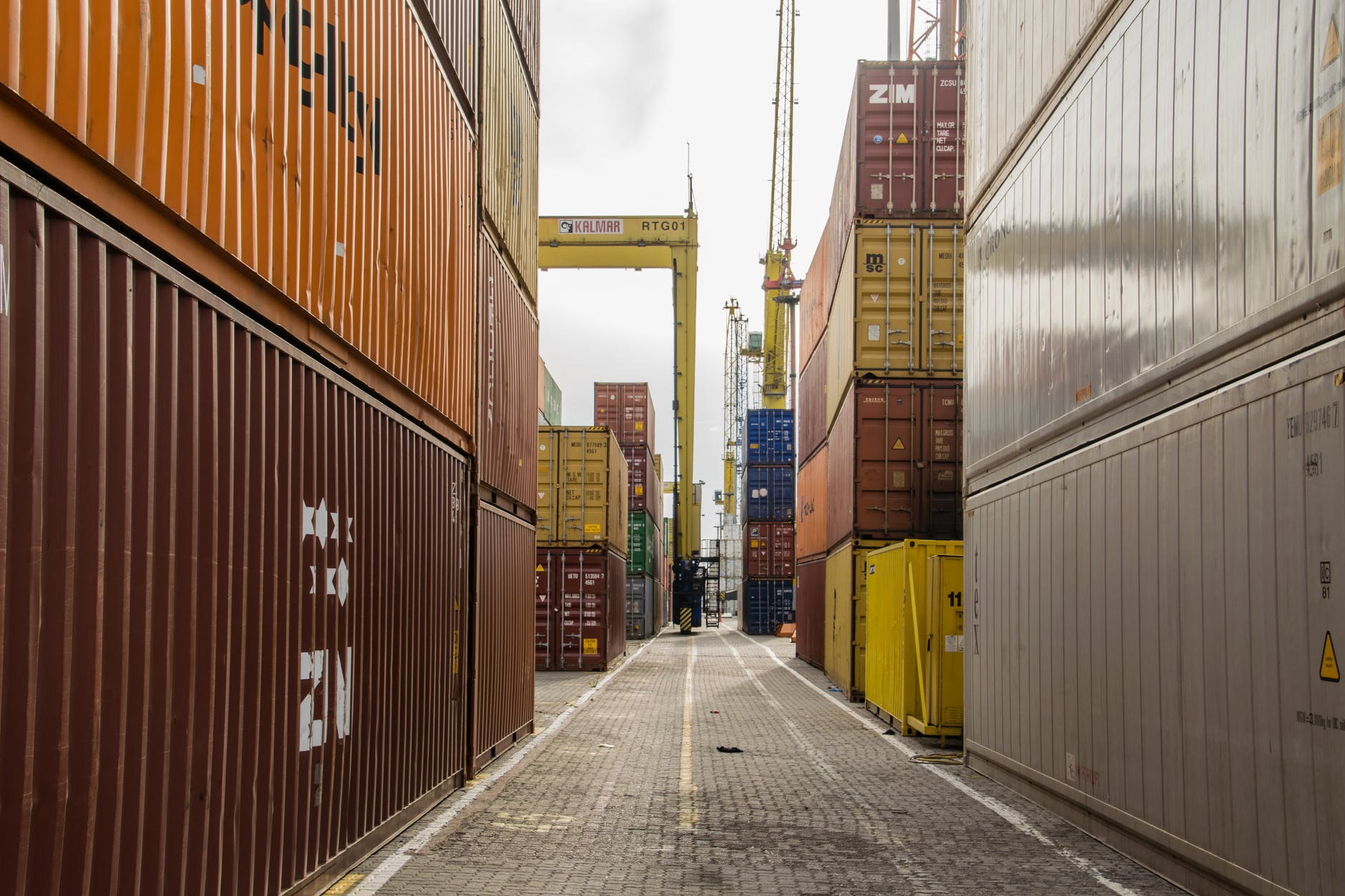
CMA CGM, one of the biggest ocean freight movers recently announced its plan to freeze its rising spot rates through February 1st, 2022. This may come as a surprise to the freight shipping industry with the cost to ship containers recently reaching unprecedented heights globally. Drewry’s World Container Index recently reported that its spot rates have increased for 21 straight weeks. The demand to move freight internationally has exceeded the available capacity to do so. With the holiday season quickly approaching, the upcoming months may see rates soar even further.
The Effect may have on the CMA CGM and the Shipper
Rising spot rates for moving freight have led to record levels of profit for carriers. This may be the reason why it is such a big surprise to many that CMA CGM has halted its rising spot rates. Some shippers believe that the reasoning behind putting a cap on the spot rates is due to the little space that the ocean carrier has to move freight. There is a belief that CMA CGM Is almost fully booked for the next few months. This also may mean that the company may be trying to reserve vessel space for long-term contract customers.
It is important to distinguish the difference between contract and spot customers. Contractual customers tend larger to be companies that have stronger preexisting relationships with the carriers. Spot customers may be smaller customers that look for the best deals to move freight. CMA CGM capping its spot rates may give contractual customers more leverage because of their established long-term relationship with the carrier. With the limited capacity in the current market, the carrier has to prioritize who gets vessel space.
With the current freight shipping market already strained, CMA CGM may be seeking to focus on their current customer relationships. The company has also previously released a statement that in the past 15 months, the company has added over 780,000 TEUs. This means that CMA CGM’s capacity to move freight has increased over 10% since the start of 2020.
Can This Be a Positive Sign for the Freight Shipping Market
Many different factors have resulted in rising spot rates in the freight shipping market over the past year. From lack of capacity on carriers to congestion in many ports globally, each situation has worked together to have an unfavorable impact on the shipping industry. The COVID-19 pandemic also limited the number of available port workers and created a backlog of incoming freight. It was reported in late August that the total number of container-carrying vessels anchored at the port of Los Angeles was close to 5 times the amount pre-COVID.
While there are those that believe that the pausing of the rising freight rates could be due to minimal space, others may see it as a positive sign of things to come. CMA CGM may be predicting a return to normalcy with the freight shipping market returning to pre-COVID levels. Only time will tell if other carriers follow the trend and stop or even lower their rising spot freight rates.
A1 Worldwide Logistics
Planning on moving freight globally and need help with the logistics behind doing so? We at A1 Worldwide Logistics provide many services to make sure that your freight reaches its intended destination swiftly and securely. Contact us at 305-821-8995 or email us at info@a1wwl.com for a quote to ship your goods internationally. We also have customs brokers to assist in making sure that your shipment meets federal obligations.
by Rob Simmons | Aug 23, 2021 | Freight Forwarding, Supply Chain, Technology
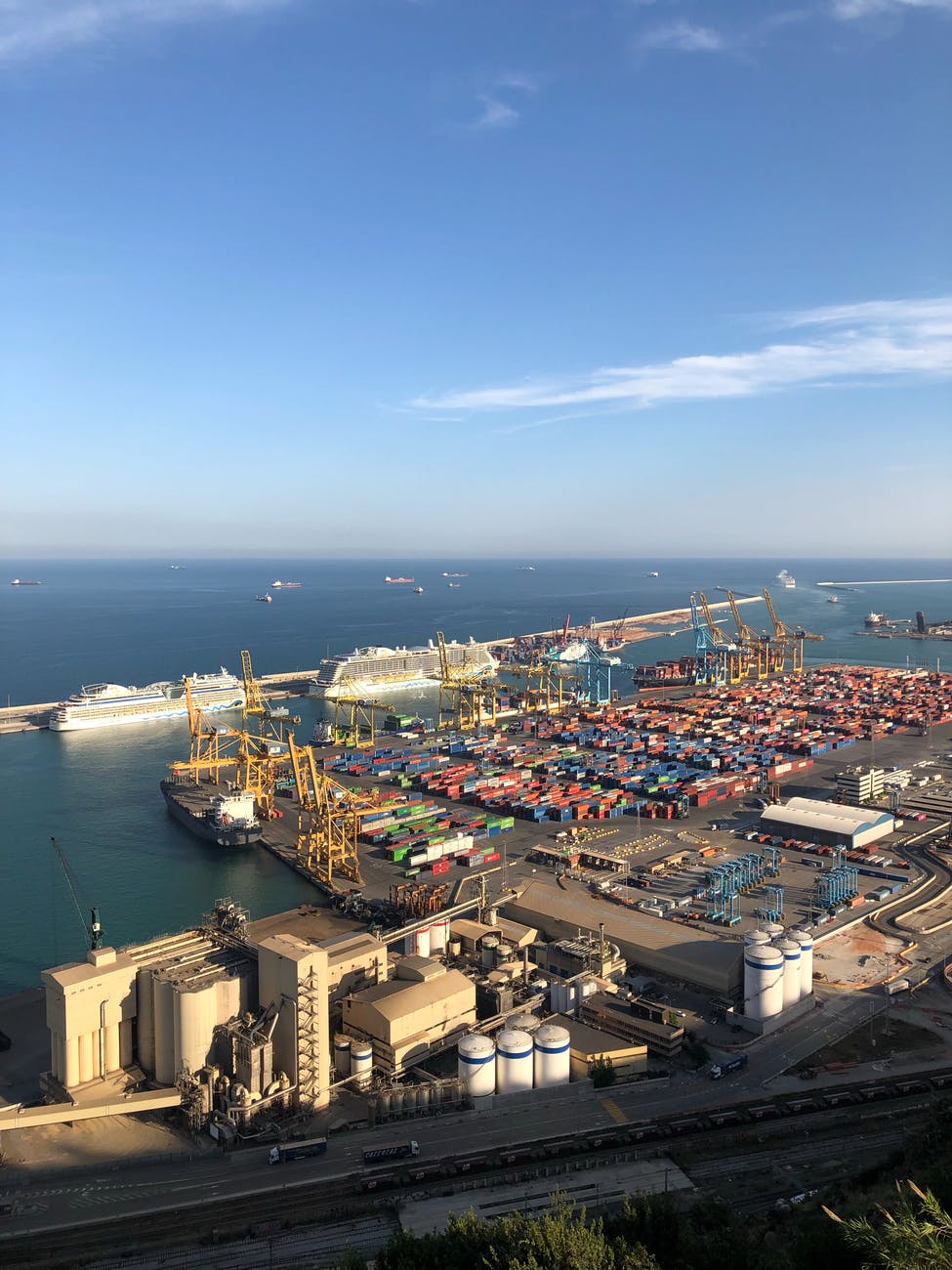
Released onto the world’s seas on July 30, 2021, the Ever Ace has officially named the largest freight container ship in the world. Costing over $150 million to create, The South Korean company, Samsung Heavy Industries started construction on this freight vessel in 2019. The Ever Ace arrived at the port of Taipei on August 8, 2021, after being released from the Qingdao port in Shanghai, China. It was carrying 6,200 TEU at the time and was greeted with a celebratory welcome when it arrived. The plan is for the Ever Ace to navigate through shipping routes between Northern Europe and Asia.
How Big is the Ever Ace?
The length of the Ever Ace is approximately 1312 feet long and can carry an estimated weight of around 225,000 tons. The widest point of the ship stretches more than 200 feet with a max speed of 22.6 knots or about 26 miles per hour. In terms of freight container capacity, this ship can carry 23,992 TEU. This is more than 3000 TEU’s greater than Evergreen’s Ever Given, the ship the got lodged in the Suez Canal in March of this year. For reference one TEU (Twenty-Foot Equivalent Unit) is a unit of measurement for one 20-foot container. The previous largest container ship, HMM Algeciras has a TEU of 23,964.
Evergreen has recently announced a project to bring 70 freight vessels into the shipping industry. The freight vessels themselves are planned to be of different sizes and carry different amounts of containers. The total amount of TEU’s that these vessels may be able to carry together is a massive 688,000 TEU’s. This amount will be added to the current number of TEU capacity of over 1.3 million TEU’s.
Why So Many Vessels?
The Ever Ace is part of a series of ULCC (Ultra-Large Crude Carriers) freight container ships ordered for Evergreen that is expected to be finished in the coming years. This series is going to feature 12 of the 70 vessels that were previously mentioned. However, this particular series of ULCC vessels being developed is planned to be roughly 20% bigger than Evergreen’s current biggest ships.
One of the main reasons Evergreen has ordered so many freight vessels is because of the current international shipping industry. There has been a shortage of freight containers over the past year and this could persist well into 2022. The coronavirus created a scenario where there are not enough workers to manage these containers, and this may create a backlog. Despite the shortage, the demand for shipping freight has risen considerably. Evergreen has been growing its vessel line to meet these demands. Evergreen also revealed last month that they plan on adding an additional 6,000 freight containers as a response to the shortage.
A way that Evergreen is attempting to have an advantage in the current market is by expanding its operations. For example, the Europe-Asia shipping route tends to only have 14,000 TEU vessels. Vessels with 20,000 TEUs and higher are being introduced in this route to boost shipping amounts. While the freight shipping industry has been facing unfavorable situations, Evergreen Corp has been having success in terms of business. It has made profits of over 3 billion U.S dollars in only the first half of 2021 alone.
A1WWL
Planning to move freight globally and need guidance on how to do so? Call us at 305-821-8995 or email us at info@a1wwl.com. We at A1 Worldwide Logistics assist with both imports and exports and are present throughout your freight’s whole journey. It is important to us that your freight reaches its final destination safely and in a timely manner. Feel free to contact us to find out about our various services.

by Rob Simmons | Aug 12, 2021 | Freight Forwarding, Shipping Logistics, Supply Chain, Transportation
Forwarders like Senator International and DB Schenker have been looking at alternatives for their freight which is steering them towards Rockford. Rockford airport may be seen as a life vest for the supply chains of many.
Why is O’Hare airport becoming so congested?
The main reason why the airport has become over clogged is because of the overwhelming amount of freight volume. In 2020, the coronavirus pandemic created a surge in e-commerce and that surge was felt in airports worldwide. There was also a rise in ocean imports as well, which clogged seaports and led to companies switching to airfreight to move their cargo. This increased the amount of cargo at the airport. In O’Hare’s case, the freight volume rose to over 14%. It grew at such a rate that an already busy airport could not keep up. The amount of freight that is backed up at the airport is so extensive that forwarders started renting nearby warehouses to accommodate it.
Another cause of the congestion related to the coronavirus pandemic is the replacement of airplanes that are used fully for air freight with passenger airplanes. This is because passenger airplanes have less space for freight and combined with everything else may create a bottleneck effect. The shortage of workers that the airport has been facing in the past months has also contributed to the congestion. When there are not enough workers to handle the loading and unloading of the incoming cargo, it can create a backlog over time.
Rockford Airport
Located roughly an hour away from O’Hare airport is the less crowded Rockford Airport. The congestion of O’Hare has made this airport an ideal choice for freight forwarders to store their freight. Forwarders such as Senator International have already signed leases to have a large amount of space in Rockford’s new warehouse that they recently started building. This airport is currently being called one of the quickest growing airports in the world in terms of freight tons.
One of the main benefits that forwarders had in switching to Rockford Airport is the customized service. Since Rockford is not as large and crowded as O’Haire, planes carrying air cargo are able to have valued importance. When the freight plane arrives at Rockford it may only take a few minutes for it to find parking. Compare this to O’Hare where there may not even be parking space because of the traffic. Also, truckers may wait for hours to pick up a freight load at O’Hare. Since Rockford has less traffic the time it takes the freight can be loaded onto the trucks from the aircraft can be streamlined massively.
A1 Worldwide Logistics
Importing and exporting air freight during these distinctive times may seem intimidating and could be challenging. If you have any questions or want to find out more information, call us at 305-821-8995. We provide transparency and assistance throughout the whole process so you can feel confident that your cargo is moved thoroughly.
by Rob Simmons | Jul 30, 2021 | Freight Forwarding, Shipping Logistics, Supply Chain, Technology, Transportation
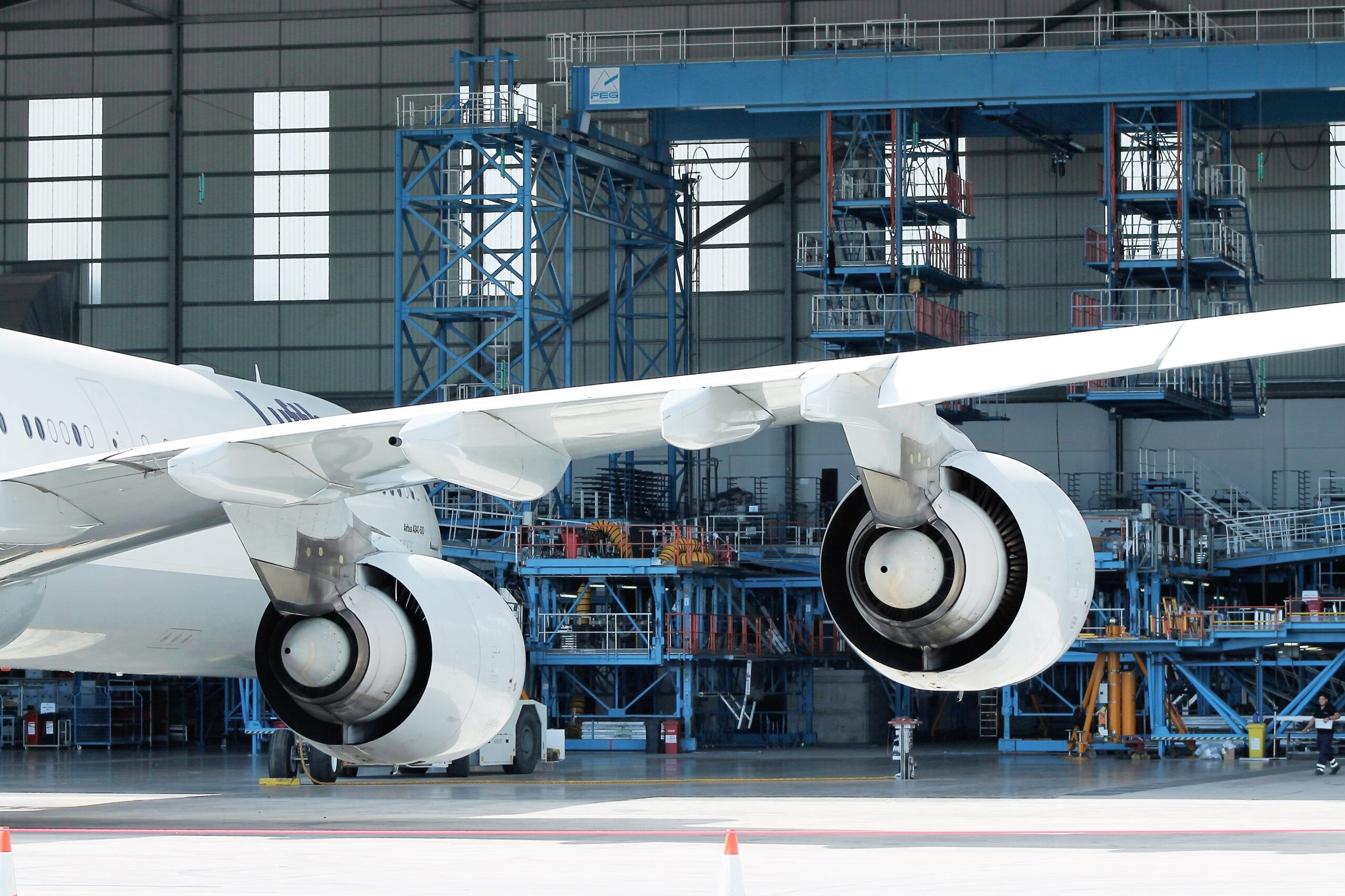
The John F. Kennedy International Airport plans on upgrading its air freight facility to keep up with the current times. This will be done by tearing down two vacant cargo buildings to make room for the new one. With the current volume of freight shipments rising, renovations to the airport facility are being made to handle the load. Aeroterm, a distributor of different services to airports nationwide such as development and capital will be in charge of this project.
The JFK airport is known for being one of the busiest airports in the U.S in terms of freight operations. Despite this, the airport has seen a steady decline in terms of position in the market and freight volume. In 2017, Gov. Andrew Cuomo made the project to modernize the JFK airport public. After a few years of waiting for approval from the stakeholders, the project is finally coming to fruition. The plan is to have this project finished near the end of 2023 with the demolishing of the two vacant freight facilities starting in September 2021.
How Will the new facility be different?
The new facility will have a greater emphasis on more advanced, autonomous technology. This includes an autonomous racking system that moves and stores pallets vertically instead of just on the floor. More storage space is created since upright space is being used along with the ground. Not only will it be better for storing freight, but pharmaceutical friendly as well. The facility will include a temperature-regulated region with the purpose of handling pharmaceuticals.
This facility will also be larger than the two facilities that are planned to be demolished. This means that larger volumes of freight may be more manageable than in the past. With JFK airport already having access to most of the big international airport hubs, the new freight facility may improve the links between other airports. New jobs will arise from the remodeling of the JFK airport’s freight facility, which will help raise the local economy.
The Focus will be on Freight.
The goal behind the whole project is to modernize the airport facility and make it a “world-class airport.” The Aeroterm project is part of a bigger modernization project that will have more than one part. The next part of the project is to open 16 acres of land to create another freight facility for JFK airport. This facility is planned to manage an extra 200,000 tons of freight. A new area for truck pickups and docking will also be added, which may help ease airport traffic. However, like the first part of the project, it could be a while before the second part can begin because of approval from stakeholders and other circumstances.
A1 Worldwide Logistics
Plan on shipping or moving freight internationally and need help with the logistics? Contact us at 305-821-8995. Not only do we have freight forwarders to assist with finding a carrier to ship and deliver your freight, but we have customs brokers to make your import abides by customs regulations.

by Rob Simmons | May 10, 2021 | Freight Forwarding, Supply Chain, Transportation
Last year there were reports of a global freight container shortage. This shortage has continued on to this year. The demand for containers greatly outnumbers the number of containers available. With the current state, the shortage may continue until the end of 2021 and even into 2022.
When did this Shortage Begin?
The start of this shortage was believed to happen in mid to early 2020 during the coronavirus lockdowns. With the pandemic establishing quarantine worldwide, people resorted online to purchase their goods. Freight that is purchased online tends to be imported internationally. In 2020, Ports in the U.S. saw an overwhelming number of ships carrying freight arrive at their terminals. This large volume led to congestion across the nation, and we may be still seeing the side effects today.
Why is the Shortage Persisting?
There are many reports as to why there may be a lack of freight containers. One explanation previously mentioned is that a large number of ports have not recovered from the blockage. The number of new containers being sold has also remained sluggish. This may be because the cost of a container has risen greatly in a year. In 2020 the cost of a new container was around $1800. In a year, the cost rose to $3500. Combine the increasing price with the lack of inventory and it creates an unfavorable situation.
Another reason could be the Suarez Canal blockage. This added to the situation because of the large number of ships that were blocked. Over 350 ships carrying thousands of containers were delayed. The Ever Given itself can hold over 20,000 containers of freight. The blockage also led to ships taking the longer route through the Cape of Good Hope, resulting in long delays. Also, Chinese ships that were planning to go through the Suarez Canal are turning around at such a rapid rate that they are dropping empty containers behind. Adding to the scarcity.
Is There an End
As everything recovers from the hectic year of 2020, there may be light at the end of the tunnel sooner than later. The manufacture of freight containers has gone up in 2021 compared to last year. Although this production is still not enough to overcome the current shortage, it may be a sign of things to come. As the economy steadily returns to pre-coronavirus, more freight may start to be shipped globally. This could result in the need for more containers and more production, along with the end of the shortage.
A1WWL
If you are looking to import or export freight internationally and need a quote, call us at 305-821-8995 or email us at info@a1wwl.com. We provide hands-on service with your freight all the way to its final destination.

by Rob Simmons | Apr 30, 2021 | Customs Broker, Customs Broker Miami, Customs Clearance, Freight Forwarding, Import and Export Experts, Shipping Logistics, Supply Chain
The value of wine imported into the United States has always been greater than the value of beer imported. However in 2020 this changed, and the value of beer imported into the U.S. surpassed the value of wine. Different theories and methods have been proposed as to why this is happening such as government policy and the coronavirus.
Did Covid-19 Affect This?
A common belief is that the coronavirus led to beer becoming a wanted commodity. This is because, with high levels of unemployment, the level of economic depression went up. This could have led to more consumption of beer. Beer is known for being a countercyclical good, meaning that when the economy is bad, it does well. On the other hand, the import of beer has been increasing and hitting records for over a decade. There may be other reasons why beer is doing so well. Despite the coronavirus may not have an effect on the beer imports it could have affected the wine imports.
Where is most Beer Imported From?
When beer comes into the U.S. it is imported from various countries. Mexico was responsible for over 70% of beer imported in 2020. Mexico’s market share and imports have been steadily increasing over the last 20 years. And this includes the importing of beer. Other countries like Canada, Germany, and the Netherlands have decreased beer imports over that time period, however. A belief is that the proximity of Mexico to the U.S. means that the customer will get their product quicker. Since Mexico is so close it may seem like an ideal country of choice. Instead of further regions.
The Impact of Tariffs on Wine
In 2019 tariffs were placed on wine from France and other countries in Europe before the coronavirus even reached the U.S. The result of this was felt all last year and even in 2021. The importing of French wine dropped greatly. Interestingly, Italy did not have tariffs placed on its wine in 2019. Italy’s wine imports not only stayed relatively steady but surpassed France.
Months after the tariffs were placed on the wine was when the coronavirus hit the U.S. The shutting down of restaurants and bars that order wine internationally added to the decline since they are the largest business sectors that rely on wine. With a 25% tariff and businesses closing, the wine industry felt the effects.
A1 Worldwide Logistics
When importing goods such as wine or beer from a foreign supplier they have to go through customs. The customs clearance process tends to not be simple, and you may be lost if it’s your first time doing it. Finding an experienced customs broker to guide you through the process can save you time and energy. If you are looking for a customs broker, call us at 305-821-8995 or email us at info@a1wwl.com for or information.

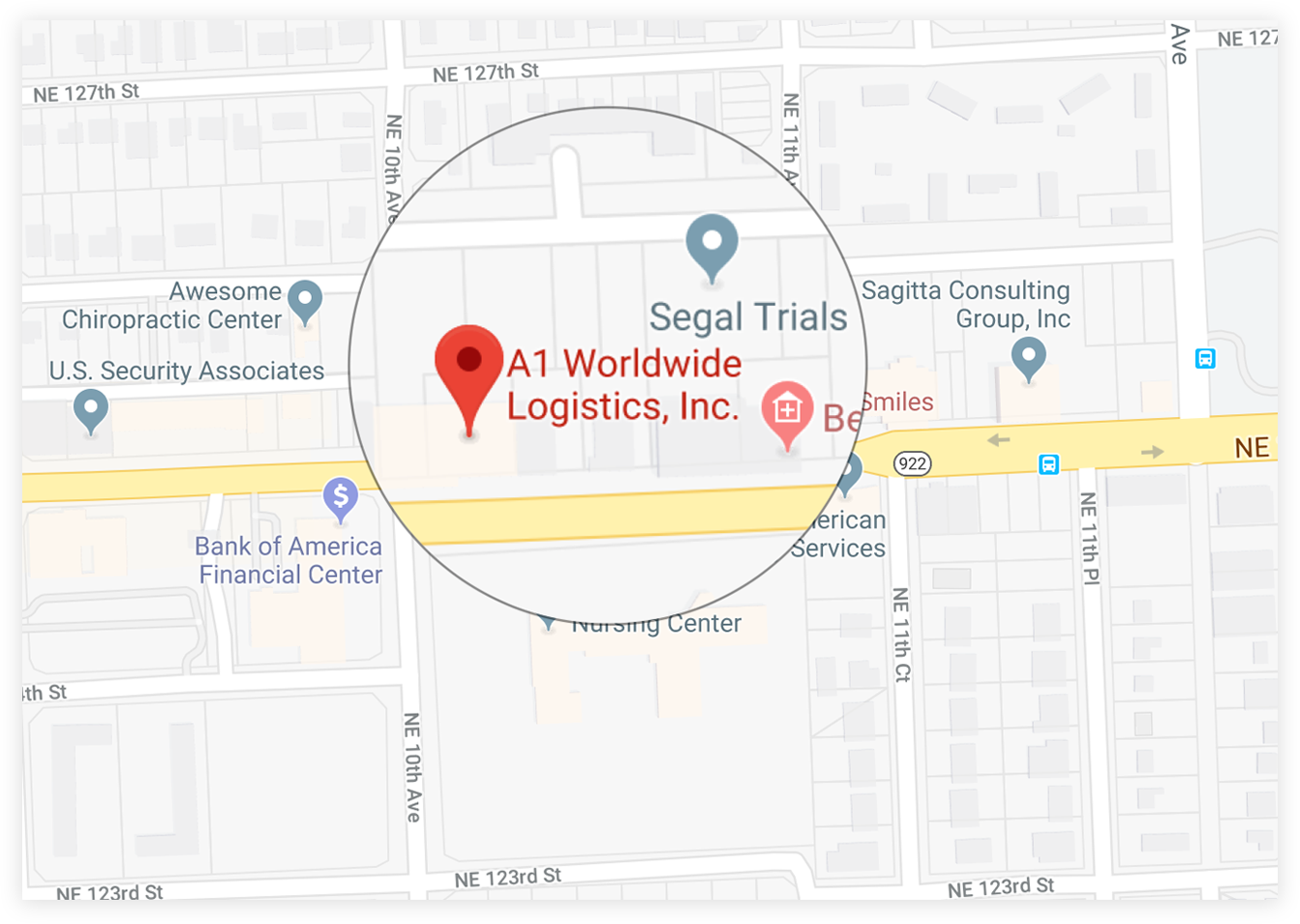
 1035 NE 125th St Suite #320, North Miami, FL 33161.
 a1worldwidelogistics.com
 (305) 821-8995
 Hours: 8AM - 5PM