
by A1 WorldWide Logistics | Jan 21, 2025 | Economic trends, Importing, Supply Chain
President Trump announced that he will impose a 25% tariff on February 1st for imports from Canada and Mexico. Last year, Trump revealed that he would implement the tariff hike during his first day in office. The president postponed the date to create an “External Revenue Service to collect tariffs and identify unfair practices. Along with the two countries, there are plans to implement tariffs of 10% to 60% for goods from China. Trump also raised the idea of a “universal tariff” but noted that the U.S. was not ready yet. With the countries impacted by the taxes bringing in hundreds of billions yearly, a tax increase can significantly affect trade.
Why Is Trump Imposing 25% Tariffs On February 1st?
Trump noted that he would implement tariffs on the imports for reasons including illegal immigration and drugs entering the U.S. In 2024, the president stated, “As everyone is aware, thousands of people are pouring through Mexico and Canada, bringing crime and drugs at levels never seen before.” China is also the most popular illegal importer of fentanyl into the U.S. Another reason for the tariff increase is to increase domestic manufacturing by making importation more costly. Trump believes creating new jobs in the U.S. will reduce the federal deficit and lower food prices.
While Trump believes the tariffs will benefit the U.S., it has faced backlash from the countries impacted. The biggest trade war in decades could be possible with approximately 75% of Canada’s imports going to the U.S. Canada’s prime minister noted, “If the president does choose to proceed with tariffs, Canada will respond – and everything is on the table.” The countries affected by the taxes may impose their retaliatory tariff. Trump’s proposed hikes could also face legal challenges from existing trade agreements like the USMCA (United States-Mexico-Canada Agreement). Signed into effect in 2020 by Trump, he will have the opportunity to renegotiate the deal in 2026.
How Will The Tariff Hikes Impact International Shipping?
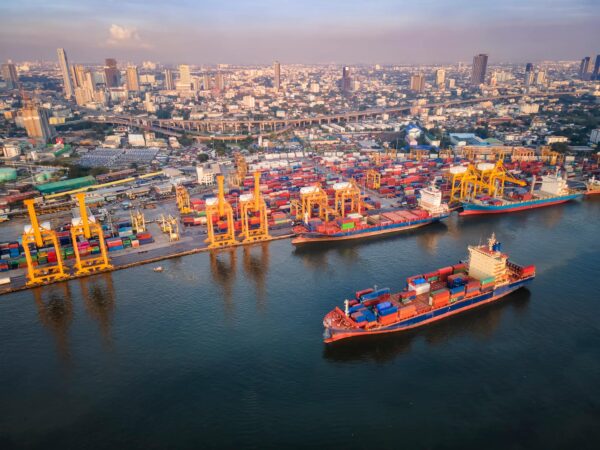
Mexico, Canada, and China are the U.S.’s biggest importers, meaning a tariff hike can significantly impact international shipping. Higher tariffs could increase shipping costs and disrupt supply chains. Companies from industries like the automotive industry rely on importation, and sourcing production back to the U.S. can be challenging. Economists argue that increasing import taxes could lead to inflation and job loss. While the increase will affect moving cargo internationally, it will also impact domestic shipping. Drayage services that transport port imports could see a decline in volume, resulting in led business. To combat the tariff increases, U.S. importers may begin outsourcing to different countries. Various companies have already considered relocating production to the U.S. in response to the tariffs.
With the rise in tariffs potentially affecting both the shipper and businesses, you must take steps to mitigate disruptions. Failure to take the correct steps can lead to delays, monetary loss, and cargo loss. An ideal solution is to consider partnering with a trusted third-party logistics (3PL) provider. 3PLs offer solutions for navigating the complexity of international shipping and ensuring a successful shipment. These solutions include freight forwarding, warehousing, customs brokerage, and supply chain management. Reach A1 Worldwide Logistics at 305-425-9456 or info@a1wwl.com to speak to an expert regarding your cargo’s movement.
by A1 WorldWide Logistics | Jan 21, 2025 | Customs Broker, Customs Broker Miami, Customs Clearance
Diversas situaciones en la industria del transporte marítimo internacional están provocando un aumento en las importaciones minoristas en EE. UU. El Global Port Tracker predice que el volumen de importaciones para diciembre de 2024 aumentará un 14.3% en comparación con el año anterior. Este número es un 19% superior al volumen previsto por la NRA (National Retail Association). La NRA también predice que el total de TEUs (equivalentes a veinte pies) en 2024 alcanzará los 25.6 millones, lo que representa más del 15% de los TEUs de 2023. Escenarios como una posible protesta portuaria (que los transportistas intentan evitar) y los aranceles a los fletes están provocando este aumento. Este artículo explicará por qué las importaciones están aumentando y cómo prepararse al importar a EE. UU.
¿Por qué están aumentando las importaciones minoristas en EE. UU.?
Las importaciones a EE. UU. ya estaban aumentando antes de 2025 debido a situaciones como una huelga portuaria. Una extensión de contrato entre la ILA (International Longshoremen’s Association) y la USMX (United States Maritime Alliance) expiró en 2025. Las negociaciones no resueltas sobre aumentos salariales y la automatización entre las partes han incrementado las posibilidades de una huelga en los puertos de la costa Este y Oeste el 15 de enero. Debido al temor de cierres portuarios, los transportistas comenzaron a importar un volumen significativo de mercancías a finales de 2024, incluyendo productos minoristas. Aunque las partes llegaron a un nuevo contrato que evitó el posible cierre, la NRA predice que las importaciones seguirán aumentando. Otra razón por la que aumentan las importaciones son los incrementos arancelarios que el presidente Trump implementará el primer día de su mandato.
En particular, Trump impondrá un aumento arancelario del 25% a todas las importaciones de México y Canadá. El aumento también incluirá un impuesto del 10% a todos los productos chinos que entren a EE. UU. Los minoristas importan un alto volumen de mercancías antes de la fecha de inauguración para evitar posibles aumentos de costos. El cliente será quien pague estos costos. La NRF predice que los aranceles podrían costar a los consumidores estadounidenses entre 46 y 78 mil millones de dólares en poder adquisitivo anual. Para prevenir el impacto de estos aumentos arancelarios, los minoristas están buscando soluciones, como importar desde otras partes del mundo. Varias compañías minoristas ya han anunciado planes para reducir las importaciones desde China.
¿Seguirá aumentando la tendencia?
A pesar de que Trump impondrá aranceles, la NRA cree que el impulso continuará durante el primer trimestre de 2024. La NRA predice que en febrero no habrá un gran aumento debido al Año Nuevo Chino. Un acuerdo alcanzado entre la ILA y la USMX también podría disminuir el volumen de importaciones al reducir la urgencia. Los transportistas deben estar preparados para enfrentar escenarios como el aumento de volúmenes de importación. Cuando el crecimiento de la carga llega a los puertos de EE. UU., esto a veces puede generar congestión portuaria y retrasos. Para prepararse ante posibles interrupciones, los transportistas deben estar al tanto de cualquier noticia que afecte su envío. Pueden hacerlo leyendo constantemente informes de noticias y hablando con profesionales.
Al importar a EE. UU., el transportista también debe entender las regulaciones que debe seguir. El desconocimiento del procedimiento puede ocasionar retrasos y pérdida de mercancías. Debido a las numerosas normativas, puede ser beneficioso utilizar la asistencia de un agente de aduanas al realizar importaciones. Los agentes de aduanas son personas o empresas que actúan como intermediarios entre los importadores y las aduanas de EE. UU. Aseguran el despacho aduanero ofreciendo diversos servicios como documentación, cálculo de impuestos y cumplimiento aduanero. Los agentes también educan a los transportistas sobre el proceso de importación, ayudándoles a ahorrar tiempo. Póngase en contacto con A1 Worldwide Logistics al 305-440-5156 o a través de info@a1wwl.com para hablar con un agente sobre el despacho de sus mercancías.
by A1 WorldWide Logistics | Jan 16, 2025 | Economic trends, Importing, Shipping Logistics
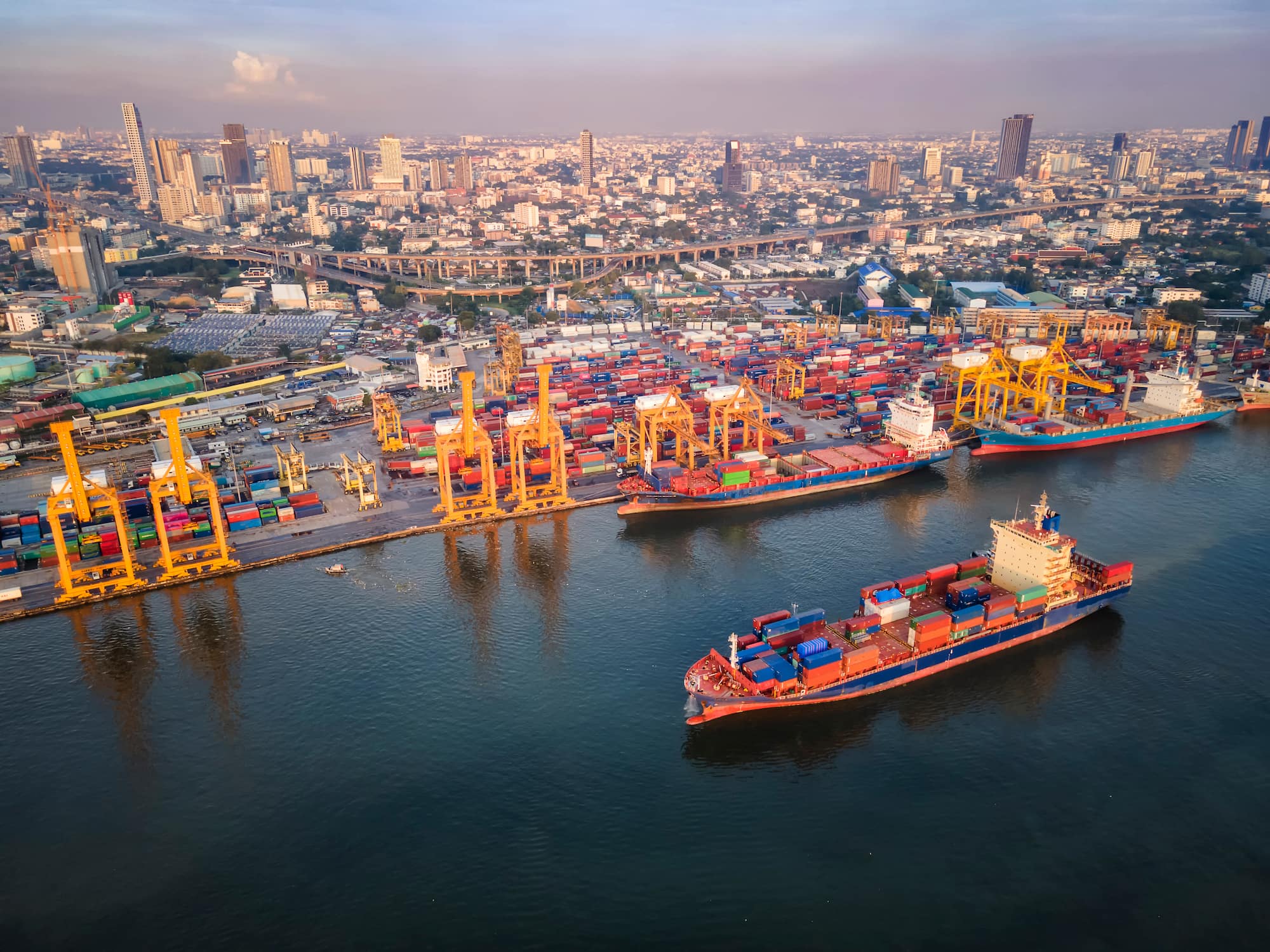
Various situations in the international shipping industry are resulting in U.S. retail imports surging. The Global Port Tracker is predicting that the import volume for December 2024 will be up 14.3% y/y. This number is 19% over the NRA’s (National Retail Association) predicted volume. The NRA also predicted that the total TEUs (twenty-foot equivalents) in 2024 will total 25.6 million. This is more than 15% of the TEUs in 2023. Scenarios from a potential port protest (that shippers avoid) and freight tariffs are causing the surge. This article will explain why importations are surging and how to prepare when importing into the U.S.
Why Are U.S. Retail Imports Surging?
Imports into the U.S. were rising before 2025 due to situations like a port strike. A contract extension between the ILA (International Longshoremen’s Association) and the USMX (United States Maritime Alliance) expired in 2025. Unresolved talks regarding wage increases and automation between the parties have increased the chances of an East and West Coast port strike on January 15th. Due to the fear of port shutdowns, shippers began importing a significant volume in late 2024, including retail freight. Although the parties reached a new contract avoiding a potential shutdown, the NRA predicts that imports will continue to rise. Another reason imports are growing is the tariff increases President Trump will introduce on the first day of office.
In particular, Trump will impose a tariff increase of 25% on all imports from Mexico and Canada. The hike will also include a 10% tax on all Chinese goods entering the U.S. Retailers import a high volume of cargo before the inauguration date to avoid potential cost increases. The customer will pay these costs. The NRF predicts that the tariffs could cost American customers $46 to $78 billion in annual spending power. To prevent the impact of tariff increases, retailers are looking for solutions like importing from different parts of the world. Various retail companies have already announced plans to reduce imports from China.
Will The Trend Continue To Rise?
Even with Trump imposing tariffs, the NRA believes the momentum will continue through the first quarter of 2024. The NRA predicts that February won’t increase much due to the Chinese New Year. An agreement reached between the ILA and USMX could also decrease the import volume by lessening urgency. Shippers must be ready to navigate scenarios like surging import volumes. When cargo growth comes into U.S. ports, this can sometimes lead to port congestion and delays. To prepare for potential disruptions, a shipper must be current with any news affecting their shipment. They can do this by constantly reading news reports and speaking to professionals.
When importing into the U.S., a shipper must also understand the regulations they must follow. Failure to know the procedure can lead to delays and loss of cargo. Due to the numerous guidelines, it may be beneficial to use the assistance of a customs broker when importing. Customs brokers are individuals or firms that act as intermediaries between importers and U.S. customs. They ensure customs clearance by offering various services like documentation, calculating taxes, and customs compliance. Brokers also educate shippers on the importation process while helping them save time. Contact A1 Worldwide Logistics at 305-440-5156 or info@a1wwl.com to speak to a broker regarding clearing your goods from customs.
by A1 WorldWide Logistics | Jan 3, 2025 | 3PL, Economic trends, Shipping Logistics
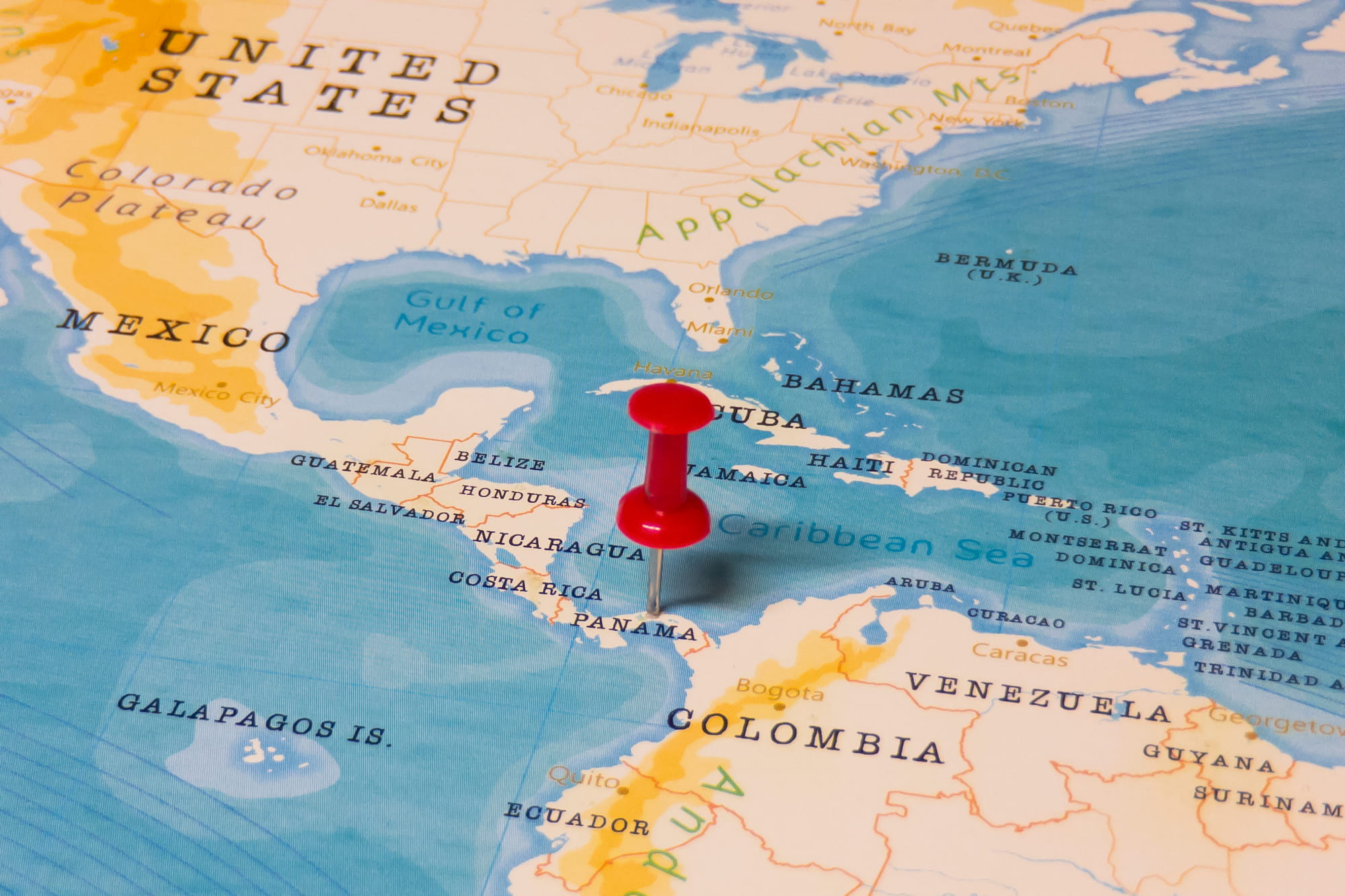
In recent social media posts, it has become clear that President-elect Donald Trump wants the Panama Canal. Trump announced that he would demand that Panama hand over its canal to the U.S. due to the “ridiculous” fees. Rates for vessels passing through have recently increased, driven by a severe drought. Since the U.S. is the primary canal user, they have faced the most significant impact. Originally a U.S. territory until 1999, the handover was a sign of Panama’s sovereignty and a vital economic symbol. Threats to overtake the canal can result in conflict between the two countries and disruptions in global trade.
Why Trump Wants The Panama Canal
One of the primary reasons why Trump wants the canal is because of the fees that Panama is charging. He believes the country imposes excessive rates for U.S. vessels to pass through. Along with costs, Trump has also cited concerns over the canal’s management and importance to the U.S. There have been growing concerns about Panama allowing Chinese soldiers to take control of the canal as well. China is the second largest canal user after the U.S., and Trump believes the country wants more significant influence. A fear is that China could embed surveillance in the canal’s infrastructure, giving critical insight into the U.S.’s logistics.
At a conference, Panama’s President Jose Raul Mulino noted that the canal belongs to his country. Mulino rebuked Trump’s claims, stating that Panama’s sovereignty and independence were non-negotiable. In the news conference, he replied, “There are no Chinese nor any other world power at the canal.” Mulino stated that experts consider factors like supply and demand when determining vessel fees. Despite the threats to take back the canal, various legal obstacles can get in the way. For example, the Neutrality Treaty states that a move to take control of the canal will breach international law and damage U.S. relationships with Latin America.
The Canal’s Importance For International Shipping
The international shipping industry considers the Panama Canal a critical cornerstone for global freight movement. It accounts for 6% of global maritime trade and 40% of annual U.S. container traffic. Due to its strategic location, it’s ideal for connecting major global markets between Europe, Asia, and the Americas. Before the canal, shipments took longer journeys along the southern tip of South America instead of the shortcut. With its importance, Trump considers the canal a critical national asset for the U.S. The canal impacts the U.S. economy, with numerous industries relying on it for swift and money-shipping shipping routes.
Being current with any situation impacting your shipment is vital when shipping goods globally. It helps the shipper take the necessary action to avoid potential delays or other unfavorable circumstances. Shippers can also benefit from using the assistance of a third-party logistics (3PL) company. 3PLs are service providers that handle various parts of a company or individual shipper’s supply chain. Some of the parts that they handle include customs brokering, international and domestic shipping, warehousing, and more. They also give the best course of action to ensure the success of your shipment. Contact us at 305-440-5156 or info@a1wwl.com to speak to a 3PL provider regarding shipping your cargo internationally.
by A1 WorldWide Logistics | Nov 27, 2024 | Economic trends, Importing, Shipping Logistics
A Monday announcement by the Trump administration revealed that President-elect Donald Trump is imposing tariff hikes on imports. On January 20th, Trump will impose a 25% tariff increase on all goods entering the U.S. from Canada and Mexico. The executive order also includes an additional 10% tariff on imports from China. Before the November 5th election, the Biden administration finalized a tax hike on China imports, which included:
- Steel and Aluminum – From 0 to 7.5% to 25% in 2024.
- Semiconductors – from 25% to 50% by 2025.
- Electric Vehicles (EVs) – from 25% to 100% in 2024.
- Batteries, Battery Components and Parts, and Critical Minerals – from 7.5%% to 25% in 2024
- Solar Cells – from 25% to 50% in 2024.
- Ship-to-Shore Cranes – from 0% to 25% in 2024.
- Medical Products – from 0% to 50% in 2024.
The Trump administration is potentially adding to the hike with talks of a 60% tariff hike for China-made imports. More recent tariffs for Mexico and Canada imports could result in a return to a trade war for the countries. During Trump’s first presidency, tensions were already high between the North American countries. In 2018, a USMCA trade agreement ended the past conflict. With Mexico and Canada being the two top trading partners, a tariff increase can significantly impact trade and resume tensions.
Why Is Trump Imposing Hikes On Tariffs?
The reason behind the sudden increase in tariffs is to stop drugs and illegal migrants into U.S. borders. “As everyone is aware, thousands of people are pouring through Mexico and Canada, bringing crime and drugs at levels never seen before.” The 10% China tariff increase is to stop the flow of fentanyl into the U.S. Another goal behind the rise is to have production come back to the U.S. By making imports more costly, customers may begin buying goods domestically. The president-elect believes creating new factory jobs will reduce the federal deficit and lower food prices. Economists have the opposite view, noting that tariffs are inefficient for the government in raising money.
What Can This Mean For International Shipping?
Due to the high traffic that the U.S. imports and exports from China and Mexico, tariffs will directly affect shipping. As previously mentioned, tensions from the trading partners may escalate and lead to other consequences. The Mexican president, Claudia Sheinbaum, said, “Trump’s threats to impose tariffs could generate inflation and job losses in both countries.” As a result of the hikes, the North American countries could soon make their retaliatory tariffs on U.S. exports. This may lead to shippers facing additional costs for importing and exporting internationally. Companies in the U.S. are already preparing for an increase in duties by reducing their sourcing from China.
Retailers and manufacturers in the U.S. that rely on outsourcing from foreign countries could soon be devastated by the hikes. Regular shippers may also feel the strain and should take preventive measures to protect their shipments. An ideal way to ensure their cargo ships internationally is by contacting a 3PL (third-party logistics) company. 3PLs provide various solutions for outsourcing a supply chain, like brokerage, freight forwarding, coordination, warehousing, and knowledge. A 3PL provider like A1 Worldwide Logistics understands what to expect when transporting cargo and guides you through the process. Reach us at 305-425-9456 or inf@a1wwl.com to determine the best course of action for your shipment’s success.

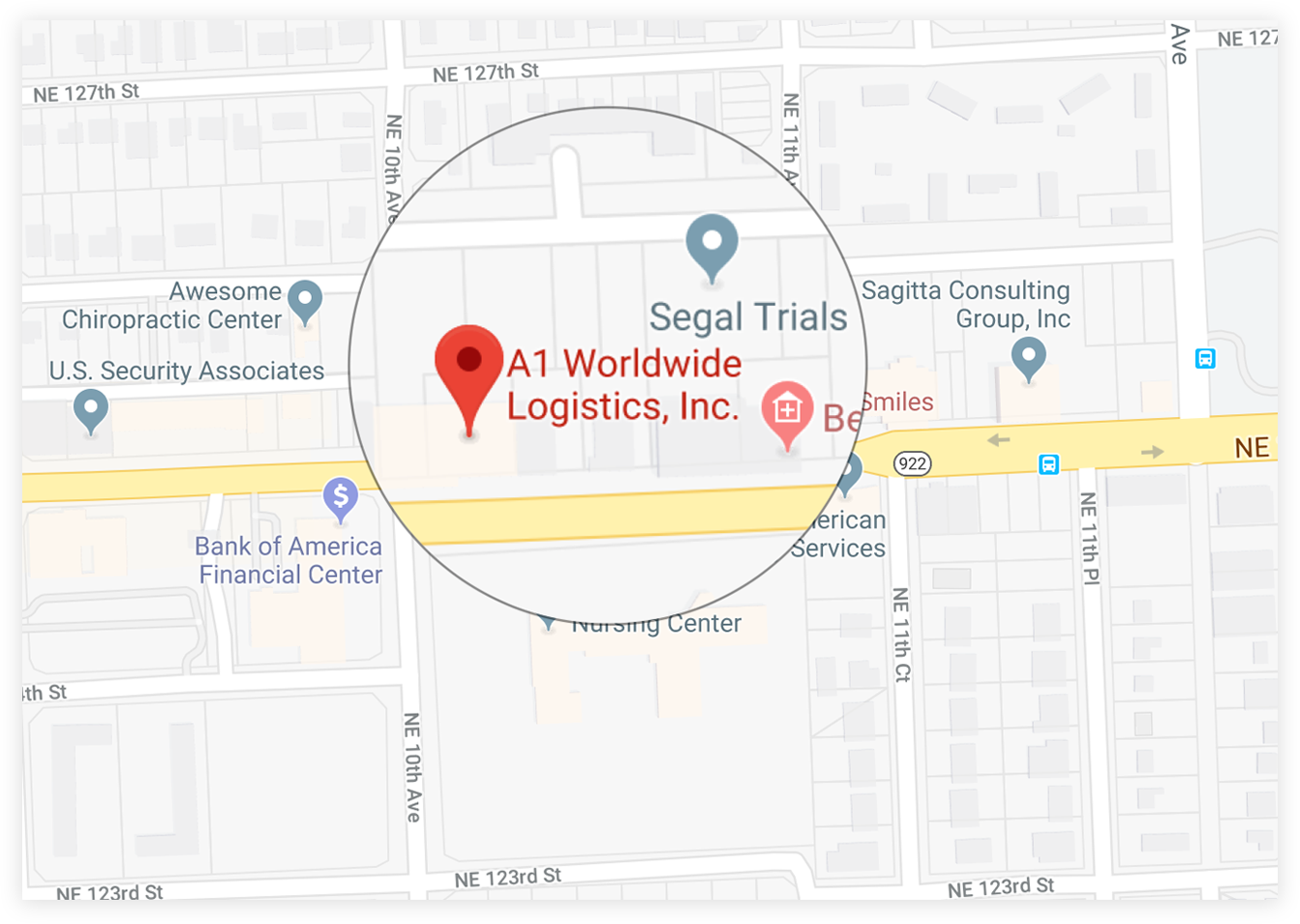
 1035 NE 125th St Suite #320, North Miami, FL 33161.
 a1worldwidelogistics.com
 (305) 821-8995
 Hours: 8AM - 5PM