
by A1 WorldWide Logistics | Jan 12, 2023 | Warehousing
In shipping, packing is taking an item from a warehouse and putting it inside a packaging material. The good is then loaded into a truck or a courier and transported to the next destination. Packing may begin when a warehouse gets an order from a business to ship a product to a client. A worker inside the warehouse will then find the correct cargo and prepare it for transportation to the customer. Before going into the truck, the freight may be wrapped, packaged, and put on a pallet. A common type of packaging used for packing is crating.
A crate is a four-sided shipping box made from various materials, including metal, plastic, and, most commonly, wood. Cargo that is fragile, easily breakable, or heavy use crates as packaging material to prevent damages. During the shipping process, bumps and bruises may naturally happen to a shipment. Trucks also tend to be loaded to total capacity, meaning the chances of heavy material damaging goods increase.
What are the P ros and Cons of Shipping Cargo in a Crate
One of the main reasons why crates are an ideal solution is because of the protection that they provide. They can withstand a large amount of weight and are difficult to break. The shape also allows for stability, which is helpful for storage and transportation. There may be downsides with crating, such as the cost. Certain types of wood may be expensive, and crates can be more costly than other packaging. Wood that is low quality also may contain toxins that might harm the goods being shipped. The supplier will disinfect and spray chemicals on the crates before usage.
Crates can also take up more space in a container than conventional packaging. Despite the cons, crating is still one of the best alternatives for packing sensitive and heavy cargo. Find a warehouse that offers this service to learn about the benefits of crating goods for a supply chain. Contact A1 Worldwide Logistics at 305-821-8995 for a quote to store your freight in our warehouse. We provide packing and crating solutions for your shipments and transport the load in and out of our facility.

by A1 WorldWide Logistics | Dec 28, 2022 | Customs Clearance, Import and Export Experts, Shipping Logistics
A customs declaration is one of the primary forms required when shipping cargo into or out of a country. This document gives details of what is being imported/exported. When moving your freight internationally, you must be aware that you need to declare goods correctly. The reasoning behind a declaration is to let customs authorities monitor what is going through a country. This way, they can protect a country against potentially dangerous goods entering or leaving.
Declaring Hazardous Materials
A hazmat is an abbreviation for a hazardous material that may risk the environment, property, or a person’s health. Freight considered hazmat is toxic or easily flammable when released into the air or dangerous when spilled into the ocean. Examples of these types of goods include:
- Radioactive materials.
- Explosives like ammunition and gunpowder.
- Pest control and insecticide products.
- Flammable liquids like paint and alcohol.
These goods follow unique precautionary methods when being handled. A shipper must fill out the dangerous goods declaration form before the goods leave the country. It is also crucial to research if the specific freight shipped is allowed entry into the destination country.
What to Know Before Shipping Hazmat
Before shipping Hazmat, it is crucial to classify the freight according to the IMDG code. The International Maritime Dangerous Goods Code, or IMDG, is an international guide for classifying dangerous goods. The IMDG segregates cargo into nine different classes according to its risk type. For example, class 1 is explosives, and class 8 is corrosives. The nine classes each have their subdivisions grouping the substances. Classification is further separated into packing groups, UN Numbers, and shipping names.
A Packing group is the grouping by the level of risk and ranges from group one being the most dangerous to three being the least. When packing the hazmat, it is essential to understand the correct way to fill it. This can vary depending on the type of freight. The labeling of the class should be accurate and visible on the packing. Loaders should follow particular guidelines when loading the goods unto the container. Certain hazmat can be segregated from the rest of the freight, and the carrier places it under specific temperature requirements.
The Consequences of not Declaring or Labeling Correctly
Not declaring or labeling a shipment properly may result in a monetary penalty or repossession. More importantly, it can lead to putting others at risk. If a Hazmat goes unnoticed when packing, it may not get administered the proper handling. Without the correct handling, leakage or deterioration could occur. In a worst-case scenario, it may even explode and cause harm.
In most cases, when freight goes through customs, the authority will not open the package to check what is inside. They will go by the documentation and labels on the packaging. If you need assistance declaring goods or importing into the U.S., contact A1 Worldwide Logistics at 305-821-8995. We have customs brokers ready to guide you through the shipping process and ensure that you label cargo correctly.

by A1 WorldWide Logistics | Dec 6, 2022 | Customs Broker Miami, Customs Clearance, Import and Export Experts
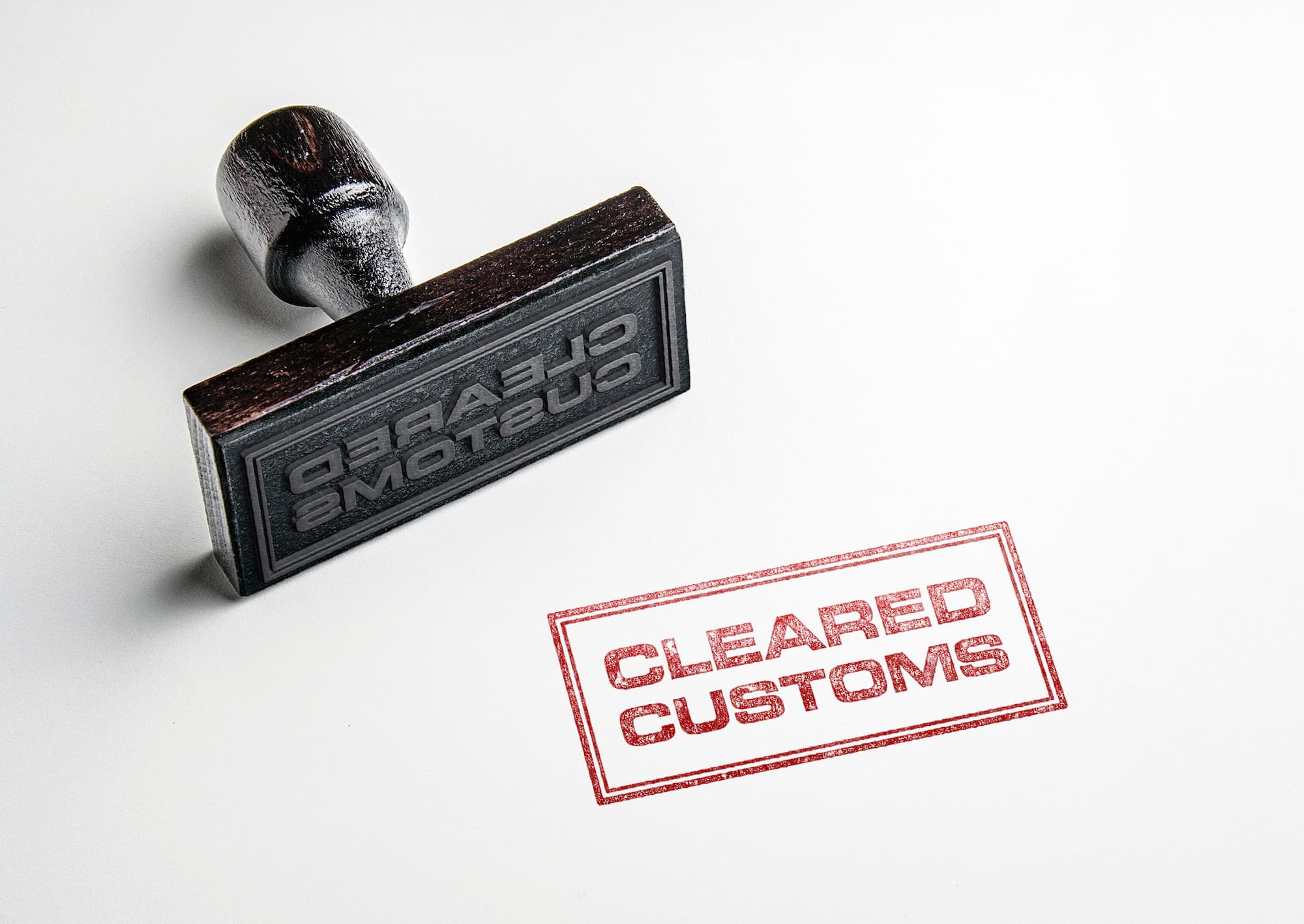
A common term constantly heard in international shipping is Customs Broker. Customs brokers are licensed corporations, partnerships, and private individuals who arrange importers’ customs clearance process. When a shipper brings cargo into a country like the U.S., it has to go through Customs and Border Protection (CBP). CBP aims to protect its nations’ borders by facilitating lawful travel and trade. Due to the need to safeguard, many regulations may involve getting goods through customs. The rules and complexities can make customs clearance an obstacle for businesses participating in global trade.
Benefits of having a Customs Broker
Although customs brokers are not lawfully required, having one can mean many advantages for your shipment. Some of the benefits include:
Customs Clearance
Shipping goods into a country like the U.S. requires the shipper to follow all the guidelines. Customs clearance involves sending accurate and correct paperwork to customs on time. Incorrect documentation sent to customs can result in a hold on your cargo, leading to extra import charges. A customs broker can help provide shippers with the correct documentation and even coordinate the release for the importer.
Time
A broker reduces the time it takes to file the correct documentation and present it to an agency. This, in turn, speeds up the customs clearance process. Saving the time it takes for customers to receive their product is advantageous for businesses that constantly move freight. Trusting the cargo importation to a customs broker can also let the importer focus on other parts of their business.
Knowledge
Laws for bringing goods into a country constantly change and can be challenging to keep track of. Not only is a customs broker informed of new regulations, they know previous guidelines and how the process works. They are ideal for first-time shippers who may not know what to expect when moving their goods. Using a broker can also prevent penalization for not following regulations or holding cargo in customs.
Cost
A customs broker can help prevent unnecessary expenses for a shipper and reduce business shipping costs. Due to the extensive amount of regulations that shippers must follow, they may overlook some costly aspects. For example, the Harmonized System requires that all goods imported into the U.S. are classified correctly. Misclassification can result in fines like fraud which is not favorable if you are a business that wants to import. A broker’s main job is to prevent these situations from happening.
A1 Worldwide Logistics
While international shipping can be complex and daunting for new and experienced shippers, the benefits outweigh the risks. The potential monetary gain and expansion of one’s business are possible when moving goods globally. However, it is crucial to be fully prepared, and the preparation is done by using a customs broker. For more information on importing to the U.S. or if you need a customs broker, contact us at 305-821-8995. Our experienced brokers will guide you throughout the process and ensure your cargo is successfully brought into the U.S.

by A1 WorldWide Logistics | Oct 6, 2022 | Shipping Logistics, Supply Chain, Warehousing
In the logistics of transporting products to clients, there are two common steps that nearly all businesses go through. These steps are picking and packing, and most companies that own or rent a warehouse do them. While the customer may not be familiar with these two processes, one mistake can affect the whole delivery unfavorably. Picking is when a warehouse worker takes a product from storage and transfers it for packing. Packing is when the picked item is sealed and labeled to be shipped by the warehouse to the client. An example to demonstrate when these processes take place is shopping in an e-commerce business.
After searching through a website, customers find something they like and buy the product. The website then sends the order to a warehouse or fulfillment center, usually in the form of a packing list. A warehouse worker then searches for the order in the inventory and brings it to a packing station. The order is packed and labeled in the station and then delivered to the customer. A different type of packing is crating, when workers pack goods into wooden crates. Crating is typically done for valuable goods that damage easily; the crates can also be metal or plastic.
What Can Go Wrong
Due to countless companies’ need for picking and packing, errors may sometimes occur. Since these processes are estimated at 45% of warehouse operating costs, a small mistake may broadly impact the supply chain. One of the more common mistakes is incorrect inventory. For example, an order is sent to a warehouse, and the warehouse’s stock records are inaccurate. The picking, packing, and delivery process can delay if the demand exceeds the stock. Missing details on inventory, such as weight and size, can also lead to unsecure packaging and damages.
A shipper usually outsources packing and picking to a third-party logistics warehouse due to the training and equipment purchasing involved. Contact A1 Worldwide Logistics at 305-821-8995 to find out how our warehousing solutions can streamline your supply chain. Along with packing and picking, we offer many other services like public warehousing, cross-docking, and trans-loading. Our warehouse is also insured and secured, meaning you can store your shipment for five years without paying taxes.

by A1 WorldWide Logistics | Sep 28, 2022 | Freight Forwarding, Supply Chain, Transportation, Warehousing
Warehousing services have evolved over the past decades to meet the customer’s needs. Two solutions that have grown into essential pieces of the supply chain puzzle are cross-docking and trans-loading. Both of these services help streamline supply chains and reduce costs; however, they differ in how they accomplish this. Here you will learn which one is best for your shipping goals.
Cross-docking
When containerized cargo reaches a warehouse, cross-docking is the unloading of the shipment from one truck to another. When the lumper unloads the freight, it is not stored away or re-palletized and stays briefly before being loaded onto another truck. Speed is a critical factor since customers expect their goods on time. An example of a cross-docking user is a smaller-sized company that wants to have leverage on a larger company. Another significant usage of cross-docking services is to move perishable goods like meat and fruits in a quick manner.
There are many benefits to cross-docking, and one of the most important is saving time. Since the goods are already palletized, they may be immediately transferred to a truck and moved to the next destination. This removes the requirement of storage space which also helps the shipper save time and money. Transport costs are saved by having an FTL shipment arrive at a facility and broken down into smaller LTL shipments. Reduced handling times help lower the chances of damage and theft.
Trans-loading
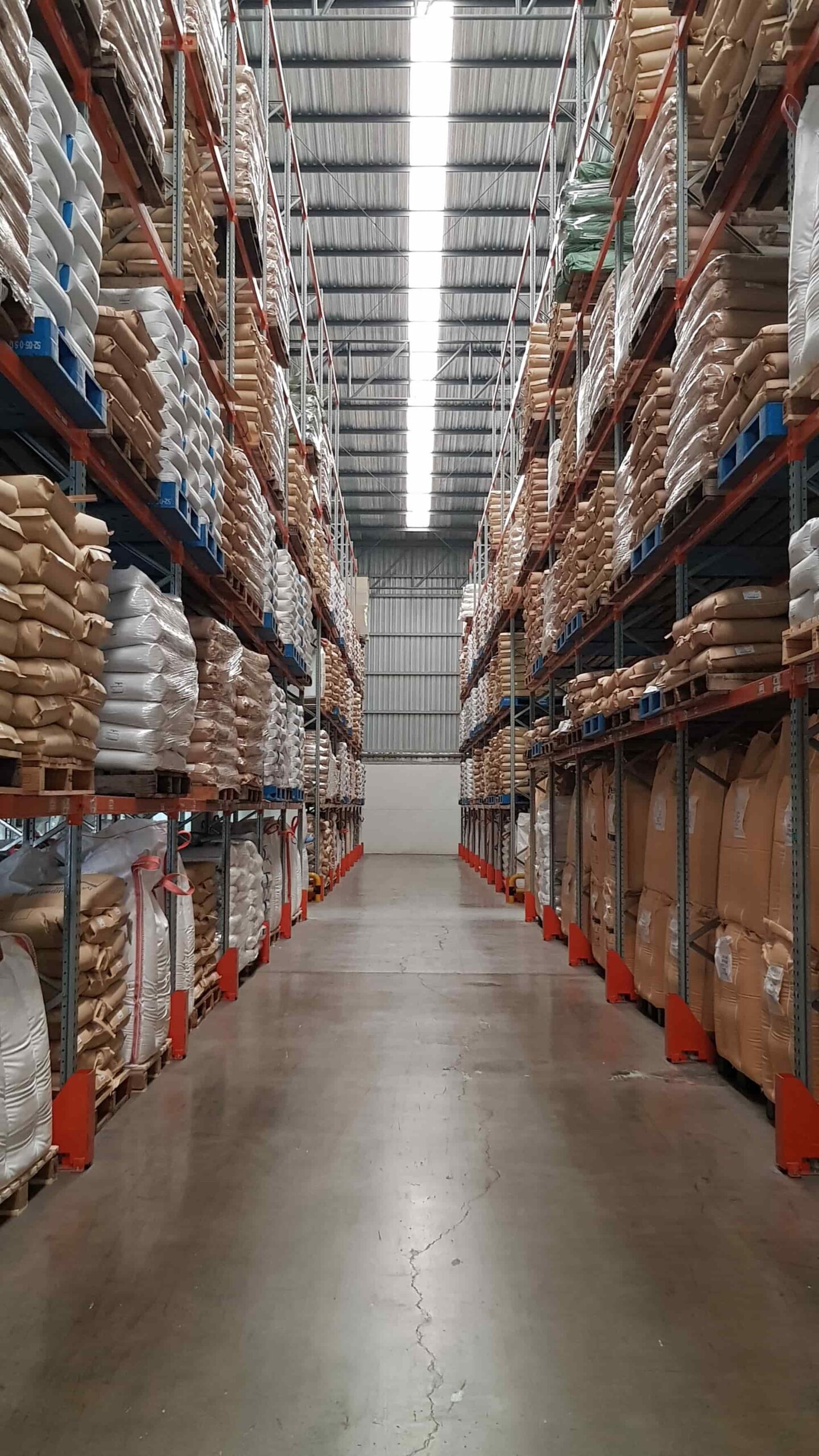
 Trans-loading is moving freight from one mode of transportation to another. Unlike cross-docking, which is only truck to truck, trans-loading is transporting cargo between trucks, rail, ships, or planes. An example can be when a containership arrives at a port and is moved to a warehouse by truck. The warehouse is the trans-loader that may sort, pack, and palletize the freight before being reloaded and moved again. Trans-loading differs from intermodal transport since the cargo does not stay in the same container the entire journey.
Trans-loading uses more modes of transport than cross-docking, and freight may be re-palletized and stored, unlike cross-docking. It also has several benefits in a supply chain. A shipper saves transport costs since multiple smaller shipments are consolidated into one trailer and have a single journey. Warehouses that offer trans-loading services also usually have storage space for cargo. If the shipper plans to sell the goods, they may store them away until they find a customer. The overall supply chain is also streamlined since the trans-loading facility breaks down and delivers the goods on-site.
Having the trans-loading activities for multiple shipments done on-site is quicker than going to a separate distribution facility. Along with cross-docking and trans-loading, A1 Worldwide Logistics offers various other solutions for your warehousing needs.
Contact us at 305-821-8995 or write to info@a1wwl.com for a free quote and to enhance your supply chain.



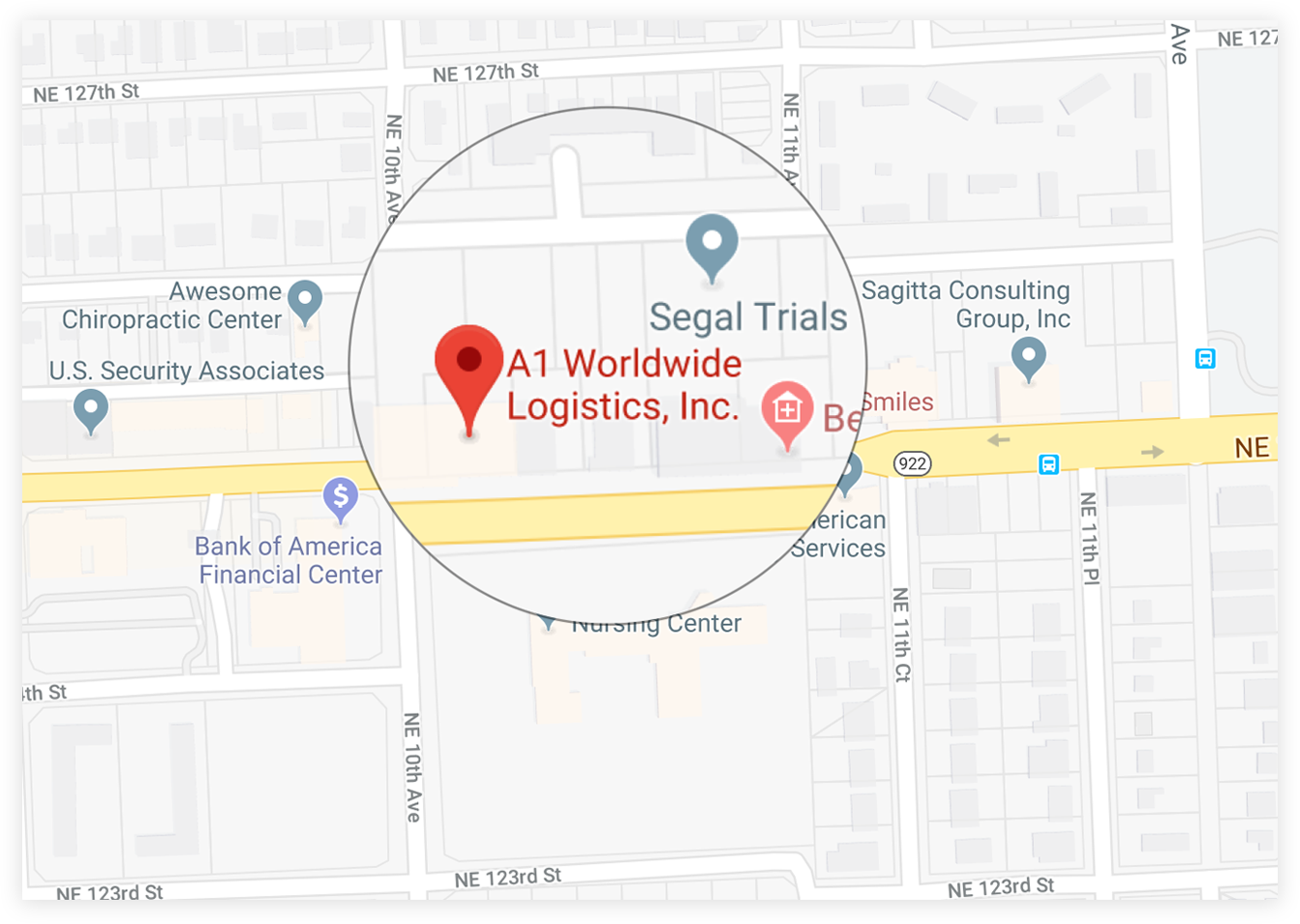
 1035 NE 125th St Suite #320, North Miami, FL 33161.
 a1worldwidelogistics.com
 (305) 821-8995
 Hours: 8AM - 5PM