by A1 WorldWide Logistics | Jul 18, 2023 | Freight Forwarding, Shipping Logistics, Supply Chain
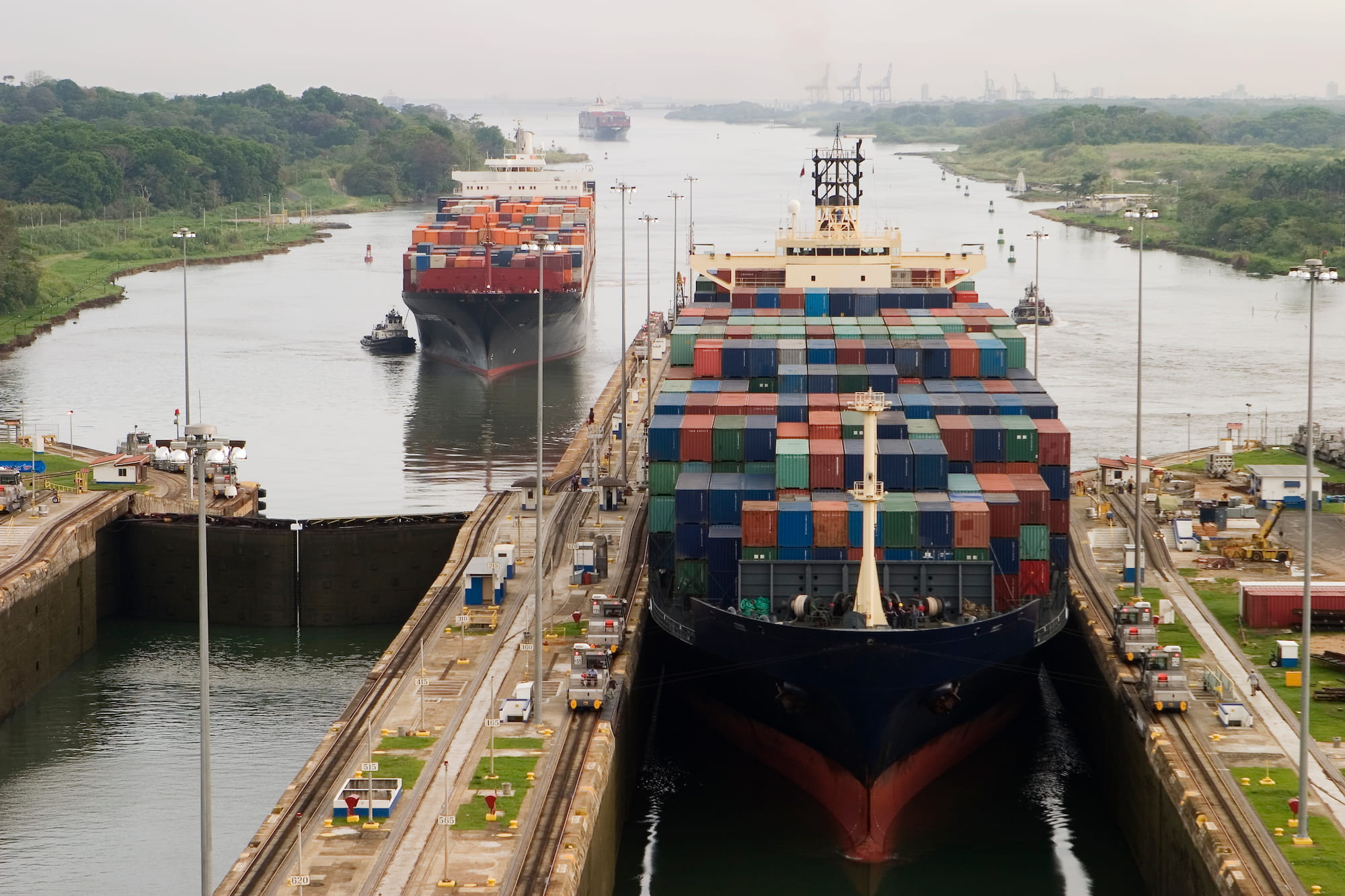
A recent drought has led to the Panama Canal facing restrictions. The Panama Canal is an artificial passageway that connects cargo ships to the Atlantic and Pacific oceans. It is a crucial shortcut that cuts shipping journeys by thousands of miles. Since June 5th, limits have been placed on the canal due to recent climate changes causing a drought. While dryer weather tends to happen every five years in Panama, the span has reportedly sped to three years. The levels of dryness have also rose, with 2023 being the driest year on record since 1950. Panama’s national government has declared an environmental emergency due to minimal rainfall in the past months.
What are the Restrictions
Draft limits for carriers passing through the Panama Canal have recently been cut to a maximum of 44.5 feet (13.56m). Canal officials will also reduce the draft limit to 43.5 feet (13.26m) on June 25th. The standard draft maximum in the Panama Canal is 50 feet (15.24m). A boat draft is the vertical distance between the waterline and the deepest boat point. The canal’s restrictions are in place to determine how deep the vessel can float in the water. Boats meet the guidelines by transporting less weight, which is accomplished by shipping fewer containers. Neopanamax vessels, which were permitted entry at the creation of the third set of locks, are the only type affected by the rules.
The last severe drought in the Panama Canal was in 2019-2020. Climatologists forecast that the dry conditions will continue to grow with the El Nino weather pattern arriving soon. El Nino tends to bring drier and warmer climates Across most of Central America. When the phenomenon hit Panama in 2015, the ACP (Panama Canal Authority) reported a revenue loss of $40 million. The ACP has warned that if conditions worsen, they will lower the number of daily crossings. The current number is 35 vessels daily, which may drop to less than 32.
What Does The Panama Canal Facing Restrictions Mean For Supply Chains
The Panama Canal is a crucial global trade route and a significant passageway for supply chains requiring international shipping. It is an ideal shortcut in maritime container transportation and beings in over $2 billion yearly for Panama’s economy. With some of the largest carrier companies transporting through the canal, restrictions may significantly impact supply chains. In the past, the charges led shippers to look for other routes to ship their goods when dryer conditions occurred. Specific carriers have already started applying surcharges for containers entering the U.S. East Coast from Asia.
While the shipping world can be unpredictable, it should not stop you from growing your supply chain. Shippers should, however, be up to date with any changes or new regulations in the industry. The importer/exporter should also take precautions to prevent any mishaps. Having a freight forwarder coordinate the shipping process for you is the best way to ensure secure freight movement. A forwarder guides you through the entire transportation journey from start to finish while educating you along the way. Contact A1 Worldwide Logistics at 305-821-8995 to speak to our export freight forwarders regarding the movement of your cargo internationally or domestically.
by A1 WorldWide Logistics | Jul 3, 2023 | Delivery, Freight, Shipping Logistics
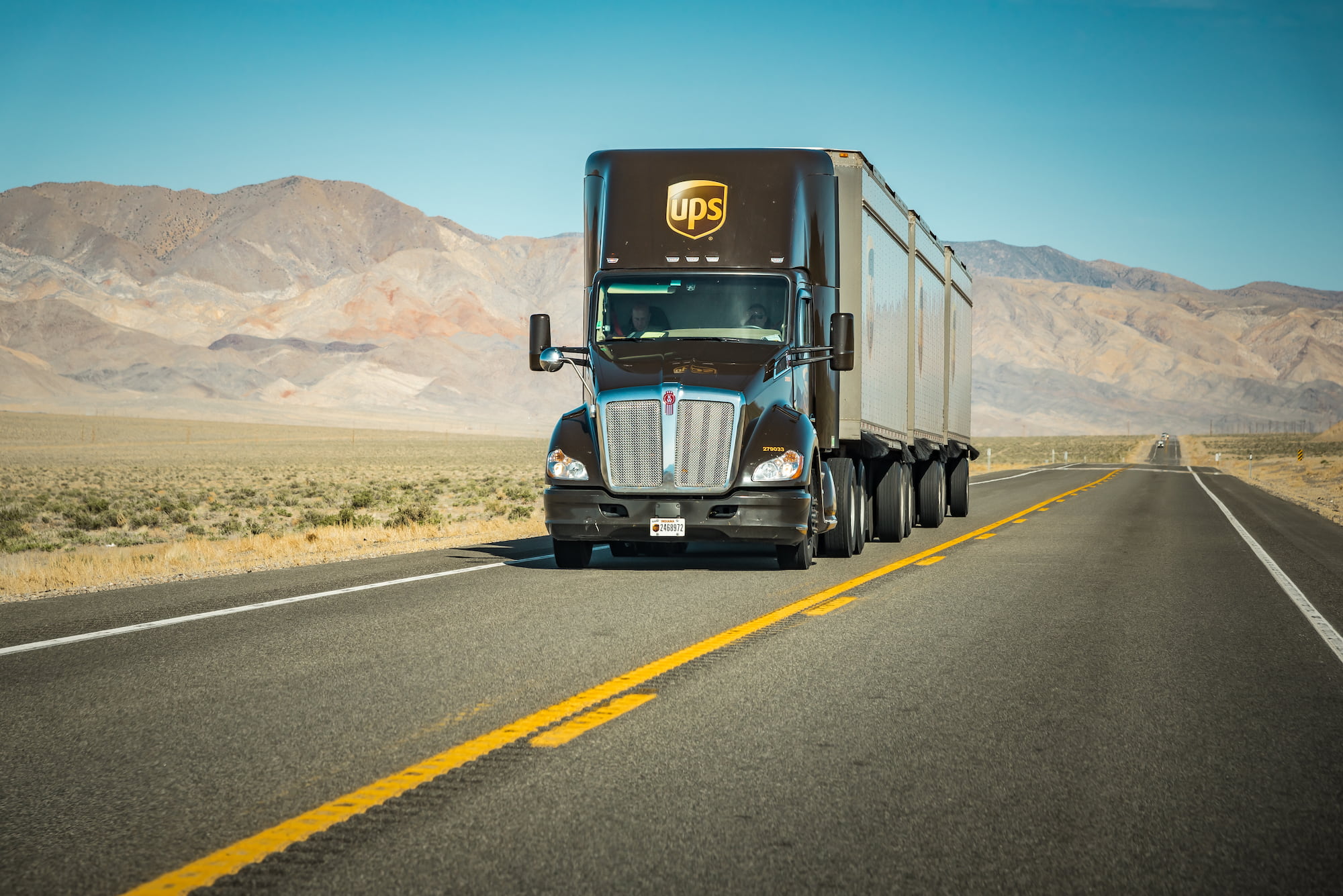
After months of back and forth, UPS vows to reach deal with Teamsters by July 5th. UPS (United Parcel Service) is the largest package shipping company in the U.S. in terms of volume. Recently unsatisfactory contract negotiations between UPS executives and workers have reached a point where a strike was looming. The workers are part of Teamsters, an extensive union of freight drivers and warehouse laborers in the U.S. More than 340,000 UPS employees comprising the Teamsters Union have been negotiating a contract reflecting their work. Last week, 97% of Teamster members voted to protest if UPS did not achieve a compromise.
With the amount of Teamsters workers in UPS, a walkout could be the largest single-company strike in U.S. history. The Teamsters General Secretary-Treasurer noted, “Our members are the backbone of UPS, and they are the reason this corporation hauled in more than $100 billion in revenue just last year.” Along with higher wages, the negotiated contract ended harassment from management and forced overtime. The conversations also brought up the elimination of a two-tier wage system and heat mitigation efforts for drivers. UPS vans that delivers drive do not come equipped with air conditioning, which Teamsters workers are demanding to install.
UPS Vows to Reach Deal by July 5th
One of the reasons why talks between the UPS and Teamsters have not gone so smoothly is due to contract ramifications. A new contract with higher employee pay can lead to UPS finding ways to offset the monetary losses incurred. This could mean looking for larger-sized clients like businesses compared to individuals. A slowing economy and recent inflation are also concerns for UPS if the parties ratify a new contract. With demand predicted to continue slowing throughout the end of 2023, deciding to charge higher rates can have negative effects. UPS’s competitor FedEx, which is currently taking out billions to potentially offer lower rates, may seem more attractive to customers.
On Friday, June 30th, Teamsters announced that UPS planned on reaching a contract agreement by July 5th. The announcement was made before the current 5-year national contract expires on July 31st. With the potential of a strike from Teamsters happening if no resolution is reached, this comes as positive news. A strike not only affects UPS, customers, and the economy feel the impact because of the size of UPS. Teamsters, however, noted that they will have a walkout on August 1st if UPS doesn’t reach an agreement by then.
What Can This Mean for Your Goods?
With over 17 million domestic packages delivered daily, a strike could drastically impact UPS’s customers. As mentioned, a new contract with higher labor costs leads to greater money loss for UPS. To compensate, UPS may begin charging higher rates and surcharges to their customers. A main concern is that UPS may lose customers if shipping becomes more expensive due to the current cost-sensitive market. Customers who ship globally could switch to alternatives like freight forwarders to ship their cargo. If you plan on exporting from the U.S. to anywhere internationally, contact A1 Worldwide Logistics at 305-821-8995 for assistance.
by A1 WorldWide Logistics | Jun 21, 2023 | Supply Chain, Transportation, West Coast Protests
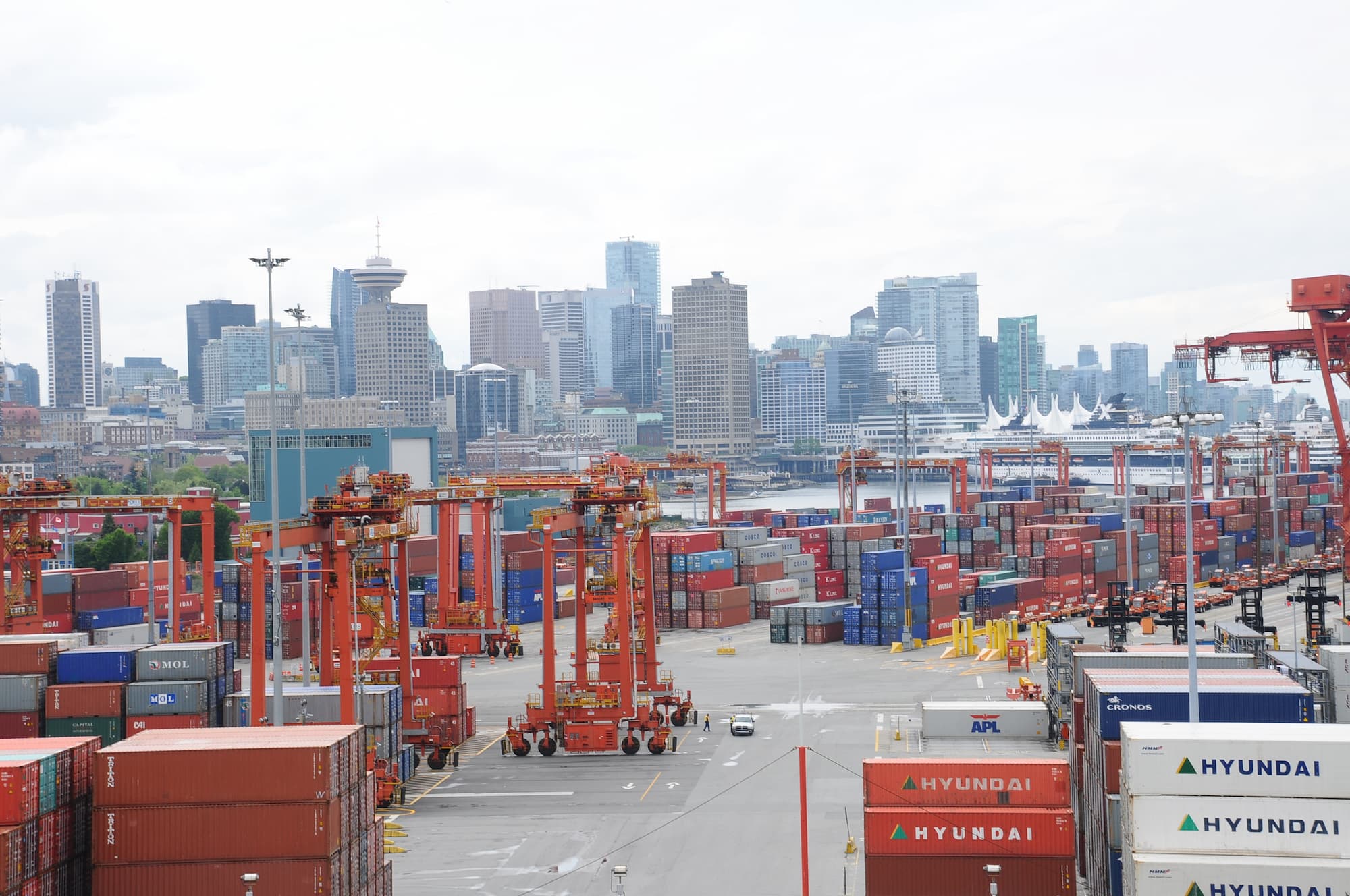
Disruptions in numerous West Coast ports across the U.S. may soon subside as the ILWU and PMA reach a deal. ILWU workers and the PMA (Pacific Maritime Association) have negotiated a new contract for the past 13 months. After over a year of unsuccessful talks, the ILWU voiced their displeasure by protesting and walking off seaports. Terminals in the ports of Long Beach, Los Angeles, Seattle, Oakland, Hueneme, and Tacoma were all impacted by limited employees. As containers piled on terminals, outbound and inbound dwell times spiked. In five major West Coast ports, average dwell times increased to 13%. The Port of Tacoma’s dwell time reached nearly 87%.
Disagreements in contract talks resulted in terminal shutdowns and the complete closure of specific ports. The Port of Seattle closed completely on June 10th due to insufficient ILWU dockworkers showing up to work. Along with conflicts resulting from inadequate wages, health and safety concerns were also in the conversations. Reportedly 43 ILWU workers died during the coronavirus pandemic, with over 13 dying from covid. As shippers started to pay attention to the disruptions, they began shipping cargo to East and Gulf Coast ports. Even when the negotiations started, West Coast Ports experienced close to a 15% market loss due to the transition.
ILWU and PMA reach Deal
The deal was announced as a “tentative agreement,” meaning the parties have not officially ratified it. However, the agreement is on a new six-year contract which is currently subject to changes. The president of the PMA, James McKenna, notes that the contract “recognizes the heroic efforts and personal sacrifices of the ILWU workforce in keeping our ports operating during the pandemic and supply chain crisis.” The ILWU president said that the ILWU will now return to entirely focusing on West Coast port operations. The cooperation between the PMA and ILWA is vital with the peak season approaching soon.
The Peak Season
The peak season in shipping is the busiest time for international cargo movement when the demand is the highest. From mid-August to near Thanksgiving, many industries experience a high amount of orders, meaning a greater volume of shipments moved. The number of vessels importing containers into West Coast ports has already risen, similar to pre-covid levels. Los Angeles and Long Beach ports had 58 ships en route on Monday compared to 46 a month prior. A deal reached between the ILWU and PMA becomes gradually important as more cargo starts to be brought in. A shutdown of some of the biggest ports in the U.S. can impact a higher amount of supply chains.
As West Coast ports return to normal operations, businesses that ship internationally benefit from fewer disruptions. This is especially true with the peak and holiday seasons approaching rapidly. A way to ensure your shipment is successful is by hiring a logistics company to handle the process. Logistics companies coordinate your goods’ movement and take over other parts of your supply chain. Having extra services can be beneficial in getting and retaining customers as well as growing your business. Contact A1 Worldwide Logistics at 305-821-8995 to learn about our solutions for helping you navigate the global shipping industry.

by A1 WorldWide Logistics | Mar 24, 2023 | Warehousing
A common topic brought up when discussing supply chain warehousing is distribution. Distribution is transporting stored products or goods to a location for order fulfillment. While specific distribution centers exist, standard warehouses may also provide this solution. The reason why distribution services are so vital to supply chains is the value they add. Some of the solutions include:
One of the main differences between regular warehouses and facilities that provide distribution is the time inventory is stored. Standard warehouses are designed to house goods for more extended time frames. Since the key purpose of distribution centers is order fulfillment, cargo tends to stay for shorter periods. A warehouse that provides distribution services can include short-term and long-term storage times and order fulfillment.
How do Businesses Benefit from Distribution?
Medium-sized businesses that sell products to customers are one of the primary users of warehouse distribution services. This is due to the work and costs of having your own distributing facilities. Outsourcing the services to a 3PL warehouse can help the business save money and focus on other parts of the company. Distribution warehousing can also be ideal for businesses that want to maintain strong customer relationships. One of the main ways to maintain a solid customer relationship is by having efficient and consistent distribution.
Another type of business that benefits significantly from distribution warehousing is e-commerce. As buying goods products online grew, especially in the last few years, so did the need for order fulfillment services. Companies that relied on e-commerce quickly saw how distribution warehouses could fulfill customer orders. Online purchases are instantly sent to the warehouse, where the order is processed and picked from stock. Then the goods are packaged and prepared to be transported out of the facility. The freight may then be moved to a department store or directly to the customer.
Many warehouses that provide distribution services are also customs bonded. This is a secured building where imported goods could be held for five years without paying taxes. Importers can benefit from storing their goods while they make the capital to pay for the cargo. Businesses can also store freight while they look for customers for their freight.
If you are looking for a warehouse, contact A1 Worldwide Logistics at 305-821-8995. Along with distribution services, our bonded facility will allow you to store your cargo without the payment of duties.
by A1 WorldWide Logistics | Apr 12, 2022 | Freight Forwarding, Shipping Logistics, Supply Chain
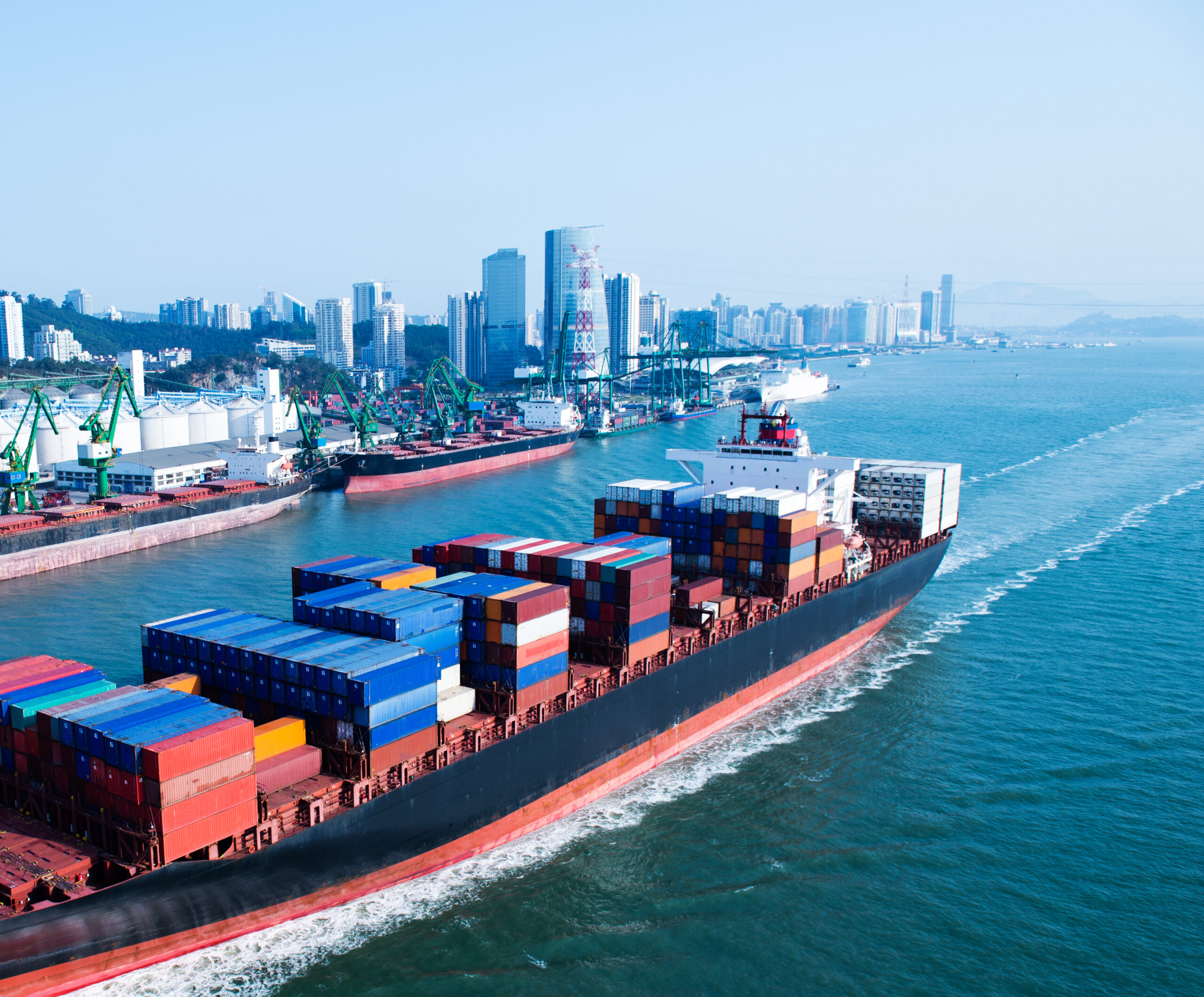
Several districts in China have been on lockdown for the past few weeks due to Covid, and the impact is now being felt on global supply chains. As outbreaks began to surge in Shanghai, the lockdown has lengthened until further notice. This was after an announcement of 16766 positive coronavirus cases on April 5. Even before the lockdowns returned to China in March, many supply chains worldwide struggled to keep up with the overwhelming demand. With some of the world’s biggest ports being shut down, global supply chains may feel more significant stress.
In the past few years, the demand for shipping internationally has risen significantly. After the coronavirus made its way worldwide, ordering goods online instead of driving to a store became more common. When goods are bought online, they tend to be transported from different countries like China. While the number of goods shipped rose, the coronavirus was still present. Limited workers, lockdowns, and other effects of the coronavirus started to show in the supply chains of different companies globally.
How does this impact supply chains
One of the leading exports out of ports like Yantian and Shanghai located in China are electronic products. Manufacturers that create electronic products for large companies like Apple, Tesla, Samsung, and others are being forced to suspend operations. Foxconn, an electronics supplier to Apple, has recently announced that it will pause operations in Shanghai. Since Foxconn is one of Apple’s biggest suppliers, this may lead to product shortages in the next few weeks. The supplier outages will affect the supply chains of Apple and dozens of other electronics companies as well.
Companies have decided to move their manufacturing facilities away from lockdown zones to keep supply chains going during the current lockdown. However, the goods still have to be transported to the ports by truck. Not only are several highways shut down in the lockdown zones, but truck drivers also have to test negative for Covid a certain period before bringing containers to the ports.
Not only will the lockdowns affect production, but the shipping of the products as well. Because many ports in China are shut down, shipping orders can become delayed. China has some of the most prominent ports in the shipping world and many orders may be backlogged. This could mean that ports in Europe and the United States will increase inbounding cargo in the near future, further growing congestion in those ports. The ports in the Los Angeles area saw their fair share of issues last year. From equipment shortage to the backlog of vessels stuck at the ports, the lockdowns in China may prolong the challenges.
A1 Worldwide Logistics
Although different supply chains may be strained at the moment, the world of shipping is continuing. Freight is still being moved internationally. However, much greater precautions than usual may have to be taken when transporting goods. You must be informed of what to expect. If you need assistance with any part of your supply chain, contact A1 Worldwide Logistics at 305-821-8995. Our services include international shipping, customs clearance, trucking, warehousing, etc.

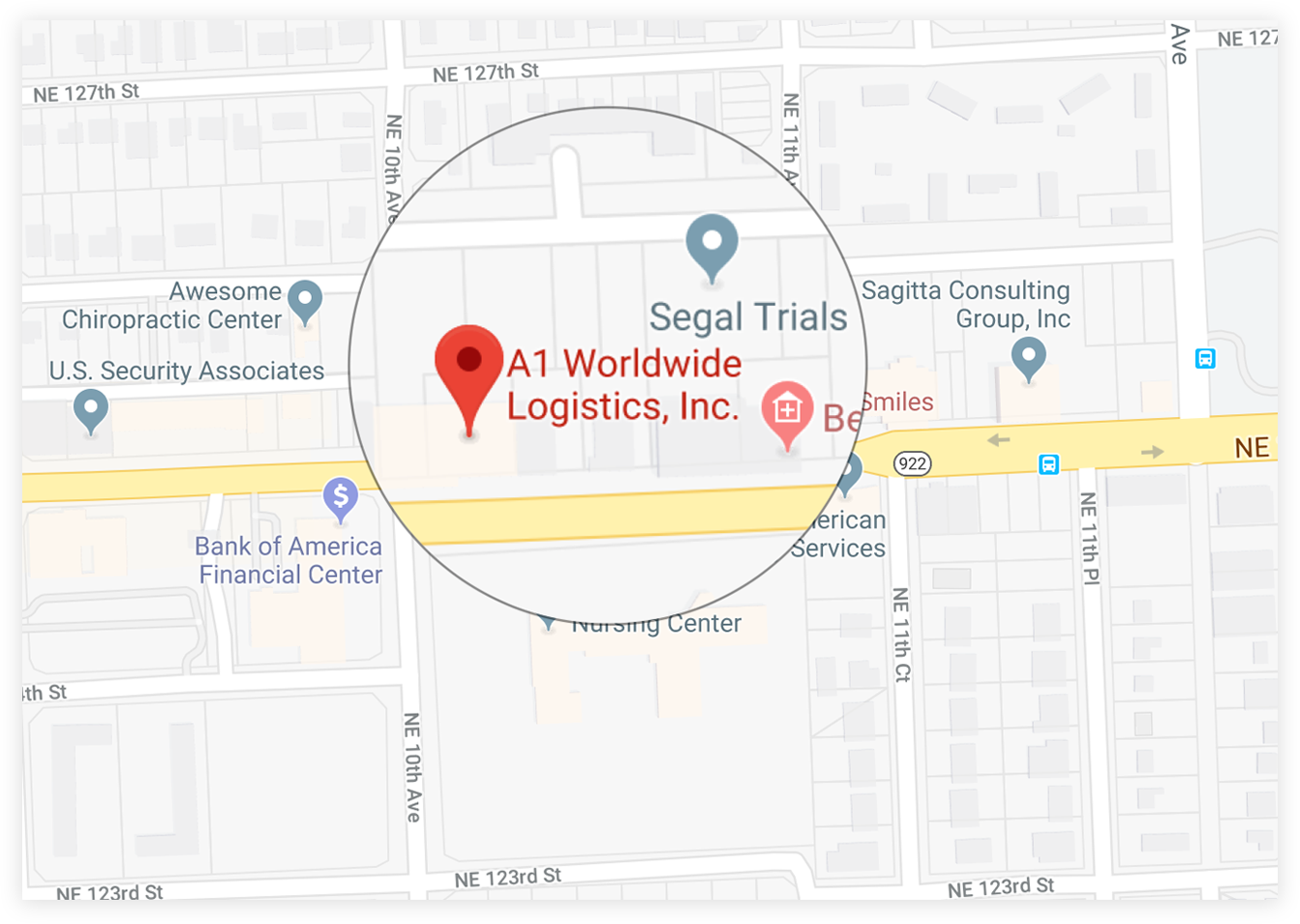
 1035 NE 125th St Suite #320, North Miami, FL 33161.
 a1worldwidelogistics.com
 (305) 821-8995
 Hours: 8AM - 5PM