by A1 WorldWide Logistics | Jan 7, 2025 | Customs Broker Miami, Customs Clearance, Freight Forwarding
Aunque Florida es conocida por sus hermosas playas y su clima cálido, también es reconocida como una puerta de acceso a los mercados internacionales. La ubicación de Florida no solo es ideal para el comercio con América del Sur y el Caribe, sino también para Asia. El Canal de Panamá se encuentra a una distancia que acorta el tiempo que los envíos globales tardan en llegar a Florida. En 2016 se abrieron las esclusas Neopanamax, lo que permitió que barcos más grandes y embarcaciones de lugares distantes como Asia pudieran pasar. China, siendo el país más grande exportador del mundo, también se ha beneficiado de la ubicación de Florida. Se estima que $55.5 mil millones en carga fueron enviados fuera del estado en 2021.
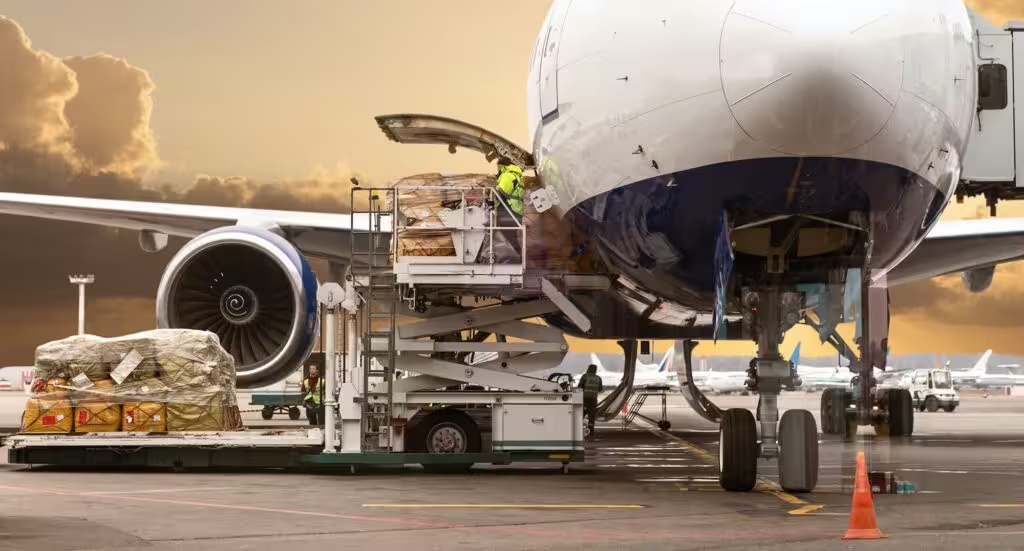
La industria de transporte de carga en Florida ha prosperado gracias a los muchos métodos de transporte disponibles para mover los envíos. Florida cuenta con 19 aeropuertos comerciales, 21 zonas de comercio exterior, 15 puertos marítimos y diversas líneas de ferrocarril ubicadas en todo el estado. En 2019, Florida movió 912 millones de toneladas de carga por un valor superior a los $1.1 billones en su sistema de carga. La posición del estado beneficia a los agentes de aduanas y transportistas al permitir soluciones que agilizan las cadenas de suministro. La creciente población de Florida ha aumentado el volumen de carga movida hacia y desde el estado cada año.
El puerto de Miami y el Aeropuerto Internacional de Miami
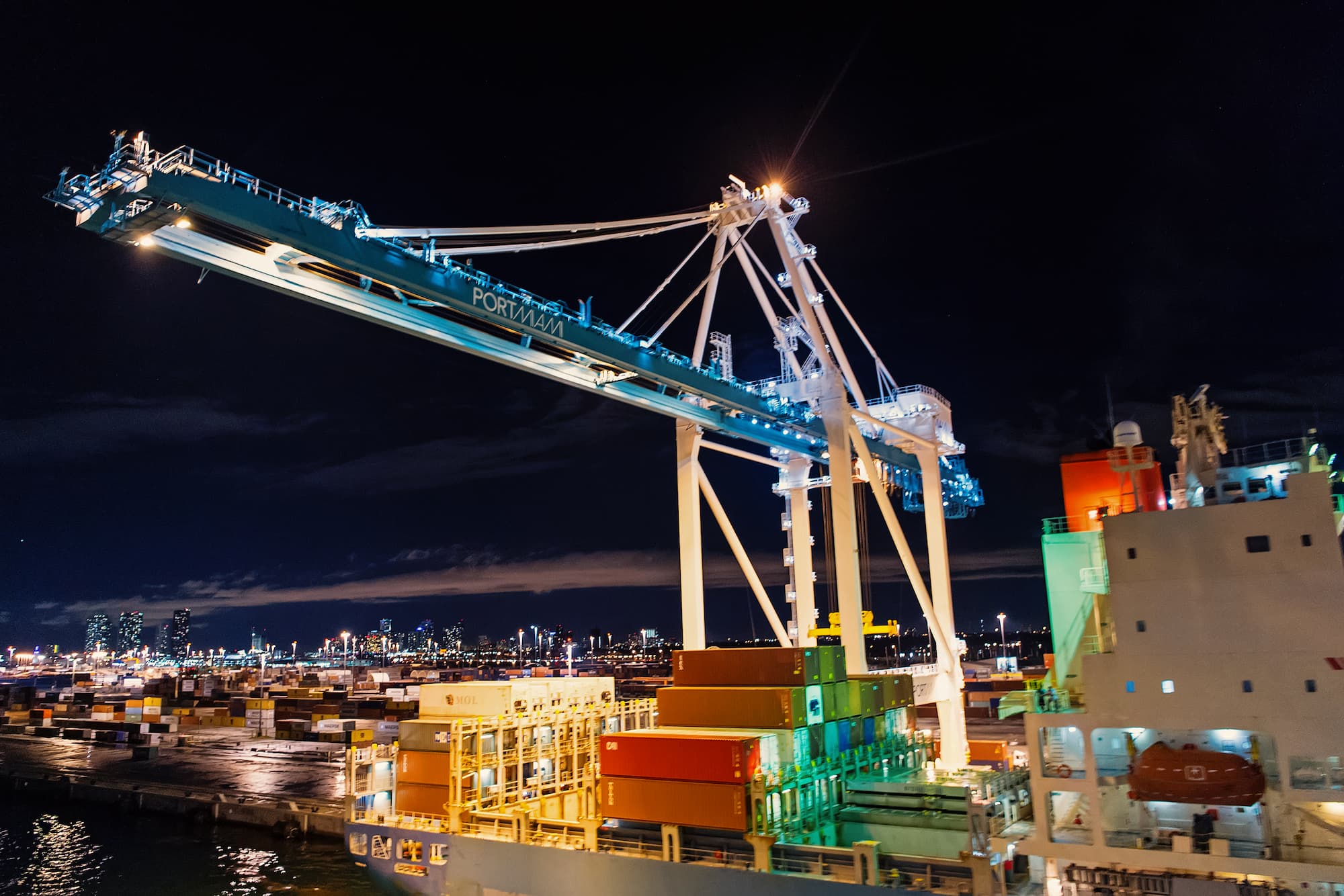
Miami es una de las ciudades más importantes de Florida para el transporte de carga por aire y mar. Dos grandes contribuyentes al éxito del transporte de carga en Miami son el Puerto de Miami y el Aeropuerto Internacional de Miami. Con una capacidad TEU de 1,220,000, el Puerto de Miami es uno de los diez puertos más grandes de EE.UU. Como referencia, un TEU (equivalente a veinte pies) es una unidad de medida para la capacidad de carga de un contenedor de veinte pies. El Puerto de Miami también es el único puerto del sureste que permite el paso de embarcaciones post-Neopanamax. Los tipos más comunes de carga exportada incluyen jugos de cítricos, pomelos, productos lácteos y brandy de coñac.
Miami mueve importaciones y exportaciones
El Aeropuerto Internacional de Miami es uno de los aeropuertos más ocupados de EE.UU en términos de movimiento de carga. En 2021, el aeropuerto movió más de 11 mil millones de libras de carga. Casi el 70% de toda la carga aérea perecedera que entra a Estados Unidos pasa por el Aeropuerto Internacional de Miami. Esto incluye más del 90% de las importaciones de flores. Una vez que los productos pasan por el aeropuerto, se transportan por todo EE.UU. Artículos como computadoras, teléfonos móviles y componentes de aeronaves son exportaciones estándar desde la instalación. El alto volumen de carga es el resultado de la ubicación del puerto, lo que lo convierte en una puerta de entrada perfecta a América Latina y al resto del mundo.
El envío internacional puede ser beneficioso para el crecimiento de un negocio. Sin embargo, el proceso real puede ser complejo, especialmente para los exportadores primerizos. Cada país tiene sus propias reglas y directrices; no comprender las regulaciones puede resultar en la pérdida de su envío. Es muy beneficioso contactar a un agente de aduana para coordinar el movimiento de su carga. Si está buscando un liberador de aduanas en Florida, contacte a A1 Worldwide Logistics al 305-440-5156 o a info@a1wwl.com. También ofrecemos servicios de despacho de aduanas para liberar sus productos cuando lleguen a EE.UU.

by A1 WorldWide Logistics | Mar 21, 2024 | Agricultural imports, Air Freight, Customs Broker Miami, Economic trends, Freight Forwarding, Supply Chain
Los productores y/o comercializadores de flores cortadas deben ser excepcionalmente cuidadosos al transportar flores a los Estados Unidos, especialmente durante el Día de San Valentín. El Día de San Valentín es un momento para demostrarle a esa persona especial que la aprecias y te preocupas por ella. Una de las formas más populares es regalándole un ramo de rosas. En 2023, la Agencia de Aduanas y Protección Fronteriza (CBP por sus siglas en inglés) reportó haber inspeccionado más de mil millones de arreglos florales importados durante la temporada del Día de San Valentín. La mayoría de los envíos provenían de Colombia y Ecuador y llegaban a los Estados Unidos a través del Puerto de Miami. Al decidir vender flores a los Estados Unidos, se deben tener en cuenta muchas consideraciones. Este artículo explicará algunos aspectos logísticos básicos de dicho proceso y cómo comenzar.
¿Qué hay que saber antes de comenzar?
Los productos florales pueden ser más difíciles de llevar a los Estados Unidos que otras importaciones. Además de los requisitos de Aduanas y Protección Fronteriza (CBP), los importadores deben seguir las regulaciones del Departamento de Agricultura de los Estados Unidos (USDA). El USDA verifica que las importaciones agrícolas como las flores estén libres de plagas y enfermedades, entre otros. Antes de comenzar, hay que asegurarse de que el envío cumpla con los requisitos de entrada. Si bien los importadores suelen enviar rosas rojas durante el Día de San Valentín, cada tipo de flor puede tener sus propios requisitos, que determina el USDA. Por ejemplo, los arreglos de flores, los ramos y las plantas en maceta tienen diferentes requisitos, y no entenderlos puede afectar negativamente su importación.
¿Cuál es el proceso logístico para importar flores a los Estados Unidos?
Se pueden utilizar varios métodos de transporte para llevar flores a los Estados Unidos, como aire, mar y tierra (caso México), para lo cual por lo general los productores/comercializadores se valen de agentes de carga. Es esencial tener en cuenta que las flores son perecederas, lo que significa que pueden estropearse después de un tiempo específico. Los importadores suelen utilizar contenedores refrigerados y otros métodos más avanzados, como el enfriamiento al vacío, para evitar que se dañen durante el tránsito. Algunos de los documentos que la CBP requiere para importar flores incluyen:
• Conocimiento de embarque aéreo/marítimo: Un recibo que indica que el transportista está moviendo la carga, que también puede proporcionar información de seguimiento.
• Certificado fitosanitario: Un certificado que asegura que las flores están libres de plagas y enfermedades.
• Factura comercial: Un documento con información esencial sobre el envío que también usa Aduanas para evaluar el valor de la carga.
• Certificado de origen: Un certificado que verifica el país donde se realiza la exportación.
Estos son solo algunos de los documentos que la CBP requiere para la importación y pueden variar según el tipo de flor. Para entender la documentación que los envíos requieren, los remitentes suelen asesorarse de agentes de aduana. Un agente de aduanas es un intermediario entre el transportista y las autoridades aduaneras y coordina la liberación de un envío.
En conclusión, importar flores a los Estados Unidos para el Día de San Valentín es un proceso complejo que requiere una cuidadosa planificación y coordinación logística. Desde cumplir con los requisitos de entrada hasta garantizar una entrega oportuna y en condiciones óptimas, cada paso del proceso es crucial para el éxito de la operación. Con una comprensión clara de los aspectos logísticos y comerciales involucrados, los productores y comercializadores pueden aprovechar al máximo esta temporada de alta demanda y celebrar el amor y el afecto de manera exitosa.
*Este artículo también fue publicado en la Revista Metroflor
by A1 WorldWide Logistics | Feb 20, 2023 | Customs Broker Miami, Freight Forwarding
While being known for beautiful beaches and warm weather, Florida is also known as a gateway to international markets. Florida’s location is not only ideal for trade with South America and the Caribbean but for Asia as well. The Panama Canal is situated at a distance that shortcuts the time that global shipments reach Florida. In 2016 the Neopanamax locks opened, meaning that larger ships and vessels from distant locations like Asia could pass through. China, being the world’s biggest exporting country, has also benefited from Florida’s location. An estimated $55.5 billion in cargo was shipped out of the state in 2021.
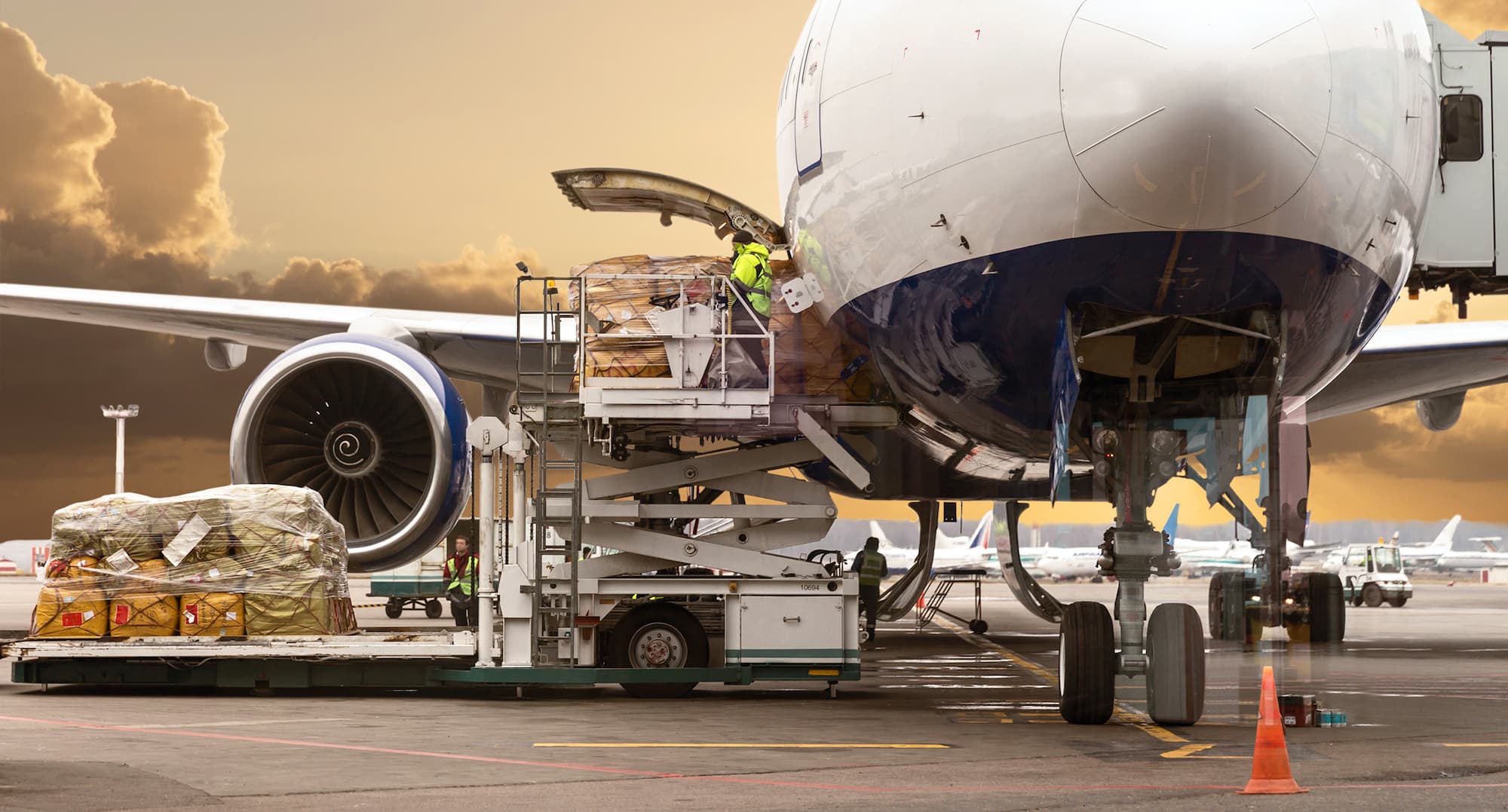
The freight forwarding industry in Florida has thrived due to the many conveyance methods available for moving shipments. Florida boasts 19 commercial airports, 21 foreign trade zones, 15 seaports, and various railroads located throughout the state. In 2019, Florida moved 912 million tons of freight valued at over $1.1 trillion in its freight system. The state’s positioning benefits freight forwarders and shippers by allowing solutions to streamline supply chains. Florida’s growing population has increased the volume of cargo moved in and out every year.
The Port of Miami and Miami International Airport
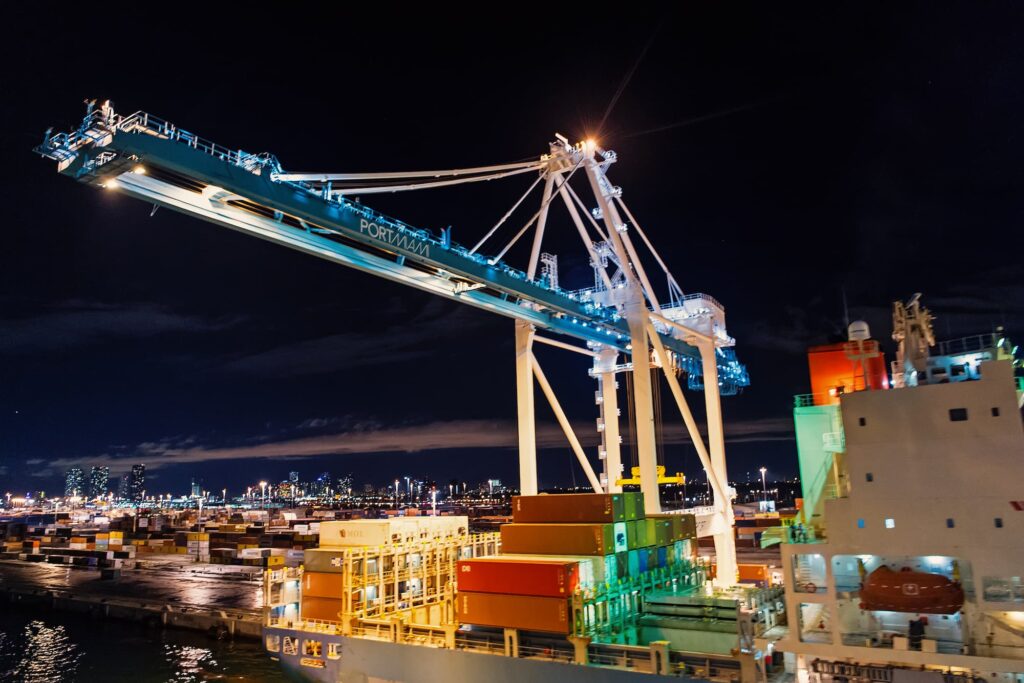
Miami is one of the most significant cities in Florida for shipping freight by air and sea. Two powerhouses contributing to Miami’s freight forwarding success are the Port of Miami and the Miami International Airport. With a TEU capacity of 1,220,000, the Port of Miami is one of the ten largest ports in the U.S. For reference, a TEU (twenty-foot equivalent) is a unit of measurement for the cargo capacity of a twenty-foot container. The Port of Miami is also the only southern-eastern port that allows post-Neopanamax vessels to pass through. The most common types of freight exported include citrus fruit juices, grapefruit, dairy products, and cognac brandy.
Miami moving imports and exports
The Miami International Airport is one of the busiest airports in the U.S. in terms of cargo movement. In 2021 the airport moved over 11 billion pounds of cargo. Nearly 70% of all perishable airfreight entering the U.S. comes through the Miami International Airport. This includes over 90% of flower imports. Once passed through the airport, the goods are transported throughout the U.S. Items such as computers, cellphones, and aircraft components are standard exports out of the facility. The high volume of cargo results from the port’s location, making it a perfect gateway to Latin America and the rest of the world.
Shipping internationally can be beneficial for the growth of a business. However, the actual process may be complex, especially for first-time shippers. Each country has its own rules and guidelines; not understanding the regulations can result in the loss of your shipment. It is highly beneficial to contact a freight forwarder to coordinate the movement of your cargo. If you are looking for a Freight Forwarder in Florida, contact A1 Worldwide Logistics at 305-821-8995 or info@a1wwl.com. We also have customs clearance services to clear your goods when they arrive in the U.S.
ASSISTANCE ALSO IN SPANISH!

by A1 WorldWide Logistics | Jan 30, 2023 | Agricultural imports, Customs Broker Miami, Freight Forwarding, Supply Chain
Celebrated February 14th, Valentine’s Day is known as a celebration of love and romance. Goods such as chocolates, candy, and perfumes are imported into and out of the U.S. from different countries. Another typical shipment moved globally for Valentine’s Day celebrations is flowers. Over 1.1 billion flowers are imported into the U.S. and inspected annually by customs. Out of all the imports, most are roses produced and transported from farms in Colombia. Several trade agreements have resulted in more than 62% of the total rose imports into the U.S. coming from Colombia.
Miami International Airport receives an estimated 91% of all the flower imports that come into the U.S. 23% of these imports happen between January and February in preparation for Valentine’s Day. While the importance of shipping flowers internationally is known, the process of moving the goods to their final destination is not. This article will give a background of how flowers are imported into the U.S. and explain how to begin. For more information, talk to one of our customs brokers at 305-425-9752 to understand the shipping process.
The Logistics Behind Importing Flowers into the U.S.
Since most rose imports into the U.S. come from Colombia, shipping from this country will be an example. The supply chain begins at the farms in Colombia, where producers grow the flowers and prepare them for shipping. When a wholesale company or independent shipper places an order, the flowers are packed into a refrigerated plane and transported. The method of conveyance is generally an airplane because the flowers have to be transported from Colombia to the U.S. in a speedy manner. Nevertheless, in some cases, boats are also used to transport flowers. Once they reach the U.S., Customs and Border Protection inspect the flowers for insects or diseases.
Customs’ purpose is to ensure that anything imported or exported from a country complies with the laws and regulations. Since there are an extensive amount of guidelines that require compliance, many importers hire a customs broker. A broker acts as an intermediary between the shipper and customs for the release of a shipment. They do this by providing the correct documents, filing customs entries, and paying the duties of the importer.
When customs clears the flowers, a refrigerated truck transports them to their final destination. A shipper who wants to begin importing flowers into the U.S. should start by understanding the necessary documents for importation. Customs brokers also help educate shippers to understand that and to provide the paperwork. The importer should also talk to a freight forwarder to find a carrier to move the shipment. Forwarders find the best transportation prices for conveyances such as boats, planes, rail, and trucks.
Give flowers!
Valentine’s day is a time of showing that special someone admiration and appreciation. A conventional way is by giving presents like flowers and other gifts such as jewelry or chocolates. If you plan on shipping cargo for this coming Valentine’s Day, contact A1 Worldwide Logistics at 305-821-8995 to get started. Our company has freight forwarders and customs brokers prepared to handle your cargo. We will ensure your and your customers’ satisfaction with the secure movement of your shipment.

by A1 WorldWide Logistics | Dec 6, 2022 | Customs Broker Miami, Customs Clearance, Import and Export Experts
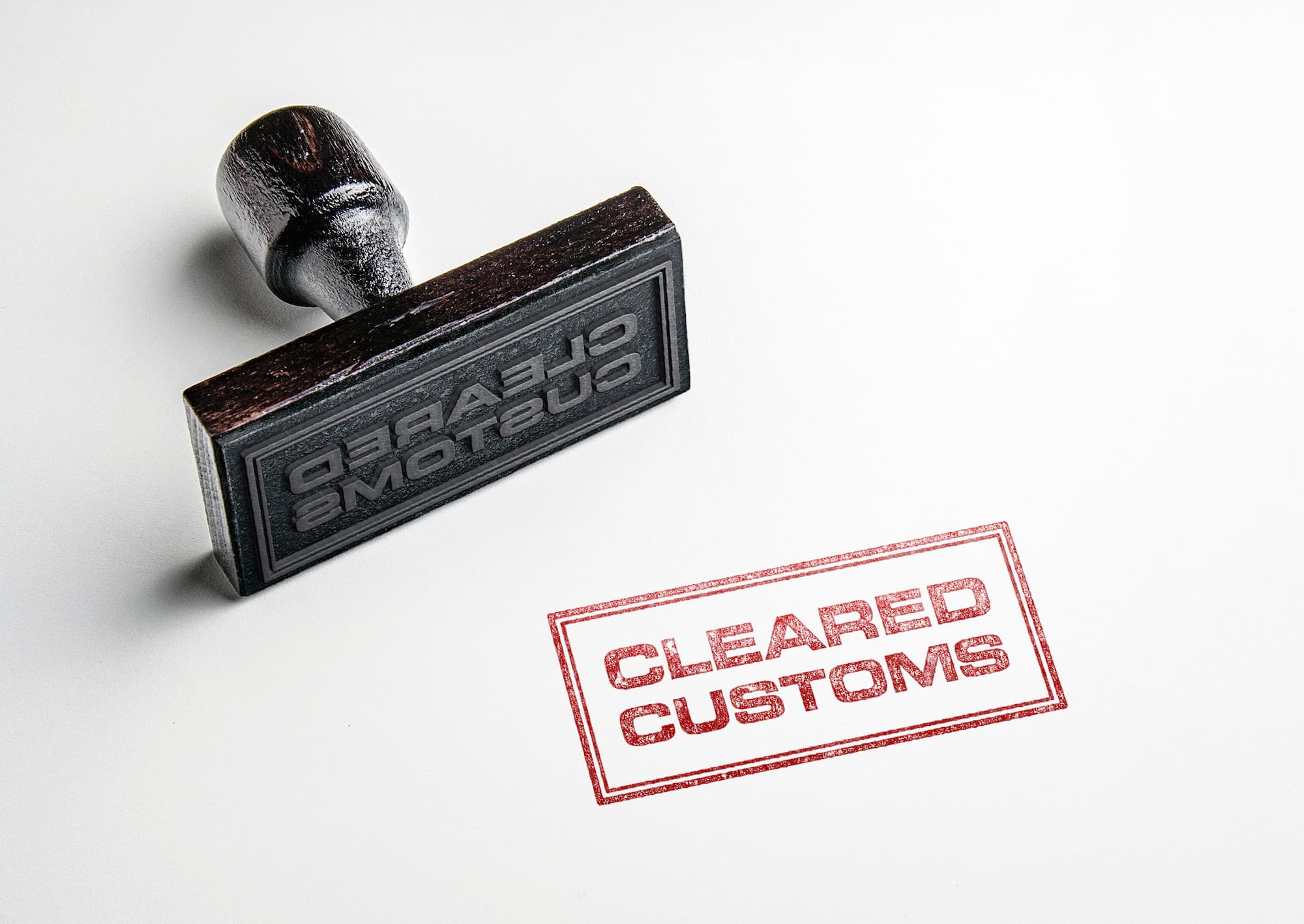
A common term constantly heard in international shipping is Customs Broker. Customs brokers are licensed corporations, partnerships, and private individuals who arrange importers’ customs clearance process. When a shipper brings cargo into a country like the U.S., it has to go through Customs and Border Protection (CBP). CBP aims to protect its nations’ borders by facilitating lawful travel and trade. Due to the need to safeguard, many regulations may involve getting goods through customs. The rules and complexities can make customs clearance an obstacle for businesses participating in global trade.
Benefits of having a Customs Broker
Although customs brokers are not lawfully required, having one can mean many advantages for your shipment. Some of the benefits include:
Customs Clearance
Shipping goods into a country like the U.S. requires the shipper to follow all the guidelines. Customs clearance involves sending accurate and correct paperwork to customs on time. Incorrect documentation sent to customs can result in a hold on your cargo, leading to extra import charges. A customs broker can help provide shippers with the correct documentation and even coordinate the release for the importer.
Time
A broker reduces the time it takes to file the correct documentation and present it to an agency. This, in turn, speeds up the customs clearance process. Saving the time it takes for customers to receive their product is advantageous for businesses that constantly move freight. Trusting the cargo importation to a customs broker can also let the importer focus on other parts of their business.
Knowledge
Laws for bringing goods into a country constantly change and can be challenging to keep track of. Not only is a customs broker informed of new regulations, they know previous guidelines and how the process works. They are ideal for first-time shippers who may not know what to expect when moving their goods. Using a broker can also prevent penalization for not following regulations or holding cargo in customs.
Cost
A customs broker can help prevent unnecessary expenses for a shipper and reduce business shipping costs. Due to the extensive amount of regulations that shippers must follow, they may overlook some costly aspects. For example, the Harmonized System requires that all goods imported into the U.S. are classified correctly. Misclassification can result in fines like fraud which is not favorable if you are a business that wants to import. A broker’s main job is to prevent these situations from happening.
A1 Worldwide Logistics
While international shipping can be complex and daunting for new and experienced shippers, the benefits outweigh the risks. The potential monetary gain and expansion of one’s business are possible when moving goods globally. However, it is crucial to be fully prepared, and the preparation is done by using a customs broker. For more information on importing to the U.S. or if you need a customs broker, contact us at 305-821-8995. Our experienced brokers will guide you throughout the process and ensure your cargo is successfully brought into the U.S.
by A1 WorldWide Logistics | Nov 11, 2022 | Customs Broker, Customs Broker Miami, Customs Clearance, Freight Forwarding, Import and Export Experts, Shipping Logistics
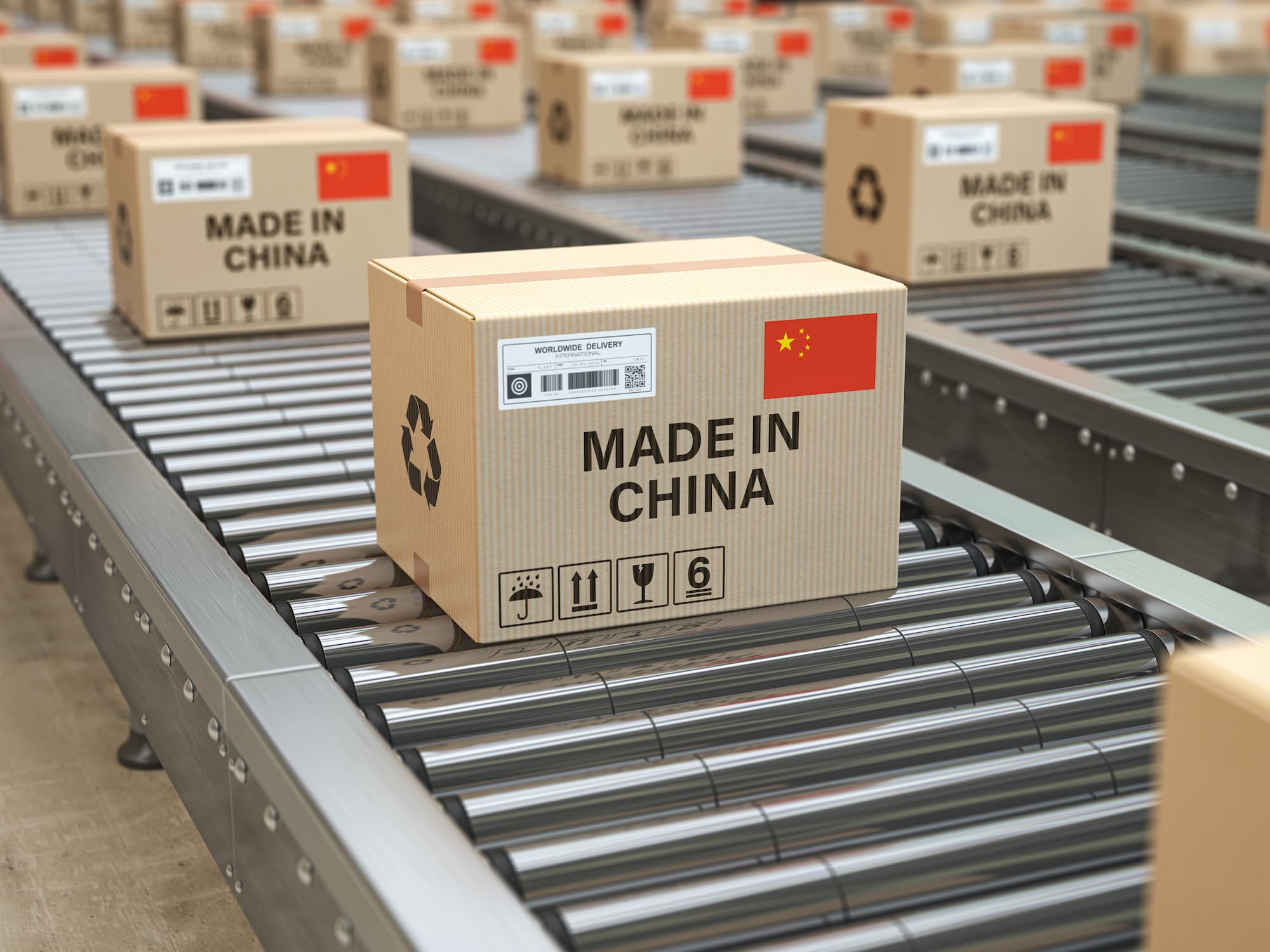
China is the U.S.’s biggest trading partner and the largest exporter of goods internationally. Because of China’s ability to manufacture products on a large scale, importing from the country can present many opportunities. Not only is growth possible for a business, but reduced costs, large quantities of imports, and other benefits are also possible. While importing may seem attractive to first-time shippers, understanding what’s necessary is essential for the shipment’s success. This article will explain how to prepare the required documents and what to expect during your cargo’s shipping journey.
Before deciding what to import, it is also essential to understand that certain goods may have restrictions and specific regulations. For example, any product from China’s “Xinjing” region cannot enter the U.S. The ban is due to human rights issues such as the forced labor of Uyghur Muslims. While you do not need a permit to import from China, certain commodities require an import license. Government agencies like the Food and Drug Administration (FDA) request that imports such as cheese have an import license. Speak to a customs broker if you are uncertain if your shipment needs a permit.
While you do not need a permit to import from China, certain commodities require an import license.
What Are the Necessary Documents
Documentation is a component of the shipping process that must be taken with care to prevent your shipment’s delay. While the documents depend on the imported commodity, specific papers are needed for every import. Certain imports require additional documents like inspection certificates for meat and egg products and energy-efficient labels like air conditioners. The documents may also vary by country, but we will mainly focus on bringing cargo into the U.S. from China. Some of the standard documents include:
- Importer Security Filing (ISF)
- Bill of Lading/Airway Bill
- Commercial Invoice
- Packing List
- Proof of Insurance
- Certificate of Origin (when Applicable)
- Arrival Notice
Shipments valued at $2,500 or above require a customs bond; an insurance policy to ensure the payment of taxes. A shipper can get a single-entry or continuous bond, depending on their shipment.
The Journey Begins
Once the freight is ready, it will be sent to a designated port in China for transportation to the U.S. Speak to a freight forwarder to arrange the transportation of the shipment. The main methods of conveyance for shipping internationally are by air or sea. Both ways have their benefits, like pricing and time. When your goods reach the U.S., they must pass through customs. Customs’ objective is the security of the people in the U.S. by preventing anything illegal or harmful into the country. While customs clearance usually takes less than 24 hours, it may take longer if the goods are “Held at Customs.” This happens when customs does not release your goods for various reasons, including unpaid duties and incomplete documents.
While the importation process is perplexing for first-time shippers, it is doable with the proper guidance. Contact A1 Worldwide Logistics at 305-821-8995 or info@a1wwl.com to begin your import journey. We guide you through each shipping process step to provide transparency with our services. Whether you need to speak to a customs broker or a freight forwarder, A1WWL has you covered.
Because of China’s ability to manufacture products on a large scale, importing from the country can present many opportunities.



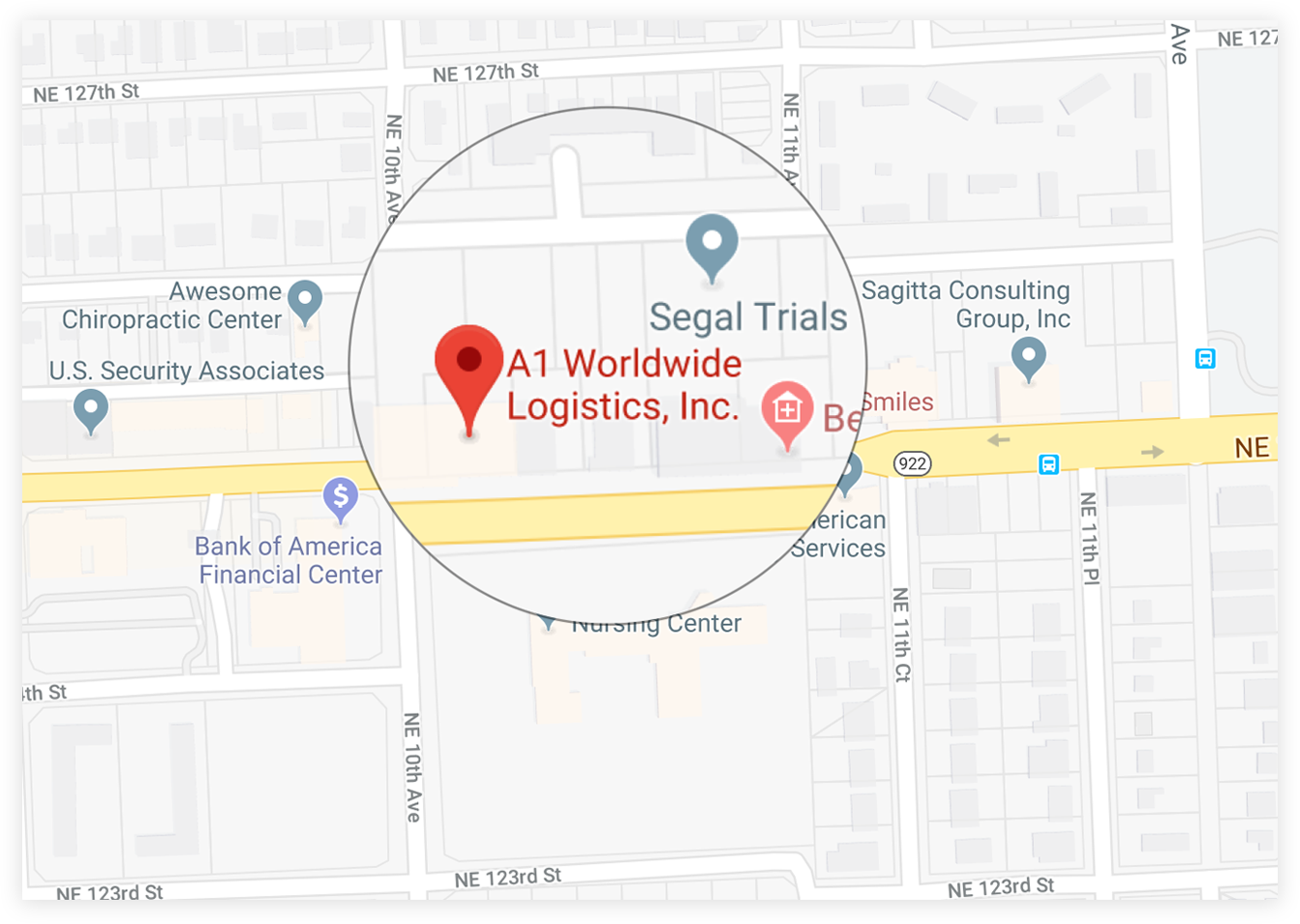
 1035 NE 125th St Suite #320, North Miami, FL 33161.
 a1worldwidelogistics.com
 (305) 821-8995
 Hours: 8AM - 5PM