
by A1 WorldWide Logistics | Jun 29, 2023 | Importing, Shipping Logistics, Supply Chain
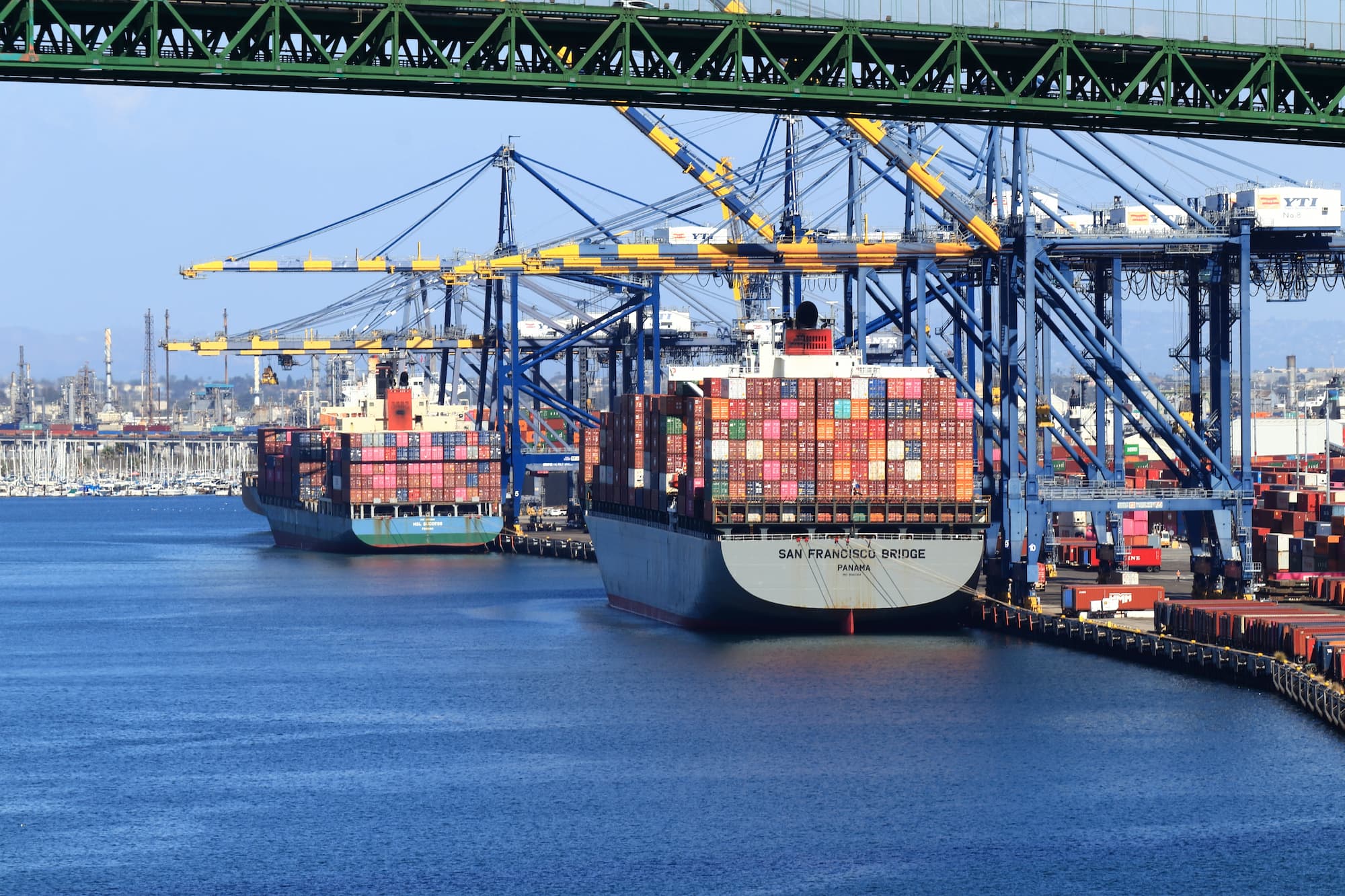
U.S. short-sea shipping is one of the trends in cargo movement that has recently surged. Short-sea shipping is a method of cargo movement involving maritime transportation over short distances instead of between continents. An example is using a west coastline to ship from the Port of Seattle to the Port of Long Beach. This can also mean transporting goods to different countries; however, the method involves small inland waterways and coastlines. While shippers did this practice since ancient times, the last few centuries saw a gain in traction in Europe. Today, the EU (European Union) moves nearly 40% of all freight utilizing short-sea shipping.
Benefits from U.S. Short Sea Shipping
Similar to Europe in the past, the U.S. has recently been growing its dependence on short-sea shipping. The shift to waterborne shipping in the U.S. has not been as quick. This is because most of the U.S. is not economically accessible by water compared to Europe. Despite this, shippers have made steps towards short sea shipping. Many advantages have become evident as shippers and carriers have jumped on the trend. The main benefit is that transportation time decreases drastically. The U.S. has nearly 20,000 navigable channels like canals, rivers, and coastal regions that vessels can pass through. Compared to moving goods by truck, shipping through waterways can bypass highway traffic.
This can mean that potential delays become avoided when reaching the final destination. “Sea motorways” in the U.S. have sped up delivery times and may help lower the crowded capacity in trucking. Another advantage of short-sea shipping is the cost savings that can be possible. Moving goods by sea tends to be less expensive than other conveyance methods. This is especially true for moving large volumes of cargo like containers. Fewer CO2 emissions per ton carried also mean that it is an environmentally friendlier alternative compared to inland transportation. With the shipping industry pushing toward an eco-friendlier environment, inland shipping is beneficial in reducing the ecological footprint.
Trade Between the U.S. and Canada Benefit
Canada is known as the U.S.’s largest trade partner, with trade valued at nearly $794 billion in 2022. A recent study analyzed the potential benefit if both countries increased their short-sea shipping capabilities. The analysis examined the cross-border trade relationships between Canada and the U.S. in the Great Lakes. Short-sea shipping in the Great Lakes region can have significant advantages with the volume of freight that passes through. The main advantage is that the amount of shipments made at a time increases drastically. On average, one marine vessel can carry a cargo capacity of over 900 Trucks.
With increased freight in the Great Lakes, carriers can elevate bottlenecks and decrease air pollution. Short-sea shipping may also solve rising fuel costs and delays. While it is a while until short-sea shipping becomes more common in the U.S., shippers still need to move cargo. If you plan on importing or exporting out of the U.S., contact A1 Worldwide Logistics at 305-821-8995 for assistance. Along with transporting your goods by sea, we provide other conveyance methods like land and air to move your shipment.
by A1 WorldWide Logistics | Jun 13, 2023 | Freight Forwarding, Import and Export Experts, Shipping Logistics, Supply Chain
On Friday, June 2nd, terminals throughout various West Coast ports were shut down due to labor shortages. Workers in the ILWU (International Longshore and Warehouse Union) left their jobs due to failed contract negotiations. Over the past year, the ILWU and PMA (Pacific Maritime Association) have been in talks regarding contractual agreements like wages. Despite the progress made in the negotiations, a resolution has yet to be made. More than 20,000 workers from the ILWU have been working in numerous West Coast ports since July 2022. Terminals in Los Angeles, Long Beach Oakland, Seattle, Tacoma, and Hueneme ports have all reported disruptions from the walkouts.
The Latest Developments
The disruptions continued in the Port of Seattle with the shutdown of the entire seaport on June 10th. On June 9th, the second and third shifts experienced massive slowdowns as ILWU officials led operations to a pause. The Port Authority responded by sending the workers home; insufficient workers led to closure the next day. This port is one of the biggest movers of grain and produce in the U.S. Shipments from U.S. exporters are currently idle at the docks, with the ILWU declining to dispatch terminal workers. The ILWU made a contradictory statement: that the Port of Seattle and other ports are operating.
Union workers noted that they are not getting an adequate pay increase for the work they are putting in. Especially compared to the revenue the U.S. shipping industry made during the coronavirus pandemic. The ILWU said in a statement that they are negotiating for a contract that is “fair and equitable”. Business groups recently sent a letter to the Biden administration to appoint a mediator to address the current protests. Nearly 12% of the U.S.’s GDP (Gross Domestic Product) comes from West Coast ports. With the Port of Seattle being one of the biggest harbors in the U.S., International Shipping may soon feel the impact.
The Impact on Global Supply Chains
The Port of Seattle is a top U.S. agricultural exporter and, with the Port of Tacoma, makes up the NWSA. NWSA (Northwest Seaport Alliance) is North America’s 4th largest container gateway and 2nd largest refrigerated container gateway. With its extensive size, many supply chains are affected by a port shutdown. Add the disruptions of the other West Coast ports to the mix, and many cargo movers may soon be impacted. The supply chain congestions and bottlenecks felt during the coronavirus pandemic may return. Shippers have also moved their shipments to the East Coast and Gulf Ports to mitigate the slowdown.
As the pressures on the Port of Seattle and other West Coast ports persist, billions of cargo remain stagnant. With the peak and holiday season quickly approaching, the industry may feel the current disruptions sooner. Despite this, the movement of shipments is necessary for the success of an incredible number of supply chains. However, a shipper must be current with any occurrence in the freight movement industry. Contact A1 Worldwide Logistics at 305-821-8995 to help meet your supply chain goals. Whether it’s importing, exporting, warehousing, etc., we help you navigate the complex world of shipping.
Tambien hablamos español
Llame ya
305-425-9456
by A1 WorldWide Logistics | Apr 19, 2023 | Shipping Logistics
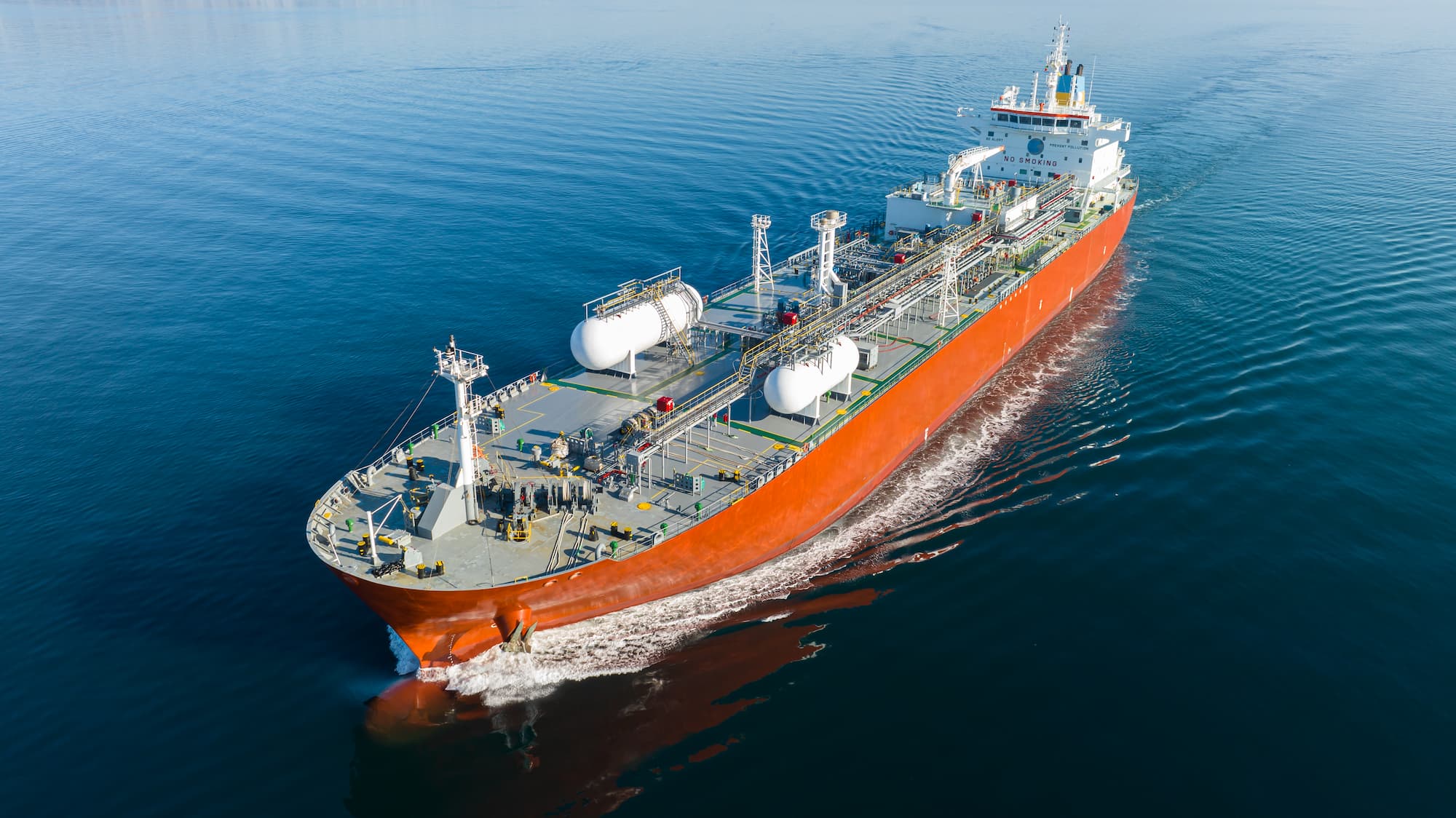
In February 2022, Russia invaded Ukraine, accelerating a war between the two countries that began in 2014. One of the consequences was that shipping fuel costs rose to unprecedented levels. Global market crude oil prices rose from $75 in January 2022 to over $110 per barrel by March 2022. Fast forward to April 2023, and the shipping fuel costs have fallen 46% from their peak in 2022. A standard oil used by commercial vessels to ship freight, VSLFO, has similarly seen a decrease in cost. Very low sulfur oil (VSLFO) was $608 per ton in late March 2023 compared to its all-time high of $1,125.50 in June 2022.
High sulfur fuel oil (HSFO) has also seen a 38% decline from its peak in May 2022. The decrease in HSFO has been incredibly beneficial for containerships with built-in scrubbers compared to vessels that use VSLFO. Scrubbers are gas cleaning systems used in ships for removing harmful and polluting particles from exhaust steams. Since HSFO costs are lower than VLSFO, ships with HSFO can have higher net spot earnings and time-charter rates. A VLSFO-HSFO spread reported a difference of $420.5 per ton in July 2022 compared to $132 registered in February 2023. The narrowing of the spread indicates that VLSFO prices are decreasing faster than HSFO.
Green Methanol and LNG Costs Still High
While fuel prices have decreased over the last year, Liquid Natural Gas (LNG) and green methanol remained expensive. This is unfavorable to carriers and shippers pushing to make shipping oil more eco-friendly. Last Thursday, LNG was reportedly 62% more costly than HSFO. Despite the LNG price following the trend of lowering, it still could be too high for shippers to consider. Vessel owners and operators are not the ones paying for costly oil; shippers are. While LNG costs more than regular oil, it is currently cheaper than green methanol, which can be 350% more expensive.
The reason why green methanol is costly compared to other oils is due to limited technologies and feedstock. Feedstock is the raw material used to produce a finished product, like green methanol from renewable sources. Despite this, container shipping companies are pushing for cleaner oil and ordering methanol-fueled vessels. The issue is that many customers may be unwilling to pay the high premium. There is a belief that if these fuels are to become popular, there should be the right government incentives. Government support for the development of green fuels like methanol is also necessary.
Prices for several different fuels are close to half last year’s peak and may decrease further in the second quarter. This means that shippers can benefit from saving if they decide on shipping now or in the near future. Greater savings can be made if they find a logistics company to do the process for them. If you plan on moving cargo internationally, contact A1 worldwide logistics at 305-821-8995 or info@a1wwl.com to get started. We are in touch with many carriers with the best rates for transporting your goods. A1WWL also provides warehousing and customs clearance for freight entering the U.S.

by A1 WorldWide Logistics | Mar 24, 2023 | Freight Forwarding, Shipping Logistics, Supply Chain
In international trade, freight forwarders are the intermediaries that handle the logistics of getting your goods to the final destination. Forwarders coordinate with carriers and warehouses to find the best routes for cargo transportation. When choosing a forwarder, the customer should be mindful of how much effort the forwarder is willing to put into having a solid and long-lasting relationship. When examining how much the forwarding agent values their bonds with customers, there are specific indicators to look for. Some of the qualities are the following:
Having Open Communication
One of the most significant parts of a relationship is the ability to communicate when needed. Regardless of the conveyance method of the shipment, the customer should be updated on the location when needed. Diligent freight forwarders have close contact with their customers and constantly provide updates on shipments. A1 Worldwide logistics ensures our clients have instant contact with us during shipping. We achieve this by having open lines of communication such as phone calls, emails, and our website.
Being Dependable
Customers must rely on their forwarder to keep any promises they guarantee. Dependability is a direct reflection of how a business runs and how it cares about its customers. It’s different for a company to say they provide the highest quality customer service and deliver on that promise. This is especially true in international shipping, where supply chain logistics constantly change.
Having Experience
Experience can indicate that a forwarder values customer relationships. This is because of the longevity involved in gaining experience. Forwarders with many clients have expertise from countless years of working with customers. A side effect is that the freight forwarder also learns the importance of customer relationships from working with many clients.
Dealing with Uncertainty
In forwarding, getting your goods to their endpoint may sometimes go differently than planned. Sometimes unpredictable events occur in the supply chain that interrupts the journey. For example, there could be an issue with manufacturing or warehouse placement. Shipping delays can also happen during the trip. A forwarder must be prepared for any circumstance and be able to explain the situation to the customer.
Taking the Extra Step
This means that the forwarder goes above and beyond to calibrate and communicate with the client during the cargo’s journey. It shows how the freight forwarder values the customer and their commitment to keeping the relationship. The extra step can also mean coordinating with the carrier for the client. This can entail that certain adjustments must be made to make the shipping process as effective as possible.
Keeping the Relationship
A forwarder’s key to keeping its clients is consistency and competence. The client must trust that they can depend on their freight forwarder to transport an item internationally. This trust comes from previous experiences where the forwarder demonstrated proficiency at their job. If you want a committed forwarder to building a long-lasting relationship, contact A1 Worldwide Logistics at 305-821-8995. A1WWL aims to provide the best customer service by being accountable and transparent in everything we do. We also assist with customs brokerage to ensure your shipment complies with government regulations when entering a country.
by A1 WorldWide Logistics | Mar 10, 2023 | Freight Forwarding, Import and Export Experts, Shipping Logistics
Technological advancements have led to new possibilities in the international shipping industry for centuries. The shipping industry has constantly evolved from the invention of large cargo ships to the creation of containers in the 1950s. Paperless shipping has recently surged in popularity, and many top carriers have followed the trend. Nine of the largest ocean carrier companies have even committed to a fully electronic bill of lading by 2030. The bill of lading, or BL, is traditionally a document that a carrier issues on physical paper. A completely 100% electronic BL is a milestone in shipping and can lead to a fully digital supply chain in the future.
During the coronavirus pandemic, digitalization became increasingly necessary for shipping companies. This is due to how supply chains were affected by Covid-19. When lockdowns happened in countries globally, carriers packed ports with thousands of containers. The reason behind the crowding was the cancellation of countless flights carrying BL documents. BLs are necessary to release the containers from ports, and Covid-19 limited the amount of BLs sent, causing a backlog.
A record number of international shipments from Covid-19 further increased the backlog. The effects of the containers stranded in ports were incurring demurrage charges, lost sales, and higher working capital for shippers. With the time spent sending a physical BL document, a digital BL could have alleviated many issues. A study reported that stakeholders could have saved $6.5 billion in costs and allowed for $40 billion in international trade.
Modern-Day Benefits of Electronic Bill of Ladings

The most prominent carriers are transitioning to paperless BLs because of the benefits offered. As previously described, sending physical documents to ports and customs may be time-consuming. One of the main advantages is that digitalization allows for the immediate transmission of documents such as the BL. An increase in one of the supply chain parts can mean the entire supply chain becomes quicker. Speed is also one of the critical factors that a shipper looks for when deciding on a freight forwarder.
Another benefit of digital BLs is the enhanced level of security. Various electronic BLs are stored and transferred over blockchain platforms and cloud storage, which are protected. The high security also lowers the chances of fraud since the documents are secured by blockchain technology and signed electronically. Digitization also allows for fewer mistakes because autocomplete functions and form fields are possible when using digital programs. Eliminating errors, reducing paper usage, and removing BL transportation are cost-effective benefits for businesses.
As the world of international shipping continuously evolves and changes, the shipper needs to be up to date with the industry. Understanding the best alternatives for transporting goods can provide supply chain delays and help businesses keep clients. Contact A1 Worldwide Logistics at 305-821-8995 or info@a1wwl.com for a quote to move your freight internationally. Our digitalized freight forwarding process helps streamline your cargo’s transport time. We also provide solutions like warehousing and domestic transportation to assist with your shipping needs.

by A1 WorldWide Logistics | Dec 28, 2022 | Customs Clearance, Import and Export Experts, Shipping Logistics
A customs declaration is one of the primary forms required when shipping cargo into or out of a country. This document gives details of what is being imported/exported. When moving your freight internationally, you must be aware that you need to declare goods correctly. The reasoning behind a declaration is to let customs authorities monitor what is going through a country. This way, they can protect a country against potentially dangerous goods entering or leaving.
Declaring Hazardous Materials
A hazmat is an abbreviation for a hazardous material that may risk the environment, property, or a person’s health. Freight considered hazmat is toxic or easily flammable when released into the air or dangerous when spilled into the ocean. Examples of these types of goods include:
- Radioactive materials.
- Explosives like ammunition and gunpowder.
- Pest control and insecticide products.
- Flammable liquids like paint and alcohol.
These goods follow unique precautionary methods when being handled. A shipper must fill out the dangerous goods declaration form before the goods leave the country. It is also crucial to research if the specific freight shipped is allowed entry into the destination country.
What to Know Before Shipping Hazmat
Before shipping Hazmat, it is crucial to classify the freight according to the IMDG code. The International Maritime Dangerous Goods Code, or IMDG, is an international guide for classifying dangerous goods. The IMDG segregates cargo into nine different classes according to its risk type. For example, class 1 is explosives, and class 8 is corrosives. The nine classes each have their subdivisions grouping the substances. Classification is further separated into packing groups, UN Numbers, and shipping names.
A Packing group is the grouping by the level of risk and ranges from group one being the most dangerous to three being the least. When packing the hazmat, it is essential to understand the correct way to fill it. This can vary depending on the type of freight. The labeling of the class should be accurate and visible on the packing. Loaders should follow particular guidelines when loading the goods unto the container. Certain hazmat can be segregated from the rest of the freight, and the carrier places it under specific temperature requirements.
The Consequences of not Declaring or Labeling Correctly
Not declaring or labeling a shipment properly may result in a monetary penalty or repossession. More importantly, it can lead to putting others at risk. If a Hazmat goes unnoticed when packing, it may not get administered the proper handling. Without the correct handling, leakage or deterioration could occur. In a worst-case scenario, it may even explode and cause harm.
In most cases, when freight goes through customs, the authority will not open the package to check what is inside. They will go by the documentation and labels on the packaging. If you need assistance declaring goods or importing into the U.S., contact A1 Worldwide Logistics at 305-821-8995. We have customs brokers ready to guide you through the shipping process and ensure that you label cargo correctly.




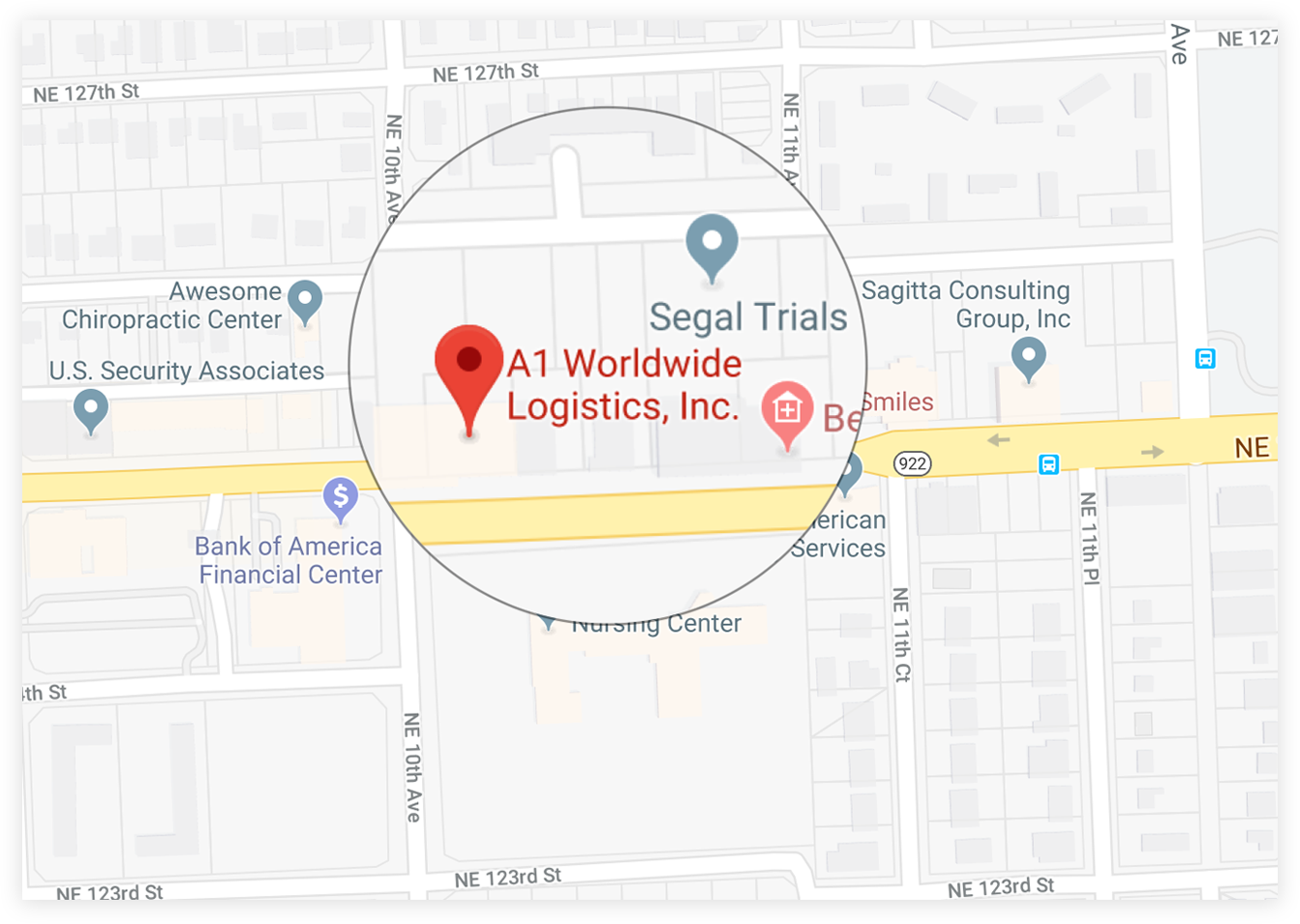
 1035 NE 125th St Suite #320, North Miami, FL 33161.
 a1worldwidelogistics.com
 (305) 821-8995
 Hours: 8AM - 5PM