by A1 WorldWide Logistics | Mar 10, 2023 | Freight Forwarding, Import and Export Experts, Shipping Logistics
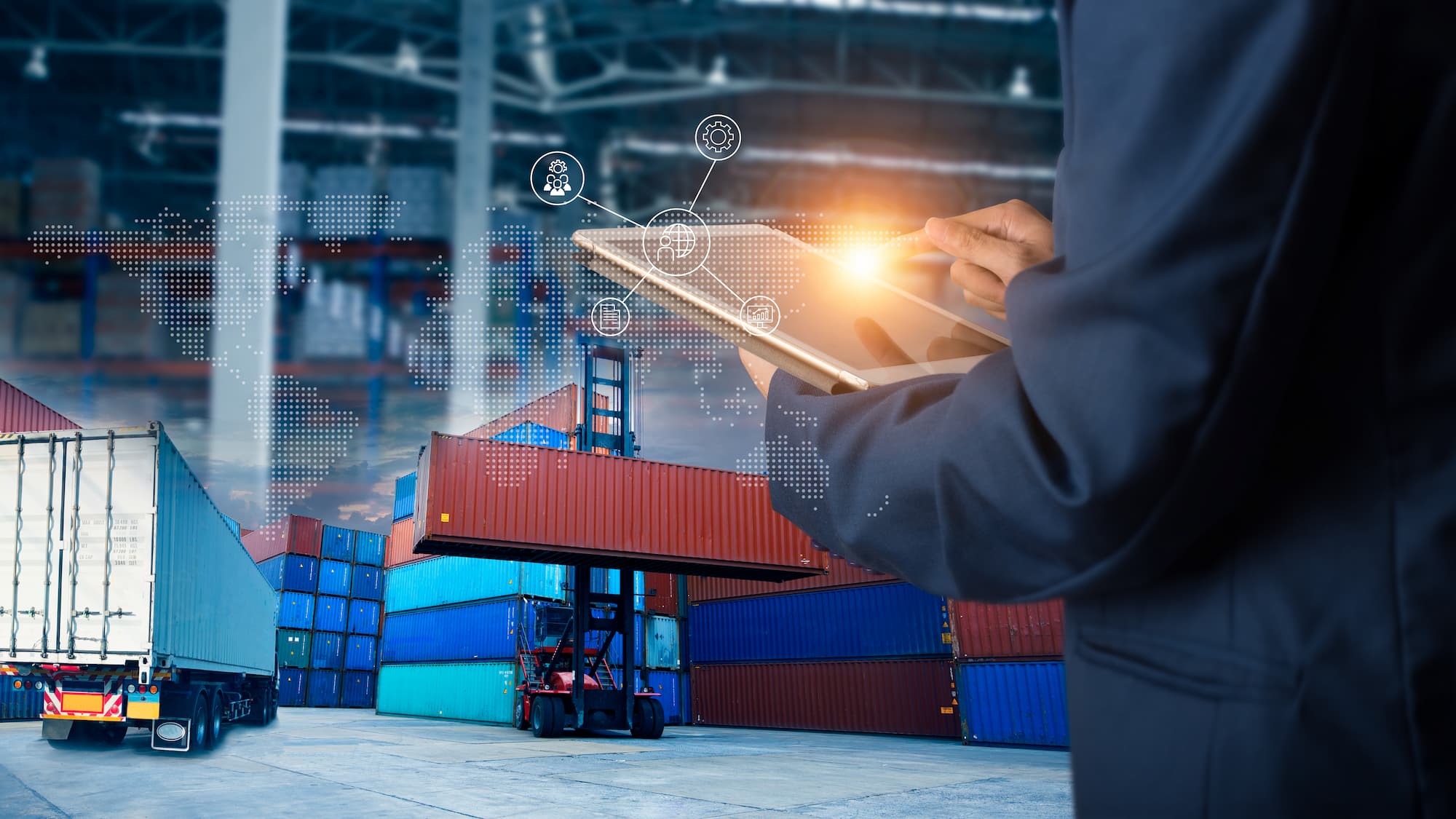
Technological advancements have led to new possibilities in the international shipping industry for centuries. The shipping industry has constantly evolved from the invention of large cargo ships to the creation of containers in the 1950s. Paperless shipping has recently surged in popularity, and many top carriers have followed the trend. Nine of the largest ocean carrier companies have even committed to a fully electronic bill of lading by 2030. The bill of lading, or BL, is traditionally a document that a carrier issues on physical paper. A completely 100% electronic BL is a milestone in shipping and can lead to a fully digital supply chain in the future.
During the coronavirus pandemic, digitalization became increasingly necessary for shipping companies. This is due to how supply chains were affected by Covid-19. When lockdowns happened in countries globally, carriers packed ports with thousands of containers. The reason behind the crowding was the cancellation of countless flights carrying BL documents. BLs are necessary to release the containers from ports, and Covid-19 limited the amount of BLs sent, causing a backlog.
A record number of international shipments from Covid-19 further increased the backlog. The effects of the containers stranded in ports were incurring demurrage charges, lost sales, and higher working capital for shippers. With the time spent sending a physical BL document, a digital BL could have alleviated many issues. A study reported that stakeholders could have saved $6.5 billion in costs and allowed for $40 billion in international trade.
Modern-Day Benefits of Electronic Bill of Ladings

The most prominent carriers are transitioning to paperless BLs because of the benefits offered. As previously described, sending physical documents to ports and customs may be time-consuming. One of the main advantages is that digitalization allows for the immediate transmission of documents such as the BL. An increase in one of the supply chain parts can mean the entire supply chain becomes quicker. Speed is also one of the critical factors that a shipper looks for when deciding on a freight forwarder.
Another benefit of digital BLs is the enhanced level of security. Various electronic BLs are stored and transferred over blockchain platforms and cloud storage, which are protected. The high security also lowers the chances of fraud since the documents are secured by blockchain technology and signed electronically. Digitization also allows for fewer mistakes because autocomplete functions and form fields are possible when using digital programs. Eliminating errors, reducing paper usage, and removing BL transportation are cost-effective benefits for businesses.
As the world of international shipping continuously evolves and changes, the shipper needs to be up to date with the industry. Understanding the best alternatives for transporting goods can provide supply chain delays and help businesses keep clients. Contact A1 Worldwide Logistics at 305-821-8995 or info@a1wwl.com for a quote to move your freight internationally. Our digitalized freight forwarding process helps streamline your cargo’s transport time. We also provide solutions like warehousing and domestic transportation to assist with your shipping needs.
by A1 WorldWide Logistics | Feb 20, 2023 | Customs Broker Miami, Freight Forwarding
While being known for beautiful beaches and warm weather, Florida is also known as a gateway to international markets. Florida’s location is not only ideal for trade with South America and the Caribbean but for Asia as well. The Panama Canal is situated at a distance that shortcuts the time that global shipments reach Florida. In 2016 the Neopanamax locks opened, meaning that larger ships and vessels from distant locations like Asia could pass through. China, being the world’s biggest exporting country, has also benefited from Florida’s location. An estimated $55.5 billion in cargo was shipped out of the state in 2021.
The freight forwarding industry in Florida has thrived due to the many conveyance methods available for moving shipments. Florida boasts 19 commercial airports, 21 foreign trade zones, 15 seaports, and various railroads located throughout the state. In 2019, Florida moved 912 million tons of freight valued at over $1.1 trillion in its freight system. The state’s positioning benefits freight forwarders and shippers by allowing solutions to streamline supply chains. Florida’s growing population has increased the volume of cargo moved in and out every year.
The Port of Miami and Miami International Airport
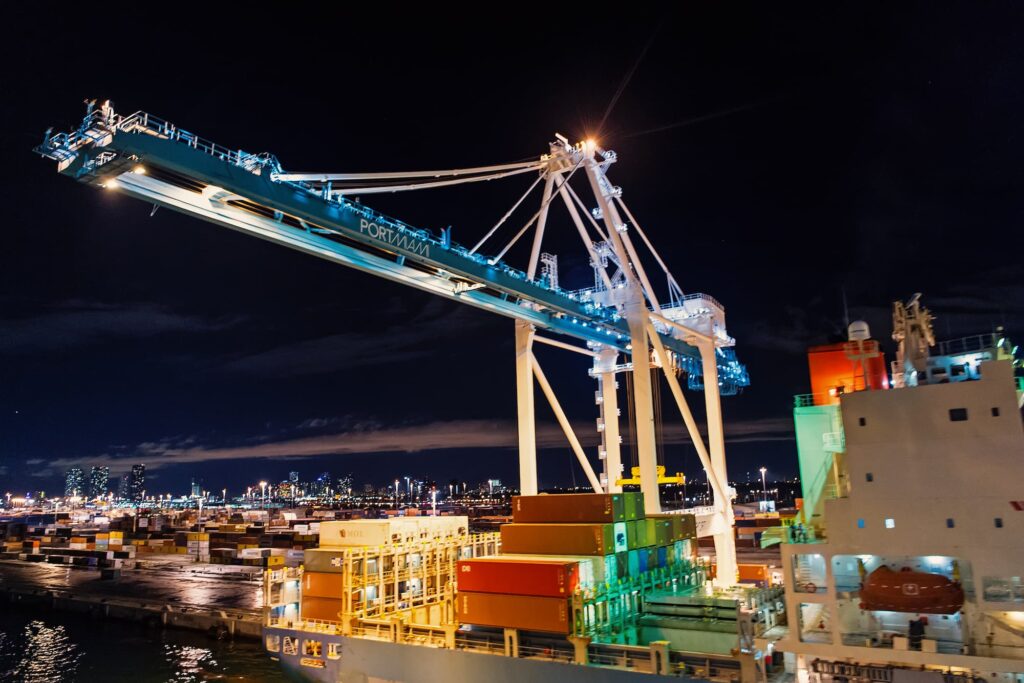
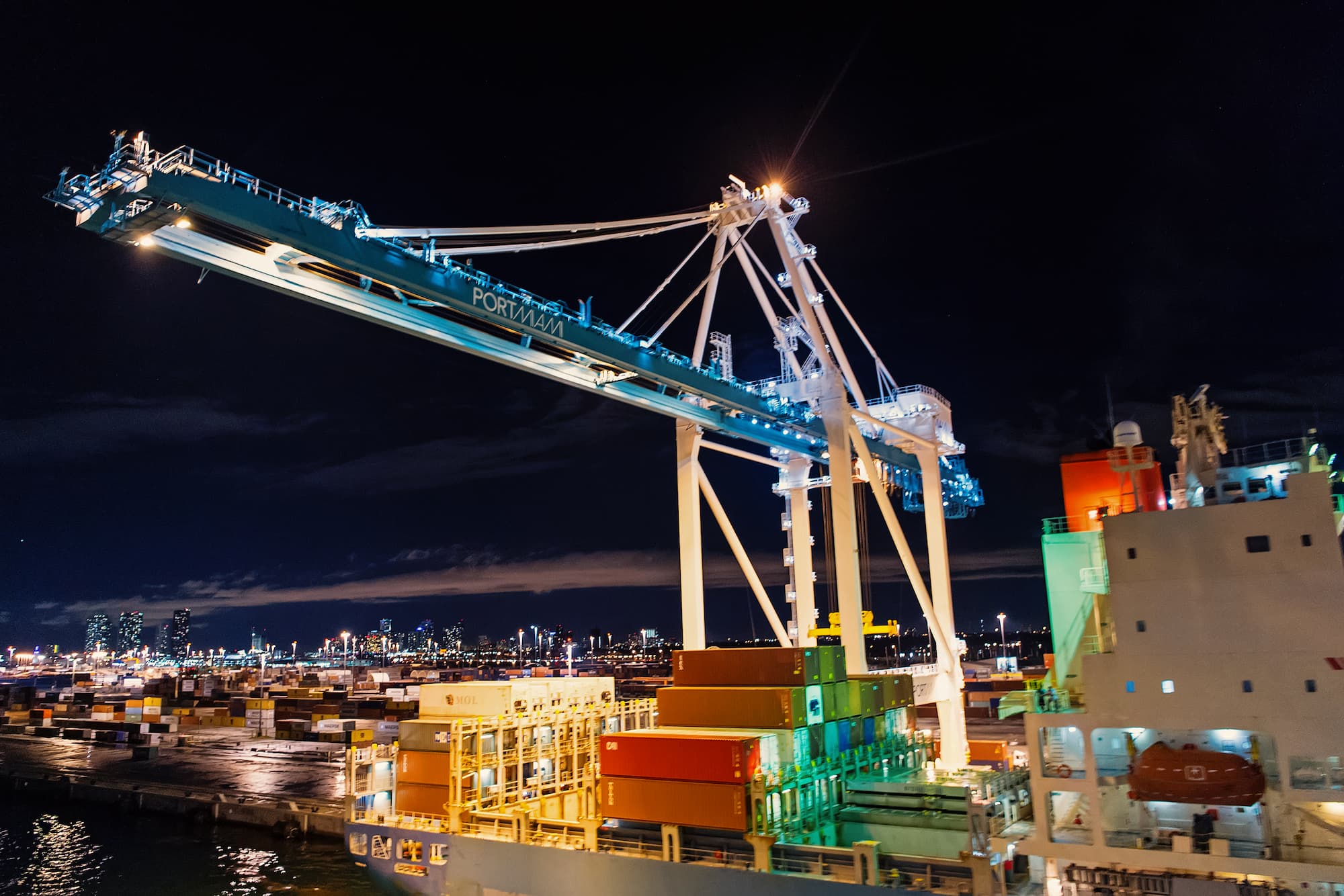
Miami is one of the most significant cities in Florida for shipping freight by air and sea. Two powerhouses contributing to Miami’s freight forwarding success are the Port of Miami and the Miami International Airport. With a TEU capacity of 1,220,000, the Port of Miami is one of the ten largest ports in the U.S. For reference, a TEU (twenty-foot equivalent) is a unit of measurement for the cargo capacity of a twenty-foot container. The Port of Miami is also the only southern-eastern port that allows post-Neopanamax vessels to pass through. The most common types of freight exported include citrus fruit juices, grapefruit, dairy products, and cognac brandy.
Miami moving imports and exports
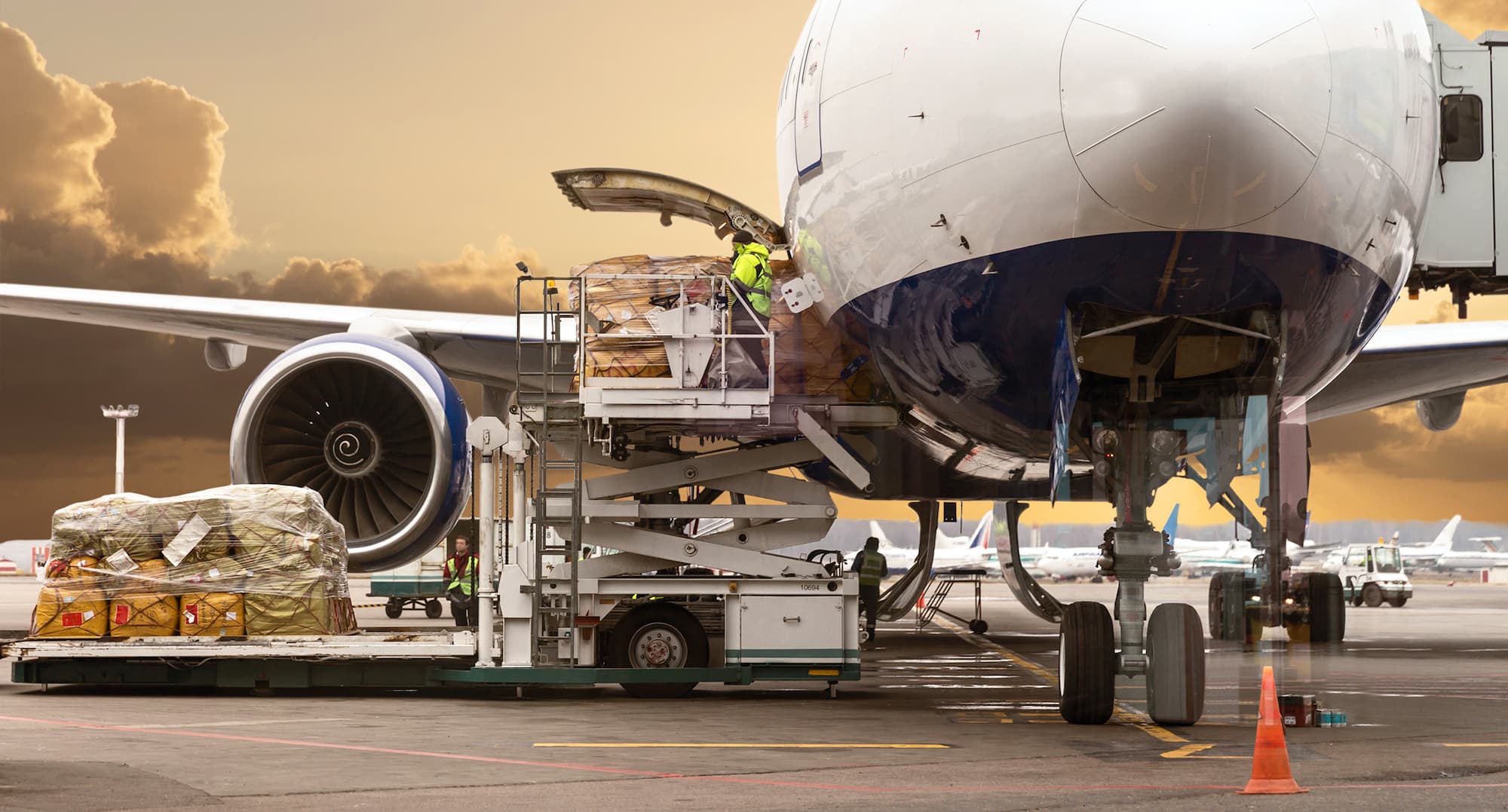
The Miami International Airport is one of the busiest airports in the U.S. in terms of cargo movement. In 2021 the airport moved over 11 billion pounds of cargo. Nearly 70% of all perishable airfreight entering the U.S. comes through the Miami International Airport. This includes over 90% of flower imports. Once passed through the airport, the goods are transported throughout the U.S. Items such as computers, cellphones, and aircraft components are standard exports out of the facility. The high volume of cargo results from the port’s location, making it a perfect gateway to Latin America and the rest of the world.
Shipping internationally can be beneficial for the growth of a business. However, the actual process may be complex, especially for first-time shippers. Each country has its own rules and guidelines; not understanding the regulations can result in the loss of your shipment. It is highly beneficial to contact a freight forwarder to coordinate the movement of your cargo. If you are looking for a Freight Forwarder in Florida, contact A1 Worldwide Logistics at 305-821-8995 or info@a1wwl.com. We also have customs clearance services to clear your goods when they arrive in the U.S.
ASSISTANCE ALSO IN SPANISH!

by A1 WorldWide Logistics | Jan 12, 2023 | Warehousing
In shipping, packing is taking an item from a warehouse and putting it inside a packaging material. The good is then loaded into a truck or a courier and transported to the next destination. Packing may begin when a warehouse gets an order from a business to ship a product to a client. A worker inside the warehouse will then find the correct cargo and prepare it for transportation to the customer. Before going into the truck, the freight may be wrapped, packaged, and put on a pallet. A common type of packaging used for packing is crating.
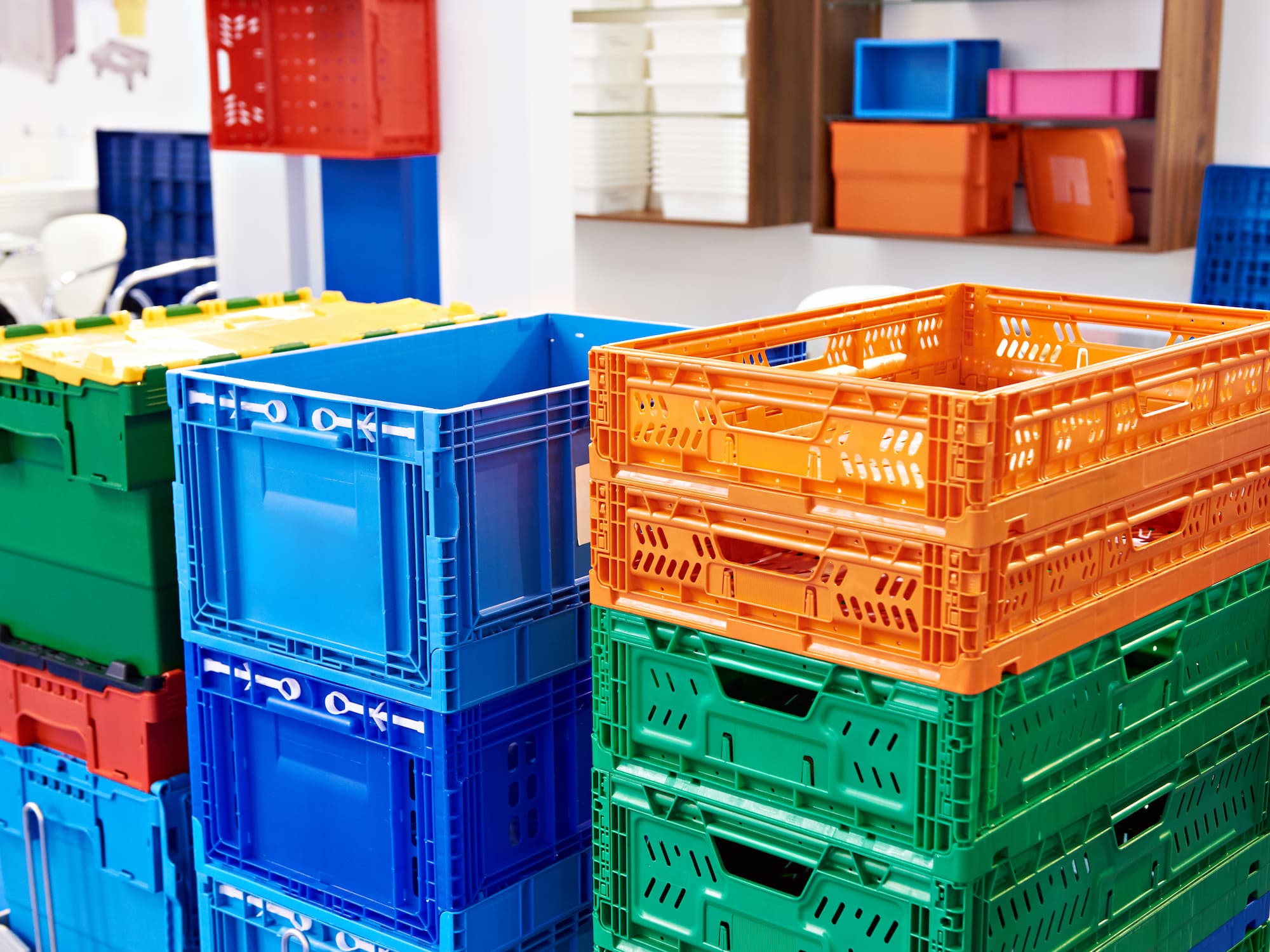
A crate is a four-sided shipping box made from various materials, including metal, plastic, and, most commonly, wood. Cargo that is fragile, easily breakable, or heavy use crates as packaging material to prevent damages. During the shipping process, bumps and bruises may naturally happen to a shipment. Trucks also tend to be loaded to total capacity, meaning the chances of heavy material damaging goods increase.
What are the P ros and Cons of Shipping Cargo in a Crate
One of the main reasons why crates are an ideal solution is because of the protection that they provide. They can withstand a large amount of weight and are difficult to break. The shape also allows for stability, which is helpful for storage and transportation. There may be downsides with crating, such as the cost. Certain types of wood may be expensive, and crates can be more costly than other packaging. Wood that is low quality also may contain toxins that might harm the goods being shipped. The supplier will disinfect and spray chemicals on the crates before usage.
Crates can also take up more space in a container than conventional packaging. Despite the cons, crating is still one of the best alternatives for packing sensitive and heavy cargo. Find a warehouse that offers this service to learn about the benefits of crating goods for a supply chain. Contact A1 Worldwide Logistics at 305-821-8995 for a quote to store your freight in our warehouse. We provide packing and crating solutions for your shipments and transport the load in and out of our facility.

by A1 WorldWide Logistics | Oct 20, 2022 | Supply Chain, Warehousing
In the last few decades, e-commerce has grown into a multi-trillion-dollar business. Instead of driving to the local brick-and-mortar store for goods, people began purchasing online, increasing the need for e-commerce. Similarly to large cooperations, smaller retailers began creating online stores due to growth opportunities. Shopping is now interconnected; a U.S. person can buy a good in China in the comfort of their home. Along with e-commerce, the need for warehousing cargo and moving goods internationally grew.
One of the many factors that helped warehousing grow was e-commerce due to the necessity for inventory storage. Since customers surged globally, sellers needed more inventory to accommodate the buyers. Online businesses began using warehouses to store their goods and extra merchandise. This was especially true for smaller companies that may not have enough capital to house goods. Along with storage, there are many value-adding services that a warehouse can have for an e-commerce business.
How do Warehouses Help in E-Commence Fulfillment
Warehouses are essential in many businesses’ supply chains, including online. Technological advances have led to warehouses becoming ideal for e-commerce fulfillment. The fulfillment process begins when a customer buys a product from a website. The site then sends information about the order to the warehouse. The order’s goods are located and then prepared to be sent to the customer. E-commerce is not limited to public warehouses and is also done in other types of warehouses like bonded, consolidated, smart, etc. Other services that warehouses provide for online businesses include:
- The performance of warehouse audits for inventory control.
- Forecasting the customer demand to determine which items are/aren’t selling.
- Delivering the product to the final destination or the customer.
- Packing and picking services for online orders.
The coronavirus pandemic has recently accelerated the growing e-commerce market. With an increased number of customers buying goods online, businesses may benefit from having extra inventory stored in a warehouse. If you have an online store and looking for a warehouse for your goods, contact A1 Worldwide Logistics at 305-440-5156. If you need a warehouse in Texas, call 305-821-8995. We will find the solution you need for your e-commerce business and a team of experts ready to guide you!
Assistance also in Spanish!

by A1 WorldWide Logistics | Oct 4, 2022 | Economic trends, Import and Export Experts, Shipping Logistics
Over the last year, the U.S. inflation rates rose by nearly 8.3%, making a 40-year high. Even more surprising is that the inflation rates continue to increase as supply chain stresses alleviate. In the past few years, there have been constant news reports of supply chain bottlenecks and congestion slowing cargo movement. A supply chain pressure indicator was recently developed to track the duration it takes cargo to reach U.S. terminal gates from China. The marker found that days went down to 86 days on 9/25/2022 from 113 days on 1/23/2022. Supply chain pressures slowing down were also believed to reduce inflation; however, this was not the case.
The beginning of the inflation happened when COVID began making its way globally. A surge in customer demand and labor shortages created backlogs which caused the shipping cost to go up. Add to this a war in Ukraine, and the prices of everyday goods skyrocketed to alarming levels. The Federal Reserve Bank of New York recently designed the Global Supply Chain Pressure Index (GSCPI) barometer. This barometer was another indicator of supply chain pressures starting in January 2021. The findings were that GSCPI plunged 66% percent from its peak in December 2021, while inflation went up 17% from the same month.
Is The Inflation Temporary?
The current rise in inflation has many concerned about what the future holds. Although there is no definite answer to how long it will last, some inflation is ideal. This is because a steady price increase can help boost business activity. More dollars can lead to more lavish spending, which may also grow demand. A problem arises when inflation surpasses the target rate, which in the U.S.’s case, is 2%.
Various economists forecast that the earliest inflation may reach the target rate of 2% in the U.S. is in 2024. Other economists believe that U.S. inflation could stay at 3% or 4% for decades leading to several recessions. Inflation may be a global crisis, with other countries facing the highest price increases in decades. Some countries are facing hyperinflation, with Turkey reaching an 80% high in June while Argentina currently has a 70% high.
Why are Supply Chain Pressures Easing?
As supply chain stresses decrease, one belief is that we are returning to normality from the last few years. The stresses like COVID and congestion could slow down; however, we are still above pre-COVID levels. Another rationale behind the ease of pressure is that the U.S. is entering a recession. The decrease in demand to purchase and move goods internationally may indicate this.
Whether the inflation is temporary or long-term, goods still must be moved internationally. Although the supply chain pressures have eased, the crunch is not over, and the shipper should still take caution. A1 Worldwide Logistics is a trusted freight forwarding, customs brokerage and, warehousing company experienced in all aspects of supply chains. We understand the world of international shipping and are prepared to guide clients through any difficulties. If you plan on importing or exporting a shipment to and from the U.S., contact us at 305-821-8995.


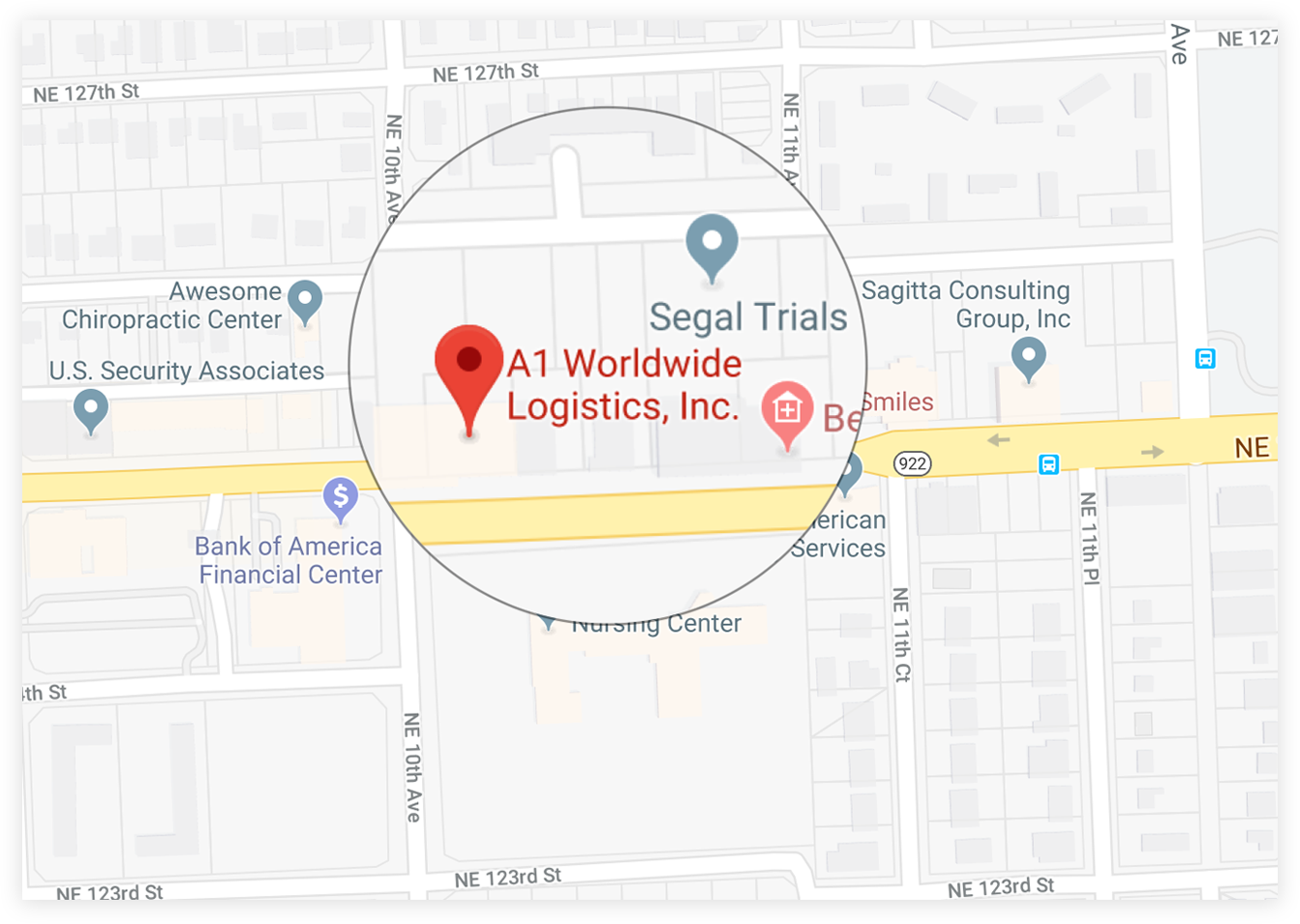
 1035 NE 125th St Suite #320, North Miami, FL 33161.
 a1worldwidelogistics.com
 (305) 821-8995
 Hours: 8AM - 5PM