by A1 WorldWide Logistics | Apr 18, 2024 | 3PL, Import and Export Experts, Supply Chain
One of the most important considerations an individual or company can make is choosing a good 3PL. A 3PL (Third-Party Logistics) company is a service provider that handles numerous parts of a business’s supply chain. Some services include cargo transport, freight forwarding warehousing, customs clearance, distribution, etc. Starting in the 1980s, the Motor Carrier Act grew the 3PL industry to unprecedented levels. The act deregulated trucking and grew the number of carriers from 20,000 to the 1.2 million it is today. Other supply chain parts began to expand along with freight movement, leading to the expansion of 3PLs. This article will explain what to look for when deciding on a 3PL.
When Are 3PLs Used
Companies in an extensive number of industries like retail, manufacturing, medical, restaurant, and more rely on 3PLs. The majority of Fortune 500 companies use these types of services. The primary reason why businesses utilize 3PL providers is due to the value they offer. Along with more giant corporations, more minor to mid-sized entities use 3PLs because it allows for growth and expansion. Another typical business that uses 3PL services is e-commerce. The surge of the internet over the last few decades has allowed online shopping to become popular. Many of the solutions that 3PLs provide are particularly beneficial for web-based sellers that don’t have physical fulfillment centers.
What Qualities Should You Be Aware Of Choosing A Good 3PL
While partnering with a 3PL can be a game changer for your business, choosing the right company is essential. Some of the primary qualities you should look for when deciding on a 3PL provider include:
- Customer Service – Finding a 3PL provider with a direct focus on the customer is critical for a company’s success. Indicators of good customer service can include responsiveness and communication ability. 3PLs must promptly identify issues for their clients and resolve them in a timely manner.
- Capability – A good 3PL company should offer numerous logistics solutions for a client’s supply chain. These include international and domestic shipping, fulfillment, storage, customs clearance, etc.
- Scalability – The primary reason smaller-sized companies use 3PLs is because of the room for scalability. 3PLs allow businesses to meet increasing demand without paying for equipment and extra labor. When deciding on a logistics company, it is crucial to determine how much inventory a 3PL provider can handle.
- Security – The level of protection a 3PL provider has when handling cargo can make or break your supply chain. Workers and partners must have the appropriate training and compliance certifications, such as FDA, DEA, and HAZMAT. For 3PLs that outsource trucks, the carrier company must have a satisfactory DOT rating. This rating indicates accident history, driver qualifications, and financial responsibility.
- Reputation – One of the most significant indicators of an exceptional 3PL company is its reputation in the industry. Over time, a 3PL builds a reputation with happy customers, carriers, employees, etc. New businesses with little experience can look at a 3PL’s standing in the industry to find the right one.
A1 Worldwide Logistics
Finding a 3PL provider can have countless benefits for your company or shipment and help scale your business. Reach A1 Worldwide Logistics at 305-821-8995 to learn about our numerous solutions for simplifying your logistics process. We provide various services like customs brokering and warehouse services to ensure the success of your supply chain.

by María Fernanda Cárdenas | Apr 16, 2024 | 3PL, Import and Export Experts, Shipping Logistics
Aunque cada vez es más común, enviar barcos internacionalmente puede ser complicado, especialmente para los remitentes inexpertos. Los diferentes tamaños, regulaciones y documentación requeridas pueden confundir incluso a personas experimentadas. No entender el proceso conduce a pérdidas de tiempo y dinero. Por ejemplo, proporcionar documentos incorrectos a la aduana puede resultar en que sus productos se retengan, lo que lleva a cargos extra por demora. A pesar de esto, el transporte internacional de barcos ha crecido en tiempos recientes. Los envíos desde y hacia el Mar Mediterráneo hacia los Estados Unidos, en particular, han aumentado en volumen. Este artículo presenta qué esperar y cómo prepararse al comenzar.
¿Qué saber de antemano?
Antes de comenzar, es esencial conocer las pautas para transportar barcos, que difieren según el país. Del mismo modo, se deben seguir varias regulaciones aduaneras al ingresar carga a los Estados Unidos. Otras consideraciones importantes son las dimensiones del barco, que afectan el método de envío. Las principales formas en que se envían barcos y yates internacionalmente incluyen:
- Contenedores: El envío en contenedor es estándar para barcos más cortos y estrechos que ocho pies. Este es uno de los métodos de transporte más económicos a pesar de las limitaciones de tamaño.
- Flat Rack: Los barcos más grandes generalmente se envían en plataformas planas, que son cunas personalizadas abiertas que eliminan las restricciones de tamaño del contenedor.
- Roll-on/Roll-Off (RORO): La forma más típica en que se envían barcos internacionalmente es mediante servicios RORO. Los trabajadores hacen rodar los barcos sobre el chasis usando remolques y los aseguran de manera segura.
- Lift-On/Lift-Off (LOLO): Los dueños o encargados del barco lo montan con grúas a bordo o grúas en el muelle de un puerto.
También se debe preparar el barco para el envío internacional anticipadamente. La preparación puede incluir asegurar áreas delicadas, quitar o proteger partes desmontables y componentes. El yate también debe cumplir con las normas de seguridad. Los tanques de combustible y agua también pueden requerir un drenaje completo o parcial. Otra consideración es tener protección de seguro para el envío. Las empresas de envío y los agentes de carga suelen tener opciones de seguro disponibles para transportar barcos.
¿Cuál es el proceso para enviar barcos internacionalmente?
Una vez que el remitente está listo para trasladar el barco, se comunica con una empresa de envíos o un agente de carga. Las agencias de transporte actúan como intermediarias. Por ejemplo, durante el viaje proporcionan actualizaciones sobre el estado del envío. La documentación debe estar lista antes de que el barco entre al país de importación. Los agentes coordinan con la aduana la liberación de su envío. Lo hacen completando los trámites, asegurando el cumplimiento gubernamental, calculando los aranceles, clasificando bienes, etc. Cuando la aduana libera el barco, los importadores suelen usar un camión de plataforma plana para transportarlo al destino final.
¿Cómo puedes comenzar?
La razón por la cual enviar barcos puede ser complicado es debido a las diversas reglas y regulaciones involucradas. Los envíos de productos como los yates son inversiones valiosas, y una decisión desinformada puede llevar a pérdidas significativas. Además, es aconsejable utilizar la asistencia de una empresa de logística de terceros (3PL) para comenzar. Los 3PL son proveedores de servicios que manejan diversas partes de una cadena de suministro. Algunas soluciones incluyen transporte de carga, distribución, despacho de aduana y más. Llama a A1 Worldwide Logistics al 305-440-5156 o envía un correo electrónico a info@a1wwl.com con respecto al envío de tu barco hacia y desde los EE. UU. Tenemos servicios de transporte y liberación de carga para desaduanar su envío una vez que llegue a los EE. UU.
by Jontrey Aimes | Mar 27, 2024 | 3PL, Shipping Logistics, Supply Chain
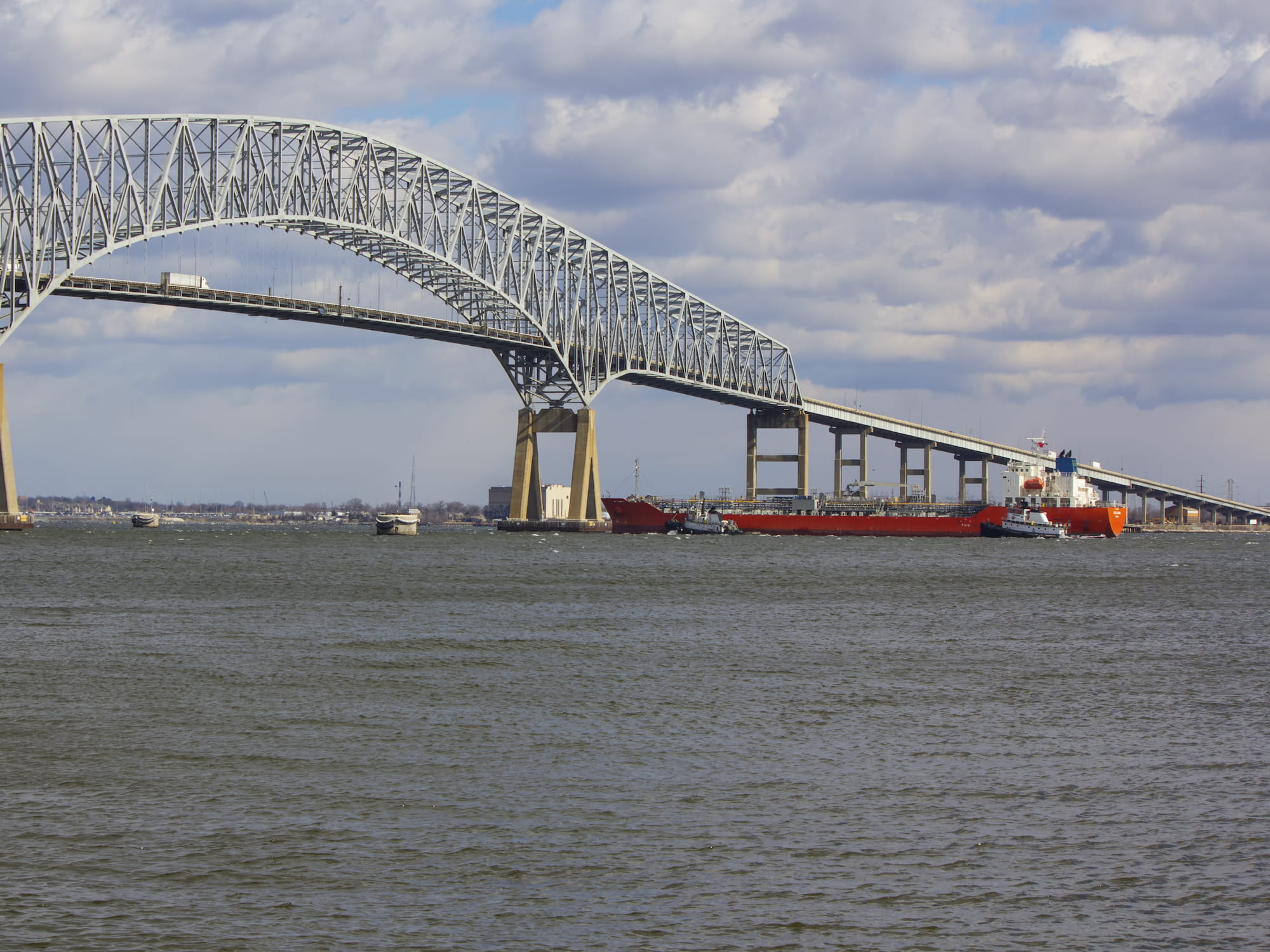
Early Tuesday morning, the 1.6-mile-long Baltimore Key bridge collapsed into the Patapsco Rover. Around 1:30 am, a massive container ship crashed into one of the bridge’s support beams, causing it to fall. The Francis Scott Key Bridge is a central transportation hub on the East Coast of the U.S. It is also an entry point to the Port of Baltimore, a significant East Coast port. During the collapse, vehicles with people were on the bridge. At the current time, there are no reported casualties. However, rescuers are still looking for people in the waters. The director of communications in the Baltimore City Fire Department notes that up to 20 people may be in the river.
What Can The Baltimore Key Bridge Collapse Mean For Shipping?
Nearly 35,000 people use the port daily, meaning the collapse can significantly impact shipping. Since the passage is the main entrance to the Port of Baltimore, it directly affects the international cargo movement. The Port of Baltimore handles the highest volume of autos and light truck imports in the U.S. It is also one of the biggest importers of gypsum and sugar in the U.S. One of the main effects is that port operations will halt, leading to potential bottlenecks in supply chains. Along with cargo entering the U.S., exporters using the port to ship to other countries will also feel the strain.
Due to the significance of the Port of Baltimore, closure may result in an increase in West Coast port imports. The collapse of the Francis Scott Key Bridge also has an impact on domestic shipping. Drayage services for moving containers to and from the port relied on the bridge for decades. Since its opening in 1977, truckers used the causeway to link transport between Baltimore, Washington, Philadelphia, and New York. Overall delays and traffic will increase around the accident area as drivers look for alternative routes. Traffic increases delivery time, which is unfavorable for truckers with clients who expect their goods to move late.
How Can You Protect Your Shipment?
With the volume of cargo that goes into and out of the Port of Baltimore, you must take steps to protect your shipments. To start, a shipper should know of any occurrences affecting their shipment. This could mean watching the news or checking a trusted online source for updates. Knowing where the traffic is excessive is essential in preventing backlogs for a scenario like a bridge collapse. Communicating efficiently with other parts of your supply chain is crucial to ensure a smooth flow.
The most proven way to protect your shipment is to get assistance from a 3PL (Third Party Logistics) company. 3PLs offer extensive services to create an efficient supply chain for their client. Examples include freight forwarding, customs brokering, transportation, distribution, etc. Forwarders coordinate cargo transportation internationally, and brokers clear imported shipments from U.S. customs. Freight forwarders, in particular, help shippers navigate situations like the collapsing of a high-traffic bridge or port shutdowns. Reach us at 305-821-8995 or info@a1wwl.com to find out how we ensure the success of your supply chain. A1 Worldwide Logistics is a 3PL with experience finding solutions for your imports/exports.
by A1 WorldWide Logistics | Feb 29, 2024 | 3PL, Shipping Logistics, Supply Chain
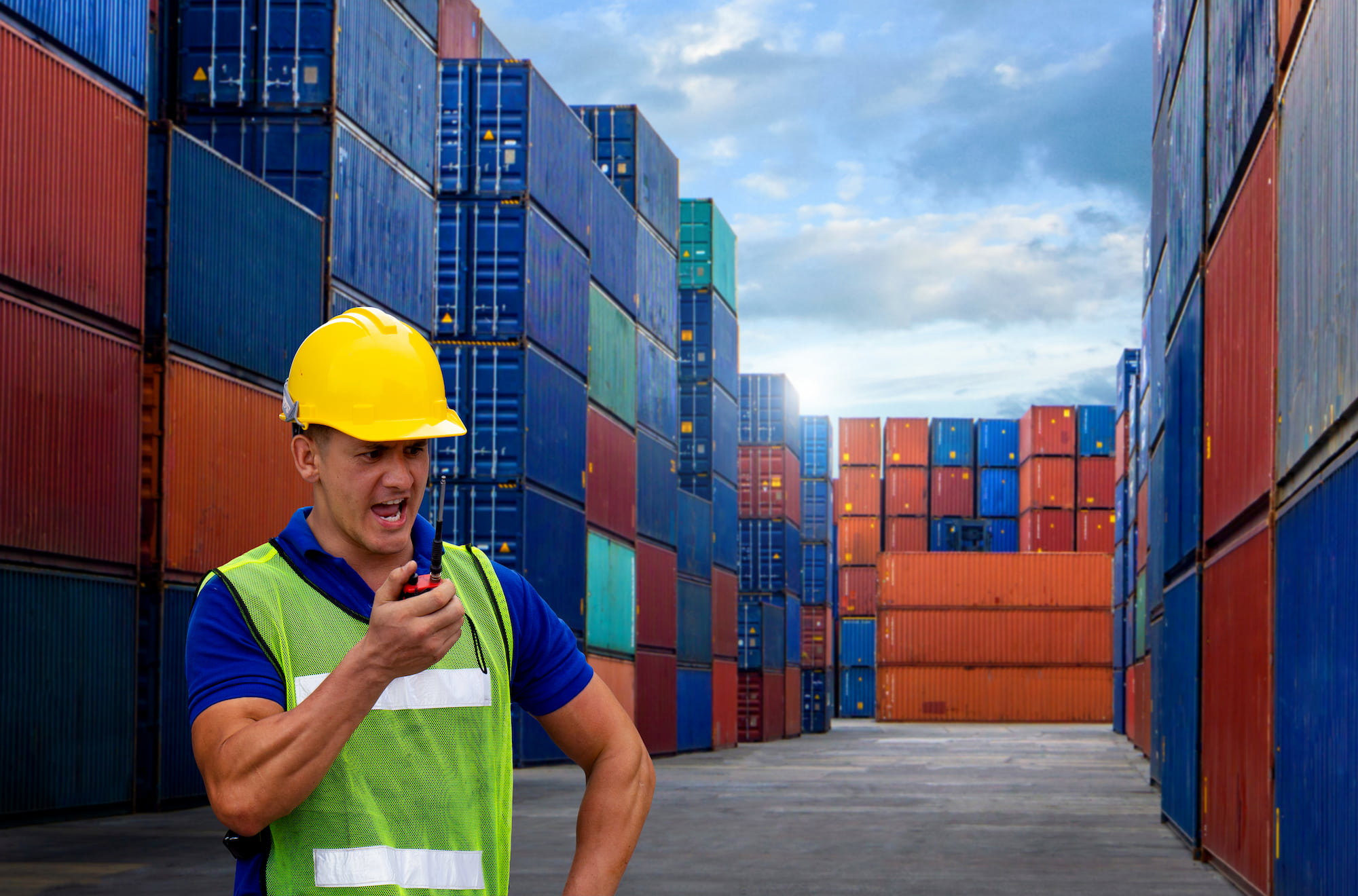
There have been growing talks of strikes in East Coast ports, with labor contracts expiring later this year. Near the end of September, agreements between the International Longshoremen’s Association (ILA) and the United States Maritime Alliance (USMX) expire. The ILA is an alliance of nearly 70,000 port workers, and the USMX represents 36 coastal port employers. Out of the dozens of ports, USMX workers are at the three busiest East and Gulf Coast ports. The last East Coast port strikes happened in 1977, which led to a labor action that lasted for two months. With recent talks of potential strikes rising, what can this mean for international shipping, and how can you prepare?
Why Have Talks Of Strikes In East Coast Ports Increased?
Since the strike in 1977, the USMX and ILA have negotiated ten contracts lasting several years. The parties signed the last six-year contract in September of 2018. Talks of strikes later this year have increased due to issues with current agreements. ILA workers noted that they are pushing for wage increases of nearly 30% or higher, plus benefits. Another issue has been the growing use of automation at ports, threatening the jobs of ILA workers. The ILA also has a $300 million lawsuit against USMX and two carriers over a hybrid labor model. The argument is that the model at the Port of Charleston violates the existing agreement.
On November 7th, 2023, the ILA president Harold Daggett told ILA members to prepare for a strike in October 2024. In 2023, Pacific Maritime Association (PMA) West Coast port workers reached a long-term contract agreement after 11 months of uncertainty. This was during the post-Covid import boom, and traffic coming into the U.S. shifted to East and Gulf coast ports. Unlike the expired PMA contract, the current ILA situation may result in protests once the contract ends later this year. Associations like the National Retail Federation (NRF) have expressed their desire to facilitate talks between the ILA and USMX.
What Does This Mean For Shipping?
Along with the strike’s impact on the ILA and USMX, international shipping will feel the ramifications. Various situations, like a conflict in Gaza and a drought in the Panama Canal, have already affected global cargo movement. If workers are on strike, it can lead to cargo congestion, which causes shipment delays. It is crucial to note that East and Gulf Coast ports have more diverse import locations than West Coast ports. While West Coast ports mainly get cargo from Asia, East Coast ports get cargo from Europe, Asia, and South America. Protests may also cause importers from different countries to switch to West Coast ports.
While moving goods internationally can sometimes be complex, there are ways to ensure the success of a shipment. Along with staying up-to-date with current news, importers and exporters should act early to prevent delays or extra costs. A standard method that shippers use is using the assistance of a third-party logistics (3PL) provider. In addition to shipping, 3PLs have various services to streamline your supply chain while educating you through the process. Reach A1 Worldwide Logistics at 305-821-8995 or info@a1wwl.com for a quote to begin your shipping journey. We help your global supply chain by providing transparency and solutions for you to reach your goals.

by A1 WorldWide Logistics | Oct 26, 2023 | 3PL, Shipping Logistics, Supply Chain
Recent U.S. Department of Commerce restrictions have resulted in China limiting graphite exports. Graphite is a mineral that manufacturers use to create pencils, brushes, arc lamps, and batteries for electric vehicles (EVs). China is the world’s most significant graphite producer, producing over 65% natural graphite globally. Starting December 1st, foreign companies will require stricter permits for shipping raw and synthetic graphite out of China. The announcement comes after the U.S. blocked China from importing specific computer chips. The U.S. restrictions aim to prevent China’s access to semiconductors that can fuel breakthroughs in artificial intelligence.
What Does China Limiting Graphite Exports Mean for Shipping?
A decline in graphite exports out of China can negatively impact supply chains globally. Automakers that rely on this mineral to create EV Batteries may feel the main impact of the restrictions. In recent years, the customer demand for EVs has grown, and many are switching to cleaner energy technologies. The World Bank Predicts that graphite demand will rise 500% over the next three decades. Since China makes over 65% of the world’s graphite, EV makers that ship from the country may soon have to look for other alternatives. This can mean importing the mineral from other countries or insourcing the production and buying of graphite in the U.S.
Many EV manufacturers are already importing graphite from countries like Mozambique, which is the 2nd largest producer of graphite. This option may have separate issues because of recent regional labor strikes. Another concern from shippers is that the average price of graphite will spike in the near future. This is due to the demand becoming higher than the supply. The Russia-Ukraine adds to the price since Russia is a significant supplier of the world’s graphite. Manufacturers also have used substances like silicon instead of graphite to create batteries. However, technology for that material is not commercially available.
How Has the U.S. Responded?
The global graphite supply was a concern for the U.S. years before China’s announcement to limit exports. Last year, the U.S. government signed the Inflation Reduction Act into law. This law gives a 10% tax credit to domestic producers of graphite and similar minerals. In February of 2023, the Biden administration gave $3 billion in funding for battery supply chains that use graphite. The goal is to bring more graphite production to the U.S., starting with a processing plant in Alabama. In August, the U.S., South Korea, and Japan met and launched a supply chain early warning system (EWS). This program will share information on disruptions to crucial supply chains like graphite and EV batteries.
When shipping freight internationally, it is essential to be up-to-date with any laws and regulations that arise. Failure to do so can delay shipment and disrupt your supply chain. The best way to prepare is by talking to a freight forwarder or customs broker regarding your cargo’s movement. Forwarders coordinate the transport of your goods, and brokers clear the import once it reaches the destination country. Contact A1 Worldwide Logistics at 305-821-8995 for assistance with your supply chain needs. We help by guiding you through the world of international shipping by providing solutions for reaching your goals.
by A1 WorldWide Logistics | May 17, 2023 | 3PL, Order Fulfillment, Warehousing
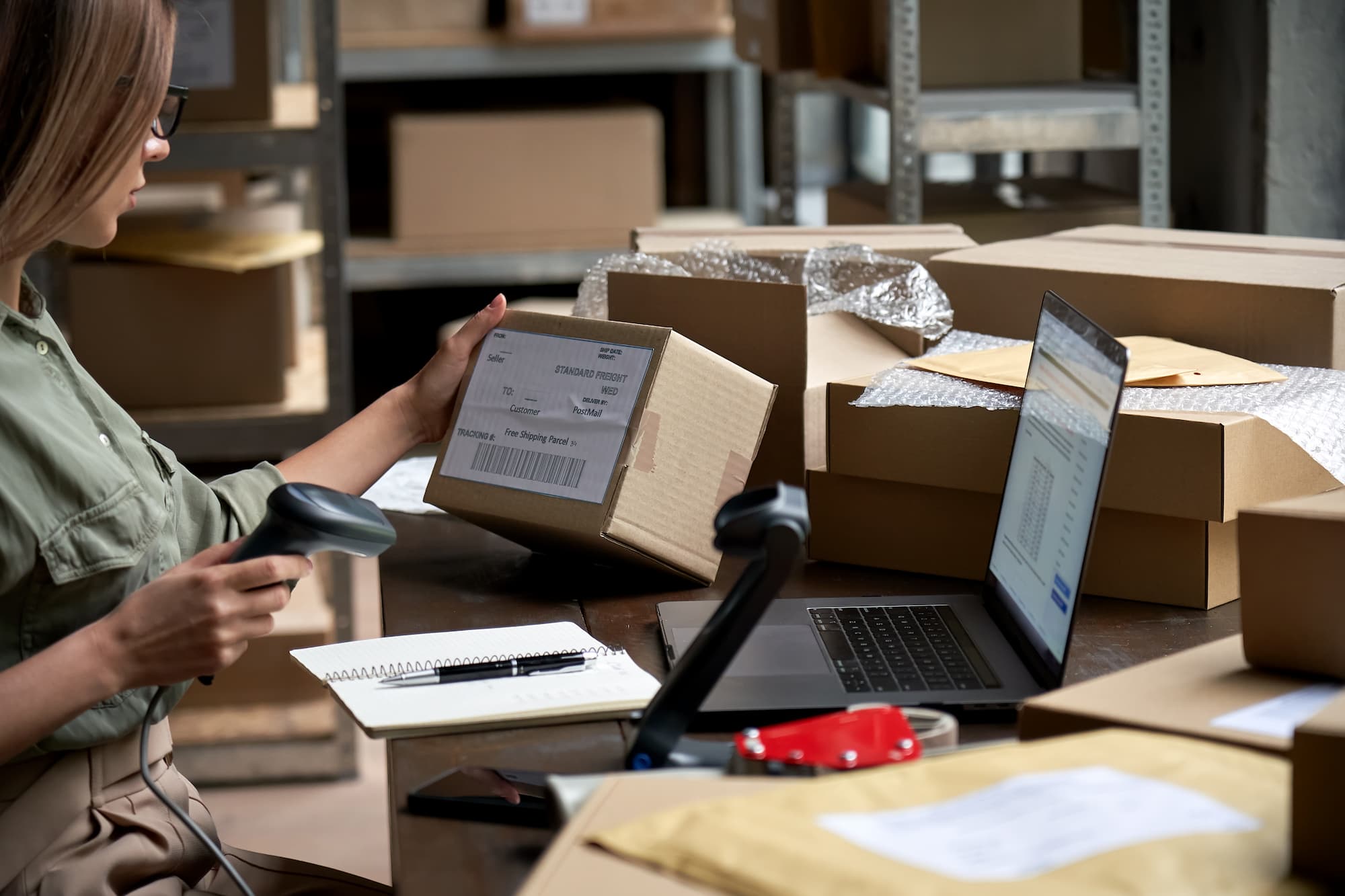
3PL or third-party logistics are outsourced solutions a company offers to its customers. This kind of operation has grown over the last decades due to the need for business to expand their reach. While 3PLs provide extensive services, some main ones include warehousing, shipping, and e-commerce fulfillment. 3PLs break down further into four categories. The four types of 3PL companies include standard, service developers, customer adapters, and customer developers. This article will introduce the 3PL and explain the differences and advantages between each.
Standard 3PLs
Standard 3PLs are known as the most common type of third-party logistics provider. This service is used by businesses requiring basic logistics needs like warehousing and storage. Small e-commerce companies also use this type of service for packing and picking at a low cost. Since the number of solutions offered is limited compared to the following three 3PLs, they tend to be less expensive. This is ideal for customers on a budget. As businesses expand, they usually switch to other 3PL types to achieve their goals.
3PL Service Developers
3PL service developers encompass all of the solutions that a standard 3PL has but add some more to it. Some of these services include IT Infrastructure and management. IT (Information Technology) infrastructure uses hardware and software to operate a business. An example is using a web server or app created by a 3PL company for customer order fulfillment. The IT framework also allows shipment tracking, cross-docking, extra security, and specific packaging.
3PL Customer Adapters
One of the most advanced 3PL service providers is known as customer adapters. Rather than having their own logistics operations, they take over and run their customer’s processes entirely. Adaptors control the end-to-end fulfillment supply chain of the hiring business by managing parts such as shipping and warehousing. This is ideal for scaling business since owners have little involvement, meaning they can focus on other aspects of their company. Customer adapters can be expensive compared to the other 3PLs due to the functionality provided to a client.
3PL Customer Developers
Similarly to customer adaptors, customer developers take control of a company’s logistics aspects. They differ since customer developers provide their systems while inheriting their client’s operations. Along with overseeing the procedures, they improve the performance of a business by giving constantly updated data. Large companies tend to be the primary users of this 3PL, which is usually the costliest option. A few of this 3PL type exist due to the size and complexity of maintenance.
The 3PL industry has expanded over the last decades due to the number of solutions offered. This article listed a few of the services; however, the list broadens to options like customs clearance. 3PLs are the easiest way for companies to grow their operations and increase the provided to their customers. As e-commerce has become popular, so has the need for 3PLs for order fulfillment. Contact A1 Worldwide Logistics at 305-821-8995 or info@a1wwl.com to learn more about our numerous 3PL solutions. We can help you achieve your objectives no matter the size of your business.

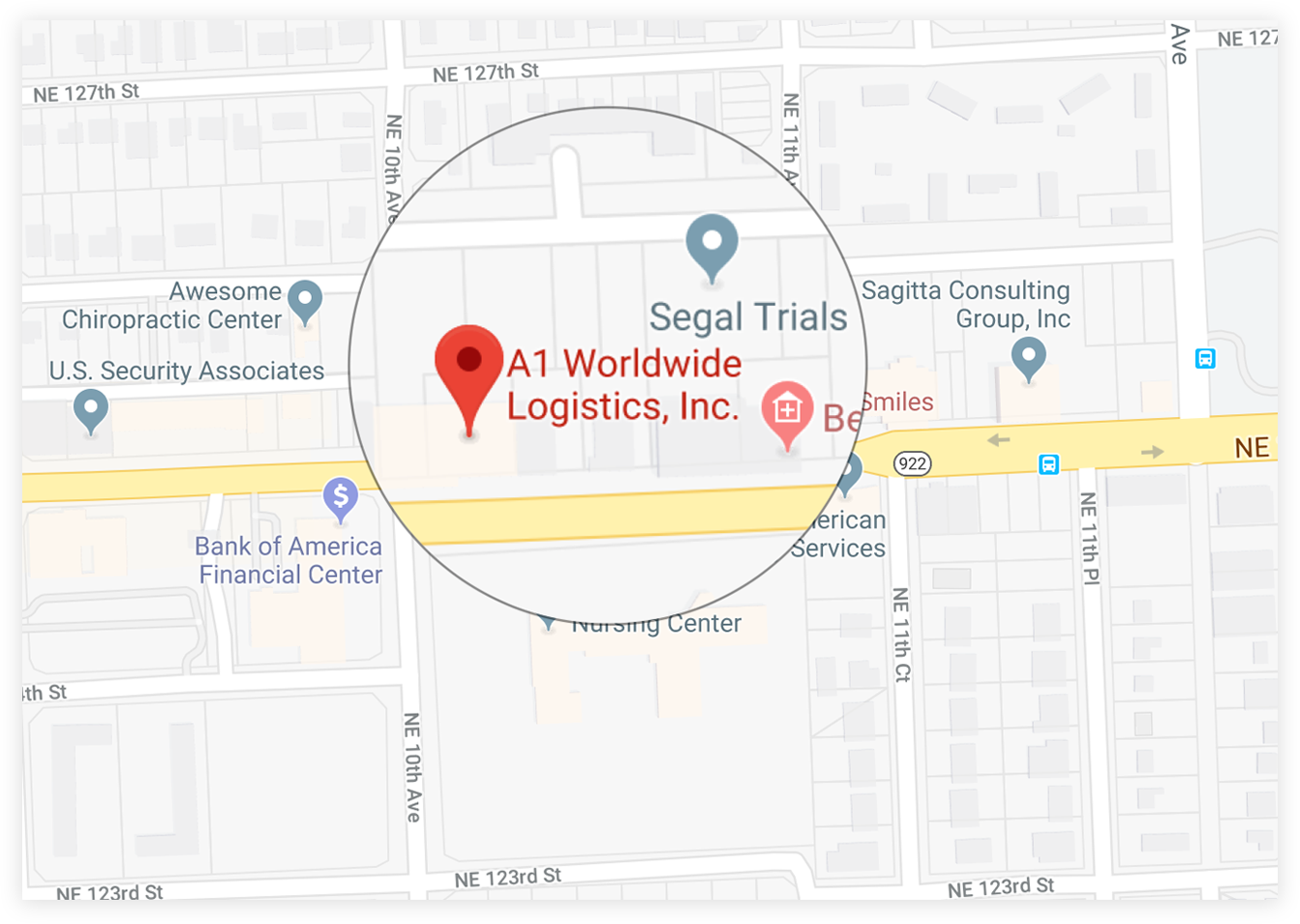
 1035 NE 125th St Suite #320, North Miami, FL 33161.
 a1worldwidelogistics.com
 (305) 821-8995
 Hours: 8AM - 5PM