by A1 WorldWide Logistics | Mar 10, 2023 | Freight Forwarding, Import and Export Experts, Shipping Logistics
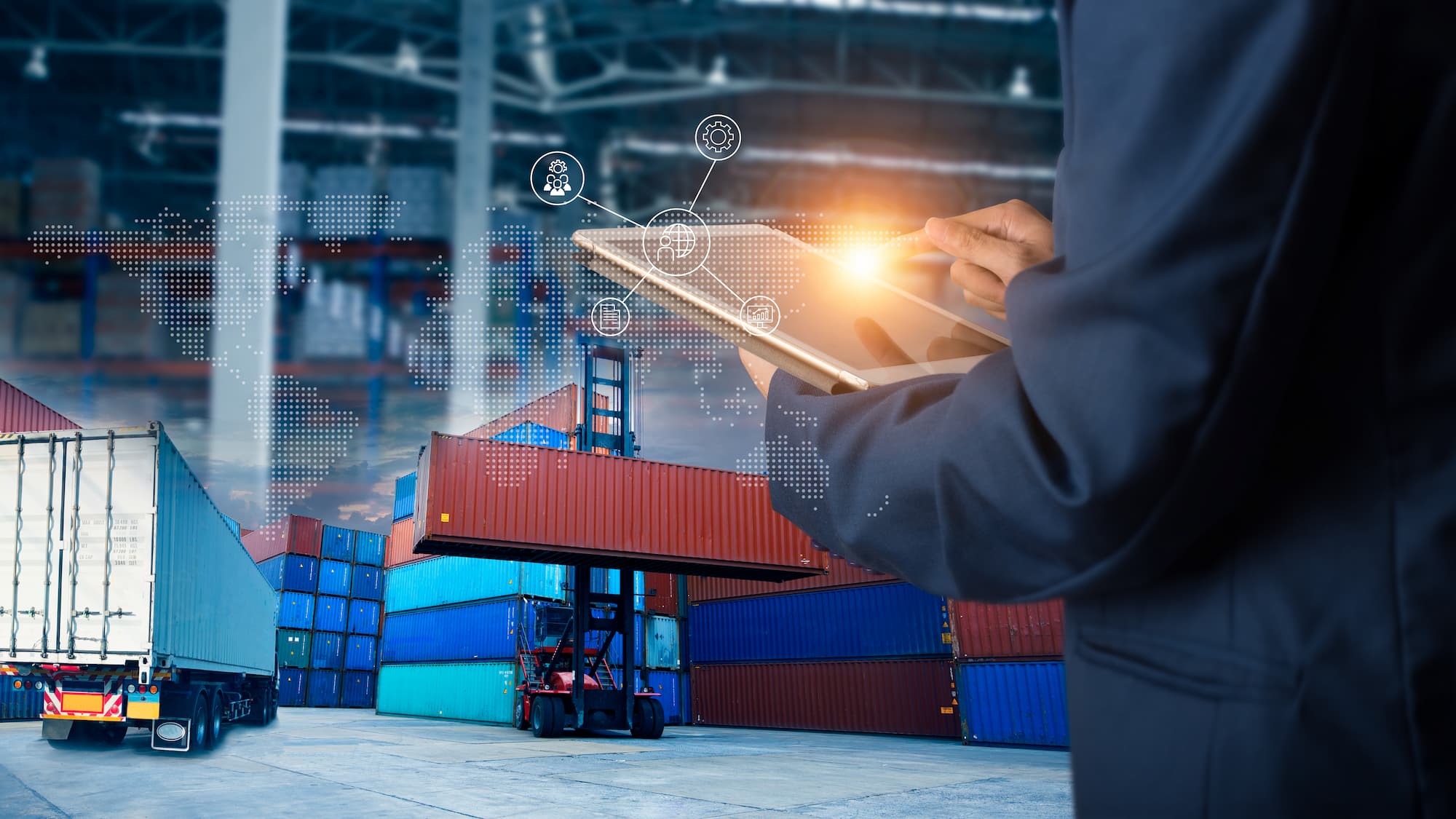
Technological advancements have led to new possibilities in the international shipping industry for centuries. The shipping industry has constantly evolved from the invention of large cargo ships to the creation of containers in the 1950s. Paperless shipping has recently surged in popularity, and many top carriers have followed the trend. Nine of the largest ocean carrier companies have even committed to a fully electronic bill of lading by 2030. The bill of lading, or BL, is traditionally a document that a carrier issues on physical paper. A completely 100% electronic BL is a milestone in shipping and can lead to a fully digital supply chain in the future.
During the coronavirus pandemic, digitalization became increasingly necessary for shipping companies. This is due to how supply chains were affected by Covid-19. When lockdowns happened in countries globally, carriers packed ports with thousands of containers. The reason behind the crowding was the cancellation of countless flights carrying BL documents. BLs are necessary to release the containers from ports, and Covid-19 limited the amount of BLs sent, causing a backlog.
A record number of international shipments from Covid-19 further increased the backlog. The effects of the containers stranded in ports were incurring demurrage charges, lost sales, and higher working capital for shippers. With the time spent sending a physical BL document, a digital BL could have alleviated many issues. A study reported that stakeholders could have saved $6.5 billion in costs and allowed for $40 billion in international trade.
Modern-Day Benefits of Electronic Bill of Ladings

The most prominent carriers are transitioning to paperless BLs because of the benefits offered. As previously described, sending physical documents to ports and customs may be time-consuming. One of the main advantages is that digitalization allows for the immediate transmission of documents such as the BL. An increase in one of the supply chain parts can mean the entire supply chain becomes quicker. Speed is also one of the critical factors that a shipper looks for when deciding on a freight forwarder.
Another benefit of digital BLs is the enhanced level of security. Various electronic BLs are stored and transferred over blockchain platforms and cloud storage, which are protected. The high security also lowers the chances of fraud since the documents are secured by blockchain technology and signed electronically. Digitization also allows for fewer mistakes because autocomplete functions and form fields are possible when using digital programs. Eliminating errors, reducing paper usage, and removing BL transportation are cost-effective benefits for businesses.
As the world of international shipping continuously evolves and changes, the shipper needs to be up to date with the industry. Understanding the best alternatives for transporting goods can provide supply chain delays and help businesses keep clients. Contact A1 Worldwide Logistics at 305-821-8995 or info@a1wwl.com for a quote to move your freight internationally. Our digitalized freight forwarding process helps streamline your cargo’s transport time. We also provide solutions like warehousing and domestic transportation to assist with your shipping needs.
by A1 WorldWide Logistics | Feb 20, 2023 | Customs Broker Miami, Freight Forwarding
While being known for beautiful beaches and warm weather, Florida is also known as a gateway to international markets. Florida’s location is not only ideal for trade with South America and the Caribbean but for Asia as well. The Panama Canal is situated at a distance that shortcuts the time that global shipments reach Florida. In 2016 the Neopanamax locks opened, meaning that larger ships and vessels from distant locations like Asia could pass through. China, being the world’s biggest exporting country, has also benefited from Florida’s location. An estimated $55.5 billion in cargo was shipped out of the state in 2021.
The freight forwarding industry in Florida has thrived due to the many conveyance methods available for moving shipments. Florida boasts 19 commercial airports, 21 foreign trade zones, 15 seaports, and various railroads located throughout the state. In 2019, Florida moved 912 million tons of freight valued at over $1.1 trillion in its freight system. The state’s positioning benefits freight forwarders and shippers by allowing solutions to streamline supply chains. Florida’s growing population has increased the volume of cargo moved in and out every year.
The Port of Miami and Miami International Airport
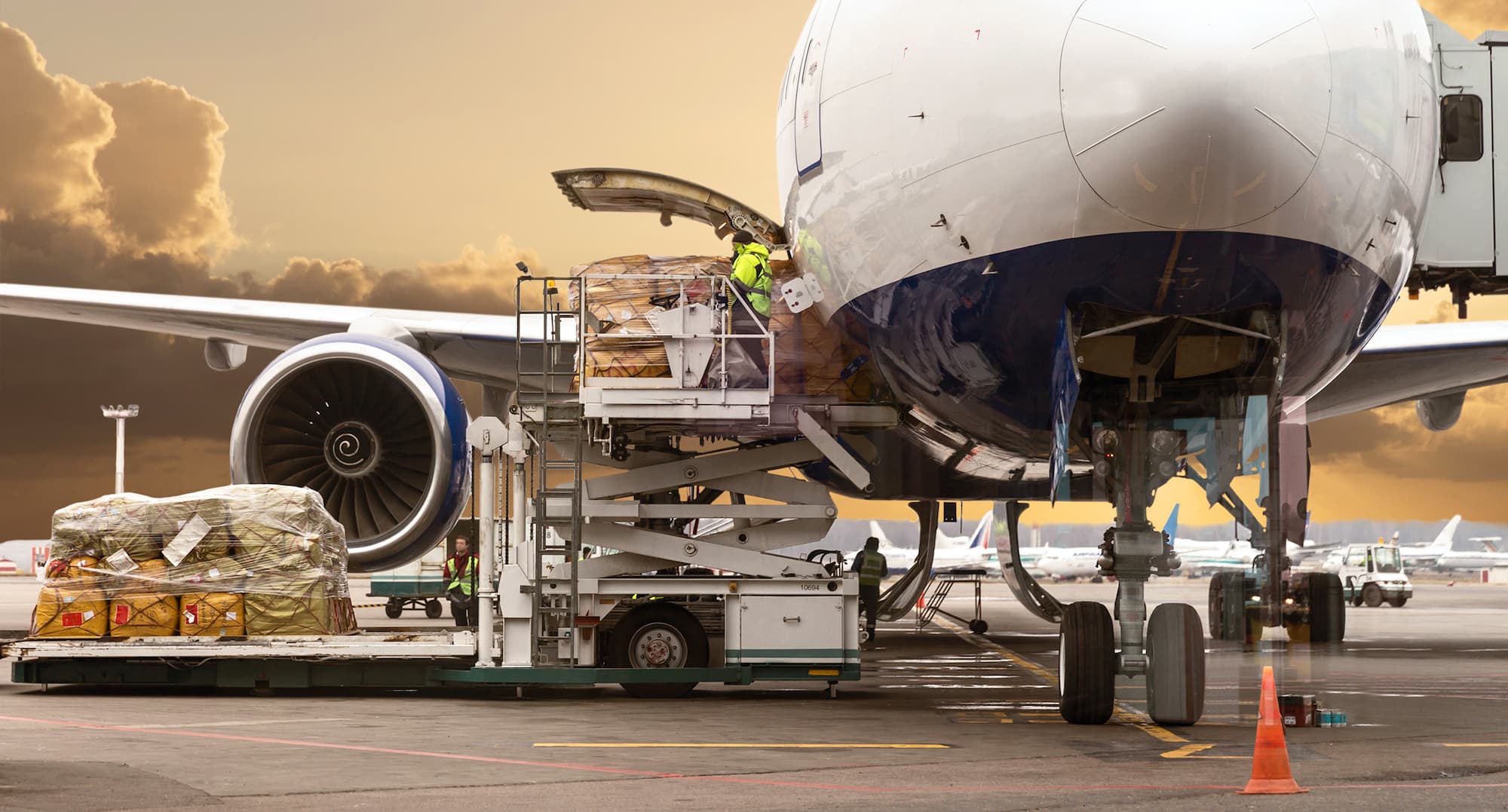
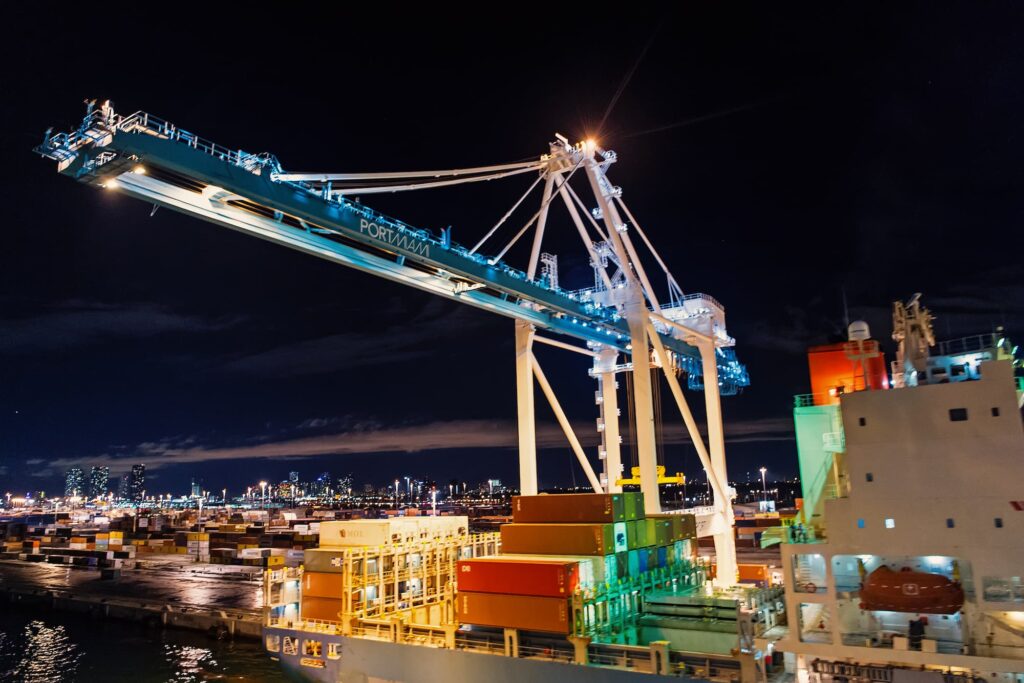
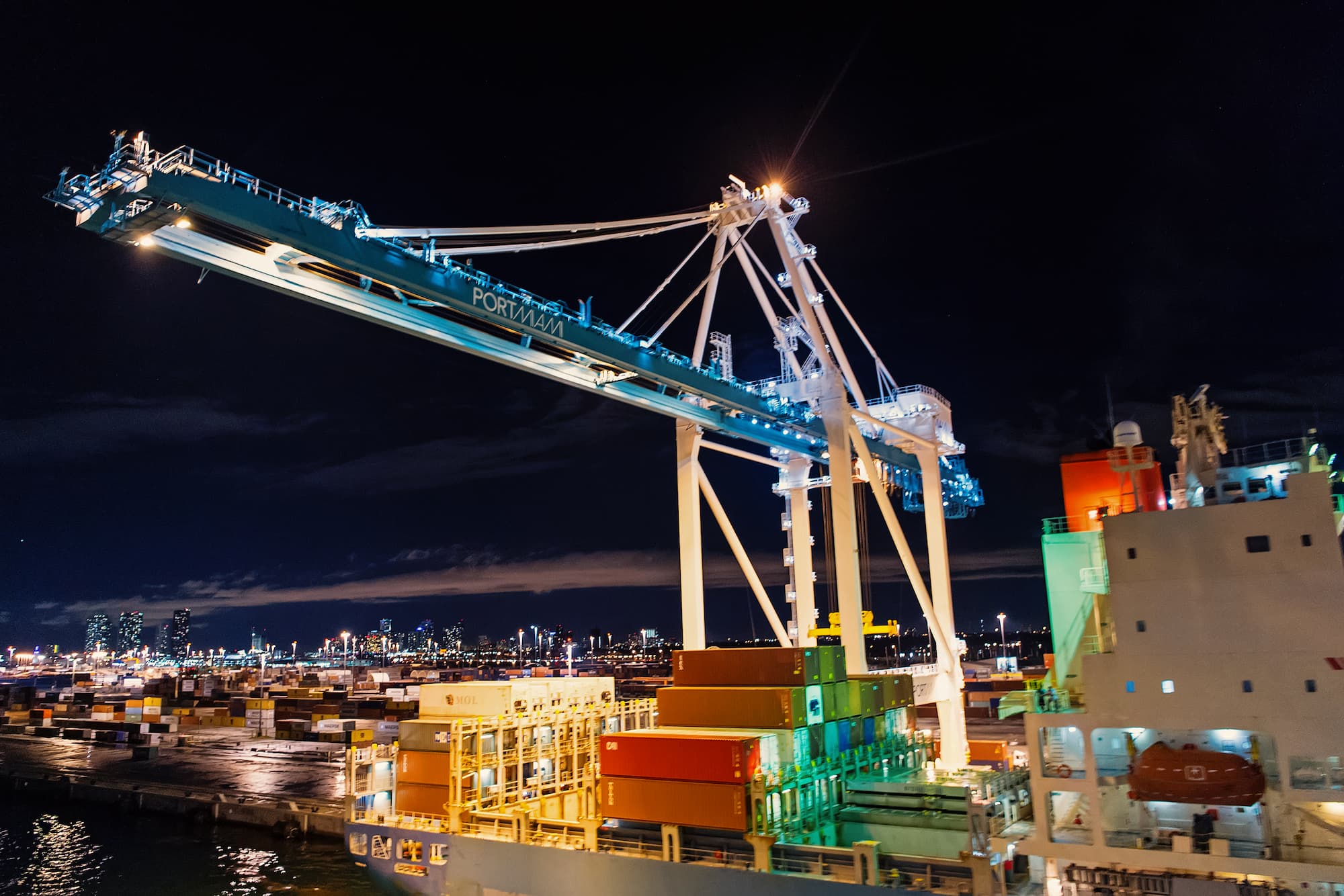
Miami is one of the most significant cities in Florida for shipping freight by air and sea. Two powerhouses contributing to Miami’s freight forwarding success are the Port of Miami and the Miami International Airport. With a TEU capacity of 1,220,000, the Port of Miami is one of the ten largest ports in the U.S. For reference, a TEU (twenty-foot equivalent) is a unit of measurement for the cargo capacity of a twenty-foot container. The Port of Miami is also the only southern-eastern port that allows post-Neopanamax vessels to pass through. The most common types of freight exported include citrus fruit juices, grapefruit, dairy products, and cognac brandy.
Miami moving imports and exports
The Miami International Airport is one of the busiest airports in the U.S. in terms of cargo movement. In 2021 the airport moved over 11 billion pounds of cargo. Nearly 70% of all perishable airfreight entering the U.S. comes through the Miami International Airport. This includes over 90% of flower imports. Once passed through the airport, the goods are transported throughout the U.S. Items such as computers, cellphones, and aircraft components are standard exports out of the facility. The high volume of cargo results from the port’s location, making it a perfect gateway to Latin America and the rest of the world.
Shipping internationally can be beneficial for the growth of a business. However, the actual process may be complex, especially for first-time shippers. Each country has its own rules and guidelines; not understanding the regulations can result in the loss of your shipment. It is highly beneficial to contact a freight forwarder to coordinate the movement of your cargo. If you are looking for a Freight Forwarder in Florida, contact A1 Worldwide Logistics at 305-821-8995 or info@a1wwl.com. We also have customs clearance services to clear your goods when they arrive in the U.S.
ASSISTANCE ALSO IN SPANISH!

by A1 WorldWide Logistics | Jan 30, 2023 | Agricultural imports, Customs Broker Miami, Freight Forwarding, Supply Chain
Celebrated February 14th, Valentine’s Day is known as a celebration of love and romance. Goods such as chocolates, candy, and perfumes are imported into and out of the U.S. from different countries. Another typical shipment moved globally for Valentine’s Day celebrations is flowers. Over 1.1 billion flowers are imported into the U.S. and inspected annually by customs. Out of all the imports, most are roses produced and transported from farms in Colombia. Several trade agreements have resulted in more than 62% of the total rose imports into the U.S. coming from Colombia.
Miami International Airport receives an estimated 91% of all the flower imports that come into the U.S. 23% of these imports happen between January and February in preparation for Valentine’s Day. While the importance of shipping flowers internationally is known, the process of moving the goods to their final destination is not. This article will give a background of how flowers are imported into the U.S. and explain how to begin. For more information, talk to one of our customs brokers at 305-425-9752 to understand the shipping process.
The Logistics Behind Importing Flowers into the U.S.
Since most rose imports into the U.S. come from Colombia, shipping from this country will be an example. The supply chain begins at the farms in Colombia, where producers grow the flowers and prepare them for shipping. When a wholesale company or independent shipper places an order, the flowers are packed into a refrigerated plane and transported. The method of conveyance is generally an airplane because the flowers have to be transported from Colombia to the U.S. in a speedy manner. Nevertheless, in some cases, boats are also used to transport flowers. Once they reach the U.S., Customs and Border Protection inspect the flowers for insects or diseases.
Customs’ purpose is to ensure that anything imported or exported from a country complies with the laws and regulations. Since there are an extensive amount of guidelines that require compliance, many importers hire a customs broker. A broker acts as an intermediary between the shipper and customs for the release of a shipment. They do this by providing the correct documents, filing customs entries, and paying the duties of the importer.
When customs clears the flowers, a refrigerated truck transports them to their final destination. A shipper who wants to begin importing flowers into the U.S. should start by understanding the necessary documents for importation. Customs brokers also help educate shippers to understand that and to provide the paperwork. The importer should also talk to a freight forwarder to find a carrier to move the shipment. Forwarders find the best transportation prices for conveyances such as boats, planes, rail, and trucks.
Give flowers!
Valentine’s day is a time of showing that special someone admiration and appreciation. A conventional way is by giving presents like flowers and other gifts such as jewelry or chocolates. If you plan on shipping cargo for this coming Valentine’s Day, contact A1 Worldwide Logistics at 305-821-8995 to get started. Our company has freight forwarders and customs brokers prepared to handle your cargo. We will ensure your and your customers’ satisfaction with the secure movement of your shipment.

by A1 WorldWide Logistics | Jan 5, 2023 | Freight Forwarding, Import and Export Experts
The Mississippi river has reached its lowest water levels in over a decade due to a drought. Months of dry weather have exhausted the amount of water in the river to a point where reserves are now inadequate. The National Oceanic and Atmospheric Administration (NOAA) forecast that the drought conditions will worsen in the coming weeks. The effect is experienced by various shippers that use the waterway to ship goods out of the U.S. One of the most significant consequences is felt in grain exports. This is because over half of the grains exported from the U.S. flows through the river.
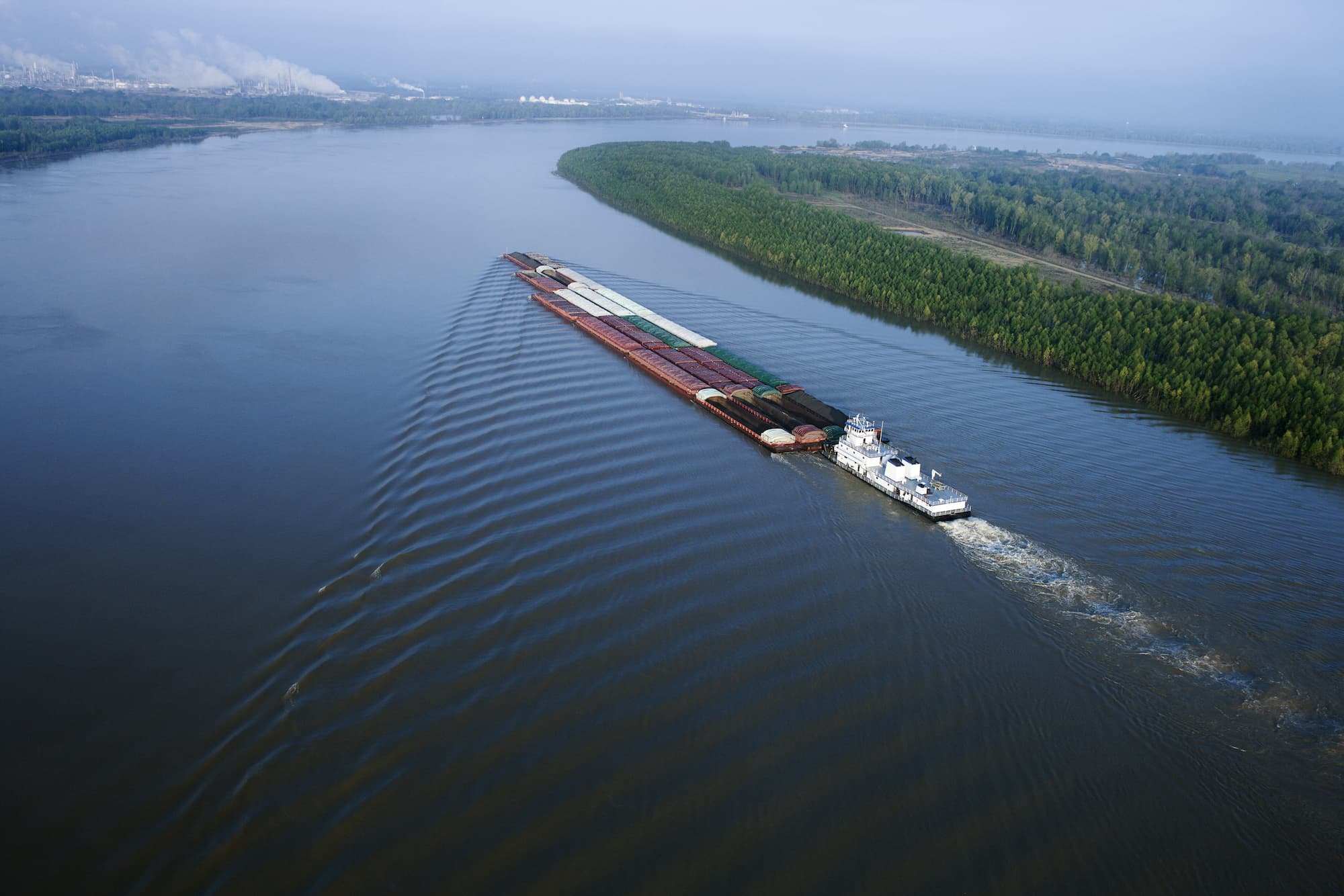
The way cargo like grains move across the Mississippi is by barges. Barges are flat-bottomed boats used primarily for transporting goods and people through canals and rivers. With water levels reaching unpreceded levels in the Mississippi, the barges cannot float, leading to the stalling of exports. Since many grain shipments rely on the river, many challenges are faced when moving them to foreign markets. However, with grains like soybeans being one of the biggest agricultural exports from the U.S., there is an urgency to find a solution.
The Impact on Barges
The barges’ capacity has taken a massive hit due to the current drought on the Mississippi river. The shallow water levels halted barges to a point where more than 2,000 barges were stuck waiting during a period. Transit time to move cargo has also increased due to the limited number of barges on the river. Before the draught, certain areas on the Mississippi allowed the towing of up to 40 barges at a time. The low water levels limited the maximum number of barges pulled simultaneously to 25 in the same location. On a large scale, this increases the number of round trips and transportation times.
Since water reserves are starting to deplete quickly, rain is the primary solution. However, it may be a while before an adequate amount of rain rises the river to normal levels. Another side effect of the limited capacity is that rates to use barges have increased compared to last year. Prices to move grains have risen close to 200%, while some locations like St. Louis have seen a 218% increase.

Other Alternatives?
Movers of grains in the U.S. have begun looking for alternatives for transporting their goods domestically and internationally. The war in Ukraine has created a shortage of soybeans and grains globally, which increased the necessity of exportation. An option is to transport the grains to other seaports across the U.S. and then ship them globally. Instead of being moved by the Mississippi river, trucks and railroads will transport the grains to the ports. U.S. grain companies with other locations in foreign places like South America have also considered increasing operations in those areas.
Since foreign markets have a high demand for grains, they may want to pay higher costs for importation. If you plan on shipping goods internationally, contact A1 Worldwide Logistics at 305-821-8995 or info@a1wwl.com for a quote. We assist with importing and exporting grains, soybeans, and other products to or from the U.S. Although the primary method of transportation for grains is currently hampered, we will help you navigate this predicament.
by A1 WorldWide Logistics | Nov 28, 2022 | Customs Broker, Freight Forwarding, Supply Chain, Warehousing
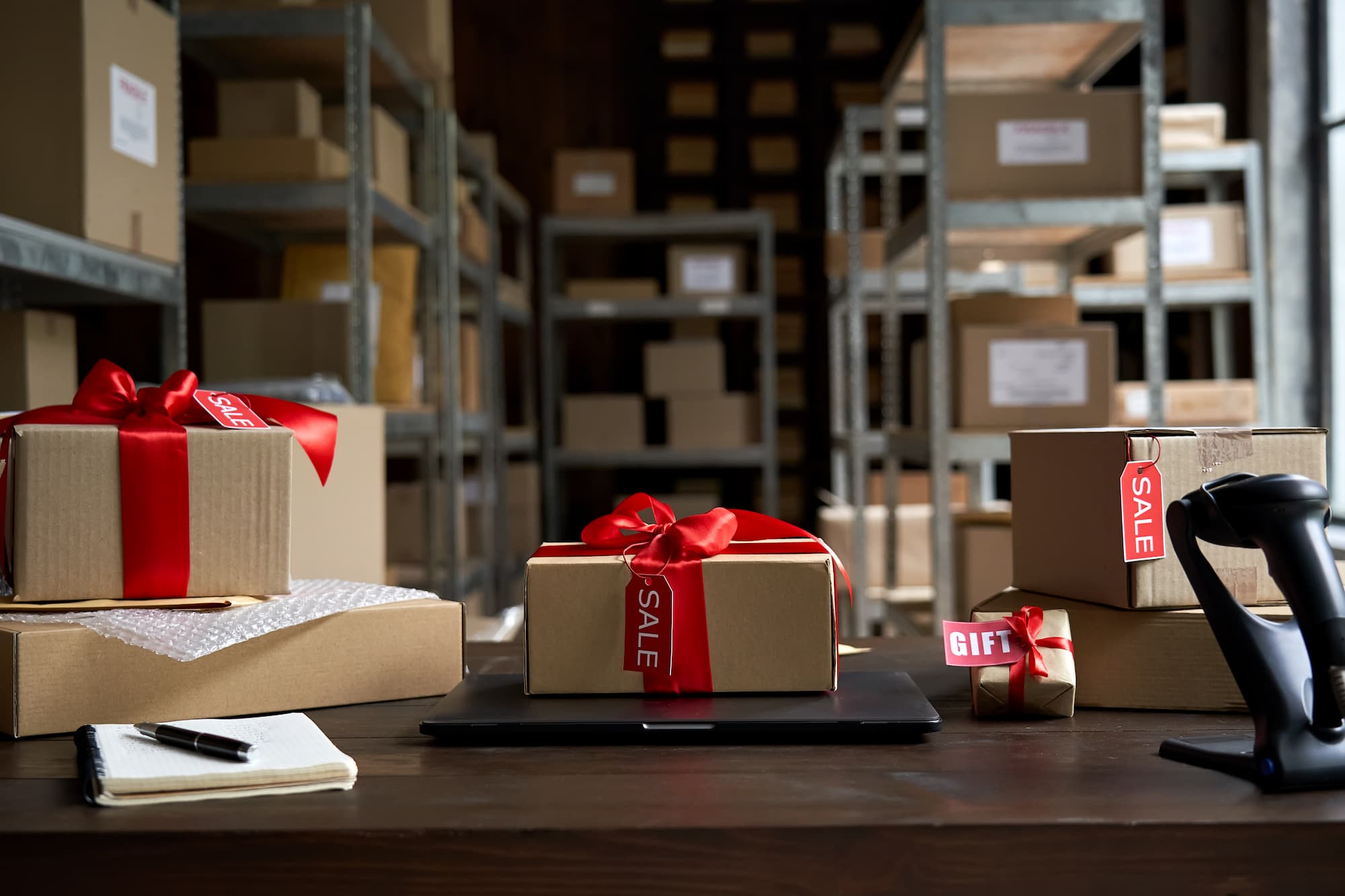
The holiday season may be a time for pressure on the logistics of large and small businesses. Constant news and reports of shipping delays have expedited this pressure globally. Smaller, more local companies are now carefully planning their logistics strategies to compete with larger companies. Although smaller businesses have a few logistics similarities to larger firms during the holiday season, many differences exist.
The Logistics of Larger Businesses During the Holiday Season
Large businesses tend to take a more tactical method when getting the goods to their customers. Since they have a broad reach, larger companies focus on getting their freight to their clients swiftly. Different approaches usually do this, and it’s possible due to the size of the companies. One-day and two-day shipping has raised customers’ confidence that they will receive their goods this holiday season.
Months before the holiday season began, certain companies started implementing a surcharge to combat the growing demand. As the number of shipments grew, the expenses to ship also rose. Since large companies are so widespread, they may be able to negotiate cooperation for the surcharge. Another logistics solution put into effect by bigger businesses was to increase capacity and inventory before the holiday season. An example is purchasing more freight aircraft to handle the load and adding more warehouse storage space.
How do Smaller Businesses Differ?
Many smaller businesses tend to have little capital to offer certain services compared to larger ones. Especially with the holiday season on the horizon, they have a different logistics approach. Supply chain issues, shipping costs, and delays can sometimes arise from the shipping logistics of larger businesses. Since smaller companies tend to be brick-and-mortar, their supply chains can be smaller and more streamlined.
Small-scale supply chains that smaller businesses have may make them more attractive to customers. The shipping delays that have been persistent over this year led shippers to switch to a local smaller business. Instead of dealing with possible delays from overseas shipments, a customer can drive somewhere close by for the same product. Larger companies have also noticed the benefits of brick-and-mortar stores and created more local stores. Instead of waiting for the goods to be delivered, customers can now drive to a local store to pick up the goods, just like brick-and-mortar stores.
A1 Worldwide Logistics
Regardless of your business size, there are different parts to shipping your goods to your customers. These crucial parts can affect the whole supply chain if one part goes wrong. This may be even more critical during this holiday season with increasing global demand to ship goods. The pressure to move freight has gone up over the last few years.
Contacting a logistics company can alleviate the pressure by handling the movement of your shipment for you. Give A1 Worldwide Logistics a call at 305-821-8995 to learn about the many logistics solutions we offer. From freight forwarding, customs clearance, warehousing, and more, we’re here to ensure the movement of your goods safely and promptly.
by A1 WorldWide Logistics | Nov 11, 2022 | Customs Broker, Customs Broker Miami, Customs Clearance, Freight Forwarding, Import and Export Experts, Shipping Logistics
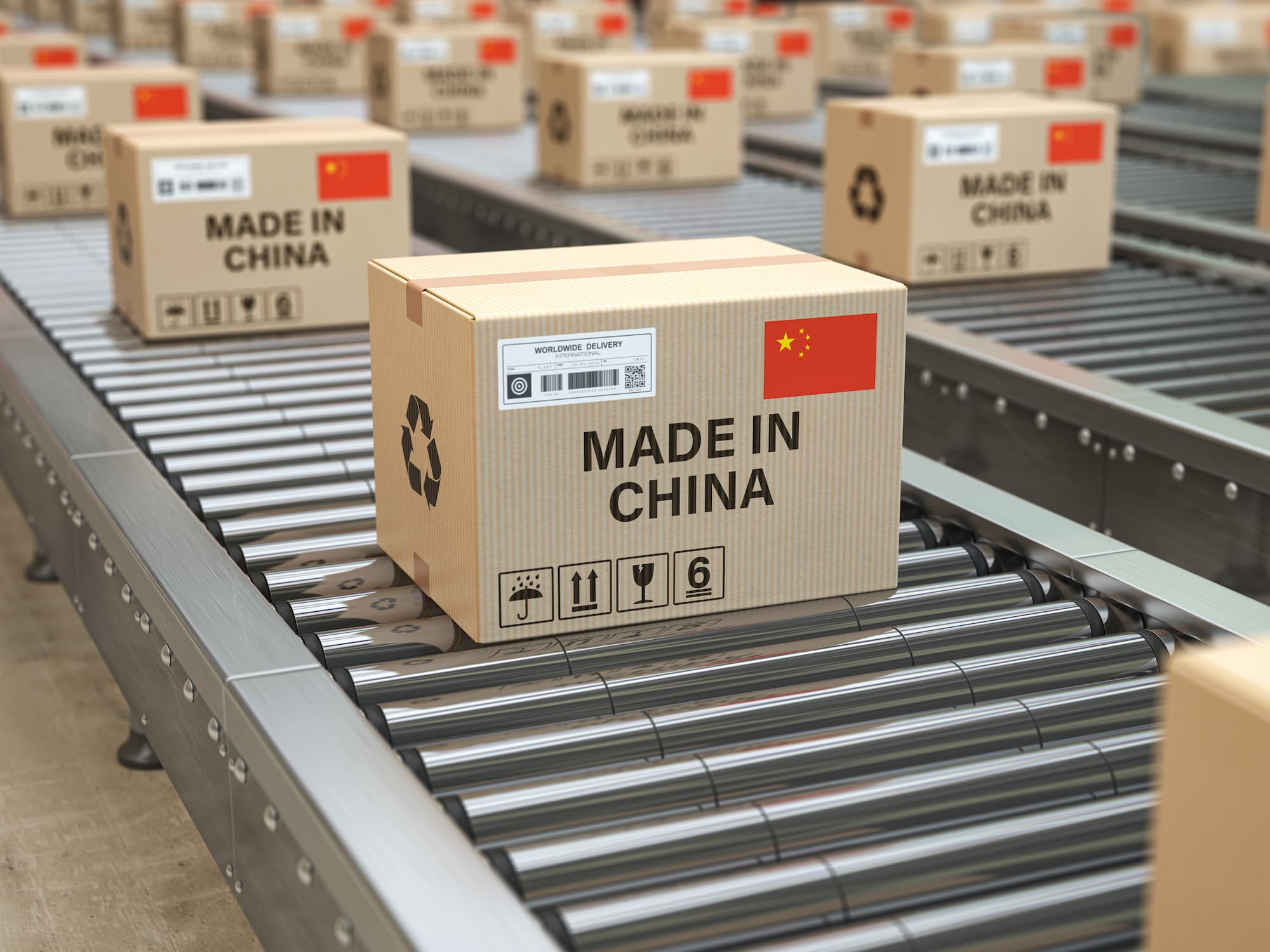
China is the U.S.’s biggest trading partner and the largest exporter of goods internationally. Because of China’s ability to manufacture products on a large scale, importing from the country can present many opportunities. Not only is growth possible for a business, but reduced costs, large quantities of imports, and other benefits are also possible. While importing may seem attractive to first-time shippers, understanding what’s necessary is essential for the shipment’s success. This article will explain how to prepare the required documents and what to expect during your cargo’s shipping journey.
Before deciding what to import, it is also essential to understand that certain goods may have restrictions and specific regulations. For example, any product from China’s “Xinjing” region cannot enter the U.S. The ban is due to human rights issues such as the forced labor of Uyghur Muslims. While you do not need a permit to import from China, certain commodities require an import license. Government agencies like the Food and Drug Administration (FDA) request that imports such as cheese have an import license. Speak to a customs broker if you are uncertain if your shipment needs a permit.
While you do not need a permit to import from China, certain commodities require an import license.
What Are the Necessary Documents
Documentation is a component of the shipping process that must be taken with care to prevent your shipment’s delay. While the documents depend on the imported commodity, specific papers are needed for every import. Certain imports require additional documents like inspection certificates for meat and egg products and energy-efficient labels like air conditioners. The documents may also vary by country, but we will mainly focus on bringing cargo into the U.S. from China. Some of the standard documents include:
- Importer Security Filing (ISF)
- Bill of Lading/Airway Bill
- Commercial Invoice
- Packing List
- Proof of Insurance
- Certificate of Origin (when Applicable)
- Arrival Notice
Shipments valued at $2,500 or above require a customs bond; an insurance policy to ensure the payment of taxes. A shipper can get a single-entry or continuous bond, depending on their shipment.
The Journey Begins
Once the freight is ready, it will be sent to a designated port in China for transportation to the U.S. Speak to a freight forwarder to arrange the transportation of the shipment. The main methods of conveyance for shipping internationally are by air or sea. Both ways have their benefits, like pricing and time. When your goods reach the U.S., they must pass through customs. Customs’ objective is the security of the people in the U.S. by preventing anything illegal or harmful into the country. While customs clearance usually takes less than 24 hours, it may take longer if the goods are “Held at Customs.” This happens when customs does not release your goods for various reasons, including unpaid duties and incomplete documents.
While the importation process is perplexing for first-time shippers, it is doable with the proper guidance. Contact A1 Worldwide Logistics at 305-821-8995 or info@a1wwl.com to begin your import journey. We guide you through each shipping process step to provide transparency with our services. Whether you need to speak to a customs broker or a freight forwarder, A1WWL has you covered.
Because of China’s ability to manufacture products on a large scale, importing from the country can present many opportunities.






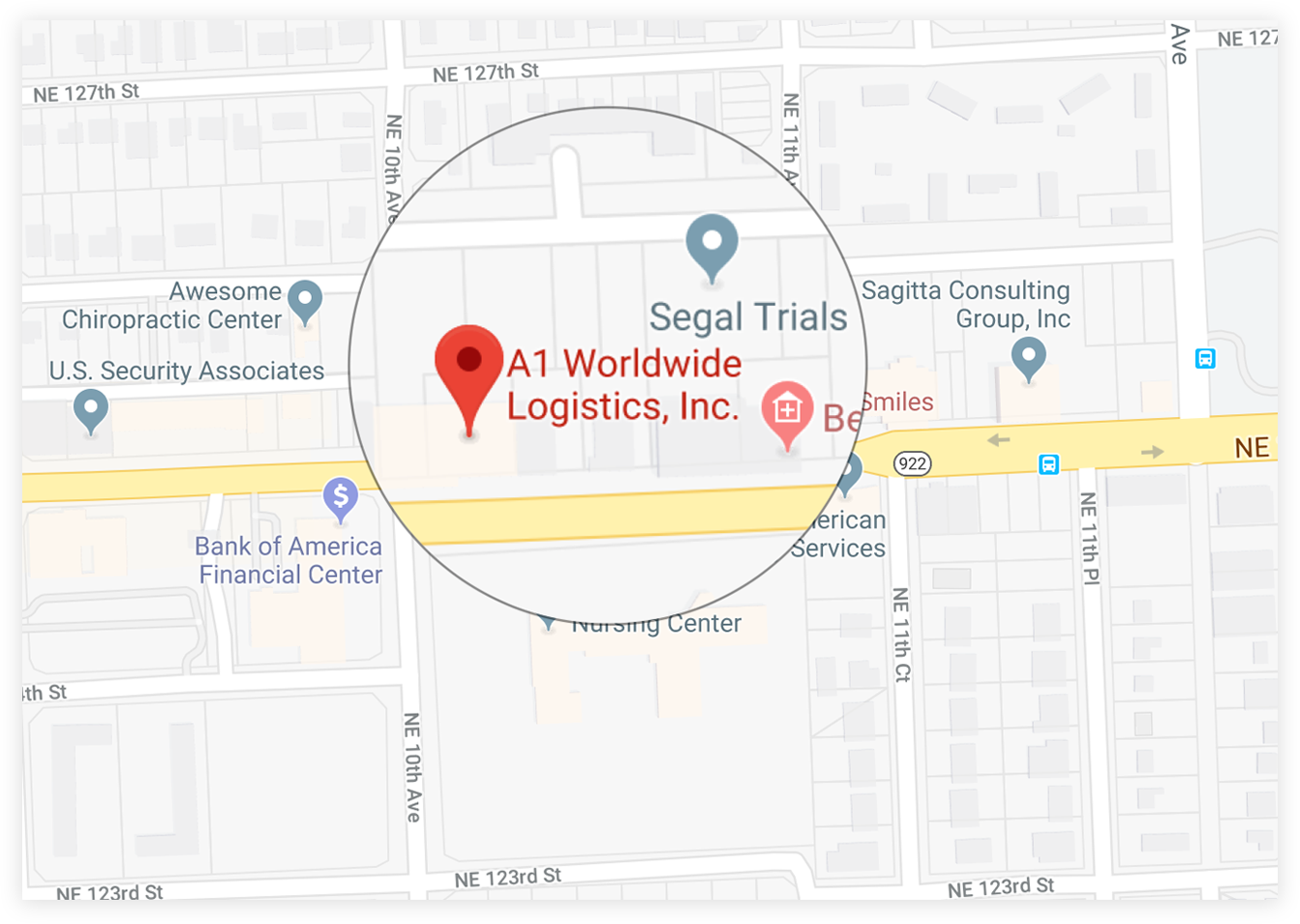
 1035 NE 125th St Suite #320, North Miami, FL 33161.
 a1worldwidelogistics.com
 (305) 821-8995
 Hours: 8AM - 5PM