by A1 WorldWide Logistics | Dec 24, 2024 | Air Freight, Freight Forwarding, Shipping Logistics, Warehousing
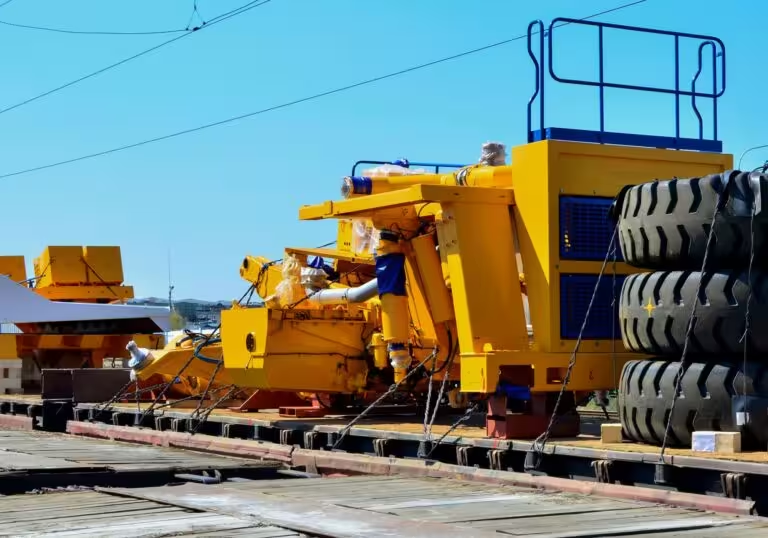
La carga sobredimensionada es un producto que excede el peso o las dimensiones permitidas para el transporte convencional. Un ejemplo de carga sobredimensionada podría ser equipos grandes como vigas de construcción y maquinaria como tractores. Debido a las dimensiones, se requieren regulaciones y directrices específicas para clasificarla como sobredimensionada. Las políticas para este tipo de carga varían según el estado; sin embargo, los remitentes deben seguir directrices generales como:
- Peso superior a 80,000 libras.
- Altura de alrededor de 13.6 pies.
- Ancho superior a 8.6 pies.
- Mercancías que superan los 53 pies de longitud.
¿Cómo almacenar carga sobredimensionada?
Debido al tamaño de la carga, los trabajadores deben tomar precauciones especiales al almacenarla en una bodega. Por ejemplo, antes de ingresar a las instalaciones, los equipos especializados como el montacarga desocupan el contenido del camión. Algunos almacenes específicos incluso tienen sistemas de transporte para mover rápidamente y con facilidad la carga grande. Un lugar estratégico para almacenar equipos grandes es en el suelo, debajo de una estantería. Generalmente no se coloca en los estantes debido a desafíos como un desbalance del montacarga. Ahora bien, si un artículo voluminoso requiere de un estante, una alternativa común es una estantería de cantiléver.
Las instalaciones que almacenan mercancías como maquinaria pesada pueden tener pisos reforzados debido al peso. Además, la mayoría de los almacenes con solicitudes frecuentes de carga voluminosa tienen una sección vacía para este almacenamiento. Si tiene planes de almacenar carga pesada o sobredimensionada, comuníquese con A1 Worldwide Logistics al 305-425-9513. Entendemos el tratamiento especializado que requieren los bienes grandes y ofrecemos almacenamiento a corto y largo plazo para carga de diversas industrias.
by A1 WorldWide Logistics | Nov 26, 2024 | Order Fulfillment, Supply Chain, Warehousing
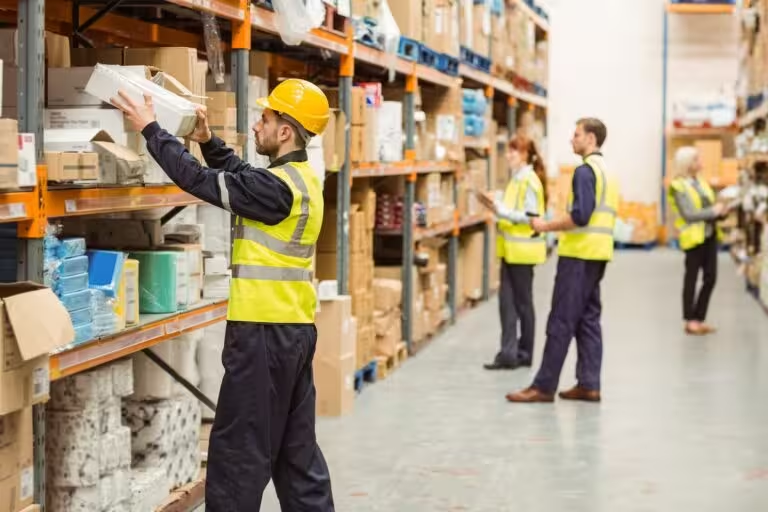
Un tema común al discutir sobre el almacenamiento en la cadena de suministro es la distribución. Esta consiste en transportar productos o mercancías almacenadas a un lugar para cumplir con los pedidos. Si bien existen centros de distribución específicos, los almacenes estándar también pueden ofrecer esta solución. La razón por la cual los servicios de distribución son tan vitales para las cadenas de suministro es el valor que agregan.
Algunas de las soluciones incluyen:
– Transporte de carga.
– Cumplimiento de pedidos.
– Cross-docking (transbordo de carga directo).
– Embalaje y estiba.
– Mezcla de productos.
Una de las principales diferencias entre los almacenes regulares y las instalaciones que brindan distribución es el tiempo que se almacena el inventario. Los almacenes estándar están diseñados para albergar mercancías durante períodos más largos. Dado que el propósito principal de los centros de distribución es cumplir con los pedidos, la carga tiende a quedarse por períodos más cortos. Un almacén que ofrece servicios de distribución puede incluir tiempos de almacenamiento a corto y largo plazo, además del cumplimiento de pedidos.
¿Cómo se benefician las empresas de la distribución?
Las empresas medianas que venden productos a los clientes son uno de los principales usuarios de los servicios de distribución en almacenes. Esto se debe al trabajo y los costos de tener instalaciones propias de distribución. Subcontratar los servicios a un almacén 3PL (Third Party Logistics) puede ayudar a la empresa a ahorrar dinero y enfocarse en otras áreas del negocio. El almacenamiento para distribución también puede ser ideal para las empresas que desean mantener relaciones sólidas con los clientes. Una de las principales formas de mantener una relación sólida con los clientes es tener una distribución eficiente y consistente.
Otro tipo de negocio que se beneficia significativamente del almacenamiento para distribución es el comercio electrónico. A medida que las compras de productos en línea crecieron, especialmente en los últimos años, también lo hizo la necesidad de servicios de cumplimiento de pedidos. Las empresas que dependían del comercio electrónico rápidamente vieron cómo los almacenes de distribución podían cumplir con los pedidos de los clientes. Las compras en línea se envían de inmediato al almacén, donde el pedido es procesado y seleccionado del inventario. Luego, los productos son empaquetados y preparados para ser transportados fuera de la instalación. La carga puede ser luego trasladada a una tienda departamental o directamente al cliente.
Muchos almacenes que ofrecen servicios de distribución también están aduanados. Esto significa que es un edificio asegurado donde las mercancías importadas pueden ser retenidas durante cinco años sin tener que pagar impuestos. Los importadores pueden beneficiarse de almacenar sus productos mientras generan el capital necesario para pagar la carga. Las empresas también pueden almacenar mercancías mientras buscan clientes para su carga.
Si está buscando un almacén, comuníquese con A1 Worldwide Logistics al 305-425-9513. Junto con los servicios de distribución, nuestra instalación aduanada le permitirá almacenar su carga sin el pago de aranceles.

by A1 WorldWide Logistics | Sep 5, 2024 | Economic trends, Supply Chain, Warehousing
The logistics industry has seen growing sustainability in warehousing operations in recent years. As the e-commerce business grows, so does the number of warehouses across the U.S. As a result, warehousing activities now contribute to nearly 11% of greenhouse gas emissions in the logistics sector. On a larger scale, it also contributes to massive energy consumption, waste, and transportation emissions in the global supply chain. Warehouse sustainability is the process of decreasing the environmental impact that warehouses have while optimizing operating efficiency. Various trends in warehousing have allowed an increase in greener and more efficient practices. Technology and different strategies have further expanded the push towards sustainability.
The Importance of Sustainability In Warehousing
Sustainability has grown significantly in warehousing for various reasons. One of the primary reasons is to reduce the carbon footprint in the logistics industry. With the U.S. setting a goal to have net-zero emissions by 2050, this is a vital step in the process. Another reason is to create an efficient and more resilient supply chain. Sustainability can have other benefits than a greener future, like reducing energy costs. Better reuse and recycling strategies can reduce expenditures by up to 20%. It can also improve brand awareness by giving a clean image to its customers.
How Is Sustainability Being Adapted in Warehousing?
Some of the most common ways that sustainability is growing in warehousing include:
Recycling and Waste Reduction – Waste management has been a focal point in warehouse sustainability due to the amount of excess they produce. Warehouses manage waste by recycling, reusing resources, and reducing packing waste. Businesses have also optimized their packaging for eco-friendliness by using eco-friendly package materials and reducing the volume of packing material.
Energy Efficiency – Since warehouses are common consumers of energy in the logistics industry Energy-efficient strategies have gotten increasingly popular. Renewable energy sources like solar panels are growing in warehousing to generate clean energy on-site. Smart thermostats and energy-efficient HVAC systems are other strategies for energy efficiency. LED lighting and solar panels can also help save costs.
Technology – A trend that has been growing recently is the usage of advanced technologies like automation in warehousing. Artificial intelligence is being used by warehouses to improve workflows and operations. Sustainability comes from technology that monitors and optimizes energy use or that can reduce waste.
Transportation – Sustainable practices can also come from freight transportation to and from the warehouse. Efficient route planning can lessen the time on the road, decreasing the amount of CO2 the carrier releases into the atmosphere. Using alternative fuels like compressed natural gas and renewable energy is another green practice in warehousing. Another way has been an increase in the use of EVs (Electric Vehicles).
A1 Worldwide Logistics
When importing into the U.S., a shipper must pay specific taxes before releasing their cargo from customs. If the importer does not need their goods immediately, they can keep them in a customs-bonded warehouse. Customs-bonded warehouses allow the storage of imports for up to five years without paying duties and taxes. The goods can undergo manipulation and manufacturing operations during the storage period. This is beneficial if an importer has a product that they do not plan on selling immediately. Contact A1 Worldwide Logistics at 305-440-5156 or info@a1wwl.com to learn about our bonded warehousing solutions for your shipment.
by María Fernanda Cárdenas | Apr 30, 2024 | 3PL, Delivery, Order Fulfillment, Warehousing
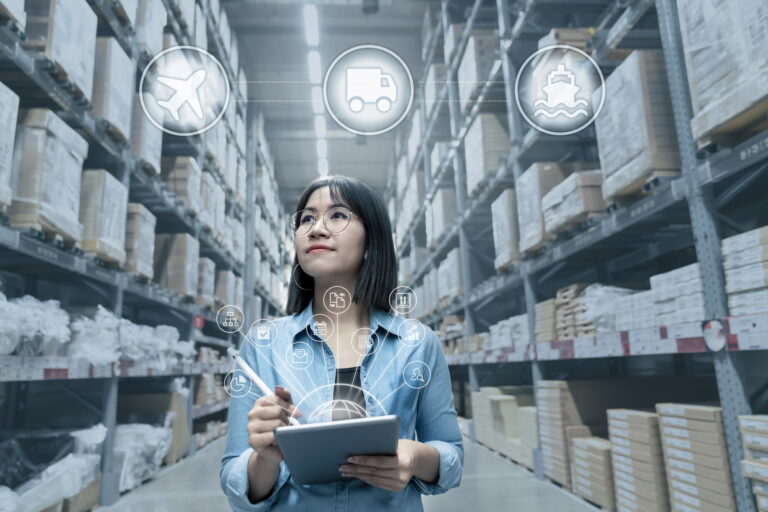
Con el aumento del comercio electrónico en las últimas décadas, también ha crecido la distribución directa (DTC o D2C) e indirecta (3PL). La distribución directa es cuando un negocio vende paquetes de productos y envía los bienes directamente al cliente. A menudo conocido como “Directo al Consumidor”, esto suele ocurrir cuando una empresa tiene su tienda en línea y su propio depósito. La distribución directa es la última parte de la cadena de suministro DTC. Por otro lado, la distribución indirecta (Third Party Logistics, 3PL) es cuando un intermediario se encarga de la gestión de inventario y envío. Un ejemplo es el FBA, Fulfillment by Amazon, donde Amazon se encarga del procesamiento de pedidos, almacenamiento y entrega de estos. Ambos modelos tienen ventajas y desventajas en el almacenamiento y envío de los productos al cliente.
¿Cuáles son las diferencias entre la distribución directa e indirecta?
Si bien la distribución DTC y la distribución 3PL son modelos de cumplimiento al cliente, la diferencia principal es el proceso. Para la distribución directa, la operación comienza en el almacén de la empresa, antes de que el cliente realice cualquier pedido. Esto puede incluir a trabajadores etiquetando, almacenando y preparando los productos para su envío. Cuando el cliente realiza un pedido, el sitio web envía la información al almacén, donde comienza el embalaje y la selección. Cuando está listo, un camión o mensajero usualmente envía la mercancía a la ubicación final. Sin embargo, en los modelos 3PL, una vez que el cliente realiza un pedido en el sitio de comercio electrónico, la información se envía a un almacén de propiedad de terceros.
A diferencia del 3PL, los servicios de distribución directa no tienen intermediarios y son responsables de toda la cadena de suministro. A medida que las compras en línea ganaron popularidad, el DTC se volvió valioso para los clientes que querían que sus productos se enviaran directamente. La pandemia de coronavirus aumentó aún más esta tendencia, ya que el dirigirse a tiendas físicas disminuyó durante ese período. La novedad de una empresa también puede determinar su modelo para almacenar y enviar carga. Las empresas de comercio electrónico típicamente comienzan con su propia cadena de suministro DTC, pero el proceso se vuelve más desafiante a medida que una empresa crece. Cuando los pedidos mensuales alcanzan cierta cantidad, las empresas invierten en más espacio de almacenamiento o externalizan las operaciones a un proveedor 3PL.
Uso de un 3PL para la distribución
La razón principal por la que los remitentes y vendedores utilizan servicios 3PL es debido a las numerosas ventajas que este tipo de distribución tiene. Para las empresas en crecimiento, esto es ideal para pequeñas empresas o importadores principiantes si hay capital insuficiente: ahorran dinero al no tener que operar tu propio centro de distribución. Un 3PL especializado en almacenamiento y distribución también puede tener la tecnología para ofrecer más soluciones que las empresas más pequeñas. Por ejemplo, entrega más rápida, procesamiento de devoluciones, recursos de seguimiento y gestión, y mayor capacidad de escalabilidad.
Depósito Aduanero
Cuando la carga entra en los Estados Unidos, está sujeta a varios aranceles e impuestos. Una forma común en que los importadores evitan estos cargos es utilizando un depósito aduanero. Estos permiten el almacenamiento de carga hasta por 5 años sin el pago de aranceles desde la fecha de importación. Así, los remitentes ahorrar dinero mientras buscan clientes. Los productos también pueden ser reexportados sin impuestos si no hay compradores para los envíos. Comuníquese con A1 Worldwide Logistics al 305-440-5156 o info@a1wwl.com para obtener más información sobre nuestras instalaciones aduaneras. Además del almacenamiento, ofrecemos distribución, separación, manipulación, embalaje, empaquetado y más servicios para optimizar su cadena de suministro.
by A1 WorldWide Logistics | Mar 7, 2024 | Order Fulfillment, Shipping Logistics, Supply Chain, Warehousing
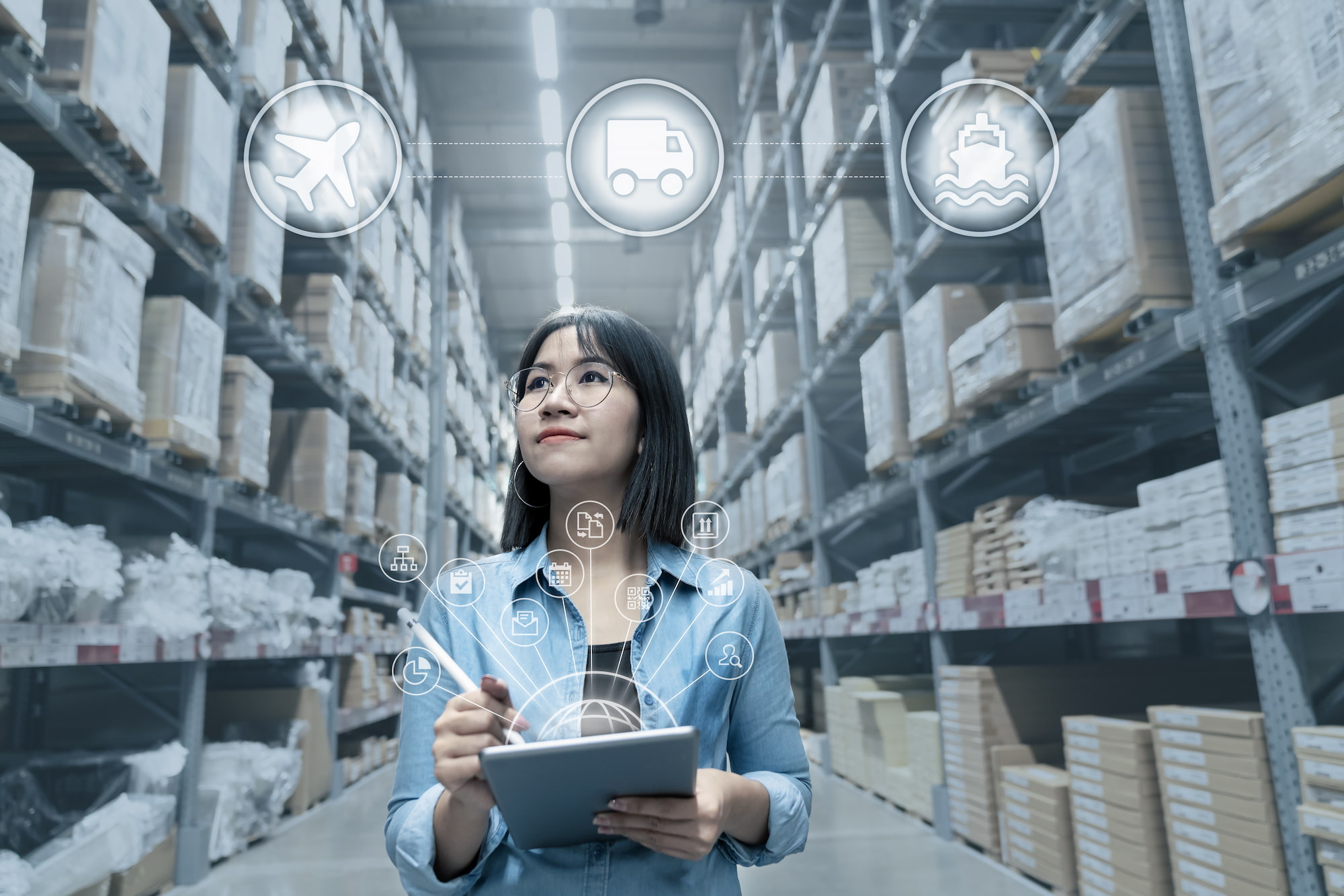
As e-commerce has surged over the last few decades, so has direct and 3PL fulfillment. Direct fulfillment is when a business sells product packs and ships the goods directly to the customer. Often known as DTC or D2C, this is typically when a company has its online shop and warehouse. Direct fulfillment is the last part of a DTC supply chain. The 3PL (Third Party Logistics) Fulfillment is when a middleman handles the inventory management and shipping. An example is Fulfillment by Amazon (FBA), where Amazon handles the order processing, storing, and delivery of the orders. Both models have pros and cons when warehousing and moving the products to the customer.
What Are The Differences Between Direct And 3PL Fulfillment?
While Direct and 3PL are both models of customer fulfillment, the main difference is the process. The operation begins before the customer orders and starts at the company’s warehouse for direct fulfillment. This can include workers labeling, storing, and preparing the products for shipping. When the customer orders, the website sends the information to the warehouse, where the packing and picking begins. When ready, a truck or courier typically ships the freight to the final location. In 3PL models, once the client places an order on the e-commerce site, the info goes to a warehouse that a third-party company owns.
Unlike 3PL, direct fulfillment services do not have a middleman and are responsible for the entire supply chain. As online shopping rose in popularity, direct fulfillment became valuable to customers who wanted their products shipped directly. The coronavirus pandemic further grew this trend since driving to brick-and-mortar stores declined during that period. A company’s newness can also determine its model for storing and shipping cargo. E-commerce businesses typically start with their own DTC supply chain, but it becomes more challenging as a company grows. When monthly orders reach a certain amount, companies invest in more warehouse space or outsource operations to a 3PL provider.
Using A 3PL For Fulfillment
The main reason shippers and sellers use 3PL services is because of the numerous advantages this type of fulfillment has. Along with growing companies, this is ideal for smaller businesses or beginner importers if there is insufficient capital. You save money by not having to operate your fulfillment center and outing the shipping process. A 3PL specializing in warehousing and fulfillment may also have the technology to offer more solutions than smaller companies. Examples include quicker delivery, return processing, tracking and management resources, and greater room for scalability. International and domestic shippers can benefit from having a supply chain with more excellent warehouse capabilities.
Customs Bonded Warehouse
When cargo enters the U.S., it is subject to various duties and taxes. A common way that importers avoid these charges is by using a customs-bonded warehouse. Bonded warehouses allow the storing of cargo for up to 5 years without payment of duties from the import date. This will enable shippers to save money while they look for customers. Goods can also be re-exported without taxes if there are no buyers for the shipments. Reach A1 Worldwide Logistics at 305-821-8995 or info@a1wwl.com to learn more about our bonded facility. Along with storage, we have distribution, segregation, manipulation, packing, crating, and more services to streamline your supply chain.
by A1 WorldWide Logistics | Feb 1, 2024 | Shipping Logistics, Supply Chain, Warehousing
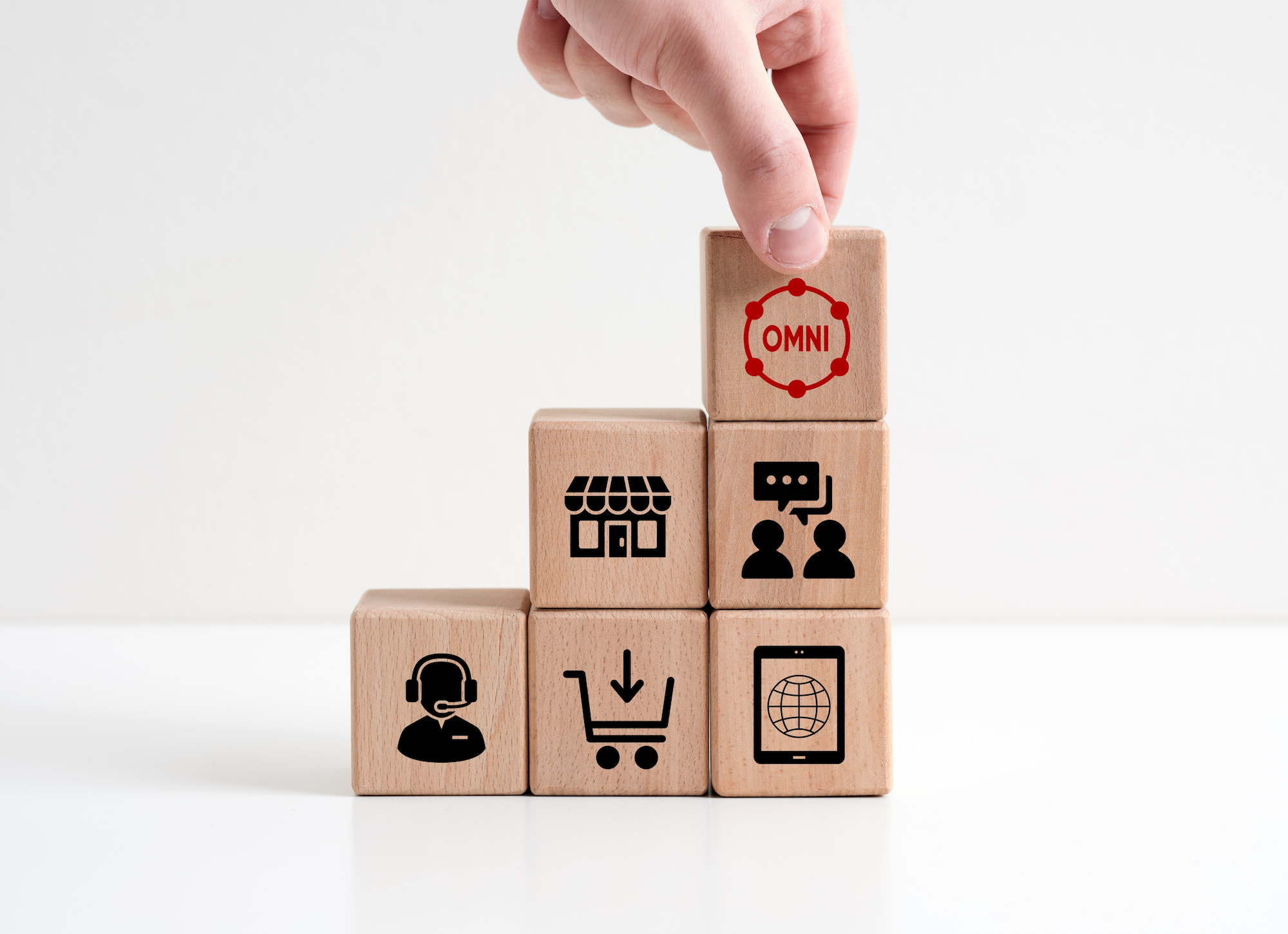
When a business is considering logistics strategies for growing its supply chain, understanding what is omnichannel logistics can be beneficial. Omnichannel logistics is the process of using multiple channels to reach customers and fulfill demand. While Omnichannel may seem similar to Multichannel logistics, they differ in integration. Multichannel uses several channels to guide a customer through the purchasing process. Omnichannel also has multiple channels; however, they are connected and share data jointly. An example is a company with an app and website where you can order online and ship to the store. Companies usually import the products from distribution centers and warehouses internationally.
The Importance of Understanding What Is Omnichannel Logistics
Knowing omnichannel logistics can help a business streamline its supply chain and offer more to its clients. In a time when customers expect more excellent solutions for their needs, this is especially important. Using the example where buyers can order online and ship goods to a store, this can start at the warehouse. A company understanding omnichannel logistics may have multiple channels with product option services that adapt to the customer’s needs. Once the customer selects, the website will send the order to a warehouse where the cargo manipulation process begins. Other parts of the supply chain, like the delivery process, can offer numerous alternatives with omnichannel logistics.
What Are The Benefits And Challenges Of Omnichannel Logistics
Omnichannel logistics have numerous benefits for the customer, company, and other parts of a supply chain. A significant advantage for businesses is that the enhanced customer journey and solutions increase retention. Greater scalability also becomes possible since the multiple channels allow reaching into new customer segments. An effect is that a business can have a competitive advantage since various integrated channels set it apart. Additionally, having numerous ways for a buyer to access your services may be beneficial in gathering customer data. The information lets the company make more informed service and product decisions.
While this logistics approach has many benefits, there can also be challenges, including difficulty performing reverse logistics. Reverse logistics is the return of products through the supply chain for disposal, reusing, recycling, etc. Compared to businesses with one channel, a company with multiple channels can have difficulty deciding on the best channel to handle the returned product. Another challenge is that inventory visibility may become complex with the numerous retail locations and warehouses that omnichannel usually has. With the number of channels available to customers, omnichannel is accessible to anyone. A problem arises when competition acquires critical information for their interest.
Customs Bonded Warehouse
One of the most critical parts of a supply chain is the warehousing fulfillment a company provides. A common way businesses save money while providing numerous services is by outsourcing to a 3PL warehouse provider. A1 Worldwide Logistics understands this and has a customs-bonded facility for housing your cargo. Customs-bonded warehouses allow freight storage without paying taxes up to five years from the import date. This allows the importer to save money while finding customers for their product. If the shipper cannot find a buyer for the goods, it can be re-exported without payment of duties. To learn more about our customs-bonded warehousing solutions, contact us at 305-821-8995.

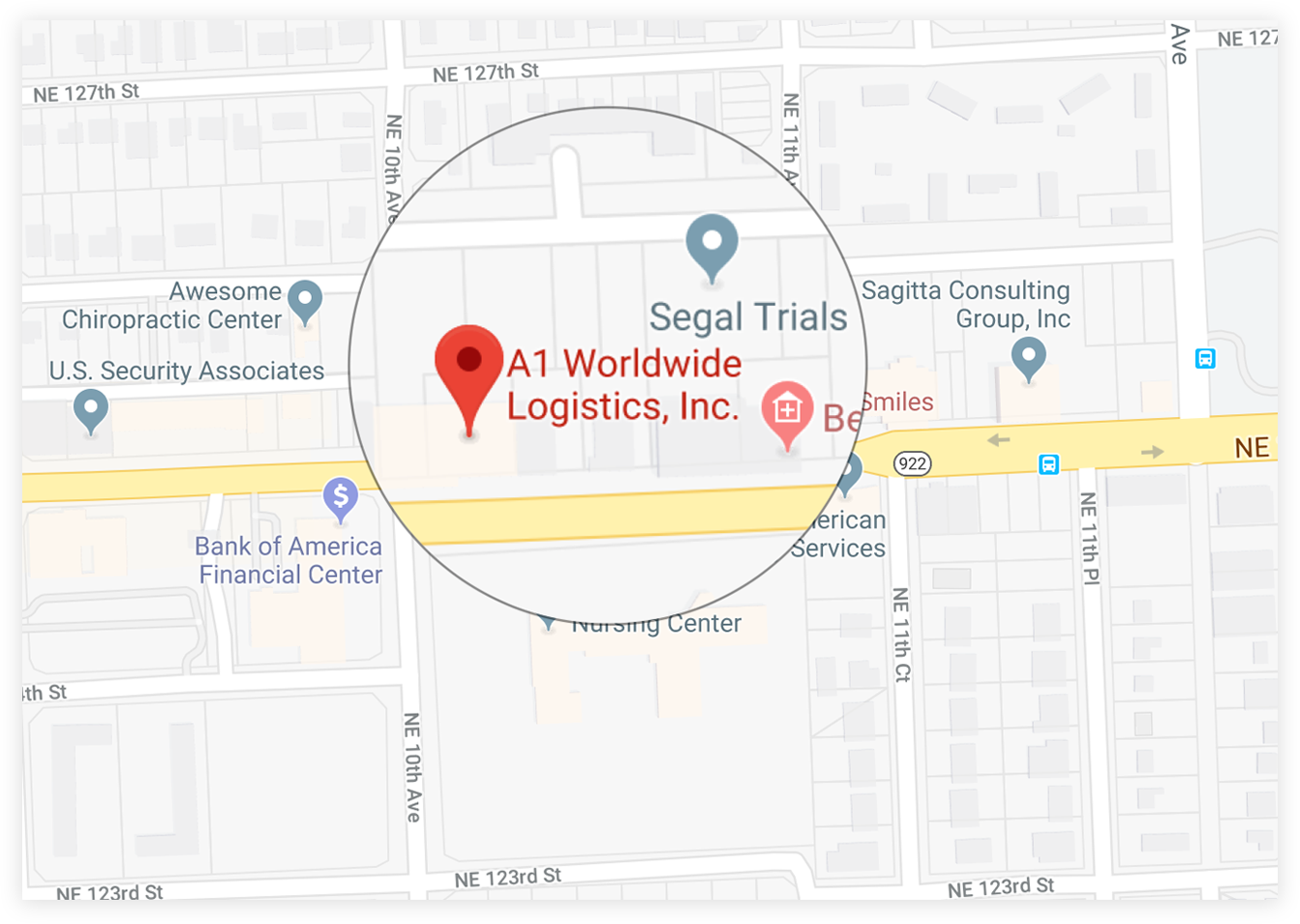
 1035 NE 125th St Suite #320, North Miami, FL 33161.
 a1worldwidelogistics.com
 (305) 821-8995
 Hours: 8AM - 5PM