
by A1 WorldWide Logistics | Mar 24, 2023 | Freight Forwarding, Shipping Logistics, Supply Chain
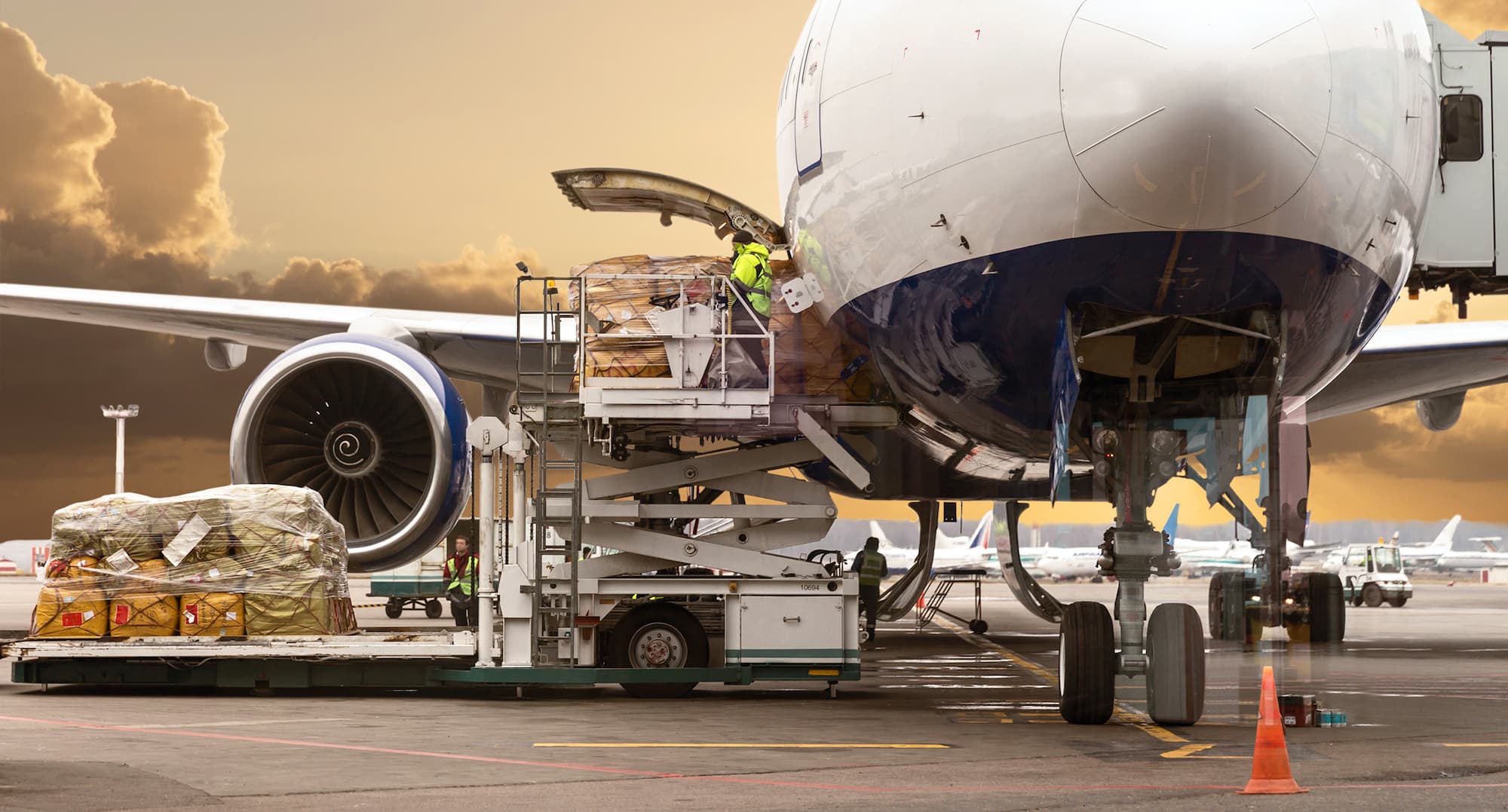
In international trade, freight forwarders are the intermediaries that handle the logistics of getting your goods to the final destination. Forwarders coordinate with carriers and warehouses to find the best routes for cargo transportation. When choosing a forwarder, the customer should be mindful of how much effort the forwarder is willing to put into having a solid and long-lasting relationship. When examining how much the forwarding agent values their bonds with customers, there are specific indicators to look for. Some of the qualities are the following:
Having Open Communication
One of the most significant parts of a relationship is the ability to communicate when needed. Regardless of the conveyance method of the shipment, the customer should be updated on the location when needed. Diligent freight forwarders have close contact with their customers and constantly provide updates on shipments. A1 Worldwide logistics ensures our clients have instant contact with us during shipping. We achieve this by having open lines of communication such as phone calls, emails, and our website.
Being Dependable
Customers must rely on their forwarder to keep any promises they guarantee. Dependability is a direct reflection of how a business runs and how it cares about its customers. It’s different for a company to say they provide the highest quality customer service and deliver on that promise. This is especially true in international shipping, where supply chain logistics constantly change.
Having Experience
Experience can indicate that a forwarder values customer relationships. This is because of the longevity involved in gaining experience. Forwarders with many clients have expertise from countless years of working with customers. A side effect is that the freight forwarder also learns the importance of customer relationships from working with many clients.
Dealing with Uncertainty
In forwarding, getting your goods to their endpoint may sometimes go differently than planned. Sometimes unpredictable events occur in the supply chain that interrupts the journey. For example, there could be an issue with manufacturing or warehouse placement. Shipping delays can also happen during the trip. A forwarder must be prepared for any circumstance and be able to explain the situation to the customer.
Taking the Extra Step
This means that the forwarder goes above and beyond to calibrate and communicate with the client during the cargo’s journey. It shows how the freight forwarder values the customer and their commitment to keeping the relationship. The extra step can also mean coordinating with the carrier for the client. This can entail that certain adjustments must be made to make the shipping process as effective as possible.
Keeping the Relationship
A forwarder’s key to keeping its clients is consistency and competence. The client must trust that they can depend on their freight forwarder to transport an item internationally. This trust comes from previous experiences where the forwarder demonstrated proficiency at their job. If you want a committed forwarder to building a long-lasting relationship, contact A1 Worldwide Logistics at 305-821-8995. A1WWL aims to provide the best customer service by being accountable and transparent in everything we do. We also assist with customs brokerage to ensure your shipment complies with government regulations when entering a country.
by A1 WorldWide Logistics | Feb 20, 2023 | Customs Broker Miami, Freight Forwarding
While being known for beautiful beaches and warm weather, Florida is also known as a gateway to international markets. Florida’s location is not only ideal for trade with South America and the Caribbean but for Asia as well. The Panama Canal is situated at a distance that shortcuts the time that global shipments reach Florida. In 2016 the Neopanamax locks opened, meaning that larger ships and vessels from distant locations like Asia could pass through. China, being the world’s biggest exporting country, has also benefited from Florida’s location. An estimated $55.5 billion in cargo was shipped out of the state in 2021.
The freight forwarding industry in Florida has thrived due to the many conveyance methods available for moving shipments. Florida boasts 19 commercial airports, 21 foreign trade zones, 15 seaports, and various railroads located throughout the state. In 2019, Florida moved 912 million tons of freight valued at over $1.1 trillion in its freight system. The state’s positioning benefits freight forwarders and shippers by allowing solutions to streamline supply chains. Florida’s growing population has increased the volume of cargo moved in and out every year.
The Port of Miami and Miami International Airport
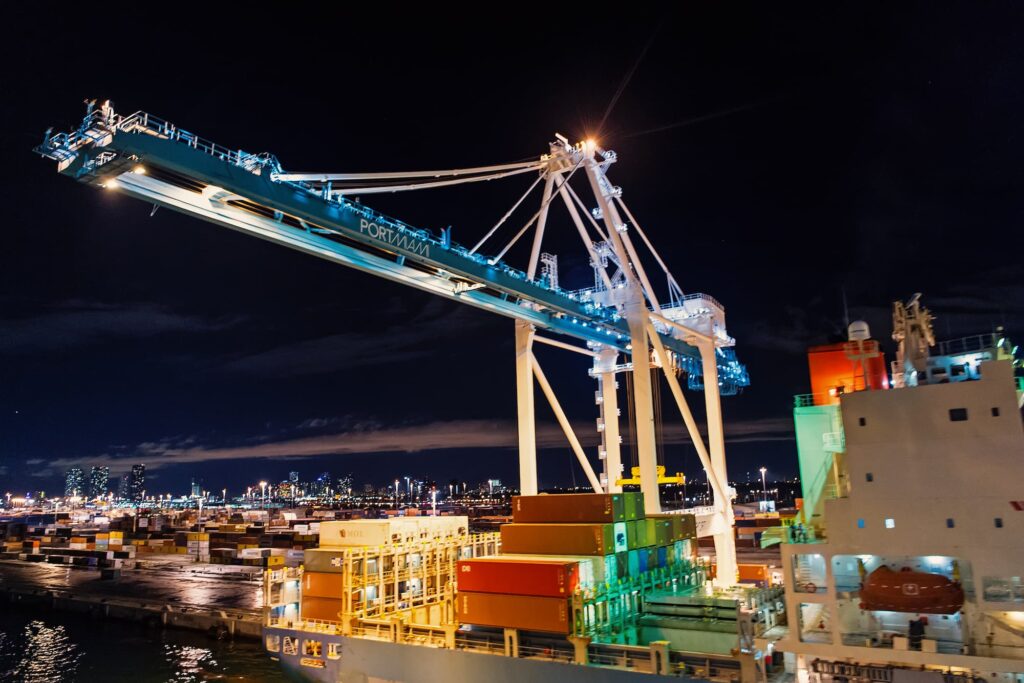
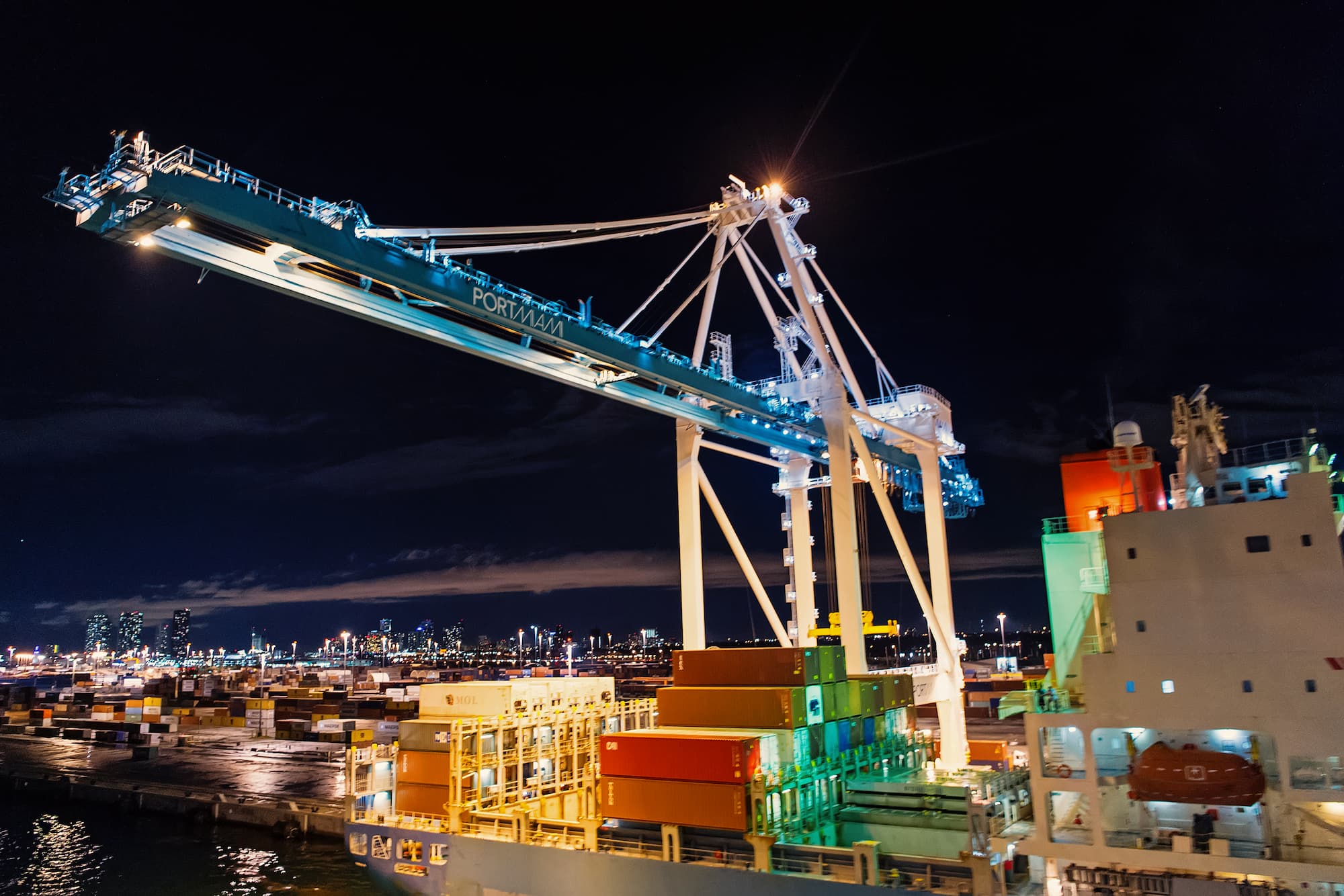
Miami is one of the most significant cities in Florida for shipping freight by air and sea. Two powerhouses contributing to Miami’s freight forwarding success are the Port of Miami and the Miami International Airport. With a TEU capacity of 1,220,000, the Port of Miami is one of the ten largest ports in the U.S. For reference, a TEU (twenty-foot equivalent) is a unit of measurement for the cargo capacity of a twenty-foot container. The Port of Miami is also the only southern-eastern port that allows post-Neopanamax vessels to pass through. The most common types of freight exported include citrus fruit juices, grapefruit, dairy products, and cognac brandy.
Miami moving imports and exports
The Miami International Airport is one of the busiest airports in the U.S. in terms of cargo movement. In 2021 the airport moved over 11 billion pounds of cargo. Nearly 70% of all perishable airfreight entering the U.S. comes through the Miami International Airport. This includes over 90% of flower imports. Once passed through the airport, the goods are transported throughout the U.S. Items such as computers, cellphones, and aircraft components are standard exports out of the facility. The high volume of cargo results from the port’s location, making it a perfect gateway to Latin America and the rest of the world.
Shipping internationally can be beneficial for the growth of a business. However, the actual process may be complex, especially for first-time shippers. Each country has its own rules and guidelines; not understanding the regulations can result in the loss of your shipment. It is highly beneficial to contact a freight forwarder to coordinate the movement of your cargo. If you are looking for a Freight Forwarder in Florida, contact A1 Worldwide Logistics at 305-821-8995 or info@a1wwl.com. We also have customs clearance services to clear your goods when they arrive in the U.S.
ASSISTANCE ALSO IN SPANISH!
by A1 WorldWide Logistics | Dec 6, 2022 | Customs Broker Miami, Customs Clearance, Import and Export Experts
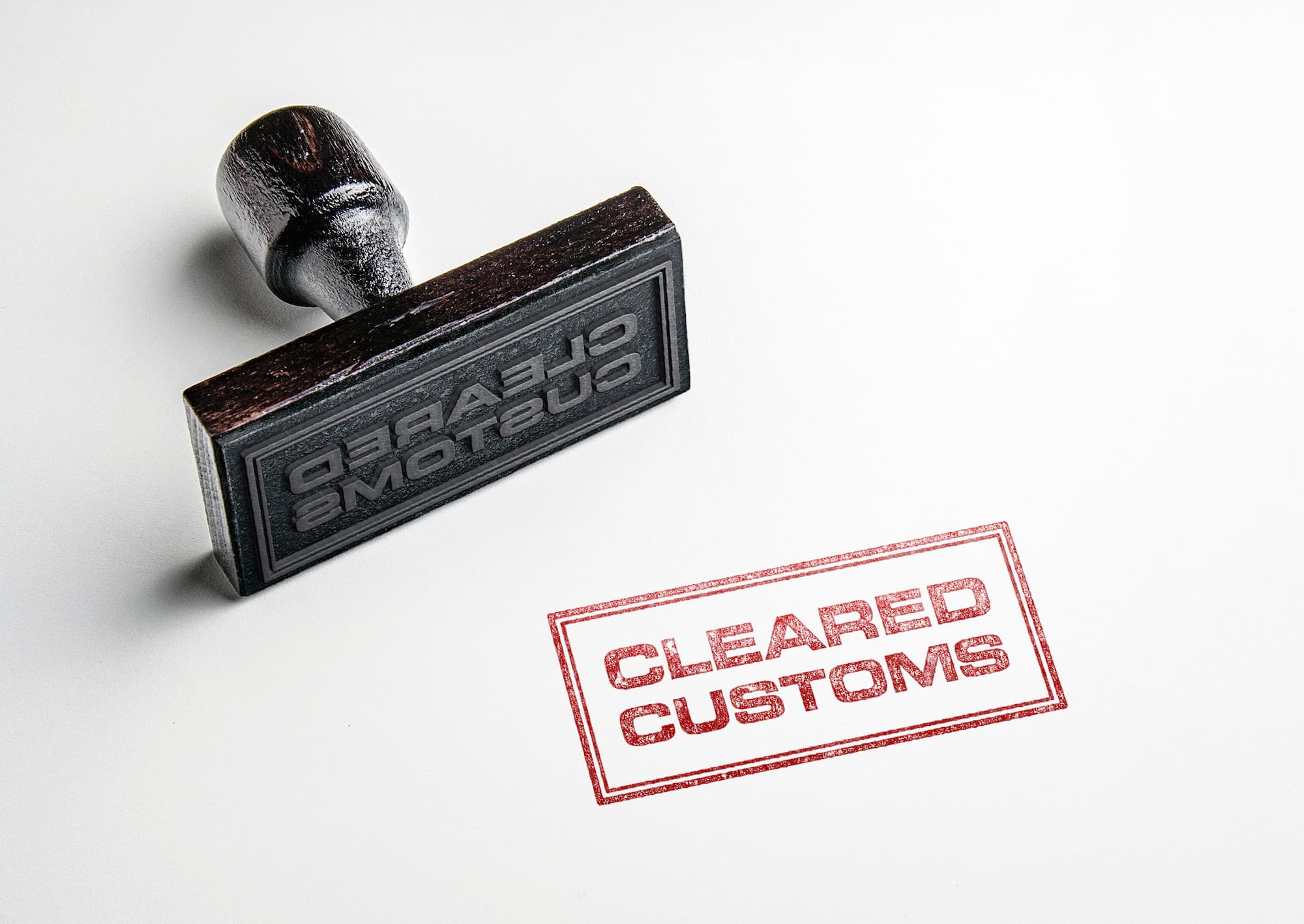
A common term constantly heard in international shipping is Customs Broker. Customs brokers are licensed corporations, partnerships, and private individuals who arrange importers’ customs clearance process. When a shipper brings cargo into a country like the U.S., it has to go through Customs and Border Protection (CBP). CBP aims to protect its nations’ borders by facilitating lawful travel and trade. Due to the need to safeguard, many regulations may involve getting goods through customs. The rules and complexities can make customs clearance an obstacle for businesses participating in global trade.
Benefits of having a Customs Broker
Although customs brokers are not lawfully required, having one can mean many advantages for your shipment. Some of the benefits include:
Customs Clearance
Shipping goods into a country like the U.S. requires the shipper to follow all the guidelines. Customs clearance involves sending accurate and correct paperwork to customs on time. Incorrect documentation sent to customs can result in a hold on your cargo, leading to extra import charges. A customs broker can help provide shippers with the correct documentation and even coordinate the release for the importer.
Time
A broker reduces the time it takes to file the correct documentation and present it to an agency. This, in turn, speeds up the customs clearance process. Saving the time it takes for customers to receive their product is advantageous for businesses that constantly move freight. Trusting the cargo importation to a customs broker can also let the importer focus on other parts of their business.
Knowledge
Laws for bringing goods into a country constantly change and can be challenging to keep track of. Not only is a customs broker informed of new regulations, they know previous guidelines and how the process works. They are ideal for first-time shippers who may not know what to expect when moving their goods. Using a broker can also prevent penalization for not following regulations or holding cargo in customs.
Cost
A customs broker can help prevent unnecessary expenses for a shipper and reduce business shipping costs. Due to the extensive amount of regulations that shippers must follow, they may overlook some costly aspects. For example, the Harmonized System requires that all goods imported into the U.S. are classified correctly. Misclassification can result in fines like fraud which is not favorable if you are a business that wants to import. A broker’s main job is to prevent these situations from happening.
A1 Worldwide Logistics
While international shipping can be complex and daunting for new and experienced shippers, the benefits outweigh the risks. The potential monetary gain and expansion of one’s business are possible when moving goods globally. However, it is crucial to be fully prepared, and the preparation is done by using a customs broker. For more information on importing to the U.S. or if you need a customs broker, contact us at 305-821-8995. Our experienced brokers will guide you throughout the process and ensure your cargo is successfully brought into the U.S.

by A1 WorldWide Logistics | Nov 6, 2022 | Economic trends, Import and Export Experts
Over the last year, the value of the U.S. dollar has climbed to unprecedented levels. In September 2022, the dollar went to a two-decade high while other currencies reached record lows. Especially in emerging markets where currencies like the Turkish Lira have lost much of their value compared to the dollar. More common coins have also seen a discrepancy, such as a euro, with one euro buying around 0.97 dollars today. The value disparity compares to the same amount of euros buying $1.17 a year ago. The dollar’s strengthening is due to the Federal Reserve’s hike in interest rates.
The hike attempts to repress inflation rates which are also soaring. Recent figures have shown the cost of buying everyday items like food has risen over 10% compared to last year. When interest rates rise, foreign investment becomes more popular, increasing the demand for a currency and its value. While many advantages arise from a strong currency, there may also be disadvantages. A drawback is that U.S. companies may have difficulty selling their goods overseas because it is more expensive. The surge has also had a massive effect on international shipping to and from the U.S.
How is Importing and Exporting from the U.S. Impacted
A strong dollar directly impacts global trade, and the amount of cargo moved into and out of the U.S. As previously mentioned, the increase in interest rates heightened the dollar’s value. When a currency strengthens, the imports into the country of the currency increase. The cargo brought in rises because the cost of importing goods decreases. This is ideal for businesses in the U.S. that buy goods from other countries and ship them over. Another benefit of lowering imported goods’ prices is that it can control domestic inflation. Inflation slows down because every dollar may be able to purchase more goods.
While the dollar’s rising value can increase imports into the U.S., the number of exports can decrease. This is due to the growing cost that an importer from another country must pay for a U.S. good. An example can be a company in India buying several products in the U.S. worth $1000. If the dollar’s value rises to a certain amount, that $1000 will equal fewer products. The number of products may lower even further since the value of other currencies, such as the rupee, is decreasing. On a large scale, this can reduce the number of exports from the U.S., considering the depreciation of other currencies.
With the dollar currently at solid levels, it may be a perfect time for U.S. shippers to import goods. However, the shipping process is complex and may confuse first-time shippers. A third-party logistics company can help because they handle the shipment for the shipper. Contact A1 Worldwide logistics at 305-821-8995 for assistance with shipping your freight. We have freight forwarders for cargo transportation and customs brokers that assist with the clearance of goods entering the U.S. Whether you are importing or exporting to and from the U.S., we find the best quote for moving your shipment.

by A1 WorldWide Logistics | Oct 25, 2022 | Shipping Logistics
The U.S. is known as one of the world’s leading countries in terms of medical innovation. Medical advances in the last 30 years have increased life expectancy by five years and decreased heart attack fatalities by more than half. There are currently over 1.9 million jobs in the U.S medical industry, of which small businesses are the leading creator. Due to the industry’s size, countries worldwide rely on the U.S. for their exported medical devices. Global reliance on medical equipment is also perfect for small companies planning to grow their business (some of the most widely exported medical devices are X-ray equipment and MRI systems). This article will explain what you will expect and how to prepare for exporting to other countries from the U.S.
Before shipping, it is essential to understand the regulations for transporting medical equipment outside the U.S. For example, any medical device a company wants to export must have prior Food and Drug Administration FDA approval. The FDA regulates the sale and safety of any medical device sold in the U.S. If the FDA has cleared a device, it can be sold and exported anywhere in the world. In the scenario of non-clearance in the U.S, devices must follow export provisions of the FD&C Act.
It is also crucial to know the policies that the country of destination follows. Contact a customs broker for information on the guidelines and required documents. Once meeting the policies, the shipper must find carriers to take the shipment to a port and export it internationally. The means of conveyance that the devices are transported can include planes, vessels, and trucks for countries connected by land. Different countries may also have specific tariffs that shippers must pay for imported medical devices.
The Documents Needed
When exporting, the shipper must have the correct paperwork available to prevent issues in the shipping process. This list is a summary; however, the documents may depend on the type of medical device. For more information, contact a freight forwarder. The documents can include the following:
- Certificate of Exportability 801(e)(1)
- Certificate of Exportability 801
- Non-Clinical Research Use Only Certificate
- Certificate to Foreign Government
- Simple Notifications
- Export Permit Letters
The Center for Devices and Radiological Health (CDRH) issues export certificates at the shipper’s request. The cost to issue a certificate is $175 for the first one and $85 for each successive certificate in the same request. A certificate is limited to 25 pages, and requesting a copy of the same certificate is $175 per 25-page increment. For a detailed explanation, visit the FDA Website. Permit letters and simple notifications do not require a fee to acquire.
The global medical device market is currently an estimated $536 billion industry. Over $159 billion is projected to come from the U.S. by the end of 2022. The exporting of medical equipment is in high demand and can help a business expand in many ways. Due to the requirements and logistics involved in the exportation process, it is ideal to find a customs broker to assist. If you plan on exporting medical devices to any country internationally, contact A1 Worldwide Logistics at 305-821-8995. Our experienced freight forwarders will guide you through the exportation process and provide open communication every step of the way.

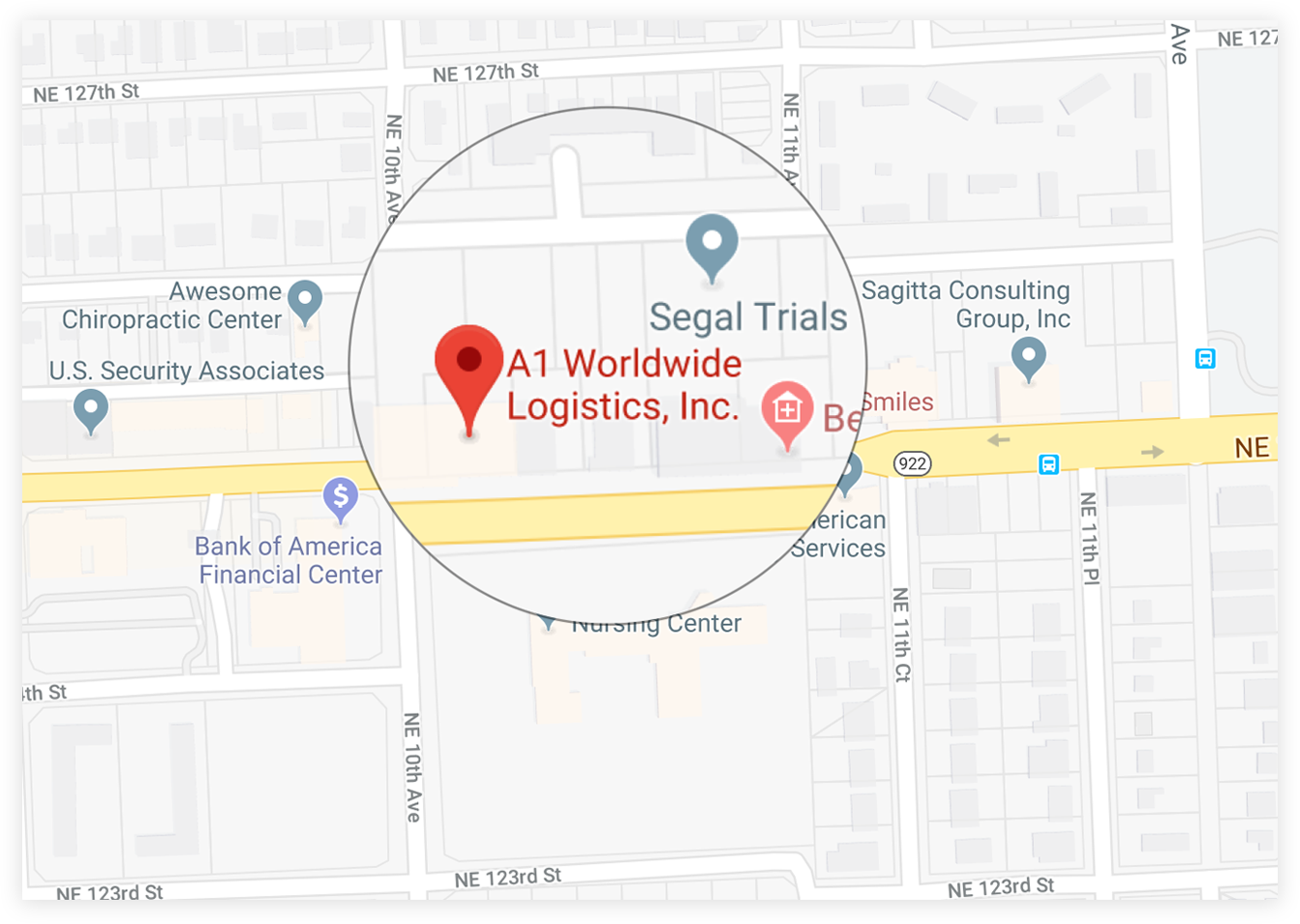
 1035 NE 125th St Suite #320, North Miami, FL 33161.
 a1worldwidelogistics.com
 (305) 821-8995
 Hours: 8AM - 5PM