by A1 WorldWide Logistics | Jun 13, 2023 | Freight Forwarding, Import and Export Experts, Shipping Logistics, Supply Chain
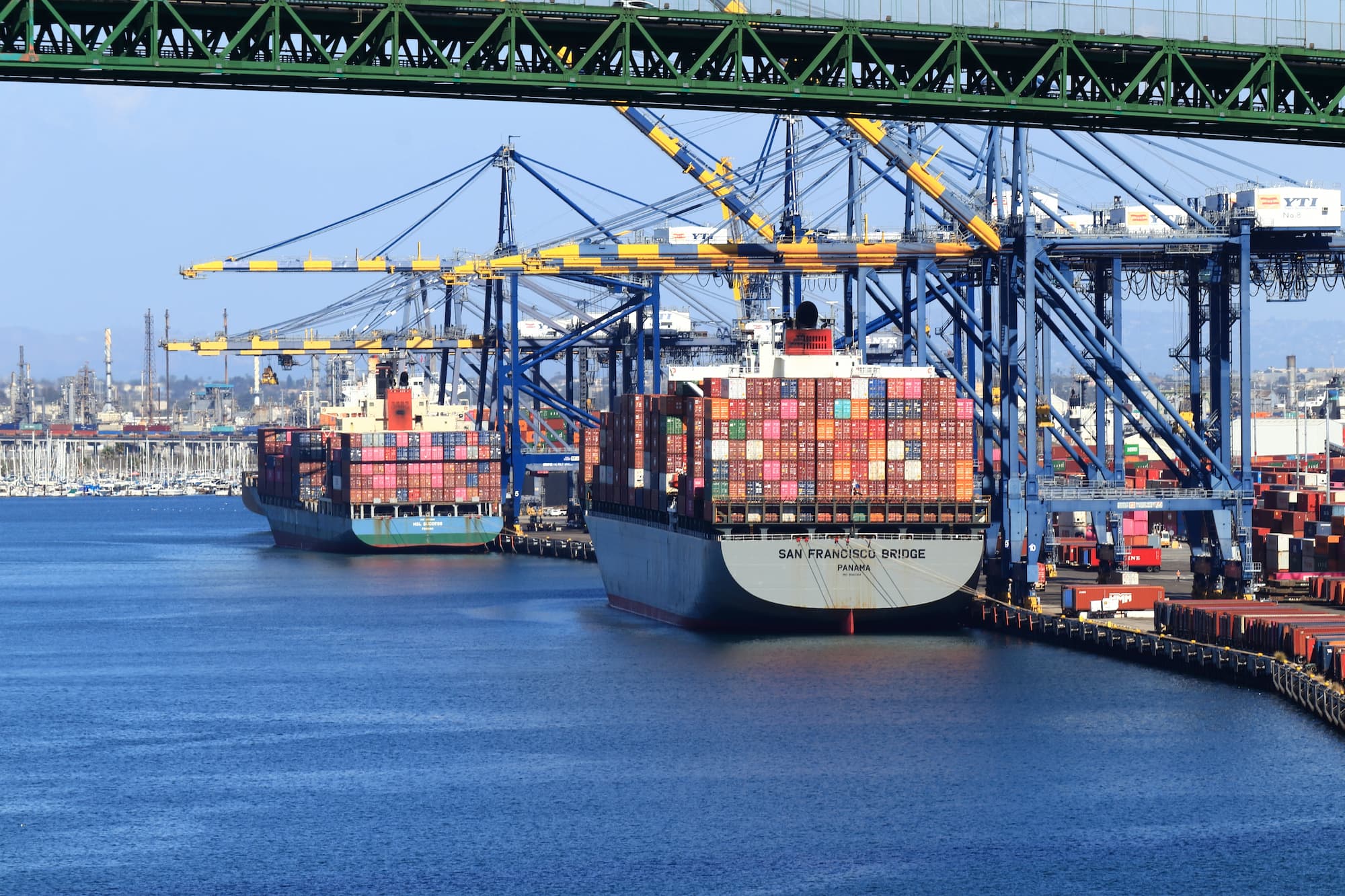
On Friday, June 2nd, terminals throughout various West Coast ports were shut down due to labor shortages. Workers in the ILWU (International Longshore and Warehouse Union) left their jobs due to failed contract negotiations. Over the past year, the ILWU and PMA (Pacific Maritime Association) have been in talks regarding contractual agreements like wages. Despite the progress made in the negotiations, a resolution has yet to be made. More than 20,000 workers from the ILWU have been working in numerous West Coast ports since July 2022. Terminals in Los Angeles, Long Beach Oakland, Seattle, Tacoma, and Hueneme ports have all reported disruptions from the walkouts.
The Latest Developments
The disruptions continued in the Port of Seattle with the shutdown of the entire seaport on June 10th. On June 9th, the second and third shifts experienced massive slowdowns as ILWU officials led operations to a pause. The Port Authority responded by sending the workers home; insufficient workers led to closure the next day. This port is one of the biggest movers of grain and produce in the U.S. Shipments from U.S. exporters are currently idle at the docks, with the ILWU declining to dispatch terminal workers. The ILWU made a contradictory statement: that the Port of Seattle and other ports are operating.
Union workers noted that they are not getting an adequate pay increase for the work they are putting in. Especially compared to the revenue the U.S. shipping industry made during the coronavirus pandemic. The ILWU said in a statement that they are negotiating for a contract that is “fair and equitable”. Business groups recently sent a letter to the Biden administration to appoint a mediator to address the current protests. Nearly 12% of the U.S.’s GDP (Gross Domestic Product) comes from West Coast ports. With the Port of Seattle being one of the biggest harbors in the U.S., International Shipping may soon feel the impact.
The Impact on Global Supply Chains
The Port of Seattle is a top U.S. agricultural exporter and, with the Port of Tacoma, makes up the NWSA. NWSA (Northwest Seaport Alliance) is North America’s 4th largest container gateway and 2nd largest refrigerated container gateway. With its extensive size, many supply chains are affected by a port shutdown. Add the disruptions of the other West Coast ports to the mix, and many cargo movers may soon be impacted. The supply chain congestions and bottlenecks felt during the coronavirus pandemic may return. Shippers have also moved their shipments to the East Coast and Gulf Ports to mitigate the slowdown.
As the pressures on the Port of Seattle and other West Coast ports persist, billions of cargo remain stagnant. With the peak and holiday season quickly approaching, the industry may feel the current disruptions sooner. Despite this, the movement of shipments is necessary for the success of an incredible number of supply chains. However, a shipper must be current with any occurrence in the freight movement industry. Contact A1 Worldwide Logistics at 305-821-8995 to help meet your supply chain goals. Whether it’s importing, exporting, warehousing, etc., we help you navigate the complex world of shipping.
Tambien hablamos español
Llame ya
305-425-9456
by A1 WorldWide Logistics | May 17, 2023 | 3PL, Order Fulfillment, Warehousing
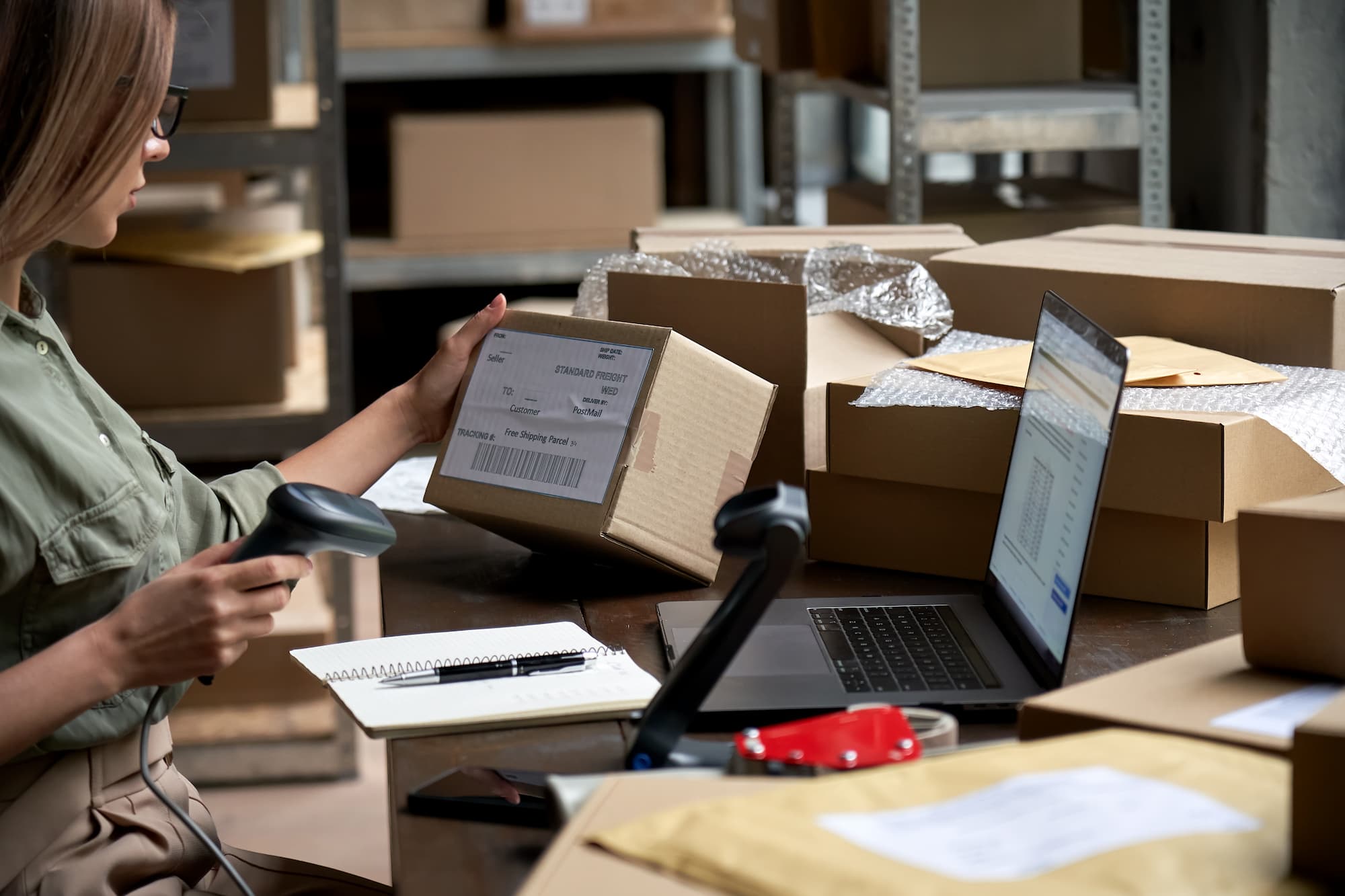
3PL or third-party logistics are outsourced solutions a company offers to its customers. This kind of operation has grown over the last decades due to the need for business to expand their reach. While 3PLs provide extensive services, some main ones include warehousing, shipping, and e-commerce fulfillment. 3PLs break down further into four categories. The four types of 3PL companies include standard, service developers, customer adapters, and customer developers. This article will introduce the 3PL and explain the differences and advantages between each.
Standard 3PLs
Standard 3PLs are known as the most common type of third-party logistics provider. This service is used by businesses requiring basic logistics needs like warehousing and storage. Small e-commerce companies also use this type of service for packing and picking at a low cost. Since the number of solutions offered is limited compared to the following three 3PLs, they tend to be less expensive. This is ideal for customers on a budget. As businesses expand, they usually switch to other 3PL types to achieve their goals.
3PL Service Developers
3PL service developers encompass all of the solutions that a standard 3PL has but add some more to it. Some of these services include IT Infrastructure and management. IT (Information Technology) infrastructure uses hardware and software to operate a business. An example is using a web server or app created by a 3PL company for customer order fulfillment. The IT framework also allows shipment tracking, cross-docking, extra security, and specific packaging.
3PL Customer Adapters
One of the most advanced 3PL service providers is known as customer adapters. Rather than having their own logistics operations, they take over and run their customer’s processes entirely. Adaptors control the end-to-end fulfillment supply chain of the hiring business by managing parts such as shipping and warehousing. This is ideal for scaling business since owners have little involvement, meaning they can focus on other aspects of their company. Customer adapters can be expensive compared to the other 3PLs due to the functionality provided to a client.
3PL Customer Developers
Similarly to customer adaptors, customer developers take control of a company’s logistics aspects. They differ since customer developers provide their systems while inheriting their client’s operations. Along with overseeing the procedures, they improve the performance of a business by giving constantly updated data. Large companies tend to be the primary users of this 3PL, which is usually the costliest option. A few of this 3PL type exist due to the size and complexity of maintenance.
The 3PL industry has expanded over the last decades due to the number of solutions offered. This article listed a few of the services; however, the list broadens to options like customs clearance. 3PLs are the easiest way for companies to grow their operations and increase the provided to their customers. As e-commerce has become popular, so has the need for 3PLs for order fulfillment. Contact A1 Worldwide Logistics at 305-821-8995 or info@a1wwl.com to learn more about our numerous 3PL solutions. We can help you achieve your objectives no matter the size of your business.

by A1 WorldWide Logistics | May 4, 2023 | Freight Forwarding, Supply Chain, Transportation
In shipping, words such as NVOCC and Freight Forwarders continuously pop up. For shippers beginning their exporting/importing journey, this could be the first time seeing these terms. While forwarders and NVOCC are commonly mistaken to be the same, they are different services. Knowing how they differ is ideal for choosing the best option to streamline your supply chain. This article will help you understand the difference between the two terminologies and describe the pros and cons of each. For a more in-depth explanation, contact A1 Worldwide Logistics at 305-425-9456. We have freight forwarding services with various means of conveyance for transporting cargo.
What are NVOCCs?
NVOCC, or Non-Vessel Operating Common Carrier, is an ocean carrier that moves cargo without owning a vessel. This is accomplished by paying steamship lines to lease container space, making them the “carrier.” The NVOCC then sells the space to shippers that want to ship their goods. Despite not operating a containership, NVOCC accomplishes all the functions and responsibilities that a regular carrier would. The two parties enter a contract where the NVOCC issues its own HBL (House Bill of Lading). Companies use this transporter type because of the personalized attention to customers compared to larger carriers.
Other functions of NVOCC can include:
- Negotiating contracts and freight rates with steamship lines for the exporter.
- Handling different transport documents that the shipper must give the carrier.
- Consolidation and Deconsolidation services for containers by the use of a third party.
- Transportation services from port to port or to the final destination.
What are Freight Forwarders?
Freight forwarders are supply chain specialists focusing on moving a shipper’s cargo. Forwarders are intermediaries between the cargo’s shipper and the good’s final destination. They are valuable players in logistics because of the number of services they offer. Although freight forwarders usually are not carriers, they coordinate with a network of transporters to move goods. The methods of conveyance can include vessels, planes, trucks, and rail. Since there are many steps in the shipping journey, they assist by taking the process off the shipper’s hands. Specific forwarders also offer customs clearance services for shipments entering a country.
Along with the services mentioned, freight forwarders also:
- Arrange the freight shipment from the origin facility to port-to-port and the final destination.
- Explain the different shipping costs and offer cargo insurance to protect the shipper.
- Provide short-term and long-term warehousing and other storage services.
- Constant updates on the status and location of shipments.
Which is Better?
While NVOCCs and freight forwarders both have their benefits, the answer depends on the shipment being made by the shipper. The most significant distinction is that NVOCCs are only for maritime shipping, while forwarders move cargo differently. If a business moves goods by the ocean, NVOCCs can provide personalized services and help shippers avoid the intermediary fee. This is because they are independent carriers instead of agents. Forwarders benefit from allowing different ways to transport goods. Businesses with international supply chains can take advantage of having their entire freight journey handled. Forwarders also have extra services not provided by NVOCCs, such as warehousing and customs clearance.

by A1 WorldWide Logistics | Mar 24, 2023 | Freight Forwarding, Shipping Logistics, Supply Chain
In international trade, freight forwarders are the intermediaries that handle the logistics of getting your goods to the final destination. Forwarders coordinate with carriers and warehouses to find the best routes for cargo transportation. When choosing a forwarder, the customer should be mindful of how much effort the forwarder is willing to put into having a solid and long-lasting relationship. When examining how much the forwarding agent values their bonds with customers, there are specific indicators to look for. Some of the qualities are the following:
Having Open Communication
One of the most significant parts of a relationship is the ability to communicate when needed. Regardless of the conveyance method of the shipment, the customer should be updated on the location when needed. Diligent freight forwarders have close contact with their customers and constantly provide updates on shipments. A1 Worldwide logistics ensures our clients have instant contact with us during shipping. We achieve this by having open lines of communication such as phone calls, emails, and our website.
Being Dependable
Customers must rely on their forwarder to keep any promises they guarantee. Dependability is a direct reflection of how a business runs and how it cares about its customers. It’s different for a company to say they provide the highest quality customer service and deliver on that promise. This is especially true in international shipping, where supply chain logistics constantly change.
Having Experience
Experience can indicate that a forwarder values customer relationships. This is because of the longevity involved in gaining experience. Forwarders with many clients have expertise from countless years of working with customers. A side effect is that the freight forwarder also learns the importance of customer relationships from working with many clients.
Dealing with Uncertainty
In forwarding, getting your goods to their endpoint may sometimes go differently than planned. Sometimes unpredictable events occur in the supply chain that interrupts the journey. For example, there could be an issue with manufacturing or warehouse placement. Shipping delays can also happen during the trip. A forwarder must be prepared for any circumstance and be able to explain the situation to the customer.
Taking the Extra Step
This means that the forwarder goes above and beyond to calibrate and communicate with the client during the cargo’s journey. It shows how the freight forwarder values the customer and their commitment to keeping the relationship. The extra step can also mean coordinating with the carrier for the client. This can entail that certain adjustments must be made to make the shipping process as effective as possible.
Keeping the Relationship
A forwarder’s key to keeping its clients is consistency and competence. The client must trust that they can depend on their freight forwarder to transport an item internationally. This trust comes from previous experiences where the forwarder demonstrated proficiency at their job. If you want a committed forwarder to building a long-lasting relationship, contact A1 Worldwide Logistics at 305-821-8995. A1WWL aims to provide the best customer service by being accountable and transparent in everything we do. We also assist with customs brokerage to ensure your shipment complies with government regulations when entering a country.

by A1 WorldWide Logistics | Mar 24, 2023 | Warehousing
A common topic brought up when discussing supply chain warehousing is distribution. Distribution is transporting stored products or goods to a location for order fulfillment. While specific distribution centers exist, standard warehouses may also provide this solution. The reason why distribution services are so vital to supply chains is the value they add. Some of the solutions include:
One of the main differences between regular warehouses and facilities that provide distribution is the time inventory is stored. Standard warehouses are designed to house goods for more extended time frames. Since the key purpose of distribution centers is order fulfillment, cargo tends to stay for shorter periods. A warehouse that provides distribution services can include short-term and long-term storage times and order fulfillment.
How do Businesses Benefit from Distribution?
Medium-sized businesses that sell products to customers are one of the primary users of warehouse distribution services. This is due to the work and costs of having your own distributing facilities. Outsourcing the services to a 3PL warehouse can help the business save money and focus on other parts of the company. Distribution warehousing can also be ideal for businesses that want to maintain strong customer relationships. One of the main ways to maintain a solid customer relationship is by having efficient and consistent distribution.
Another type of business that benefits significantly from distribution warehousing is e-commerce. As buying goods products online grew, especially in the last few years, so did the need for order fulfillment services. Companies that relied on e-commerce quickly saw how distribution warehouses could fulfill customer orders. Online purchases are instantly sent to the warehouse, where the order is processed and picked from stock. Then the goods are packaged and prepared to be transported out of the facility. The freight may then be moved to a department store or directly to the customer.
Many warehouses that provide distribution services are also customs bonded. This is a secured building where imported goods could be held for five years without paying taxes. Importers can benefit from storing their goods while they make the capital to pay for the cargo. Businesses can also store freight while they look for customers for their freight.
If you are looking for a warehouse, contact A1 Worldwide Logistics at 305-821-8995. Along with distribution services, our bonded facility will allow you to store your cargo without the payment of duties.

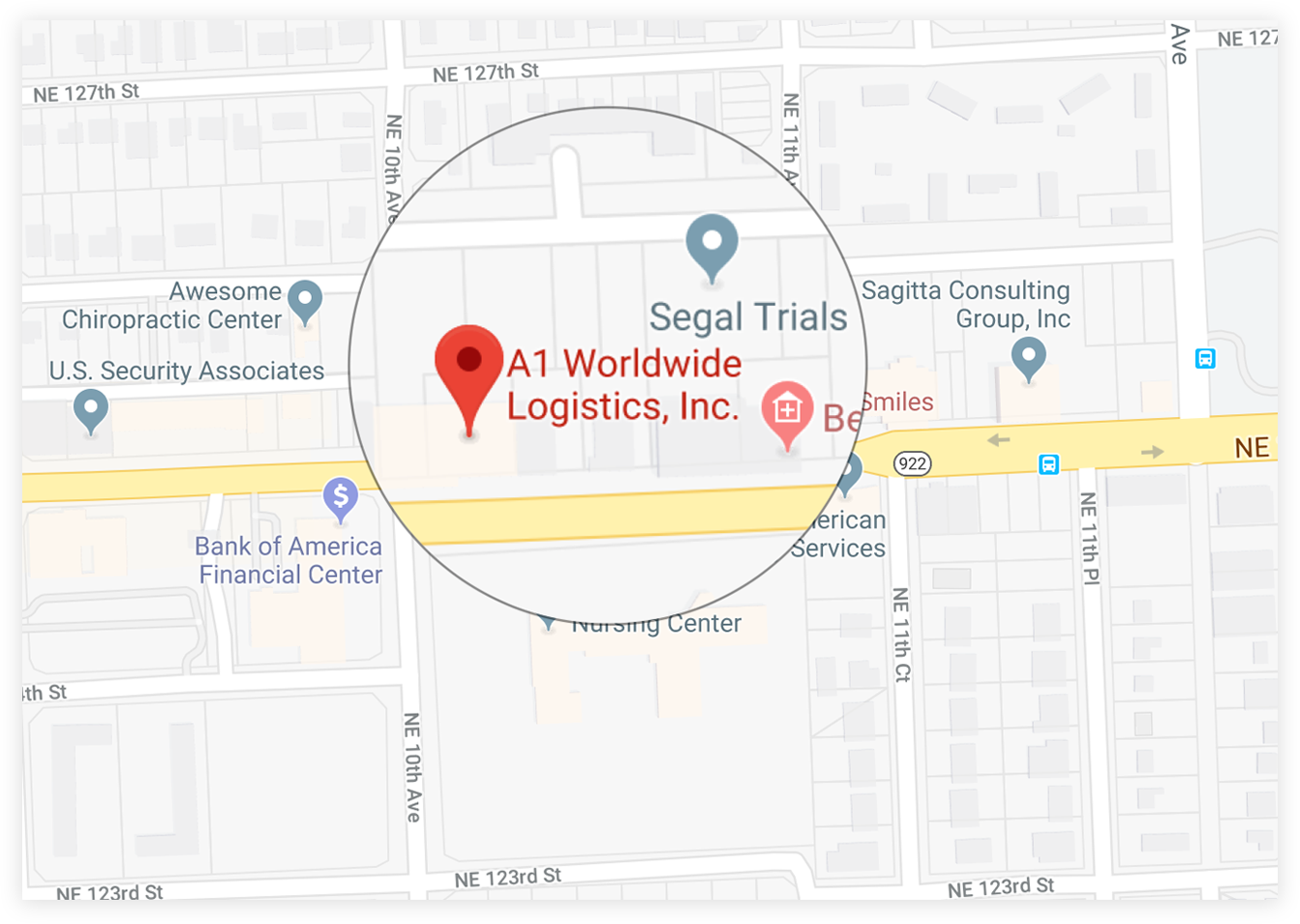
 1035 NE 125th St Suite #320, North Miami, FL 33161.
 a1worldwidelogistics.com
 (305) 821-8995
 Hours: 8AM - 5PM