
by A1 WorldWide Logistics | Nov 30, 2023 | Air Freight, Import and Export Experts, Shipping Logistics
Despite the advantages of shipping perishables by air, shippers may not fully understand the process. Knowing the procedure can help you save time and money by avoiding mistakes. In international transport, perishables are any shipment that can damage or spoil after a specific time. The carrier must deliver the goods quickly to maintain quality and effectiveness. Examples of perishables include foods like fruits, vegetables, meats, and dairy products. Pharmaceuticals, cosmetics, and plants also fall into the category. Each good can have its specific requirement when transporting. For example, certain products may have a longer or shorter shelf life than others.
What Is The Process?
Before transporting perishables internationally, a shipper must understand the regulations for shipping. The regulations vary not only by cargo type but also by country that the perishable is shipping to. Each country has its laws for importation, and failure to comply can result in freight loss. For example, it is illegal for a shipper to import unpasteurized cheese into the U.S. due to health risks. Since a country may have extensive regulations, shippers usually hire customs brokers to import for them. Another crucial consideration that a shipper should be aware of is the type of packaging used to ship.
Unlike nonperishable cargo, perishables risk spoiling after a specific time, which can increase based on the temperature. Packaging must be capable of keeping the goods at the appropriate temperatures during the journey. The packaging should also have the correct labeling to show that it is perishable. Once the shipper is ready to export, they can start by looking for a carrier to ship the freight. Since time is significant, the most ideal method of conveyance is by air. When looking for an air carrier, hiring a freight forwarder can help streamline the process. Not only does a forwarder coordinate the shipment, but they also find the best rates on behalf of the exporter.
What Are The Documents Needed for Shipping?
The most important consideration when shipping internationally by air is the documentation. While the paperwork may vary based on the shipment, some of the general documents include:
- Commercial Invoice – A document the exporter issues to get the cargo through customs and helps customs authorities determine duties.
- Airway Bill – This is an air cargo version of a Bill of Lading the carrier issues as a receipt for the goods.
- Packing List – The packing list contains crucial information about the cargo, like the weight, dimensions, descriptions, and contents.
- Certificate of Origin – A certificate of origin declares the country that manufactures the cargo.
Perishable cargo may require extra documentation like a phytosanitary certificate, which verifies agricultural products are pest and disease-free. The documents must be correct to prevent lag in shipping. With perishables, time is urgent, and delays can ruin the entire shipment.
How Can You Begin Shipping Perishables By Air?
While shipping perishables may seem complex to inexperienced exporters, having assistance is an ideal way to begin. Talking to a freight forwarder and customs broker can help streamline the transport process and ensure the shipment’s success. Contact A1 Worldwide Logistics at 305-821-8995 to begin shipping your perishables internationally or domestically. Along with air, we provide other methods of conveyance, like land and sea, to ensure the movement of your shipment.
by A1 WorldWide Logistics | Jun 13, 2023 | Freight Forwarding, Import and Export Experts, Shipping Logistics, Supply Chain
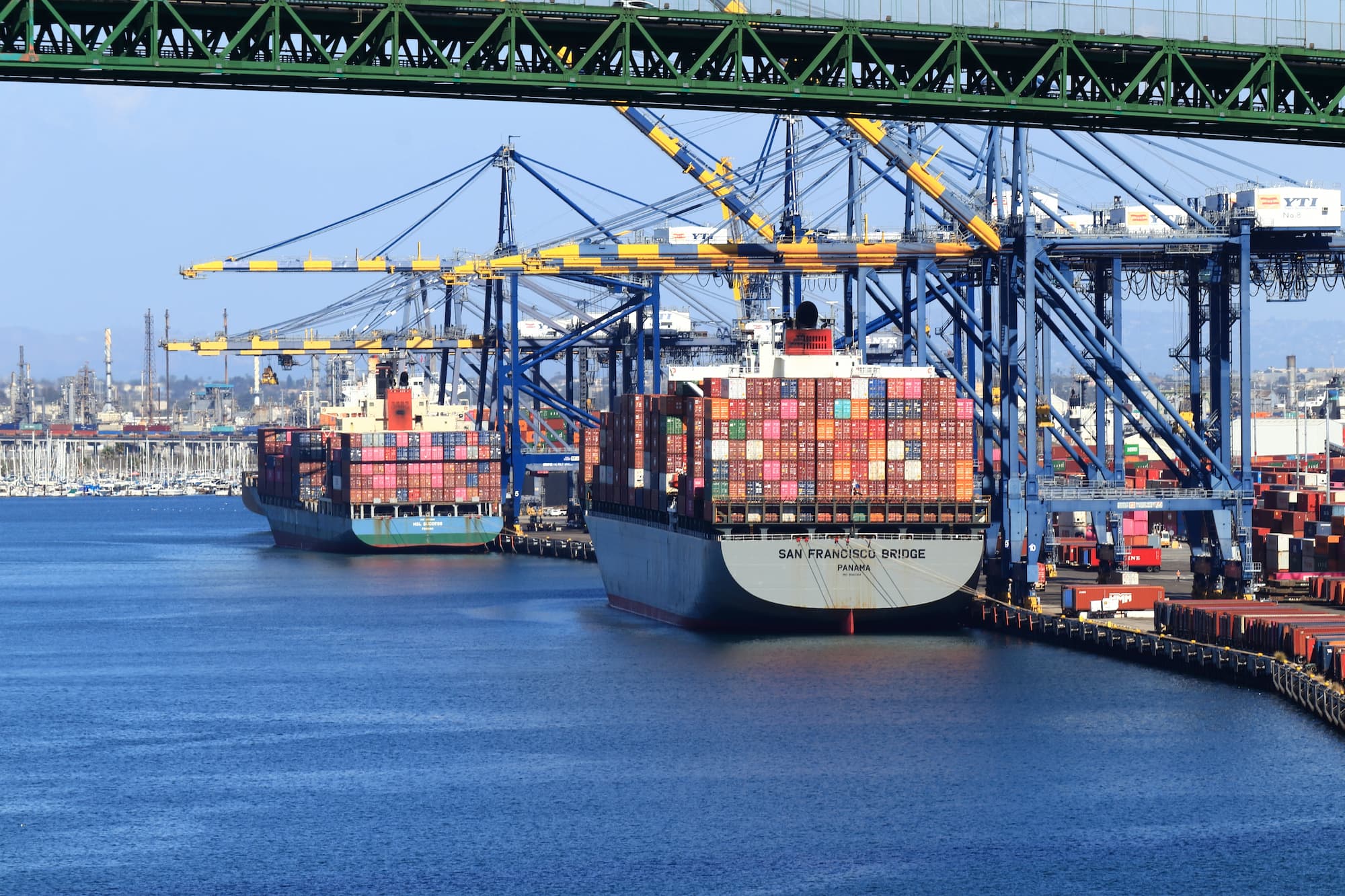
On Friday, June 2nd, terminals throughout various West Coast ports were shut down due to labor shortages. Workers in the ILWU (International Longshore and Warehouse Union) left their jobs due to failed contract negotiations. Over the past year, the ILWU and PMA (Pacific Maritime Association) have been in talks regarding contractual agreements like wages. Despite the progress made in the negotiations, a resolution has yet to be made. More than 20,000 workers from the ILWU have been working in numerous West Coast ports since July 2022. Terminals in Los Angeles, Long Beach Oakland, Seattle, Tacoma, and Hueneme ports have all reported disruptions from the walkouts.
The Latest Developments
The disruptions continued in the Port of Seattle with the shutdown of the entire seaport on June 10th. On June 9th, the second and third shifts experienced massive slowdowns as ILWU officials led operations to a pause. The Port Authority responded by sending the workers home; insufficient workers led to closure the next day. This port is one of the biggest movers of grain and produce in the U.S. Shipments from U.S. exporters are currently idle at the docks, with the ILWU declining to dispatch terminal workers. The ILWU made a contradictory statement: that the Port of Seattle and other ports are operating.
Union workers noted that they are not getting an adequate pay increase for the work they are putting in. Especially compared to the revenue the U.S. shipping industry made during the coronavirus pandemic. The ILWU said in a statement that they are negotiating for a contract that is “fair and equitable”. Business groups recently sent a letter to the Biden administration to appoint a mediator to address the current protests. Nearly 12% of the U.S.’s GDP (Gross Domestic Product) comes from West Coast ports. With the Port of Seattle being one of the biggest harbors in the U.S., International Shipping may soon feel the impact.
The Impact on Global Supply Chains
The Port of Seattle is a top U.S. agricultural exporter and, with the Port of Tacoma, makes up the NWSA. NWSA (Northwest Seaport Alliance) is North America’s 4th largest container gateway and 2nd largest refrigerated container gateway. With its extensive size, many supply chains are affected by a port shutdown. Add the disruptions of the other West Coast ports to the mix, and many cargo movers may soon be impacted. The supply chain congestions and bottlenecks felt during the coronavirus pandemic may return. Shippers have also moved their shipments to the East Coast and Gulf Ports to mitigate the slowdown.
As the pressures on the Port of Seattle and other West Coast ports persist, billions of cargo remain stagnant. With the peak and holiday season quickly approaching, the industry may feel the current disruptions sooner. Despite this, the movement of shipments is necessary for the success of an incredible number of supply chains. However, a shipper must be current with any occurrence in the freight movement industry. Contact A1 Worldwide Logistics at 305-821-8995 to help meet your supply chain goals. Whether it’s importing, exporting, warehousing, etc., we help you navigate the complex world of shipping.
Tambien hablamos español
Llame ya
305-425-9456
by A1 WorldWide Logistics | Jun 2, 2023 | Freight Forwarding, Import and Export Experts, Supply Chain, Transportation
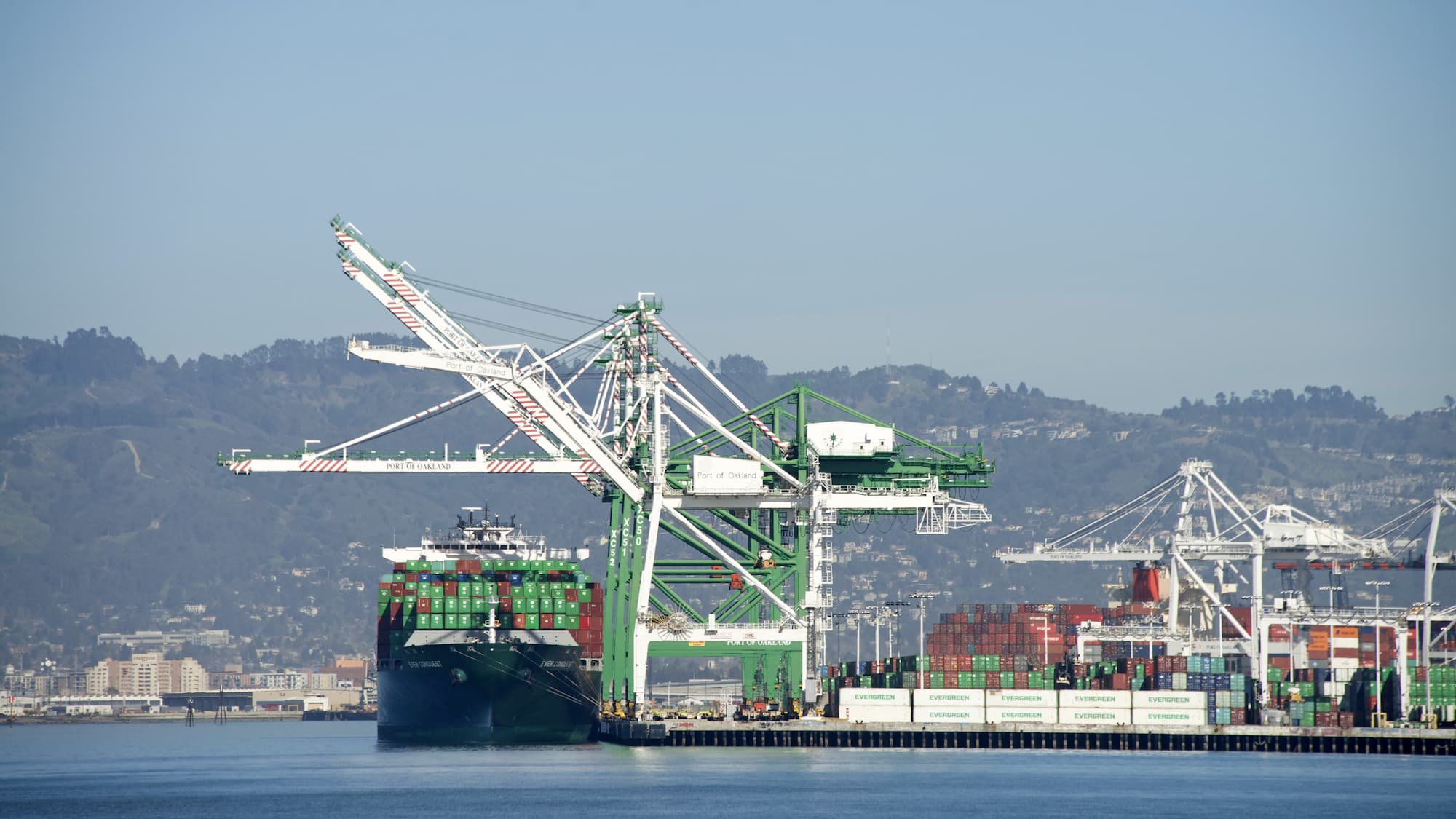
This afternoon, several ports across the West Coast closed abruptly due to union workers walking off the job. The Port of Oakland experienced a closure on both the TraPac and its largest, the SSA terminal. The Ports of Los Angeles and Long Beach similarly had terminal shutdowns due to insufficient labor. Negotiations between the PMA (Pacific Maritime Association and the ILWU (International Longshore and Warehouse Union) have reached a boiling point. To show their frustrations over insufficient wage talks, ILWU workers have gone on strike, affecting port operations.
Other West Coast ports like the Ports of Tacoma and Seattle have also seen slowdowns or closures of terminals. The president of the ILWU, Willie Adams noted, “Any reports that negotiations have broken down are false”. However, a separate statement by the ILWU Local 13 division stated, “Southern California ILWU has taken it upon themselves to voice their displeasure with the ocean carriers’ and terminal operators’ position.” The Covid-19 shipping boom has been one of the catalysts that have led to current tensions. ILWU believes that workers have risked their lives to move cargo during the surge while employers have reaped the benefits. Negotiations also included health and safety concerns with the statement that 43 ILWU workers died from working from 2021 through 2022.
A similar 24-hour shutdown of the Ports of Los Angeles and Long Beach was experienced from April 6th to 7th. The closure was also because of limited ILWU port workers showing up due to inadequate contract negotiations. Since July 2022, more than 22,000 dock laborers have worked without a contract. During that year, the ILWU and PMA reached several “tentative agreements”; however, tensions remained. Both sides believe that a signed contract must be in place to stop protests and shipping slowdowns. Current shutdowns may continue to expand across the West Coast ports as the lack of sufficient labor increases.
What does this mean for shipping?
The Ports of Los Angeles, Long Beach, and Oakland are known as the largest ports in the U.S. With the extensive amount of freight that passes through the ports daily, a closure can have a huge impact. ILWU contract negotiations began over a year ago and previous shutdowns have gained attention from shippers in the past. While some shippers responded by moving their cargo to other ports when tensions arise, import volumes have remained high. The Covid-19 shipping surge increased the amount of cargo transported internationally and imported into the U.S. Since most of the goods imported to the U.S. come through the West Coast ports, congestion rose.
Shippers responded by moving their imports to East and Gulf Coast ports. West Coast ports have only recently recovered volume amounts. Current terminal closures may have a reverse effect and recreate the slowdowns felt during the pandemic. With the holiday and back-to-school seasons quickly approaching, shippers must be prepared for potential delays. Despite the current circumstances, West Coast port operators and directors are optimistic regarding a quick recovery. Port of Oakland director Bryan Brandes stated, “We are optimistic about a stronger second half of 2023 for the amount of cargo moving through Oakland,”
by A1 WorldWide Logistics | Mar 10, 2023 | Freight Forwarding, Import and Export Experts, Shipping Logistics
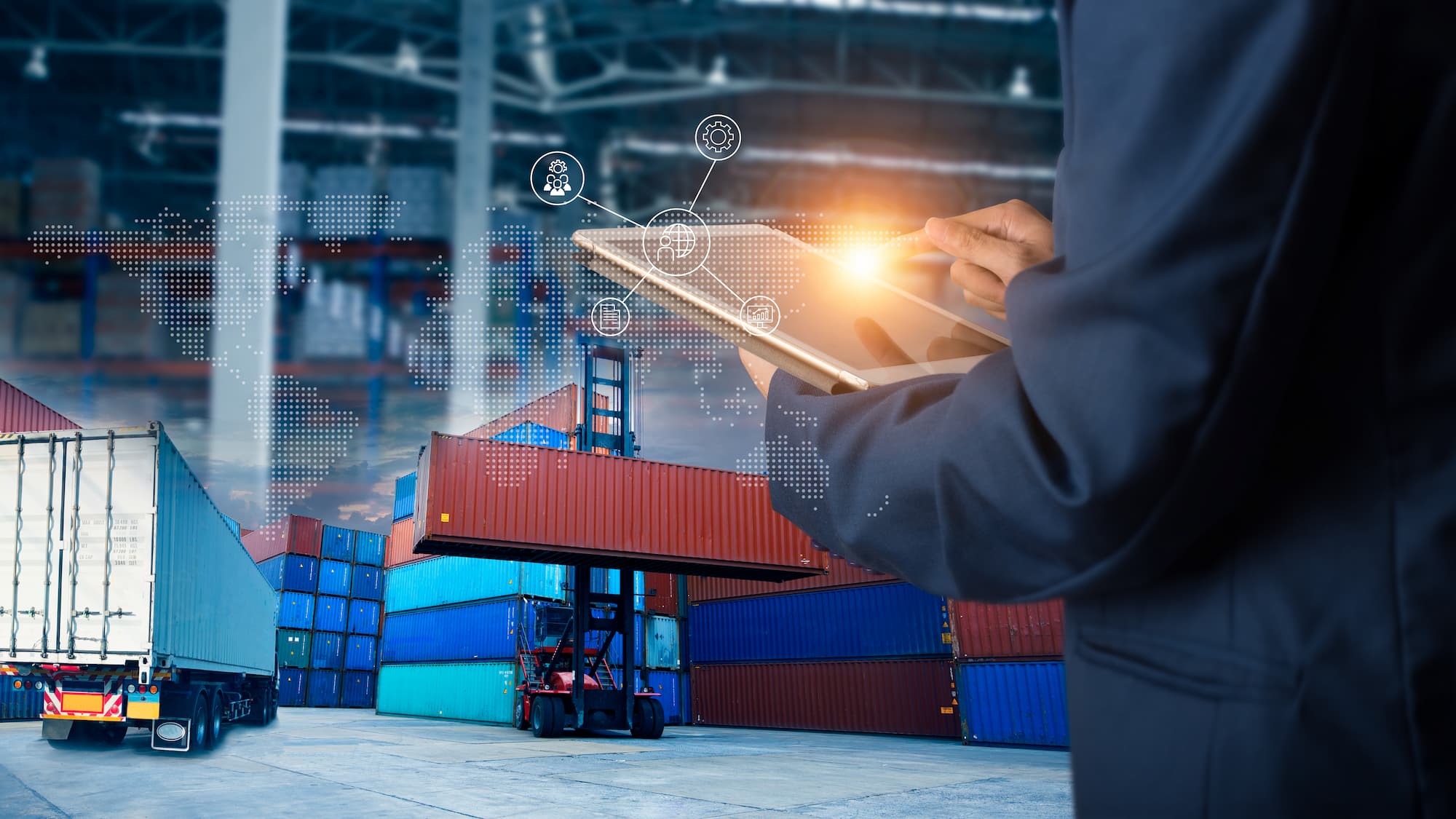
Technological advancements have led to new possibilities in the international shipping industry for centuries. The shipping industry has constantly evolved from the invention of large cargo ships to the creation of containers in the 1950s. Paperless shipping has recently surged in popularity, and many top carriers have followed the trend. Nine of the largest ocean carrier companies have even committed to a fully electronic bill of lading by 2030. The bill of lading, or BL, is traditionally a document that a carrier issues on physical paper. A completely 100% electronic BL is a milestone in shipping and can lead to a fully digital supply chain in the future.
During the coronavirus pandemic, digitalization became increasingly necessary for shipping companies. This is due to how supply chains were affected by Covid-19. When lockdowns happened in countries globally, carriers packed ports with thousands of containers. The reason behind the crowding was the cancellation of countless flights carrying BL documents. BLs are necessary to release the containers from ports, and Covid-19 limited the amount of BLs sent, causing a backlog.
A record number of international shipments from Covid-19 further increased the backlog. The effects of the containers stranded in ports were incurring demurrage charges, lost sales, and higher working capital for shippers. With the time spent sending a physical BL document, a digital BL could have alleviated many issues. A study reported that stakeholders could have saved $6.5 billion in costs and allowed for $40 billion in international trade.
Modern-Day Benefits of Electronic Bill of Ladings

The most prominent carriers are transitioning to paperless BLs because of the benefits offered. As previously described, sending physical documents to ports and customs may be time-consuming. One of the main advantages is that digitalization allows for the immediate transmission of documents such as the BL. An increase in one of the supply chain parts can mean the entire supply chain becomes quicker. Speed is also one of the critical factors that a shipper looks for when deciding on a freight forwarder.
Another benefit of digital BLs is the enhanced level of security. Various electronic BLs are stored and transferred over blockchain platforms and cloud storage, which are protected. The high security also lowers the chances of fraud since the documents are secured by blockchain technology and signed electronically. Digitization also allows for fewer mistakes because autocomplete functions and form fields are possible when using digital programs. Eliminating errors, reducing paper usage, and removing BL transportation are cost-effective benefits for businesses.
As the world of international shipping continuously evolves and changes, the shipper needs to be up to date with the industry. Understanding the best alternatives for transporting goods can provide supply chain delays and help businesses keep clients. Contact A1 Worldwide Logistics at 305-821-8995 or info@a1wwl.com for a quote to move your freight internationally. Our digitalized freight forwarding process helps streamline your cargo’s transport time. We also provide solutions like warehousing and domestic transportation to assist with your shipping needs.
by A1 WorldWide Logistics | Jan 5, 2023 | Freight Forwarding, Import and Export Experts
The Mississippi river has reached its lowest water levels in over a decade due to a drought. Months of dry weather have exhausted the amount of water in the river to a point where reserves are now inadequate. The National Oceanic and Atmospheric Administration (NOAA) forecast that the drought conditions will worsen in the coming weeks. The effect is experienced by various shippers that use the waterway to ship goods out of the U.S. One of the most significant consequences is felt in grain exports. This is because over half of the grains exported from the U.S. flows through the river.
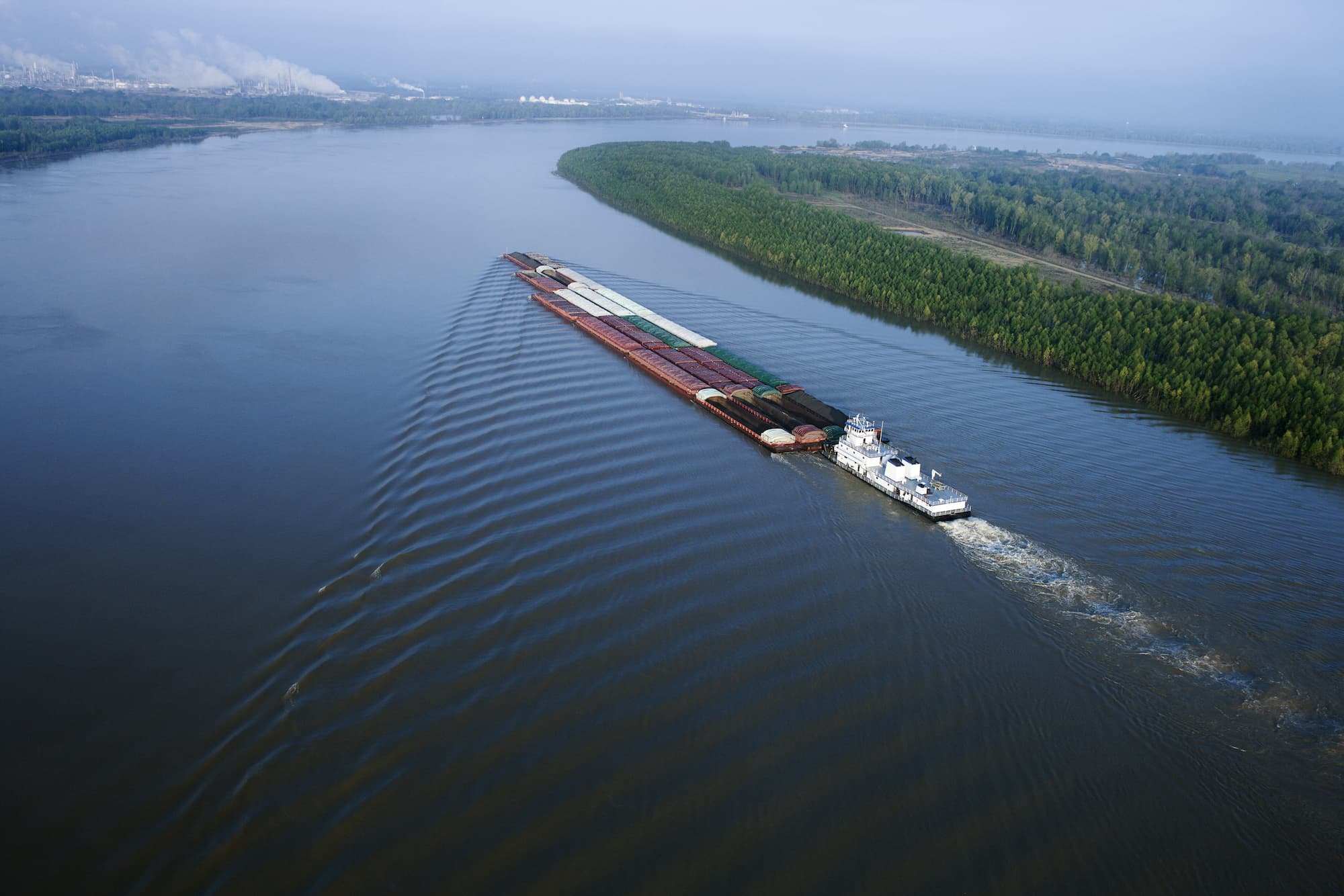
The way cargo like grains move across the Mississippi is by barges. Barges are flat-bottomed boats used primarily for transporting goods and people through canals and rivers. With water levels reaching unpreceded levels in the Mississippi, the barges cannot float, leading to the stalling of exports. Since many grain shipments rely on the river, many challenges are faced when moving them to foreign markets. However, with grains like soybeans being one of the biggest agricultural exports from the U.S., there is an urgency to find a solution.
The Impact on Barges
The barges’ capacity has taken a massive hit due to the current drought on the Mississippi river. The shallow water levels halted barges to a point where more than 2,000 barges were stuck waiting during a period. Transit time to move cargo has also increased due to the limited number of barges on the river. Before the draught, certain areas on the Mississippi allowed the towing of up to 40 barges at a time. The low water levels limited the maximum number of barges pulled simultaneously to 25 in the same location. On a large scale, this increases the number of round trips and transportation times.
Since water reserves are starting to deplete quickly, rain is the primary solution. However, it may be a while before an adequate amount of rain rises the river to normal levels. Another side effect of the limited capacity is that rates to use barges have increased compared to last year. Prices to move grains have risen close to 200%, while some locations like St. Louis have seen a 218% increase.

Other Alternatives?
Movers of grains in the U.S. have begun looking for alternatives for transporting their goods domestically and internationally. The war in Ukraine has created a shortage of soybeans and grains globally, which increased the necessity of exportation. An option is to transport the grains to other seaports across the U.S. and then ship them globally. Instead of being moved by the Mississippi river, trucks and railroads will transport the grains to the ports. U.S. grain companies with other locations in foreign places like South America have also considered increasing operations in those areas.
Since foreign markets have a high demand for grains, they may want to pay higher costs for importation. If you plan on shipping goods internationally, contact A1 Worldwide Logistics at 305-821-8995 or info@a1wwl.com for a quote. We assist with importing and exporting grains, soybeans, and other products to or from the U.S. Although the primary method of transportation for grains is currently hampered, we will help you navigate this predicament.
by A1 WorldWide Logistics | Dec 28, 2022 | Customs Clearance, Import and Export Experts, Shipping Logistics
A customs declaration is one of the primary forms required when shipping cargo into or out of a country. This document gives details of what is being imported/exported. When moving your freight internationally, you must be aware that you need to declare goods correctly. The reasoning behind a declaration is to let customs authorities monitor what is going through a country. This way, they can protect a country against potentially dangerous goods entering or leaving.
Declaring Hazardous Materials
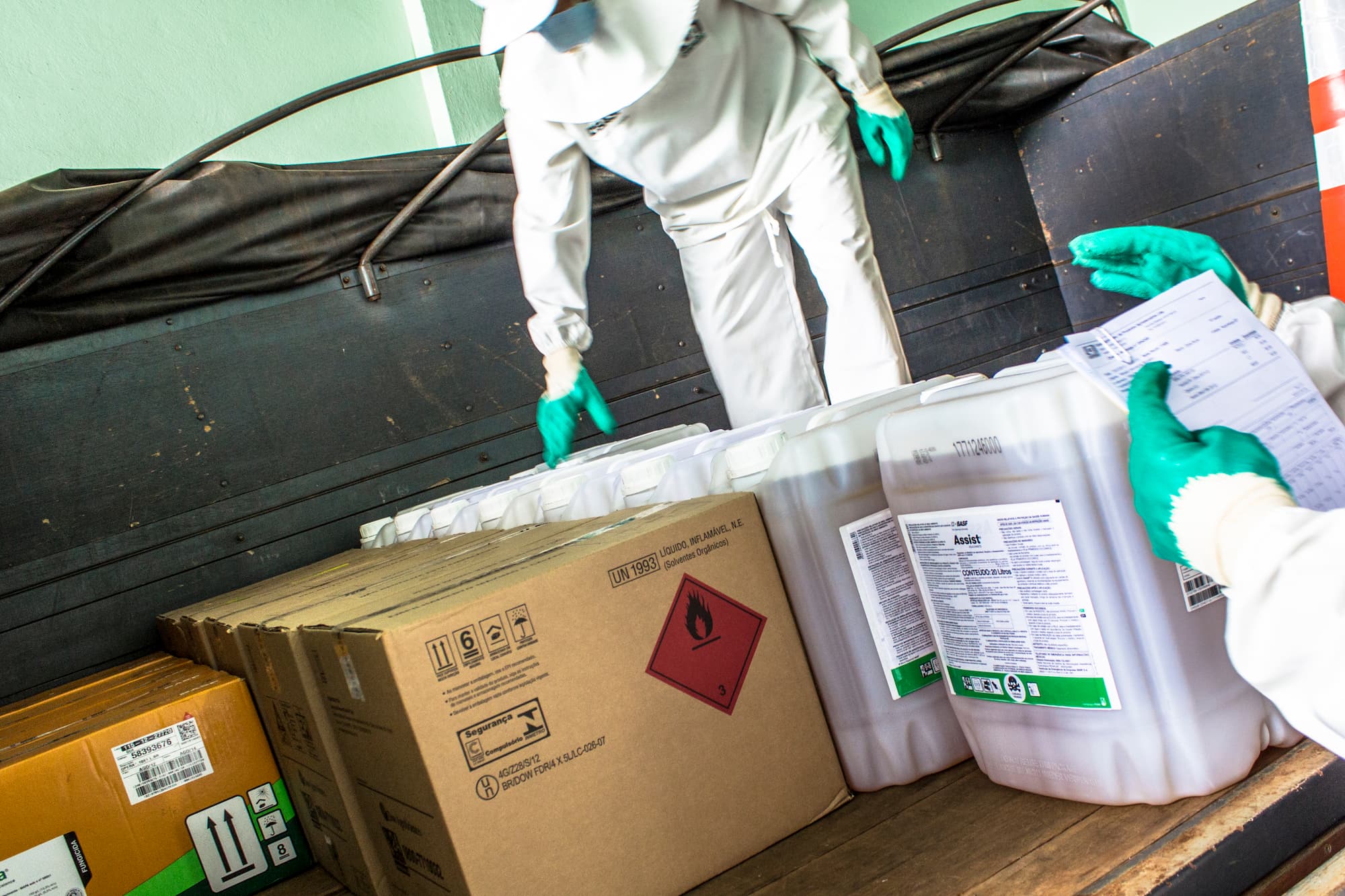
A hazmat is an abbreviation for a hazardous material that may risk the environment, property, or a person’s health. Freight considered hazmat is toxic or easily flammable when released into the air or dangerous when spilled into the ocean. Examples of these types of goods include:
- Radioactive materials.
- Explosives like ammunition and gunpowder.
- Pest control and insecticide products.
- Flammable liquids like paint and alcohol.
These goods follow unique precautionary methods when being handled. A shipper must fill out the dangerous goods declaration form before the goods leave the country. It is also crucial to research if the specific freight shipped is allowed entry into the destination country.
What to Know Before Shipping Hazmat
Before shipping Hazmat, it is crucial to classify the freight according to the IMDG code. The International Maritime Dangerous Goods Code, or IMDG, is an international guide for classifying dangerous goods. The IMDG segregates cargo into nine different classes according to its risk type. For example, class 1 is explosives, and class 8 is corrosives. The nine classes each have their subdivisions grouping the substances. Classification is further separated into packing groups, UN Numbers, and shipping names.
A Packing group is the grouping by the level of risk and ranges from group one being the most dangerous to three being the least. When packing the hazmat, it is essential to understand the correct way to fill it. This can vary depending on the type of freight. The labeling of the class should be accurate and visible on the packing. Loaders should follow particular guidelines when loading the goods unto the container. Certain hazmat can be segregated from the rest of the freight, and the carrier places it under specific temperature requirements.
The Consequences of not Declaring or Labeling Correctly
Not declaring or labeling a shipment properly may result in a monetary penalty or repossession. More importantly, it can lead to putting others at risk. If a Hazmat goes unnoticed when packing, it may not get administered the proper handling. Without the correct handling, leakage or deterioration could occur. In a worst-case scenario, it may even explode and cause harm.
In most cases, when freight goes through customs, the authority will not open the package to check what is inside. They will go by the documentation and labels on the packaging. If you need assistance declaring goods or importing into the U.S., contact A1 Worldwide Logistics at 305-821-8995. We have customs brokers ready to guide you through the shipping process and ensure that you label cargo correctly.





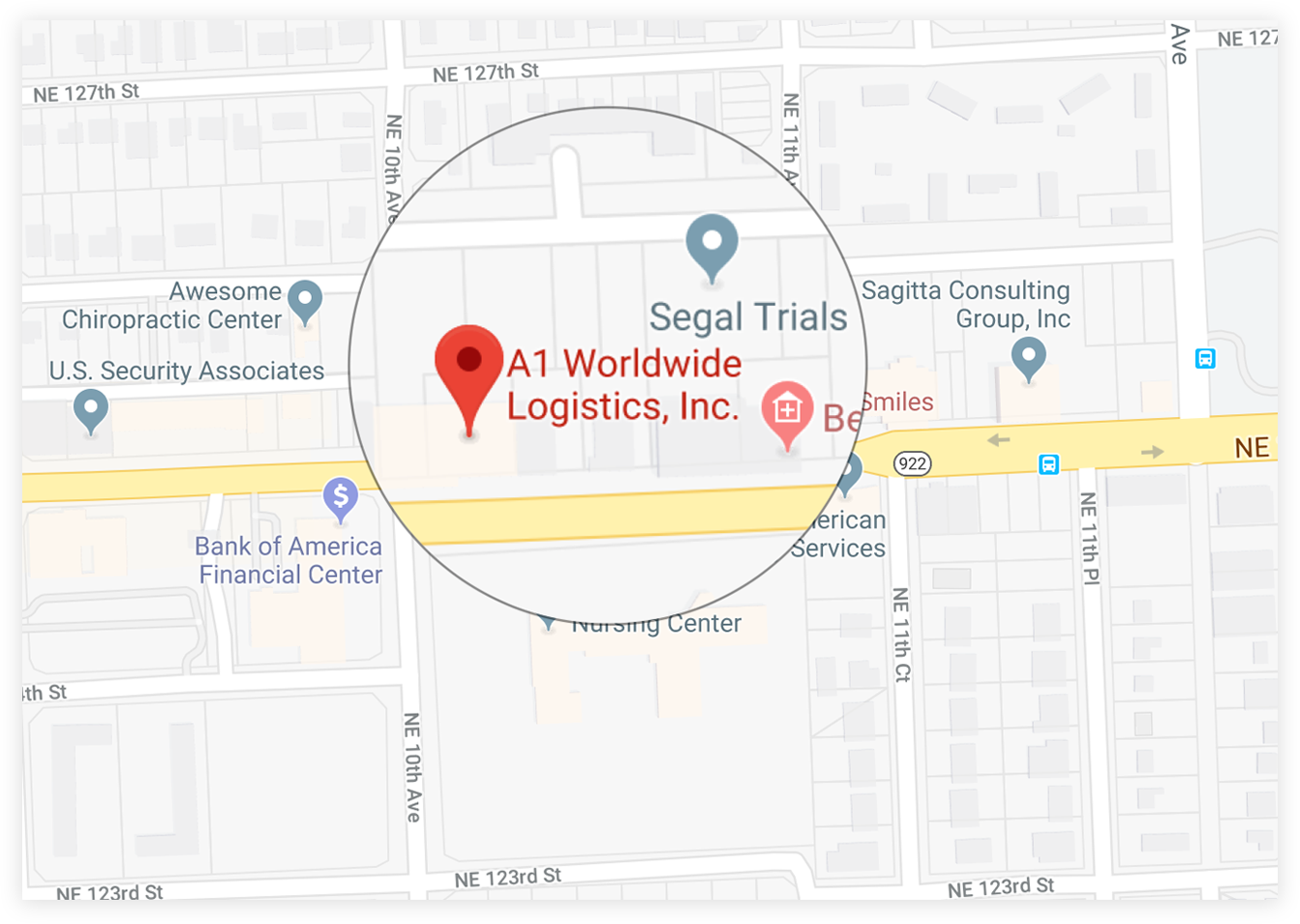
 1035 NE 125th St Suite #320, North Miami, FL 33161.
 a1worldwidelogistics.com
 (305) 821-8995
 Hours: 8AM - 5PM